Africa

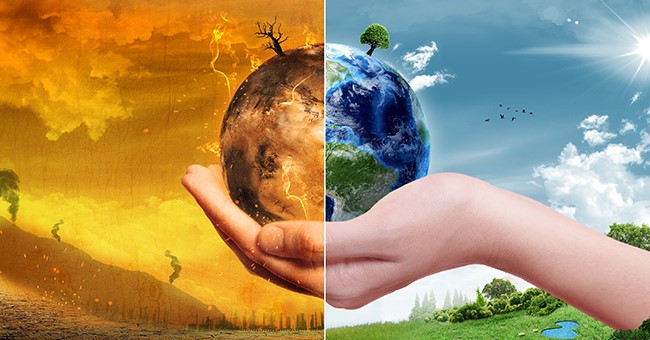
Climate change will affect everywhere: Are we at more risk?

By Saifullahi Attahir

Our grandparents used to remember with nostalgia how, in the past  50 years, they usually had a high-yield harvest yearly-round in the farms and surprisingly with total abstinence from using fertilisers and other modern additives. The bushes are full of trees of all sorts, vegetative forests with various colourful and nutritious leaves, guavas, mangoes, paw-paw, and dates, to name a  few. A farmer was almost always sure to have a sufficient harvest for the family with little manure from his domestic animal dungeons. They always harvest enough to feed themselves and their families, even more for the neighbourhoods.

Surprisingly, today, with all the powerful tools for mechanical farming, with all the ‘Almighty’ fertiliser, with all the agricultural institutions, with all the army of PhDs in academia, we harvest less and less. For the past two decades, our weather has constantly fluctuated with no certainty of what to crop this year or next. For instance, a  farmer would cut rice this year on clay land and experience drought, so precisely the following year, when he decided to switch to grains ( millet or sorghum), which would perfectly suit the dry land, unexpectedly, there would be a massive flood.

I live in Jigawa State and had first-hand experience with this scenario. Our farmers constantly switch between sesame (‘ridi’), groundnut, millet, and even rice. Places once dry land for sorghum and groundnut are now perfectly turned into rice farming lands. If you are doubting, come to areas around Sara town in Gwaram Local Govt, Jigawa state.

Jigawa state was initially named ‘Jigawa’  because of the large number of dry land primarily available for farming crops requiring less water. How are these vast areas becoming a mix-up, and even some submerged below water? How did we arrive arrived at this juncture? Why do we experience more floods and erosion disasters yearly?

Some of those answers are written on the wall as an effect of climate change caused by man-made activities that we failed to take any heed or measures. Some of those effects result from our ignorance to look into our environments and how we take care of our stomachs. These effects result from continuously perpetuating natural resources to satisfy our insatiable human greed.

Over the past decade, scientists and the media have been constantly alerting the populace on the danger that global temperature changes pose to the living conditions we are currently enjoying. Some of those warnings were already in effect in many parts of the globe. Research has shown how the continuous depletion of the ozone layer by emission from fossil fuel by our engines and industries poses a  great danger to the protection we once enjoyed from the Sun. The direct ultraviolet radiation from the heating Sun is no longer protected by the ozone layer, making it descend directly into our atmosphere. This led to the increased rise of the earth’s temperature to a fraction of a degree. The earth’s temperature has reached almost 2°c ( degree centigrade), with future expectations to reach 3°c.

The rise in earth’s temperature led to the constant melting of polar ice in the global North around Greenland. If you don’t know, these ices served as a pillar to the seas, habitation of billions of aquatic life, and a source of living for humans. If that ice melts, it will continue to kill those animals, shifting the ecological balance to the negative. Not only that, but mass migration of those living around the Poles would lead to overcrowding in other parts of the world, probably Europe or Africa.

Most of the current danger of global warming was caused by the developed Nations in the global North, especially Europe, which for over 200 years possessed engines that constantly polluted the air with carbon. Those countries include the US, UK, Germany, Russia, and China. Ironically, the underdeveloped countries in the global South are at the receiving end of the punishment, where floods, famine, earthquakes, storms, desertification, erosions, and drought constantly threaten them. The global South countries at constant risk of global warming are Pakistan, India, Indonesia, South America, and West and Sub-Saharan Africa.

One of the effects of global warming that people hardly pay attention to are as follows ;

1) Whenever any part of the world experiences a flood, famine, or earthquake, that part automatically becomes uninhabitable, and most of its inhabitants tend to migrate to safer places and greener pastures, especially cities. This would lead to overcrowding of urban areas, the creation of more slums, an increased crime rate, fewer job opportunities, and a reduction in the available land for farming and farmers themselves. These are the natural causes of food insecurity we see daily, the natural causes of the xenophobic attacks we hear daily, and the natural causes of the immigration problem we experience daily.

2) Overgrazing of the land without proper ways of replenishing and the constant encroachment of those specific forests and environments reserved for nomadic livestock in Northern Nigeria have forced the Nomadic Fulani to travel far to Southern Nigeria in search of pasture. This would automatically cause some altercation regarding rights, privacy, and intrusion, which causes the constant farmer-herders conflict escalating and metamorphosing into something else.

3) Many of those Fulani were now barren of their millennia-old source of livelihood (livestock) or were forced to abandon the practice because of the scarcity of grazing fields through encroachment by expanding Government or Private projects ( roads, railways, colleges, companies, hydroelectric dams). Worse, they could not attend schools or learn modern skills and mostly lived deep in the forest, so Government social amenities were scarce or absent. What do you expect from this scenario: aged old frustration accumulating over the years of negligence, ignorance, poverty, despair and envy? So those kinds of young idle minds can become a devil’s workshop if care is not taken. It’s easy to convince them through propaganda to carry weapons, which we now see as a form of banditry, armed robbery, kidnappings, and terrorism.

4) We have been witnessing the constant conversion of places once ecological habitats reserved for forestation and farming various food crops that our lives depend upon. These places are now becoming Universities, companies, barracks, airports, hotels, and rail tracks. These activities lead to less land for farming despite the exponential growth in the world population, hence the less harvest. This is the cause of hunger. Hunger leads to conflict, wars, illness, and debasement of human capital development.

The effect was not only caused by the developed Nations. We, too, have our share of the problem. I’m sure everyone raised in a rural area is aware of the constant deforestation by our people to gather burning sticks, and the worrying part is we cut the trees without planting others in their place. According to research, we need to plant ten trees instead of each one we cut down. But the sad story is that we are not even practising 1 for 1 (i.e. cut down one tree and plant one tree).

Sub-Saharan Africa is constantly threatened by desert encroachment, which would only be averted by planting more trees, especially along our roads and desert belt. People living around Jigawa State are aware of the continuous desertification yearly by metres in previously non-desert environments. This has a human and economic cost.

 Over the past five decades, the world has continually witnessed the gradual extinction and disappearance of many species of plants and animals from the earth’s surface whose research shows they enormously contribute to the stability and maintenance of ecological equilibrium. For instance,  vultures were once abundant over the skies, contributing to the degradation of carcasses that pollute the air, but today, rarely can you spot the vultures.

Hyenas, tigers, elephants, kangaroos, giraffes, swans, and thousands of other sauna and floras in aquatic and terrestrial forms were nowhere to be found. Some of those missing animal species have migrated to other parts of the globe with favourable weather. At the same time, many were wiped out through perpetual game hunting industrial and chemical poisoning. Did we know the catastrophic effect of the disappearance of these species from our planets?

It’s unsurprising that one day, humans too may start migrating to more favourable weather conditions if adverse climatic effects ravage them.

Some of the popularly known places affected daily by climate change include Jakarta, one of the world’s most densely populated cities in Indonesia, with floods destroying homes and lives every year. Hurricane Katrina in the US was a storm and mighty wind that destroyed houses, bridges, and humans. Makoko Slum in Lagos, Nigeria, is a densely populated area above water, inhabited mainly by immigrants searching for job opportunities from the deserted rural part of the country. Auyo in Hadejia Jigawa State, an area stretching many local Governments yearly affected by floods and erosion, causing devastating destruction and loss of human lives. Greenland is part of the globe at the far north pole around Antarctica. Those places are mostly covered with ice, but today, this ice melting rapidly, causing migration of the people around those parts.

The climate change effect is putting the world into a dilemma, with rising sea levels on the one hand and extreme drought and desertification on the other.

Some archaeological exploration has shown that today’s mostly desert Middle Eastern world flourished with vegetation and abundant water, lives, and different aquatic and terrestrial species. It’s only time that would tell whether we are retracing back to that same period conditions.

SOLUTION

Finally, the developed nations should continue diversifying their energy source through electric vehicles, solar stations, biodegradable energy, and hydroelectric power sources to abandon the toxic fossil fuels that pollute the atmosphere with excess greenhouse emission gases ( methane and carbon monoxide).

Also, the global South, including Asian, African, and Middle Eastern countries, should embrace conserving our God-given resources by planting more trees, regulating deforestation, and creating robust public awareness of the importance of Ecological Conservation.

Saifullahi Attahir wrote via saifullahiattahir93@gmail.com.

Nigeria in global malnutrition crisis’ web: A sad commentary

By Lawal Dahiru Mamman 

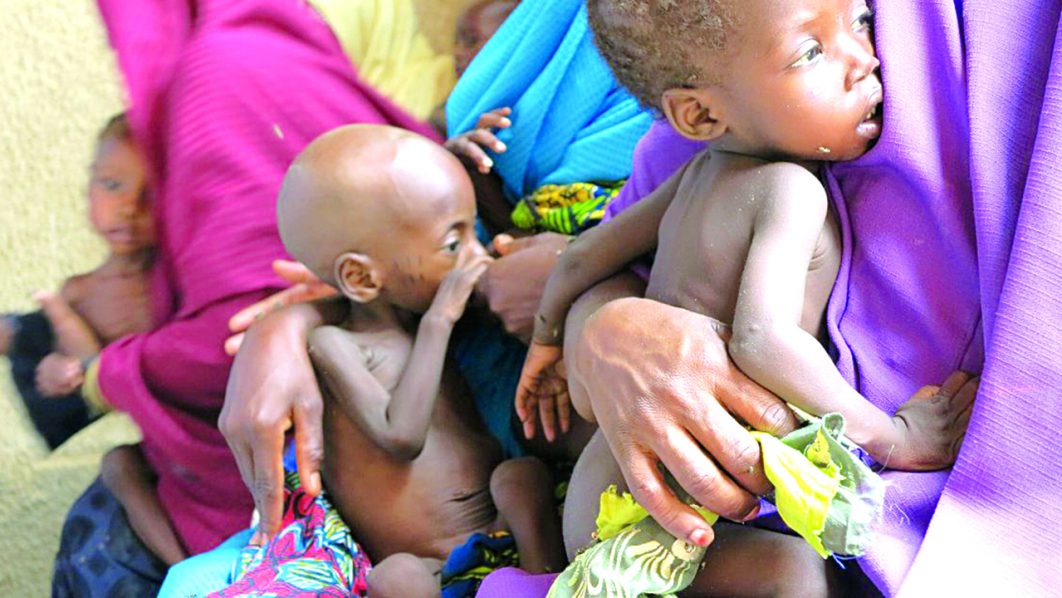
Malnutrition, generally, is when humans or any other living organisms get little or insufficient food nutrients, resulting in health problems. Nigeria is one of the 12 world countries recently declared as the epicentre of the global nutrition crisis. 

The other 11, mostly African countries, include Burkina Faso, Chad, Ethiopia, Kenya, Mali, Niger, Somalia, South Sudan, Sudan, Afghanistan, and Yemen.

COVID-19, war in Ukraine and conflicts in some of these countries are factors that have exacerbated the situation. Barely seven years ago, the number of under-nourished people in sub-Saharan Africa rose from 181 million in 2010 to almost 222 million in 2016. This figure increased to 264.2 million according to a study titled, “Malnutrition: An underlying health condition faced in sub-Saharan Africa: Challenges and recommendations,” published in a medical journal, Annals of Medicine and Surgery, in October 2022.

Recently, Anne Patterson, the Director, United States Agency for International Development (USAID) Mission, at the Trade Fair for Ready-to-Use Therapeutic Foods and Other Life-Saving Nutrition Commodities in Abuja, disclosed that Nigeria is ranked as the country with the second-highest malnutrition rate in the world.

This is according to the recent Food Consumption and Micronutrients Survey, she said.

In reality, Africa, with its abundant water body, aquatic life and favourable climate (which supports the growth of various food crops, including fruits and vegetables), has all that is necessary to produce the macro and micronutrients required to nourish the body for optimal growth and health.

For Nigeria, in particular, which has agriculture written all over its national symbol (as the green on our National Flag signifies agriculture, and the black shield on the coat of arms symbolises fertile soil), the country should not be mal- or undernourished, even ranking second globally.

There are also about 200 species of fish, thanks to the large water body nature has blessed our country with. This, along with other aquatic lives, can be harnessed for healthy foods. There are livestock of various types, giving quality nutrients, too.

A lot is invested by the government in building more resilient health systems medical technologies, training of medical practitioners, and treating illnesses. It is time the same energy and resources are invested in nutrition.

For example, during this year’s World Malaria Day, Nigeria still routinely spent an estimated sum of N2.04 trillion on malaria annually.

Breaking this figure further, the Chairman of the Pharmaceutical Society of Nigeria (PSN) said, “The estimated cost for an individual to treat uncomplicated malaria in Nigeria ranges from approximately N700 to N3000, depending on the type of treatment, and the healthcare facility visited.

“While treating complicated malaria could be significantly higher, ranging from N20,000 to N60,000, or more”. 

On the cost to the Nigerian government, the consultant pharmacist said: “This cost includes expenditures on healthcare facilities, medication, and personnel.”

Tackling the menace of investing heavily in treating illnesses and sicknesses affecting citizens would be to invest in its prevention. And that entails boosting the masses’ nutritional health by ensuring the availability of good and nutritious meals. 

This will help in fortifying the immune system of Nigerians and combating all forms of malnutrition troubling citizens, especially Nigerian children from less privileged backgrounds. 

Being a nation that also engages in massive agricultural cultivation of food and tearing of assorted livestock, the last thing citizens should have as a companion is hunger. Therefore, the federal government and other concerned authorities should worry about the global survey that ranked us as one of the world nations battling with the malnutrition crisis. It is a sad commentary.

Lawal Dahiru Mamman writes from Abuja and can be reached via dahirulawal90@gmail.com.

Spoken on the Moon: English as the leading international language

By Musa Touray

Africans who dwell on the torturous past of slavery and colonialism find it hard to recognise the essence of a language that has long transcended its original shores. Deepening one’s intellectual quest through the continually universalised medium of communication is, to them, an acknowledgement of superiority some users have attached to the language.

This popular warped perception has dampened our commitment to the pursuit of the English language in a world where minimal mastery of it is a marketable accomplishment. Striving to learn and apply the basics of the language is not only weighed down by dissuasive forces of mediocrity but the process is often mischaracterised as a showy obsession with ‘big English.’ It’s time we broke free from this notion and joined the rest of the world to maximise our understanding of a globally sought-after commodity.

English is an epilanguage in most, if not all, spheres of life—scholarship, extraterrestrial research, scientific studies, diplomacy etc. An epilanguage is used as a means of expression for some purpose, such as those highlighted above. Major scientific discoveries and breakthrough publications have been made in English, even by scholars who use it as a second language and do not have the littlest anthropological affiliation with its native speakers.

“(Proficiency in) English is not a measure of intelligence” has become a central assertion in a section of non-native users’ undervaluation campaign against the language. Unless there exists nuanced definitions of the word beyond me, expressing oneself in any language, not just in English, is itself intelligence.

A hostile follower on X, formerly Twitter, challenged a renowned public affairs analyst to use English and buy fuel if his love affair with words was beneficial. “You may not want to hear this, sir,” replied the analyst, “but I make a living by writing proficient English.” This response clarified for a man who fell under the category of those in oblivion about the language’s incomparable marketability in the contemporary world. “I am paid for producing grammatically-decent content,” he added. 

Using a language also means we should not hold the laws that govern it in contempt. As they obtain for man, rules ensure correct usage and fight off linguistic anarchy. This is one aspect most of us have ignored in making a living through the English language. For example, newspapers, a traditional platform for learning English, have become guilty of unforgivable solecisms.

The convenience of social media has given birth to a handful of commentators and self-styled journalists who exhibit a flagrantly terrible command of the language they choose to communicate. The urgent need to learn the basics of their preferred language is overshadowed by a desire to generate reactions and clout. With hundreds of thousands of followers, some pass off bruised grammar to an uncritical readership.

School-going enthusiasts of current affairs are bound to accept as grammatically flawless whatever they read in newspapers or press releases. This is supposed to be the case if the articles are subject to rigorous editorial scrutiny to establish facts and ensure that grammar rules are respected.

The growing popularity of English in non-anglophone domains is telling. While we continue to dismiss it as the colonisers’ tongue, others have recognised it as an indispensable language that serves transactional and communicative needs in ways and styles no other language does.

Musa Touray wrote from Sandu Kuwonku, The Gambia. He can be reached via musatouray970@gmail.com.

Umaru Musa Yar’Adua: Nigeria missed a chance to become the “Giant of Africa”

By Saifullahi Attahir

“It’s still morning in Nigeria, democracy is just eight years old, our Nation has changed for the better, but there is much left to do……for Nigeria of today,  the Sun is still rising” – Yar’adua during campaign 2007.

I deliberately chose the above phrase as a   subtitle of my essay due to the sorrow  I felt whenever I remembered the chances our dear country missed by losing the above rare political figure through the cold hand of death. Although I’m a Muslim who believes in destiny, I still can’t help but recount the countless opportunities and milestones we were about to scale during a very golden hour in the political history of Nigeria.

Before 2007, little was known about this gentleman apart from his home state, Katsina. Although many Northern Governors were busy lobbying in Abuja for President Obasanjo to anoint them as PDP presidential flag bearers, Umaru Yar’adua was far in the remote state of Katsina. Unconcerned with the political atmosphere in Abuja, he was busy building a legacy of service known in his family’s blood.

In a  dramatic twist of fate, President Obasanjo handed over the PDP ticket to Umaru Yar’adua after inviting him to Abuja. This singular act of courage and benevolence by Obasanjo, which deserved accolades, was done after scrutiny of all the Northern Governors at that time, with historians quoting Obasanjo as saying, ‘Yar’adua was one of the few spotless politicians with a good track record of efficient administration’.  This can be a powerful message to powermongers, especially in today’s politics,  that God can give it (power)  to whom He likes without lobbying or cutting corners.

Umaru Yar’adua was born in 1951 to Late Musa Yar’adua, a former Lagos Minister during the Tafawa Balewa administration. His father was also a Chieftain (Matawalle)  in Katsina Royal court. Their household was a signatory of service, honesty and discipline that produced many notable figures, including his senior brother, Late General Shehu Musa Yar’adua.

Yar’adua attended the prestigious  Ahmadu Bello University (ABU)  Zaria,  where he obtained a degree and master’s in chemistry education between 1972 and 1978. He had a stint as a lecturer at CAST in Zaria and Katsina Polytechnic. Umaru Yar’adua was a teacher by heart who took teaching as his favourite hobby and job despite his affluent family background. This can testify to this man’s ultimate humility and love of service for his Nation.

It was not only teaching that Yar’adua knew, as part of their family tradition, but he was also later a Director of several companies that were founded by either his brother or Late father, including;  Habib Bank Limited, Lodigiani Nig Limited, Hamada Limited, Sambo farms. This is to show that Yar’adua has a taste in the private sector as a prudent manager of resources with vast practical knowledge of the economy.

During his tenure as Governor of Katsina state, he was the first in Nigeria to declare his assets to the public. He also saw to the massive construction of public schools, equipping and rehabilitating hospitals, good road networks, and prudent management of Katsina treasury. These are not just created lies but historical facts. One example that can testify to this is how Yar’adua picked and groomed one of the finest intellectual and hardworking administrators Nigeria has ever had, Tanimu Yakubu Kurfi. This economic guru has worked closely with Yar’adua as an aide and later as commissioner of finance. The hard work of this fellow led to Obasanjo appointing him as Chairman of the Federal Mortgage Commission. Indeed, Tanimu Yakubu would be an article I would separately write one day by God’s grace.

The choice of Yar’adua as the presidential candidate was not without foes; even among the Cabinet Ministers of Obasanjo, some people looked at themselves as the most competent for that job, so this automatically created harsh criticism between them and Yar’adua even before the government took off.  The example of what transpired between Mallam Nasir El-Rufa’i and Yar’adua was an unfortunate event. Although I see El-Rufa’i as an exemplary leader and my political mentor, his bitterness and open hatred toward Yar’adua were less expected of him. At least, it should have ended after his death, but to the surprise of many, his untimely death has become a source of pride and rejoicing for others.

Among the first surprises Yar’adua to the world after his election was his confession that the election that brought him to power was faulty, but he asserted his commitment to bring change in electoral reforms. He quickly again declared his assets. The choice of Cabinet members in the Yar’adua government was a testimony to his commitment to Nigeria. Most of his political appointees are people of unquestionable character,  integrity and experienced technocrats.

Dr Shamsudeen Usman, a Kano-born Economic guru, was the Minister of National Planning. Dr Mansur Mukthar, another Kano technocrat, was the Minister of Finance.  Sanusi Lamido Sanusi, a radical Economist, was the head of CBN. Colonel Abdurrahman Dambazau, another Kano-strong man, was the chief of Army staff. Ojo Maduekwe, an intelligent diplomat, was the Foreign Minister. Dora Akunyili, an iron Lady, was the head of NAFDAC. Tanimu Yakubu, a rare gem, was the Chief Economic Adviser. Segun Adeniyi, a veteran writer and mentor, was the Presidential spokesperson. Abba Sayyadi Ruma, a confidant of Yar’adua, was the Minister of Agriculture. Dr. Aliyu Modibbo is in charge of FCT. Mrs.  Fareeda Waziri as EFCC boss. Attahiru Jega, as the unforgettable INEC chairman. Even Mallam Nasir Elrufa’i was initially part of the government as head of Energy sector reform. These are some of the few members of Umaru’s administration to give an idea about what he intended for this country.

Immediately after its inauguration,  Yar’adua set the agenda for this country as ‘VISION 2020’ to set Nigeria as one of the world’s top 20 countries with a strong economy by 2020.

These were not empty promises or the usual character of some politicians, but a tangible and committed road map he has charted for Nigeria with the strong political will to deliver. Yar’adua developed the famous ‘7 POINT AGENDA’, a simplistic approach to good governance and a roadmap for a brighter Nigeria. This is unlike the multiple, complex, ambiguous, and confused slogans we have witnessed since his demise by the subsequent regimes.

7 POINT AGENDA is a set of policies Yar’adua envisioned concentrating on during his tenure as President. They are as follows: 1)Power and Energy.  2)Food security. 3) Wealth creation 4) Transportation. 5) Land reforms. 6) Security. 7) Human capital development/Education.

Despite the short period of his government, which was also interspersed by crises and frequent health concerns, within three years between May 2007 and May 2010,  Yar’adua was able to leave an indelible positive mark as one of the best leaders this country ever produced. Most Nigerians believe that had Umaru left in 2015, our story would have been a different one, full of hope.

1)Yar’adua was able to solve the crisis of the Niger Delta; this automatically brought security to the region and also boosted the crude oil production of Nigeria.

2)Yar’adua maintained the rule of law, especially in electoral matters, by bringing many reforms in INEC. Hence, many elections were won and given to the opposition parties, exemplified in Ekiti and others.

3) Inflation was dramatically brought down during his regime when many commodities became cheaper and subsidised, including petrol, fertiliser, food, etc.

4) Yar’adua gave Sanusi Lamido Sanusi the green light to carry out the radical reforms in the banking sector that led to rescuing our economy from recession and corrupt elites.

5) Yar’adua initiated and completed the draining of the river Niger to boost the hydroelectric power supply to Nigeria, especially in the blackout  Northern part.

Despite the above achievements, the Yar’adua government faced many challenges during his time. The Boko Haram crisis escalated after the killing of Muhd Yusuf (its leader). Also, Nigeria entered a diplomatic crisis with the US after arresting Farouq Mutallab in an airport, allegedly trying to detonate a Bomb. His government also faces many corruption cases perpetrated by some Cabinet and political associates.

Yar’adua was a doer, a silent achiever, a respected diplomat, and a prudent manager. He was married to his brave and confidant wife, Turai Yar’adua, in 1975. Three of his nine children were married to 3 Governors then ( Isah Yuguda, Sa’idu Dakin-gari, and Ibrahim Shema). His wife said Yar’adua’s favourite foods were ‘Kosai da biredi’ ( bread and bean cake, a popular simple Hausa food). He sometimes wore a wristwatch until it started rusting due to his simplistic life.

His life was cut short on 5- 2010 due to  Pericarditis, a complication from an underlying Chronic Kidney disease he has had for a long time.

Humility, honesty, discipline, listening ear, prudence, simplistic life, and hard work attracted Yar’adua to Obasanjo by anointing him as the  Presidential aspirant. They are the same characteristics that help him to deliver some of the promises he has made; they are also the same qualities that endear him to millions of Nigerians  13 years after his death.

Saifullahi Attahir wrote via saifullahiattahir93@gmail.com.

Gabon’s political turmoil continues: President Bongo grapples with coup fallout 

By Muhammadu Sabiu 

In the aftermath of the recent coup attempt in Gabon, President Alain Bernard Bongo finds himself at the centre of a political storm that has shaken the nation. 

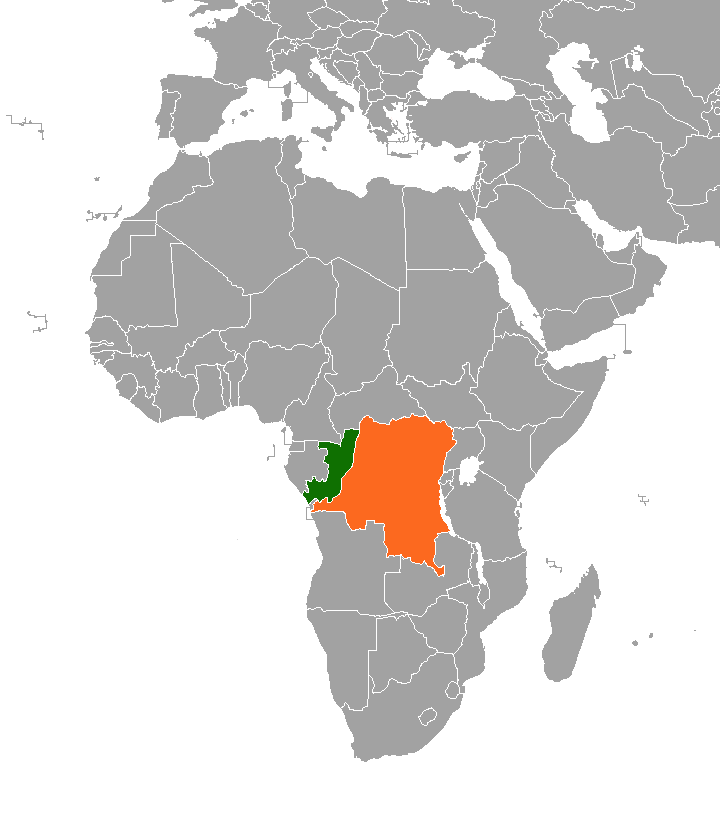
Born in neighbouring Congo-Brazzaville in February 1959, Bongo’s journey from a one-time funk singer to the head of a longstanding political dynasty has been one of both fascination and controversy. 

Stepping into his father’s shoes to continue a family legacy that spanned over 50 years, President Bongo has been a figure of polarising opinion. 

Some see him as a spoilt playboy prince who views ruling the oil-rich country as his birthright. However, others regard him as a reformer who has made efforts to diversify Gabon’s economy. 

He was initially voted into power democratically by the masses, a testament to his perceived commitment to change. 

Despite his tenure, President Bongo’s legitimacy has consistently been under scrutiny from political opponents. Allegations of fraud marred his 2016 election victory, casting a shadow on his presidency.

Calls for his resignation gained traction following a period of ill health in 2018, which culminated in a failed coup attempt. This event highlighted the fragility of his leadership and exposed divisions within the country. 

As the nation grapples with the aftermath of the recent coup, questions about President Bongo’s ability to maintain control and foster stability continue to surface. 

The unfolding events have once again ignited debates about his governance style and the true nature of his rule.

With opposition forces emboldened and citizens expressing varying degrees of dissatisfaction, Gabon stands at a crossroads where its future hangs in the balance under the leadership of President Bongo.

Climate Change: Best time for Nigeria’s energy transition

By Bilyamin Abdulmumin

One of the major issues that is increasingly capturing global attention is climate change. Since 1992, the United Nations Framework Convention on Climate Change (UNFCCC) has been committed to mitigating the repercussions of this phenomenon. The Conference of Parties (COP) convenes every year to discuss the progress of their commitment.

The last summit, COP27, was held in November 2022 in Egypt, with 190 countries attending. The summit’s focus was the establishment of a “loss and damage fund” to provide funding from significant climate change contributors to countries that are least responsible for climate change but are the most vulnerable to its impacts.

Our planet Earth receives energy from the Sun in the form of sunlight, then radiates it back in the form of infrared; some of this heat reflects into space,  while some get absorbed by  Green House Gass (GHGs) in a process called Greenhouse Effect, this process stabilises our climate. Without these gases, the Earth could be considerably colder, well below freezing point. On the other hand, an increase in the concentration of these gases leads to a warmer planet. The consequences of interfering with this natural phenomenon are unimaginable. However, modern human activities are believed to be depleting this natural balance; we are increasing the concentration of greenhouse gases, resulting in a rise in global atmospheric temperatures.

Whenever fossil fuels (coal, oil, and gas) are burned to generate energy for various needs such as industrial activities, transportation, and cooking, CO2 is produced as a major by-product (CO2 emission). This CO2 is one of the greenhouse gases (GHGs) and plays a significant role in the greenhouse effect. The emissions of CO2 and other GHGs increase heat absorption, resulting in global warming. Glaciers and ice caps melt due to global warming, leading to rising sea levels. This phenomenon poses a significant threat to coastal areas, as increased water volume can cause flooding and other existential hazards.

 Another big threat is that global warming causes heat waves. A heatwave is a period of scorching weather, typically lasting several days or even weeks; the temperature of some European countries (due to heat waves) is currently reported to soar up to 40 degrees Celsius.

In broader terms, while the global North (North America and Europe) mostly experiences heatwaves, glacier melting, and increased rainfall, the global South counterpart (South America, Africa, and Asia) mostly experiences flooding, drought, and forest fires. It is clear here that the latter is worst affected by global warming.

The overall global warming is currently measured at 1.2°C and is projected to reach 1.5°C by 2025. The Earth will be in real danger if global warming reaches 2.0°C (as forecast, at least by 2040). At this level, it will cause the acceleration and exacerbation of all the threats mentioned above. Drought will impact the majority of global farmland, while flooding will submerge a significant number of homes. Unquenchable forest fires will also reign, creating a sort of doomsday scenario for humanity.

It was against this foreseeable bleak future that the COP members, through the Paris Agreement, agreed to reduce CO2 emissions by 50% by 2030. This commitment means that the countries involved will restrict the usage of fossil fuels such as coal, oil, and gas and instead transition to green and clean energy alternatives like solar, wind, hydro, geothermal, and biofuels.

But one major obstacle hinders this promising energy transition, especially in developing countries: the glaring affordability of fossil fuels compared to all renewable sources. Due to the low cost of fossil fuels, all developed countries relied on them to propel their advancement. This is why transitioning to renewable energy poses more difficulties for developing countries like Nigeria. When Africa struggles to find its footing, this ugly scenario rears its head. The beneficiaries of fossil fuel’s abundance now advocate for cleaner energy solutions left, right, and centre. This situation is like campaigning to a malnourished person about routine medical check-ups when they primarily need proper nutrition. The person has to eat well before considering a longer life campaign.

The intriguing part of the global warming scenario is the unequal contribution of CO2 between developing and developed countries. The latter are far more culpable, with their giant machines releasing CO2 into the air ‘like tomorrow no de’. For instance, the US and China contribute more than 20% of the global CO2 emissions each, while the entire African continent contributes below 4%.

Nevertheless, these should not be discouraging for Africa, or a reason for kicking against climate commitment, since climate change is a long-term issue; in the future, when Africa’s economy snowballs, it will significantly contribute to global warming.

Instead, this should serve as an opportunity for Africa to embark on development while committing to climate action. Imagine if, a few centuries ago, Europe and America had received support to consider climate change mitigation while advancing their technology. We might not be where we are today, facing the current threat of global warming.

Among all the renewable energy sources, biofuel remains the most suitable option for African countries or any developing nations to adopt in their fight against climate change because it can promise simultaneous infrastructure development while combating climate change.

Agriculture is both a boon and a bane for development in many African countries since most citizens are farmers. Therefore, investing in the development of the agriculture sector through the energy sector by adopting biofuels can significantly contribute to the overall progress and development of a nation.

With COP’s commitment to supporting developing countries and the potential of biofuels to transform the agriculture sector, there is no better time for Nigeria to transition to cleaner energy.

Bilyamin Abdulmumin is a doctoral candidate in Chemical Engineering at ABU Zaria, a public affair commentator, and a science writer.

Climate Crisis: Challenges for Nigeria’s new administration

By Nusaiba Ibrahim Na’abba

There are so many things on the table awaiting the newly inaugurated administration. With insecurity topping the list, there is a great task of realising viable and sustainable economic alternatives, developing a solid healthcare structure, and battling an ever-evolving overwhelming climate reality. The just-inaugurated administration will undoubtedly be challenged by many of what its predecessors fought. Addressing these issues of high public priority is an invaluable facet of the success of Bola Tinubu’s administration.

Unifying the country after a rigorously contested election is another challenge the incoming administration will face. The recently held elections have unveiled another dimension of disunity in this country. Unity is always an essential asset in any country’s development, which is why it is a pillar upon which societies thrive. Even before the new president was elected, the Muslim-Muslim ticket that filled the air was refuted by opposition parties.

Environmental challenges have dreaded many plans to succeed in Nigeria. Recently, because they are primarily multi-faceted. In 2022, they brought an unprecedented climate crisis in Nigeria and the world. Floods have devastated communities in Southern parts of the country, and many of the communities in the North were displaced. The inherent consequences of climate-related problems in our country are truly worrisome.

Over 12,000 farmlands across 14 local government areas were destroyed in Kano State due to heavy and torrential rainfalls. These figures were pronounced by the Kano State Emergency Management Agency (SEMA). In addition, several families were forcefully displaced from their homes.

In Jigawa State, many homes were destroyed by heavy rains and floods. Numerous families had to be dispersed across schools, serving as relief camps for the displaced. Some innocent lives were lost after being buried by the building, an effect of heavy rainfall. A substantial number of farmlands were said to have been destroyed too. These issues occurred while the President Buhari administration was nearing its end and political campaigns heightened.

The federal and state governments rushed to cushion the effects by sharing palliatives with affected communities. Philanthropists also played an essential role in supporting the victims affected. Many families had lost everything, including their only source of livelihood, farming. This challenge intensified living conditions for average Nigerians in these parts of the country as prices of commodities hiked and the cost of living rose significantly.

Now after a year, we’re back at it again. The Nigerian Meteorological Agency (NIMET) has started highlighting forecasts of what we would expect during this year’s rainfall season, and indicators are frightening; heavy rains and thunderstorms are the pointers. And because the foresight comes as a warning signal, many families in these areas are already baffled with unimaginable thoughts, picturing last year’s experiences.

Apart from heavy floods, the inconsistency of rainfall in the Northern part of the country is another climate wrinkle. If not managed with the right agricultural methodologies, the inconsistency of rain will only worsen access to food supplies. Policies of the just concluded government in terms of border closure and later ban on importing products like foreign rice have hit hard a large percentage of Nigeria’s population. Most average Nigerians have long relied on these foreign food supplies for survival. Even with the supposed increase in agricultural activities as the alternative induced by the Buhari administration, the prices are unbearable.

Heat is now persistent with the cut down of trees in the North. The severe effect has been felt by people, unlike heat seasons before. This year’s Ramadan season was barely scaled through because of excessive heat. By now, many are starting to realise the importance of building trees and the ills of cutting them down. Federal and state government initiatives at this stage in our lives must prioritise replanting of new and resilient breeds of trees in places set for infrastructural activities. Our experiences have highlighted that prior climate change initiatives in this respect are not enough.

Health problems are also being exacerbated as climate change continues to unravel. Continuous pollution consistently exposed Nigerians to various health hazards. Gigantic pyramids of waste in cities have polluted healthy air. In areas where the waste pyramids are later burnt down, people are forced to breathe in harmful substances that have long-lasting effects. More so, manufacturing companies in, for instance, Kano, have been hit with several allegations of releasing toxic substances after their production processes.

According to Wasteaid (2021), with no access to waste management services, one in 3 people worldwide have no choice but to dump or burn their waste. Open waste burning is a significant emitter of black carbon, CO2, carbon monoxide, and other harmful toxins. This explains the risks attached to indiscriminate waste generation and management.

The findings are vindicated by United Nations Environment Program (UNEP) 2021 in a study which identified that Nigeria produces more than 3 million tonnes of waste annually, and only 20 to 30 per cent is collected and disposed of. Uncontrolled wasted burning, which is one of the practices, contributes to deteriorating air quality in Urban centres.

In their recent publication this year, UNEP also states that in Nigeria, sachets have become increasingly widespread, especially in fast-growing cities like Lagos. Research shows that about 50 to 60 million used water sachets are thrown into the streets daily”. When you picture the whole of Nigeria in terms of this indiscriminate act, you know a bigger problem lies ahead unless necessary measures are implored. I have not forgotten about e-wastes that have found dwelling places in Nigerian cities.

I cannot possibly explore all the existential climate challenges within this single piece. On the one hand, the federal government is currently overwhelmed with subsidy removal, dollar instability and making appointments. On the other hand, at state/local levels, some governments a busy investigating the ills of just concluded administrations while others are trying to get a hold of the affairs of the states. Unfortunately, all these aren’t slow down the speech of climate-induced consequences.

In the southern part of the country, Nigeria has been fighting oil exploration problems which have disrupted livelihood. Floods have been a major occurrence in areas where oil is not being extracted. These challenges have to be creatively and carefully addressed.

Nigeria is blessed with enormous human resources capable of producing excellent ideas to combat some of these issues. As part of the government’s obligation to serve, it must consider accepting solutions from communities, creative youths, and start-ups. Many ideas can be supported with considerable investment to help the fight against climate-induced calamities.

Nusaiba Ibrahim Na’abba is a master’s student from the Department of Mass Communication, BUK. She is a freelance writer and researcher. She can be reached via nusaibaibrahim66@gmail.com.

Book Review: Born in Blackness

By Dr Shamsuddeen Sani

When I first read about this book in the Guardian International sometime last year, I knew it had to be good. But even more so when I read somewhere about the author narrating a story of a Nigerian lady that bought 1200 copies of the book to distribute back here in Nigeria. In this seminal work, Born in Blackness: Africa, Africans, and the Making of the Modern World, 1471 to the Second World War, Howard French provides a comprehensive and nuanced exploration of African history and its impact on the world. French’s ground-breaking analysis challenges the dominant Eurocentric narrative of history, highlighting the agency and contributions of Africans to global events.

Subdivided mainly into five parts, the book covers a broad expanse of African history, from the early encounters between Europeans and Africans to the struggles for independence in the mid-twentieth century. Through a meticulous examination of historical events and phenomena, French emphasises the complex and interconnected nature of global history, illustrating how the experiences of Africans were intertwined with those of Europeans, Americans, and Asians.

One of the most striking highlights of the book is French’s deep commitment to challenging conventional narratives of African history. Through a nuanced analysis of primary sources and historical evidence, French emphasises the agency and contributions of Africans in shaping their destinies. He highlights how Africans responded to the challenges of imperialism, colonialism, and globalisation, from the rise of Pan-Africanism to the emergence of new cultural and intellectual movements.

Another key feature of the book is French’s emphasis on the dynamic and diverse nature of African history. Rather than presenting a monolithic view of African societies and cultures, French highlights the rich and complex tapestry of human experience on the continent. He explores the diverse political, social, and economic structures that emerged in different regions of Africa and how Africans adapted to changing circumstances over time.

Overall, this book is a tour de force of African history that challenges conventional wisdom and invites readers to rethink their understanding of the world. French’s masterful analysis and deep commitment to historical accuracy and nuance make this book a must-read for anyone interested in the history of Africa and its impact on the global stage.

TRT launches Africa service to counter Western narratives

By Uzair Adam Imam

The Türkish public broadcaster, TRT, has launched a new digital platform, TRT Afrika, to counter Western media narratives about Africa.

Mehmet Zahid Sobaci, leading the launching on Friday, decried the way Africa is underreported by the Western media today.

However, with the emergence of TRT Afrika, many interesting stories that have been silenced would be relayed to the global audience.

Sobaci added that the medium intends to showcase stories from Africa and put its unique values at the heart of the world’s events.

He added that Africans would have a voice to communicate their ideas, values and cultures to the world without any alteration and in their languages, such as Hausa and Swahili.

He further stated that the medium would also pay attention to the good stories of Africa that have been silenced or underreported by the Western Media.

TRT Afrika, which employed staff from fifteen different African countries, would, according to Sobaci, “be like a mirror to Turkey’s policy and its relationship with Africa.”

He further stated that this would enable TRT to find out about different stores from the continent.

Mainstreaming mental health in Nigeria

Bello Hussein Adoto

The signing of the Mental Health Bill into law presents a renewed imperative to rewrite the mental health narrative in Nigeria. Here is how Nigeria can do better.

‘All diseases are equal, but some are more equal than others’. Although Nigeria is not George Orwell’s Animal Farm, the country has a glaring disparity in the kinds of diseases it considers a priority, but the recent signing of the Mental Health Bill into law can help us to rewrite the narrative.

At the mention of infectious diseases like HIV, tuberculosis, and malaria, or non-infectious diseases like diabetes, hypertension, and cancer, one could point to tangible, nationwide, and sustained initiatives to promote public health and reduce their impact on individuals and communities. But very few such initiatives are available, if any, for anxiety, depression, or Alzheimer’s disease. 

While anxiety and depression do not kill as regularly as untreated malaria, HIV, tuberculosis, and uncontrolled diabetes and hypertension – diseases that received far more attention, these mental illnesses are nonetheless deadly.

Anxiety and depression, for instance, reduce our quality of life and living, undermining our productive capacity, while depression increases a person’s risk of suicide. This reality makes diseases that affect moods and behaviour as relevant as those that affect tissues and organ systems.

Mental health disorders are a huge challenge in Nigeria. A recent report puts the number of people living with one mental illness or the other in the country at 60 million. According to a World Health Organization report, Nigeria has more than seven million people living with depression. This value doubles the number of people living with depression in South Africa and Ghana combined. A similar story plays out in the estimate for people with anxiety in the continent.

Nevertheless, the signing of the Mental Health Bill offers a renewed imperative for stakeholders to harness the several opportunities that could rewrite the narrative of mental health in the country.

The first opportunity is an extensive network of primary, albeit underfunded and underutilized, healthcare centres across the country. Nigeria has more than 33,000 primary health centres with a potential capacity to provide mental health first aid services to Nigerians. The government can expand these facilities to provide mental health care services.

The centres have community health officers (CHOs), community health extension workers (CHEWs), registered nurses, and midwives. Specialists can train these non-specialist healthcare workers to provide basic mental healthcare services nationwide, especially in rural areas, in a task-sharing, task-shifting policy.

Nigeria has applied this policy to provide malaria and family health services, and a 2015 study shows that integrating mental health into primary healthcare in Nigeria could follow a similar model. Such integration will buffer the shortage of mental health specialists in the country and improve care coverage for underserved populations.

Secondly, the digital era is here. Digital channels such as social media, webinars, SMS, and tools such as smartphones and software, provide an exciting, affordable, and sustainable opportunity to reach many people. The government could harness these channels to support non-specialist care delivery, educate the public about the fundamentals of mental health, reduce ignorance about mental health, and eliminate the stigma and dangerous practices associated with mental health disorders in the country.

Beyond helping to raise awareness, the government and other relevant stakeholders should harness digital channels to deliver e-health to people with mental health disorders and bypass the barriers to accessing traditional care. Such digital interventions have been shown to improve mental illnesses among students and could be helpful in care delivery to a larger population.

A third opportunity is the existence of non-governmental organizations, such as the Mentally Aware Nigeria Initiative (MANI) and Asido Foundation, that champion mental health causes in the country.

NGOs are paramount to health promotion because they supplement public efforts to promote health. Some NGOs operate helplines for mental first aid; others, like the Asido foundation, run the Unashamed campaign to increase mental health awareness and reduce stigma in the country. The government can partner with these NGOs to sensitize the public and provide the much-needed care and support that millions of Nigerians need.

Finally, a special insurance package should be instituted for people with mental health disorders, so they can access essential care without worrying about the cost. Awareness about health insurance has increased over the years, and more Nigerians are enrolling in their numbers. The number of enrollees in the Nigerian Health Insurance Scheme [(NHIS), mow National Health Insurance Authority (NHIA)] has nearly doubled between 2007 and 2013. Stakeholders can expand current social health insurance packages for insurance owners to include mental health conditions and give Nigerians a new lease to access proper mental health care whenever needed.

Bello Hussein Adoto, a researcher, writer, and journalist, writes via bellohussein210@gmail.com.