
![[OPINION]: Let’s Be Cautious About Security Matters, By Hassan Saidu Jakusko](https://dailyrealityng.com/wp-content/uploads/2026/10/IMG-20261010-WA0006-160x160.jpg)
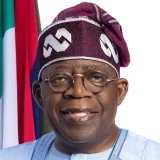

“Kwankwaso Was Also My Political Boy”, Ganduje Fires Back
By Uzair Adam
Former National Chairman of the All Progressives Congress (APC), Abdullahi Umar Ganduje, has responded to recent remarks by Rabiu Musa Kwankwaso, saying the former Kano governor was also once under his political mentorship.
Ganduje, who is currently in Saudi Arabia performing the Hajj pilgrimage, made the response in a statement released on Friday through his Chief of Staff, Comrade Muhammad Garba.
The statement followed comments credited to Kwankwaso in which he reportedly said, “Even Ganduje was once my boy.”
Reacting to the remark, Ganduje said politics thrives on mentorship, sacrifice, support and long-standing relationships, noting that no politician attains prominence without assistance from others along the way.
According to the statement, Ganduje recalled playing a significant role in Kwankwaso’s early political journey, especially during the National Assembly election that led to his emergence as Deputy Speaker of the House of Representatives.
“At that period, Ganduje could comfortably have described Kwankwaso as his political boy, considering the moral and financial support he offered him,” the statement read.
The former APC chairman further recalled that during his time as a senior civil servant in the Federal Capital Territory and later as Kano State Commissioner for Works, Housing and Transport, Kwankwaso frequently visited him in both Abuja and Kano.
Ganduje said reviving “boy-master” narratives in present-day politics was unnecessary at a time citizens expect leaders to focus on governance, peace and development.
He also revisited the 1998 Kano governorship primaries, claiming that many party stakeholders believed he won the contest but that senior political figures persuaded him to accept the deputy governorship position alongside Kwankwaso in the interest of party unity.
Despite their political disagreements over the years, Ganduje noted that he and Kwankwaso worked together successfully as governor and deputy governor between 1999 and 2003, and again from 2011 to 2015.
He added that political relationships naturally evolve, citing the example of Kano State Governor Abba Kabir Yusuf, who once served as Kwankwaso’s Personal Assistant but later rose to become governor of the state.
“Politics should not be reduced to who is superior to the other. A father can nurture a child who eventually surpasses him in influence and status,” Ganduje stated.
He urged political leaders and supporters in Kano State to avoid divisive comments and instead concentrate on promoting unity, peace and development across the state.
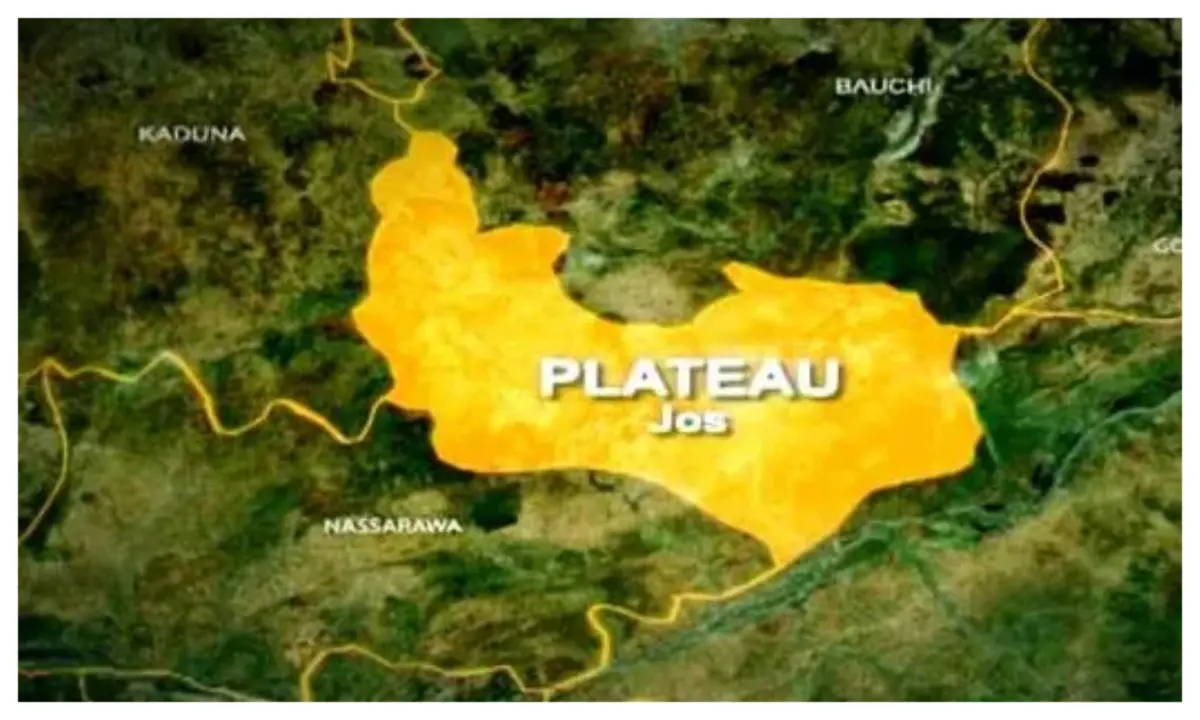
Troops Arrest Two Soldiers Over Alleged Assault In Plateau
By Sabiu Abdullahi
Troops attached to Operation Enduring Peace have arrested two soldiers over their alleged involvement in an assault incident in Jos South Local Government Area of Plateau State.
The incident reportedly left three vigilante members and a woman injured.
Details of the development emerged in a post shared on Thursday night by security analyst, Zagozala Makama, on X.
According to the report, the incident occurred at about 4:00 p.m. on Thursday in Kugiya, located in the Bukuru area. The confrontation allegedly followed a disagreement linked to the seizure of a motorcycle and the presence of suspected armed men in the area.
Security sources disclosed that troops from Sector 6 under Operation Safe Haven responded after receiving a distress call.
The operatives reportedly discovered that three vigilante members and a woman identified as Mrs. Kaneng Nyang Bot sustained injuries during the incident.
The two soldiers were later taken into custody over their alleged roles in the assault.
They were identified as Pte. Adam Saheed of the 123 Special Forces Battalion, who was said to be on pass, and Gnr. Mohammed Shuaibu of the 351 Artillery Regiment attached to the 376 Artillery Regiment in Damaturu. Reports indicated that Shuaibu’s pass had expired since April 24.
Preliminary investigations suggested that the clash started during an attempt to confiscate a motorcycle at the scene.
The soldiers are currently in custody and are expected to undergo disciplinary and administrative procedures.
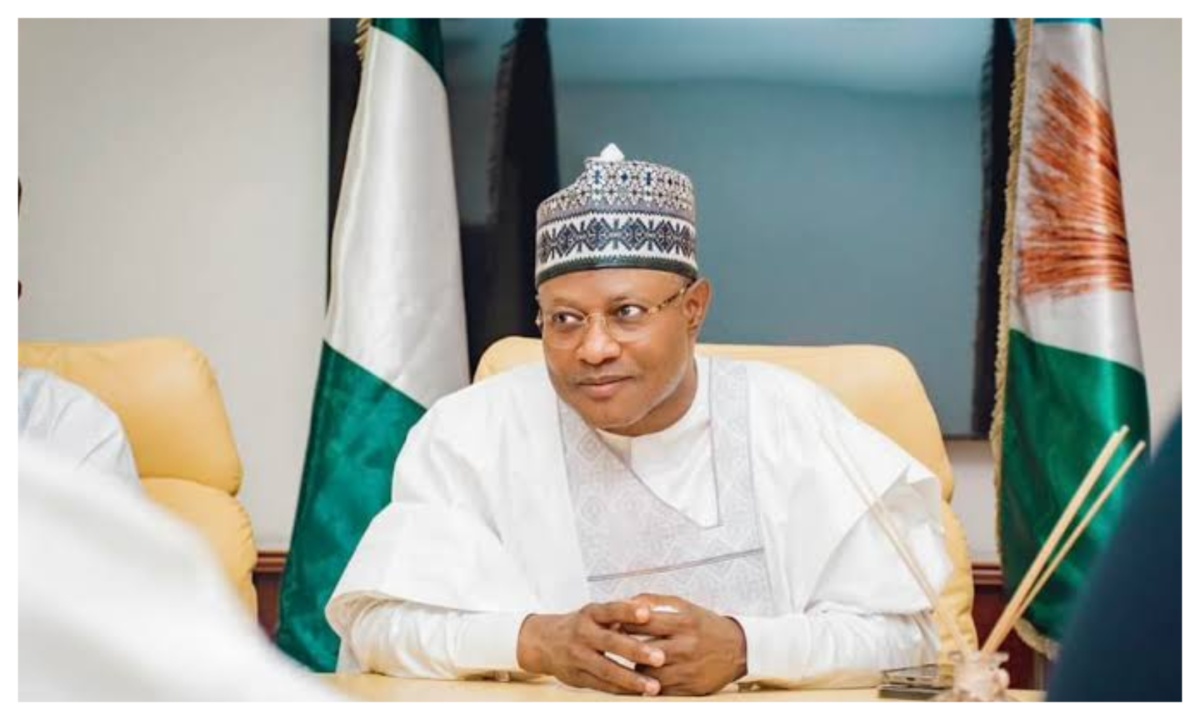
Uba Sani Gives Cash Gifts To Kaduna Pilgrims In Saudi Arabia
By Sabiu Abdullahi
Kaduna State Governor, Uba Sani, has presented 300 Saudi Riyals each to pilgrims from the state currently performing the 2026 Hajj in Saudi Arabia.
The governor handed out the gifts during a visit to the pilgrims at their tents in Muna on Thursday night.
A statement issued by the Chief Press Secretary to the governor, Malam Ibraheem Musa, stated that each pilgrim would receive the equivalent of about N114,000 based on the current exchange rate.
According to the statement, Governor Sani praised the pilgrims and the management of the Kaduna State Pilgrims Welfare Agency for the successful conduct of this year’s Hajj exercise.
He also commended the Kaduna State Hajj Delegation Committee led by Alhaji Abubakar Mustapha for ensuring a smooth operation throughout the pilgrimage.
The governor said his administration made every possible effort to ensure that pilgrims from the state enjoyed a successful Hajj exercise.
He, however, apologised for any minor shortcomings recorded during the exercise, stressing that they were not intentional.
Governor Sani stated that “as human beings, we can only plan but only Allah(SWT) determines the final outcome.”
While narrating his experience during the visit, the governor explained that the distance between his tent and the pilgrims’ location was estimated at between two and three kilometres.
“The distance from where his tent was situated and where the pilgrims are staying, was estimated to be between 2 to 3 kilometers. Averagely, I would have arrived here in no time.
“However, all roads leading to this area have been blocked and I had to trek for four to five hours before reaching here,” he said.
The governor urged the pilgrims to continue praying for peace and stability in Nigeria, noting that development cannot thrive in an atmosphere of insecurity.
He also prayed for Allah to guide those causing unrest in society if they are willing to change, and to distance them from society if they refuse to abandon their actions.
According to him, political ambition and the pursuit of public office should never be placed above the lives of Kaduna citizens.
In his remarks, the Executive Chairman of the Kaduna State Pilgrims Welfare Agency, Malam Salihu S. Abubakar, said Governor Uba Sani had consistently approved requests aimed at improving pilgrims’ welfare and enhancing the Hajj exercise.
He thanked the governor for supporting the agency and easing challenges associated with the pilgrimage.
Also speaking, the Auditor General of Kaduna State, Alhaji Abubakar Abdullahi, said no Kaduna governor had visited pilgrims in their tents since 1999 until Governor Uba Sani’s visit.
He urged the pilgrims to continue supporting the governor and praying for lasting peace and development in Kaduna State.
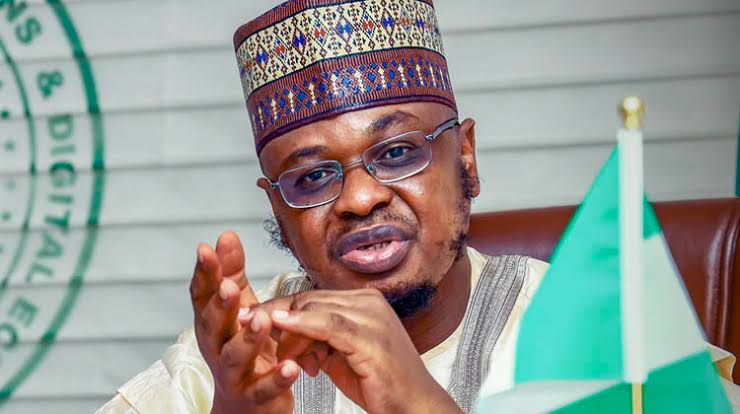
Why Pantami May Win the Gombe Guber Election
By Ukasha Kofarnassarawa
Like almost everyone, I saw that Sheikh Ali Isa Ibrahim Pantami is now PDP’s gubernatorial flag bearer for Gombe State. Congratulations to him. Pantami is now everything he once criticised. But that’s not my focus here; the internet has receipts for anyone interested in digging.
The real calculation:
Amid all the “consensus-coronation” drama unfolding nationwide, many observers expected Sheikh to defect to either ADC or the NDC, which are seen as the strongest opposition blocs. But Abuja is playing a different game. This looks calculated.
Right now, the entire core North — both North-West and North-East — is held by APC governors, except Bauchi, which lately switched to APM. The party’s structure and acceptability are widely seen as weak, and the state is likely to return to APC in the next election, given its current flag bearer, the former governor of the state.
For the President’s party, having zero opposition across the whole core north would be a dangerous optics problem. It would look like a monopoly. To avoid that, Abuja needs to “sacrifice” 2 core northern states to the opposition, just to create balance. One in the northwest and the other in the northeast.
And among all opposition parties, PDP is the “lesser evil” from Abuja’s view because one of its sons controls a major faction there. So Pantami decamped to the PDP, which functions as an extension of the APC. The plan: he gets “appointed” governor to create the illusion of balance, then switches to the main APC immediately after winning.
Abuja’s handwriting is not hard to understand.
Ukasha Kofarnassarawa wrote via Ukasha_sani@yahoo.com.
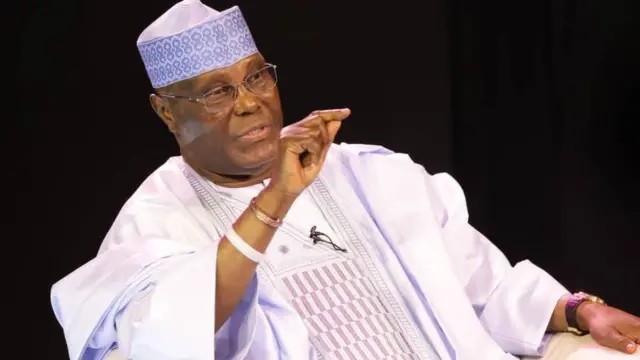
Ransom Payments Now Part of Nigerians’ Daily Struggles — Atiku
By Uzair Adam
Former Vice President Atiku Abubakar has lamented the worsening insecurity and economic hardship in the country, saying ransom payments have become as common in many Nigerian homes as rent and school fees.
Atiku, in a statement issued on Thursday by his Senior Special Assistant on Public Communication, Phrank Shaibu, criticised the administration of President Bola Tinubu for celebrating Nigeria’s debt profile while citizens continue to battle hunger, insecurity and rising living costs.
The former vice president was reacting to recent remarks by the Presidency defending the country’s borrowing level in comparison with other African nations.
According to him, the government’s position showed a disconnect from the realities faced daily by ordinary Nigerians.
“It is both astonishing and insulting that at a time when millions of Nigerians can barely afford one meal a day, when parents are withdrawing children from school because of crushing hardship, when businesses are collapsing under unbearable electricity tariffs and inflation, and when entire communities are being overrun by terrorists, bandits and kidnappers, the Presidency is celebrating debt figures,” he said.
Atiku said insecurity had made travelling by road dangerous in many parts of the country, while families now live in fear of kidnappings and attacks.
“In many parts of Nigeria today, travelling by road has become a gamble with death. Families go to bed praying not to receive midnight calls announcing the abduction of loved ones,” he stated.
He also linked the country’s worsening food crisis to insecurity, noting that many farmers had abandoned their farmlands because of attacks by armed groups.
“Food production has declined sharply because rural communities now live under constant threat of attacks, abductions and killings. The inevitable result is what Nigerians are currently witnessing — astronomical food prices, widespread hunger and rising anger among citizens,” Atiku added.
The Waziri Adamawa maintained that borrowing is not necessarily wrong if funds are invested in projects capable of improving infrastructure, boosting productivity and creating jobs.
However, he argued that Nigerians had seen little improvement in their living conditions despite the government’s increasing debt profile.
He accused the administration of focusing on propaganda rather than addressing the country’s economic and security challenges.
Atiku further recalled that the administration of former President Olusegun Obasanjo, in which he served as vice president, implemented reforms that helped Nigeria exit the Paris Club debt burden and restore international confidence in the economy.
“Nigerians do not care about statistical gymnastics from government spokespersons. They care about whether food is affordable, whether their children are safe, whether businesses can survive and whether the future still holds any promise,” he said.
He urged the Tinubu administration to confront the country’s challenges with sincerity, urgency and compassion before the situation worsens further.
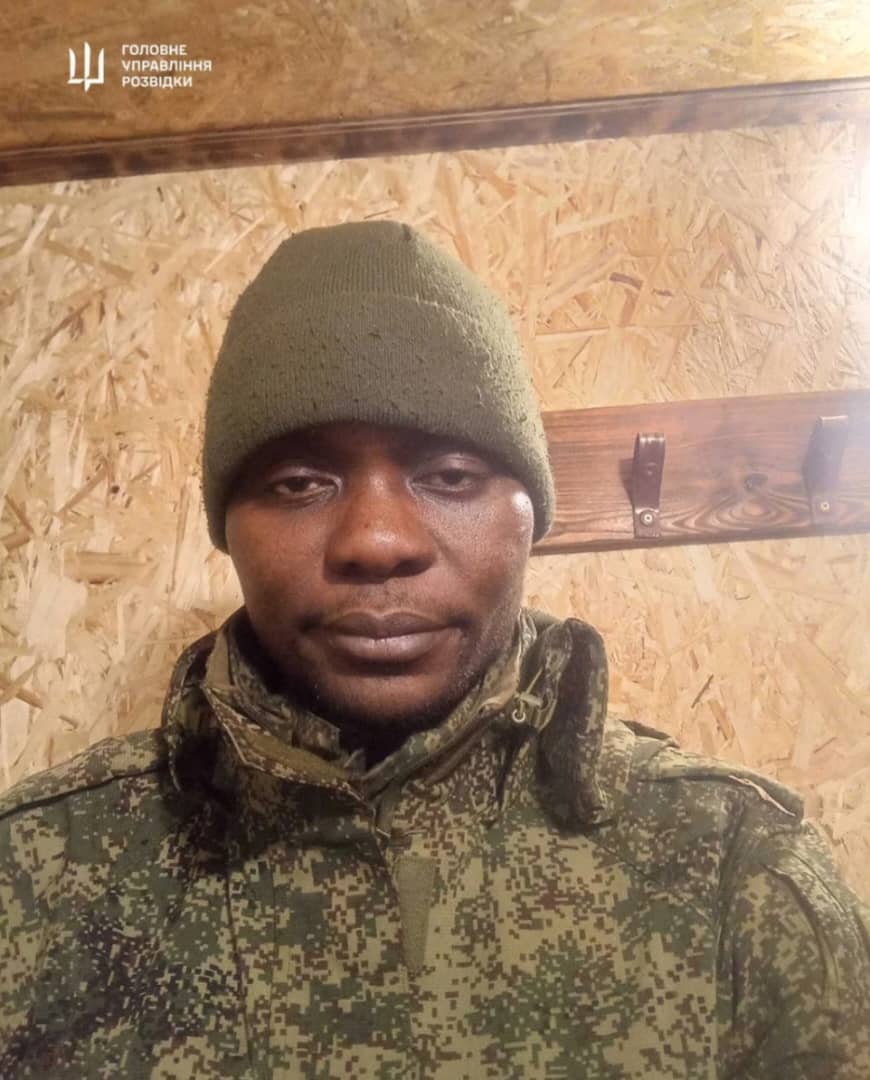
Ukraine Reports Death of Another Nigerian Fighting Alongside Russian Troops
By Anwar Usman
The Ukraine Defence Intelligence has reported the death of another Ayebusiwa Olabode Victor, a Nigerian, who was allegedly killed while fighting alongside Russian forces in the ongoing war with Ukraine.
This was disclosed in a statement by the Ukrainian National News Agency, Ukrinform, and the country’s Defence Intelligence arm, the Main Intelligence Directorate of Ukraine on Thursday.
Victor, born April 28, 1992, was said to be from Ilutitun in Ondo State and he was killed in the Kharkiv region near the settlement of Hrafske during combat operations involving Ukrainian troops.
The agency revealed that Victor signed a mercenary contract in late February 2026, a week after Nigeria’s Ministry of Foreign Affairs urged citizens to stay away from illegal recruitment into foreign conflicts.
It alleged that many foreign recruits were lured through promises of employment and quick financial gain, only to be deployed to the frontline shortly after arrival in Russia.
“Their story is typical… deception, promises of ‘easy money,’ a week of training, deployment to the front, and a quick death,” the statement read.
The Ukrainian authorities further revealed that recruitment networks use social media platforms such as Facebook and WhatsApp to target African nationals.
It claimed victims are issued visas and one-way tickets, and upon arrival in Moscow, their passports are seized under the guise of documentation processing.
They are then allegedly told there is no job, no valid visa, and no means of return, leaving them with limited options.
“Deportation with debt, imprisonment, or signing a contract with the occupying army,” the agency said, describing the alleged choices faced by recruits.
The report also cited figures suggesting that at least 215 Nigerians have signed contracts with the Russian Ministry of Defence, while about 25 are either dead or missing in action.
The Ukrainian intelligence agency urged Nigerians to resist recruitment attempts and avoid being drawn into what it called an “illegal war,” while encouraging victims or targets of recruitment schemes to report through its designated support channels.
Rare Albino Buffalo Nicknamed ‘Donald Trump’ Escapes Eid Sacrifice in Bangladesh
By Sabiu Abdullahi
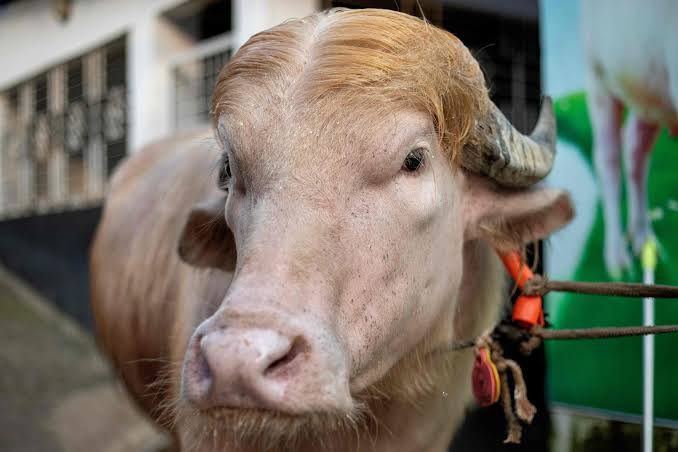
A rare albino buffalo in Bangladesh, popularly nicknamed “Donald Trump” because of its blond tuft, has escaped being slaughtered for Eid al-Adha after authorities intervened at the last minute.
The buffalo, which weighs nearly seven hundred kilograms, had already been sold for sacrifice before officials halted the process over security concerns linked to growing public attention.
A Home Ministry official confirmed on Wednesday that Home Minister Salahuddin Ahmed ordered that the animal should be spared. Authorities also directed that the buyer be refunded while the buffalo would be moved to the national zoo in Dhaka.
“At the last moment, the decision was taken to spare the buffalo from sacrifice due to security concerns and the unusual level of public interest,” a ministry official said.
Interest in the animal spread rapidly after videos of it circulated online ahead of the Eid celebration scheduled for Thursday. Many people reportedly travelled to the farm to catch a glimpse of the unusual buffalo, which stood out because of its light-coloured hair and calm nature.
The owner of the farm, Ziauddin Mridha, said his younger brother gave the buffalo the nickname after noticing a resemblance to United States President Donald Trump.
Mridha explained that the animal is gentle and requires special care, including regular feeding and bathing.
Albino buffaloes are uncommon in Bangladesh, where dark-coloured cattle are more common during the Eid livestock season. Reports indicated that the animal’s unusual appearance and nickname contributed to the attention that eventually saved it from slaughter.
Meanwhile, Muslims in Mali are facing difficulties ahead of Eid al-Adha as the prices of sheep continue to rise following a blockade imposed by armed groups linked to al-Qaida.
The blockade has reportedly disrupted the transportation of goods into Bamako, the country’s capital. Analysts said the situation has affected supplies and pushed the cost of animals beyond the reach of many families preparing for the religious festival.
The armed group Jama’at Nusrat al-Islam wal-Muslimin reportedly announced the blockade earlier this month. The group has frequently targeted trucks and commercial vehicles transporting goods into the city.
Mali, which depends heavily on supplies transported from neighbouring coastal countries such as Senegal and Ivory Coast, has experienced increasing economic pressure as a result of the disruption.
‘You Are Not Forgotten’: Tinubu Vows to Rescue Abducted Children, Orders Intensified Security Operations
By Abdullahi Mukhtar Algasgaini
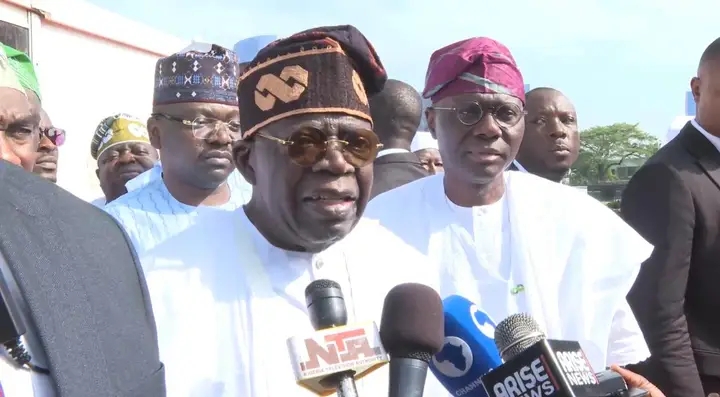
President Bola Ahmed Tinubu on Wednesday assured Nigerian children held captive by criminals in Oyo, Borno, and other states that they have not been abandoned by his administration, as he issued a series of directives to security agencies to intensify rescue operations nationwide.
In a Children’s Day statement released by the State House, the President also acknowledged the pain of grieving families, saying, “Your government will not turn your pain into ceremony.”
The address, which coincided with Eid-el-Kabir, struck a somber tone as Tinubu noted that while the nation celebrates its youngest citizens, some children and their teachers remain in captivity instead of being home with their families.
“To those children, their parents, and their teachers, I say this as a father and your President: you are not forgotten. You are not abandoned,” Tinubu said.
He directed all relevant security agencies to sustain and intensify coordinated rescue operations for abducted children and other vulnerable citizens, insisting that such operations must be “intelligence-led, carefully executed and focused on the safe recovery of our children.”
The President also ordered the strengthening of school protection measures in high-risk areas, including updated school vulnerability mapping, closer coordination between state governments and security commands, rapid response links between schools and local security units, and stronger community-based early warning systems.
The Federal Ministry of Education, working with state governments, is to deepen the implementation of the Safe Schools framework “with clear reporting, clear responsibility and clear timelines,” Tinubu added.
Beyond rescue, the President directed relevant ministries and agencies to ensure recovered children receive proper reintegration support, including medical attention, counselling, education, and dignity. “Rescue is not the end of the government’s duty,” he said.
Tinubu also appealed to parents, teachers, traditional rulers, religious leaders, community leaders, transport unions, local vigilantes, and the media to play active roles in protecting children, warning that silence about suspicious movements around schools places children at risk.
“The fight to protect children must begin before an attack happens, not after one has already occurred,” he said.
The President reaffirmed his administration’s commitment to investing in education, healthcare, nutrition, social protection, digital skills, and safer communities, adding: “Childhood must not be a privilege reserved for a few. It is the right of every Nigerian child.”
He ended with a direct message to Nigerian children: “You matter—your dreams matter; your safety matters. Your education matters. Be assured that your future matters to this government and to this nation, and we will safeguard it.”
Presidency Seeks Legal Action Against VeryDarkMan Over Alleged Fake Tinubu Audio
By Sabiu Abdullahi
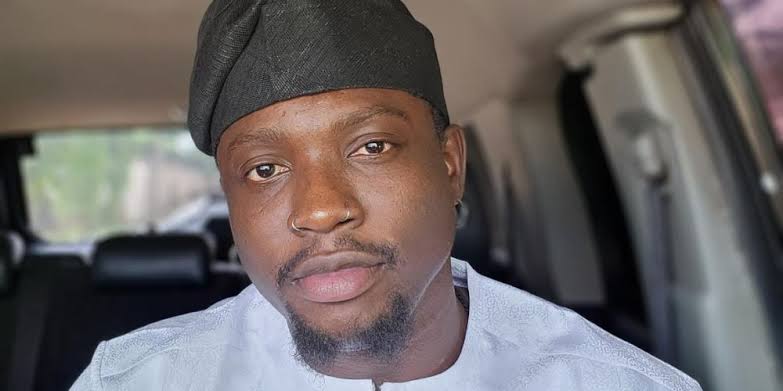
The Presidency has called for legal action against social media influencer Martins Vincent Otse, widely known as VeryDarkMan (VDM), over an audio clip allegedly linked to President Bola Tinubu.
Bayo Onanuga, the Special Adviser to the President on Information and Strategy, accused the influencer of spreading false information capable of misleading Nigerians and damaging the President’s reputation.
In a post shared on X on Wednesday, Onanuga condemned the circulation of the recording, which allegedly contained fabricated comments attributed to Tinubu ahead of the 2027 general elections.
“This VDM needs to face the weight of the law for being the conveyor and disseminator of a fake audio of President Tinubu. This is a clear case of an egregious abuse of the social media platform,” Onanuga wrote.
The controversial audio, which many observers suspect may have been generated through artificial intelligence voice-cloning technology, allegedly featured Tinubu making sensitive political remarks. Among the claims in the recording were allegations that insecurity in the South-East was intentional, that the President once asked former Labour Party presidential candidate Peter Obi to withdraw from the 2023 race in his favour, and that he was unconcerned about the country’s economic difficulties.
The recording also alleged that funds obtained through World Bank loans were being channelled into election activities.
VDM shared the clip alongside a video message directed at his followers. He urged Nigerians to listen carefully to the audio before deciding whether to support Tinubu in the next presidential election.
“You people watch it, see this next video I’m about to play. After you people watch it, we’ll come decide whether na for shrine them cook una mind. All the people wey wan support Bola Ahmed Tinubu for 2027, you go come know whether they don cook your mind (“Watch this next video I’m about to play. After you watch it, we will decide whether your minds have been influenced in a ritualistic manner. All those who intend to support Bola Ahmed Tinubu in 2027 will then understand whether they have been mentally manipulated),” he said.
After playing the audio, the influencer openly rejected the possibility of Tinubu returning to office in 2027.
“This man does not have anything to offer. Come 2027, any other option is welcome, but for me, myself and I, President Bola Ahmed Tinubu cannot offer us anything anymore. So he should go,” he added.
Kebbi Police Nab Four Over Alleged N9.3m Hajj Fraud
By Uzair Adam
The Kebbi State Police Command has arrested four suspects in connection with an alleged Hajj seat fraud involving more than N9 million.
The command’s spokesperson, DSP Nafiu Abubakar, disclosed this in a statement issued on Tuesday, identifying the main suspect as Aminu Hassan Zauro.
Others arrested alongside him are Tabiu Abubakar, Usman Attahiru and Mustapha Sani Zauro.
According to the police, four additional suspects — Bello Jos, Atiku Store, Umar Gimba and Usman Bunza — are currently on the run.
Abubakar explained that the arrests followed a complaint filed by the Kebbi State Pilgrims Welfare Agency after discrepancies were discovered in the records of some intending pilgrims.
Preliminary investigations revealed that Aminu Hassan Zauro allegedly obtained N8.6 million from a victim with a false promise of securing two Hajj seats for the 2026 pilgrimage despite lacking any authorised access to Hajj slots.
The suspect was also accused of collecting another N690,000 from a different victim under the same pretence.
Police further stated that the suspect allegedly attempted to conceal the fraud by issuing victims unauthorised Hajj materials, including branded bags, hijabs, wrappers and fake medical cards.
Items recovered during the investigation include the materials and a Tecno Android phone.
The Commissioner of Police in the state, CP Bello Sani, urged intending pilgrims to transact only with the Kebbi State Pilgrims Welfare Agency and accredited officials to avoid being defrauded.