

Amnesty Condemns Arrest Of Five Men Over ‘Tinubu Must Go’ T-Shirts In Borno
By Sabiu Abdullahi
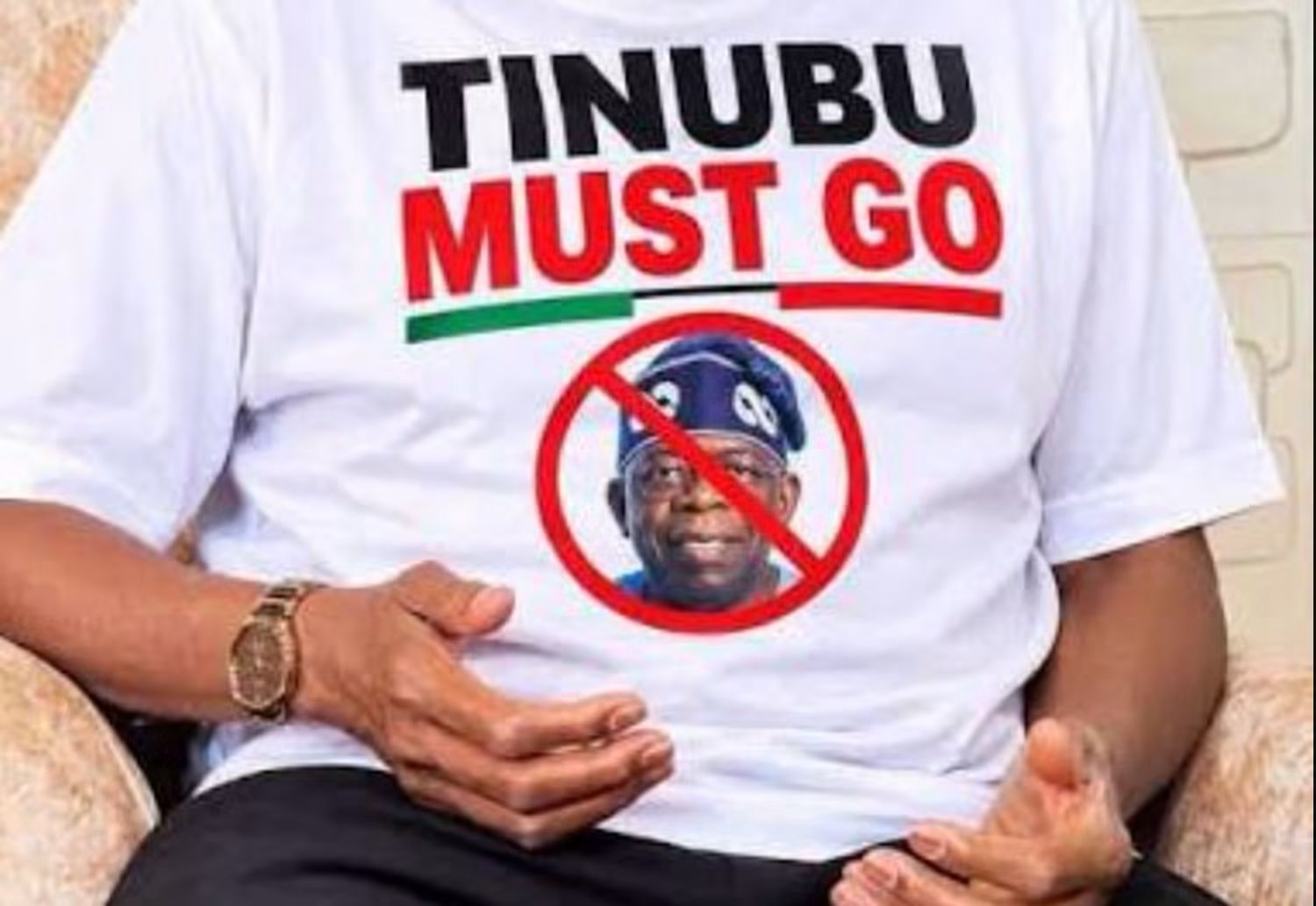
Amnesty International has condemned the arrest and detention of five men by the Borno State Police Command over T-shirts bearing the inscription “Tinubu Must Go” in Maiduguri.
The men were identified as Baba Aji Gremami, Mustapha Abba Yemen, Abacha Mohammed Ali, Adam Umar Gubio and Abdulhamid Mohammed.
The arrests followed an incident around the West End Roundabout area of Maiduguri on September 25, according to a First Information Report issued by the State Criminal Investigation Department (SCID).
The police accused the five men of criminal conspiracy, inciting disturbance, disturbance of public peace and thuggery. The FIR alleged that they printed T-shirts bearing the inscription “Tinubu Must Go” with the intention of causing a breach of public peace in the area. The charges were filed under Sections 60, 78, 79 and 392 of the Borno State Penal Code.
The men were subsequently arraigned before a Chief Magistrate Court in Maiduguri, where reports said they pleaded not guilty to the charges. Their lawyers also applied for bail, with the court reportedly fixing October 6 for a ruling on the application and October 26 for the substantive case.
Reacting to the development, Amnesty International described the detention as arbitrary and said peaceful political expression should not be criminalised.
The organisation said the men’s detention over the message on their clothing raised concerns about freedom of expression and political dissent.
“Hurriedly remanding them in prison and accusing them bizarrely of: “the intent to cause breach of public peace within West End Roundabout Community Maiduguri” simply for wearing a t-shirt with a message of political dissent is not a crime. Asserting political opposition is part of human rights.”
Amnesty called for the immediate release of the five men and urged the authorities to discontinue any prosecution based on what it described as improper charges.
“The authorities must immediately release all of those detained and drop any purported plan to put them through a sham trial based on bogus charges. The right to show and express political opinion is not exclusive to only one political party.”
The rights organisation also accused authorities in Borno State of increasingly using arrests and detention against opposition parties and their supporters.
It urged the state government and police to respect freedom of expression and association and ensure that political dissent is not criminalised.
Amnesty further called on the government of Governor Babagana Umara Zulum to uphold the rule of law and protect the rights of citizens to express their political opinions peacefully.
Reports that the arrests followed a directive from the Borno State Government have circulated in connection with the case, but those allegations have not been independently verified. The police FIR cited the alleged conduct of the five men as the basis for the charges.

Independent Commission Finds Man City Breached Premier League Financial Rules
By Sabiu Abdullahi
An independent commission has found Manchester City guilty of multiple breaches of the Premier League’s financial regulations covering a nine-season period from 2009/10 to 2017/18.
The Premier League said most of the charges related to the club’s failure to cooperate fully with its investigation.
According to the findings released by the League, Manchester City entered into what the commission described as “sham” commercial agreements with several sponsors. The arrangements allegedly misrepresented the actual agreements between the parties and helped the club inflate its reported revenue while reducing its costs.
The commission also found that the club submitted accounts that did not accurately reflect its financial position and concealed information from its auditors and football regulators.
Manchester City was further found to have significantly breached both Premier League and UEFA spending regulations during the period under review.
The commission also upheld three of four alleged breaches relating to the club’s cooperation and good-faith obligations during the Premier League’s investigation.
The League said the commercial arrangements formed part of a disguised funding structure. Under the arrangement, some sponsors paid only part of the agreed sponsorship fees, while Abu Dhabi United Group Investment & Development Ltd (ADUG), which owned the club at the time, provided the remaining funds.
The Premier League said the arrangement meant Manchester City did not accurately report its income and expenditure under the League’s Profitability and Sustainability Rules and UEFA’s Club Licensing and Financial Fair Play Rules.
Premier League Chief Executive Richard Masters said the commission’s decision had established the facts surrounding the case.
“The core decision establishes the facts of what happened at Manchester City during this period. It details how the club systematically broke Premier League Rules for nearly a decade.
“It also vindicates the Premier League’s decision to pursue this case against Manchester City. While the process to date has been both long and difficult, the League has remained determined that the facts be established independently.
“It is a key responsibility of the Premier League to ensure that the Rules, approved by the clubs themselves, are upheld to protect the integrity of the competition. It is paramount that the League remains competitive and fair for all clubs and for the fans. We take that role extremely seriously.
“This disciplinary case, and this decision, are the most significant in Premier League history. There are elements of the case that remain to be decided, including, importantly, what sanction must follow for these breaches. Now we have the Commission’s decision, we are committed to moving swiftly through the remainder of the process, to provide certainty for the League, our clubs and fans.”
The Premier League said the issue of sanctions for the breaches remains to be determined as the disciplinary process continues.

Argentina To Keep Messi’s No. 10 Shirt Vacant Until His International Farewell
By Sabiu Abdullahi
The Argentine Football Association (AFA) has decided not to assign Lionel Messi’s iconic No. 10 shirt to another player during the upcoming international windows.
The decision comes as Messi prepares for what is expected to be his final appearance for Argentina, with a specially arranged farewell match against Benin scheduled for October.
Argentina head coach, Lionel Scaloni, confirmed that the shirt will remain vacant until Messi’s final international appearance.
“Until Leo Messi’s match, nobody will wear the 10,” Argentina head coach, Lionel Scaloni, said.
The decision means Argentina will enter their upcoming friendly matches against Bolivia and Burkina Faso without a player wearing the No. 10 shirt.
The AFA is expected to determine who will inherit the famous jersey after Messi officially ends his international career.
Messi has worn the No. 10 shirt throughout much of his Argentina career and has led the national team to major honours, including the 2021 Copa América, the 2022 FIFA World Cup and the 2022 Finalissima.
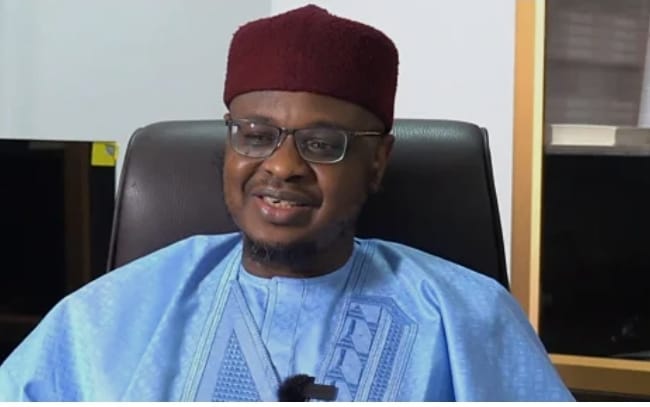
Pantami Clinches PDP Gombe Gov Ticket
By Abdullahi Mukhtar Algasgaini
Professor Isa Ali Ibrahim Pantami has won the Peoples Democratic Party (PDP) fresh primary for the Gombe State governorship ticket ahead of the 2027 election.
The primary was held on Tuesday, September 29, 2026. Pantami polled 2,054 votes to emerge as the PDP governorship candidate in Gombe State.
Khamisu Mailantarki came second with 389 votes, while Usman Garry came third with 112 votes.
A total of 2,555 PDP members voted in the primary across Gombe State.
Nigeria At 66: A Moment Of Joy Or A Time For Sober Reflection?
By Muhammad Sagir Bauchi
It has been three years since I last put pen to paper for public reading. That last article, published in July 2023, examined the new economic policies of the present administration: subsidy removal, exchange rate unification, and student loans, through the lens of Keynes’ warning that “in the long run, we are all dead.” I argued then that these reforms, though painful, could pay off over time, while cautioning that fairness in how the pain and the palliatives were distributed would determine whether Nigerians trusted the process. Three years on, I return to ask the question those reforms were always going to face: has the long run arrived, and for whom?
Six years ago, I wrote an article titled, “Nigeria At 60: A Moment Of Joy Or A Moment Of Sober Reflection?” In it, I reflected on our journey since independence, the challenges we had faced, and the questions surrounding our progress as a country. Six years later, Nigeria is 66, and the question remains almost the same: is this a moment of joy, a moment of sober reflection, or perhaps both?
Since independence, Nigeria has gone through different political administrations, military interventions, democratic transitions, economic reforms, and countless attempts to solve the problems confronting it. We have built universities, colleges, hospitals and roads. Millions of Nigerians have acquired education and gone on to make meaningful contributions to the country and the world. There is certainly a lot to celebrate. But while celebrating our achievements, we must also have the courage to ask where we have failed, where we are today, and where we are heading.
A country can record economic growth while millions of its citizens continue to struggle with the cost of living. Economic reforms may be necessary, but that does not mean we should ignore the short-term hardship they create. Government may point to improving figures, but ordinary Nigerians are equally justified in asking when those improvements will begin to show up in their daily lives. Why celebrate GDP growth or falling inflation on paper while paying little attention to the struggles of the ordinary man whose reality reflects neither? Economic growth should not only be measured by what the figures say; it should be reflected in what people can afford, the jobs they can find, the businesses they can sustain and the quality of life they can provide for their families.
It is no longer news that petrol sells for about ₦1,400 per litre in parts of Lagos and around ₦1,500 in parts of the North. This is no longer a figure in newspapers or a talking point on social media; it is a living reality Nigerians are struggling to adapt to. Today, even people fortunate enough to own a car are becoming careful about where and when they drive. Some now choose the inconvenience of public transport not because they lack a vehicle, but because fuelling it has become too costly. A car that was once a convenience has, for some families, become an expense they must calculate before every journey.
Since the removal of the petrol subsidy, several policies have been introduced to cushion the effects of the reform. Yet from the perspective of the ordinary citizen, it is difficult to point to a corresponding drop in hardship. Nigerians are not asking for suffering to be eradicated overnight; they are asking for a meaningful reduction in the burden they carry daily. The real question is not whether the reforms were necessary, but whether the people bearing their immediate cost are beginning to see the promised benefits. A reform can be economically necessary and still be socially painful, and when that pain continues without improvement in people’s standard of living, government must expect citizens to ask hard questions.
Since independence, Nigeria has also built numerous institutions of learning, and millions of Nigerians have benefited from them. To follow the path of developed nations, the concept of education loans was introduced. In an ideal society, this can be a smart move, shifting the burden of financing higher education from parents to government, with students eventually repaying the cost. But what pushed us here in the first place? The same government policies that have left many parents living hand to mouth, with little or nothing to save for their children’s education. What they earn is often barely enough to cover food, shelter and other basics- things people now struggle to afford rather than plan for.
Can we truly celebrate a policy that pushes parents deeper into poverty while leaving them unable to afford their children’s education? More importantly, how many graduates can be certain there will be jobs waiting for them, jobs that let them repay what they borrowed? What happens when a graduate leaves school with a degree and a loan but no employment opportunities? What happens when companies close because policies make it hard to do business, or when entrepreneurs are forced to shut their doors because of low sales and rising costs?
Education loans may provide access to education, but access alone is not enough. There must also be an economy that gives graduates decent opportunities to work, earn, and repay. Otherwise, are we simply shifting the burden from parents who cannot afford education to graduates who may never find the jobs needed to carry it?
This brings us back to leadership. Six years ago, I argued that one of Nigeria’s major problems was how political leadership was perceived and exercised, a system where public office could become a means of personal advancement rather than service. Six years later, that question remains just as relevant. Leadership is not only about making policy; it is about understanding how policy affects the people who must live with it. The ordinary citizen does not experience an economic reform as a policy document; he experiences it through the price of food, transport, school fees, rent and electricity. Leadership must go beyond celebrating figures and ask whether its policies are producing a society in which ordinary Nigerians can live with dignity.
One issue I raised six years ago was vote buying. It is easy to condemn citizens who accept money during elections, but perhaps we should ask a harder question first. When people who once fought a previous administration on grounds of incompetence are now in government, defending the very policies that have subjected Nigerians to severe hardship, can we genuinely expect citizens to reject ₦5,000 or ₦10,000 when many are struggling to put food on the table? This is not an argument for vote buying; it is a question about the conditions that make it possible. A citizen who cannot afford food, medicine or transport is more vulnerable to financial incentives at the polls. That does not make vote buying right, but it should push us to examine the poverty that allows it to thrive. If we want citizens to make truly independent choices, we must build a society where poverty does not make those choices easier to manipulate.
Corruption remains one of Nigeria’s oldest struggles. We have created institutions, passed laws and established agencies to fight it, yet the perception that public resources are sometimes diverted for personal or political gain continues to shape public trust. What makes this worse is our own double standard: when a politician from the opposing party is accused, we demand accountability; when someone from our own camp faces the same allegation, the conversation quietly changes. We cannot build a strong country by applying different standards to the same behaviour based on political affiliation. Accountability cannot be selective.
Insecurity, too, was already a major concern six years ago, and it remains one today; its nature and location may shift, but the consequences are just as painful. Families are displaced, businesses suffer, farmers cannot operate freely in some areas, and young people grow up with insecurity as part of everyday conversation. A country cannot achieve sustainable development when its citizens constantly worry about their safety; security is directly tied to agriculture, education, business, investment, and general well-being.
Nigeria has one of the largest youth populations in Africa, an enormous potential advantage that becomes a burden when the economy cannot provide enough opportunity. Every year, thousands of graduates leave school hoping to find work, and many spend years searching, turning to entrepreneurship, migration or whatever else they can find. The rising desire among young Nigerians to leave the country, popularly called “Japa”, should make us ask why so many feel their future lies elsewhere. It is not enough to tell them to stay and build the country; we must create conditions that make staying a realistic, attractive choice.
Education remains one of the most important investments any country can make, yet Nigeria continues to face disruptions, prolonged strikes, and other setbacks that affect students and institutions. We cannot claim to be developing while young people spend years moving in and out of classrooms over problems that better planning, funding and dialogue could resolve.
So, are we better off than we were at independence? In some areas, certainly. We have more institutions, more educated Nigerians, greater access to technology, a larger private sector, and Nigerians making remarkable contributions around the world. But progress should not blind us to what remains broken. Nigeria is not a complete failure, just as it is not a complete success story; our story is more complicated than either label. We have achievements worth celebrating and failures that demand honest reflection. We celebrate Nigerians’ resilience, but we should also ask why they need to be so resilient just to survive.
Patriotism doesn’t mean defending every government policy, and criticism doesn’t mean hating one’s country. Sometimes, asking difficult questions is itself an act of patriotism.
As Nigeria marks 66 years of independence, we should celebrate what we have achieved, remember how far we have come, and, most importantly, have the courage to confront what still holds us back. The Nigeria we want will not be built by government alone. It requires responsible leadership, accountable institutions, an active citizenry, and a society that values merit, justice and equal opportunity.
At 66, Nigeria has every reason to celebrate. But it also has every reason to reflect.
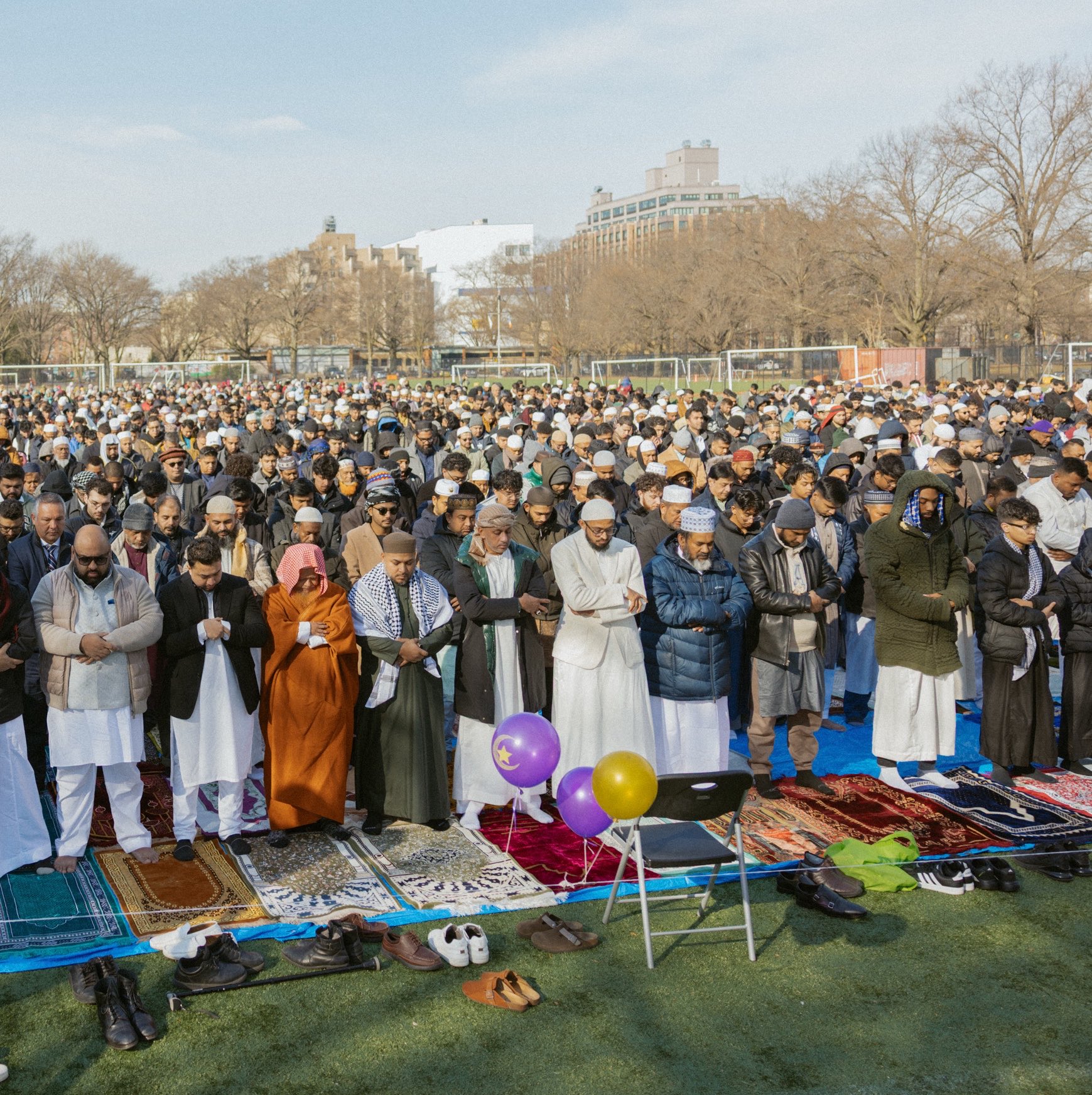
California Recognises Eid al-Fitr and Eid al-Adha as State Holidays
By Muhammad Sulaiman
California has officially recognised Eid al-Fitr and Eid al-Adha as state holidays after Governor Gavin Newsom signed the legislation into law on September 28, 2026.
The new law adds the two major Islamic festivals to California’s list of state holidays. Eid al-Fitr marks the end of Ramadan, while Eid al-Adha is observed during the Islamic pilgrimage season and commemorates the sacrifice associated with Prophet Ibrahim.
The legislation also allows state and school employees to observe the two holidays using existing personal holiday credits or other available leave. K-12 public schools and community colleges may also close for Eid through locally negotiated agreements.
However, the law does not automatically require every school or workplace to close on the two occasions. It also excludes Eid al-Fitr and Eid al-Adha from California’s judicial holidays.
The move formally recognises two important religious observances of California’s Muslim community and reflects the state’s religious and cultural diversity.
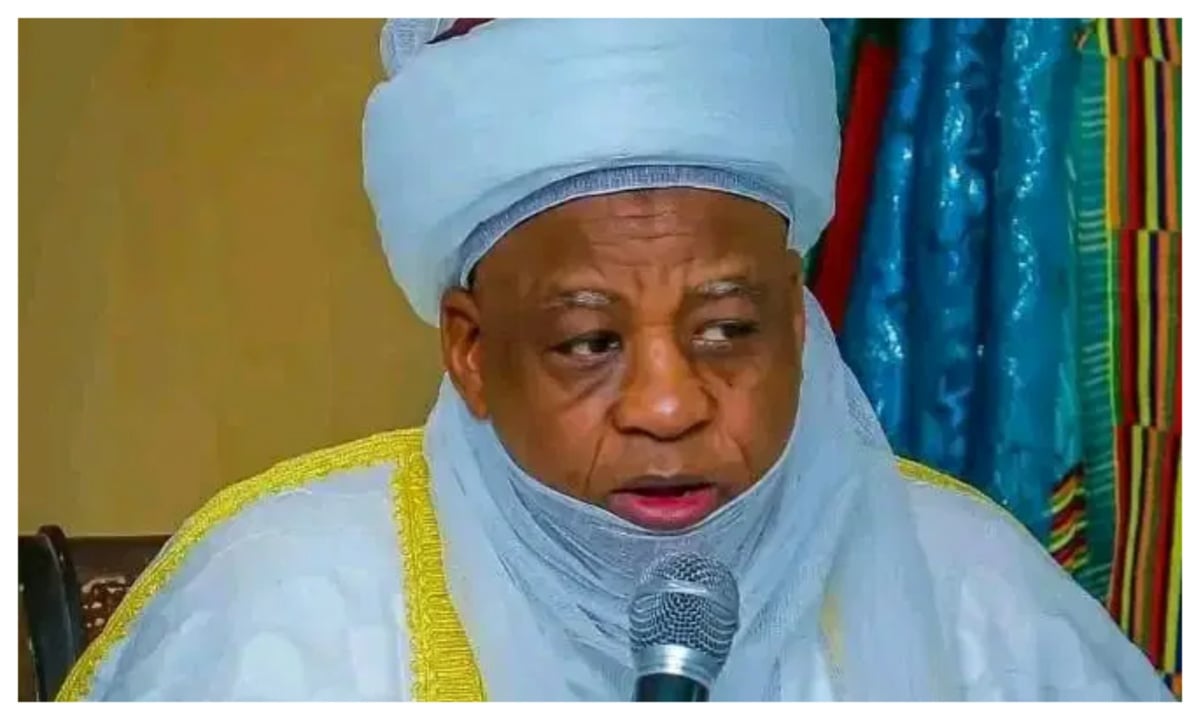
Sultan Urges Obi, Kwankwaso, Other Politicians To Promote Peace Ahead Of 2027
By Sabiu Abdullahi
The Sultan of Sokoto and President-General of the Nigeria Supreme Council for Islamic Affairs, Alhaji Muhammad Sa’ad Abubakar, has urged politicians and their supporters to maintain peaceful conduct as preparations intensify for the 2027 general elections.
The Sultan made the call on Monday when the presidential and vice-presidential candidates of the Nigeria Democratic Congress (NDC), Peter Obi and Rabiu Musa Kwankwaso, visited him at his palace in Sokoto.
The delegation also included the NDC governorship candidate in Sokoto State, Dr Shamsu Haido, and other members of the party.
The visit formed part of the party’s consultations with traditional rulers and community leaders ahead of the elections.
The Sultan said politicians had the constitutional right to present their manifestos, programmes and ideas to Nigerians and seek their support.
He, however, urged political actors to exercise those rights responsibly, within the law and with respect for people who hold different political views.
He also cautioned politicians and their supporters against insults, abusive language and inflammatory statements that could heighten political tensions or contribute to violence.
According to the Sultan, political activities should not create hatred, division or hostility among Nigerians.
He urged political leaders to place the peace, unity and interests of Nigeria above political differences, stressing that political offices were temporary while national stability remained important to the country’s development.
The monarch further called on candidates seeking elective offices to lead by example and ensure their supporters conduct themselves peacefully.
He said political campaigns should focus on issues rather than personal attacks or activities capable of creating divisions among communities.
The Sultan’s warning followed a visit by members of the All Progressives Congress (APC) Presidential Campaign Council on September 14, led by its Director-General, Senator Abdul-Aziz Abubakar Yari.
The APC delegation included Sokoto State Governor Ahmed Aliyu and the governors of Kebbi and Zamfara states.
According to the Sultan’s media team, both the NDC and APC delegations discussed national issues, presented their political plans and sought the monarch’s royal blessings.
Speaking during Monday’s visit, Obi thanked the Sultan for receiving the delegation and granting them an audience.
He said the meeting was part of the NDC’s wider consultations with traditional rulers and community leaders ahead of the 2027 elections.
The call for peaceful political engagement comes after presidential candidates and political parties participating in the 2027 elections signed a National Peace Accord in Abuja in August. The accord committed political actors to peaceful and issue-based campaigns.
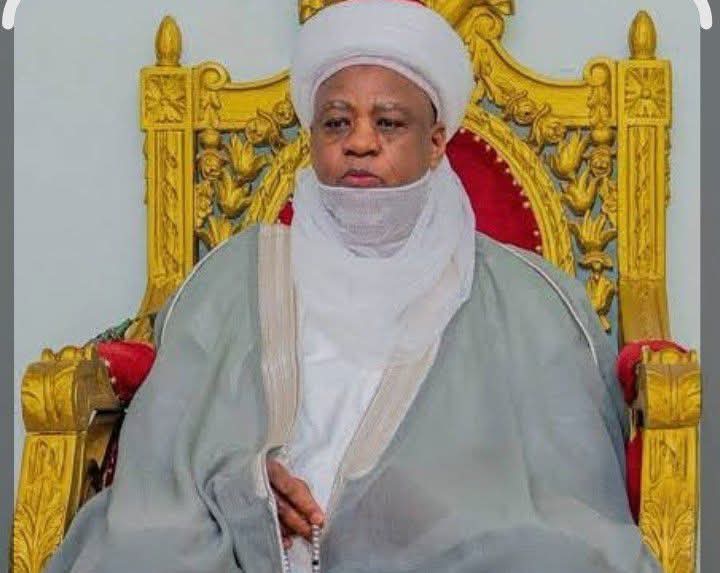
2027: Sultan Warns Politicians Against Insults, Inflammatory Remarks
By Sabiu Abdullahi
The Sultan of Sokoto and President-General of the Nigeria Supreme Council for Islamic Affairs (NSCIA), Muhammad Sa’ad Abubakar, has cautioned politicians against using insults and inflammatory remarks as the 2027 general elections approach.
The Sultan warned that such conduct could raise tensions and potentially trigger violence within communities.
He spoke on Monday when the presidential candidate of the Nigeria Democratic Congress (NDC), Peter Obi, and his running mate, Rabiu Kwankwaso, visited him at his palace in Sokoto.
Obi and Kwankwaso were accompanied by the party’s Sokoto State governorship candidate, Shamsu Haido, and other party members.
According to a statement signed by the Sultan’s Media Team head, Prince Bashir Adefaka, the monarch said political activities should not be used to create hatred, hostility or division among Nigerians.
The statement reads: “His Eminence, particularly, cautioned politicians and their supporters across parties against the use of abusive language, insults and inflammatory statements, warning that such conduct could heighten tensions and potentially lead to violence within communities.
“Politicians have the constitutional and democratic right to present their manifestos, programmes and ideas to the electorate and seek the support of the people.”
Abubakar, however, urged politicians to exercise their democratic rights with decorum and within the provisions of the law while respecting other candidates, political parties and Nigerians with opposing political views.
The Sultan also stressed the need for political actors to place Nigeria’s interests and peace above their individual political differences.
He noted that political positions were temporary, while the unity, peace and stability of the country remained essential to its development.
The monarch further urged political leaders, particularly those seeking elective positions, to lead by example and demonstrate the conduct they expect from their supporters.
He also called on politicians to ensure that campaigns and other political engagements do not descend into personal attacks, hostility or actions capable of creating divisions among communities and citizens.

Sokoto Court Sentences Man To Death Over Kidnap, Killing Of Three
By Sabiu Abdullahi
The Sokoto State High Court has sentenced Ibrahim Usman, popularly known as Dan Iyali, to death for his involvement in the kidnapping and killing of three people in the state.
Usman was convicted in a case prosecuted by the Department of State Services (DSS) over an incident that occurred in September 2023.
He was arraigned alongside other suspects who remain at large.
The charges against him included criminal conspiracy, kidnapping, culpable homicide punishable with death and voluntarily causing grievous hurt without provocation.
The DSS described the conviction as another death sentence secured against a suspect linked to kidnapping and killings in Sokoto State.
The latest judgement comes months after another Sokoto State High Court sentenced three men, including a Nigerien national, to death by hanging over terrorism-related offences and illegal arms trafficking.
The three men were identified as Yusuf Muhammad, also known as Sallau, a Niger Republic national; Jabbi Alhaji Yalle; and Kabiru Muhammad.
DSS operatives arrested the men on June 13, 2025, over allegations of involvement in cross-border arms smuggling and terrorist activities.
In a judgement delivered in suit number SS/45C/2026, the court convicted the three men and ordered the forfeiture of money recovered from them to the Federal Government.
Three More Nigerians Die In Separate Incidents Amid South Africa’s Xenophobic Tensions
By Sabiu Abdullahi
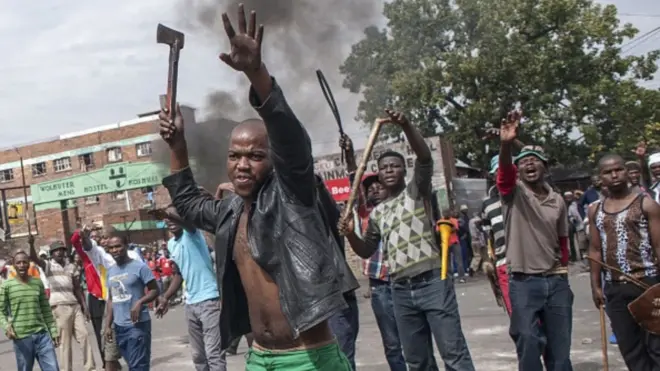
Three more Nigerians have died in separate incidents in South Africa amid renewed concerns over the safety of Nigerians and other foreign nationals in the country.
The Nigerian Consulate General in Johannesburg disclosed the deaths in a statement issued on Monday by the Consul-General, Ninikanwa Okey-Uche.
According to the statement, the three Nigerians died between September 18 and 21 in incidents reported in Bloemfontein, Pretoria and Ekurhuleni.
The first victim, identified as Kenechukwu Christopher Igwemadu, allegedly jumped to his death on September 18 while attempting to escape what the consulate described as police harassment and brutality at Kenlin Court on Douglas Street in the Central Business District of Bloemfontein.
The second incident occurred on September 20 at Spanata Bar and Grills Night Club in Mamelodi East, Pretoria, where Olaniyi Olaleye Olatunde worked as a security guard.
The consulate said Olatunde was killed after he attempted to stop a South African customer from leaving the premises with a cup belonging to the facility.
“This resulted in an altercation and the South African pulled out his firearm and shot OLATUNDE in his lower body part, leading to a serious injury and profuse loss of blood,” the statement reads.
“Upon noticing the grievous harm done, the shooter immediately fled the scene.”
Okey-Uche said the unidentified shooter also allegedly threatened to kill witnesses who tried to identify him to the police.
Olatunde was taken to hospital after the shooting but died the following morning.
The third case involved Christian Hillary Nnaemeka, who died on September 21 after an alleged encounter with South African politician and investigative content creator Xolani Khumalo and members of his Sizok’thola team in Primrose, Ekurhuleni.
According to the consulate, Nnaemeka was allegedly arrested and tortured by members of the team before attempting to escape by jumping over a fence.
He reportedly collapsed from exhaustion and injuries sustained during the incident and was pronounced dead on arrival at the hospital.
Khumalo, who is seeking the position of mayor of Ekurhuleni, had previously faced allegations following the death of another Nigerian, Emeza Uzor, after an incident involving members of his team in February.
Consulate Raises Safety Concerns
The Nigerian consul-general described the reports as deeply troubling and said they had raised concerns over the safety of Nigerians and other foreign nationals in South Africa.
“The recent deaths of the three (3) Nigerians, coming in quick succession, also raises questions about what seems to be a pattern of targeting Nigerians in South Africa,” the consul-general added.
The latest deaths come after two Nigerians were reportedly killed earlier in September during attacks against foreigners in South Africa.
Two other Nigerians were also reported killed two months earlier amid renewed anti-migrant tensions in the country.
Okey-Uche called on South African authorities to investigate the deaths and establish the circumstances surrounding each incident.
She also urged Nigerians living in the country to avoid violence and remain security conscious.