


Official: President Tinubu releases ministerial list
By Abdurrahman Muhammad
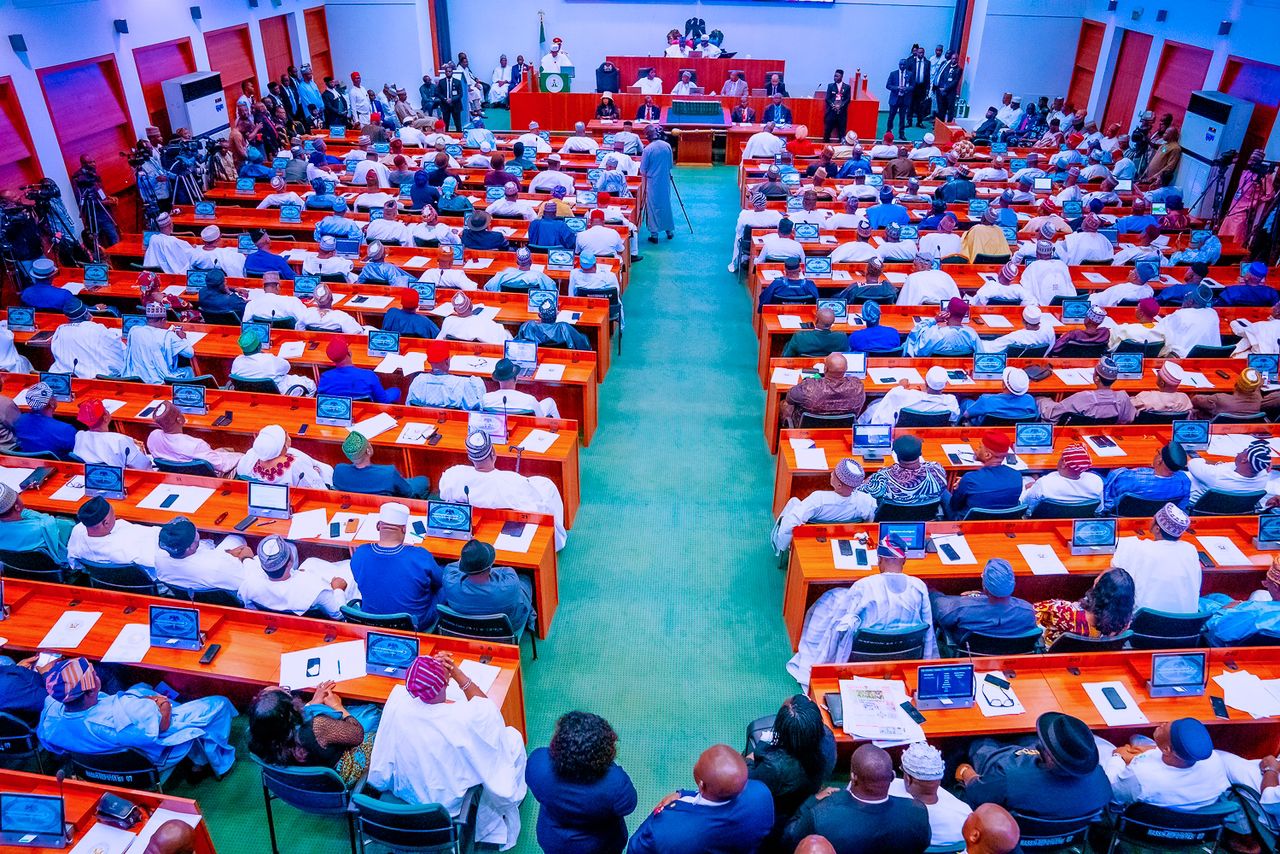
President Tinubu has submitted a list of 28 individuals to the Senate for screening and confirmation as ministerial nominees. These are:
ABUBAKAR MOMOH
YUSUF MAITAMA
Umar Dangiwa
Hannatu MUSAWA
UCHE NNAJI
BETA EDU
DORIS ANIETE UZOAKA
DAVID UMAHI
EZENWO WIKE
MOHAMMED BADARU ABUBAKAR
NASIL EL RUFAI
EKPERIKPE EKPO
NKIRU ONYEJEOCHA
OLUBUNMI TUNJI OJO
STELLA OKOTETE UJU
KENNEDY OHANEYE
BELLO MOHAMMED GORONYO
DELE ALAKE
LATEEF FAGBEMI
MOHAMMED IDRIS
OLAWALE EDUN
WAHEED ADEBAYO ADELABU
IMAAN SULEIMAN IBRAHIM
PROF ALI PATE
JOSEPH OTSEN
SEN. ABUBAKAR KYARI
SEN JOHN ENO
SEN SANI ABUBAKAR
The list was submitted Thursday afternoon by Femi GBajabiamila, the Chief of Staff, to President Bola Tinubu.
Shehu Sani condemns military coup in Niger Republic
By Uzair Adam Imam
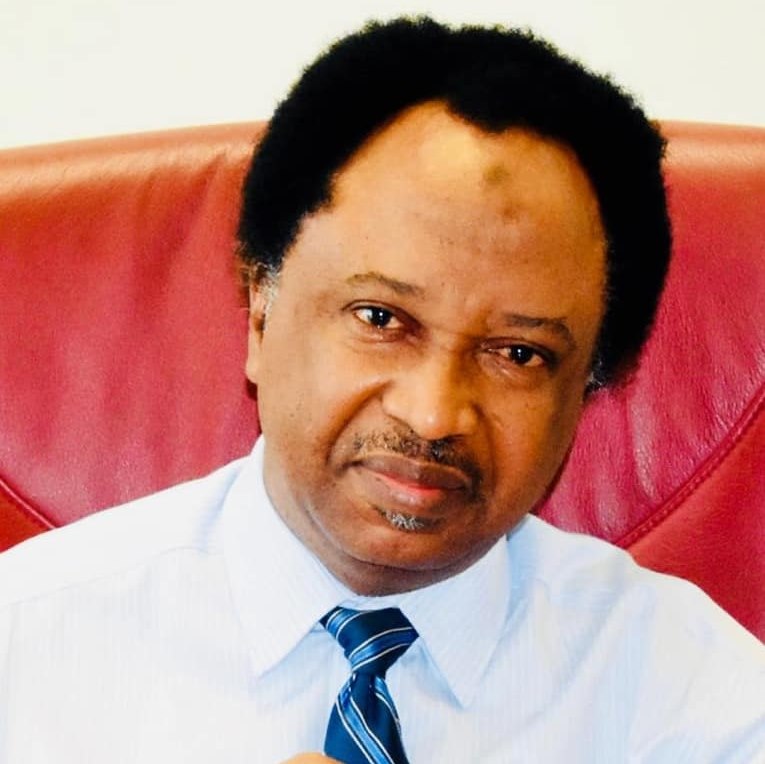
Shehu Sani, the former Kaduna State lawmaker, has condemned the military coup in the Niger Republic.
Sani stated this Thursday on Twitter, adding that “military rule can not be the solution.”
The coup took place on Wednesday when members of the Presidential Guard detained President Mohamed Bazoum.
He added that although he understood the disappointment and the political clash, the military coup could not be the alternative.
Sani stated, “Military rule must be totally rejected and resisted in West Africa. Our democracy is not perfect, and there is no perfect democracy anywhere. Military rule is not the solution.
“I’m surprised to read comments on social media, it appears that many young people are now in support of it.
“I understand the disappointment and the frustration with the political class. It’s still better we continue to struggle to make our democracy better until we get it right,” Sani added.
FG begs NLC to shelve planned strike over fuel subsidy
By Uzair Adam Imam
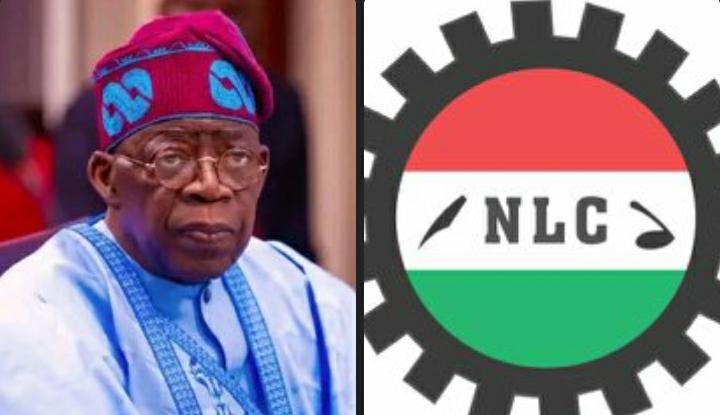
The Federal Government has appealed to the Nigerian Labour Congress (NLC) to shelve its planned strike over fuel subsidy removal.
The FG said it was doing everything possible to address issues raised by the congress, which threatened to embark on a nationwide strike in August.
The Daily Reality reports that the Congress Spokesperson, Ben Upah, made this disclosure on Wednesday, adding that they give seven days to the federal government to address the demand.
Speaking after the Steering Committee meeting on Palliatives, Olu Verheijen, the leader of the government team and Special Adviser to the President on Energy, pleaded with labour to give the federal government more time to look into its grievances rather than embark on industrial action.
She explained that the government was yet to roll out palliatives because it didn’t want to make mistakes, adding that the meeting with organised labour was productive and would continue tomorrow.
Asked about the agenda of the meeting, she said: “It involves labour and some parts of government; it’s a steering committee. it’s a wide group of people, a wide group of stakeholders representing the interests of Nigerians. And we’ve agreed to continue to make progress.
“It was a very productive meeting, the focus was really around how we fast-track a lot of the interventions that will bring relief, particularly around CNG, mass transportation, cleaner energy, transportation, and reduce the impact of the cost of transportation, the increased cost of transportation. So we’ve made good progress. And we’re going to continue to do so and so that we can start rolling out these opportunities and these relief measures as quickly as possible.”
Asked if Labour will not embark on strike as threatened, she said: “The labour unions will speak to that. But we are making progress; we’re trying to address the issues that will prevent a strike. So that is essentially why I feel we made very good progress today and will continue to do so.”
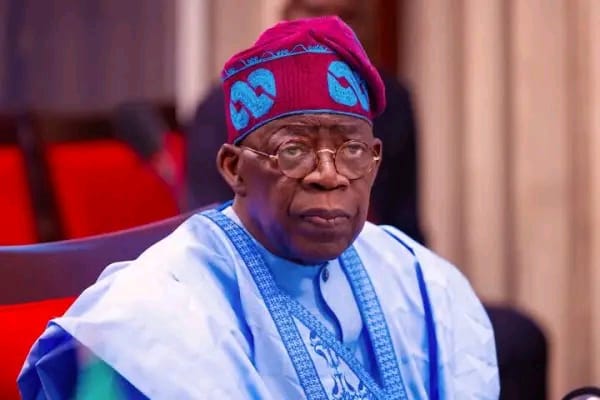
Tinubu nominates Kwankwaso, Elrufa’i and others as ministers
By Ahmad Deedat Zakari
Nigerian President, Bola Ahmad Tinubu, has reportedly disclosed the names of nominees for the Federal Executive Council, FEC.
In a report credited to Senate Leader Opeyemi Bamidele, the list of Tinubu’s ministers would be ready by Thursday, and it includes notable former governors and other distinguished Nigerians.
According to the report, immediate-past governors of Rivers, Kaduna, Osun, and Cross River States have been shortlisted as ministerial nominees. The nominees include Nyesom Wike, Nasir El-Rufai, Gboyega Oyetola, Ben Ayade, and Senator Rabi’u Musa Kwankwaso from Kano, who is also the NNPP national leader.
Also in addition to the list of nominees to be presented on the floor of the Senate this Thursday morning are prominent individuals such as President Tinubu’s top aide, Dele Alake; Lateef Fagbemi, SAN; APC national woman leader, Dr Betty Edu; former Lagos State Commissioner for Budget Planning, Wale Edun; ex-Minister of State for Health, Prof. Ali Pate, and former Deputy Governor of CBN, Adebayo Adelabu from Oyo State.

NLC to embark on nationwide strike over fuel subsidy removal
By Uzair Adam Imam
The Nigeria Labour Congress (NLC) has reportedly threatened to embark on a nationwide strike next month over the bitting economic hardship caused by the fuel subsidy removal in the country.
The Congress Spokesperson, Ben Upah, made this disclosure on Wednesday, adding that the they give seven days to the federal government go address the demand.
The Daily Reality recalls that President Bola Tinubu had, during his inauguration on 29 May, announced the removal of fuel subsidy.
The action had suddenly pushed up the price of the product, making life more difficult for the poor.According to Upah, the congress gave a nationwide strike notice beginning on 2 August to protest the removal of fuel subsidy by the federal government.
“Yes, the nationwide strike will commence on 2 August 2023. We will soon issue a communique to that effect,” Upah said.
This is coming a few hours after the National Association of Resident Doctors (NARD) began an indefinite strike in the country.
The doctors are demanding the implementation of a one-for-one replacement policy for healthcare workers, immediate payment of all salary arrears, implementation of a Consolidated Medical Salary Structure, and a new hazard allowance, among others.

Tinubu warns Niger soldiers over alleged coup
By Uzair Adam Imam
There is growing tension in Niger Republic as soldiers reportedly detain the Nigerien President, Mohamed Bazoum, and deny access to his palace on Wednesday.
President Bola Ahmed Tinubu, who is the of Economic Community of West African States (ECOWAS) Chairman, warned the soldiers that ECOWAS would not tolerate a coup.
Tinubu disclosed this in a statement on Wednesday, saying that ECOWAS would not tolerate actions that incapacitate democratically-elected government in the sub-region.
The statement read: “I wish to say that we are closely monitoring the situation and developments in Niger and we will do everything within our powers to ensure democracy is firmly planted, nurtured, well rooted and thrives in our region.
“I am in close consultation with other leaders in our region, and we shall protect our hard-earned democracy in line with the universally acceptable principle of constitutionalism.
“As the Chairperson of ECOWAS Authority of Heads of State and Government, I state without equivocation that Nigeria stands firmly with the elected government in Niger and equally conveys the absolute resolve of leaders in our sub-region that we shall not waiver or flinch on our stand to defend and preserve constitutional order.”
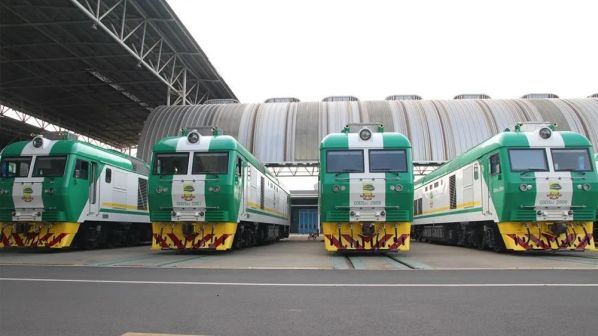
Railway: A panacea for subsidy removal in Nigeria
By Tajuddeen Ahmad Tijjani
President Asiwaju Bola Ahmed Tinubu announced the end of subsidy in Nigeria in his inauguration speech on May 29, 2023, at Eagle Square, emphasising that there is no provision for it in the 2023 appropriation. However, these have no doubt brought untold hardship to average Nigerians. Though experts agree that these, among others, are the sacrifices we must make for the country to move forward, I agree with the belief that subsidies can no longer justify their ever-increasing costs in the wake of drying resources.
Thus, the sum of N500 billion has been extracted from the supplementary budget of N819 billion for the provision of palliative care by the President. Even though it raised much concern among Nigerians, looking at how unpatriotic elements within misused or abused all palliative ranging from covid-19 etc., by the previous administration, sadly, no one was punished for the infraction.
Rail transportation is a viable option that, if considered, will often be a potential solution for reducing the untold hardship presently experienced by the populace. However, it has the potential to be more cost-effective and sustainable, considering current circumstances. It would indeed give more life to our road pavement; most trucks that too often damage our roads would be off the road.
Indeed, one of the main advantages of rail transportation is its ability to transport large numbers of passengers or goods in a single trip. Yet it also has a higher capacity compared to other modes of transportation. This efficiency can no doubt help reduce the present unfortunate hardship. It’s, however, among the intentions of the President to channel the resources to infrastructure in the country. Again, the cost of commodities will drastically reduce, especially in transporting perishable from one location to another.
The majority, or perhaps 90 per cent, of Nigerians, can’t even talk about saving when we’re all struggling desperately to survive in the face of merciless inflation that is, sadly, rapidly worsening every day. Inflation too often wipes off the little we earn to keep the wolf from the door. To me, hardship encourages corruption in all aspects. Perhaps the government is not aware of this precarious situation. Or maybe it looks the other way around. Indeed, this is not what we bargain with the government by entrusting it with our votes.
Therefore, I call on the government to do the needful in short-term and long-term solutions. At the same time, the short term should be mass subsidising urban and rural transportation by both the three tiers of government.
Tajuddeen Ahmad Tijjani writes from Galadima Mahmoud Street, Kasuwar-Kaji Azare, Bauchi State.
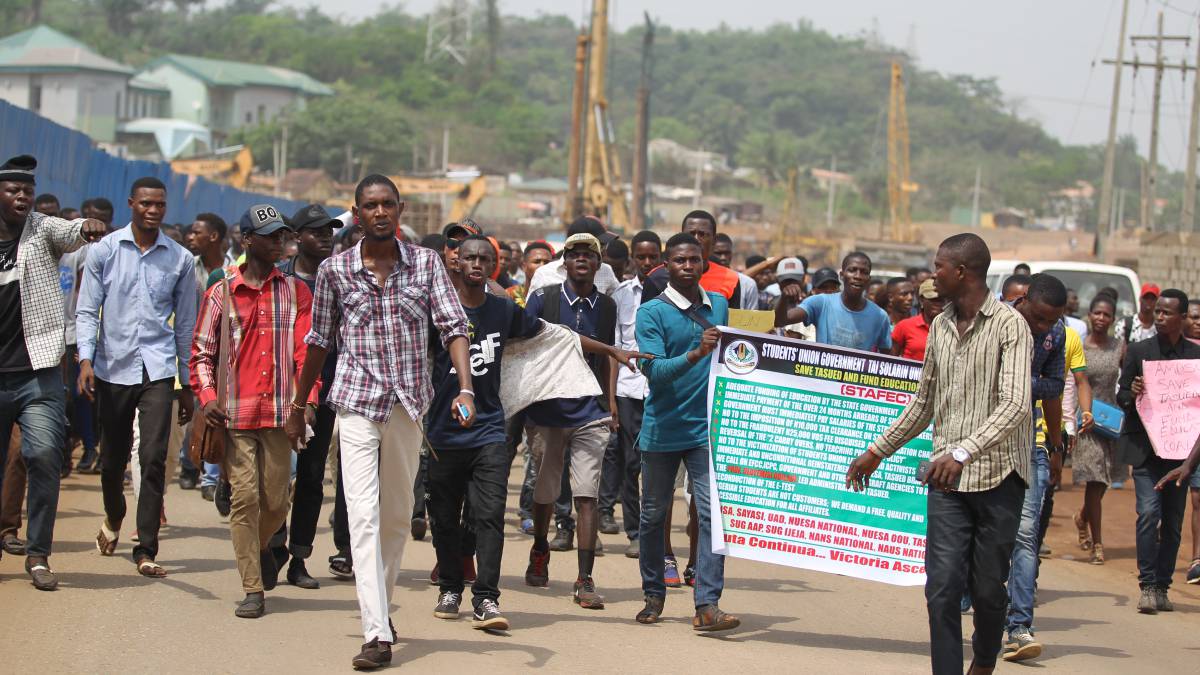
My journey into student unionism
By Mubarak Shafiu
I joined the train of the Students’ Union right from day one at the university. My painstaking journey to the world of student activism has also fed me with sour, bitter and sweet experiences. Often, I feel nostalgic about the onerous struggles we underwent and the myriad of obstacles we encountered.
Being a passionate advocate for good governance, leadership and democracy, I was overwhelmingly compelled by nature to partake in the diversity-politics. My participation is solely to add my own quota and refine the university’s political atmosphere.
It is indeed sad seeing incompetent, incapable, self-centred and unpatriotic students take the leadership mantle and run the affairs of this vast student body.
Though my fundamental assignment is to study, acquire knowledge, experience, and skills, more importantly, earn my degree with colourful grades. Yet, I developed a burning desire to involve in the school’s extracurricular activities, more precisely- politics, intending to make sustainable reformation.
As a freshman, my initial preoccupation was to study and adequately understand my new environment. Being well-informed would assist me tremendously in making better decisions as events unfold.
Along the process, on many occasions, my parents called me to order and cautioned me to be steadfastly focused on my studies and not mingle with bad company. These cautionary words always crossed my mind, and I decided to keep myself away from anything that could interfere with my study.
Since then, I shunned anything apart from my study as the drumbeat of my parents’ cautionary remarks sounded louder and louder into my eardrums. This made my ambition of becoming a student leader a pipe dream, for naturally, I disliked betraying the parental confidence reposed in me.
As an obedient child, who always wanted to please his parents, I had never turned down every admonition. I just dispelled and dismissed anything that had nothing to do with my study. I attended classes, dug into research, engaged in group discussions and made the library my best friend.
As the exam approached, I became consistent, determined and accelerated my efforts towards achieving my goal. Expectedly. I passed out with flying colours in my first-semester examination, as I made an “A” in the overall result.
Out of sheer joy, I presented the result to my parents to bless it, as they had been nursing the dream of seeing their son become a champion.
After a short break from the first-semester examination, we all returned to our dear University, and academic and social activities began fully.
Students from various departments and faculties started expressing their interests in different positions, especially in the “Students’ Union Government” (SUG) and other associations like departmental, faculty and state associations.
Being sceptical and scared of my parent’s stance on not getting involved in school politics, I let my intention be latent and inexpressible. I was only debating whether to seek my dear parents’ approval.
Seeing how time flew, I just took the bull by the horn, shook off my phobia and sought permission to contest for a position that would not be infectious to my study.
Surprisingly, my parents gave me the go-ahead to participate on the condition that I should not interfere with my academic performance. Having heard of this had gladdened my heart and brightened my spirit.
Long story short, I vied for a senator representing my department in the “Students’ Representative Assembly (S.R.A), and I effortlessly made it. This assembly shared some things in common with the “National Assembly regarding greatness, corruption, unaccountability and many more.
Millions of funds were annually poured into the students’ union government account.
However, these funds were being mismanaged, misappropriated and stolen in collaboration with representatives of various departments.
The brainlessness and wickedness of the so-called student leaders tremendously moved me. This compelled me to resign and distance myself from the system. I recently retired from S.U.G to my state association, “The National Association of Kano State Students”. But you guess what? The Story was the same or even worse than that of S.U.G.
I contested for the presidential position under the bona fide umbrella of the association, and I won the election by a wider margin. To my dismay, under the watchful eyes of the students, some unscrupulous folks rubbed, snatched and ran with my mandate to one’s advantage.
Sadly, these corrupt individuals are the so-called leaders of tomorrow. Imagine an institution like a university where learning, character and discipline are inculcated. The university management should force such student-leaders to face punishment to deter others.
If we have not changed ourselves into better persons, we will continue to produce bad leaders in the country. Let’s desist from insulting, cursing, and condemning our leaders at all levels.
“Change begins with me”…….
Mubarak Shafiu wrote via mubarakshafiu596@gmail.com.

Combating thuggery in Kano: What is your contribution?
Najeeb Ibrahim
Peace is not just a state of mind which is personal but also that which could be an inter-personal, inter-communal, inter-regional, and global phenomenon.
Kano State is free from bandits and kidnappers in contrast to other northern states like Zamfara, Sokoto, Katsina, and Kaduna. Thus, the state becomes an asylum for many people from different parts of Nigeria. A single issue that bedevils the tranquillity of the state is thuggery (dabanci).
Thuggery has been a threat to the people of Kano for an extended period. It costs many people’s lives and prompts the distraction of many properties. Recently, the abominable act has arisen, forcing people indoors before dusk.
In parts of Gwale local government, two warring parties from Hausawa quarters and their opponents in Kofar Naisa disrupt our peace. They have been fighting each other for a long time. Very recently, Hausawa thugs ventured into the community of Kofar Naisa around 1 am to take revenge for their brother, who was wounded by one of Naisa’s ruffians.
Police tried to quell the fight. They fired several tear gases. One of the tear gas canisters dropped fell in our neighbourhood. The family of the house, including children and a two-month-old baby, wept; the baby even fainted at night. Many car wind glasses were broken, several kiosks were burgled, and the thugs stole many things.
The Kano State police commissioner has been working hard to ensure that thugs and thuggery have no hidden place in the state. In the last two weeks, the commissioner announced some names of thugs’ leaders to surrender themselves. Otherwise, he resolved to fish them out by himself. We are deeply in debt to the enormous effort of the commissioner.
Civilians also have roles to play to surmount the situation in the state:
First, if anyone is known to be in the dirty business of thuggery, offer a piece of useful advice to him. Cite him some references with those who have long been in the messy business. Ask him whether they achieve anything worthwhile in life or not. Tell him soothingly that most end their lives in misery and sycophancy.
Second, if you have the means, help him go back to school. If it is a financial problem that refrains him from furthering his education and he decides to enrol into the school of thuggery, but apart from you, you are not financially stable to assist him, tell someone whom you know can hepl him. It says, “Knowledge is light, and it guides us to the right path”.
Also, avoid dissociating from him, and advise your friends not to do so. Many thugs decry dissociation from their friends; they neither talk to them nor invite them to events like wedding ceremonies and so on.
A similar case happened in Makasa quarters. A retired thug got frustrated by his friends. They dispersed and left him alone if he joined them in their setting place (majalisa). Nobody showed him an appreciation for his withdrawal from his former self. He became incommunicado in his society. In the end, anxiety and depression led him to murder himself.
Second, to last, form a youth organisation in your locality. Assemble at least once in a fortnight. Discuss your problems, and offer solutions and pieces of advice to yourselves. Let everyone feels at home with one another.
And finally, report any thugs’ meeting point you know to the police station near you. Do not hesitate. Because as long as thuggery persists in our society, our lives and properties will never be safe.
May Allah guide us to the right path and guide those who have already gone astray amin.
Najeeb Ibrahim wrote from Kano. He can be reached via inajeeb08@gmal.com.
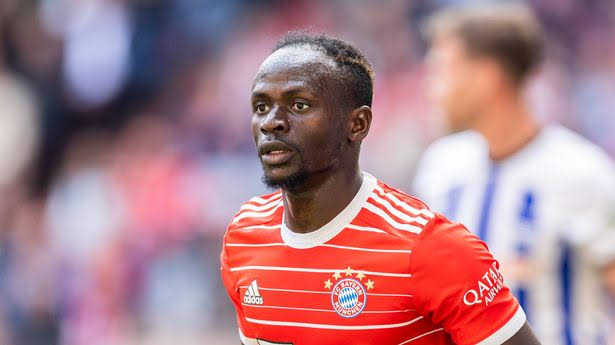
Mane’s agent to meet Al Nassr for negotiations
By Muhammadu Sabiu
In a significant development in the world of football transfers, it has been confirmed that Sadio Mane’s agent, Roof Björn Bezemer, is set to embark on a trip to Japan to negotiate terms with Al Nassr.
The Saudi Arabian club has expressed keen interest in acquiring the talented winger from Bayern.
Last week, Sadio Mane gave his initial approval for negotiations with Al Nassr, signalling his willingness to consider a potential move to the Middle Eastern club.
However, it’s worth noting that Mane had expressed his desire to stay at Bayern Munich and was adamant about remaining with the team.
Despite the player’s stance, Bayern Munich has decided to part ways with Mane, making it evident that they are open to his departure.
This development has provided Al Nassr with a glimmer of hope to secure the services of the highly regarded footballer.
Roof Björn Bezemer, the intermediary representing Sadio Mane, is now entrusted with the task of sitting down with Al Nassr officials to discuss the terms of the potential deal.
The negotiations are expected to be crucial in determining whether the transfer will come to fruition.