


Medical doctors must sanitise their profession against quackery
By Bello Hussein Adoto
Medicine is a sacred profession where trust is vital. Yet, fakes and their accomplices undermine this trust and put everyone at risk. Medical doctors must stand up and sanitise the system first by not promoting quackery.
Meet Abawulor Omenka, a 35-year-old Nigerian who made headlines after presenting a second-class upper degree in Medicine and Surgery to Covenant University Medical Centre, Ota, Ogun state, for employment.
For those who don’t know, medical degrees are not classified. It is either you pass or you don’t. There is no first-, second-, or third-class, as you have in education, law, engineering, and pharmacy programmes.
So, for Mr. Omenka to present a second-class upper degree shows something was wrong. True to suspicion, he was found to be a fake doctor and handed over to the police. Omenka’s case is symptomatic of how doctors contribute to quackery, deliberate or not.
The role of doctors in quackery is subtle yet significant. For instance, Omenka, in his interview, talked about the different hospitals he has worked for. One of his interviewers told The Punch, “…he (Omenka) had worked at the hospital owned by some of our colleagues that we know. We put a call across to them, and two of them actually confirmed that they knew him very well. I told them he was trying to apply as a medical officer, and they told me he worked with them as an auxiliary nurse or, better put, as a hospital assistant.”
Imagine if he had earlier been reported to the police or the Nigerian Medical Association and removed from circulation. He wouldn’t have had the guts to apply to be a medical officer at a hospital.
Beyond that, doctors should not allow their hard-earned certificates and licenses to be used to register clinics run by unqualified individuals. Many quacks wouldn’t have had clinics to experiment on patients without doctors registering the clinics for them.
The practice of quacks using a doctor’s license to operate their clinics is well established. As Professor Shima Gyoh, a former provost of Benue State University College of Health Sciences, told the International Centre for Investigative Reporting, “A lot of these illegal clinics are run by cleaners in the hospitals; I knew some who started clinics without approval. What they do is you start a clinic, you ask a doctor to stand behind you and register the clinic in his name, then you pay the doctor something. Instead of the doctor inspecting what you are doing, he does not do that, and then you continue to run your clinic independently. Yet, you are not a doctor.”
Moreover, doctors are honourable people who should not be found near quacks and quackery. Yet, some doctors help quacks run their clinics. The quack will open a clinic and handle common illnesses while the trained doctor comes in for the severe ones. This partnership gives the quack a veneer of legitimacy, which allows him to attract more patients and handle even bigger cases.
Another factor is economical. I know things can be challenging for doctors, especially those in private practice. They must establish standard hospitals, hire competent staff, meet regulatory standards, and offer quality services. All these cost money.
Nevertheless, the need to balance the chequebook does not excuse hiring untrained hands as cheap labour or training them to become health workers themselves. The male trainees graduate to become ‘doctors,’ while the female ones are called ‘auxiliary nurses.’ Whatever that means.
Let’s be clear. I don’t have a beef with medical doctors. If anything, I am grateful for their remarkable job in the face of limited resources and an overwhelming workload. My aim is to call on them to sit up and excise this cancer eating into their noble profession.
Of course, fakes are not exclusive to the medical profession. Bogus certificates and fake professionals are around us in the form of fake doctors, fake lawyers, fake soldiers, fake engineers.
Nevertheless, patients place enormous trust on their caregivers and doctors should know better than to endorse quackery. They are trained, more than most, to know the value of health and wellness and respect the sanctity of their patients.
They have read tonnes of materials, done lots of practicals, and spent years doing exams upon exams to show they have studied human functionality and diseases and can apply the training to treat people. They shouldn’t be found contributing to quackery in any form.
Medicine should have no room for quackery. Human life is too sacred, and the burden of care is too great for those not qualified by training, experience, and certification to play poker.
One could say that doctors and non-clinical health workers can work together in a task-shifting, task-sharing arrangement. This way, routine, low-skill tasks can be shifted to health workers like community health extension workers (CHEWs) and health technicians so that we can have better use of our depleted workforce and ensure that everyone gets quality healthcare. I agree with this arrangement.
In a task-shifting, task-sharing arrangement, everyone knows their job. However, what some doctors do currently is not task-shifting or task-sharing. What they do instead is aiding and abetting an aberration fast becoming a norm. This needs to stop.
Bello Hussein writes from Ilorin via bellohussein210@gmail.com
Tragedy strikes Niger State as boat accident claims 24 lives
By Muhammadu Sabiu
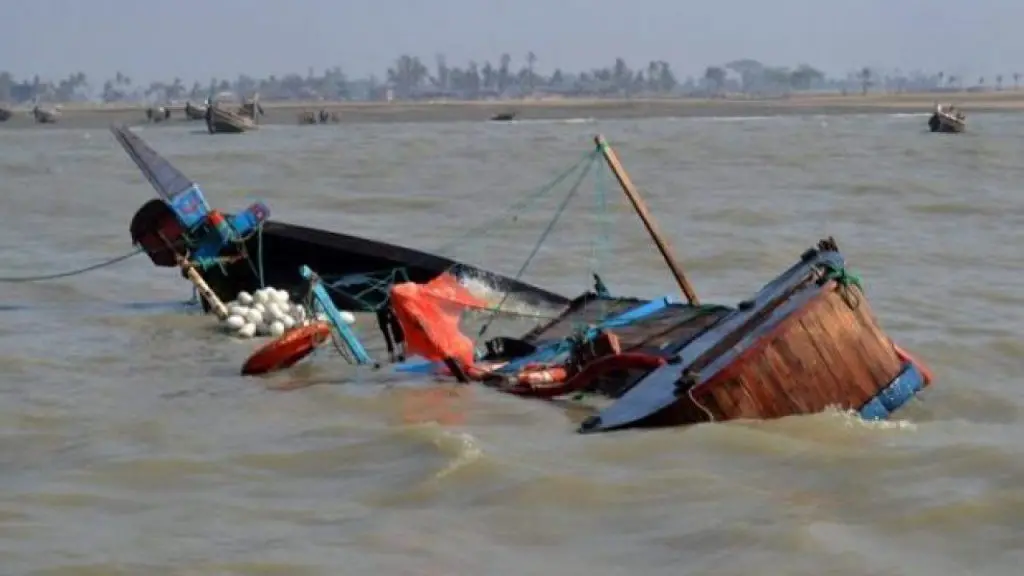
Mokwa Local Government Area, Niger State, witnessed a devastating boat accident on Sunday, leaving 24 lives tragically lost and many more in distress.
Niger State Governor Mohammed Bago expressed his profound shock at the incident and has since called for immediate safety measures.
The accident occurred between 7:30 a.m. and 8:00 a.m. in communities situated between Jebba and the Kainji dam. Most of the victims were women and children.
Over 30 individuals have been rescued so far, thanks to the combined efforts of the marine police, local divers, and the Niger State Emergency Management Agency.
Governor Bago, in a statement by his Chief Press Secretary, Bologi Ibrahim, conveyed his deep condolences to the affected families.
He described the incident as “terrible and undesirable” and prayed for the souls of the departed to rest in Aljannah Firdausi.
Expressing his concern, Governor Bago called for the mandatory use of life jackets by anyone boarding a boat in the state.
He strongly condemned overcrowding on boats, emphasizing the need for strict adherence to safety guidelines. The exact number of passengers on the ill-fated boat is still unclear, but reports suggest that many were not wearing life jackets, which may have contributed to the tragedy.
The Chairman of Mokwa Local Government Area, Jibrim Muregi, confirmed the ongoing efforts by divers to rescue victims and recover more bodies from the scene.
Meanwhile, the Niger State Emergency Management Agency, led by Alhaji Salihu Garba, is collaborating closely with local authorities and divers in search, rescue, and recovery operations.
As the rescue operation continues, the affected communities are plunged into mourning, with residents anxiously searching for their missing loved ones.
The cause of the boat mishap remains unknown, underscoring the urgency of improving safety measures and enforcing strict compliance with regulations governing water transportation in the state.
H.E. Abba Kabir Yusuf’s First 100 Days in Office
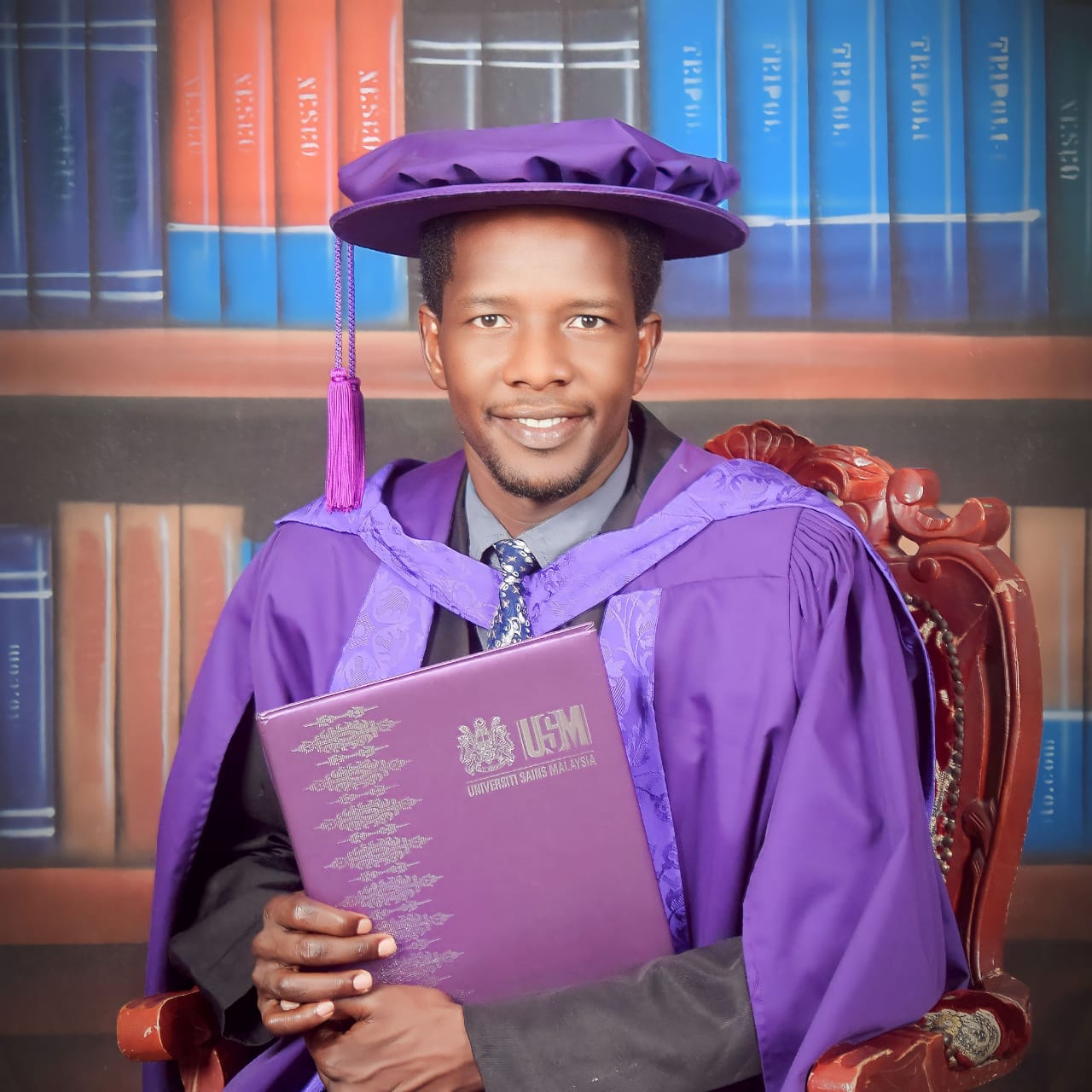
By Mansur Hassan, PhD
In the first 100 days of His Excellency Abba Kabir Yusuf’s administration, significant strides have been made towards transforming and improving various sectors of governance in Kano State. This report highlights the key accomplishments achieved during this period.
Governance and Social Welfare:
Timely Salary Payments: The administration successfully implemented a policy to ensure that all civil servants receive their salaries promptly on the 25th of each month. This initiative has contributed to boosting the morale and well-being of the state’s workforce.
Settlement of Outstanding NECO Fees: Addressing a longstanding concern, the government cleared the backlog of National Examinations Council (NECO) registration fees that were left unpaid by the previous government. This commitment to education underscores the administration’s dedication to investing in the future of Kano youth. Governor Abba Kabir Yusuf has made a significant decision that will undoubtedly have a positive impact on the accessibility of education in our state. In a move that showcases his commitment to affordable education, the governor has decided to reduce the school fees across all state-owned tertiary institutions by an impressive 50 percent. This decision is poised to make higher education more attainable for a larger portion of the population, opening up new avenues of learning and skill development. By taking this step, Governor Abba Kabir Yusuf not only showcases his dedication to fostering a well-educated society but also demonstrates his understanding of the importance of reducing financial barriers to education. This move has the potential to encourage more students to pursue tertiary education and contribute to the overall growth and development of our state.
Support for Students: A noteworthy achievement was the financial support provided to 7000 Kano State students studying at Bayero University Kano. This initiative eased the financial burden on students and their families, facilitating access to higher education.
Higher Education Sponsorship: The administration extended its commitment to education by sponsoring first-class students to pursue master’s degrees at foreign universities. This initiative not only promotes academic excellence but also contributes to building a skilled and globally competitive workforce.
Hospitals Renovation: The administration took a significant step in healthcare by renovating the Hasiya Bayero Paediatric Hospital, which had been previously sold during the Ganduje administration. This restoration ensures better healthcare access for Kano’s youngest residents.
Infrastructure Development: The continuation of the Faculty of Engineering building at Yusuf Maitama Sule University underscores the administration’s focus on enhancing education infrastructure, fostering academic growth, and preparing students for technical careers.
Infrastructure and Security: Kano State’s streets have regained their illumination, with functional street lights now contributing to improved security and a safer urban environment.
Sanitation and Management: The reinstatement of the Kano State Refuse Management and Sanitation Board (REMASAB) highlights the administration’s commitment to maintaining clean and hygienic surroundings, promoting public health, and a better quality of life.
Infrastructure Rehabilitation: The administration’s decision to continue the Wuju-Wuju road project, abandoned by the previous government, demonstrates dedication to completing unfinished projects and improving transportation infrastructure.
Local Development: The commitment to extending 5 kilometres of roads in each local government contributes to improved connectivity and accessibility within communities, fostering economic growth and social development.
Social Services and Security:
Revival of the CRC: The revival of the Community Reorientation Committee in Kano state is a significant step towards fostering community engagement and positive social change. By reestablishing this committee, the state is likely aiming to address various issues, promote awareness, and encourage citizens to participate in activities that contribute to the betterment of their communities. This effort reflects the state’s commitment to strengthening local connections and promoting a sense of shared responsibility among its residents.
Water Access: A major accomplishment has been the reestablishment of tap water supply across Kano State after an eight-year hiatus. This achievement significantly improves the daily lives of citizens, providing them with a basic necessity.
Resolving Issues about Pensioners’ Payments: Pensioners are now receiving their full payments, rectifying a long-standing issue and ensuring that retired public servants are able to lead dignified lives.
Benefits for Families: The administration’s approval of benefit payments to the families of state civil service employees who lost their lives between 2018 and 2023 demonstrates compassion and support for those who have made sacrifices for the state.
Enhanced Security: The reduction in daily reports of phone snatching incidents indicates an improvement in the state’s security situation, enhancing the safety and well-being of residents.
Humanitarian Aid:
Palliatives for Vulnerable Citizens: The distribution of palliatives worth 1.6 billion naira to needy and vulnerable citizens signifies the administration’s commitment to addressing immediate challenges and ensuring the welfare of its most disadvantaged citizens.
Conclusion:
In just 100 days, His Excellency Abba Kabir Yusuf’s administration has achieved significant milestones across various sectors, including education, healthcare, infrastructure, social services, and security. These accomplishments reflect a dedicated effort to uplift Kano State and improve the quality of life for its citizens. As the administration moves forward, these achievements provide a strong foundation for continued progress and development.
Dr. Mansur Hassan is a Senior Lecturer in the Department of Mathematics, Yusuf Maitama Sule University Kano and he can be reached via mhassan@yumsuk.edu.ng

A truly blessed son of the North and a proud Nigerian
By Usman Muhammad Salihu
As a genuinely blessed son of the North and a proud Nigerian, I am honoured to be part of a rich and diverse culture that has contributed significantly to the growth and development of Nigeria. From our unique customs and traditions to our rich history, the North is a region that has stood the test of time and remains a force to be reckoned with in the country.
Growing up in the North, I was exposed to a different way of life from other parts of Nigeria. I was taught to respect my elders, to honour my ancestors, and to always put family first. These values have stayed with me throughout my life and have helped shape the person I am today.
One of the things I am most proud of as a Nigerian is our ability to come together as a people, regardless of our differences. We may speak different languages, have different beliefs, and come from other parts of the country, but when it comes to matters of national importance, we stand united as one.
As a truly blessed son of the North, I have witnessed firsthand the resilience and determination of the Nigerian people. We have faced our fair share of challenges over the years but have always come out stronger on the other side. This is a testament to the spirit and resilience of our people, and it is something that makes me incredibly proud to be a Nigerian.
Overall, being a truly blessed son of the North is a great privilege I do not take for granted. I am honoured to be part of a rich and diverse culture that has contributed so much to the growth and development of our great nation. May we continue to work together towards a better future for ourselves and future generations.
Usman Muhammad Salihu can be reached via muhammadu5363@gmail.com.
Medical outreach in Kano brings healthcare to thousands
By Muhammadu Sabiu
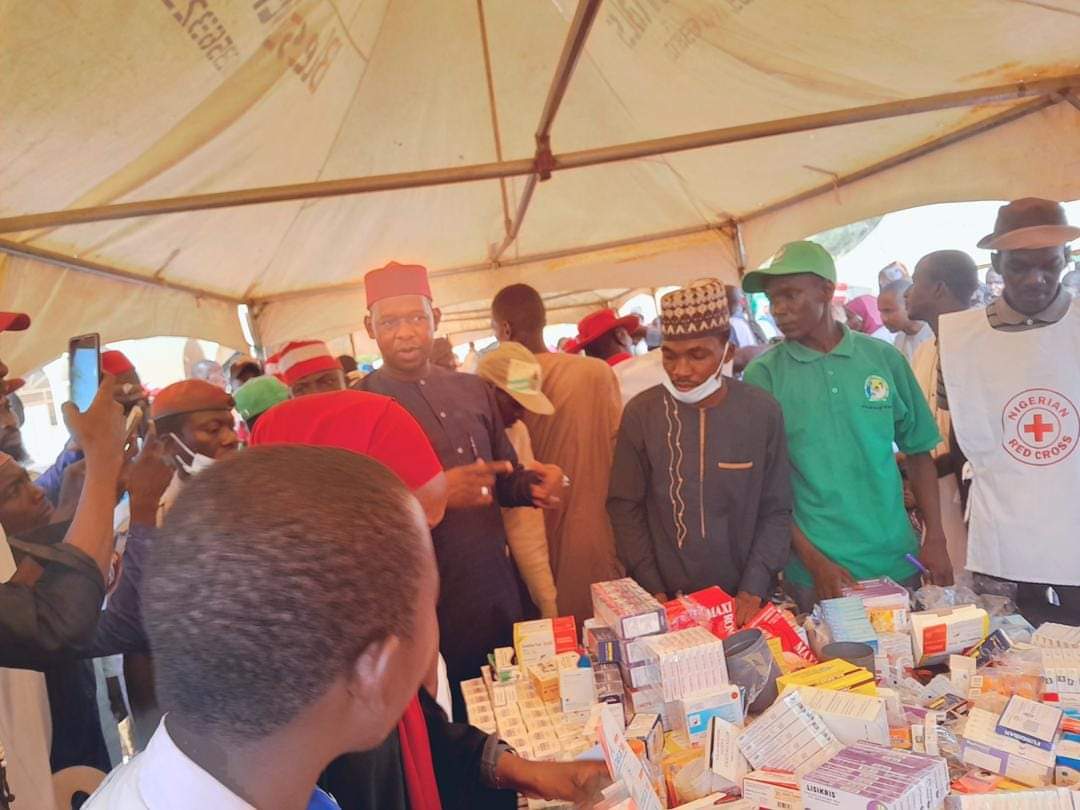
Hon. Commissioner, Ministry for Higher Education, Dr. Yusuf Ibrahim Kofarmata, orchestrated a significant medical outreach programme in Kofarmata, Kano, in a remarkable display of commitment to public welfare.
The event, organised under the esteemed patronage of His Excellency, Alhaji Abba Kabir Yusuf, the Executive Governor of Kano State, commemorated the Governor’s 100 days in office.
The medical outreach, which took place over several days, brought essential healthcare services to approximately 3,000 residents from various parts of Kano.
This initiative aimed to address the healthcare needs of the community and ensure access to medical check-ups, diagnosis, and free medications.
Dr. Yusuf Ibrahim Kofarmata’s commitment to the welfare of the people was evident as a team of skilled healthcare professionals, nurses, and doctors offered their expertise to those in need.
The services provided ranged from general medical check-ups to comprehensive diagnoses, ensuring that individuals received the appropriate care and attention.
Furthermore, the programme distributed free medications to those requiring treatment, thereby alleviating the financial burden on many residents who often struggle to access healthcare services.
Annihilate all non-surrendering insurgents, N’East governors tell military
By Muhammadu Sabiu
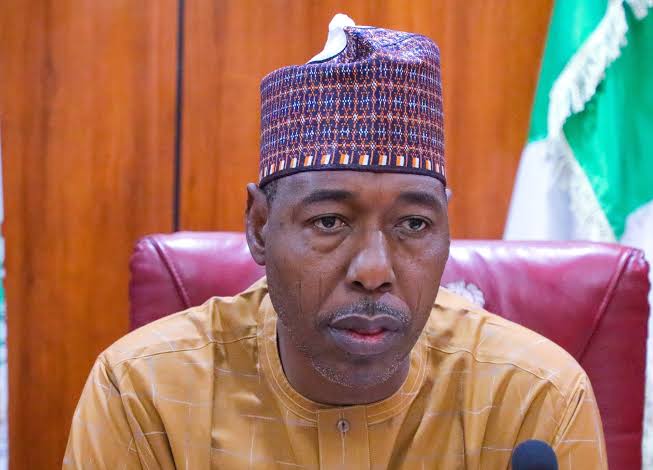
The North East Governors’ Forum, led by its Chairman, Governor Babagana Zulum of Borno State, has called upon the military to take decisive action against insurgents who refuse to surrender during the ongoing mass surrender by terrorists in the sub-region.
Governor Zulum made this appeal during the 8th meeting of the forum held in Maiduguri.
In his address, Governor Zulum commended the military for their efforts in restoring relative peace to the sub-region, which has enabled the return of normalcy to many areas affected by insurgency.
He acknowledged the military’s unwavering determination and significant progress in the fight against terrorism.
However, he stressed the need to eliminate those insurgents who persist in hiding and refuse to lay down their arms.
Governor Zulum stated, “I want to call on the Nigerian military to reach into the enclaves of the insurgents who are not ready to lay down their arms. We must pursue them to their hideouts in the remote nook and cranny and neutralize those who refuse to surrender.”
He underscored the negative socioeconomic impact of insurgency on the sub-region and emphasised that lasting improvements could only occur once the threat of terrorism was fully subdued.
Additionally, Governor Zulum addressed challenges posed by erratic rainfall patterns and recent floods, calling for federal government intervention.
He urged the North East Development Commission (NEDC) to prioritise support for irrigation farming to mitigate the effects of reduced rainfall on crop cultivation.
Echoes of Concern: Gombe’s plea for Kalare boys’ resolution
By Muhammad Umar Shehu
The issue of Kalare boys has found a bed in Gombe state, and the state’s government is aloof. What has Governor Inuwa Yahaya’s government, which was enthroned to solve the yearnings of the poor masses in the land, done?
This issue of Kalare is becoming worse in the state, and yet there has been no measure taken by the state government to curtail the menace.
Many of these devastating stories of Kalare boys have reached our eardrums as sympathetic to the victims. Still, the state government seems lackadaisical towards curtailing the menace of Kalare by our youths. Only recently did those Kalare devils enter the house of Shiek Albani Kuri and kill him. This is so dehumanising, unacceptable, and sympathetic.
Gombe state government needs to take urgent action to bring those engaged in this heinous action of Kalare to book to serve as a deterrent to people who engage in this illicit activity of Kalare in the state.
This heinous activity by Kalare boys in Gombe State has caused unbearable pain to the people of the State.
Gombe State, a home that was nursed to save lives, is now gradually metamorphosing, etching itself with smithereens so that the people of the land may find it arduous to excavate. Gombe is a land where peace has been our utmost priority, but these Kalare boys have made the state a magnet for visitors.
To curtail this Kalare boys menace in the state, I urge the state government to take some decisive actions by providing more employment to the youths of the state, and by doing so, in my opinion, the menace of Kalare boys will be a thing of the past in Gombe state.
May Allah guide those Kalare Boys to the straight path and bless Gombe State and Nigeria. Amin.
Muhammad Umar Shehu wrote from Gombe via umarmuhammadshehu2@gmail.com.
Muhyi Magaji leads the fight against corruption
By Abbas Datti
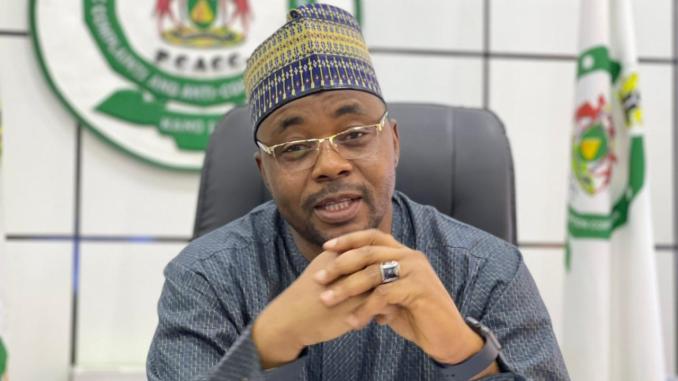
Let us take a deep sigh to reflect on the remarkable achievements Barrister Muhyi Magaji Rimingado made as the Chairman of the Kano State Public Complaints and Anti-Corruption Commission. Under Muhyi’s leadership, the fight against corruption and the promotion of public accountability has witnessed tremendous progress.
It is essential to highlight the proactive approaches, Barr. Muhyi Magaji adopted in addressing public complaints. Through establishing accessible and efficient complaint channels in various ministries, departments and agencies, Muhyi has provided a platform for Kano citizens to voice their concerns and grievances directly. This has increased public trust and facilitated prompt resolutions and the commission’s improved service delivery.
The chairman’s unwavering commitment to preventing corruption is genuinely commendable. In his steadfast commitment to fighting corruption, Muhyi has successfully implemented robust measures to ensure transparency, accountability, and integrity in government institutions. From implementing anti-corruption policies to strengthening internal control systems, his tireless efforts have significantly impacted reducing corrupt practices and enhancing good governance.
Furthermore, Mr. Rimingado has been instrumental in promoting awareness and educating the public about the detrimental effects of corruption. Through advocacy campaigns, workshops, and partnerships with civil society organisations and law enforcement agencies like immigration, Nigerian Security and Civil Defence Corps, Muhyi Magaji has fostered a zero-tolerance culture towards corruption. Such initiatives have been pivotal in creating public awareness and mobilising support for the commission’s anti-corruption efforts.
Additionally, the chairman’s strategic collaborations with law enforcement agencies have yielded positive results in prosecuting corrupt individuals. He has sent a strong message that corruption will not be tolerated by facilitating swift investigations and ensuring due process. This has brought unscrupulous individuals to justice and acted as a deterrent for potential offenders.
Lastly, the chairman’s visionary leadership and ability to inspire a dedicated team have contributed to the success of combating corruption and addressing public complaints. By fostering a culture of professionalism, ethics, and integrity within the Ministries, departments and agencies, Muhyi Magaji has created an environment conducive to achieving the set goals.
In conclusion, these giant strides are a testament to Mr. Rimingado’s exceptional leadership, unwavering dedication, and relentless pursuit of transparency and accountability. Magaji Rimingado’s contributions have undoubtedly profoundly impacted the overall socio-economic development of Kano State, and we must applaud and support Muhyi’s continuing efforts in building a corruption-free society.
Abbas Datti wrote from Kano State via abbasdatti448@gmail.com
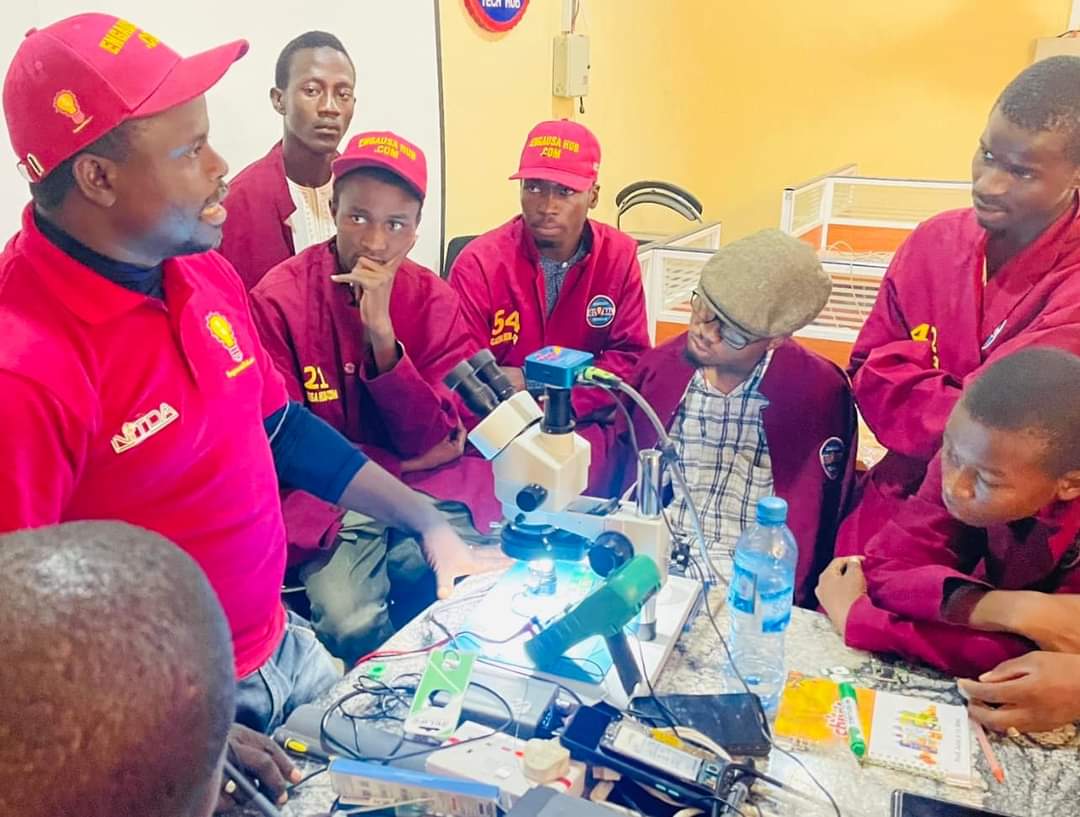
Engausa Global Tech Hub opens fresh applications for digital skills classes
By Muhammadu Sabiu
Engausa Global Tech Hub, a prominent centre specialising in digital skills education conducted in the Hausa language, is excited to announce the commencement of enrollment for new students.
The centre, in a statement via its Facebook handle, says it is gearing up to kick off fresh classes on Monday, September 11, 2023.
Engausa Global Tech Hub is dedicated to empowering individuals with the knowledge and skills required to thrive in the digital age.
This opportunity is open to all, and the centre is committed to fostering inclusivity and providing access to quality education.
For those interested in joining the upcoming classes or seeking more information, the process is made convenient through the EngausaHub.com website.
Whether you prefer to register in person at the centre, located at Farmcentre, or through the Rijiyar Zaki centre, the institution ensures a hassle-free registration process.
In addition to the online registration option, prospective students can contact the centre directly via phone at 07038224643 for any inquiries or assistance.
Engausa Global Tech Hub acknowledges the importance of digital literacy and its role in youth empowerment, gender inclusion, and achieving Sustainable Development Goal 4 (SDG4) as outlined by UNESCO.
By offering these digital skills classes, the centre aims to contribute to the advancement of these crucial objectives.
Kano government to allocate N3.5 billion for foreign scholarships
By Muhammadu Sabiu
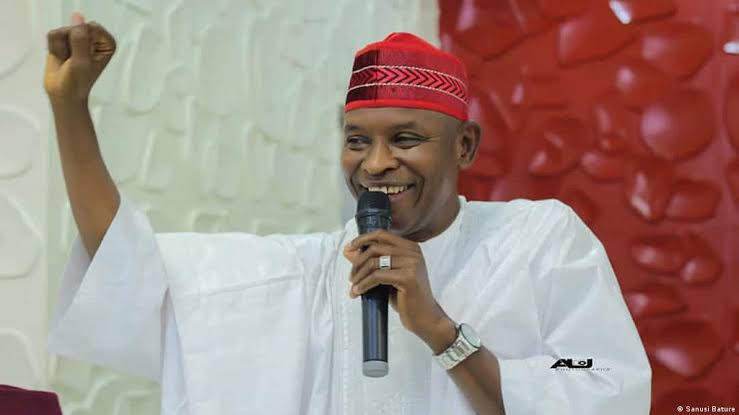
The Kano State Government has announced its ambitious plan to invest approximately N3.5 billion in providing foreign scholarships to 550 qualified students for postgraduate programmes abroad.
Dr. Yusuf Kofar-Mata, the Commissioner for Higher Education in the state, revealed this significant initiative during a press briefing held on Friday in Kano, following the weekly state executive council meeting.
According to Mr. Kofar-Mata, these 550 deserving students will have the opportunity to pursue their postgraduate studies at seven prestigious universities in India and Uganda.
This initiative aims to empower and equip these individuals with advanced knowledge and skills that will contribute to the development of the state. Out of a pool of 1,250 applicants, the government meticulously selected the beneficiaries.
Mr. Kofar-Mata emphasised that the selection process was conducted without any bias based on political affiliations, focusing solely on the candidates’ qualifications and their status as indigenous residents of Kano.
In his statement, Mr. Kofar-Mata confirmed that the government is in the final stages of processing the necessary visas for the students.
He also shared that the students are expected to commence their journeys to their respective overseas universities by the end of this month.
“We collected 1,250 applications for our postgraduate programs, and we have screened and come up with a list of 550 qualified indigenes of Kano who will be sponsored for postgraduate studies at various universities overseas,” Mr. Kofar-Mata stated.
“We are in the process of authenticating all the documents of these students for visa preparation. We are hoping that by the end of this month, these students will start moving to their various destinations overseas for them to start their programmes in various fields.”