

Federal tertiary institutions no longer part of IPPIS —FG
By Anwar Usman
The Office of the Accountant General of the Federation has confirmed the deactivation of the Integrated Personnel and Payroll Information System for Federal Tertiary Institutions.
This comes after the Federal Government’s decision to remove these institutions from the IPPIS platform.
Bawa Mokwa, the Director of Press and Public Relations at the OAGF, made this known in an interview with journalists.
Mokwa stated, “It was only natural for the IPPIS platform for FTIs to be shut down, given the Federal Government’s directive to remove these institutions from the system.”
He added that November salaries for FTIs would be processed through the Government Integrated Financial Management Information System (GIFMIS).
Institutions are expected to prepare their payrolls in Excel format and bring them to IPPIS for verification and validation.
In response to concerns about possible changes to salary account details, the OAGF clarified that it has issued no directive instructing workers to change the financial institutions linked to their IPPIS accounts.
Mokwa reiterated that workers’ welfare remains a top priority, assuring that no misleading or panic-inducing instructions would be given.
He explained that any decision to change salary accounts is entirely personal for each worker, with no mandate from the IPPIS office.
Workers with valid reasons for changing their salary accounts were advised to follow the official procedures provided by the OAGF to ensure a smooth transition without payroll disruptions.

Kano Politics: Gov Yusuf reportedly severs ties with Kwankwaso
By Uzair Adam
The crisis within Kano’s ruling New Nigeria Peoples Party (NNPP) has intensified as Governor Abba Yusuf reportedly distances himself from party leader and political mentor, Senator Rabiu Kwankwaso.
According to some reports, the governor has allegedly ignored Kwankwaso’s calls and skipped meetings, indicating a potential split.
Supporters of Yusuf have launched the slogan “Abba Tsaya da Kafarka” (Abba, stand on your feet), encouraging him to govern independently.
The Daily Reality learned that this internal rift stems partly from Kwankwaso’s alleged control over local government appointments without the governor’s input, leading Yusuf to eventually dismiss Kwankwaso-appointed caretaker chairmen in September.
Kwankwaso’s influence over the party has also faced challenges in court; recently, an Abia State High Court recognized Boniface Aniebonam as the party’s leader.
Some high-ranking NNPP officials, including State Secretary Baffa Bichi and several Kano lawmakers, reportedly support Yusuf’s autonomy and may be exploring alliances with the ruling APC.
The movement has gained traction, with some party members openly pledging loyalty to Yusuf and distancing themselves from Kwankwasiyya, Kwankwaso’s political movement.
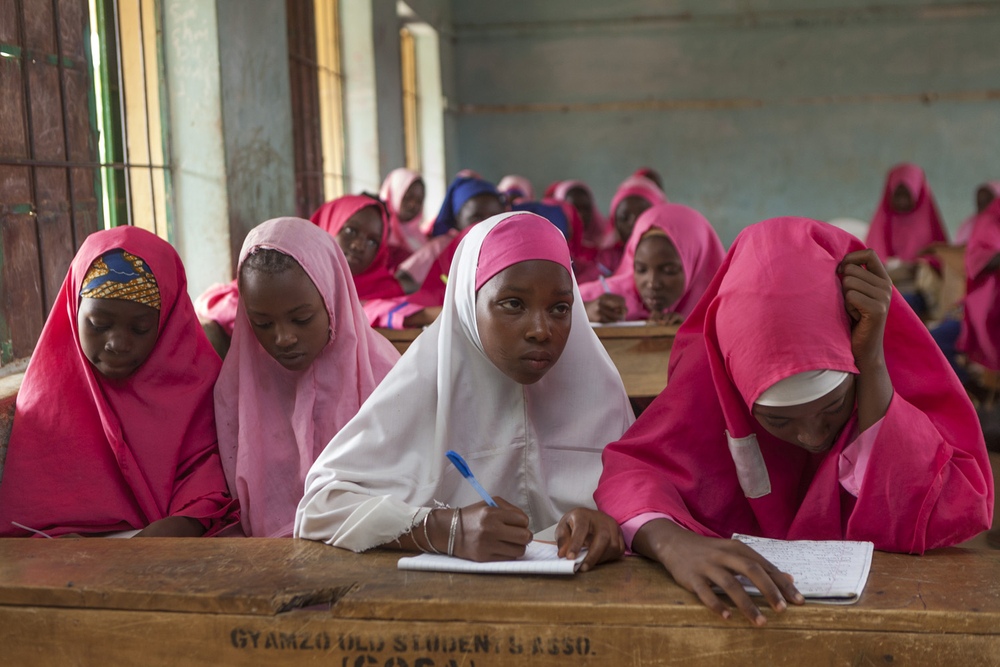
The relevance of girl child education in national development
By Hajara Abdullahi
Girl Child education is a major cornerstone for national development. In developing countries, Nigeria, inclusive of the girl child education, keeps experiencing setbacks due to certain constraints, which include poverty, cultural practices, insecurity, climate change, etc. In Northern Nigeria, where these challenges are more persistent, enrollment of the girl child has been minimal despite efforts by relevant stakeholders.
On October 11th, the International Day of the Girl Child was celebrated worldwide; several campaigns and gatherings were held in Nigeria to commemorate the event. The Vice President, Senator Kashim Shettima, while addressing a conference marking the event, described Nigeria’s 25.6% out-of-school as a threat to the country, and he reiterated the need to take a specific action plan to address the menace.
According to UNICEF, Nigeria has 18 million out-of-school children, and out of these 18 million out-of-school children,60% of them are girls. This implies that we must invest, harness, and champion enrollment in girls’ education.
Education is a fundamental human right and a cornerstone of national development. Investing in girls’ education empowers individuals, communities and the nation.
Education is not just a fundamental human right but a cornerstone of national development. When we invest in girls’ education, we invest in the future of our communities and nation. A girl with an education is not just an empowered individual but a catalyst for change.
Below are some of the essential aspects of girl-child education for national development.
Economic Growth: Educated girls significantly contribute to economic growth. Studies show that a girl’s future earnings increase substantially for every additional year of schooling. Educated women participate in the labour force, start businesses and drive economic development. In Northern Nigeria, where unemployment is rampant, empowering girls through education can break the poverty cycle and boost the economy.
Health and Well-being: Education profoundly impacts health outcomes. Educated girls make informed decisions about their health and well-being, marry later, and have healthier families. Educated girls prioritise their children’s education and health, creating a virtuous development cycle.
Social Change: Educated girls engage in civic activities, advocate for their rights and challenge societal norms. They become leaders, role models and change agents, contributing to gender equality and national progress. Inspirational figures like Dr. Ngozi Okonjo-Iweala, Amina J. Muhammad, Professor Ruqayatu Rufai and Maryam Aloma Mukhtar exemplify how investing in girls’ education fosters social change and national development.
Sustainable Development Goals: Girls’ education is crucial to achieving the United Nations Sustainable Development Goals, particularly Goal 4: inclusive and equitable quality education for all. Prioritising girls’ education helps eradicate poverty, promote gender equality and ensure sustainable development.
Therefore, we need to commit to actionable steps. We need increased investment in girls’ education, community awareness programs that challenge harmful cultural practices, and partnerships with local organisations to create safe and supportive learning environments. Every stakeholder, from government officials to community leaders, educators, and parents, has a role to play.
In conclusion, let us remember that the education of the girl child is not just a women’s issue; it is a national imperative. Together, we can build a future where every girl in Nigeria has the opportunity to learn, grow, and thrive.
Hajara Abdullahi wrote from the Department of Mass Communication, Bayero University, Kano. She can be contacted via phlosopherquin162@gmail.com.

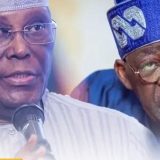
Tinubu responds to Atiku: “Your proposals lacking in details, rejected by Nigerians”
By Uzair Adam
President Bola Ahmed Tinubu has responded sharply to former Vice President Alhaji Atiku Abubakar’s recent criticism of his economic reform agenda.
The Daily Reality reports that the response was conveyed in a statement issued Tuesday by Bayo Onanuga, Special Adviser to President Tinubu on Information and Strategy.
Onanuga noted that Atiku’s proposals, which he described as lacking in detail, were already rejected by Nigerians in the 2023 election.
“If he had won the election, we believe he would have plunged Nigeria into a worse situation or run a regime of cronyism,” Onanuga stated.
The statement began, “We have just read a statement credited to former Vice President Alhaji Atiku Abubakar, in which he tried to discredit President Bola Tinubu’s economic reform programmes while pushing his untested agenda as a better alternative.”
It added that Atiku’s defeat in the election was partly due to his commitment to privatizing the NNPC and other national assets, a move perceived as favoring close allies.
“Nigerians have not forgotten this, nor would they be comforted by Atiku’s track record when he managed the economy during President Olusegun Obasanjo’s first term from 1999 to 2003.
“As Vice President, Atiku supervised a questionable privatization program. He and his boss displayed a lack of confidence in our educational system, establishing their own universities while public institutions struggled.”
Onanuga criticized Atiku’s statement as “cheap talk,” suggesting it is easy to criticize without acknowledging the positive outcomes already emerging from Tinubu’s reforms, even amidst temporary challenges.
“Despite his futile attempt to sway Nigerians, it is clear that the former Vice President could not refute the soundness of the reforms pursued by the Tinubu administration.”
He added that Atiku’s call for a gradualist approach reveals a misunderstanding of the severe challenges faced by the Tinubu administration.
“President Tinubu met a country facing several grave challenges. Fuel subsidies were siphoning away enormous resources we could ill afford, and there was criminal manipulation in the forex market. No responsible leader would allow these economic disorders to persist.”
While advocating for gradual reforms may sound appealing, Onanuga asserted that Tinubu has taken decisive actions that should have been implemented years ago, during the administration when Atiku served as Vice President.
In response to Atiku’s call for empathy in governance, Onanuga highlighted that this aligns with Tinubu’s commitment to protecting the most vulnerable.
“President Tinubu has consistently emphasized the need for compassion in his reforms, prioritizing social safety nets and targeted support for those affected by economic transitions,” he added.

Hardship: First Lady, NSA to lead interfaith prayer for Nigeria’s stability, growth
By Uzair Adam
The First Lady, Senator Oluremi Tinubu, alongside National Security Adviser Nuhu Ribadu, is set to lead a national prayer initiative aimed at addressing Nigeria’s socio-economic and security challenges.
The prayer session, held in collaboration with Christian and Muslim leaders, seeks divine intervention for the nation under the theme “Seeking the Intervention of God in Nigeria’s Affairs.”
Chief Segun Balogun Afolorunikan, Director General of the National Prayer Forum (NPF), announced the event in Abuja, emphasizing the importance of national unity in overcoming the country’s crises.
He noted that the interfaith gathering is a call for resilience among citizens and a source of inspiration for leaders to find sustainable solutions for Nigeria’s stability.
The week-long prayer sessions will bring Muslims to the National Mosque, where 313 participants will collectively recite the Qur’an 2,191 times, praying for peace.
Concurrently, Christian prayer warriors from various denominations will convene at the National Ecumenical Centre to focus on Nigeria’s ongoing adversities.
NPF leaders have engaged with religious and traditional figures, including the Christian Association of Nigeria and the Sultan of Sokoto, to encourage broad participation.
Organizers express hope that the interfaith prayers will bring a renewed sense of purpose and unity as Nigeria approaches 2025.
“Unity is essential to find lasting solutions,” Afolorunikan said, expressing belief that, with divine guidance, Nigeria’s leaders and citizens can gain the strength to confront shared challenges.

Nigeria makes history with 1st shipment to Kenya under AfCFTA
By Sabiu Abdullahi
The Nigeria Customs Service (NCS) has successfully facilitated the country’s inaugural shipment to Kenya under the African Continental Free Trade Area Agreement (AfCFTA).
Lucky Fibres, a subsidiary of the Tolaram Group, has become one of the pioneering companies to export goods to Kenya through this landmark agreement.
According to Olusegun Olutayo, Senior Trade Expert and Lead of Trade Enablement at the Nigeria AfCFTA Coordination Office, this shipment demonstrates the collaborative spirit of AfCFTA.
“It is not that we are doing it alone; I have already sent a message to the Secretariat in Ghana that there will be a shipment under AfCFTA to Kenya. I have also communicated with the AfCFTA implementation committee in Kenya. So this is the spirit we are building to ensure that we increase intra-African trade,” Olutayo noted.
The NCS has played a critical role in facilitating this trade, leveraging its expertise as the Designated Competent Authority (DCA) under AfCFTA.
Olutayo praised the service, as he was quoted as saying, “The Nigeria Customs Service has been fantastic; they are ready to facilitate trade. Once they hear that there is an issue, particularly around AfCFTA, you will see everybody ready to support and facilitate it, which is the essence of true trade facilitation.”
Assistant Comptroller Olusola Salako highlighted the NCS’s efforts to harness technology for seamless trade.
“The service has aligned with the mandates of the World Customs Organisation to prioritise the importance of trade. Gone are the days when we experienced issues. Today, we have a Unified Customs Management System (UCMS). With trade becoming more global, we went back to the drawing board and improved our technology, which will help us facilitate trade.”
Salako concluded that the NCS is well-prepared to handle AfCFTA-related exports, with trained officers, dedicated ports, and streamlined procedures in place. “The service is already in top gear; officers have been trained, and we have dedicated officers, senior officers, and releasing officers for this particular export procedure—not limited to AfCFTA alone—and we also have dedicated ports,” he said.

Strengthening democracy: A call for reforms in Nigeria’s governance
By Alamin Musa Muhammad
In recent years, Nigeria has stood at a pivotal juncture in its democratic evolution. Our country, rich in natural and human resources, has grappled with challenges that threaten to undermine its democratic institutions. While there have been successes, particularly in the peaceful transfer of power and the continuation of democratic processes, systemic issues call for reflection and reform.
At the heart of these challenges is the question of participation. Democracy, in its ideal form, seeks to empower every citizen, granting them a voice and ensuring that the governance structures are responsive to all needs.
Many since have similar opinions about the actual practice of democracy in Nigeria. Peter Obi, a former presidential candidate for the Labour Party (LP) in the general election of 2023, has expressed dismay at the state of Nigerian democracy, claiming that it has seen numerous losses and is hampered by poor leadership.
He tweeted, “We have continued to rank low and perform badly in every measurement of true democracy, signalling a critical deficiency in our democratic system.”
The Nigerian experience with democracy has revealed gaps in this aspiration. These gaps are not necessarily due to a lack of commitment to democratic principles but rather to a broader issue of implementation and inclusivity.
One of the core pillars of democracy is the ability of its citizens to participate meaningfully in governance, or at least that is what the famous scholar Plato believes. While voting and elections form the bedrock of this participation, they alone are insufficient to achieve the broader goals of justice, equity, and empowerment.
Gabriel Dewan, Plateau state speaker house of assembly, said, “Nigerian leaders, including myself, have failed the people after 25 years of the country’s unbroken democracy; he rated Nigeria’s democracy low”.
Nigeria’s political landscape, shaped by decades of military rule and the influence of elite-driven politics, often fails to translate electoral victories into genuine empowerment for its citizens.
Premium Times reported the speaker to have said that the country was blessed with abundant human and natural resources, but the leaders did not correctly harness them. With the natural resources and blessings God had bestowed upon Nigeria, the country ought to be far better than it is now; there are countries with far fewer resources than Nigeria, yet they were in a much better state.
Like many before it, the current administration has embarked on a series of reforms aimed at stabilising the economy and addressing security issues. Yet, while commendable in intent, these efforts highlight the complexities of governance in a diverse and multifaceted society. The rising cost of living, coupled with increasing insecurity, suggests that reforms must be more attuned to the lived realities of the people.
Nigeria is a poignant example of the disconnect between democratic theory and practice within the country’s political landscape. As BBC reporter Simi Jolaoso noted in a Wikipedia publication, Nigeria is experiencing “the worst economic crisis in a generation,” marked by soaring inflation and skyrocketing food prices.
The crisis has been exacerbated by economic reforms introduced under the current administration, including the removal of fuel subsidies and the devaluation of Naira. While these measures were ostensibly aimed at liberalising the economy and attracting foreign investment, they have instead intensified the hardships faced by ordinary citizens.
Protests erupted on July 29, 2024, with demonstrators taking to the streets, brandishing placards proclaiming messages like “Enough is Enough” and “We Are Not Slaves in Our Country.” Such sentiments highlight the erosion of social justice and the exclusion of the masses from meaningful political participation, reflecting the theories posited by Dewey and others that underscore democracy’s essence as a system of values rather than merely a political framework.
Reforms must also extend to the institutions that safeguard democracy. A robust judiciary, a free press, and an active civil society are essential components of a functioning democracy. Strengthening these institutions will protect citizens’ rights and ensure that the government remains accountable to the people it serves.
Furthermore, the concept of democracy as merely a political system defined by elections and power transfers must evolve. Democracy, at its core, is about fostering a system of values—justice, equity, and social progress. A democracy that fails to address society’s socioeconomic disparities or marginalises large sections of its populace cannot fully claim the mantle of democratic legitimacy.
As Nigeria looks to the future, the question that must be asked is whether the current reforms genuinely work for the greater good of all Nigerians. While there are many challenges, they also present an opportunity—a chance to redefine governance in a way that is more responsive, more inclusive, and more attuned to the aspirations of its people.
The strength of Nigeria’s democracy will ultimately depend on its ability to adapt and reform in ways that bridge the gaps between policy and practice, between the elite and the grassroots, and between political ambition and the needs of everyday Nigerians.
The decisions made today will shape Nigeria for tomorrow. It is a call to action—not just for those in government but for every Nigerian who believes in the promise of democracy.

Zamfara: Gov Lawal blasts past administration over unpaid fees, stranded students abroad
By Uzair Adam
Governor Dauda Lawal of Zamfara State has inherited a challenging educational situation, highlighted by three years of unpaid examination fees that left many secondary school students unable to take their West African Senior School Certificate Examinations (WASSCE) and National Examinations Council (NECO) exams.
The governor’s spokesperson, Sulaiman Bala Idris, revealed this in a statement on Sunday, describing the inherited financial hurdles affecting both local and international students.
According to the statement, among these challenges are unpaid scholarships for Zamfara students studying abroad, particularly in Cyprus and India.
However, Idris said the government has been addressing issues with students in Sudan and India, enabling 66 evacuees from Sudan, affected by the ongoing conflict, to complete their studies.
The statement read in part, “However, 14 of the 66 nursing students could not take their final exams. In partnership with Sudanese University, the state government organized exams for the 14 students in Nigeria, which is not one of the university’s designated exam centres.
“The government covered flight, accommodation, and meal expenses for three examiners from Sudan. All 14 students completed their final exams, while 52 others received full scholarships to continue their studies at universities in Nigeria.
“We laid the foundation by referencing India and Sudan, where Zamfara scholarship students faced various problems that were addressed with the state government’s intervention. The question remains: Why is Cyprus International University different?
“Despite serious problems uncovered regarding the faulty foundation created when students were sent to Cyprus and other countries, the state government has been pursuing all official channels to resolve the issue, but the school management is blocking the efforts.
“On November 12, 2023, the state government paid the university N84.7 million. Two days later, on November 14, 2023, another N30.9 million was transferred to the school.
“Cyprus International University has consistently rejected the state government’s request to send a delegation to discuss the ongoing issues concerning our scholarship students. As a result, the state government had to reach out to the Nigerian Foreign Mission in Turkey for assistance.
“In May 2024, following significant pressure from the Nigerian Foreign Mission in Turkey, the school management informed the state government that they were prepared to receive a delegation at the university in Cyprus, contingent upon the transfer of funds to demonstrate commitment. Consequently, on June 4, 2024, the state government transferred N100 million as requested by the university.
“In light of this, Governor Dauda Lawal formed a three-member delegation for a trip to Cyprus International University. The delegation includes Mallam Wadatau Madawaki, the Commissioner of Education, Science and Technology; Bello Mohammed Auta, the Commissioner of Finance; and Barau Muazu, the Special Adviser to the Executive Governor on Finance and Economic Matters.
“The delegation was saddled with the responsibility to establish the actual amount Zamfara State owes the university in respect of the 93 Students sent on scholarship since 2019; to screen all the Zamfara State students in the university in person to ascertain their actual number; to verify the students’ various and individual courses with the view to evaluating performance and confirm the year of graduation of each student.
“Other responsibilities include finding out and evaluating the conditions under which studies are being carried out, the situation of the hostels, feeding and other learning tools and infrastructure provided, and devising mutually agreed-upon terms and conditions through which the established outstanding and future liabilities would be settled.
“Before leaving Nigeria, the delegation reached out to the Nigerian Foreign Mission in Turkey, a reason why two officials of the Embassy joined the delegation to Cyprus on August 14, 2024, to complete the above assignment. On August 15, they met the students and the university’s management, setting the ball rolling.
“The first meeting with the management was with Professor Majid, from whom the delegation requested for any executed MOU/Agreement between Cyprus International University and Zamfara State Government, a total outstanding debt owed by each student from inception to date, indicating the amount per semester, payments received and outstanding balance; students’ cumulative academic transcript per semester indicating progress with anticipated graduation date and list of students who made personal payments for registration to avoid semester freezing, the amount paid per student and the total amount.
“In a meeting with the University Rector/Vice Chancellor, Professor Habil Nadiri, the delegation presented numerous issues faced by the students in the University, which included non-registration of students to allow them to attend lectures and access school facilities to carry out their studies conveniently; ejection of the entire students (except the ten females) who were patching in a provided boys hostel by the school; depriving all the students (including the ten females) food from the school canteen since the date they were ejected from hostel.
“Other issues presented to the school management include the school authority tagging Zamfara state students “under a deportation order,” which was frowned upon as a harsh decision since they had not committed any criminal offence against the university or the country, and the deportation of one of the students without prior notification to either the Zamfara State Government or the Nigerian Embassy in Ankara. We also frowned at this action as unwarranted for a non-criminal reason.
“The Zamfara delegation uncovered a lack of consistency on the part of Cyprus International University. The office of the General Secretary provided the government with EUR 947,544.71 as the total outstanding sum Zamfara State owes the university.
“The office of the Senior Advisor to the Board of Trustees and Head of the Promotion & International Affairs division provided the total debt the state owes as EUR 650,730.24.
“The International Affairs Office confirmed that the General Secretary’s office did not update its system with many payments and waivers. We reviewed the total provided by the international affairs office and discovered many anomalies that need to be corrected, further reducing the total indebtedness.
“Since the delegation returned, the Zamfara State Government has been awaiting communication from Cyprus International University regarding the actual payment needed to end the quagmire.
“The Nigerian Foreign Mission in Ankara has been actively working to encourage the Cyprus Diplomatic Mission to press Cyprus International University for the necessary official documents. We are hopeful that this diplomatic intervention will help to compel the university to do the right thing without any further complications,” the statement added.

Special Report: Restaurant owners lament low patronage in Kaduna
By Sumayyah Auwal Ishaq
Some restaurant and relaxation centre owners in Kaduna complained on Sunday of low patronage, blaming the country’s economic situation for their misfortune. Other food and drink sellers told The Daily Reality in Kaduna that they have been experiencing low patronage since January 2024.
“Business has been very dull since the beginning of the year. We are operating virtually at a loss. Our customers now prefer to stay home because of the economic situation,’’ said Alhaji Umar Sani, an eatery owner at Alkali Road, Kaduna.
Another operator, Mrs Aisha Ibrahim, also blamed the dullness in business activities on the economic situation in the country. “It appears that this government is doing everything possible to make sure that our businesses collapse”. She urged Nigerians to continue to pray for the quick recovery of the economy.
Mrs Hadiza Abubakar, another food seller at the Kasuwan Bacci Market, said she was optimistic that things would be better, but she’s running into so much debt.
“We have some customers who don’t have money to pay for their food and have been coming for years. It is not good to deny food to these customers, so we must them on credit. And the problem is that it takes longer now due to the economic condition.”
A customer who simply identified himself as Alhaji Ibrahim Mai Sauki urged Nigerians to pray for the government so that the nation would overcome its challenges.
When The Daily Reality correspondent visited some popular restaurants in the Kaduna metropolis, such as Barnawa, Unguwar Rimi, and Doka, at 2 p.m., peak business activity time in the afternoon, only a few vehicles were parked, while a good number of chairs were empty. Only a handful of people were seen eating and drinking.

CAF Verdict: Libyan authorities arrest Nigerians
By Anas Abbas
The Nigerians in Libya are grappling with a wave of arrests following escalating tensions linked to a disrupted confederation African Football match between Nigeria and Libya.
Reports indicate that individuals, including those holding valid passports and residence permits, are being detained indiscriminately in various regions, notably Tripoli and Teodora.
The Punch reported that a prominent member of the Nigerian community expressed deep concern over the emotional turmoil within the local population, suggesting that feelings of revenge may be driving the recent crackdown on Nigerians. “The situation is alarming; people are being arrested without any regard for their legal status,” he stated.
Peter Omoregbie, President of the Nigerian community in Libya, confirmed the troubling reports during an official visit to the Libyan immigration office.
He emphasised that many innocent individuals are caught in the crossfire of these arrests, raising serious concerns about human rights violations in the ongoing turmoil.
The unrest appears to stem from a failed football match scheduled for October 15. The Nigerian team was rerouted away from Benghazi, leading to significant dissatisfaction among local fans and officials.
This disruption has drawn scrutiny from the Confederation of African Football (CAF), further complicating diplomatic relations between Nigeria and Libya.
As tensions rise, members of the Nigerian community are calling for urgent intervention from both Nigerian authorities and international organisations to ensure their safety and uphold their rights.
The situation remains fluid as community leaders seek to address the growing fears among expatriates living in Libya.