


Tinubu extends ban on raw shea nut exports to boost local processing
By Abdullahi Mukhtar Algasgaini
President Bola Ahmed Tinubu has approved a one-year extension of the ban on the export of raw shea nuts, reinforcing the federal government’s drive to enhance local industrial capacity and value addition in the agricultural sector.
The new directive extends the prohibition from February 26, 2026, to February 25, 2027. This move, according to a State House statement, aligns with the administration’s Renewed Hope Agenda by promoting domestic processing, improving livelihoods in shea-producing communities, and positioning Nigeria as a key player in the global value chain for agricultural products.
In a bid to streamline implementation, President Tinubu has directed the Ministers of Industry, Trade and Investment, along with the Presidential Food Security Coordination Unit (PFSCU), to develop and coordinate a unified national framework for the shea nut value chain. The framework aims to harmonize industrialization, trade, and investment priorities.
Furthermore, the President has ordered the withdrawal of all waivers permitting the export of raw shea nuts and has sanctioned a new export mechanism managed by the Nigerian Commodity Exchange (NCX). Any future export of surplus raw materials must now be conducted exclusively through the NCX in accordance with approved guidelines.
To support producers and processors, the President has also authorized the Federal Ministry of Finance to establish a dedicated NESS Support Window. This will facilitate a Livelihood Finance Mechanism aimed at boosting production and processing capacity.
Shea nuts, harvested from trees prevalent in Nigeria’s Savanna belt, are processed into shea butter—a high-demand ingredient in cosmetics and cooking oil. Government data indicates that processed shea butter commands prices 10 to 20 times higher than raw nuts, underscoring the economic rationale for the policy.
The federal government reiterated its commitment to fostering inclusive growth and local manufacturing through policies that strengthen Nigeria’s competitiveness in international agricultural markets.
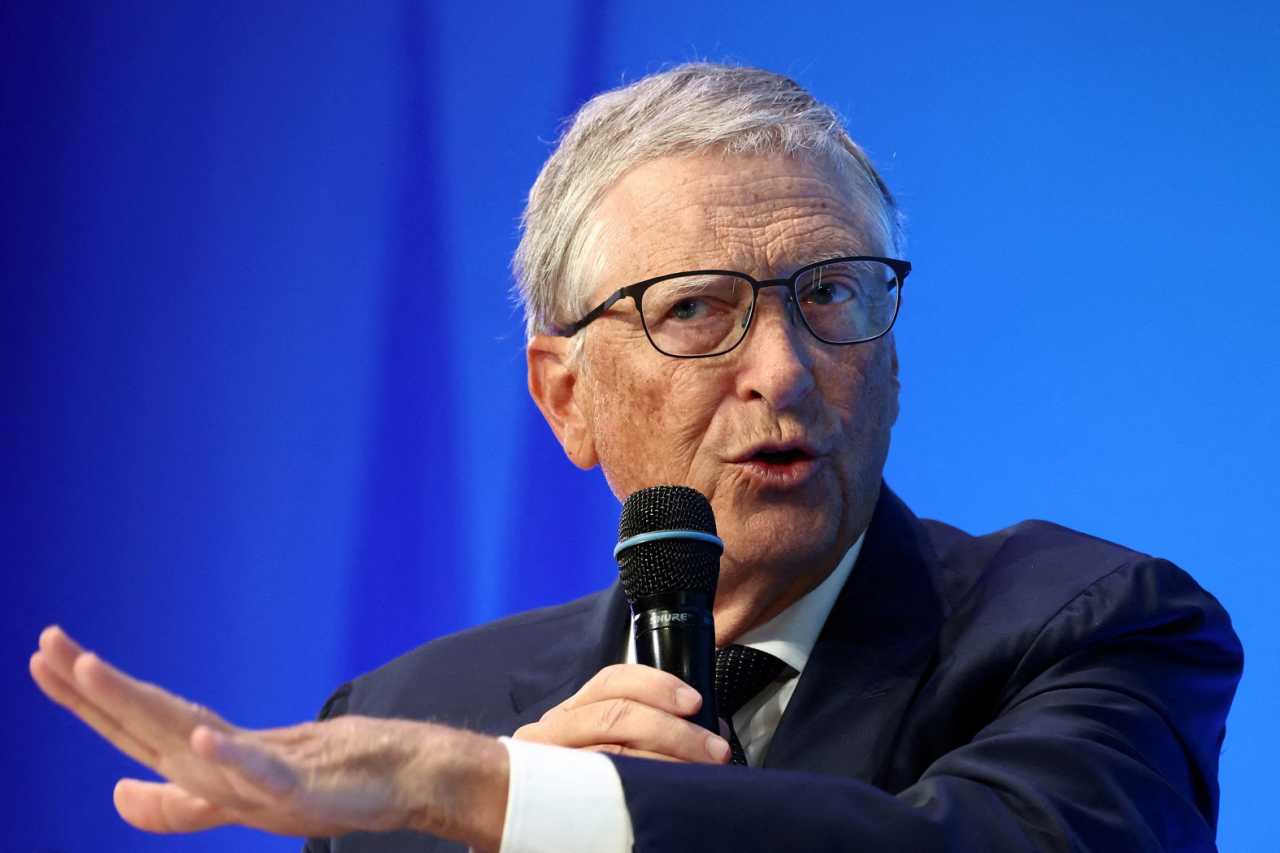
Bill Gates admits to two affairs, apologises to foundation staff over Epstein ties
By Sabiu Abdullahi
Bill Gates has apologised to staff of the Bill & Melinda Gates Foundation over his past relationship with Jeffrey Epstein, describing the association as a serious error.
The billionaire made the remarks during a town hall meeting on Tuesday, according to a report by The Wall Street Journal.
Gates admitted that meeting Epstein and maintaining contact with him was a poor decision. He said it was a “huge mistake to spend time with him.”
The connection between both men first became public in 2019. More details have now surfaced after the release of documents by the US Department of Justice concerning Epstein.
One of the documents included an email in which Epstein alleged that Gates had a sexually transmitted infection and sought antibiotics to secretly give to his then-wife, Melinda Gates. Gates has denied the allegation.
The documents also outlined several interactions between the two men, including meetings, phone calls, and discussions related to philanthropy.
Gates also expressed regret for involving members of his foundation in meetings with Epstein. He further disclosed that he had two affairs but insisted he had no role in Epstein’s criminal activities.
“One of the women was a Russian bridge player who met me at bridge events, and the other a Russian nuclear physicist,” he said.
“I apologize to other people who are drawn into this because of the mistake that I made,” Gates said, according to a recording reviewed by the Journal.
Gates explained that he first met Epstein in 2011. He said he did not properly examine his background at the time, even though Epstein had already pleaded guilty to soliciting a minor. He added that their meetings continued until 2014 and included time spent abroad. However, he said he “never stayed overnight” or visited Epstein’s private island.
The relationship continued despite concerns raised by Melinda during their marriage. In a recent interview, she said the release of new documents brought back “painful times” and added that she was “so happy to be away from all the muck”.

N90.4m alleged fraud: Court accepts additional exhibits against professor Usman Yusuf
By Anas Abbas
The Federal Capital Territory High Court sitting in Kuchiako, Kuje, Abuja, on Wednesday admitted additional documentary evidence in the ongoing trial of former Executive Secretary of the National Health Insurance Scheme (NHIS), Professor Usman Yusuf, over an alleged N90.4 million fraud.
Presiding judge, Chinyere E. Nwecheonwu, ruled that the documents tendered by the Economic and Financial Crimes Commission (EFCC) were admissible in law, noting that there was no objection from the defence counsel, O.I. Habeeb, SAN.
The documents were presented through the second prosecution witness, James Balami, Director of Procurement at the NHIS, during earlier proceedings held on January 5, 2026. At Wednesday’s sitting, prosecution counsel Francis Usani formally applied for their admission in evidence.
Justice Nwecheonwu subsequently admitted and marked as exhibits of Certified True Copies (CTCs) of letters dated November 11, 2016, marked E1–E32. Also admitted were the CTC of the NHIS Procurement Plan for 2016, marked F1–F4; the CTC of the 2017 Procurement Plan, marked G1–G5; and the CTC of the NHIS Procurement Act 2016, marked H1–H2.
While being led to evidence, the witness told the court that he honoured an invitation by the EFCC and submitted relevant documents to the Commission. He added that he made five separate statements to investigators.
“After I took those documents to the Commission, I made statements. The statements were not made in one day. I can recognize the statements. There are five,” he said.
However, an attempt by the prosecution to tender the witness’s extra-judicial statements was opposed by the defence. Following arguments from both sides, the court adjourned proceedings to May 13 and 14, 2026, for a ruling on the admissibility of the statements and for continuation of trial.
Yusuf is facing a five-count charge filed by the EFCC bordering on alleged embezzlement, conferring undue advantage, and fraud amounting to N90,439,178.00. He has pleaded not guilty to the charges, and the trial continues.
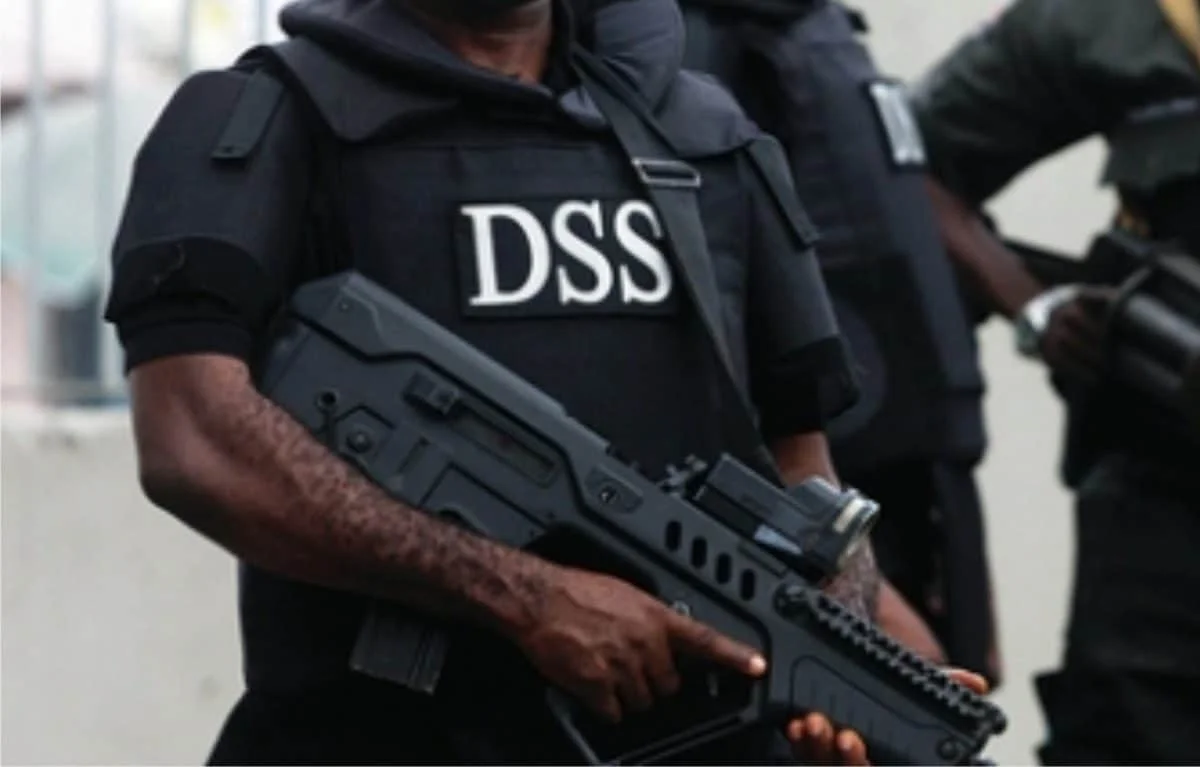
JUST IN: DSS releases Walida, Jigawa government takes custody
By Sabiu Abdullahi
Governor Umar Namadi has taken custody of Walida Abdulhadi Ibrahim, the teenage girl from Jigawa State who had been held by the Department of State Services (DSS) after she was abducted and impregnated by an officer of service.
The handover took place at the DSS headquarters in Abuja late Wednesday night, with the governor assuring that her case will be addressed through legal means.
He stated that matters surrounding her alleged abduction would be handled in court and expressed confidence that justice would prevail. The governor also stressed that Walida belongs to Jigawa State and that the government will ensure her protection and support as she recovers from her ordeal.
The DSS Director General, Adeola Oluwatosin Ajayi, formally handed her over in the presence of senior officials, including members of the Nigerian Supreme Council of Islamic Affairs, civil society groups, and legal representatives. However, Walida’s parents were absent during the process, which ended around 10:40 pm.
Walida was reportedly abducted from Hadejia Local Government Area in 2023 by a woman identified as Mariam. She was allegedly subjected to sexual exploitation before relocating to Abuja, where she stayed with a DSS operative, Ifeanyi Onyewuenyi. She later gave birth to a baby girl in November 2025.
Her case gained renewed attention after an interview published on February 21, 2026, in which she detailed her experiences. Her disappearance had earlier caused deep distress to her family, with her father reportedly performing funeral rites after believing she was dead.
Efforts by her family to secure her release initially failed, leading to legal action. Although a court in Jigawa ordered that she be released to her parents, the DSS challenged the ruling, citing ongoing investigations.
Public concern grew following the report, prompting several groups, including the Muslim Rights Concern, the Federation of Muslim Women’s Associations in Nigeria, and the Muslim Students’ Organisation of Nigeria, to demand that she be moved to a neutral location. Speaking for the coalition, Ustaz Yunus Salahudeen said the issue extends beyond religion and involves justice, constitutional order, and human rights. He added that her disappearance caused her family “unimaginable distress.”
Addressing journalists, Governor Namadi said Walida would remain under the care of the Jigawa State government while legal issues are resolved. “Our concern is that Walida had been abducted,” he said, adding that the controversy will be tabled before a law court for adjudication. “It is a state matter and will be treated as such,” he said.
He also confirmed that her baby would remain under government custody. On her immediate location, the governor said, “Taking her into our custody does not automatically mean that she will be taken back to Jigawa. Walida will be kept in Abuja for now. She will be provided with adequate security. Her case is a state matter and will be treated as such.”
On her age, he said the court would determine the matter.
Explaining the DSS position, Ajayi said the agency acted in line with the law. “It is unfortunate that people don’t learn from history in Nigeria. Our major concern is about the safety and the future of Walida. She is a young woman who has the right to live, and we have the responsibility to ensure she is safe while the matter is being investigated,” he said.
He added, “I invited the governor, which is the right thing to do, and he has seen what we are doing. It is an inter-agency investigation, and we deliberately invited various groups to be part of what we are doing. We also invited the Nigerian Medical Association (NMA) to ascertain her mental status.”
Ajayi confirmed that although Walida has been released to the state government, the DSS and other agencies will remain involved. “We have the capacity to investigate the matter,” he said.
He also disclosed that Ifeanyi remains in custody and will face prosecution if found culpable. “He will face the music when found wanting. We have rules guiding our operations,” he said.
A representative of the NSCIA, Barrister Haroun Muhammad, noted that the council intervened to ease tensions. “The matter is capable of throwing the country into chaos. It can deepen the unfortunate existing division between Muslims and Christians, and whatever happened here today will send the right or wrong signal to society,” he said.
FCT election low voter turnout: The need for a post-mortem analysis
By Zayyad I. Muhammad
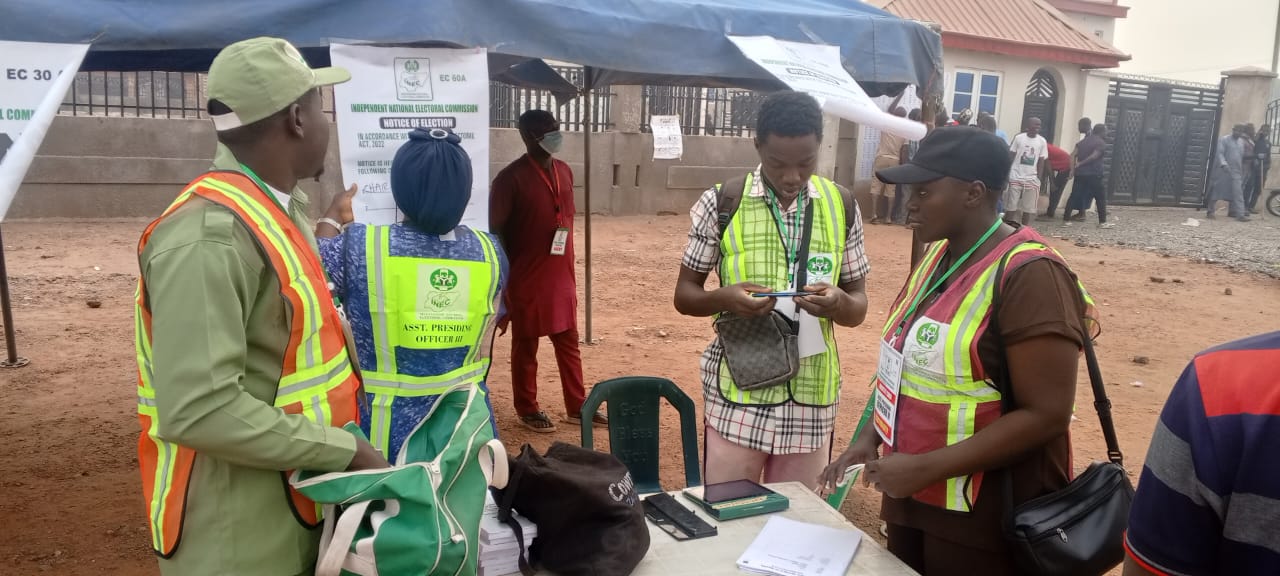
Out of the estimated 1.68 million registered voters in the Federal Capital Territory (FCT), only about 239,210 turned out to vote, representing roughly 14–15% voter participation. This figure is not only worrisome but also indicative of a deeper democratic challenge that cannot be ignored.
The 2026 FCT Area Councils elections, therefore, require a thorough post-mortem, an autopsy, so to speak, to uncover the root causes of this low turnout. Was it voter fatigue, dissatisfaction with political actors, lack of awareness, logistical shortcomings, security concerns, or a general loss of confidence in the electoral process? These questions must be carefully examined through data-driven analysis and stakeholder engagement.
Some observers believed the imposed restriction on movement contributed significantly to the low turnout, as it may have discouraged or inconvenienced many eligible voters. Others pointed to what they described as the ruling APC’s overwhelming posture, which some voters perceived as so dominant that their participation would not alter the outcome. In their view, even if they turned out to vote, the APC was certain to win, and their individual votes would not make a meaningful difference.
Addressing this level of voter apathy is critical, especially with the 2027 general elections approaching. The Independent National Electoral Commission (INEC), political parties, civil society organisations, and other relevant authorities, including students of politics, must take proactive steps to rebuild public trust, strengthen voter education, review election-day policies such as movement restrictions, improve logistics, and enhance transparency, as well as conduct an academic analysis of ‘Why’.
A democracy thrives on active citizen participation. If such low turnout persists, it risks weakening the legitimacy of elected officials and undermining public confidence in the democratic system. The lessons from the FCT elections should therefore serve as an urgent call to action to ensure broader voter mobilisation and participation in future electoral cycles.
Zayyad I. Muhammad writes from Abuja via zaymohd@yahoo.com.
Tinubu tasks new acting IGP Disu with restoring national security
By Abdullahi Mukhtar Algasgaini
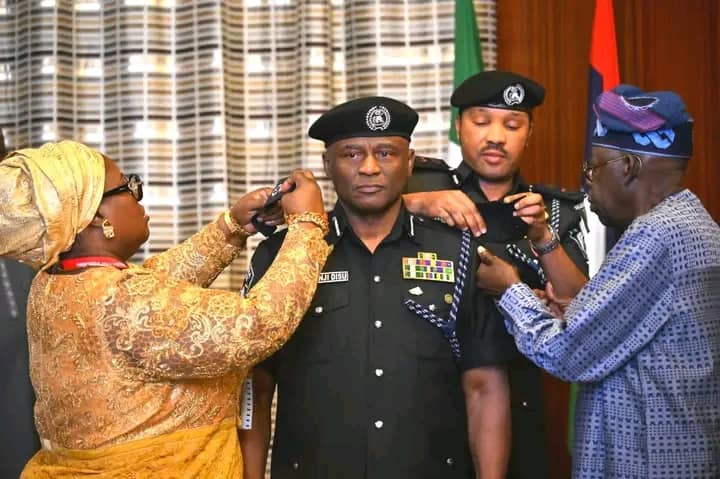
President Bola Ahmed Tinubu has charged the newly appointed Acting Inspector-General of Police, Olatunji Disu, with the critical task of restoring peace and strengthening security across Nigeria.
The President issued the directive on Wednesday at the State House, Abuja, during the official decoration of Disu, following the retirement of former IGP Kayode Egbetokun.
The appointment is subject to the ratification of the Nigeria Police Council, which is scheduled to meet next week, and subsequent confirmation by the Senate.
President Tinubu expressed confidence in Disu’s ability to tackle the nation’s security challenges, citing the new police chief’s track record.
“I made this decision for you to assume this responsibility. I know your record. I saw the dedication you exhibited while you were in Lagos when I was governor,” the President stated.
Describing the appointment as coming at a pivotal moment for the country, President Tinubu urged the Acting IGP to focus on rebuilding public trust in the Nigeria Police Force. He emphasized the need for the police to work collaboratively with other security agencies to safeguard lives and property.
“Lead firmly but fairly, demand professionalism at every level and ensure that the safety of lives and property remains our highest priority. It’s a daunting challenge. I know you can do it. You have my word, you have my full support,” the President assured.
The President further directed Disu to advance the security pillars of the administration’s Renewed Hope Agenda, expressing confidence in his discipline, operational experience, and leadership capacity.
“Nigeria is challenged with banditry, terrorism and other criminal activities. You will be part of the thinking and innovation to overcome them,” Tinubu said.
In a moment of appreciation, President Tinubu also paid tribute to the outgoing Inspector-General, Kayode Egbetokun, who was present at the ceremony with his spouse.
“To the outgoing Inspector-General, we are a grateful nation. Nigeria appreciates your contribution to maintaining law and order,” he said.
The President urged Egbetokun to offer his counsel to the new police chief when needed, adding, “You have not succeeded without a good successor. His success will also be part of your legacy.”
The ceremony was attended by the National Security Adviser, Nuhu Ribadu; Chief of Staff to the President, Femi Gbajabiamila; Governor of Delta State, Sheriff Oborevwori; senior government officials; and family members of the new Acting IGP.
New IGP Disu vows end to police impunity, promises respect for human rights
By Sabiu Abdullahi
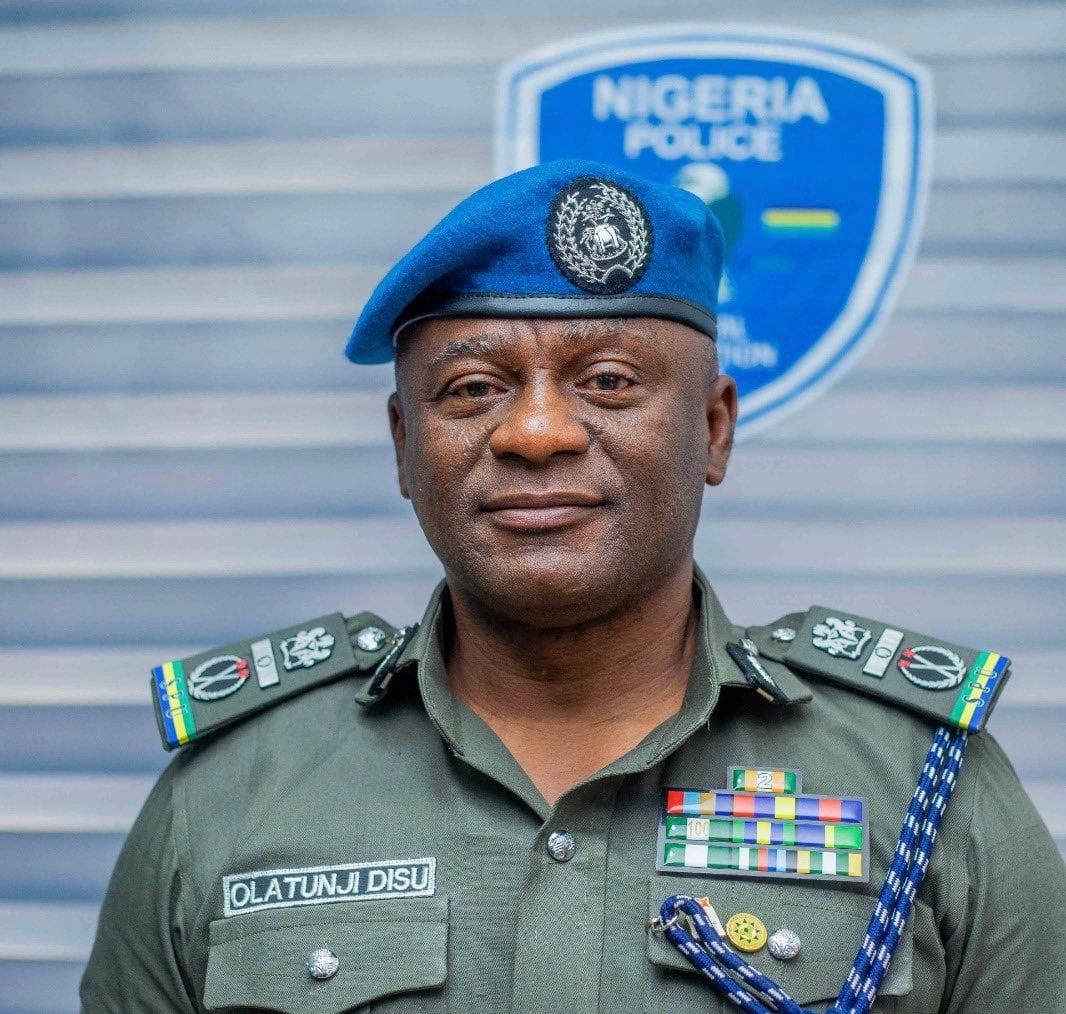
The newly appointed Acting Inspector General of Police, Tunji Disu, has pledged to end impunity within the Nigeria Police Force and ensure strict respect for human rights under his leadership.
Mr Disu made this known on Wednesday shortly after he was sworn in by President Bola Ahmed Tinubu at the State House in Abuja. His appointment followed the resignation of former IGP Kayode Egbetokun.
In an interview with State House correspondents, as reported by Premium Times, the acting police chief outlined his vision for the force. He stressed the need for professionalism, proper training, and improved welfare for officers.
“I will let them know that the era of impunity is over. I will ensure that I train them and encourage them to ensure they follow human rights,” he said.
Reflecting on his appointment, Mr Disu described it as unexpected and expressed appreciation to the president. “It came at a time I was not expecting it. That makes me give thanks to the President of the Federal Republic of Nigeria for his magnanimity to see me fit to be appointed as the Inspector General of Police.”
He also spoke about the president’s confidence in him, noting that it was both emotional and motivating. According to him, the recognition of his past service by the president serves as a challenge to deliver results. He said the expectation is for him to bring peace and improve policing across the country.
Speaking on his priorities, the acting IGP emphasised the importance of public cooperation. He noted that citizens must be regarded as key stakeholders in policing. He added that officers who are well motivated are more likely to perform effectively.
“I like one of the first lecture I’m going to have with my men. I’m going to talk to them, let them know that the citizens, the citizens of the country are the boss.”
Mr Disu also reiterated his commitment to tackling corruption within the force and addressing ongoing security challenges, including insurgency. He acknowledged the efforts of officers nationwide and said his role would be to strengthen morale and improve their effectiveness.
“I will ensure that they know that I will try to follow a regime of zero tolerance to corruption, and most importantly, I’m going to drum it into them that we can never succeed without the cooperation of members of the public.”
Singer Market Fire: Kano sets up panel to disburse N8bn support
By Uzair Adam
The Kano State Government has inaugurated a 23-member high-level committee to supervise the disbursement of N8 billion in financial assistance and relief materials to victims of the Singer Market fire disaster.
The Daily Reality reports that the inferno, which razed sections of the market on two separate occasions, caused massive economic losses, with traders losing goods and business capital estimated at billions of naira.
Inaugurating the committee on Tuesday in Kano, the Secretary to the State Government (SSG), Alhaji Umar Faruq, said the panel was constituted to ensure transparent and equitable distribution of the intervention funds.
Faruq, who was represented by the State Attorney-General and Commissioner for Justice, Abdulkarim Maude, SAN, noted that members were drawn from critical sectors to guarantee credibility and accountability in carrying out the assignment.
According to him, the committee, chaired by the SSG, is tasked with promoting fairness, transparency and accountability in ensuring that only genuine victims benefit from the support.
The committee comprises commissioners, representatives of the State Emergency Management Agency, the Nigeria Police Force, the Department of State Services, the Kano Emirate Council, religious leaders and representatives of the affected traders.
Faruq said the panel would assess the extent of the damage, evaluate material and capital losses suffered by traders and develop a workable framework for the disbursement of the funds.
He added that the committee would also review existing safety gaps within the market and recommend measures to prevent a recurrence of such fire incidents.
Part of its terms of reference, he explained, includes ensuring timely distribution of the assistance and sustained engagement with stakeholders and the media to build public confidence in the process.
The Chairman of the Kano Traders Association, Alhaji Sabi’u Bako, commended the governor for what he described as a prompt and structured response to the tragedy.
He also appreciated the Federal Government for sending a delegation to sympathise with the victims, assuring that the committee would discharge its duties with fairness and sincerity.
Bako said although the actual number of affected traders and the total value of losses were yet to be determined, only verified victims would benefit from the intervention.
The disaster drew the attention of President Bola Tinubu, who approved N5 billion as palliative support for the traders. Similarly, the Progressives Governors Forum contributed N3 billion to aid recovery efforts.
Earlier, victims of the Singer Market fire received N200 million in cash support from Gov. Abba Kabir-Yusuf and the Deputy President of the Senate, Barau Jibrin, to cushion the impact of the disaster.
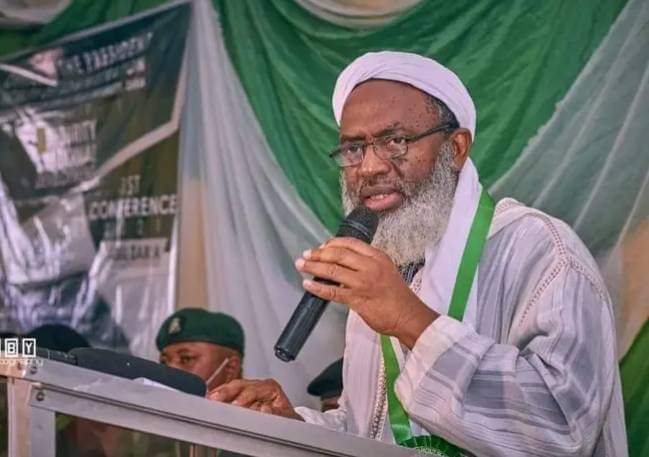
Sheikh Gumi backs Shariah law in Nigeria, faults US lawmakers’ report
By Sabiu Abdullahi
Popular Islamic cleric, Ahmad Gumi, has defended the practice of Shariah law in Nigeria.
He said it is the right of Muslims to be governed by their religious principles, similar to how the United States safeguards Christian interests.
Gumi made the remarks in response to reports that some members of the U.S. Congress submitted a request to President Donald Trump, urging the abolition of Shariah and blasphemy laws in Nigeria.
In a post shared on his verified social media page, the cleric maintained that Muslims have the freedom to follow their religious injunctions. “Shariah Law is the Muslims’ prerogative just as the US found it only necessary to protect the Christians,” he said.
He also stated that Muslims face threats which he described as hidden and externally driven. “At the same time, Muslims are more victims of this occult terror imported into the country by hidden forces they very well know,” Gumi stated.
In a separate post, he criticised what he called inconsistency in global discussions on religion and governance. “It’s ok for US evangelical Christians administration for Israel to live by biblical stories yet Haram for Muslims to live by the Quranic injunctions,” he wrote.
Shariah law operates alongside Nigeria’s conventional legal system in several northern states, especially in matters related to personal and family issues among Muslims.

FG dismisses US congressmen’s claims on religious persecution in Nigeria
By Sabiu Abdullahi
The Federal Government has rejected claims by United States lawmakers that Nigeria is witnessing religious persecution, insisting that no such policy exists in the country.
The Minister of Information, Mohammed Idris, stated this while reacting to a report submitted to US President Donald Trump by members of the US Congress.
The report was presented by lawmakers from the House Committees on Appropriations and Foreign Affairs after months of investigations and field assessments.
It highlighted allegations of persecution against Christians as well as concerns over extremist violence.
The development followed the decision by the US government to redesignate Nigeria as a Country of Particular Concern and to mandate Congressman Riley Moore and Appropriations Committee Chairman Tom Cole to lead an inquiry into the matter.
Moore, in a statement shared on his official X account, said the submission marked the end of extensive bipartisan efforts. He added that the engagements offered a clearer picture of insecurity and the situation facing Christian communities in some parts of Nigeria.
In response, the Federal Government reiterated that insecurity in the country is not driven by religious bias or government policy. Mohammed Idris stressed that there is no official backing for religious persecution and that all citizens are protected under the law regardless of their beliefs.
“The Federal Government of Nigeria has taken note of recent statements and recommendations emerging from engagements within the United States Congress, contained in a joint report on Christian persecution in Nigeria submitted to the White House on Monday by the House Foreign Affairs Committee and the House Appropriations Committee, concerning security developments in Nigeria.”
“Nigeria acknowledges that parts of the country continue to face serious security challenges, including terrorism, banditry, and communal conflicts that have tragically affected many communities. The Federal Government remains deeply concerned about the loss of lives and destruction of property resulting from these criminal acts, and we extend our sympathies to all victims and their families, regardless of faith, ethnicity, or region.
“It is important to state clearly that Nigeria does not have, and has never had, a state policy of religious persecution. The violence being confronted by our security agencies is not driven by government policy or religious bias, but by complex security threats, including terrorism, organised criminality, and longstanding communal tensions.”
The minister also noted that the Nigerian Constitution guarantees freedom of religion and worship. He said the government remains committed to protecting these rights and ensuring equal treatment for all citizens.
“Nigeria values its longstanding and strategic partnership with the United States. Our two countries share common interests in promoting security, economic development, and regional stability. We remain open to constructive dialogue and cooperation rooted in mutual respect, shared responsibility, and recognition of Nigeria’s constitutional framework and sovereignty.
“The Federal Government will continue to engage international partners through appropriate diplomatic channels while remaining focused on its primary duty, the protection of all Nigerians.”