

Who will be Bauchi’s next governor?
By Mukhtar Jarmajo
In a democratic setting, politics is perennial. Even as governance occurs, political actors make permutations, align and counter-align ahead of future elections. The actions of politicians in power largely determine what becomes of the political terrain. Essentially, the performance of an administration eventually tells of the kind of political game that will be played in the next elections.
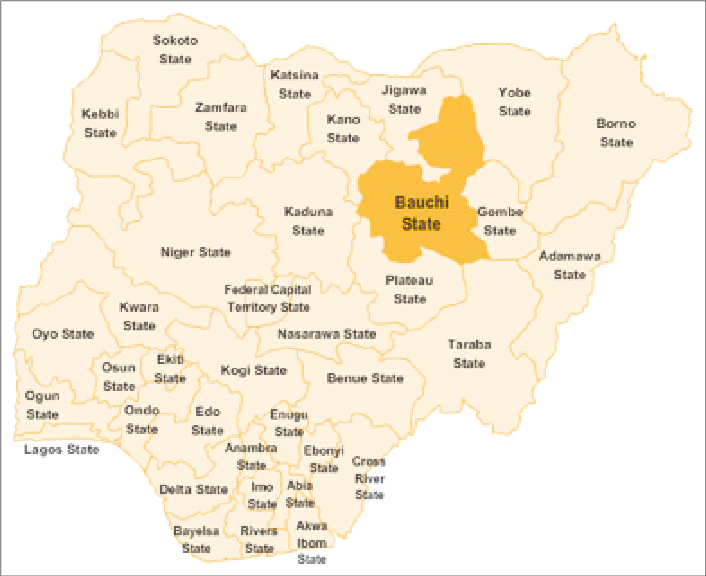
In Bauchi State, a historically hot political plate, politics is daily, and the electorate plays particular roles in the democratic process. With the Bala Mohammed-led administration almost halfway through, discussions have begun on different fora about who will become the state’s next governor.
This time, the discussions border on issues, given that many people yearn for and aspire to better education, healthcare, agriculture, housing, pipe-borne water supply, security and safety, and employment and pay. There is also a growing concern for a more effective House of Assembly in the state.
Given that no democracy can endure a weak legislature, certain quarters feel that Bauchi State would have been a better place to live and work if it had a more active legislative arm. So, to be placed on a higher development threshold in the future, the state will need a more people-oriented executive arm of government and a legislature that can check its excesses and genuinely represent the people.
Thus, even as the search for a competent politician for the exalted and vital position of the governor of Bauchi State ahead of the 2027 elections widens, it is also right to search for quite experienced and qualified politicians to fill in the thirty-one legislative seats at the Bauchi State House of Assembly.
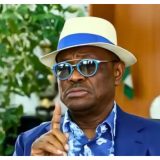
While several politicians have indicated interest through actions for the governorship, some are believed to be testing the waters from the background. Yusuf Maitama Tuggar is Nigeria’s Foreign Affairs Minister. At different times, he was a member of the House of Representatives and Nigeria’s Ambassador to the Netherlands. Tuggar is on the watch list, given that it is not yet clear whether or not the erstwhile diplomat will throw in the towel when the political bell for 2027 rings. The former legislator is, however, known to have pursued a governorship ambition in the past on the platform of the defunct Congress for Progressives Change (CPC).
Professor Muhammad Ali Pate is Nigeria’s Coordinating Minister of Health and Social Development. The trained medical doctor has been several times the Director-General of the National Primary Healthcare Development Agency (NPHCDA) and Minister of State Health. Pate has contested the governorship of Bauchi State in the past under the Peoples Redemption Party (PRP). In the APC governorship primary election ahead of the 2023 general elections, the Chigarin Misau contested and scored nil.
Air Marshal Sadique Baba Abubakar (rtd) was Nigeria’s Chief of Air Staff and Ambassador to Tchad at different times. He had a distinguished career in the Air Force, serving as a Cadet Military Training Course (CMTC 5) member in November 1979 and rising through the ranks to become the 20th Chief of Air Staff. During his tenure as Chief of Air Staff, he recorded remarkable achievements, including acquiring new aircraft, establishing new commands and formations, and enhancing the NAF’s capacity for airpower projection.
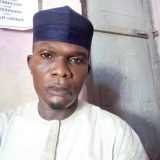
In the governorship primary election ahead of the 2023 general elections, Sadique won with 370 votes to beat the runner-up, who got 278 votes. And during the general election, the erstwhile diplomat scored 432,272 votes as runner-up. Sadique, who has shown interest in contesting the Bauchi State governorship position again, is likely a strong contender in 2027, given his votes in the last governorship election.
Jarmajo wrote from Misau.

BUK to address delay in transcript issuance, vows to tackle bribery allegations
By Anwar Usman
The management of Bayero University, Kano, (BUK) has expressed a serious concern over the delays in transcript issuance and corruption sorrounding the process.
The University’s registrar, Dr. Haruna Aliyu, revealed this while responding to a commentary by a former staff member Dr. Muhsin Ibrahim.
Ibrahim, who accused the process on which transcripts are issued and the bribery allegations associated to the system called on the University management to look into it and proffer solutions.
He further assert that, “Students find it difficult to collect their transcripts, which sometimes serves as a threat to some opportunities”.
While responding, the management, via office of the registrar, stated that they’ve implemented a series of measures to ensure that all students receive their transcripts on time without facing any difficulty.
The statement, in part reads, “We are currently conducting a thorough investigation into the bribery allegations. Any individual found engaging in unethical practices will face disciplinary action in accordance with the University’s policy.”
The management further urged the general public to provide intelligence related to bribery or any suspicious information regarding transcript collection.
“We urged you to come forward and share your concerns with the registrar’s office. Your inputs are highly valuable in helping the University to address these issues promptly and effectively” the registrar stated.

Tragic Niger tanker explosion claims over 50 lives—Official
By Sabiu Abdullahi
A petrol tanker explosion on Saturday along the Dikko-Maje Road in Suleja Local Government Area of Niger State has left over 50 people dead and many others injured.
The victims were reportedly scooping fuel from the overturned tanker when the explosion occurred.
Kumar Tsukwam, the Federal Road Safety Commander in Niger State, confirmed the tragedy in Minna.
He explained that the tanker, laden with petrol, had toppled, spilling its contents onto the road.
“More than 50 people lost their lives in the tragic incident,” he stated, adding that several individuals who attempted to assist the victims were also caught in the inferno.
Abdullahi Baba-Arah, Director General of the Niger State Emergency Management Agency (NSEMA), said the incident happened at about 9 a.m. while efforts were underway to transfer the petrol to another tanker.
“In the process, the Premium Motor Spirit (PMS) came into contact with a generator used for the transfer, causing the explosion,” he explained.
The disaster destroyed properties worth millions of naira, in addition to the human casualties.
Emergency teams, including NSEMA, the National Emergency Management Agency (NEMA), and local volunteers, are currently conducting search, rescue, and recovery operations.
Baba-Arah said, “Those injured have been moved to the hospital for treatment while efforts are being made to recover the corpses of the deceased.”
He urged residents to remain calm and cooperate with responders.
Bologi Ibrahim, Chief Press Secretary to Governor Mohammed Umaru Bago, confirmed the incident while accompanying the governor on a project inspection in Suleja and Tafa Local Government Areas.
“The governor describes the explosion as worrisome, heartbreaking, and unfortunate. He sympathizes with the families of the victims and prays for the recovery of the injured,” Ibrahim stated.
Governor Bago also called on residents to prioritize safety and avoid risky actions such as fuel scooping.
Former BUK staff raises concerns about transcript delays
By Muhammad Sabiu
Dr. Muhsin Ibrahim, a former Bayero University, Kano (BUK) staff member, has expressed deep concern over the challenges students and alums face in obtaining academic transcripts from BUK.
In a recent commentary on Facebook, Dr Ibrahim highlighted the plight of many former students who have missed out on opportunities due to delays in processing transcripts. “This is sad and embarrassing, especially as the problem is completely avoidable in this day and age,” he wrote, noting that the issue is prevalent in many public universities across Nigeria.
Dr. Ibrahim shared a personal experience, revealing his inability to assist a former student in obtaining her transcript despite his connections within the university. He described the situation as unfortunate and urged those responsible for transcript processing to act with empathy and diligence.
He also called on the university’s management to address the problem decisively, suggesting that any staff found guilty of causing unnecessary delays should face appropriate disciplinary actions. “Think about what a delay means to these people. Don’t ruin their chances at a scholarship or a job. Be empathetic. Fear God,” he appealed.
Dr. Ibrahim’s remarks resonate with affected students and alumni, who have long sought reforms to streamline administrative processes. This underscores the need for transparency and efficiency in accessing critical academic documents.

Governor Yusuf’s silent revolution in healthcare sector
By Hussaini Ibrahim Sulaiman
In the bustling city-state of Kano, a silent revolution is taking place – one that may not capture the headlines every day, but which is certainly transforming the lives of countless residents.
At the heart of this change is the state governor, Alhaji Abba Kabir Yusuf, whose tireless focus on the health and welfare of Kano’s most vulnerable population has started to yield tangible, life-saving results.
When Governor Yusuf assumed office in May 2023, one of the first areas he addressed was the health sector, which had been severely neglected in the previous administration. Topmost among his priorities was the reinstatement of routine immunization services that had been abandoned for 18 months under the previous leadership.
This was not just a bureaucratic fix, but a critical step towards safeguarding the lives of newborns, pregnant women and other vulnerable groups who had been left exposed to preventable diseases.
The restoration of immunization services was, therefore, an immediate response to a looming crisis and a clear signal of the governor’s commitment to maternal and child health.
In addition to reviving routine healthcare services, Governor Yusuf also recognized the need for more infrastructure to support the state’s health system.
For instance, during the re-commissioning of the 86-bed Hasiya Bayero Paediatric Hospital, he declared free maternal healthcare services across the state.
The Hasiya Bayero Hospital, named after the mother of the late Emir of Kano, had been allegedly sold under the previous administration, despite consistent denials from the former government. Governor Yusuf lamented the hardship caused by the hospital’s closure, noting that it had forced Kano residents to seek paediatric care elsewhere at unaffordable costs.
Moreover, Governor Yusuf made it clear that his administration was committed to restoring the hospital’s services. “Our administration is dedicated to providing all the necessary support for a quality healthcare system in the state, including free maternal healthcare services,” he declared while commissioning the hospital.
Additionally, he emphasized that the hospital would offer nutritional services, immunization, research and training, and two-way referral services.
This commitment forms part of his broader plan to reduce high neonatal and infant morbidity and mortality rates, an issue that has plagued the state for years.
Furthermore, he underscored the importance of redeploying skilled medical personnel to run the hospital efficiently, reinforcing his government’s focus on health worker dedication and professional ethics.
In terms of healthcare infrastructure, Governor Yusuf’s focus is not limited to hospitals alone. As part of his digitalization agenda, he recently distributed 484 computers to the Apex Primary Healthcare Centres across all 44 local government areas.
This move is part of a larger initiative to ensure the efficient operation of healthcare facilities through technological upgrades, as well as a commitment to renovating several major hospitals, including Sir Muhammadu Sanusi, Hasiya Bayero, and Murtala Muhammad Specialist Hospital. Additionally, solar facilities were provided to key offices to ensure uninterrupted services.
This comprehensive upgrade of the healthcare infrastructure aims to ensure that every resident, regardless of their socio-economic status, has access to affordable and quality healthcare.
As a result, Governor Yusuf’s administration has allocated substantial funds in the 2025 budget to continue this renovation work, targeting hundreds of secondary and primary healthcare facilities across the state.
Furthermore, Governor Yusuf’s health-focused vision also tackles another major issue facing Kano State: malnutrition. As part of his efforts to improve maternal and child health, the Governor committed N500 million in counterpart funding to UNICEF for nutrition initiatives. Furthermore, during the flag-off of the second Maternal, Newborn and Child Health (MNCH) Week, he announced an additional N170 million to renovate and upgrade malnutrition treatment and referral centres.
These funds, alongside other initiatives such as the provision of essential healthcare services during MNCH Week, are part of the Governor’s broader strategy to combat child killer diseases and improve access to life-saving healthcare services.
In addition, Governor Yusuf’s commitment to improving the health of Kano’s children is also reflected in his efforts to reduce maternal and child mortality, foster sustainable development, and ensure equitable access to healthcare for all residents.
This continued investment in the health sector highlights the state government’s dedication to addressing critical health challenges and enhancing the quality of life for its citizens.
Beyond infrastructure and immediate healthcare services, Governor Yusuf’s administration has launched the Abba Care Initiative, a free health insurance program aimed at over 300,000 vulnerable residents, including pregnant women, the elderly, and people living with sickle cell anaemia.
This bold program is a key component of his effort to achieve universal healthcare coverage and make quality health services available to all citizens, regardless of their socio-economic status. In this regard, the Abba Care Initiative, backed by the Kano State Contributory Health Management Agency, represents a transformative step towards creating a more equitable and accessible healthcare system for the people of Kano.
Governor Abba Kabir Yusuf’s quiet yet powerful leadership is remaking the health landscape of Kano.
His administration’s unwavering commitment to improving healthcare access for the state’s most vulnerable populations underscores a deep understanding of what it means to govern with compassion, vision and urgency.
Notably, the Governor’s efforts in addressing health issues such as immunization, sickle cell anaemia, malnutrition, and maternal and child health not only respond to immediate challenges but also lay the foundation for a healthier and more prosperous future for all residents of Kano State. His legacy of service to the people, with a focus on healthcare, will undoubtedly leave a lasting impact for generations to come.
Governor Yusuf’s work represents more than just reforms – it marks a true revolution in the healthcare sector that will resonate across the state, benefiting not just the current generation, but future generations as well. Ultimately, his leadership offers a model of governance that prioritizes the well-being of the people and is poised to transform Kano into a healthier, more equitable society.
#AbbaIsWorking
Ibrahim is with the Triumph and can be reached at Hussainiibrahim470@gmail.com

President Tinubu commends Nigerian governors for supporting tax reform initiative
By Abdullahi Mukhtar Algasgaini
President Bola Tinubu gas shown his appreciation to the Nigeria Governors’ Forum following their unanimous endorsement of the four Tax Reform Bills currently under consideration by the National Assembly.
President Tinubu lauds the governors for their bold leadership and commitment to fostering unity among leaders nationwide, transcending regional, ethnic, and political barriers to advance Nigeria’s development.
Thursday’s productive consultation between the Nigeria Governors’ Forum and the Presidential Committee on Tax and Fiscal Policy is a commendable example of cooperation between the Federal and State governments.
He extends special commendations to the Chairman of the Governors’ Forum, Kwara State Governor Abdulrahman AbdulRazaq, for successfully galvanising support among his peers for these transformative tax bills to rejuvenate the national economy and enhance Nigeria’s investment climate.
He also commends the Progressive Governors Forum, the Northern Governors Forum, and all other groups that made the bipartisan resolution of the controversy stirred by the tax bills possible.
President Tinubu shows that the primary aim of the Tax Reform Bills, which is pro-poor, is to promote national interests, improve the competitiveness of Nigeria’s economy, and attract both local and foreign investments.
He said updating the country’s outdated tax laws is essential to this endeavour.
The President notes that the dialogue between the NGF and the Presidential Committee on Tax and Fiscal Policy Reform shows the power of constructive conversation in resolving differences.
President Tinubu regards the governors as vital contributors to nation-building and affirms his commitment to partnering with them to promote economic growth, national harmony, peace, and stability.
He also encourages other stakeholders with ideas and suggestions for refining the Tax Bills to engage with the ongoing legislative process at the National Assembly.
President Tinubu also urges the National Assembly to expedite the legislative process for these crucial bills so that the country can swiftly reap the benefits of the reforms.

Ekiti: Man seen in viral video discharging waste in stream arrested
By Maryam Ahmad
The Ekiti State Ministry of Environment and Natural Resources, in collaboration with the Ekiti State Waste Management Authority (EKSWMA) enforcement team, has arrested a man seen in a viral video discharging liquid waste with an offensive odour into a stream in the Bashiri area of Ado-Ekiti, the state capital.
A statement from the State Ministry of Environment and Natural Resources, Chief Mrs Tosin Aluko- was made available to reporters in Ado-Ekiti. She said, “Following swift action by the Ministry’s enforcement team, the perpetrator was apprehended, and his vehicle impounded.”
She said the suspect claimed during interrogation that he was discharging dirty water, not sewage, into the stream.
The Commissioner announced that to prevent any potential health hazards from the dumped waste, the samples from the affected site have been taken to analyze the chemical and microbiological material contained in material discharged in the stream. At the same time, the entire area will be thoroughly fumigated to safeguard the health and well-being of residents.
She said thorough investigations involving officials of her Ministry and the Ekiti State Waste Management Authority were ongoing to prevent future occurrences and maintain a cleaner, safer environment in Ekiti State.
The Commissioner emphasized that the state government has zero tolerance for illegal waste handling and disposal and stressed that the offender would soon be prosecuted.
“The law will take its full course. Acts like this endanger public health and the environment. We must protect our communities,” she said.
Erelu Aluko-Ajisafe urged residents to remain vigilant and report any acts of environmental violation to the appropriate authorities.
She encouraged the public to continue “blowing the whistle” on activities that threaten environmental safety.

Erling Haaland signs 10-year contract extension for Man City
By Sabiu Abdullahi
Manchester City has announced that star striker Erling Haaland has signed a new 10-year contract, keeping him at the club until the summer of 2034.
The 24-year-old Norwegian international joined City from Borussia Dortmund in 2022 and has been instrumental in the club’s recent successes.
“I am really happy to have signed my new contract and to be able to look forward to spending even more time at this great club,” Haaland said. “Manchester City is a special club, full of fantastic people with amazing supporters, and it’s the type of environment that helps bring the best out of everybody.”
Haaland expressed his gratitude to his teammates, manager Pep Guardiola, and the City staff.
He said, “They have made this such a special place to be, and now I am City no matter what. I want to keep developing, keep working to get better, and help us achieve more success going forward.”
City’s Director of Football, Txiki Begiristain, highlighted the significance of Haaland’s long-term commitment.

Celebrating Gov. Bala Mohammed’s achievements and the need to rehabilitate the Bauchi-Ningi Road
By Usman Abdullahi Koli
Leadership is often defined by its tangible impacts on ordinary people’s lives. In Bauchi State, Sen. Bala Abdulkadir Mohammed’s transformative vision has ushered in a new era of development, safety, and economic revitalisation. His dedication to infrastructural development and human-centred governance proves his attentiveness to building a better Bauchi for all.
Governor Bala’s administration has relentlessly addressed the state’s infrastructural challenges. By constructing new roads and repairing bridges damaged by floods, the governor has significantly improved residents’ connectivity and mobility. These efforts have facilitated the smooth movement of goods and services and contributed to Bauchi State’s economic resurgence, making it an attractive destination for investors and visitors alike.
The recent inauguration of 500 officers for the Bauchi Road Traffic Agency (BAROTA) is yet another feather in the Governor’s cap. This initiative aims to safeguard the lives of road users, enforce traffic regulations, and maintain order across the state’s bustling roads. By collaborating with other road safety institutions, these officers will play a crucial role in ensuring that drivers adhere to all protocols, thereby reducing accidents and enhancing the overall safety of both motorists and pedestrians.
While celebrating these commendable achievements, it is imperative to draw the Governor’s attention to the pressing need to rehabilitate the Bauchi-Ningi Road. This vital artery links Bauchi to numerous local government areas and neighbouring Jigawa and Kano States and has been in disrepair for years. Its current condition has deteriorated to alarming levels, with daily reports of ghastly accidents claiming lives and destroying vehicles.
The road’s strategic importance cannot be overstated, especially as it is the main route for two major markets, Gadar Maiwa Monday Market and Durun Sunday Market. During market days, reckless driving and the pothole-ridden terrain lead to frequent accidents. For traders, commuters, and other road users, navigating this stretch has become a perilous ordeal that demands urgent intervention.
Though the Bauchi-Ningi Road falls under federal jurisdiction, Gov. Bala’s track record of prioritising the welfare of his people positions him as a leader capable of championing this cause. By leveraging his influence and proactive governance style, the Governor can initiate discussions and collaborations to expedite the rehabilitation of this critical road.
Gov. Bala’s willingness to address infrastructure challenges demonstrates a rare blend of empathy and pragmatism. By extending his administration’s efforts to the Bauchi-Ningi Road, he can save countless lives, protect properties, and restore confidence among road users. A repaired Bauchi-Ningi Road would enhance safety and stimulate economic activities, further boosting the state’s economic capacity and ensuring seamless connectivity.
In Sen. Bala Mohammed, Bauchi State has a leader who listens, acts, and delivers. His strides in road construction, bridge repairs, and road safety initiatives accent his deep concern for the welfare of his people. As we commend him for these remarkable achievements, we also urge our national representatives—including our Senator, House of Representatives members, and the Speaker of the State Assembly—to collaborate with the Governor and prioritise the rehabilitation of the Bauchi-Ningi Road.
This collective effort will address the urgent needs of this critical infrastructure and strengthen the legacy of progress and safety that Gov. Bala Mohammed’s administration has established. We can look forward to a safer and more prosperous Bauchi State.
Usman Abdullahi Koli wrote via mernoukoli@gmail.com.

A frank review of the Pandora Award 2024 winners
By Sulaiman Ibrahim Lala
The Pandora Awards is an annual event organised by Mama’s Boy Entertainment that aims to recognise outstanding contributions from public figures in northern Nigeria across various fields. The latest edition, held in Kano on Wednesday, January 15, 2025, honoured several notable figures, including footballer Abdullahi Shehu, celebrated Kannywood scriptwriters Fauziyya D. Sulaiman (Uwar Marayu) and Yakubu M. Kumo, social media personality Abba Pantami, among others.
Upon closer examination of the awards ceremony, it becomes apparent that the Kannywood/entertainment industry categories, encompassing music and film, favour familiarity and personal connections over genuine merit. This raises concerns that deserving artists may have been overlooked in favour of those with closer ties to the organisers.
I wholeheartedly agree with some awards, particularly MANYAN MATA, as Best Web Series. Similarly, DJ AB as Best Hip-hop Artist and Sadiq Sani Sadiq’s honour as Best Actor of the Year are also well-deserved.
However, I have reservations about the remaining awards. Some other projects and individuals demonstrated exceptional work and dedication, making them more deserving of recognition.
I am surprised by some of the award outcomes. For instance, Hamisu Breaker took home an award despite not releasing any notable hits in 2024. Meanwhile, Sadiq Saleh’s impressive ‘Da Ransu’ album featuring the standout track ‘Mai Kishina,’ arguably one of the most impactful Hausa songs of 2024, was overlooked.
I also believe the Best Music Video award should have gone to ‘BANI’ by Ado Gwanja, skillfully directed by Jafs, rather than ‘Zuciya’ by Auta Waziri.
The award results were met with surprise and disappointment. NGULDE took home the Best Comedian of the Year award despite Jok3r (Anty Maina) having a more impactful year. Abale’s win for Best Villain Artist over Sultan Abdurrazak, who consistently delivered strong performances last year, was also unexpected.
DEEZELL’s Best Collaboration win raised eyebrows given their lack of notable collaborations in 2024 since the release of ‘NAMIJI’ in 2023. Other nominees like ‘TAWAN’ by Nazifi Asnanic ft Naziru Sarki Waka, ‘Daga Ke’ by Lilin Baba, and ‘Aure remix’ by Boyskiddo seemed more deserving.
Additionally, Mummy Gombe’s Best Female Artist win over Firdausi Yahaya, who excelled in ‘Garwashi’ and ‘Labarina,’ was also surprising. MAISHADDA’s Producer of the Year win for ‘Gidan Sarauta’ over Umar Uk’s outstanding work on ‘Garwashi’ felt like a missed opportunity.
The Queen of the North award went to Fati Kinal despite intense competition from Hadiza Gabon, Rahama Sadau, and Nafisa Abdullahi, leaving some questioning the award’s credibility.
The Pandora Awards’ geographical bias is concerning due to a disproportionate focus on artists from Kano and Kaduna. Despite their significant contributions to the northern entertainment scene, talented artists from Jos, Kogi, and Benue were overlooked.
This regional disparity raises questions about the awards’ inclusivity and representation. The fact that the organisers are primarily from the North-West may have contributed to this bias, undermining the credibility of the awards and their ability to showcase the diversity of northern talent.
Note: These are my personal views as a dedicated fan and keen observer of the Arewa film and music industry.
Sulaiman Ibrahim Lala wrote via sulaimanibrahimlala@gmail.com.