News

Tinubu Told Me To Build More Roads Despite Calls For My Removal, Says Umahi

By Sabiu Abdullahi

Minister of Works David Umahi has said President Bola Tinubu refused to bow to pressure from those who demanded his dismissal after the death of Mary Habila, a nurse attached to his medical team.

Umahi made the disclosure in a video that surfaced on X on Monday. He said the president instead encouraged him to remain focused on delivering infrastructure projects across the country.

“Power and might don’t belong to social media, it belongs to God,” Umahi said.

“When people took the death of one of my staff and started playing politics with it, they said the president should sack me, but the president surprised all of them and said, ‘Dave, go and build more roads.’”

Habila died on June 27 at Umahi’s residence in Ebonyi State. Her death attracted widespread public attention. Some Nigerians demanded an investigation into the circumstances surrounding the incident.

The Incorporated Trustees of the Southern Kaduna Peoples’ United Associations (SOKAPU) later instituted a ₦20 billion lawsuit against the minister. The group alleged a breach of duty of care while the deceased was under his custody.

Umahi said he was deeply saddened by Habila’s death. He explained that he cancelled plans for celebrations during his recent birthday out of respect for the deceased.

He said he instructed his supporters across the world not to organise any birthday activities because he was “mourning”.

The minister also prayed that if he or any member of his family played any role in Habila’s death, they should face a worse fate than she did.

Following the incident, Umahi requested that the Ebonyi State Police Command conduct an autopsy to determine the cause of Habila’s death. He also asked that her body should not be released until the post-mortem examination was completed.

However, members of Habila’s family declined the request. They insisted that no autopsy should be carried out and demanded that she be buried in accordance with their wishes.

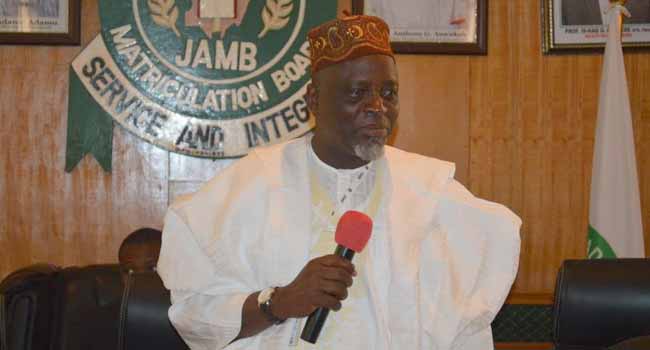
Parents Behind Most Examination Malpractice, Says Former JAMB Registrar Oloyede

By Sabiu Abdullahi

Former Registrar of the Joint Admissions and Matriculation Board (JAMB), Prof. Ishaq Oloyede, has blamed parents for the growing incidence of examination malpractice in Nigeria. He described their role in the practice as the most painful experience of his 10-year tenure at the examination body.

Oloyede made the remarks on Sunday during a THISDAY programme aired on Arise Television, days after he handed over the leadership of JAMB to Prof. Segun Aina.

President Bola Tinubu appointed Aina, a professor of computer engineering at Obafemi Awolowo University (OAU), Ile-Ife, in May to succeed Oloyede as the sixth registrar of JAMB. Oloyede assumed office on August 9, 2016, under former President Muhammadu Buhari. He later secured a second term in August 2021 before leaving office last week.

Reflecting on his years at the board, Oloyede said he was deeply troubled whenever he discovered that parents were arranging examination malpractice for their children and wards.

“The most painful period of my experience in JAMB has to do with the level of involvement of parents in the organisation of examination malpractice,” he said.

“They are introducing their wards and children to the world of crime. I think most of the candidates are not problematic. They are not the problem. The problem is the parents.

“Every time I was confronted with the reality of what parents are doing, most of the time, I became very emotional about it.

“Most of the time, I feel that how on earth will people hate themselves and their futures to this level. Even if you have deficiency, you won’t want to pass the deficiency to the next generation.”

“For me, it was a fine period (referring to his administration in JAMB. The only lowest period was when I confronted parents over involvement in the planning and introduction of their children and wards into crime (examination malpractice).”

Oloyede also expressed confidence in his successor. He said Aina’s background in computer engineering would help JAMB make greater use of technology in the conduct of the Unified Tertiary Matriculation Examination (UTME).

Tinubu Should Return to Primary, Secondary School, Sowore Says

By Sabiu Abdulahi

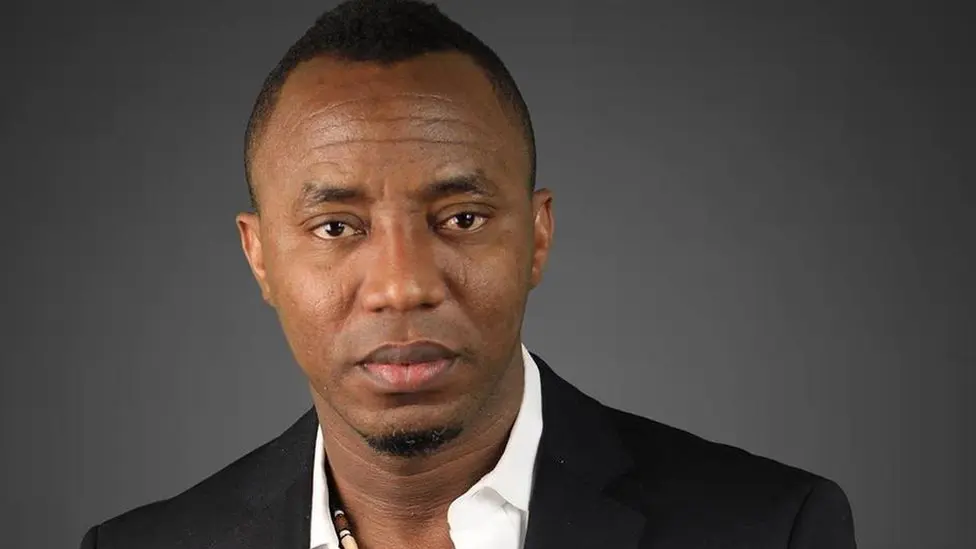
African Action Congress (AAC) presidential candidate, Omoyele Sowore, has urged President Bola Tinubu to enrol in adult education. He said the president should return to primary and secondary school despite his age.

Sowore spoke on Monday after proceedings in his defamation case involving President Tinubu at the Federal High Court in Abuja.

The activist criticised Tinubu over the educational information submitted to the Independent National Electoral Commission (INEC). He argued that the president did not include details of his primary and secondary education in the documents filed for the 2027 presidential election.

Records submitted to INEC for the election reportedly contained Tinubu’s Chicago State University certificate. However, they did not list his primary and secondary school qualifications in the section for educational history.

Speaking after the court session, Sowore said, “President Tinubu didn’t go to primary and secondary school. He only presented a paper from Chicago State University, which was different from the paper he presented in 1999.

“I’m advising him that it’s not too late to take advantage of adult education. Let him go back to primary school online,” Sowore said.

Kano Govt Urges Beneficiaries Not to Sell Allocated Plots

By Uzair Adam

The Kano State Government has urged beneficiaries of its land allocation programme not to sell their plots, saying the allocations are intended to provide long-term security and wealth for families rather than short-term financial gain.

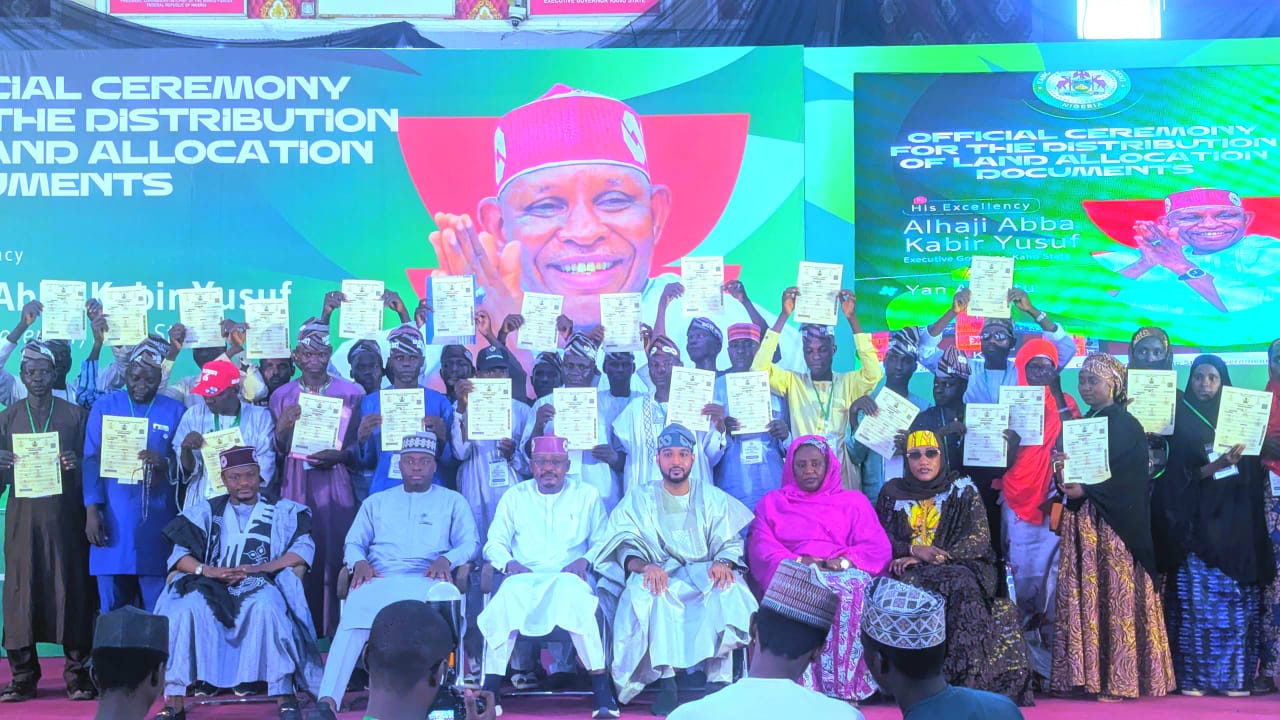
The call was made on Sunday during the presentation of land allocation documents to polling agents in Kano under the administration of Governor Abba Kabir Yusuf.

Governor Yusuf, in a speech delivered by the Commissioner for Public Procurement, Projects Monitoring and Evaluation, Nura Ma’aji Sumaila, said the land allocation programme was part of a broader policy to expand home ownership across the state.

He said the initiative would gradually be extended to more segments of society, including young people, women, civil servants, community leaders and other hardworking citizens, as part of efforts to reduce the housing deficit and improve family security.

The governor noted that beneficiaries had received plots in professionally planned government layouts equipped with road networks, drainage systems, schools, healthcare facilities, markets, places of worship, parks and other public infrastructure.

According to him, proper urban planning would make it easier for government to provide essential services while increasing the long-term value of the properties.

The Commissioner for Land and Physical Planning, Abduljabbar Muhammad Umar, urged beneficiaries not to dispose of their plots because of short-term financial needs.

“Please do not sell your land allocation because of short-term financial needs. Instead, develop it, build your home and create a lasting asset for your family,” Umar said.

He explained that the allocated plots were located within government-approved layouts designed to create organised, safe and sustainable communities where families could live, invest and prosper.

Umar contrasted the layouts with illegal land developments, popularly known as Awon Igiya, which he said had contributed to unplanned settlements, flooding, traffic congestion, insecurity, land disputes and slum conditions across parts of the state.

He said the government remained committed to ending illegal land development and restoring order to land administration across Kano State.

The Daily Reality recalls that the Kano State Government on Saturday commenced the distribution of land allocation documents to political appointees, including Senior Special Assistants, Senior Special Reporters, Special Assistants, Special Reporters and Personal Assistants. 

The government said the exercise, which concluded on Sunday with the presentation to polling agents, was expected to benefit about 2,500 beneficiaries as part of its broader effort to expand home ownership and reduce the state’s housing deficit.

How Nigerian Deaf Student Experienced Real Inclusion at University of Cape Town

By Myolisi Gophe

When meningitis robbed him of his hearing at the age of eight, many believed Ibrahim Tukur’s future had been written off. His teachers could no longer reach him. Friends drifted away. Some mocked him. Even his father, convinced there was no future for a deaf child, withdrew him from school.

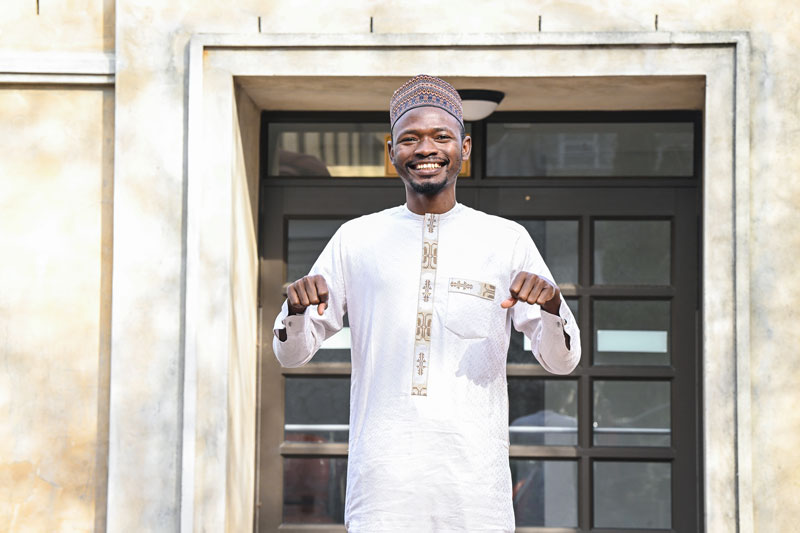
Today, that same boy is pursuing a Master of Philosophy (MPhil) in Disability Studies at the University of Cape Town’s (UCT) Department of Rehabilitation and Health Sciences as the first Deaf Mandela Rhodes Scholar – one of Africa’s most prestigious leadership scholarships – and is using his experiences to advocate for a more inclusive society.

For Tukur, who hails from Nigeria, his journey is not simply one of overcoming adversity – it is proof that when barriers are removed and opportunities are created, people with disabilities can thrive.

“Receiving the scholarship was one of the happiest moments of my life,” he said. “It reminded me that our disabilities do not determine our success.”

Growing up in Ingawa, a small town in Nigeria’s Katsina State, life changed overnight when meningitis left him Deaf.

Unable to follow lessons in mainstream classrooms, he experienced a sharp decline in academic performance.

“My life drastically changed,” he recalled. “I could no longer understand what my teachers were teaching.”

The social isolation that followed was equally devastating.

“I lost most of my friends, who avoided me because of my deafness, as if it were a curse.”

Believing there was little hope for his son’s future, his father removed him from school.

But fate intervened.

A relative encouraged his father to enrol him at the Government School for the Deaf in Malumfashi, a residential school where sign language was the primary means of communication.

The impact was immediate.

“For the first time since losing my hearing, I learned in an environment where everyone communicated through sign language. Gradually, I regained my confidence, rediscovered my love for learning, and began to believe in myself again.”

That experience sparked a lifelong commitment to ensuring other Deaf children would not face the same barriers.

He went on to earn a degree in Special Education from Bayero University in Kano before enrolling at UCT to deepen his understanding of disability inclusion and advocacy.

Today, he serves as the head teacher at Dambo Tukur School for the Deaf and he also co-founded the Thrive Disability Initiative, a non-governmental organisation (NGO) dedicated to empowering persons with disabilities through education, employment, and entrepreneurship.

Finding inclusion at UCT

Although he had spent years advocating for disability rights, arriving at UCT introduced him to a level of inclusion he had never previously experienced.

“I have never experienced what real inclusion was like until I came to UCT,” he said.

When he struggled to find accommodation upon arrival, staff at UCT’s Disability Service stepped in immediately, helping secure accessible accommodation at Obz Square in Observatory and installing assistive technologies in his room.

Initially, he worried he might be inconveniencing others.

“I realised that inclusion is not about doing someone a favour. It is about removing barriers so everyone can participate equally.”

Another turning point came when his South African Sign Language interpreter connected him with members of the Western Cape Deaf community.

“Through them, I found friendship, belonging and a sense of home.”

Those experiences reinforced his belief that leadership begins by creating spaces where everyone feels seen, valued and included.

The importance of leadership

The Mandela Rhodes Scholarship recognises more than academic excellence. It seeks young leaders committed to reconciliation, entrepreneurship and social impact.

For him, leadership has always been measured by how many lives are impacted, rather than what titles people have.

Among his proudest achievements is advocating for the establishment of Dambo Tukur School for the Deaf back home, which now provides quality education to more than 50 Deaf children who previously had little or no access to schooling.

He has also organised mentorship programmes for Deaf learners, trained government workers in sign language to improve communication with Deaf citizens and coordinated vocational skills programmes that have enabled many unemployed Deaf adults to become financially independent.

One of his biggest challenges came while campaigning for the school.

Government officials initially resisted the proposal because of misconceptions about Deaf people.

Rather than allowing disagreement to create division, he chose dialogue.

“By continuing to engage respectfully and demonstrating the importance of inclusive education, we eventually secured approval and established the school.”

He believes those experiences embody the leadership values championed by the Mandela Rhodes Foundation.

Overcoming invisible barriers

His own university experience also revealed the everyday obstacles Deaf students continue to face.

As an undergraduate, before his journey with UCT, he completed his degree without the support of a sign language interpreter.

Instead, he relied on lecture notes, handouts, and hours of independent study to compensate for the information he could not access in class.

“There were moments when I questioned whether I truly belonged at university and whether I could succeed in a system that was not designed with Deaf students in mind.”

Despite those challenges, he graduated with an Upper Second Class pass (an average score between 60% and 69% across his university courses).

The experience shaped his conviction that disability itself is not the greatest obstacle.

“Inaccessible environments create the greatest barriers to success.”

As someone who has lived the realities of exclusion, he believes universities have an important role to play in changing society.

He would like to see disability studies integrated across disciplines so that graduates in every field understand disability rights, accessibility, and inclusive communication.

He also advocates for stronger support services, including timely access to sign language interpreters, assistive technologies and accessible learning materials.

Financial support for students with disabilities, particularly those from disadvantaged backgrounds, is equally important.

Long-term vision

His long-term vision is ambitious: over the next decade, he hopes to empower at least 500 people with disabilities through education, leadership development and entrepreneurship.

The Mandela Rhodes Scholarship, he said, provides more than financial support.

“It gives me the knowledge, networks and leadership experience to achieve these goals.”

Looking back on his journey, he hopes his story inspires other Deaf learners to believe in themselves.

“Do not allow society’s expectations to define your future,” he said.

“There will be obstacles, and there may be moments when people underestimate your abilities, but your deafness does not determine your intelligence, your talent or your potential.”

His message is simple but powerful.

“If a boy who was once withdrawn from school because people believed he had no future could become a Mandela Rhodes Scholar and study at one of Africa’s leading universities, then you should never doubt what is possible for your own life.

“Dream boldly, persevere through challenges, and remember that you deserve to learn, to lead and thrive just like everyone else.”


Editor’s Note: The article was first published on the Cape Town University news website here: How a Deaf student experienced real inclusion at UCT.
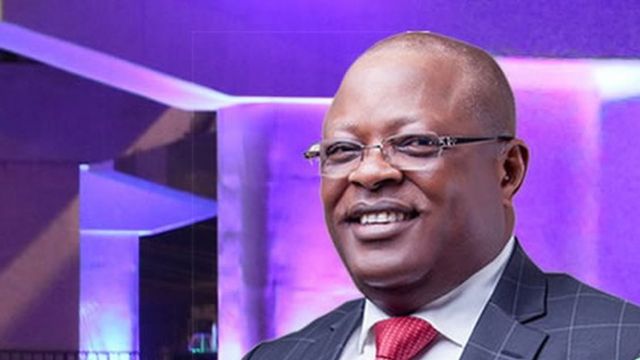
Opposition Leader’s Criticisms Are Based On Outdated Data, Misrepresentations—Presidency


By Abdullahi Mukhtar Algasgaini

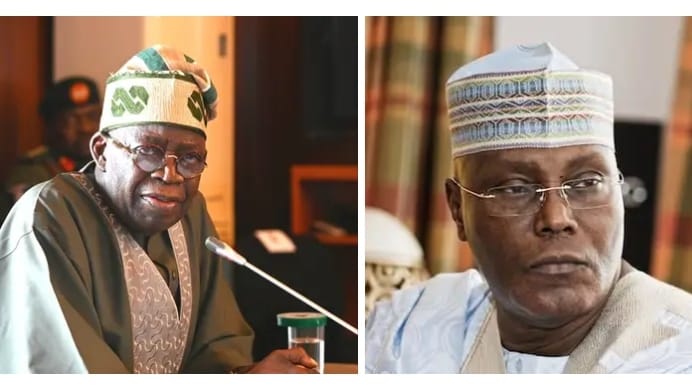
The Presidency has fired back at former Vice President Atiku Abubakar, dismissing his recent criticism of President Bola Ahmed Tinubu’s economic policies as “pedestrianism” and arguing that the opposition leader’s concerns are rooted in outdated data from 2024 rather than Nigeria’s current economic reality.

In a detailed statement issued Saturday by presidential spokesperson Bayo Onanuga, the administration provided a point-by-point rebuttal to Atiku’s allegations of “fiscal recklessness,” defending its record on borrowing, subsidy removal, tax reforms, and overall economic management.

The statement took particular issue with Atiku’s reliance on 2024 data, arguing that Nigeria’s economy has evolved considerably since the painful adjustments of that year.

“Judging a reform programme solely by its earliest and most painful phase is like judging chemotherapy by the nausea it induces while ignoring the remission it seeks to achieve,” Onanuga wrote.

According to the Presidency, Nigeria’s dollar-denominated GDP has recovered from approximately $253 billion following the 2024 exchange-rate reset to about $377 billion – a 49 per cent increase. Naira GDP has expanded from about ₦314 trillion in 2024 to around ₦530 trillion, a 69 per cent increase.

On the question of Nigeria’s borrowing, the administration argued that the country’s debt-to-GDP ratio remains modest at barely 40 per cent compared to peer economies, including South Africa (85 per cent), Egypt (80 per cent), and Kenya (75 per cent).

The statement highlighted what it called a “remarkable achievement” in reducing the debt service-to-revenue ratio from nearly 100 per cent in December 2022 to less than 60 per cent today.

“Nigerians suffered over the years as a vast proportion of our resources were deployed to pay fuel-subsidy merchants,” the statement said, noting that the Obasanjo-Atiku administration “never did the needful” on the subsidy issue.

The Presidency defended the removal of fuel subsidies, pointing to improved revenues accruing to states and local governments through the Federation Account.

“President Tinubu has tactically placed more responsibility for socioeconomic development on states and local governments, while providing requisite funding. This is true federalism,” Onanuga stated.

The administration rejected Atiku’s suggestion that the government has chosen to tax Nigerians more, describing the claim as “blatantly false.”

The statement explained that the tax reforms aim to reduce burdens on low-income earners earning N1 million and below annually, and small businesses with turnover of N100 million and below, while strengthening compliance among higher-income individuals and profitable enterprises.

The statement outlined several achievements in health, education, and infrastructure over the past three years:

· Over 100 facilities providing free caesarean operations for indigent mothers
· Three world-class cancer centres operational in Kubwa, Enugu, and Katsina
· Over 3,000 Primary Healthcare Centres revitalised
· More than 11,000 projects through the Universal Basic Education Commission
· Over 1.64 million students benefiting from NELFUND loans totalling N303 billion
· End to university lecturers’ strikes

The Presidency dismissed Atiku’s claim of an N7.98 trillion oil windfall, arguing that such calculations ignore production costs, crude sharing arrangements, and forward contracts.

“Incremental revenue from higher oil prices is reflected in monthly FAAC figures,” the statement noted, adding that average daily production of 1.6 million barrels per day has fallen short of the 1.84 million bpd forecast.

The statement concluded on an optimistic note, projecting that inflation, which fell to 14.4 per cent in November 2025 before rising to 15.91 per cent due to Middle East conflicts, will trend towards 12 per cent by year-end.

“Nigeria’s economy is not yet where it aspires to be. But neither is it where it stood at the height of its structural distortions or in the bygone years of fiscal waste and slackness,” Onanuga wrote. “The worst is over.”

The administration also highlighted new ward-centric programmes worth more than $3 billion aimed at strengthening primary healthcare, basic education, and supporting vulnerable communities, in addition to cash transfers to 15 million vulnerable households.

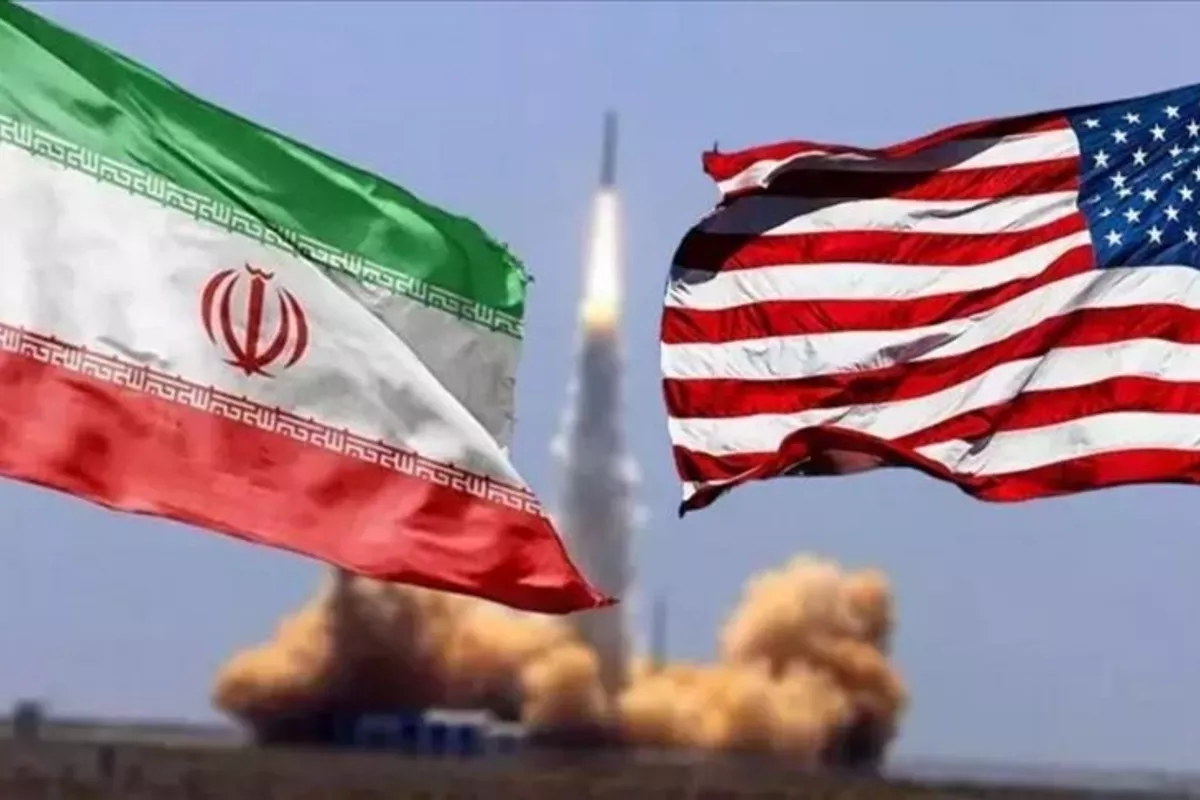
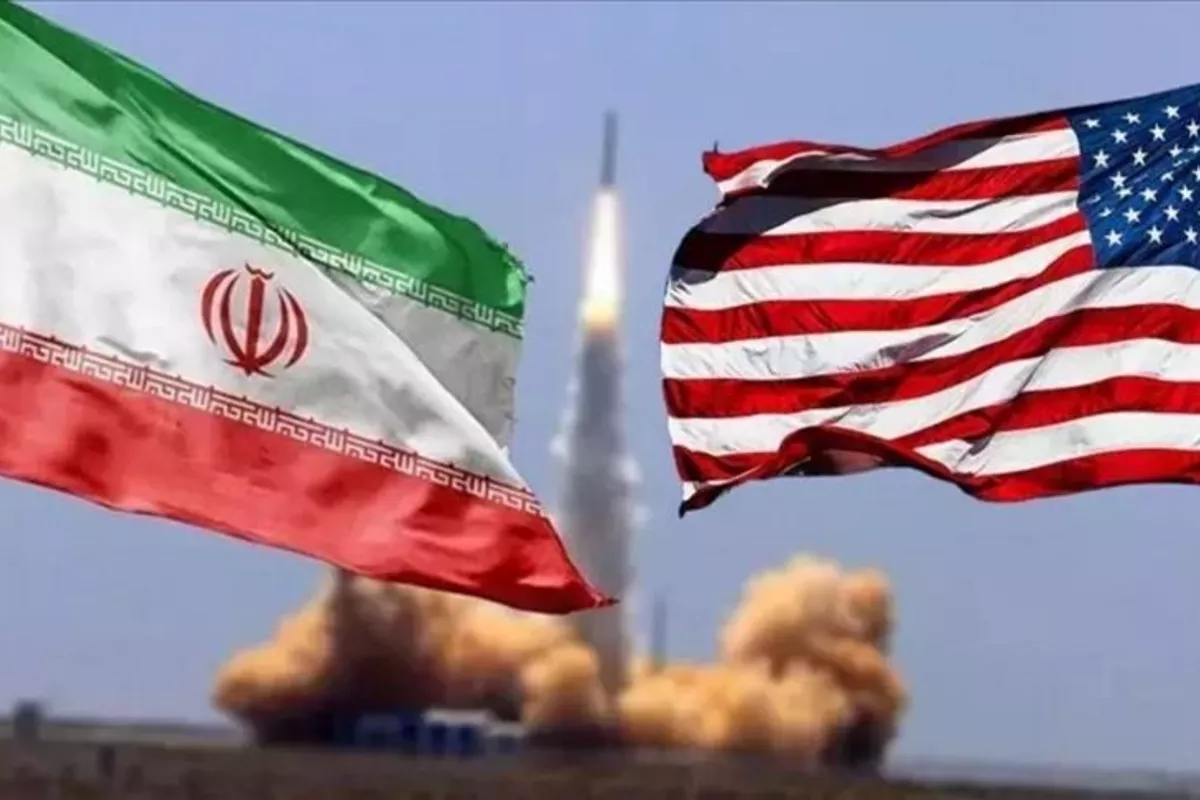
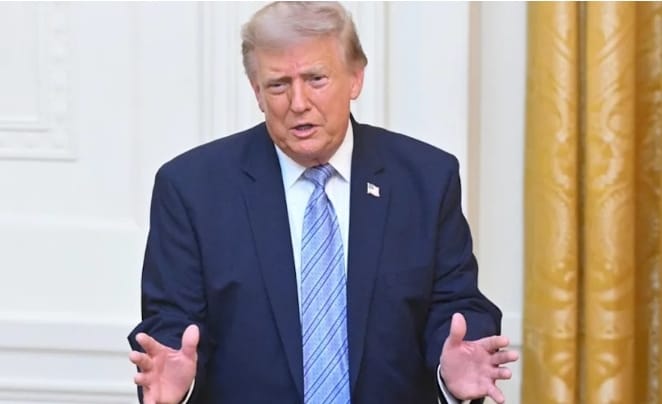
Iran Dismisses Trump’s Claim, Says It Never Asked US To Halt Strikes

By Sabiu Abdullahi

Iran has dismissed United States President Donald Trump’s claim that Tehran asked Washington to refrain from launching fresh military strikes, describing the allegation as false.

According to Iran’s Mehr News Agency, which cited military officials, Trump’s statement “was nothing but a new lie.” The officials also said the country’s armed forces were “on high alert and ready for any eventuality.”

Trump had stated on Saturday that the United States was “ready to go against the Islamic Republic.” He also claimed that Iran and other Middle Eastern countries had urged him not to carry out additional attacks. He added that he agreed to delay any fresh military action on the condition that a deal could be reached with Tehran.

In a post on his Truth Social platform, Trump wrote, “This would include the Immediate, Complete and Total OPENING OF THE HORMUZ STRAIT, and an end to Iran’s nuclear threat.”

Meanwhile, Iran’s Fars News Agency quoted a source close to the country’s negotiating team as saying “as long as the United States maintains its hostile actions, the Strait of Hormuz will remain closed.”

Iran has maintained restrictions in the Strait of Hormuz since the conflict began. Ships are now required to obtain permission and pay transit fees before passing through the strategic waterway.

Iran Accuses US of Mixed Signals Over Military Threats, Nuclear Talks

By Sabiu Abdullahi

Senior Iranian officials have accused the United States of issuing public military threats while privately seeking negotiations, amid heightened tensions between the two countries.

Hassan Ghashghavi, a senior Iranian lawmaker and spokesman for the Parliament’s Commission on National Security and Foreign Policy, said Tehran would retain control over traffic through the Strait of Hormuz regardless of developments in the conflict. His remarks came before US President Donald Trump reportedly cancelled planned military strikes.

“In the media, they speak of escalation, while through existing channels they demand negotiations,” Ghashghavi said. “They cannot deceive the Islamic Republic of Iran. Whether by escalating or by negotiating, Iranian arrangement for passage through the SoH [Strait of Hormuz] is the only option on the table.”

The Strait of Hormuz remains one of the world’s most strategic maritime routes because a significant share of global oil shipments passes through it.

Meanwhile, Majidreza Hariri, President of the Iran-China Chamber of Commerce and Industry, argued that Washington would not risk attacking Iran’s energy infrastructure.

“They don’t have the courage to carry it out because Iran’s resilience is far greater than that of the countries in the region against the destruction of infrastructure,” Hariri said in a post on X.

Reports indicate that Iran operates one of the world’s most decentralised electricity networks, with about 150 power plants spread across the country. Analysts say the wide distribution of the facilities makes it more difficult for an aerial attack to trigger a nationwide power outage.

Trump Cancels Planned Iran Strikes, Says Deal Is Within Reach

By Sabiu Abdullahi

US President Donald Trump has announced that he has cancelled planned military strikes against Iran, saying the decision depends on the swift conclusion of an agreement.

In a statement, Trump said he called off the attacks “subject to being able to rapidly make a deal”.

He also claimed that Iran and other Middle Eastern countries had urged him to suspend the planned operation because “the perimeters of a deal has been agreed to”, including the reopening of the Strait of Hormuz.

Trump’s announcement followed fresh warnings from Iran over the possibility of military action.

Iranian Foreign Minister Abbas Araghchi told the foreign ministers of Turkiye, Pakistan and Saudi Arabia in separate telephone conversations that any “aggression” by the United States and Israel would be met with a “decisive ⁠and proportionate response”.

Meanwhile, the conflict in Gaza continued as Israeli forces reportedly killed at least eight Palestinians across the territory.

Reports also said Israeli attacks destroyed a medical warehouse in Deir el-Balah. The strike left a crater measuring about 20 metres (66 feet) wide and 10 metres (33 feet) deep.

Several Americans Reportedly Killed After Gunman Opened Fire At Idaho Fast-Food Restaurant

By Sabiu Abdullahi

Several people have been killed and others injured after a gunman opened fire at a fast-food restaurant in Twin Falls, Idaho, authorities said.

Police confirmed that the suspected attacker was among those who died during the incident.

Law enforcement officials also said they believe there is no longer any threat to the community, indicating that the situation has been brought under control.

Authorities have not yet released the identities of the victims or disclosed the motive behind the attack. An investigation into the shooting is ongoing.