News

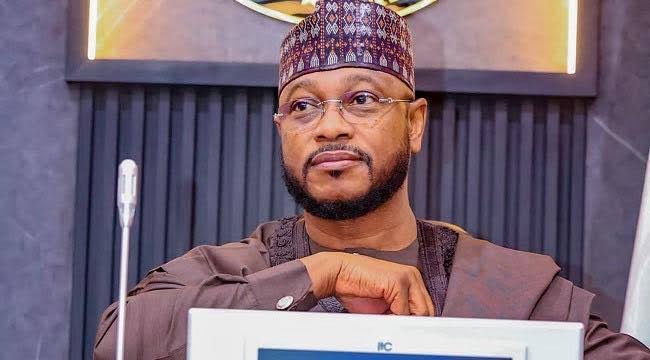
Kwankwaso Pledges Dialogue With Terrorists, Criminals to Tackle Insecurity

By Sabiu Abdullahi


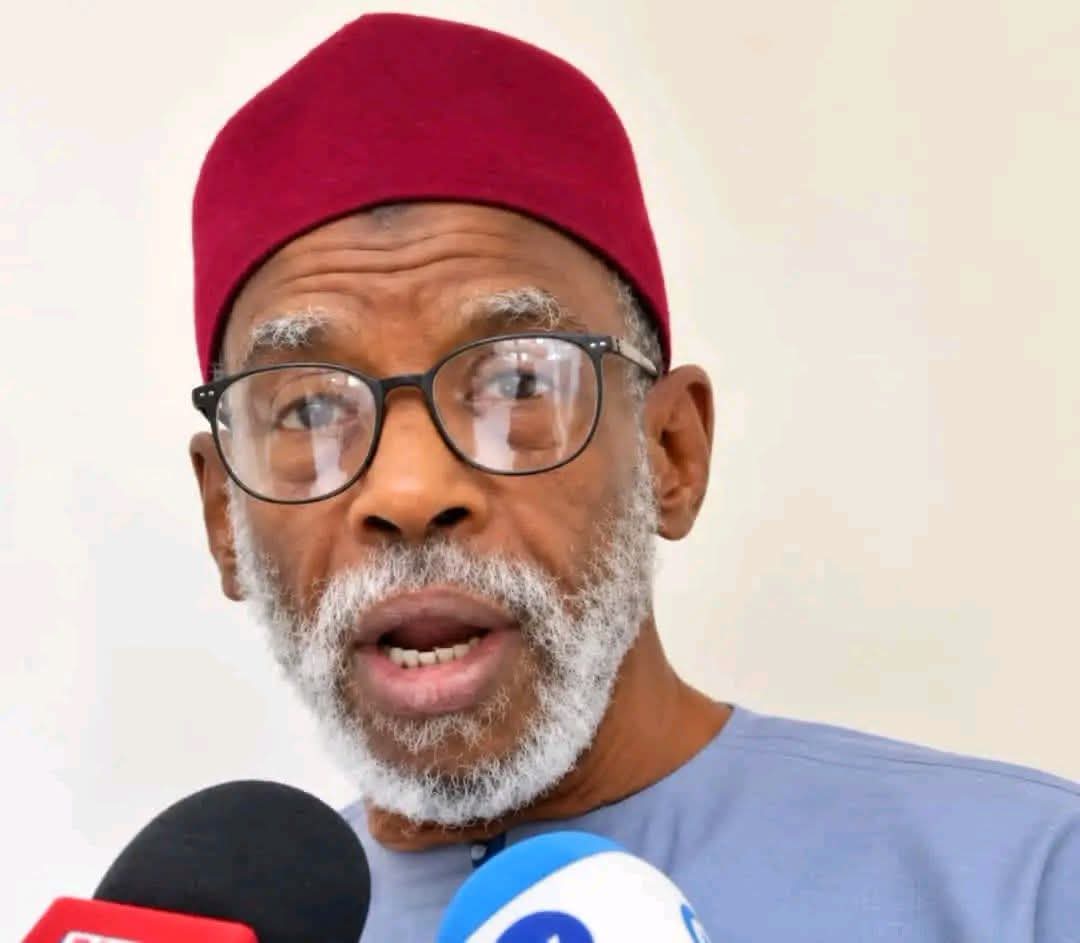
Rabiu Musa Kwankwaso, the vice-presidential candidate of the Nigeria Democratic Congress (NDC) and running mate to the party’s presidential candidate, Peter Obi, has said an NDC government would engage terrorists and other criminal groups in dialogue as part of efforts to end insecurity in Nigeria.

Kwankwaso made the remarks during an appearance on Channels Television’s Politics Today. He argued that residents of communities affected by violence often possess valuable information about those responsible for attacks.

“You see, all these things that are happening today, if you go to the localities, those places where these insecurities are happening, I can tell you people know almost everything,” he said.

“They know their locations, they know the names of all those involved, and so on and so forth.”

He, however, said many residents are reluctant to provide such information to security agencies because they have lost confidence in the system.

“But what is happening now is that many of the communities are even afraid to go forward and tell the security agencies or agents what is actually happening because many of them have done that in the past, and of course, they did not enjoy it,” he said.

Kwankwaso said his administration would restore public confidence and adopt an inclusive approach to addressing insecurity.

“We will give people confidence. We will work with the people, even the terrorists, and of course, the criminals themselves to see what can be done to discourage their action. We will talk with everybody.”

“And of course, if there is any issue that will require the services of the military or other security agencies, I can tell you, we will be very happy to do it,” he added.

Nigeria has faced an insurgency in the North-East since 2009, when Boko Haram launched its violent campaign.

Kwankwaso’s comments come weeks after Peter Obi said he would negotiate with bandits and other armed groups if they showed a genuine commitment to peace. Obi also stated that his administration would promote national unity and engage all groups willing to renounce violence and participate in rebuilding the country.

Scientists Develop Experimental Drug to Slow Aggressive Prostate Cancer

By Sabiu Abdullahi

Scientists at Umeå University in Sweden, in collaboration with partner institutions, have developed an experimental drug that could slow the growth of aggressive prostate cancer and stop it from spreading to other parts of the body.

The findings, which were published in the journal Signal Transduction and Targeted Therapy, suggest the treatment could provide a new option for tackling metastatic prostate cancer.

Maréne Landström, Professor of Pathology at the Department of Medical Biosciences, Umeå University, said the research team identified the biological processes responsible for cancer cell growth, invasion and metastasis.

“The new drug has been developed to prevent metastasis, and we are very pleased and proud that we have been able to identify the mechanisms that drive cancer cell growth, invasiveness, and metastatic spread,” Landström said.

Prostate cancer is among the most commonly diagnosed cancers in men. Although many cases progress slowly and remain non-life-threatening, some become highly aggressive and spread to organs such as the lymph nodes and bones.

To address this form of the disease, the researchers created a fully human antibody made entirely from human proteins. They said the design makes it suitable for further development as a therapeutic treatment.

According to the study, preclinical tests showed that the antibody stopped tumour growth and prevented the spread of an aggressive form of prostate cancer. The researchers added that the treatment works through a newly identified mechanism, which they believe could also reduce the likelihood of side effects.

Landström described the findings as encouraging but stressed that further studies and regulatory approvals are required before the treatment can be used in patients.

“This is a promising step forward, but several important stages remain before the treatment can benefit patients,” she said.

“We still need to conduct additional safety studies, and the treatment must be approved by regulatory authorities in Europe or the United States.”

She added that the project seeks to improve survival rates and the quality of life of people living with advanced prostate cancer. She also credited years of collaboration among researchers, organisations and funding partners for the progress achieved.

The research team plans to investigate whether the same treatment can be applied to other solid tumours.

“The next step is to investigate whether this treatment can also be used against other types of solid tumors,” Landström said.

“We hope that our work will ultimately contribute to the development of a new cancer drug that can benefit patients.”

The study involved experts from the SciLifeLab Drug Discovery and Development Platform, which contributed to the development of the antibody. Additional support came from the Umeå Biotech Incubator at Umeå University, while MetaCurUm Biotech AB funded the development and testing of the experimental treatment.

Tinubu Appoints Fayose as REA Chairman, 25 Others in Major Government Shake-Up


By Abdullahi Mukhtar Algasgaini

President Bola Ahmed Tinubu has approved 26 new appointments across 10 federal government agencies and commissions, with former Ekiti State Governor Ayo Fayose named as Chairman of the Rural Electrification Agency (REA).

Major General Junaid Bindawa (retd.) takes over as Chairman of the National Salary and Wages Commission in the sweeping reshuffle announced on Monday.

Fayose will head the REA board, alongside Alhaji Ahmadu Abubakar and Engineer Ilyasu Ibrahim Makinta as members and non-executive directors. The incumbent Director-General, Abba Abubakar Aliyu, and three previously appointed executive directors complete the board.

At the National Salary and Wages Commission, Bindawa will be supported by eight other appointees. Former Lagos House of Representatives member Olajumoke Okoya-Thomas becomes the commission’s new secretary.

Dr Ogbole Ene Lilian (Benue), Oladele Olatubosun (Oyo), and Yakubu Umar Barde (Kaduna) were appointed as commissioners, while Dr Mai Adamu Yau (Borno), Ginika Florence Tor (Enugu), Engineer Lawrence Okoh (Edo), and Bello Morenike Iyabode (Kogi) join as members.

Tosin Johnson Adeyanju, previously Executive Secretary of the National Lottery Trust Fund, has been reassigned as Secretary of the Revenue Mobilisation and Fiscal Commission.

Dr Abuh Mohammed takes over as Director-General of the National Population Commission, while Dr Akinola Odeyemi becomes Managing Director of the Nigerian Bulk Electricity Trading (NBET).

Dr Anthony Inalegwu Godwin was appointed Chairman/CEO of the Nigeria Atomic Energy Commission, and Engineer Julius Oloro, a former council chairman, is the new CEO of the Kwara-based National Centre for Agricultural Mechanisation (NCAM), replacing Dr A.R. Kamal who died in January.

The Fiscal Responsibility Commission gets a new board chaired by Dr Abdullahi Maikano Saidu, with members including Mohammed Asmau, Mohammed Aliyu Makama, Dr Suleiman Gidado, Louis O. Ndukwe, Amaechi Ugwele, and Olaniyi Idowu Onikola.

Shuni Muhammad Dahiru is the new Executive Secretary of the National Commission for Mass Literacy, Adult and Non-Formal Education, replacing Professor Shu’aibu Shehu Aliyu who was reassigned to the Petroleum Trust Development Fund (PTDF) in April.

At the Federal Housing Authority, Gisaor Vincent Iorja replaces Mathias Byuan as Executive Director, Finance. Byuan resigned to contest the Benue governorship election. Iorja, an economist and legal scholar, currently serves as Secretary of the Benue State Independent Electoral Commission.

All appointments take immediate effect.

Nigerian Soldiers Arrest Suspected Foreign Terrorist Fighter, Illegal Immigrant in Borno


By Sabiu Abdullahi

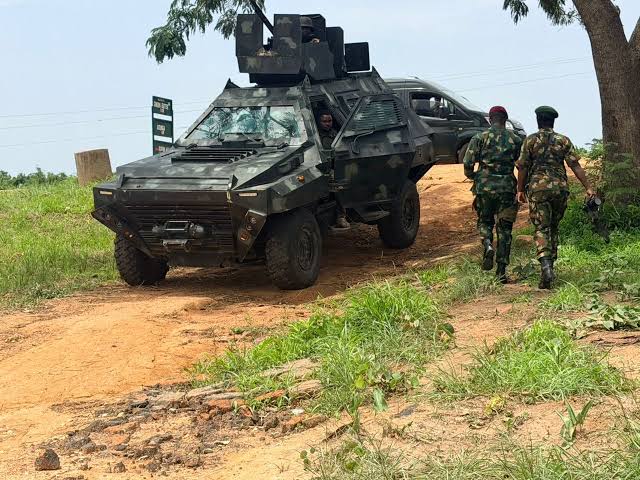
Troops of Sector 4 of Operation Hadin Kai have arrested a suspected foreign terrorist fighter and an alleged illegal immigrant during a security operation in Lassa, Dille General Area of Askira/Uba Local Government Area of Borno State.

The arrests took place at about 11:48 a.m. on July 19, 2026, during an intelligence-led operation conducted by troops of the 115 Task Force Battalion, according to a statement issued by Captain Mohammed Goni, Acting Military Information Officer, Headquarters Joint Task Force (North East) Operation Hadin Kai.

The military identified one of the suspects as 32-year-old Musa Fashir, a Sudanese national. It said he is suspected to be a foreign terrorist fighter and collaborator. Preliminary intelligence, according to the statement, indicates that the suspect has established links with terrorist elements, a development the military said points to attempts by foreign actors to support insurgent activities in the North-East.

The troops also arrested Mary Florence, 36, who claimed to be an illegal immigrant from the Republic of Ghana. The military said it is investigating the circumstances surrounding her presence in the area as well as the authenticity of her claims.

According to the statement, both suspects remain in military custody, where they are undergoing profiling and interrogation. The process is expected to establish their identities, determine the extent of their activities and ascertain any possible links to terrorist groups or transnational criminal networks.

The military said the arrests reflect the effectiveness of its intelligence-driven operations and the vigilance of troops in preventing terrorists and their collaborators from operating freely.

It added that Operation Hadin Kai remains committed to disrupting terrorist logistics, financing and support networks. The military also reaffirmed its determination to prevent the infiltration of foreign fighters and protect communities across the North-East.

The statement urged members of the public to continue supporting security agencies with timely and credible information, noting that public cooperation remains essential to restoring lasting peace, security and stability in the region.

Nigerian Army Disowns Fake SSCC 50/2027 Recruitment Advertisement

By Sabiu Abdullahi

The Nigerian Army has disowned a fake recruitment advertisement circulating on social media and other online platforms, which invites applications for the Short Service Combatant Commission (SSCC) Course 50/2027.

In a statement issued on Monday, the Acting Director of Army Public Relations, Colonel Appolonia Anele, described the advertisement as fraudulent. She said it did not originate from the Nigerian Army.

The Army urged members of the public to ignore the fake notice. It also advised prospective applicants not to submit applications through, patronise or make payments to any individual, group or website claiming to recruit on behalf of the Nigerian Army.

According to the statement, all recruitment and commissioning exercises conducted by the Army are free, transparent and based strictly on merit. It stressed that official recruitment announcements are published only through national newspapers, the Nigerian Army’s verified social media platforms and other recognised official communication channels.

The Army further stated that no recruitment form is sold and that no individual or agent has been authorised to facilitate enlistment or collect money from applicants at any stage of the recruitment process.

It warned those responsible for creating and circulating the fake advertisement to stop immediately. The statement disclosed that security agencies have commenced efforts to identify, arrest and prosecute everyone connected to the fraudulent scheme.

The Army also warned that anyone found culpable would face the full weight of the law.

It reaffirmed its commitment to protecting the integrity of its recruitment process and advised Nigerians to verify all recruitment information only through official Nigerian Army channels. The public was also encouraged to report any suspicious recruitment activities to the nearest military formation or security agency.

Nigerian Military Arrests 6 Suspected Terrorist Logistics Suppliers in Borno


By Sabiu Abdullahi

Troops of Sector 1 of Operation Hadin Kai have arrested 6 suspected terrorist logistics suppliers and recovered a large cache of materials believed to be intended for terrorist groups during an intelligence-led operation in Borno State.

According to a statement issued on Monday by Captain Mohammed Goni, Acting Military Information Officer at the Headquarters Joint Task Force (North East) Operation Hadin Kai, the operation took place at about 4:00 p.m. on July 19, 2026.

The statement said troops acted on credible intelligence and mounted a stop-and-search operation along a route suspected to be used for supplying logistics to terrorists. The operation led to the arrest of the suspects, who were travelling in 5 vehicles and transporting materials allegedly meant for terrorist elements.

Items recovered from the suspects include 202 cartons of herbicides, 1 jerrycan containing suspected acid, 1 Starlink wireless internet communication system, 6 bags of NPK fertiliser, 10 bags of rice, 50 hoes and 20 packs of knapsack sprayer pumps.

The military said preliminary findings suggest the seized items could serve both civilian and military purposes. It added that such materials could support terrorist logistics, mobility, communications and other operational activities. The statement noted that the recovered NPK fertiliser and suspected acid would undergo technical and forensic examination to determine whether they were intended for the production of improvised explosive devices (IEDs).

The statement described the seizure as a major setback for suspected terrorist logistics networks. It added that the suspects and all recovered exhibits have been handed over to the appropriate Military Intelligence Regiment for further investigation. Authorities hope the investigation will identify the intended recipients of the materials, uncover other members of the logistics network and lead to the arrest of additional collaborators and sponsors.

The military also said preliminary debriefings of rescued hostages and families of surrendered terrorists indicate that sustained efforts to disrupt terrorist supply chains have weakened the operational capacity of insurgent groups. According to the debriefings, shortages of food, medical supplies, communication equipment and other essential materials have forced many terrorists to abandon their hostages, families and camps while escaping sustained military operations.

The statement reaffirmed that Operation Hadin Kai would continue intelligence-driven operations aimed at dismantling terrorist support structures. It said troops would maintain pressure on terrorists, their financiers, logistics suppliers, informants and collaborators in order to deny them the resources and freedom of movement needed to sustain their activities.

The military also urged members of the public to continue supporting security agencies by providing timely and credible information on suspicious individuals, movements and activities within their communities.

It said such cooperation remains essential to the success of ongoing counter-terrorism operations and efforts to restore lasting peace in the North-East.

UN Warns Terrorists in Nigeria Are Using Drones, Cryptocurrency

By Sabiu Abdullahi

The United Nations (UN) has raised concerns over the growing sophistication of terrorist groups operating in northern Nigeria, West Africa and the Sahel. The organisation said the groups now rely on drones, advanced communication technology and cryptocurrencies to strengthen their activities.

The warning came during a briefing to the UN Security Council by Leonardo Simão, the Special Representative of the UN Secretary-General for West Africa and the Sahel, who also heads the United Nations Office for West Africa and the Sahel (UNOWAS).

Simão presented the Secretary-General’s latest report on developments in the region. The report covered the period from November 29, 2025, to June 30, 2026. The briefing took place as the Security Council reviewed the political, security and humanitarian situation across West Africa and the Sahel. It also followed the council’s decision to extend the mandate of UNOWAS until January 31, 2029.

According to Simão, terrorist groups have continued to improve their methods, which has made them more difficult to defeat.

“Armed groups are increasingly using drones, sophisticated communications and cryptocurrencies while coordinating operations across borders,” he said.


He noted that the activities of the groups are now closely linked with transnational organised crime. He said their objective is to gain territorial and economic control while undermining public confidence in state institutions.

“The problem is acute, especially in the central Sahel and northern Nigeria,” he said.


“Their actions intersect with transnational organised crime, and are aimed at consolidating territorial and economic control, erosion of public confidence in state authority, with serious damage to social cohesion.”


Simão also stated that Nigeria, Niger and Burkina Faso continue to suffer terrorist attacks, kidnappings and heavy civilian casualties.

He disclosed that about 6.8 million people have been displaced across the region, while another 1.28 million people are now refugees or asylum seekers. He added that women, children and young people remain the most affected because insecurity and inadequate funding have restricted humanitarian operations.

Despite the security challenges, Simão acknowledged some positive developments. He cited the reopening of the Kamba border crossing between Nigeria and Niger. He also referred to progress by the Cameroon-Nigeria Mixed Commission in implementing the 2002 International Court of Justice (ICJ) ruling on the two countries’ land and maritime boundary.

“These are some examples of regional efforts towards dialogue,” he said.


The UN official stressed that military action alone would not end terrorism. He urged governments across the region to address poverty and other socio-economic conditions that fuel violent extremism.

“Fighting poverty and vulnerability must therefore remain a common objective in the broader fight against terrorism. Regional actors are working hard to find solutions,” he said.


Simão also revealed that the Economic Community of West African States (ECOWAS) has renewed efforts to operationalise its standby force, although funding constraints remain a major obstacle.

Shettima Urges ECOWAS Leaders Not To Alter Constitutional Term Limits

By Sabiu Abdullahi

Vice President Kashim Shettima has called on leaders of West African countries to respect constitutional term limits, warning that attempts to alter them could undermine democratic governance and regional stability.

Shettima made the appeal on Sunday during the 69th Ordinary Session of the ECOWAS Authority of Heads of State and Government in Lungi, Sierra Leone. He spoke during a discussion on the future of regional integration in West Africa.

The vice president said Nigeria remains committed to promoting peace, security and democratic governance across the region. He stressed that sustainable development cannot thrive where insecurity and political instability persist.

“Nigeria supports the Compact’s commitment to constitutional governance, the rule of law, respect for human rights, and zero tolerance for unconstitutional changes of government,” he said.


He also urged leaders to focus on good governance, which he described as the strongest safeguard against unconstitutional changes of government and widespread protests.

“I am to add that beyond adventurism, the most effective tool against Unconstitutional Changes of Government and mass protests that is capable of undermining good order is for us to enthrone good governance that delivers more tangible benefits to our citizens.


“We must also avoid the temptation to tamper with the constitutional term limits or exploit constitutional processes.”


The ECOWAS Compact on the Future of Regional Integration is a six-pillar framework designed to implement the bloc’s Vision 2050. The initiative seeks to transform ECOWAS into an institution that delivers practical benefits to citizens in areas such as security, economic integration and digital connectivity.

Shettima described the compact as a forward-looking document that reflects the shared aspirations of the people of West Africa.

“Nigeria recognises the evolving global geopolitical landscape and the Compact’s vision of ECOWAS as a more cohesive, influential, and strategically autonomous regional actor,” he said.


“In an increasingly multipolar world, West Africa must speak with one voice in advancing its collective interests, safeguarding its sovereignty, and building partnerships anchored on mutual respect, equality and shared prosperity.”


The vice president also reaffirmed Nigeria’s support for the establishment of the ECOWAS counter-terrorism force and the strengthening of the regional standby force. He said the measures would improve intelligence sharing, strengthen joint security operations and reinforce preventive diplomacy to promote peace and stability across West Africa.

Boko Haram Abducts Pastor’s Wife, Three Children In Borno

By Uzair Adam

Suspected Boko Haram/ISWAP insurgents have abducted the wife of a pastor and her three children along the Maiduguri–Damasak road in Borno State.

The incident occurred around noon on Saturday near Kareto village in Mobbar Local Government Area, according to community sources.

The victims were reportedly travelling to Damasak, where Pastor Moses Guguma serves as the resident pastor of the Church of Christ in Nations (COCIN), when the commercial vehicle conveying them was intercepted by the armed men.

A community source, who requested anonymity, said the attackers ordered the pastor’s wife and her three children to step out of the vehicle before allowing the remaining passengers to continue their journey.

“The terrorists intercepted the commercial vehicle near Kareto village and asked the pastor’s wife and her three children to disembark.

“They allowed the other passengers to continue before disappearing into the bush with the family,” the source said.

The source added that the pastor’s wife had only recently been discharged from a hospital in Maiduguri and was still recuperating at the time of the abduction.

Another family source, who also spoke on condition of anonymity, alleged that the victims were deliberately targeted because of their Christian faith.

“We are currently holding special prayers, asking God to ensure the safe return of the victims,” the source said.

Damasak, the headquarters of Mobbar Local Government Area in northern Borno, lies about 156 kilometres from Maiduguri and has experienced repeated attacks by Boko Haram and Islamic State West Africa Province (ISWAP) fighters over the years.

As of the time of filing this report, the whereabouts of the victims remained unknown.

Security agencies had yet to issue an official statement on the incident, while the abductors had made no known contact or ransom demand.

Police Arrest More Suspects Over Killing Of Benue Professor, Brother

By Sabiu Abdullahi

The Benue State Police Command says it has arrested additional suspects in connection with the killing of Prof. Gabriel Nyityo and his younger brother, Iorngee John Nyityo, describing the incident as an assassination rather than a robbery.

The Commissioner of Police in the state, Cletus Nwadiogbu, disclosed this during a press briefing in Makurdi on Friday.

He said the two brothers were killed on July 8 in Adaka community. Police officers attached to the D Division responded to a distress call at about 2 a.m. and recovered their bodies.

Nwadiogbu said security agencies immediately activated checkpoints across the area. The effort led to the arrest of the prime suspect, 23-year-old Abdullahi Usman from Awe Local Government Area of Nasarawa State.

According to the commissioner, the suspect was intercepted about four hours after the attack while trying to pass through a National Drug Law Enforcement Agency (NDLEA) checkpoint in Lafia.

“He felt the NDLEA checkpoint was not manned by policemen and decided to walk across. Unknown to him, the officers had already received information about the incident,” he said.


“They searched him, recovered a phone and from the phone we established that he was one of the suspects.”


Nwadiogbu said security agencies in Nasarawa, including the Department of State Services (DSS), expanded the investigation, which resulted in more arrests.

“They have made more arrests of those who came with him, and they have assured us they will hand them over,” he said.


“We are also determined to identify and arrest those who assisted them within Benue because there must have been local collaborators.”


He added that preliminary findings indicate that some criminal gangs responsible for attacks in Makurdi operate from neighbouring Nasarawa State before returning after carrying out their operations.

The police commissioner did not reveal the number of suspects in custody because investigations are still in progress.

He also dismissed reports that armed bandits had established roadblocks on the Makurdi-Lafia highway.

“That information was false. It was the handiwork of enemies who wanted to divert our attention and create panic. We patrolled the road from one end to the other. Nothing happened. People travelled freely throughout,” he said.


Nwadiogbu also clarified that the Inspector-General of Police, Olatunji Disu, had not directed the removal of legitimate police checkpoints across the country.

“We are only removing illegal roadblocks mounted by individuals or groups who have no authority to stop road users. Security agencies will continue to perform their lawful duties on our highways,” he said.


The commissioner further disclosed that the command arrested 10 suspects between June and July over the killing of two Fulani leaders after a peace meeting in Ohimini Local Government Area. He said swift police action prevented the incident from developing into a wider communal conflict involving Benue and Cross River states.

He added that police also neutralised suspected armed robbers and kidnappers in separate operations across Makurdi, Katsina-Ala and Logo local government areas. Officers recovered four AK-47 rifles, six locally made pistols, 23 rounds of live ammunition, two motorcycles, mobile phones and charms.

Nwadiogbu said operatives recovered a stolen commercial motorcycle from a robbery suspect in Guma Local Government Area. He added that raids on criminal hideouts in Katsina-Ala led to the arrest of 15 suspects and the recovery of three bags of substances suspected to be cannabis.

He also disclosed that five suspected herders were arrested in Guma for allegedly grazing cattle on cultivated farmlands, while seven suspects were apprehended in Naka over the killing of a man during the burial of a youth leader.

According to the commissioner, police arrested a woman in Ukum Local Government Area for allegedly setting a house on fire, an incident that claimed the lives of two children.

On cult-related crimes, he said one suspect was arrested after rival cult groups clashed in Makurdi, while 12 suspected cult members were apprehended in Gboko during what investigators described as an annual cult meeting.

Nwadiogbu also revealed that police arrested a suspect linked to the attack on the Otukpo-Nobi community and obtained information about individuals suspected of aiding the attackers.

He further said seven Pakistani nationals intercepted during a security operation at a hotel in Otukpo were found with valid travel documents. According to him, they told investigators they were in Nigeria to conduct a market survey before establishing an electronics business. He added that the foreigners remain under profiling by the State Criminal Investigation Department.