National

You can add some category description here.

7 PDP supporters die, 32 injured in truck accident in Plateau

By Uzair Adam Imam

No fewer than 7 Peoples Democratic Party’s (PDP) supporters died and 32 others injured in a truck accident Saturday in Plateau state.

The victims were reportedly returning from a Zonal rally at Pankshin local government area, the headquarters of Plateau Central Senatorial zone.

Our reporters gathered that the truck, which conveyed the victims, crashed at Jwak village close to the Panyam bridge in the Mangu local government area.

The Director, Directorate of Media and Publicity, Atiku-Okowa/Mutfwang-Piyo Campaign Council, Yiljap Abraham, confirmed the traumatic incident to journalists in a statement.

Abraham in a statement said, “It has been confirmed that seven people lost their lives in the road accident on Saturday evening involving supporters of the Plateau State Chapter of the Peoples Democratic Party.

“They were returning from the PDP flag-off and zonal rally held at Pankshin when their truck crashed on a slope between Pushit and the Panyam bridge in Mangu Local Government Area.

“32 of the passengers sustained varying degrees of injuries. 21 have been taken to Nissi Dominus hospital Mangu, one is at Nanret clinic Mangu and 10 are at the Jos University Teaching Hospital, JUTH.

“Two have been adjudged to be in critical condition with one undergoing emergency surgery at Nissi Dominus hospital. Meantime, the corpses have been removed from the scene and deposited at Allah Na Kowa hospital, Nissi Dominus hospital, and Mangu Cottage hospital.

“The evacuations were coordinated by the Medical Team of the Campaign Council headed by Dr. Juryit, some personal staff of the PDP Governorship Candidate, Barr Caleb Mutfwang with the aid of many sympathizers.

“In his initial reaction, Barr Mutfwang expressed shock at the tragedy. He has asked for prayers and every support to be extended to the grieving families and healing for those injured,” he added.

Cerebrovascular accident and the fairy tales of “Garsa”

By Abba Muhammad Tawfiq

Garsa is a sinister superstition label ubiquitously attached to stroke patients particularly in some Hausa-Fulani community. The conception of cerebrovascular accident as demon-ridden problems is continuously denying its victims the pleasure of urgent medical intervention. This delay in appropriate medical care inevitably complicates the patients’ condition and make it even difficult to treat after all the efforts of traditional treatments have proved abortive.

The vagueness over which the accident is traditionally considered as “being possessed” ailment is refuted and cleared by sophisticated medicinal sciences. This piece will help to comprehensively elucidate more on what cerebrovascular accident and its management entail.

Adequate life sustaining nutrients and oxygen necessitate the survival of the building blocks of life. Hence, the circulatory system is primarily programmed to efficiently execute the function of meeting the fundamental requirements of body tissues and cells. This however can successfully be achieved by the way of transporting nutrients and metabolic wastes to and away from the body. Also, establishing a stable homeostatic state in all the tissue fluids by transporting biological chemicals called hormones from the part of its synthesis to where its effect is necessary in order to ensure an optimally continuous survival and robust function of the body tissues and cells through the means of blood and blood vessels.

Physical and organic pathology that disorient the rudimentary pattern of circulation that shape various tissues give rise to life threatening complications. And this conceptualizes the basis of “STROKE” with regards to brain.

Stroke otherwise known as cerebrovascular accident occurs as a result of an interruption to or loss of blood supply to a part of the brain from an assault to the concerned arterial supply to the brain. The American Heart Association defined stroke as “a disease that affects the arteries leading to and within the brain.

Globally, stroke is said to be the leading cause of morbidity and mortality. It is the No. 5 cause of death and a leading cause of disability in the United States. The current prevalence of stroke in Nigeria is 1.14 per 1000 while the 30-day case fatality rate is as high as 40%.

On pathological ground, the disease lends itself to two categorical divisions, namely; Ischemic stroke and haemorrhagic stroke.

The former is the most common type of stroke and associated with blocked or narrowing of the brain’s blood vessel caused by fatty plagues which build up in the blood vessels or by blood clots or other debris that travel through the bloodstream, most often from the heart, and lodge in the blood vessels in the brain. This consequently leads to the death of brain tissue from poor nutrients and oxygen supply to the brain.

However, the latter occurs due to a rupture or leakage in blood vessel in the brain. This is mainly associated with atherosclerosis or a local dilation of the blood vessel (aneurysm) which leads to the burst of the blood vessel hence leading to hemorrhagic stroke

The predisposing factors that lead to cerebrovascular accident can be categorized into modifiable and non modifiable factors. And the major modifiable risk factor for stroke is sedentary lifestyle. People’s manner of living exerts impact on their state of well-being. Obesity caused by unhealthy diet, excessive alcohol consumption and smoking may result in high blood pressure or deposition of fatty droplets in the arterial wall causing arterial narrowing or bursting, thus consequently leading to stroke. Others include uncontrolled hypertension, gestational or pregnancy hypertension and diabetes.

The non modifiable risk encompasses factors such as family history and ageing. Although stroke does not wreck havoc on any age or age group exclusively, but older individuals are at higher risk of having stroke than other individuals. This is because the complications of ageing are mainly associated with arterial narrowing and loss of elasticity. Hence the susceptibility of the arteries to be damaged by fatty droplets and other debris in circulation, thus; resulting in stroke is high.

History of severe idiopathic headache, dizziness and vomiting are being clinically associated with haemorrhagic stroke. Facial, arm, or leg weakness on either or especially one side of the body denotes the onset of stroke. Other symptoms include confusion or trouble in understanding other people, difficulty speaking, visionary problems, trouble with walking and coordination.

Obesity and or weight control by the means of lifestyle/dietary modification and exercises are the mainstay for the prevention of stroke. The revelation of the aforementioned symptoms of stroke should urgently be reported to a close healthcare facility for immediate care and complications minimization. Notable blood pressure should be regulated through exercises and medications.

Multidisciplinary approach is essential for the effective management of stroke. This comprises a team of a well trained healthcare professionals and most precisely doctors, speech therapist, occupational therapist and physiotherapists. Surgical procedures can also be employed to repair vascular damage in the case of haemorrhagic stroke, while obstruction of adequate blood flow and oxygen supply to the brain by clogged garbage in the vessels can be flushed out through the use of medication.

The physiotherapy specialty covers a wide scope in the management of patients with neurological conditions such as stroke and their aftermath on the body function. Following stroke, patients show and suffer from multiple complications such as muscles flabbiness, accumulation of secretion in the lungs and loss of speech, loss of balance and coordination, which may not be or difficult to manage by medication.

Various physiotherapy techniques are applied to improve muscle physiology, prevent deformity, improve coordination, facilitate airways clearance by removal of accumulated secretions in lungs and improvement of overall quality of life. Physiotherapists therefore bridge this gap by playing restorative and preventive role in restoring the lost function and preventing post stroke complications.

Abba Muhammad Tawfiq, graduate of Medical Rehabilitation, University of Maiduguri, Borno State, Nigeria.

Doctors threaten to shut down hospitals nationwide

By Ahmad Deedat Zakari

Doctors, under the auspices of the Nigerian Association of Resident Doctors (NARD), have threatened to embark on a nationwide strike if the Federal Government refuses to meet their demands. 

This was disclosed in a letter signed by NARD president, Dr Emeka Innocent Orji, on Monday. The letter, which was addressed to the Minister of Health, Dr Osagie Enahire, gave the Federal Government an ultimatum of two weeks to meet the demands of the union. 

Dr Orji said the strike would commence if the issues are not resolved before the union’s National Executive Council (NEC) meeting slated for January 24th to 28th. 

The letter read in part, “Sir, our January 2023 National Executive Council meeting has been scheduled for January 24th to 28th, 2023, and we can confirm very clearly feelers that if these issues are not sorted out before that meeting, our members will likely give us a mandate to immediately kick-start processes that will lead to a nationwide industrial disharmony in the health sector.”

The Daily Reality has observed that Nigeria is witnessing its worst brain drain among doctors recently; the poor working condition is mainly responsible for the situation.

Aftermath of ASUU strike and the hike of university fees

By Safiyanu Ladan

The Academic Staff Union of the Universities (ASUU) embarked on an indefinite strike on the 14th February 2022, following years of unresolved issues with the federal government. During the period of the strike, the union had on several occasions met with the federal government representatives headed by the labor and employment minister Chris Ngige with a clear mandate to find a long and lasting solution to the lingering problems but to no avail as the meetings have always ended in deadlock.

Tired and frustrated with that, In September last year, the federal government through the ministry of labor and employment took the union to an industrial court, praying to the court among other things to order the varsity teachers to resume classes with immediate effect. The outcome of the court’s judgement favored the federal government. Paradoxically, the appellant court refused to entertain ASUU’s appeal, saying that until and unless they obey the lower court’s judgement of going back to classes.

The intervention of the speaker, house of representatives Right Hon. Femi Gbajabiamila has paved the way for the varsity workers to get a soft landing in what seems like an unending fracas with the Federal government.

Prolonged and incessant ASUU strikes were this time around followed by a heavy price as the federal government reiterated that, the no work no pay policy has been duly applied to the striking workers. The federal government decision to withhold their salary has generated heated debates and threats from ASUU, but the government remains adamant. Closing down of Universities is at the detriment of students because they are always at the receiving end.

Having been tried but failed to convince the FG to pay the arrears of the past eight months of ASUU members, the management of some universities have decided to compensate that with an increment of students’ school fees. It’s no longer news that some universities have deliberately increased their fees to more than 100%.

It’s now crystal clear that this increment will affect many students because their parents cannot afford to pay such whopping amount of money as school fees. In the meantime, the mass exodus of students dropping out of the universities most especially in the North is imminent. Leaders and everyone should know this. Many students have expressed their worries on the trend and their final resolve to quit.

Safiyanu Ladan wrote from Zariya City and can be reached via uncledoctor24@gmail.com.

2023 election: Soludu receives Kwankwaso in Anambra

By Ahmad Deedat Zakari

The Governor of Anambra State, Charles Soludo, hosted the presidential candidate of the New Nigeria Peoples Party (NNPP), Rabiu Musa Kwankwaso on Thursday.

Kwankwaso was accompanied by Buba Galadima and other key members of his campaign team to Anambra’s State Government House in Awka. 

Explaining the reason for the visit, Kwankwaso said he was in the state to open the campaign office of his party and decided to pay the governor a courtesy visit. 

Receiving Kwankwaso’s entourage, Soludo commended him for his tenacity and belief in Nigeria. He described Kwankwaso as a man with exemplary public service history, which he called the greatest philanthropy.

Soludo said, “I want to commend your tenacity and belief in the country, your exemplary public service and commitment to our nation. I have always said that those who have something to offer should offer it through public service. Public Service is the biggest philanthropy”

Cashless policy is too early for corrupt nations

By Lawan Bukar Maigana

I keep telling people that it is too early for us in Nigeria as a whole to adopt a cashless policy. It is just obviously too early. Yesterday, I read a post by Prof. Abdelghaffar Amoka of the Ahmadu Bello University, Zaria, in Kaduna State, about his experience with a Point of Sale, PoS, agent.

He had gone to refill his gas cylinders at the cost of 19k+ and he used a PoS machine to pay for it. Though he was debited, the money wasn’t credited to the PoS agent’s account. Rather than waste his time there, he transferred another money to someone’s account to pay for refilling. He would have become helpless if he was moneyless.

Some weeks back, I experienced a similar thing in Abuja. I went to withdraw 5k using a PoS from a woman at the NYSC parade ground. I was debited but she didn’t receive the money. She then told me that she won’t give me the money until she receives an alert. Luckily, I had a paltry sum left in my account. I then withdrew the money using a different PoS. It took my bank nearly ten days to refund me.

Before then, and about three years ago, I had the same experience with UBA. I used my father’s card to withdraw N100,000. I tried six times, but all of the transactions didn’t dispense cash, and he was debited five times. My dad only knew it after a week. He complained to the bank but they denied it, without carefully checking whether the transactions were successful or not.

They had to call me to come from school. I quickly got to the bank because it involved my father. I had to help them understand that the transactions failed. Only then they rechecked and discovered that I was right. That was indeed an issue bordering on unprofessionalism.

If not because of my father I would have sued the bank, because they threatened me with a police arrest, saying it was a criminal case. My father asked me to accept their apology else I would have sought compensation for making me look like a criminal, while they were at fault.

Before going ahead with its cashless policy, another factual and excusable factor the Apex Bank should consider is the fact that most of our businesses are done in cash, especially those trading in rural communities and towns and other remote areas where there are no banks, no network, no internet, no electricity, no education, and these people form a large portion of the Nigerian populace.

The questions I keep asking myself regarding this policy are: Did the Central Bank of Nigeria build banks in those areas? Would the people be traveling from their various villages to cities to transfer, withdraw or deposit money? What did the government do in place of these challenges? Does CBN have enough manpower to do this job even if they have built banks? Did CBN mistake Abuja, Kano, Lagos, Port Harcourt, and a few cities for Nigeria?

These, among other reasons, are the factors I want the CBN Governor to consider. Before they present this policy, they need to put all these things in place and educate people about it so that people will evaluate its strengths and weaknesses, and decide to either oppose or support it. The CBN didn’t do that. It just woke up from its slumber and served it to the Nigerians a la carte. Time will however tell if Nigerians will embrace it, warts and all.

Lawan Bukar Maigana is a social analyst. He writes from Abuja and can be reached via email: lawanbukarmaigana@gmail.com

FG closes 7 petrol depots for selling above government price

By Muhammadu Sabiu 

Seven private depots were closed by the Nigerian Midstream and Downstream Petroleum Regulatory Authority (NMDPRA) for selling gasoline above the N148 per litre permitted by the federal government.

Independent petroleum marketers had complained in recent months that they were purchasing the product from private depots for more than N200 per litre, making it impossible for them to sell the commodity at the government-approved price.

The Authority’s Chief Executive, Engr. Farouk Ahmed, said the depots would be closed until a decision was made on how to proceed while speaking to journalists on New Year’s Eve in Abuja.

Among the companies, he identified were Ardova, Rainoil, TCL, Bluefin, and NEPAL.

According to Engr. Ahmed, two of the depots are in Lagos, two are in Warri, one is each in Oghara, Port Harcourt, and Calabar.

He reassured customers that the closure would not affect the availability of petrol around the nation, stating that there would be enough fuel for about 30 days.

He said that in an effort to lessen fuel shortages, the authority had many discussions with marketers on how to address supply issues that operators were having.

He also noted that certain privately operated depots were found to continue loading the commodity above the government-approved price, despite having obtained the cargo under favourable circumstances.

NIGCOMSAT gets new Managing Director

By Muhammad Auwal

President Muhammadu Buhari has approved, with immediate effect, the appointment of Engineer Tukur Mohammed Lawal Funtua, as the new Managing Director of Nigeria Communications Satellite (NIGCOMSAT), following the retirement of the erstwhile Managing Director, Dr Abimbola Alale, after two terms of 10 years in office.

Engineer Tukur Mohammed Lawal Funtua, an indigene of Funtua Local Government Area of Katsina State, Northwest Nigeria, was born on 24th November 1966.

He holds a Bachelor’s Degree in Chemical Engineering, PGDM, MBA, a Professional Diploma in Education and a PhD in Environmental and Sustainable Development Management in view, at the University of Port Harcourt.

He was, before his appointment, Director, health community affairs, safety and environment with BUA Cement Plc, and served in various capacities, including Health and Safety Manager, Country HSE Manager and Regional Manager for Communications, Public Affairs and Sustainable Development at Lafarge Africa Plc and Group Head, Environment and Community Affairs at  Dangote Cement Plc among others.

Engineer Tukur, who has thirty years of professional experience in manufacturing, process engineering, health, production, safety and environmental management, communications and various other fields, is a Chartered Environmentalist at the Society for Environmental Toxicology and Pollution Mitigation, a Fellow of the Nigerian Society of Chemical Engineers, and the Professional Leadership Practitioners Institute.

He is a Registered Engineer with the Council for the Regulation of Engineering in Nigeria (COREN), a member of numerous professional bodies and institutes.

I know the problems affecting our police, armed forces—Buhari

By Muhammadu Sabiu

President Muhammadu Buhari has stated that improving the well-being of police and military personnel is a priority of his administration.

Buhari spoke at the Police Service Commission’s 2023 budget proposal on Thursday in Abuja.

The Nigerian president noted that reforms were a sacred obligation and that his administration gave top importance to the well-being of police officers.

The morale of the operators will be good, according to Buhari, if they are posted on duty or missions and they are aware that their families are well-cared for.

He was quoted as saying, “I am pretty aware of the problems and challenges confronting the Nigeria Police Force and the Armed Forces.

“The problem is relative to time and resources and this administration has done a lot with the limitations.”

Confusion as CBN does not know quantities of new naira notes

By Uzair Adam Imam

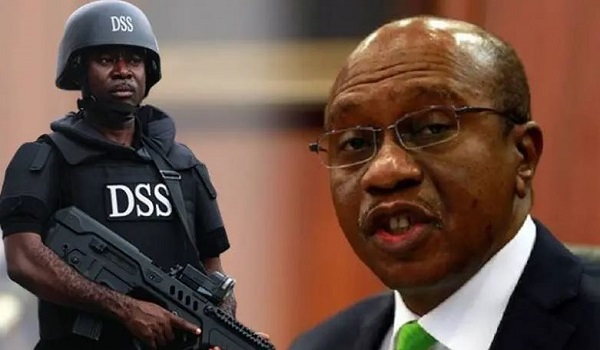
The Central Bank of Nigeria (CBN) says it does not know the quantities of the new naira notes it printed and released for circulation in the country.

The CBN Deputy Governor, Aisha Ahmad, made this disclosure when she appeared before the House of Representative on Thursday.

Ahmad, who represented the CBN Governor, Godwin Emefiele, was before the lawmakers to brief them on the apex bank’s cashless policy and cash withdrawal limits.

The Daily Reality gathered that the lawmakers had on Wednesday requested that Ahmad should appear before the House since Emefiele was outside the country for health issues.

Ahmad was asked by a lawmaker, Sada Soli, about the quantities of the new notes printed due reason to non-availability of the notes days after they were released to the public.

But Ahmad, while responding to his question, said she does not know the quantities of notes printed by the apex bank.