National

You can add some category description here.

Cordoso to clear dollar debts, enhance transparency as CBN governor

By Ahmad Deedat Zakari 

The new Governor of the Central Bank of Nigeria, Olayemi Cardoso, has disclosed some of his plans for the apex bank. 

He disclosed his plans on Tuesday at the Red Chamber of the National Assembly during his confirmation screening. 

Mr. Cordoso promised to prioritise clearing the apex bank’s backlog of unsettled foreign exchange obligations in the near term. 

Cardoso also promised to enhance transparency, fix corporate governance, and ensure confidence in the autonomy and integrity of the bank. 

“We need to promptly find a way to take care of that. It would be naive for us to expect that we’ll be making too much progress if we’re not able to handle that side of the foreign exchange market,” he said. 

The new CBN governor said he would maintain price stability, revert to evidence-based monetary policies, and discontinue his predecessor’s unorthodox monetary policies to bolster the country’s naira currency. 

Cardoso takes over the leadership of the apex bank as the nation battles several economic challenges and falling economic indices, with the naira nearing 1,000/$ at the parallel market.

NLC, TUC declare strike amidst economic hardship 

By Sabiu Abdullahi 

The Nigeria Labour Congress (NLC) and the Trade Union Congress (TUC) jointly declared a nationwide strike scheduled to commence on Tuesday, October 3.

This announcement comes as negotiations continue between the unions and the government, with both parties striving to find common ground. 

In a press conference held in the capital city of Abuja on Tuesday evening, the NLC and TUC called on their state branches to mobilise workers and the public for a series of demonstrations and marches across the nation.

The unions have expressed their concerns regarding the economic hardships faced by Nigerians, particularly workers, following the removal of fuel subsidies. 

It’s worth noting that the NLC had previously initiated a two-day warning strike on September 5th and 6th, seeking to exert pressure on the government to address these pressing issues.

This move sparked ongoing discussions and negotiations aimed at resolving the issues. 

Emmanuel Ugboaja, the Secretary of the NLC, confirmed that the unions are currently conducting their meetings online, demonstrating their commitment to dialogue even as they announce the strike action. 

In response to the strike notice, Mr. Simon Lalong, the Minister of Labour, appealed to the NLC to reconsider their plans.

He reassured the unions that the government is dedicated to addressing their concerns.

Mr. Lalong also highlighted one recent achievement in their negotiations, where the government ordered the release of the head of the Transport Workers Union in the country.

Digital ID and the Nigerian inclusion question

By Muhammad Mikail

“Every person has a right to participate fully in their society and be recognised as a person before the law” (UDHR & ICCPR article 16). Yet, as of 2021, an estimated 850 million globally have no official proof of their identity, which is essential to protecting their rights and enabling access to services and opportunities. Around half are children, and most live in lower-income countries in Africa and South Asia. (2021 World Bank Report on ID Coverage).

The Sustainable Development Goal sixteen-target-nine (16.9) by 2030 seeks to “…, provide legal identity for all, including birth registration.” Interpretatively, the target under this goal of the broader SDGs aims to ensure that every person, no matter their background, babies, women, children, IDPs, refugees and people living with disabilities, have official proof that shows who they are and where they live. The mantra of SDG 16 is to ensure inclusion such that individuals can enrol and be issued IDs, have means of being verified from anywhere, and have a sense of belonging and integration into society, a cardinal point to fighting extreme poverty. 

So many countries like India (Adhaar), Estonia, Philippines, Turkey, Rwanda, and Kenya (Huduma) recognised the significance of having robust digital identity systems in place to help their country secure their pride of place in today’s increasingly digital global economic sphere, and as a sure way of meeting the needs of their citizens and making life easier for them have successfully enrolled all their citizens into a robust digital identity system.

Aside from providing access to the underserved and unbanked population, mostly domiciled in the rural hard-to-reach areas, to loans and credit facilities more conveniently, a robust digital identity system makes the government’s distribution of fertilisers, agricultural inputs, and subsidies to rural farmers effective by eliminating intermediaries thereby strengthening social accountability and transparency. 

In Nigeria, many have some form of identification, from driver’s licenses, passports, National ID numbers and so on, mainly owing to the fragmented nature of the ID ecosystem before now. At various points, Nigerians and legal residents desirous of any of these are subjected to fresh enrolment and biometric captures by these issuing government agencies or agents.  As expressed by a vast majority of Nigerians, this system is cumbersome, essentially insecure, weak, and unsuited for the digital era, and most times fails to safeguard people’s rights and data.  

To address this, the government of former President Muhammadu Buhari, in a show of commitment and a strong desire to harmonise the existing identification ecosystem, prepared a Strategic Roadmap for Developing Digital Identification in Nigeria. The roadmap was endorsed by the Harmonization Committee on January 31, 2018, and by the Federal Executive Council (FEC) in September 2018. The roadmap highlighted the need for a minimalist, foundational, and eco-system-based approach to identification that can be leveraged to improve service delivery in the country.

Part of the recommendation of the strategic roadmap was to create the Nigeria Digital Identification for Development Project, NDID4D, managed by a team to be supervised by a Project Ecosystem Steering Committee (PESC). The Project Development Objective (PDO) is “increasing the number of persons with a national ID number, issued by a robust and inclusive foundational ID system, that facilitates their access to services”. Similarly, the NDID4D project seeks to address the currently fragmented ID system and boost overall ID coverage and use in Nigeria. This is captured under four components: strengthening the legal and institutional framework, including data protection and privacy; establishing a robust and inclusive foundational ID system, including civil registration; enabling access to services through IDs; and project management and stakeholder engagement. 

The Project, whose implementation began in December of 2021, is to, among others, collaborate with all ID-related agencies, ministries, and departments in addressing the challenges millions of Nigerians faced during NIN enrolment, including long processing time, extortions, and administrative errors. It is also mandated to support the FG in the enactment of significant laws, including the Nigeria Data Protection Act, which is the legal framework for the protection of data of citizens in Nigeria, amendment of NIMC, NPC Acts to ensure digitisation and harmonisation of civil registry with the National Identity database, the cybercrimes and cybersecurity Acts, as well laws that protect electronic transactions in collaboration with the Office of the National Security Adviser. In the same vein, the project supports upgrading the National Identity Management Commission, National Population Commission infrastructures, and human capital development and ensures effective engagement of all relevant stakeholders in the ID ecosystem.

These will go a long way in strengthening the National Identification Number and widening the NIN issuance and enrolment net such that every Nigerian and legal resident, including women, PWDs, children, refugees, migrants and IDPs, can enrol, be issued NIN, and can have access to services. Aside from the NIN becoming the single most important form of ID required in Nigeria, the marginalised, underserved, and vulnerable groups, women, children, refugees, migrants, and IDPs will be saved from discrimination and exclusion.

This was echoed by the acting Director General of the National Identity Management Commission NIMC, Engr, Abisoye Coker-Odusote, recently. She said, “In the digital age, integrated identity is the backbone of e-governance initiatives.” According to her, an integrated identity system will strengthen the government’s fiscal management and promote good governance and transparency through inclusivity and social equality. It ensures that marginalised and vulnerable populations are not excluded from government services. 

The significance of a robust, inclusive digital identity system that enables access to services where every Nigerian has a NIN linked to every aspect of life: banking, communications, employment, security, healthcare, education, and social services is too huge to overlook. The issue of digital identity in ensuring inclusion is critical for Nigeria.

Inclusion is a fundamental aspect of a thriving society, and Nigeria’s Digital Identity system plays a crucial role in achieving this. As citizens, we must recognise the importance of having a digital identity and actively participate to ensure no one is left behind.

 The government must also ensure that the new data protection law protects citizens’ data. To achieve all these, the Nigerian government, critical stakeholders, ID ecosystem partners, traditional institutions, including civil society, and the private sector must work with the National Identity Management Commission and the Nigeria Digital Identification for Development Project to ensure no Nigerian and legal resident in the country is excluded from the ID ecosystem. By doing so, we will be on a clear path to a more just, inclusive, equitable, peaceful, and economically prosperous Nigeria for all.

Muhammad Mikail writes from Abuja, Nigeria, and could be reached via email: muhammadnmikail.mm@gmail.com.

FG cracks down on COVID-19 relief funds defaulters, to recover loans through GIS

By Muhammadu Sabiu 

Individuals and small to medium-sized enterprises (SMEs) that have defaulted on the repayment of the N544.2 billion COVID-19 Targeted Credit Facility (TCF) are now under scrutiny as the Federal Government-owned NIRSAL Microfinance Bank (NIRSAL-MFB) takes proactive steps to recover the loans. 

NIRSAL-MFB has activated its Global Standing Instruction (GSI), which will be used to recover the loans, and enlisted defaulting beneficiaries in the Central Bank of Nigeria’s (CBN) Credit Risk Management System (CRMS), preventing them from accessing further credit opportunities. 

The N544.2 billion COVID-19 TCF was disbursed to aid small businesses and individuals during the pandemic. A breakdown of the funds reveals that N261.4 billion was distributed to 643,486 households, N112.5 billion to 114,476 SMEs, and N14.3 billion to 31,462 individuals through non-interest banks (NIB HH). 

In addition, N2.1 billion was extended as loans to 3,523 individuals through the NIB SM scheme, while 32,355 beneficiaries received N118.4 billion under the Agric, Small and Medium Enterprise Scheme (AGSMEIS). 

The Anchor Borrowers’ Programme (ABP) supported 107,035 individuals with N33.8 billion in loans, and the Nigeria Youth Involvement Fund (NYIF) assisted 5,539 recipients with N1.96 billion in funding. 

All beneficiaries of the TCF, during their application process, unwittingly authorized the CBN to institute the GSI on their bank accounts.

This strategic move enables NIRSAL-MFB to deduct outstanding loan payments directly from borrowers’ accounts. This development underscores the commitment of the Federal Government to ensure that the relief funds are repaid as originally intended, and it serves as a warning to those who have neglected their repayment obligations. 

Defaulting beneficiaries will now face stringent measures to recover the outstanding N544.2 billion, as NIRSAL-MFB employs the GSI and CRMS to track and prevent further access to credit. 

The move by NIRSAL-MFB has prompted discussions on the importance of responsible borrowing and timely repayment of loans, especially in the context of government-backed relief programs. 

It remains to be seen how this action will impact the financial standing of defaulters and whether it will serve as a deterrent to future borrowers who may consider defaulting on government-sponsored loans.

Unreported death toll of Muslims in Nigeria 2021-2022

By Abdurrahman Muhammad

The Muslim Rights Concern (MURIC) has accused a section of the media and its allies of continuously neglecting the increasing death toll of Nigerian Muslims but are quick to report the fabricated number of dead Christians at the instance of the Christian Association of Nigeria (CAN).

It has come to our notice that the majority of security-related challenges being faced in Nigeria, most of which result in the death of Muslims, especially when in large quantity are mostly unreported or, at best, under-reported; we at the Muslim Rights Concern (MURIC) have seen this as a ploy to portray Muslims as the perpetrators of these various crimes in Nigeria, ranging from terrorism, kidnapping, cattle rustlings, banditry, etc.

The Muslims have always been complacent, consoling themselves without making noise on various social media platforms whenever the unpleasant news of the death of their brothers and sisters in Islam filters in. This is because Allah has emphasised to us through the Holy Quran that “All Souls Shall Taste Death” (Qur’an 3:185), whereas CAN is always quick at playing the victim card, and its voice can be heard at the seventh heaven.

Social media and traditional news media also become awash with unprintable comments to escalate the incident beyond the real magnitude. The Muslims are, therefore, always at the receiving end. In contrast, Muslims lose the highest number of victims of the security challenges Nigeria is currently facing.

It is a known fact that the majority of the act of terrorism by the dreaded terrorist organisation in Nigeria (Boko Haram) has led to the death of more Muslims than Christians; the terrorist group detonated bombs in metropolitan areas in the northern part of Nigeria where the Muslims have the highest population. It is, therefore, only logical to say that the terrorist group targets Muslims more than Christians; thus, any Christian who becomes a victim is more collateral damage because the real targets are the Muslims.

In an effort to set the records straight, MURIC has carried out a statistical analysis of violent attacks and has gathered data on Muslims who were casualties of various attacks carried out by armed groups such as Boko Haram, the Indigenous People of Biafra (IPOB), armed bandits, herdsmen and the so-called unknown gunmen.

It was discovered that between 2021 and 2022, the total number of Muslims who have become casualties is as high as two thousand two hundred and sixty-four (2,264). This figure is for reported cases. Only Allah knows the exact number of thousands of unreported cases of Muslim deaths.

Of this figure, 1,829 were killed by Boko Haram, 288 Muslims fell victim to banditry, 98 were killed by unknown gunmen, 36 by herdsmen and 13 by IPOB.

We appeal to the Muslim populace not to seek vengeance as Allah is sufficient for us, and only Allah knows the punishment most suitable for perpetrators of the killings. We also remind co-country men to tread softly and not to insult the sensitivity and cool-headedness of Nigerian Muslims; our religion teaches “Peace”, and on that mantra, all our engagements are based.

Lastly, while we acknowledge that efforts made by the security agents are already yielding results, we implore them to increase their vigilance to ensure a prosperous and peaceful nation.

My dream of a united and prosperous Nigeria

By Usman Muhammad Salihu

As a citizen of this great country, my dream of a united and prosperous Nigeria is not merely a wish but a vision that I believe is soon to become a reality. 

Nigeria’s diversity is one of its greatest strengths. With over 250 ethnic groups, various languages, and a vibrant tapestry of cultures, our nation possesses immense potential for creativity, innovation, and resilience. I firmly believe embracing and celebrating this diversity is vital to unity.

As a giant of Africa, Nigeria has abundant natural resources, including oil, minerals, and arable land. Our economy has the potential to thrive, create jobs, and improve the standard of living for all Nigerians. To realise this dream, we must invest in sustainable development, diversify our economy, and ensure that the wealth generated benefits all citizens.

Furthermore, A united and prosperous Nigeria must prioritise education and innovation. Our population is a valuable asset, and by providing quality education, vocational training, and support for research and development, we can unlock their potential and drive economic growth.

To achieve prosperity, we must demand transparency, accountability, and good governance from our leaders. A united Nigeria requires leaders who prioritise the welfare of the people, uphold the rule of law, and work tirelessly to eliminate corruption.

Security is a fundamental prerequisite for prosperity. We must address security challenges, promote peace, and foster an environment where businesses thrive, and citizens can live without fear. 

Investing in infrastructure, such as roads, healthcare facilities, and power generation, is essential for our nation’s progress. This improves the quality of life, attracts investments, and creates job opportunities.

Active participation of citizens in the democratic process is crucial. We must engage in dialogue, vote responsibly, and hold our leaders accountable for their actions to ensure that our collective dream is realised.

Together, we can build a Nigeria where every citizen enjoys the fruits of unity and prosperity and our nation stands as a beacon of hope and progress for all of Africa.

Usman Muhammad Salihu writes and can be reached via muhammadu5363@gmail.com.

Hike in registration fee in Nigerian varsities: A result of FG’s negligence

By Najeebullah Lawan

It becomes a new normal that the Academic Staff Union of Universities (ASUU) embark on a strike to press demand on one issue or another almost every year in Nigeria. This menace has been here since 2009, with each year’s strike becoming worse than the previous one. The feud between ASUU and the Federal Government (FG) has badly, as it is clear, affected the education system in Nigeria.

The battle corners include revitalisation of the universities, providing infrastructure, enhancing research conducts, and reviewing lecturers’ salaries and allowances, among others, as contained in the MoU signed by the Nigerian government and ASUU.

It is essential to note that ASUU is a union of Academic Staff of Universities consisting of [except a few] lecturers from the Nigerian public universities.

These lecturers have wives, children and relatives in the schools they teach nationwide who are under their sponsorship from their hard earnings.

I believe these people will never do anything that could temper with the system because their close relatives and children benefit from it.

Moreover, our lecturers spent decades without substantial review of their salaries despite all the hikes in the price of foodstuffs and other necessities in Nigeria. It is heartbreaking that a university professor earns less than the salary of some government appointees – SAs and PAs.

It is unbecoming to leave these people alone fighting the government that leaves them without the good welfare their counterparts enjoy, even in many African countries. This fight is for all of us.!

In 2020, ASUU stood up to fight for their rights and the students in general, which led to the total closure of all universities in Nigeria. However, the coronavirus pandemic also contributed immensely to the longevity of this strike, making it one of the worst and longest strikes ever in the history of Nigerian universities.

Unfortunately, the Nigerian government did nothing to stop the strike. It betrayed the university lecturers, leaving them and their students stranded amidst a dilemma.

Again, in 2021, there was another strike by the university lecturers who demanded FG to fulfil its promises made in 2012 and 2020. This strike lasted eight months, and the lecturers were not paid a single kobo. As I write this, FG still owes lecturers months’ salaries and areas.

For all the struggle by ASUU, they were doing this for the betterment and standardisation of higher institutions nationwide. However, they got nothing from most of the students and parents in return except insults and mocks.

As of that time, ASUU warned students and parents that if FG defeated them in that fight, there would be a serious problem for students and parents that not everyone could bear.

Defeating ASUU, the Federal Government deliberately refused to fund its universities with enough funds.

As a result, in 2023, there was an increment in registration fees by many universities, such as the University of Maiduguri, University of Benin, University of Lagos, ATBU, ABU and a host of others. However, the one by Bayero University, Kano (BUK), brought a loud noise in the entire north, probably due to its status. Here are some clarifications:

1:- We heard that the university Vice-Chancellor, Prof. Adamu Abbas, made an explanation concerning the situation of the universities in Nigeria, saying that everything related to running the administration of the university is costly.

2:- Recently, ABU extended the resumption date for students due to an outage by the Kaduna Electric Distribution Company (KAEDCO) over alleged millions of Naira debt, which ABU owes KAEDCO.

3:- The monthly budget for running Bayero University is close to N100m. This money is spent on KEDCO for power, diesel, water and security.

4:- The FG is giving only N11m, which represents only 1% out of 10% BUK is spending every month, and the management of the university manages to utilise the system with the little they are getting from the government.

5:- The current economic situation of Nigeria and the Federal Government’s manner towards universities has left the management of Bayero University, Kano, with no option but to increase the central registration fee for students.

Despite these, BUK remains the cheapest Federal University in the entire north except for a few varsities currently in the second semester, and a review of their registration fees could be seen as something inevitable.

Regarding the just concluded points, we can say that ASUU does not hate education, and its fight is for the system’s revival. Also, the increment of university registration comes from negligence by the Federal Government. Meanwhile, without this kind of increment, the system will undoubtedly collapse.

Najibullah writes from Kano, Nassarawa Local Government. He can be reached via najeebullahlawan@gmail.com

President Tinubu orders immediate payment of insurance entitlements to families of fallen soldiers

By Muhammadu Sabiu 

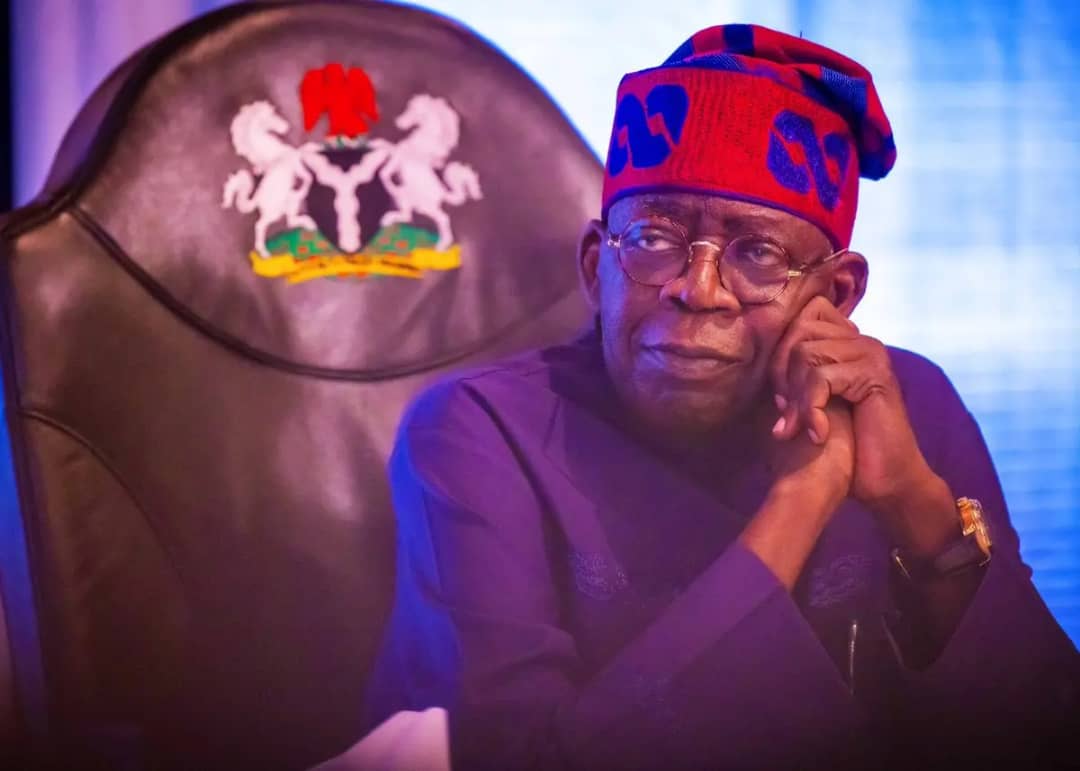
President Bola Tinubu has issued a directive for the immediate settlement of insurance entitlements owed to the families of officers and soldiers who made the ultimate sacrifice while defending the nation. 

This directive, which underscores the government’s commitment to the welfare of its armed forces, was announced by the Chief of Army Staff, Lt.-Gen. Taoreed Lagbaja, during the opening of the Combined Second and Third Quarters COAS Conference on Tuesday in Abuja. Lt.-Gen.

Lagbaja emphasised the paramount importance of the welfare of troops and their families, pledging to strengthen existing welfare arrangements to improve the well-being of both active service members and their loved ones. 

He outlined several key initiatives aimed at enhancing the lives of military personnel and their families, including the provision of suitable living quarters and the introduction of the ‘Affordable Home Ownership Option for All Soldiers Scheme’ to provide affordable, high-quality post-service homes. 

Furthermore, the Chief of Army Staff assured that the Nigerian Army would prioritise the medical care of injured soldiers and continue to support the widows and next-of-kin of those who had fallen in service to the nation. 

Lt.-Gen. Lagbaja expressed deep appreciation to President Tinubu for his directive to promptly settle all pending insurance payments owed to the families of deceased servicemen and for his strategic guidance of the Armed Forces. 

He took the opportunity to reiterate the unwavering loyalty and commitment of the officers and soldiers of the Nigerian Army to the defence of the Constitution of the Federal Republic of Nigeria. 

This directive and the commitment of the Armed Forces leadership underline the government’s recognition of the sacrifices made by its military personnel and their families, affirming its dedication to their well-being and the nation’s security.

One life, one liver: Hello North, a hero has fallen – Adieu Dr Tijjani Ibrahim

By Fadhila Nuruddeen Muhammad

The journey towards becoming a doctor often begins in childhood, driven by a deep desire to help others and positively impact people’s lives. For many, like myself, the path may take unexpected turns, leading to different callings. I recall my childhood fascination with medicine, even playfully emulating the role of a doctor in my school days, using improvised tools such as cloth face masks and hand gloves to “perform surgery” on classmates’ pens. I’d then transfer the ink from one tube to another, all to save my classmates from running out of ink. Life has a way of guiding us, and for me, that path led to journalism.

Tijjani Ibrahim, however, followed his childhood passion to become a committed and dedicated young medical doctor. His journey was filled with promise, but it took an unfortunate turn when he was diagnosed with advanced Chronic Liver Disease, Liver Cirrhosis, a consequence of Hepatitis B Viral Infection in June 2023.

Dr Aisha Danbatta, a medical consultant at Murtala Muhammad Specialist Hospital, explained Hepatitis B as a global health challenge that targets the liver, causing both acute and chronic illnesses. “This virus can be transmitted through various means, such as from mother to child, unscreened blood transfusions, exposure to contaminated materials, sexual contact with an infected partner, and even through saliva. Unlike HIV, Hepatitis B has a longer lifespan, making it easier to transmit.”

Dr Danbatta emphasised the prevalence of undiagnosed cases due to a lack of immunisation, leaving many unaware of their condition. Those diagnosed often struggle to afford vital tests like viral load measurements, which determine the quantity of the virus in the blood and assess the extent of liver damage. Physical examinations, ultrasounds, and fibroscans are also crucial in evaluating liver fibrosis and scarring monitoring the progression of the disease.

Dr Tijjani was first at the National Hospital, Abuja, where he was doing his house job and diagnosed with Liver Cirrhosis at the same hospital in June this year. The cost of his treatment was quite high, and he could not afford it. The National Hospital Abuja could only support his medical bills by creating an official memo. He was later transferred to Aminu Kano Teaching Hospital in Kano.

Hamza Danyaro, a friend of the late Dr Tijjani Ibrahim, explained that “his return to Kano was motivated by the hope that the National Medical Association (NMA) Kano State chapter could provide support. However, it was revealed that to benefit from their assistance, he needed to complete his National Youth Service Corps (NYSC), pay his dues, and work for at least a month or two before becoming eligible.”

“Tijjanii was not strong enough to go through these. Instead, we rallied to seek help from dignitaries such as politicians, the House of Representatives members of his local government in Kumbotso, and organisations. Unfortunately, the lengthy protocols inherent in today’s politics prevented direct outreach,” Danyaro added.

Tijjani was left with no other option than to seek funds. His friends organised the fundraising. The campaign was expected to raise a sense of urgency and necessity to help support a young medical doctor with funds to support his medical bills. This kind of transparency can prompt people to contribute to the cause. But only a tiny amount was raised after several days of campaigns.

Fauziyya D. Sulaiman, a philanthropist with a heart of gold, shared her disappointment on social media, writing, “It’s unfortunate that despite our community boasting politicians and business leaders among us, we couldn’t muster N25,000,000 to support Tijjani. If this were about some trivial matter, you would have seen some of us at the forefront. This is undeniably a disgrace.”

Dr Khalid Sunusi Kani, a medical doctor and health advocate, penned an open letter addressed to President Bola Ahmad Tinubu through Solacebase online newspaper. In this heartfelt letter, he expressed the critical need for Dr Tijjani Ibrahim’s services in Nigeria, emphasising the pressing issues within the country’s healthcare sector and the alarming rate of “brain drain syndrome.”

He wrote, “Your Excellency, Nigerians too are in desperate need of his services, looking at the manpower deficit in the health sector and the rate at which we suffer from ‘brain drain syndrome.’ I strongly believe Nigeria and Nigerians are unprepared and cannot afford to lose someone like Dr. Tijjani Ibrahim.”

Chronic Hepatitis B places individuals at a high risk of cirrhosis and liver cancer, leading to severe health consequences. In July 2023, the World Health Organization revealed that 296 million people were living with chronic hepatitis B infection in 2019, with 1.5 million new conditions occurring yearly. While there is no specific treatment for acute hepatitis B, medicines can effectively slow the progression of cirrhosis, reduce the incidence of liver cancer, and improve long-term survival.

Dr Tijjani Ibrahim died on September 6, 2023. His dedication to the medical field and his efforts to make a difference in the lives of others will be remembered and cherished.

Witnessing a doctor who devoted his life to saving countless others facing such challenging circumstances is genuinely disheartening. He dedicated his life to the mantra of ‘One Life, One Liver,’ yet our society struggled to come together to save his life. In a world where trivial issues on social media can garner an astonishing number of likes, it’s heartbreaking that Tijjani needed just 25,000 people to contribute a mere dollar each or someone who can just pay the total amount.

Tijjani’s story serves as a poignant reminder of the power of collective action and the importance of rallying together to support those in need, especially those who have dedicated their lives to serving others. Let us reflect on this unfortunate situation and take it as a call to action. Together, we can make a difference and ensure that the heroes who dedicate their lives to saving others do not suffer in silence.

“One Life, One Liver”: A heartfelt tribute to a fallen hero leaving an indelible mark on the world. May Allah rest his soul, amin.

Fadhila Nuruddeen Muhammad is a social media influencer based in Kano and can be reached via fadhilamuhd@gmail.com.

Security heightened ahead of Presidential Election Petition Court verdict

By Muhammadu Sabiu In a remarkable display of security preparedness, armed personnel have implemented stringent security measures along the path leading to the presidential election petition court in Abuja. 

This heightened security presence is in anticipation of the crucial judgement scheduled for Wednesday, which will decide the fate of election petitions lodged by opposition candidates. 

An extensive security protocol is visibly in effect, featuring three distinct checkpoints spanning the route from the Ministry of Finance Headquarters to the court’s entrance. 

At each checkpoint, individuals, including lawyers, party representatives, staff, and accredited journalists, undergo thorough verification procedures before gaining access.

Following this initial screening, cleared individuals proceed to undergo comprehensive searches to ensure no prohibited items enter the court premises. Inside the court compound, security personnel are diligently scanning strategic locations for potential explosive devices and other dangerous weapons. 

This enhanced security posture underscores the authorities’ unwavering commitment to maintaining a secure environment during this critical phase of the election petition proceedings. 

Presently, access to the courtroom itself is highly restricted, emphasising the gravity and sensitivity of the impending judgment. The presidential election petition court is poised to deliver its verdict on Wednesday, focusing on petitions filed by prominent presidential candidates. 

Among them are former Vice President Atiku Abubakar, representing the Peoples Democratic Party, and Peter Obi of the Labour Party, both challenging President Bola Tinubu’s election.

The nation is anxiously awaiting the outcome of this judgement. With these extensive security measures in place, it is evident that the authorities are sparing no effort to ensure a peaceful and secure environment as Nigeria anticipates the pivotal verdict in this high-stakes legal battle.