Lifestyle

You can add some category description here.

Sharenting and infant privacy: The hidden cost of sharing our children online

By: Abdulhameed Ridwanullah

On July 22, 2015, the then-spouse of Nigerian Afrobeats queen Tiwa Savage, Tunji “Tee Billz” Balogun, announced the birth of their son, Jamil, on social media with an image of the father and son’s hands. This, no doubt, was an intimate moment. But beneath that act was the normalization of what researchers described as “sharenting”. Sharenting is a pervasive practice of documenting every stage of a child’s life online. From the baby shower, scan pictures, delivery room and other “first” images in the life of the baby documented for public gaze, sharenting has become normalized to an extent that those calling for caution are regarded as old-school.

Sharenting is now recognized globally as a growing digital privacy concern because it exposes children to long-term data risks they cannot consent to. But in Nigeria, the consequences are amplified by our unique digital ecosystem.
What makes sharenting particularly risky in Nigeria is not only what online platforms do, but what we (users) do. On the users’ part, Nigerians’ platform usage has shown a pattern of resistance that outsmarts platforms’ regulations. In my research on platform resistance, I argued that Nigerians have developed what I call a digital okada culture: creative, evasive practices that bypass platform safeguards the same way commercial motorcycle riders bypass formal road rules. Screenshots, screen recording, parallel WhatsApp accounts, anonymous repost pages and third-party aggregators routinely move supposedly “private” content into the open, uncontrolled publics.

We have seen photos of the naming ceremonies privately shared on WhatsApp status, making their way anonymously to Instagram gossip pages like Instablog9ja and other similar gossip blogs. Simply put, a controlled WhatsApp status update can end up on strangers’ phones instantaneously. Our digital culture in Nigeria is a highly porous ecosystem where content easily escapes parents’ control, which complicates sharenting.
It is instinctive for proud parents to want to celebrate their joy with friends and family. Culturally and religiously speaking, giving birth is not a small feat. It is one of the memorable achievements in one’s life.

The magnitude and social significance of it alone are good reasons to celebrate and post children online. For diaspora families, social media posts also help them connect with grandchildren and relatives not seen physically. On the surface, this looks like a harmless practice. But once it is placed inside a digital okada culture, the comfort of “I only shared it with my contacts” becomes an illusion.

Even mainstream financial institutions have begun to warn that oversharing children’s information online can create future vulnerabilities. A 2018 BBC news report indicated that Barclays Bank forecasted that by 2030, sharenting could result in £670 million in online fraud. The bank added that parents might be “lulled into a false sense of security” without grasping the long-term implications of oversharing online. That warning is not just about money; it is about the long tail of our children’s data.


But financial fraud is only a small fragment of the risk. The bigger problem is how children’s data feeds an entire economic system. As I have written previously, the “paradox of social media is that a digital footprint is both transient and permanent”. It is transient because our post quickly disappears from most feeds, but the metadata is stored permanently in corporate databases. This is what Harvard professor Shoshana Zuboff calls surveillance capitalism.


Sharenting allows surveillance capitalism to thrive because parents voluntarily funnel massive intimate behavioural data about their children into algorithms. This behavioural data could be monetised by building a detailed, lifelong predictive profile of the children. According to privacy researchers, children’s photos that people share online are being used to train facial recognition algorithms and AI systems.

Think about that! Our children’s faces are being used to teach machines without our or their consent. Parents’ excitement often leads to the surrender of children’s data to platforms without their consent. Even celebrities who build careers on social media visibility, like Rihanna and Cardi B, are choosing to obscure their children’s faces to mitigate risk. Drake famously raps in the Emotionless track that “I wasn’t hiding my kid from the world; I was hiding the world from my kid”.


Many Nigerian parents take comfort in the illusion of privacy of End-to-End Encrypted messaging platforms. They assume that posting baby photos on WhatsApp Status, especially to a restricted contact list, is safer than throwing them on Instagram. Messages on WhatsApp are encrypted, no doubt; however, that alone does not mean data extraction isn’t taking place.

Metadata about what we share (e.g., baby photos), who we talk to, when, location, duration, and frequency are extractable and shareable data that the platforms can use to build a behavioural pattern.
In other words, even when images disappear, their informational shadows remain.

Beyond the momentary applause and privacy concern, what happens when these children grow up and do not appreciate their lives being displayed online and their privacy being taken away? Teenagers are already suing their parents in Europe for unconsented exposure. It is only a matter of time before a similar conflict emerges in Nigeria. I am not a technological Luddite. Far from it. I am just a concerned technology researcher who cares about the use and misuse of social media.


In a country shaped by digital okada culture, parents cannot assume that what they post about their children will stay where they intended. Sharenting is not just about cute photos; it is about handing our children’s futures to platforms, algorithms and a porous digital public they did not choose.

Nigeria needs greater digital literacy around children’s rights. There is also a need for more public awareness campaigns and discussion about consent beginning at home. Parents must think beyond the moment of joy and consider the digital futures they are constructing for their children.

Abdulhameed Ridwanullah is a researcher at Media for Empowerment and Impact Lab, Northeastern University, Boston, USA. He can be reached at olaitanrido@yahoo.com

When being a girl becomes a risk in Nigeria

By Ummi Umar

I write with a broken heart. A heart so bruised it feels shattered. There is no day I open Instagram, X, or WhatsApp without stumbling on another story that tears at the soul, another reminder that insecurity, banditry, and sheer lawlessness have become a constant shadow over this country. It almost never gets better for us.

For weeks now, it has been one tragedy after another. One kidnapping case replaced by the next. Little girls are taken from their schools. Families plunged into fear. We have reached a point where people whisper painful prayers like “may Nigeria never happen to me”, because we have watched the nation turn against its own.

Only last week, schoolgirls in Kebbi were abducted. And even though news has just broken that they have been freed, the joy of their return cannot erase the trauma of their ordeal or the deeper truth it exposes about our country. In that same week, more than three hundred students were taken from a Catholic school. These were girls who simply wanted to learn, to grow, to dream, to build a life. Their only “fault” was the desire to be educated. And then Nigeria happened to them.

There is no way to describe the agony of sending your child to school and then seeing on the news that she has been taken by ruthless, faceless men. You do not know whether she has eaten, whether she is being harmed, what fears she is battling, or what pain she is enduring. Is it a crime to be a girl child in this country? Why must she carry so much suffering on her small shoulders?

The rate of insecurity in Nigeria today is beyond alarming. And our leaders, what exactly are they doing? Must it be your daughter, your niece, your cousin, your wife before you feel any urgency? Must tragedy knock at your own door before you remember the weight of responsibility?

Those who lead us, those who hold authority, are meant to use every tool within their reach to protect citizens of the Federal Republic of Nigeria. Yet what do we see? Are they asleep? Is ordering schools to vacate the answer? When there is even a whisper of protest, government mobilises soldiers with unbelievable speed. But when children are carried away by bandits, the same urgency disappears as though the nation cannot see what is happening.

If you want to understand misplaced priorities, look no further than Nigerian leadership.

Sending students home is not a solution. It strips these girls of their fundamental right to education. And then what happens when they resume? Will the cycle of fear, evacuation and abduction continue? What truly is the way forward?

Our leaders must seek real, practical solutions to these recurring horrors. They must rise to their duties and be held accountable. Our girls are suffering. They are far too young to bear this kind of trauma. No girl, no child, no human being deserves this. No parent deserves the torment of knowing that their daughter is in the hands of men who may do only God knows what to her.

Our love, our prayers and our support remain with these girls and with their families. We thank God for the safe return of the abducted Kebbi schoolgirls, but we refuse to let that relief distract us from the painful truth that no child should ever have been taken in the first place. 

We continue to pray for every child still in captivity, and for the strength of the families waiting for their return. May our leaders finally be held accountable. May our girls be protected, truly and consistently. And may Nigeria never happen to any of us.

Rabi Ummi Umar is an intern at IMPR and can be reached via: rabiumar058@gmail.com.

Art Xplosion 4.0 makes history in Zaria

By Salim Yunusa

Art Xplosion 4.0, the youth-focused art and mental health festival organised by Friends Advocacy for Mental Health Initiative (FAM Initiative), concluded in Zaria after a week-long celebration of creativity, resilience, and cultural identity. The event, the first of its kind in the city, marked a major step toward exposing young people to art as a tool for emotional expression, cultural grounding, and mental well-being.

Over 100 children and adolescents participated in the program, which featured bead-making, painting, mosaic art, upcycled crafts, gypsum art, traditional performances, cultural showcases, storytelling, and an art exhibition. Participants were drawn from different communities across Sabon Gari Local Government and beyond, including young people with invisible disabilities and those from underserved socio-economic backgrounds.

For the organisers, Art Xplosion 4.0 was more than an event. It was a statement about the role of creativity in strengthening mental resilience among young people navigating social pressure, identity struggles, and emotional challenges.

Program Manager and Lead Artist Aisha Ahmad Ibrahim said the week-long festival reaffirmed her conviction that art remains one of the most accessible and transformative tools for youth mental health. She said, “Art Xplosion 4.0 was truly a wholesome event for me that reaffirmed that what I do is worthy,” she said. “Despite the hassles and rigorous work I handled as Programs Manager and Lead Artist, I genuinely enjoyed every part of the experience, from preparation and procurement to organising and leading my team. The diversity of participants initially made me sceptical about coordination, but art once again proved to be a natural medium of expression. Healthy children, children and youth with neurological and non-visible disabilities, and those from low academic and socio-economic communities all expressed their artistic abilities beautifully. My team and I moved easily between groups to guide and support them. With about 100 participants from almost all parts of Sabon Gari and beyond, Art Xplosion 4.0 was a deeply fulfilling success.”

Curator Jecinta Egbim described the edition as a powerful testing ground for the resilience strategies she teaches adolescents during mental health outreaches. “This year’s Art Xplosion 4.0 was an entire experience, not just for our participants but for me,” she said. “Going through some of the tests of my own resilience strategies, I have seen that resilience is truly the key. Tools like art, effective communication, emotional regulation, support systems and outlets helped us push through.”

She added that the implementation process itself came with emotional and logistical challenges. “We faced hard times, tough ‘no’s, shut doors, and some interesting stakeholder management issues, but we emerged stronger. One of our biggest successes was simply seeing the week through from start to finish. We received multiple reports from adolescents, parents, school owners, community leaders, and caregivers. Even two days after the event, a mother visited our office with her daughter to thank us. It was humbling to see the impact extend into homes. That was the essence of this year’s edition: Art Xplosion should not just be immersive on-site, but a holistic experience that follows participants into their houses, schools, and workplaces.”

She noted that even with less than 20 sponsors supporting 100 participants, the team stayed committed to impact. “Fundraising was tight and discouraging, but our successes outweighed every challenge. It reminded us of what we are really made of.”

One of the program’s partners, NEST AI, highlighted the deeper emotional significance of art for young people. Its founder, Yazid S. Mika’il, said the initiative reflected how creativity can help youths build confidence and shape their futures. “Art speaks to one’s emotions and the core of being… it helps young people realise that they matter, and can determine what a beautiful and healthy future looks like,” he said.

Poetic Wednesdays Initiative, also a partner, expressed satisfaction with the program’s impact. Founder Salim Yunusa said the organisation was proud to support an initiative that brings creativity and healing into the lives of young people in Northern Nigeria. “We are pleased with what this initiative achieved, especially in Zaria,” he said. “We hope to see more of this replicated across Zaria and northern Nigeria at large.”

The Art Xplosion model uses creative expression to help children and adolescents communicate feelings, build confidence, improve emotional regulation, and reconnect with cultural identity. Many of the participants came from families dealing with psychosocial stressors, developmental challenges, or limited access to creative opportunities.

FAM Initiative reported that participants showed improvements in communication, empathy, and artistic expression. Parents and community leaders also noted that the activities helped their children feel calmer, more expressive, and more connected to their heritage.

This year’s edition introduced an expanded cultural showcase, featuring participants who displayed traditional attire, shared cultural stories, and performed dances. The art exhibition and auction also allowed the public to appreciate the creative output of the young participants.

With Art Xplosion 4.0, Zaria has now hosted its first large-scale festival that blends art, cultural pride, inclusion, and mental health advocacy. Organisers say the program’s success has opened a new chapter for community-driven youth development initiatives in Kaduna State.

FAM Initiative announced that future editions will expand mentorship opportunities, deepen community outreach, and strengthen support structures for children and adolescents dealing with emotional and developmental challenges.

As the dust settles on this year’s event, the organisers say their biggest hope is that the young participants, many of whom are experiencing structured art therapy for the first time, will carry their newfound confidence, skills, and cultural pride into the next chapters of their lives. Art Xplosion, they say, is not just an event. It is becoming a movement for healing, expression, and resilience across Northern Nigeria.

When the harvest smiles but Nigerian farmers do not

By Lawal Dahiru Mamman

Nigeria has long been a fascinating case study. Over the past two years, citizens have endured austerity. Government officials, whenever handed the microphone, have often likened the experience to that of a child who must first endure the prick of a needle before receiving the protection of a vaccine.

At the macro level, things are taking shape. The Central Bank of Nigeria (CBN) recently reported the highest Net Foreign Exchange Reserve (NFER) in over three years. According to the April report, the figure marked an increase from $3.99 billion at the end of 2023 to $8.19 billion in 2022 and $14.59 billion in 2021. 

Analysts say this reflects a substantial improvement in the country’s external liquidity, reduced short-term obligations, and renewed investor confidence. The naira, which had been on a steep downward path toward ₦2,000, has rebounded to around ₦1,400—its strongest level in months—as it rallies against the dollar in both official and parallel markets. 

It is on track to end the year on a firm note, buoyed by the growing forex reserves. Additionally, the National Bureau of Statistics (NBS) reported that Nigeria’s headline inflation rate dropped to 18.02% in September 2025, while also announcing an increase in its Consumer Price Index (CPI)—a measure of the change in prices paid by consumers for a basket of goods and services.

The Gross Domestic Product (GDP) has also recorded a growth rate of 3.13 per cent, particularly following the rebasing exercise. Despite these improvements, the common argument remains that such progress has not truly trickled down to the micro level.

Most recently, however, food prices in markets across the country have begun to decline—particularly for rice, a staple that holds a special place in Nigerian households. While consumers have welcomed the news with relief, there is a flipside: farmers are crying out.

In truth, while lower prices delight the markets, they have left many farmers struggling to recover their investments. The government attributes the decline to increased local production through its interventions. Although the federal government opened a window for zero-duty importation of food items, the Minister of State for Agriculture and Food Security, Aliyu Sabi Abdullahi, insists that the fall in prices is due to large-scale agricultural investments under the National Agricultural Growth Scheme (NAGS) Agro-Pocket programme.

Farmers, however, tell a different story. They argue that the massive importation of food items has driven down local prices and left them incurring heavy losses. This is why, as a nation, we must proceed with caution. In reality, low prices can discourage cultivation—especially during periods of high input costs—threatening future harvests and deepening food insecurity.

There must be a balance between food security, farmers’ prosperity, and government intervention. Farmers should be supported through affordable credit, agricultural extension services, and guaranteed market access. The distribution of fertiliser to smallholders and the deployment of new tractors to Agricultural Mechanisation Service Centres will further help to reduce production costs and increase efficiency.

The current situation presents an apparent dilemma. While lower prices may bring short-term relief to consumers, prolonged losses could cripple agricultural productivity and strengthen dependence on imports—placing Nigeria’s food future at risk.

In all that we do, we must choose our approach carefully. Do we import food items to slash prices and win temporary public approval, if indeed such imports are genuine? Or do we double down on domestic production to achieve true self-sufficiency—especially in crops we can grow ourselves?

We must choose our pills carefully. Agriculture was once abandoned for oil, and we paid dearly for importing refined products while neglecting local refineries. Now that there is renewed interest in cultivation, we must not repeat the same mistake.

Lawal Dahiru Mamman writes from Abuja. He can be reached via dahirulawal90@gmail.com.

Kano CDC, FCDO-Lafiya move to fix Nigeria’s outbreak communication gaps

By Sabiu Abdullahi

Nigeria’s long struggle with disease outbreaks has repeatedly shown how weak communication systems can worsen health emergencies.

In recent years, states have battled diphtheria, malaria, meningitis, Lassa fever, cholera and measles, often without clear public guidance at the peak of outbreaks.

In many cases, rumors travelled faster than official updates. Fear spread before facts reached the public. Misinformation filled the gaps left by delayed or poorly coordinated communication.

With memories of these challenges still fresh, the Kano State Centre for Disease Control (KNCDC) has launched a major step meant to strengthen outbreak communication.

This comes through a three-day workshop in Zaria, supported by the Foreign, Commonwealth & Development Office (FCDO) Lafiya Programme.

The initiative seeks to unite health agencies, media professionals, risk communication experts and government institutions to create a stronger, faster and more reliable information system ahead of future outbreaks.

Officials say the programme will help states avoid the costly lessons of the past. During Nigeria’s diphtheria crisis, many communities were unaware of symptoms before outbreaks escalated.

During meningitis outbreaks, myths overshadowed medical guidance in some states. During the COVID-19 pandemic, conflicting messages damaged public trust.

These experiences, experts say, prove that communication failures can be as deadly as the diseases themselves.

The Director-General of KNCDC, Prof. Muhammad Adamu Abbas, declared the workshop open. He said the goal is no longer just to respond to outbreaks, but to communicate with clarity, speed and authority.

“This workshop is about building a united front — where health officials, journalists, and communication experts speak with one voice, guided by facts and science,” Prof. Abbas stated.

He described the partnership with FCDO-Lafiya as strategic, timely and necessary. He commended the organisation for sustained support in improving Nigeria’s health emergency systems.

He added that communication must stand alongside testing, vaccination and treatment in outbreak control.

Participants were drawn from health institutions, media organisations, government agencies and civil society groups.

They are expected to co-design a communication framework that prioritises rapid information flow, public engagement, rumor control and stakeholder alignment.

Facilitators will lead sessions on crisis media handling, digital risk communication, misinformation control, emergency coordination and broadcast-ready public messaging for disease outbreaks.

The workshop will also include group simulations, panel discussions and field scenarios aimed at turning knowledge into practice.

Public health analysts have strongly welcomed the initiative. They say outbreak preparedness in Nigeria must go beyond medical response. They argue that a well-informed public remains one of the strongest defenses during a health emergency.

Observers say Kano is taking a rare but necessary lead. Many states, they note, still lack structured outbreak information systems. Some states depend solely on federal communication during epidemics, leaving gaps in local response messaging.

Some wait until outbreaks are full-blown before launching public awareness efforts. Health experts warn that this delay has repeatedly cost lives.

By moving toward a structured communication plan, Kano is now positioning itself as one of the best prepared subnational systems in outbreak information management.

The workshop continues throughout the week, with officials stating that the final outcome will be a deployable outbreak communication model meant to guide real-time response within Kano and potentially across other Nigerian states.

Maldives introduces generational ban on tobacco

By Maryam Ahmad

The Maldives has become the first country in the world to implement a generational ban on tobacco use, marking a historic step in global public health policy.

According to a statement from the Ministry of Health, anyone born after January 2007 will be permanently prohibited from purchasing, using, or being sold tobacco products within the country. The measure aims to create a tobacco-free generation and reduce the long-term health and environmental impacts of smoking.

Health officials described the policy as part of the government’s broader strategy to curb non-communicable diseases and promote healthier lifestyles among young people in the Maldives.

The Maldives joins a small but growing list of nations considering similar “smoke-free generation” initiatives, with New Zealand having previously proposed a comparable plan before it was repealed.

Authorities say enforcement guidelines and public education campaigns will accompany the new law to ensure effective implementation and community support.

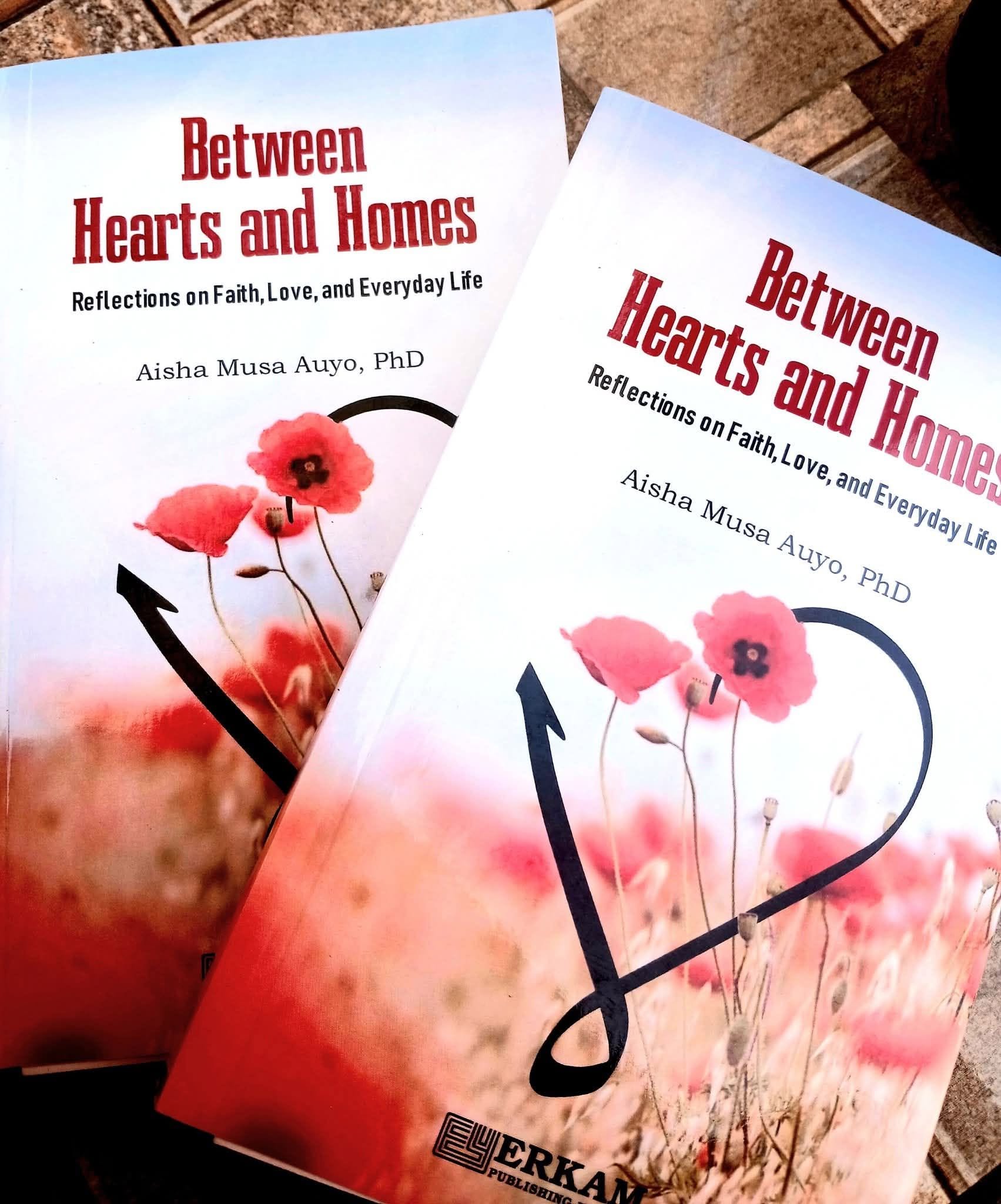
The most important kindness: To yourself, for here, and hereafter

By Aisha Musa Auyo

I preach kindness every now and then—kindness to a spouse, kids, parents, relatives, and others in our lives. But today, I want to dwell on the most crucial kindness… kindness to oneself.

This is a kindness that goes beyond this dunya (this world); a kindness that rewards you with the best of here and the hereafter. Being kind to oneself has many faces, but I’ll discuss the most important ones here:

Prioritising the Akhirah Over the Dunya

This world is merely a temporary place. Try as much as you can to resist the temptation of indulging in sins. Strive to stop any act that you would not love to die doing. Stop procrastinating regarding good deeds. We do not know when our lives will end; no one gives us notice. We owe ourselves this profound kindness: preparing for the inevitable.

The Investment of Sadaqah (Charity)

Giving out sadaqah, even if it’s merely half a date, expiates sins and prevents tragedy. We often spend a great deal on ourselves without calculation, yet when it comes to giving to others, we hold back and start calculating. What we forget is that whatever we give out is multiplied and comes back to us many times over. Whatever we spend only on ourselves ends here.

But you see, when we make other people’s lives easier, lessen their burden, or make them feel better, Allah multiplies that, and the reward is for both here and the hereafter. Whenever we spend on ourselves, let’s try to include those who are less privileged. We are not only helping others; we are being incredibly kind to ourselves beyond this dunya.

The Perpetual Reward of Sadaqah Jariyah (Ongoing Charity)

Let’s discuss Sadaqah Jariyah—a charity, in which the reward continues to reach you even after your death. We can achieve this through various means, such as investing in raising pious children, teaching the Quran, performing good deeds, drilling a source of water, contributing to an Islamic school or any other worthy cause, even if we can’t afford to sponsor it entirely, planting trees, etc.

We benefit more from this benevolence than the people it was intended for. We truly owe it to ourselves to show this type of kindness.

Cultivating Great Relationships

Cultivating good relationships with others, elevating their mood and ranks, making them feel great about themselves, and improving the quality of their lives are powerful ways we can be kind to ourselves. These are the investments that make people miss us and sincerely pray for us after we are gone. We owe this kindness to ourselves—being able to invoke the feeling of longing, missing, and praying for us when we are no longer here.

Sustaining Spiritual Well-being; keeping our mouth moist with Zikr (remembrance of Allah), Istighfar (seeking forgiveness), and Salawat (blessings upon the Prophet); reading the Quran; and constantly upgrading our knowledge and practice of our Deen (religion) is a kindness to ourselves that we should never compromise.

Integrity and Truthfulness

Saying the truth, having integrity and decency, minding one’s business, and having a halal (lawful) source of income is a profound kindness we owe ourselves, for this will be a shield from the Hellfire.

Simple, multiplied deeds

You see, a simple gesture—smiling at strangers, a kind word, an encouraging nod, removing a harmful object from the road, helping or feeding animals, or watering a plant—will go a long way in benefiting us here and hereafter. Angels are praying to Allah that whoever gives out, may Allah increase his wealth, and whoever withholds his wealth, may Allah withhold His blessings from him. So we should never forget that whatever we do, small or big, we shall receive it in multiples.

Being Intentional

One crucial thing I’d like to remind us here is to be intentional about everything we do. Let’s always ensure that our deeds and actions, big or small, are motivated by the reward of our Creator. Let every action or inaction emanate from the craving for Allah’s Rahma (Mercy) and the fear of His punishment. This, indeed, is the biggest kindness we owe ourselves.

Lemme stop here..

Aisha Musa Auyo is a doctoral researcher in educational psychology. A wife, a mother, a homemaker, a caterer, a parenting, and a relationship coach. She can be reached via aishamuauyo@live.co.uk.

All Babies deepens collaboration to strengthen vaccine delivery across northern Nigeria

By Muhammad Abubakar

Efforts to strengthen vaccine delivery systems across northern Nigeria received a major boost as the All Babies program, implemented by New Incentives – All Babies Are Equal (NI-ABAE), convened a two-day Roundtable Meeting of Cold Chain Stakeholders in Kano.

Held at Tahir Guest Palace from October 24 to 25, the meeting brought together 35 participants from state and zonal cold chain offices, development partners, and the Kano State Primary Health Care Board. The focus was on improving coordination, data management, and logistics in vaccine distribution across 14 northern states.

During the technical session, program officials presented encouraging results from the third quarter of 2025. Katsina and Zamfara states recorded the sharpest declines in zero-dose infants, each achieving a 40-percentage-point reduction, while Kaduna saw a 15-point drop. So far, All Babies has enrolled over 5.6 million infants, supported 7,128 clinics, and facilitated more than 85 million vaccinations through conditional cash transfers to caregivers.

Stakeholders at the meeting resolved to improve real-time vaccine data reporting through Nigeria’s OpenLMIS platform, enhance coordination between state and local levels, and push for increased transportation funding via the Association of Local Governments of Nigeria (ALGON) to ease vaccine movement to remote areas.

Niger State’s Cold Chain Officer, Abubakar Hussaini, praised the program’s impact, saying, “All Babies has done a great job increasing vaccination awareness and turnout. We hope the program expands nationwide so every child benefits from these life-saving vaccines.

The roundtable ended with a joint communiqué reaffirming partners’ commitment to ensure that every child, regardless of location, receives timely and essential vaccines.

The quiet decline of memory and the increasing challenge of brain diseases in Nigeria

By Mujahid Nasir Hussain

Every human brain tells a story: of love, memory, and motion. Yet, for many Nigerians, these stories are being erased silently by diseases that steal what it means to be human. Alzheimer’s disease, Amyotrophic lateral sclerosis (ALS), Parkinson’s disease, and other neurodegenerative disorders are creeping into our society, affecting not only the elderly but, increasingly, middle-aged adults as well. Their signs often begin subtly: a forgotten name, a misplaced key, and a trembling hand, until the symptoms grow into something that shatters families and identities alike.

I am writing this piece after World Mental Health Day (October 10) to raise awareness about these devastating but often misunderstood brain disorders, and to emphasise why Nigeria must invest in research that explores the molecular roots of neurodegeneration. Behind every fading memory is a biological story waiting to be told; one that may hold the key to prevention, treatment, and hope.

Globally, neurodegenerative diseases are among the fastest-growing causes of disability and death. According to the World Health Organisation, over 55 million people currently live with dementia, and nearly 10 million new cases are recorded each year. Alzheimer’s disease accounts for about 60–70% of these cases. The burden is not only medical but also social and economic, as families face the heartache of caring for loved ones who may no longer recognise them.

In Africa, the crisis is quietly intensifying. A report by Alzheimer’s disease International estimates that by 2050, over 12 million Africans could be living with dementia, a staggering increase that health systems are unprepared for. In Nigeria, accurate statistics are scarce, but hospital reports and community surveys show a growing number of undiagnosed neurodegenerative cases among the elderly. Unfortunately, in many communities, symptoms of neurodegeneration are still seen through the lens of superstition. Some families attribute forgetfulness to witchcraft or punishment from the gods. As a result, patients are hidden away, untreated, and stigmatised, even when medical help could improve their quality of life.

But beyond the surface symptoms lies a world of molecular complexity. In every neuron, RNA and proteins work together in precise harmony, regulating gene expression and cell responses to stress. These molecules form small, dynamic structures known as RNA–protein assemblies that constantly change shape and function in response to the brain’s needs. When this spatio-temporal regulation is disrupted, the way these structures behave across time and space is disrupted, it can cause proteins to misfold and clump together. These toxic clumps interfere with brain cell function, triggering the gradual degeneration that characterises diseases like Alzheimer’s and Parkinson’s. Think of it like a city whose garbage collectors suddenly go on strike. Waste piles up, streets become impassable, and normal life grinds to a halt. That’s what happens inside the brain when these molecular systems fail. The result is memory loss, confusion, speech problems, tremors, and ultimately, the loss of independence.

Sadly, this understanding of disease mechanisms has not yet translated into practical awareness or local solutions in Nigeria. Our health sector remains focused on infectious diseases like malaria, tuberculosis, and HIV, which are undeniably urgent but overshadow chronic illnesses that also deserve attention. Neurodegenerative conditions receive very little research funding, and only a handful of Nigerian universities have well-equipped neuroscience or molecular biology laboratories. This lack of infrastructure makes it difficult for scientists to explore how environmental, nutritional, and genetic factors specific to African populations contribute to neurodegeneration.

We cannot afford to ignore this any longer. With Nigeria’s population ageing rapidly, the number of people at risk of dementia will rise sharply in the next decade. Families and caregivers already face immense emotional and financial strain. A 2023 study published in Frontiers in Public Health noted that dementia caregiving in Africa often leads to burnout, poverty, and social isolation, especially among women who bear most of the burden. This is more than a medical issue; it is a public health and human rights concern.

Raising awareness is the first step. Nigerians need to understand that persistent memory loss, tremors, or difficulty performing everyday tasks are not normal parts of ageing. They may signal conditions that require medical attention. Community health workers should be trained to identify these early signs, and hospitals should include basic neurological screening as part of routine check-ups for older adults.

The second step is research. As a physiologist, I believe that Nigeria’s greatest untapped potential lies in our young scientists and natural resources. There is growing evidence that certain plant-derived compounds, including those found in Habbatus Sauda (black seed) and other indigenous herbs, have neuroprotective properties. Exploring how these natural products influence RNA–protein interactions could open pathways to affordable treatments tailored to our local context. If supported, Nigerian research could not only advance understanding but also drive innovation in neurodegenerative disease therapy.

Finally, there is the matter of policy. The Nigerian government and health agencies must recognise brain health as a national priority. We need a National Brain Health Initiative, one that funds research, trains neurologists, supports caregivers, and integrates neuroscience into medical education. Just as we have campaigns for malaria and maternal health, we should have campaign awareness for dementia, Parkinson’s, and other neurodegenerative diseases. Without deliberate action, the human and economic costs will be overwhelming in the coming decades.

Our brains define who we are. To lose them is to lose ourselves, and yet millions are slipping away unnoticed. This World Mental Health Day, let us broaden the conversation beyond depression and anxiety to include the silent epidemic of neurodegenerative diseases. Let us replace stigma with understanding, neglect with action, and fear with hope. Nigeria must awaken to this reality — that the future of our nation depends not only on the health of our hearts and bodies but also on the preservation of our minds.

Mujahid Nasir Hussain is a physiologist and an explorative researcher in biomedical sciences with a particular focus on Molecular mechanisms underlying neurodegenerative disorders.

Nigeria’s health sector and the need to review

By Abdullahi Adamu

Poor health facilities in Nigeria stem from severe underfunding, causing inadequate infrastructure, outdated equipment, drug shortages, and breakdowns in essential services like electricity and clean water. This affects rural and primary healthcare centres most, where facilities are dilapidated and staff insufficient. A shortage of medical professionals and brain drain overloads the system, leading to increased medical tourism and poor outcomes. Healthcare access is severely limited due to various systemic factors. 

Misconceptions about primary health care and poor leadership have hindered the health system, which hasn’t aligned its structures to achieve universal health access. Improving financial access alone won’t suffice without comprehensive primary health care reform to fix system flaws, deliver quality, efficient, acceptable care, and ensure sustainability and growth for the health system and country. A primary health care movement of government health professionals, the diaspora, and stakeholders is needed to drive this change and overcome political inertia.

In 2014, the National Health Act established the Basic Health Care Provision Fund (BHCPF) to address funding gaps hampering effective primary healthcare delivery across the country. The BHCPF comprises 1% of the federal government Consolidated Revenue Fund (CRF) and additional contributions from other funding sources. It is designed to support the effective delivery of Primary Healthcare services, provision of a Basic Minimum Package of Health Services (BMPHS), and Emergency Medical Treatment (EMT) to all Nigerians.

Despite the provisions of the BHCPF, the report’s findings expose the precarious state of healthcare in Nigeria, where access to and utilisation of health services remain marred by systemic challenges across states.

Public health facilities in all 36 states and the FCT are deficient, and the experiences of community members seeking care at these facilities are consistently awful.

Primary Health Care (PHC) is the foundation of the healthcare system in Nigeria and serves as the level at which non-emergency, preventive health issues are addressed. But sadly, many PHC centres in the FCT are poorly equipped and lack well-trained personnel.

 Kulo PHC was built with solid infrastructure and equipped with solar panels as part of a 2019 federal initiative aimed at strengthening primary care in hard-to-reach areas. Today, that promise lies in ruins. The solar panels are now dysfunctional—some stolen, others damaged by harsh weather and lack of maintenance. At night, the clinic plunges into darkness, leaving staff to work by torchlight or with dying cell phone batteries.

Three patients on life support at Aminu Kano Teaching Hospital were reported dead following an interruption to the hospital’s electricity supply by Kano Electricity Distribution Company.

The basic causes of Nigeria’s deteriorating health care system are the country’s weak governance structures and operational inefficiencies.

In 2014, the National Health Act established the Basic Health Care Provision Fund (BHCPF) to address funding gaps hampering effective primary healthcare delivery across the country. The BHCPF comprises 1% of the federal government Consolidated Revenue Fund (CRF) and additional contributions from other funding sources. It is designed to support the effective delivery of Primary Healthcare services, provision of a Basic Minimum Package of Health Services (BMPHS), and Emergency Medical Treatment (EMT) to all Nigerians.

Despite the provisions of the BHCPF, the report’s findings expose the precarious state of healthcare in Nigeria, where access to and utilisation of health services remain marred by systemic challenges across states.

Public health facilities in all 36 states and the FCT are deficient, and the experiences of community members seeking care at these facilities are consistently awful.

The Basic Health Care Provision Fund (BHCPF) was poorly implemented in 13 states.

The basic causes of Nigeria’s deteriorating health care system are the country’s weak governance structures and operational inefficiencies

Abdullahi Adamu wrote via nasabooyoyo@gmail.com.