Health

You can add some category description here.

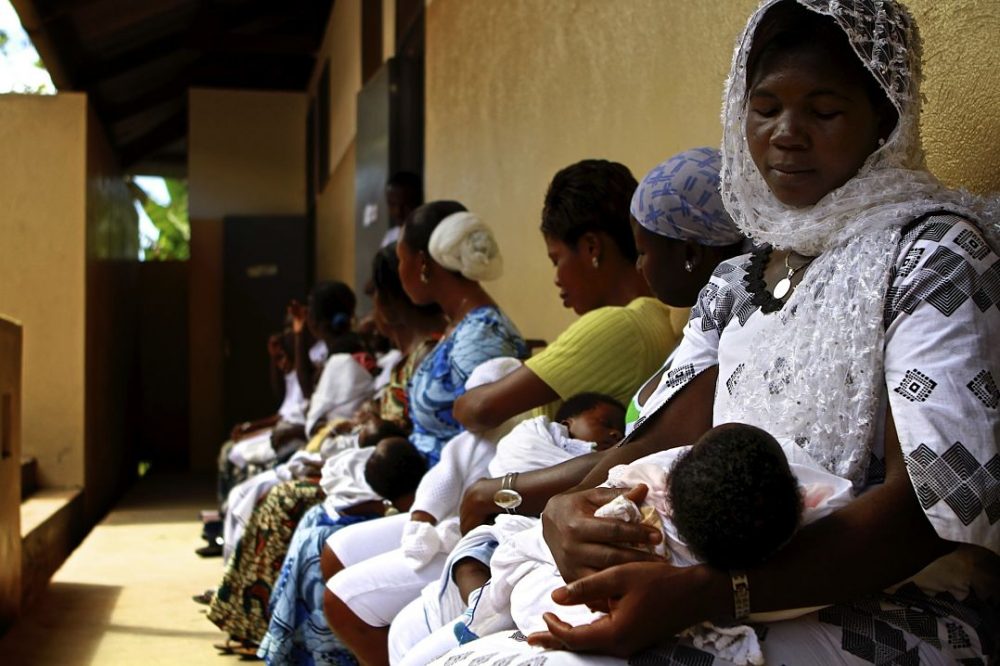
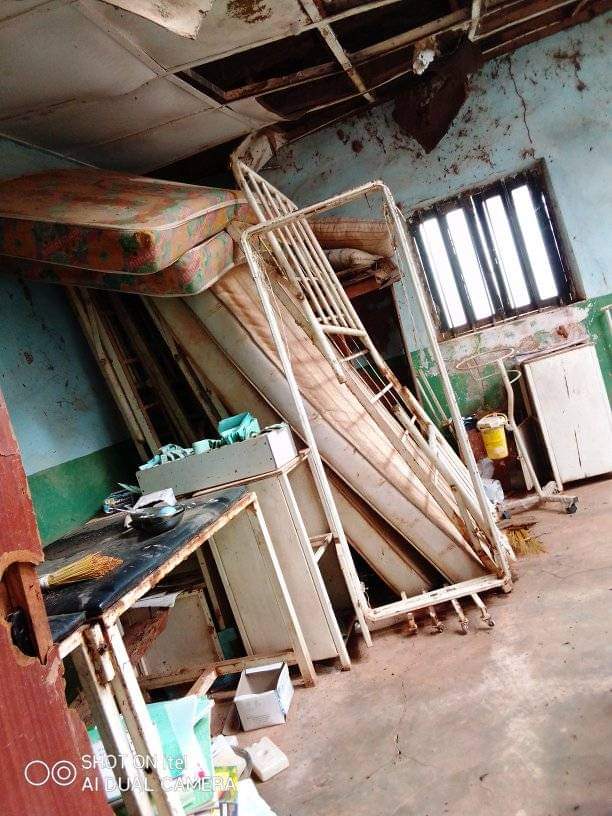
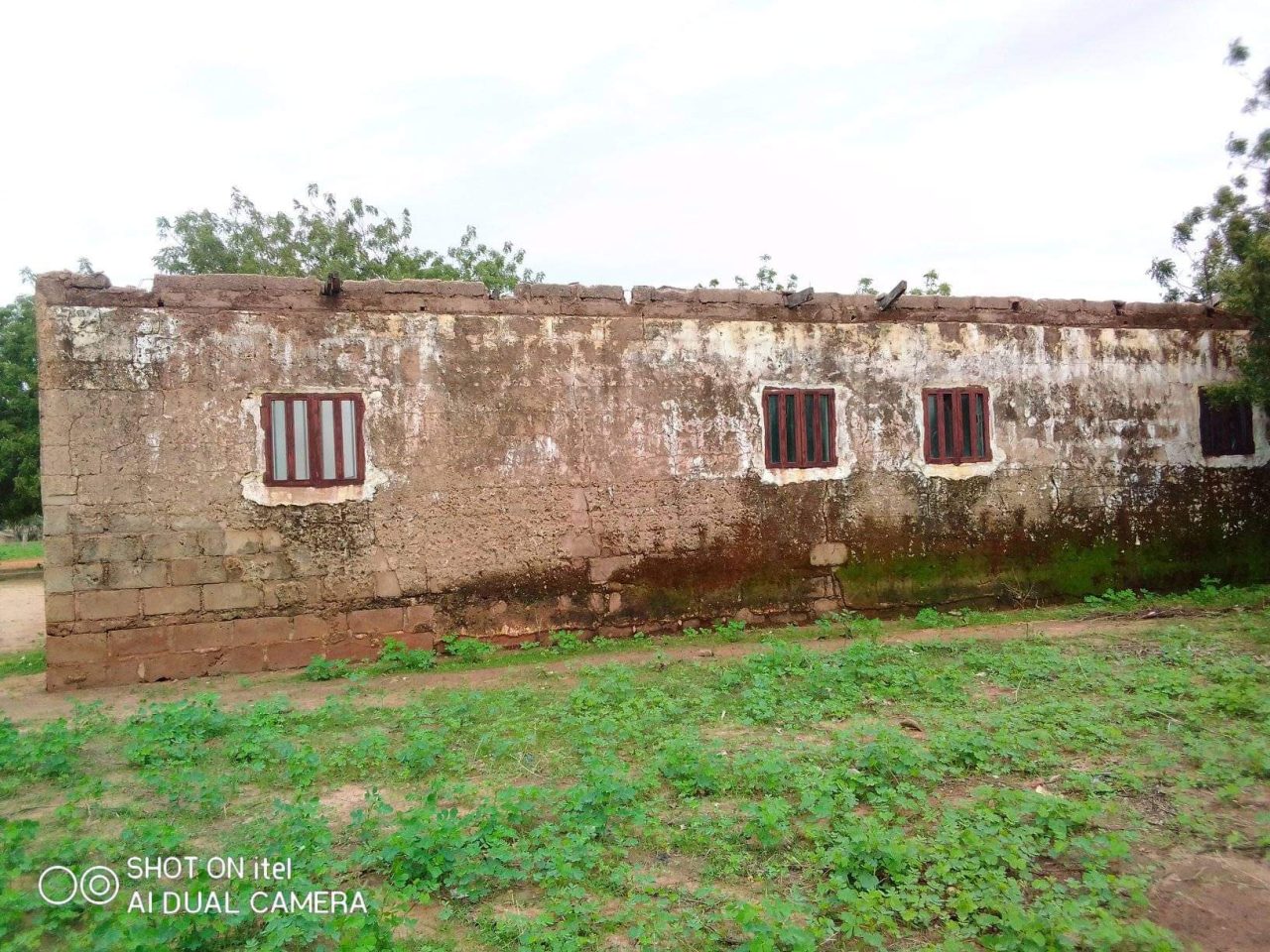
Komi: Who will salvage our maternity clinic?

By Muhammad Rabiu Jibrin (Mr. J) 

It is heartbreaking and horrible that in a country that operates democracy, a nearby house is turned into a medicine store, and no matter the condition of a patient, they can’t be treated in the maternity when it’s raining. Windstorms blew off the roof some time ago. This has been the condition the people of the Komi community found themselves in for a long time despite reports that the gory images of the worn-out structure of the maternity have been submitted to the relevant authorities.

The 22-year-old maternity with a 6442 target population has been in deplorable condition for about 7-8 years.  Owls and other birds made their nests in its ceiling before the damage worsened to the extent that they had no option but to vacate. The staff in the structure reportedly killed two puff adder snakes.  The maternity clinic was built in 2000 by the then Funakaye Local Government Chairman Alhaji Abubakar Abubakar BD to ease people’s lives.

Not more than a month ago, the price of 25 litres jerrican of water skyrocketed from 100 naira – which has been viewed as expensive to any subsistent farmer – to 250 naira forcing many people to sleep on empty stomachs and animals stood thirstily. Until the rain became steady, the rain-softened earth dams retained some water, and the community breathed a sigh of relief from the cancerous lack of drinking water.

As part of their contribution towards curtailing the damages before it went beyond control, every civil servant in the community was tasked with a sum of one thousand naira monthly, which was used in repairing damaged places for a couple of months.

What has been happening could be viewed as an infringement of the right to health guaranteed in chapter 2, section 17, subsection 3(d) of the 1999 Federal Republic of Nigeria constitution. Under the African Charter on Human and Peoples Rights, the  ‘Right to Health’ has been guaranteed.

Also, it has been accorded recognition by many international treaties in which Nigeria is part and parcel. These include the Convention on the Elimination of all Forms of Discrimination against Women (CEDAW) Convention on the Elimination of all Forms of Discrimination (CEFD), the convention on the rights of the Child (CRC), the International Covenant on Economic, Social and Cultural Rights (ICESCR) among others.

It is high time the government came to the rescue of this community. Likewise, non Governmental Organizations and well-to-do individuals should, for a matter of help, come to their aid too.

Muhammad Rabiu Jibrin (Mr J) wrote from Gombe via muhammadrabiujibrin@gmail.com.

Kano: Over 3.1m children to receive supplements against malaria – commissioner

By Uzair Adam Imam 

Over 3.1 million children would receive supplements against malaria, while 2.8 million children would be dewormed, the Kano state commissioner for Health, Dr Aminu Ibrahim Tsanyawa, said.

The Commissioner disclosed that there would be childhood immunization for about 68,135 children, adding that antenatal services would also be provided.

Tsanyawa stated this during a media briefing ahead of the exercise, which begins on Tuesday, July 5, 2022.

He noted that the Kano State Government had identified about 12 million children to receive the seasonal Malaria Chemoprevention for July to October 2022 in the 44 government areas of the state.

The Daily Reality learned that the previous exercise conducted in January 2022 recorded huge success with Vitamin A coverage of more than 88 per cent.

In his words, Tsanyawa added, “the aim was to prevent uncomplicated and similar proportion of severe malaria incidences amongst the age group.”

“We are integrating the two exercises, although the MNCHW is a week-long event conducted twice every year.”

“It has a high impact on low-cost interventions offered to pregnant women and children below the age of five to increase coverage level of preventive and curative health indicators,” Tsanyawa stated.

Covid: Africa receives over 90 million doses, inadequate information, no transparency

By Aisar Fagge

African countries have received over 90 million donations of doses of Covid-19 vaccines to ensure Africans are adequately vaccinated, but inadequate information and lack of transparency and accountability caused a serious problem.

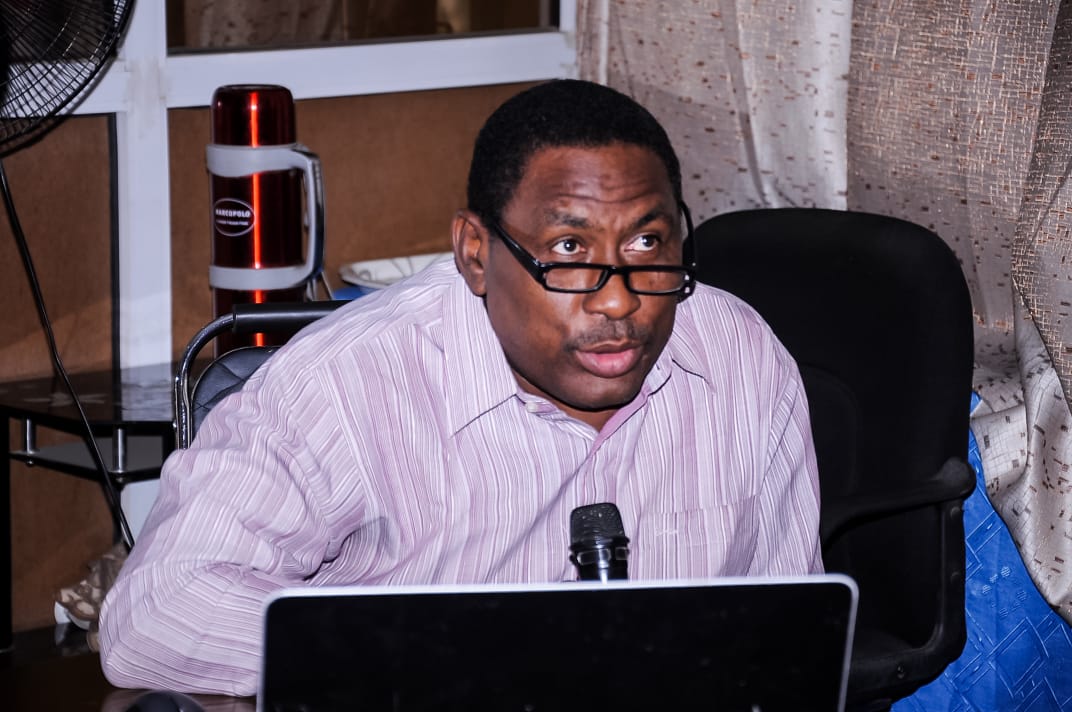
The Vaccine and Essential Drugs Associate of Africa Health Budget Network (AHBN), Khadija Hamid Bobboyi, disclosed this in a webinar organised by AHBN on Thursday, June 30, 2022, to acquaint Media and Civil Society Organisations (CSOs) with necessary information on procurement, delivery and distribution of the vaccine in Africa.

Mrs Bobboyi noted that developed countries, multilateral organisations and corporations have supported Africa at different phases in terms of the supply of the vaccine that ravaged the world.

She revealed that COVAX and African Vaccines Acquisition Trust, alongside other partners, have made vaccines available to African countries.

She stated: “Africa is getting free donations of vaccines and support from the international community; availability of multiple sources of COVID-19 vaccine and at a subsidised rate.

“African Union and Partners have established AVAT to augment donations from the international donor community.”

“African Civil Society Organizations and the populace hardly know or understand the procurement and delivery mechanisms. There is a paucity of information, weak transparent processes which make it difficult to hold governments and their donors to account.”

The AHBN officer, however, decried that there is an uneven distribution of the vaccines among African countries while many donors donate near-expired vaccines with short notice that African countries may not be prepared for its safe keeping.

“Multiple mechanisms may pose a problem because some countries may receive more and others less without proper analysis of which country is in more need of the vaccines. The majority of the donations to date have been ad hoc, provided with little notice and short shelf lives and become expired,” she added.

She described the webinar as “an attempt to begin to change the narrative and empower African Civil Society Organizations, media and the populace with information and promote greater and meaningful participation in the affairs of Africa and COVID-19.”

She finally called on the donors and partners to key in countries’ priorities in their donations, saying, “donations from COVAX and AVAT to African countries must be made in a way that allows countries to effectively mobilise domestic resources in support of rollout vaccination and enables long-term planning to increase coverage rates.”

The convener of the webinar, Dr Aminu Magashi, who is the founder of several NGOs such as AHBN, CHR, and YOSPIS, assured that this kind of webinar would continuously be organised regularly to sensitise media practitioners and Civil Society Organizations on their roles in holding governments accountable on the procurement, delivery and distribution of Covid-19 vaccines.

The participants of the webinar who came from different countries were drawn from media organisations, CSOs and the general public, who were educated on the processes of vaccine acquisition and distribution.

What would be our take home as we celebrated the World Environment Day (WED)?

By Murtala Uba Mohammed (PhD)

In recognition of the importance of environment to human life, the United Nation Environmental Programme (UNEP) sets aside 5th day of every June as the World Environment Day (WED). This year, the world celebrated 50th WED with a theme “Only One Earth”. If everything, this theme was the first theme of the WED and also it signified the importance of protecting the planet earth. Since man has no any other place to call his home other than the earth, it is binding on him to safeguard its sanctity and ensure its sustenance, as well as to do everything possible to maintain its health status.

The planet earth which came into existence some billions of years back, was in a harmonious state with respect to its chemical and biological elements. Although, volcanic eruption and other natural occurrences such as falling of asteroids that occurred in the past, might have induced some modifications to it as the state is always being checked through planet’s self-regulating mechanism, recycling, replenishing and adaptation.

Man’s dominance of the planet which began with his emergence some 200,000 years ago through the current epoch of Anthropocene has made the most significant footprint on the earth. At the early stage, human beings started living in a small number; lived a simple life (without access to any tool) through hunting and gathering things, before man later multiplied (reaching billions) and acquired new technologies to exploit nature to suit his purposes. Through waves of revolutions in agriculture, urbanization, industrialization and information, environment received so much impact from human who introduces, transforms, modifies, hastens many processes and terminates many.

Consequently, with the recent development, environment started to react as earth begins to witness unusual, unfamiliar and difficult to predict events. Issues such as rise in temperature, air pollution, ice melt, flood, tropical storms, drought, desertification, soil desiccation, groundwater depletion and more intensified earth tremors and quakes become regular visitors to the planet. Also noticed is the extinction and disappearance of many species and habitats as well as emergence and re-emergence of new diseases. The main drivers of this change as explained by Intergovernmental Panel for Biodiversity and Ecosystem Services (IPBES) are changes in land and sea use, direct exploitation of organisms, climate change, pollution and invasion of alien species. All these are linked to human activities in the field of agriculture, mining, building of settlements and industries.

Although the drivers may not be sporadic as far as their nature and magnitude, their consequences are ubiquitous. The most vulnerable to the impact are the weaker members of human society and species such as the developing countries due to their poverty and underdevelopment status; the children and women because of their powerlessness and dependency; the disabled and people with special needs; and above all, the none human part of the environment (plants, animals and abiotic components) who may not have the human intellect and know-how (for example) to run for their safety.

At global level, efforts are made through changing and adapting more cleaner energy sources such as solar and hydro, as against the use of fossil fuel based energy which is harmful to the ecosystem and equally contributing to carbon accumulation into the atmosphere; switching to green technology through recycling of resource and producing environmentally friendly technologies and product; better and less environmentally damaging agriculture such as zero tillage, less to zero acreage farming, control grazing, integrated organic farming; as well as changing to green engineering, climate smart engineering among many other things. Rehabilitation, reclamation and restoring the damaged ecosystems are also receiving priorities through such projects such as Great Green Wall.

In spite of this effort at global level, we need to look inward and see what we are doing/can do at local level to help in solving the global problems while at the same time addressing our local issues. The population, particularly those in rural areas should be empowered through knowledge and economy to embrace changes in the areas of sustainable climate, smart agricultural practice, afford better technologies and change to clean energy. With current economic shock, low income, and high cost of accessing cleaner energy sources such as solar, we are indirectly encouraging Nigerias’ poor to continue using wood fuel and inflict more damages to our fragile ecosystem. When farmers are left at the mercy of nature, doing little to nothing to subsidize them or improve market price of their goods, the agricultural output will remain low and the demand for more land will continue leading to destruction of forest and reserves. Only when farmers are getting sufficient income, they will save enough and be able to send their children to school. This will address the current rural-urban drift which is making it difficult for city administration.

Environmental planning is one area we need to do a lot in Nigeria. Respect for nature and natural world is very fundamental. City folks should have access to open spaces, recreational areas and parks. Our built brown ecosystem should be sandwiched with grassy greenish and watery bluish ones to achieve harmony. Presence of all living things is fundamental to the environment. Cities soundscape should be a blended one, with presence of both manmade and natural (such as birds, insects and reptiles) sounds. Workability should be encouraged for both health improvement of resident and for carbon off-scaling in our urban area. We also need to revive and improve our local technologies and architectural designs to make it environmentally friendly.

Health and safety of residents should be given a priority. While, sharing the moment of grief in Kano State, as over 200 residents inhaled unknown gas and ended up in hospital, we hope such things will not happen again. The state recently faces problem of water scarcity particularly in the metropolis where a 25 litre water container cost between 60 to 100 Naira. This has implication on health and sanitation of the populace who are now taking water whose quality is highly questionable. The state should do more on water provisioning and supply. Water policy should also be implemented in order to check the current rampant proliferation of boreholes whose future implication is likely a doom.

In a nutshell, WED is a good time to reflect and ponder. It is time to think more about environment, make it healthy and support its sustainability. It is a moment for all hands to be on deck to achieve sustainable development where a balance will be achieved between built and natural ecosystem. All stakeholders including the policy makers, the professionals and media have roles to play in this endeavour. It is right to advocate for a healthy and sustainable environment.

Murtala teaches Geography at Bayero University and can be reached via his email, murtalamuhammadu@gmail.com

Fatal accident leaves six bride-conveying relatives dead in Jigawa

By Muhammad Aminu

A fatal accident has claimed the lives of six (6) persons on their way to Hadejia in Jigawa State after conveying a bride to her matrimonial home on Sunday.

The victims were returning to Hadejia after they conveyed a relative-bride to her matrimonial home in Yalleman town. Jigawa State Police Public Relations Officer, SP Lawan Adamu, said in a statement that a black Lexus vehicle somersaulted when its tyres busted abruptly and the driver lost control.

“The accident involved a motor vehicle, Lexus, black in colour with Reg No. AAA 153 EA, driven by one Habib Habib Tall ‘M’, age 30yrs of Yalleman Quarters, Kaugama LGA. The car carried eight (8) passengers who conveyed the bride from Hadejia to Yalleman.

“On reaching Gidan Sugar, on their way back to Hadejia, while on motion, both the rear and front tyres were removed, and the driver lost control, the vehicle somersaulted and swarmed by the roadside, the statement noted.

According to the Police Spokesman, only two persons survived the accident, while a doctor confirmed the others dead.

He said: “Six persons were confirmed and certified dead by a medical doctor while receiving treatment. They are; Baba Rabi’a Aliyu ‘f’ age 50yrs; Ummi Abubakar ‘f’ age 30yrs; Aisha Soja ‘f’ age 27yrs; Radiya Turaki ‘f’ age 3yrs; Kabir Sani ‘m’ age 2 and a half yrs, all of Wunti Quarters Hadejia LGA; and Habib Habib Tall ‘m’ age 30yrs of Yalleman Quarters, Kaugama LGA.”

He said the remains of the deceased had been released to their relatives for burial arrangements. He said the survivors are on admission receiving treatment at Hadejia General Hospital.

He further advised motorists to be checking their vehicle’s tyres, brakes and other essential parts before embarking on any journey.

The Police, therefore, cautioned drivers to avoid overloading, overspeeding, using hard drugs, alcohol and on a night journey to avert fatal accidents on roads.

Flood kills 3, destroys 2,250 houses in Kano

By Muhammad Aminu

No fewer than three (3) persons had been killed, and 2,250 residences were destroyed by flooding and windstorm in Kano in June.

The Executive Secretary, Kano State Emergency Management Agency (SEMA), Dr Saleh Jili, told journalists in Kano as his agency is poised to face the challenge during the rainy season.

Dr Jiji also confirmed that five LGAs in the state were affected.

The Nigerian Meteorological Agency (NIMET) had predicted that there would be flooding in 32 States of the federation this rainy season. According to the Secretary who attributed the calamity to the indiscriminate dumping of refuse in waterways and drains, said the affected Local Government Areas are Rano, Kibiya, Doguwa, Dambatta and Kiru.

He, therefore, urged residents to desist from such bad practices to avert a recurrence of such disasters, just as he pledged his Agency’s preparedness to respond to emergency situations, carrying the people along in the process.

“On June 9, the Agency organised a stakeholders conference to brainstorm on disaster risk reduction and disaster management.

“We sensitised religious leaders and heads of communities in the five emirates on how to manage heavy rainfall that was predicted by NiMet. We also used the media, markets and other gatherings to sensitise the residents on the need to ensure easy flow of water in their places,” he said.

He said that Kano State has commenced planning ahead of anticipated 2022 rainy season flooding in many parts of the state.

He said the State has started stockpiling relief materials in response to the NIMET’s prediction about the possibility of more flooding.

According to Dr Jiji, Kano State Emergency Management Agency (SEMA) is on alert in case of any emergency situation. The state also designated places to serve as temporary shelters for those to be displaced by the anticipated disasters.

Pundits attribute the frequent occurrence of flooding in urban and rural communities to the unwholesome habit of building structures on waterways, as well as dumping Refuse in drains.

On his part, the Territorial Coordinator, National Emergency Management Agency in Kano, Dr Nuradeen Abdullahi, assured that his Agency was prepared to respond to any situation, adding that there were enough relief materials in stock.

He stated that although there were many factors responsible, blockage of waterways by residents was a major factor, hence the need for a change of attitude.

Kabiru Getso, Kano State Commissioner for Environment, said the government had been engaging in the evacuation of Refuse as part of its “Keep Kano Clean” campaign.

“So far, more than 70,000 linear meters of drains have been de-silted, and more than 1,600 strips of silted materials have been evacuated from drains”, he revealed.

Getso also revealed that the state had submitted the ‘State Pollution Control Bill’ to the state House of Assembly, which had passed through the second reading.

“If passed, the state will have laws criminalising environmental offences such as indiscriminate dumping of refuse and other forms of environmental pollution,” he said.

Word leaders condemn the US Supreme Court on abortion rights

By Ahmad Deedat Zakari

The United States Supreme Court in a draft opinion voted against the nearly five decades-old precedents in the landmark abortion case of Roe V Wade on Friday. The court held that there is no longer a federal constitutional right to an abortion.

The judgement overturned the decision in Roe V Wade. The majority of the justices of the court are of the opinion that the decision in the old case of Roe V Wade was reached in error and the American constitution did not expressly contemplate such rights.

“Roe was egregiously wrong from the start. Its reasoning was exceptionally weak, and the decision has had damaging consequences. And far from bringing about a national settlement of the abortion issue, Roe and Casey have enflamed debate and deepened division,” Justice Samuel Alito wrote in an initial draft majority opinion.

The opinion of the US Supreme Court has elicited condemnation from leaders around the globe.

President Joe Biden has described it as “a tragic error” and urged states to enact laws to allow the procedure.

Former President Barack Obama described the judgement as an attack on the freedom of Americans

“Today, the Supreme Court not only reversed nearly 50 years of precedent, it relegated the most intensely personal decision someone can make to the whims of politicians and ideologues—attacking the essential freedoms of millions of Americans.

Across the country, states have already passed bills restricting choice. If you’re looking for ways to respond, Planned Parenthood, The United State of Women, and many other groups have been sounding the alarm on this issue for years—and will continue to be on the front lines of this fight, ” Obama posted on his Facebook page.

Canadian Prime Minister, Justin Trudeau, on Friday joined other leaders in condemning the judgement. He described it as horrific.

“The news coming out of the United States is horrific. My heart goes out to the millions of American women who are now set to lose their legal right to an abortion. I can’t imagine the fear and anger you are feeling right now,” Trudeau tweeted.

Trudeau further explains that the decision of what a woman does with her body is solely hers, and not for the government or anyone.

“No government, politician, or man should tell a woman what she can and cannot do with her body. I want women in Canada to know that we will always stand up for your right to choose,” He explains.

The British Prime Minister, Boris Johnson said the judgement is a big step backwards.

“I think it’s a big step backwards. I’ve always believed in a woman’s right to choose and I stick to that view, and that’s why the UK has the laws that it does.”

French President, Emmanuel Macron also pledged solitary with American women after the Supreme Court Overturned Roe V Wade.

“Abortion is a fundamental right for all women. It must be protected. I express my solidarity with the women whose freedoms are today challenged by the Supreme Court of the United States of America,” Macron said.

On the need to establish the Federal Medical Center Rigasa

By Abdullahi Yusuf

In our dear country Nigeria, the responsibility of providing health care to local communities is shouldered upon Local Governments through primary health care. State Governments are responsible for taking care of any facility under secondary health care, while Federal Government on the other hand is responsible for handling Tertiary Health Care Institutions which include (federal or state) university teaching hospitals or Federal Medical Centers (FMCs).

Contemporarily, there are 22 FMCs in Nigeria located in different states of the federation. In operationalizing the policy of providing health care services to Nigerian citizens, the Federal Government decided to establish one tertiary health institution in each state in which FMCs were established in states that do not have a University teaching hospital. However, there was an exception in the case of Lagos State which has both a University Teaching Hospital and FMC at the same time. This might be due to its population density and the commercial activities in the state.

Kaduna is the third most populous state in Nigeria with more than 5 million people as per 2006 census data. The number could be double today. Rigasa, a ward under the Igabi Local Government Area, is considered the fastest developing area in terms of population, with approximately 3 million people according to Wikipedia.

People living in Rigasa commonly faced limited access to good health care, having just two primary health care centres and one general hospital which are not enough to cater for the health need of the populace. There are quite a numbers of private hospitals which supports the provision of health care to the people of the community but could only be patronized by well-to-do members of the society.

With regards to the limited accessibility of quality health services by the people of Rigasa, the senator representing Kaduna central Mallam Uba Sani sponsored a bill for an Act to establish the Federal Medical Center Rigasa. According to him, this will bring much-needed relief to inhabitants of the hugely populated area, who for long have to travel long distances to get medical attention. This is a commendable effort by Senator Uba Sani and history will never forget his kind gesture towards the people of Igabi Local government and Kaduna State at large.

In 2019, if we can remember, Senator Uba Sani raised a motion with regards to a measles outbreak in Wusar village, which is under the Gwaraji ward of Igabi LGA. The Senate directed the Center for Disease Control (NCDC) and National Primary Health Care Development Agency to take measures that would address the outbreak. It also directed the NCDC to set up an office in the local government as a matter of urgency.

The bill for an Act to establish Federal Medical Center Rigasa passed its first reading on the 19th of November, 2019. And subsequently, passed its second reading on the 17th of December, 2019. The bill passed its third reading on the 3rd of December, 2020. It is currently awaiting assent by President Muhammadu Buhari, which will pave the way to the commencement of the work.

The boon of establishing FMC Rigasa can not be overemphasized as it will bridge the gap of accessibility of quality health care services by the people of the community and the state at large. It will also provide easy access to more sophisticated healthcare services by making available technologically advanced machines and equipment for the diagnosis and treatment of diseases of all kinds. It will also provide intensive manpower in taking care of patients and operationalizing the sophisticated health care services.

Socioeconomically, the establishment of FMC Rigasa will undoubtedly boost the macro and micro economy of the state by reducing the rate of unemployment among the graduates, promoting business activities of SMEs and increasing revenue generation for the state government. The huge economic impact of the Rigasa Train Station on the inhabitants of Rigasa and Kaduna State at large is obvious to all. Moreover, this impact will surely duplicate itself beyond expectation when the FMC is established.

It has been a well-known fact that Rigasa inhabitants are die-hard supporters of President Muhammadu Buhari, and they have never compromised their support regardless of the situation of the country. This is a great chance for  Mr President to reciprocate the gesture and prove his appreciation for his long-standing support by okaying the bill for commencement of work.

In conclusion, I will like to appeal to all concerned individuals who in one way or the other can support the actualization of this dream to help in pushing this agenda till it becomes a reality. Kaduna state government under the leadership of Mallam Nasir ElRufai have done a lot for Rigasa. Still, we will not relent in soliciting this one more favour concerning actualizing FMC Rigasa. Zazzau Emirate under the leadership of Amb Ahmad Nuhu Bamalli as well can help in facilitating this agenda, and finally Federal Ministry of Health under the leadership of the Honourable Minister of Health, Dr Osagie Ehanire should kindly help in facilitating the actualization of FMC Rigasa.

Abdullahi Yusuf is a student in Human Kinetics and Health Education Department, Bayero University Kano. He wrote from Rigasa, Kaduna, via abdoolphd@gmail.com.

Brain Drain: Who is to blame for the mortal exodus of Nigerian doctors? 

By Dahiru Mamman 

Undoubtedly, one cannot overemphasize the importance of health. Doctors ensure that we stay healthy and when we are knocked down by diseases, no matter how severe, they perform their magic to lift us. According to Mahatma Gandhi, “the best way to find yourself is to lose yourself in the service of others.” This is what doctors across the globe do: service to humanity.

Although we get graduates annually, doctors are still insufficient not only in Nigeria but across the globe. These numbers are supposed to increase with the number of universities that offer medicine and other related courses, colleges of health and schools of nursing and midwifery. Still, unfortunately, it is not the case as our health sector is threatened by a ‘mortal exodus’ of health workers, which is termed “brain drain” in the health sector. 

Recent reports from different media outlets show that no less than 727 Nigerian-trained medical doctors have relocated to the United Kingdom between December 2021 and May 2022. Between March 2021 and March 2022, at least 7,256 Nigerian nurses have left for the United Kingdom. This statistics is only on the migration to the United Kingdom. What about those that moved to other parts of the world? Most doctors were reported to have moved during the period the federal government failed to pay their hazard allowance.

With a winsome smile, I was pleased that we have home-trained medical personnel that are fit to work abroad, especially in places as advanced as the United kingdom. But on the flip side, my winsome face turns gloomy because our beloved nation is losing the scarce service of the medical personnel to countries that are supposedly ahead of us. So who should we hold responsible for the ongoing migration, the leaders or doctors? 

The question is, should the physicians and other medics move in search of greener pasture because they are not paid hazard allowance or because the health sector is crumbling? One could answer in the affirmative because scholars like Adams Smith, when propounding price (for goods and services) theory, said the higher the risk involved in a job, the greater the rewards or pay if you wish.

So, doctors are exposed to severe danger because they fight a battle against soldiers they can’t see: microorganisms (viruses, bacteria, fungi etc.). Hence, they deserve a decent salary. But should the pay be the criteria for doctors to work? What about the oath they swore during their various inductions to “….treat human beings because it affects family members and economic stability….” 

Should those in charge of the doctors’ welfare (government and other stakeholders) relent because their job is supposed to make them selfless? In negation, as they work round the clock to ensure that citizens are healthy for self and economic development, somebody has to look after their welfare since they also have a family to cater for. Aside from catering for their welfare, who should be responsible for providing infrastructure, medical equipment and instruments for treating the sick? We can say those that swore the oath to protect the lives of citizens are. 

My call to the doctors is that they wear the white coat and scrubs with dignity and pride and strive to make the profession worth practising in the country. Even though the practice still saves lives away from home, they should know that they owe the service more to the country.

To those in charge, efforts should be made to do well by the medics to avoid further migration. Leaders, they say, make choices that keep them awake at night, and if they sleep well, it means they are not getting the job done. Hence, the situation should be tackled in a way that favours the masses.

If the issue remains unchecked, the wealthy will continue to relish in the comfort of seeking medical attention abroad while the masses or less privileged live in despair.

Mamman, a corps member, writes from Abuja and can be reached via dahirulawal90@gmail.com.

Kano University establishes cervical cancer screening lab

By Muhammad Aminu

Yusuf Maitama Sule University, Kano (YUMSUK), has established a laboratory for screening cervical cancer in women, the first of its kind in northern Nigeria.

The Vice-Chancellor of the institution, Prof. Mukhtar Kurawa, said the Human Papilloma Virus (HPV) DNA Modular Research Laboratory would greatly help in the research and treatment of cervical cancer in women, especially in North-Western Nigeria.

The laboratory, situated on the Main Campus of the University, was funded by a grant from Tertiary Education Trust Fund (TetFund). Prof. Kurawa further explained that there is a rise in cervical cancer among women in the region hence the university’s efforts to address the problem.

The VC challenged researchers to take advantage of the centre by conducting scientific research to achieve the set objectives. The VC assured continuous support for the centre, saying that “researches are now conducted not only for academic progression but also for economic development”.

He expressed optimism that the centre would excel and achieve its objective due to its state-of-the-art facilities. The Lead Researcher and Dean, Faculty of Clinical Sciences of the university, Dr Iman Usman-Haruna, said, “the centre is established to provide free services to women with cancer problems.”

She said about 1,500 patients are expected to benefit during the first phase of its programme. “This research is a multi-centre study to be conducted in Kano, Katsina and Jigawa and is mainly on cervical cancer screening.

“We will be performing pap smear and HPV test for 1,500 women, samples will be transported to Yusuf Maitama Sule University for processing.” This is through a grant from TETFund and with great support from the university management,” she said.

She applauded the Vice-Chancellor and TETFUND for their support for the actualisation of the project, describing it as a welcome development for the betterment of society.