Health

You can add some category description here.

Nigeria: Understanding flood and the outbreak of infectious diseases

By Adam Mustapha, PhD

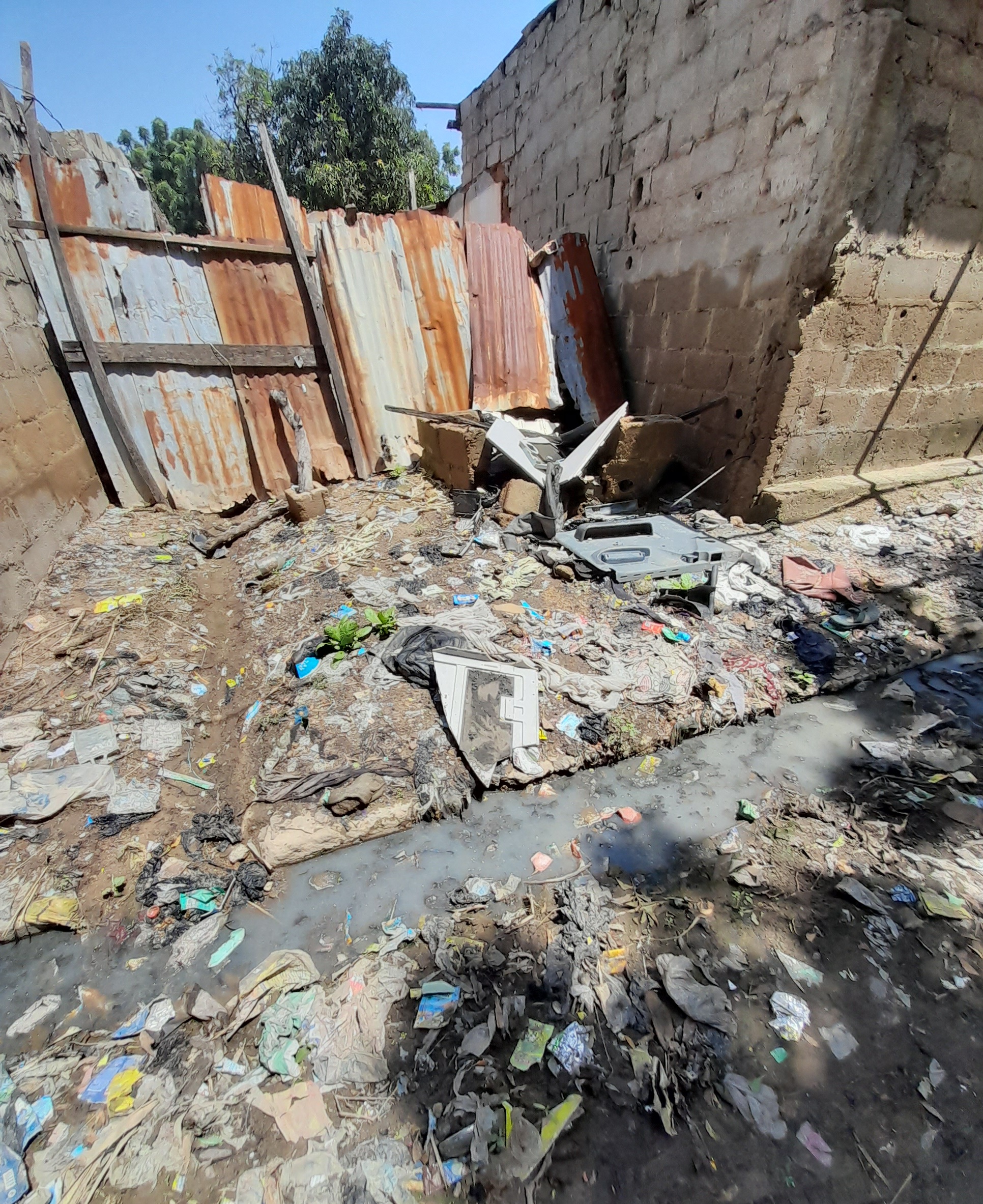
Floods are natural disasters that occur globally, destroying lives and property, especially in developing countries like ours. As a natural disaster, it is caused by climate changes and human activities which distort the balance of environment, hosts and pathogens. Factors such as high sea level rise, urbanization, destruction of river banks, and deforestation increase the risk of flood disasters.

Flood results in the disturbance of the epidemiological triangle; environment, host and infectious agent, and as such, it could result in the emergence of new agents or re-emergence of infectious agents that previously existed. Therefore, the potential outbreak of infectious diseases is a matter of great concern, and urgent intervention is needed to break the chains of transmission.

Flood is known to increase the global burden of various infectious diseases, mortality, social and economic disruptions and displacement of people, which can result in both physical and psychological trauma. Of great concern is how flood causes the outbreaks of infectious diseases, as germs can easily be transported and contaminate drinking water sources, which will provide a conducive environment for the completion of the vector life cycle.

Like other developing countries, flooding has become an annual event in Nigeria, and many towns and cities are vulnerable and susceptible to it. This year, the Nigerian meteorological agency (NiMet) warned some states that they were at high risk of flooding in its yearly prediction of rainfall. Therefore, it was unsurprising that flooding hit many such states, states like Jigawa and Yobe have significantly been hit. In contrast, others such as Borno, Adamawa, Gombe, Kebbi, Kano, Kaduna, Lagos, Kogi, Niger, Delta, Rivers, Zamfara, Taraba, Ogun, Osun, Ondo, some parts of Ekiti, Edo and FCT are affected from moderately to low levels.

Flooding can cause waterborne diseases such as cholera, non-specific diarrhoea, typhoid and viral diarrhoea caused by Rotavirus. These diseases are known to peak after flooding as the pathogens such as bacteria, viruses, and parasites can be transported. In addition, the crowded nature of displacement camps can potentially result in and aggravate the outbreak of respiratory diseases.

The crowded nature of displacement camps can potentially result in the outbreak of respiratory diseases of different etiological agents. Wastewater is a breeding ground and carrier of infectious diseases. For instance, wastewater has the potential of spreading viruses, as they are known to be good-chance takers of a flood, which take days after flooding to meet their incubation cycle. Viral diarrheal diseases, such as hepatitis A and E, vector-borne viral diseases such as Yellow fever, and many others are also some diseases that could potentially spread after the flood.

The genome of some viruses, such as SARS-CoV-2, are known to be detected in community wastewater and this call for concern as it can be disseminated during a flood. Another agent to worry about due to flood is Naegleria fowleri, a brain-eating amoeba causing primary amoebic meningoencephalitis (PAM). As water level and temperature rise, such a situation could fuel the growth of the agent. Environmental contribution to the development of infectious diseases is a significant public health concern that should not be ignored. Antibiotic-resistant bacteria and antibiotic-resistant genes are quickly disseminated in environmental wastewater, which could be further transported into the water system, which calls for concern.

Furthermore, the vector-borne disease can occur as a result of a flood because the development cycles of vectors are provided. For instance, mosquito-borne diseases such as malaria and West-Nile fever tend to increase after floods. Rodent-borne diseases also expand during flooding because the flood increases contact between rodents and humans, resulting in outbreaks of such diseases. Common rodent-borne infectious agents due to flooding include Leptospirosis, Hantavirus pulmonary syndrome, Hemorrhagic fever with renal syndrome etc.

Health interventions

 First, public health measures are essential in preventing infectious diseases due to floods. Therefore, preventive measures should be taken before, during and after the flooding.

Second, the provision of crucial intervention. The critical intervention is an active early warning system that can alert governments to prepare for possible outbreaks and send signals for evacuation of people at risk.

Third, the activation of rapid emergency response is also a necessity. This includes the provision of basic materials and health care services.

Fourth, after the flood, the activation of an effective surveillance method is mandatory for the early detection of an outbreak.

The key intervention is active early warning systems which can alert governments to prepare for possible outbreaks and send signals for evacuation of people at risk. At this stage, all stakeholders and the public must act on time. However, compliance is low due to a lack of an alert system or people refusing to abide by the warning system. Furthermore, risk assessment is needed to ensure that no basic amenities are disrupted due to floods.

Moreover, there is a need for vector control after the flood to break the chains of transmission. There is a need for collaboration among all public health stakeholders. Public enlightenment and outreaches are equally essential intervention measures.

Finally, provisions of clean water, sanitation and hygiene after the flooding to prevent infectious disease outbreaks are also very significant.

Adam Mustapha, PhD, is a clinical and medical microbiologist. He wrote from the Department of Microbiology, University of Maiduguri, via adadmustapha@unimaid.edu.ng.

The trend of bleaching among Kano people

By Usman Usman Garba

Taking good care of the skin among females has been an age-old desire and culture for years. Consequently, they develop various skin care practices to look beautiful and attractive. Girls of all generations, past and present, have been involved in this art, in which one area of focus recently may be skin bleaching, which seems to have become trendy among Kano ladies.

Skin bleaching is considered purposefully and deliberately an act of changing one’s skin colour by applying substances or solutions on the skin, with the sole intent of making the skin colour look lighter and brighter.

Research has shown that the idea of “Fara ko mayya ce“, which literary means “even if a lady is a witch”, by Kano male citizens has drastically driven females into the habit of bleaching their skin to look more attractive, fashionable, elegant and adorable.

According to some, women bleach their skin to remove skin imperfections such as rashes, dark spots and pimples and make or maintain softer skin. Some can meet the westernized standard of beauty, make themselves look “more attractive” in the eyes of their potential partners, and impress or meet their friends’ approval.

It is hard within Kano today to see a group of females without seeing one or some of them bleaching her or their skin. Unfortunately, it has become a tradition that even light-skin females bleach themselves in the sense that their bride price will be high or their class will increase in courtship or marriage.

Wives, too, are not left behind in this act. They engage in it to maintain their husbands out of fear that those ladies that bleach might snatch them away and in another way round, to help them maintain their marriages.

Men, too, are not excluded. They engage in it to become attractive to their female counterparts and celebrities or to copy local and western musicians and actors.

Before, when a male person bleached his skin, he did so because he was effeminate, but today, he does so to become a celebrity or popular and respected.

Others use pills to steam themselves while others use steaming drugs which remove their skin to be light as society considers white as beauty. They ignore that bleaching, as research has shown, has no benefits but harm.

Economically, instead of spending their hard-earned income on something beneficial, they end up squandering it on harmful bleaching products. 

The situation has become so bad that many women now have disturbing discolouration, contrasting colours and dark spots. The knuckles, knee caps and elbows are not spared as they carry different colours.

As disclosed by Dr Shamsudden Haladu, a dermatologist at Yadakunya General Hospital known as Bela Hospital, skin bleaching creates significant health problems for the users. Sadly, in Kano, its use had become widespread due to easy access to various brands of bleaching creams at multiple markets and shops.

A body that has been bleached becomes very light, fragile and tears quickly. Bleaching also leaves spots on the skin after being scratched or hard hit by an object. Such spots make the skin look rough and unattractive.

The doctor reveals that people differ in colour based on the five layers that human beings have: stratum corneum, stratum lucidum, stratum granulosum, stratum spinosum and stratum basale.

The basale layer, which is the last, has some cells called melanocytes, which make melanin and give our skin a dark colour.

All human beings have the same melanocytes. The only difference is the amount of melanin that melanocytes produce.

Skin bleaching has been established to have severe side effects. It has also been identified as the source of serious health-related issues among users, especially those who subject their bodies to creams formulated without proper safety precautions regarding chemical contents used in their production. 

The use of skin bleaching has also been reported to be responsible for skin cancers, skin discolouration, and depression among users leading to negative outcomes. Other risks include skin damage and severe depigmentation.

According to Dr Haladu, one should contact a dermatologist or visit a hospital before using any bleaching cream or soap. If possible, one should eat fruits as they contribute more to treating and whiting skin than any cream product.

Usman Usman Garba wrote from Kano via usmangarba100@gmail.com.

Floods in Jigawa: Death toll raises to 100 as no help from neighbouring states

By Aisar Fagge & Ahmad Deedat Zakari

Following days of torrential downpour, floods have submerged many Jigawa communities and have killed scores and rendered many homeless in the Northwestern State.

Jigawa State is at the epicenter of climate crisis in the country owing to incessant rainfall in the state. This has caused dams and rivers to break their banks and destroy bridges, roads hospitals and several homes.

Over 100 people have been reported to have died as a result of the flood and thousands of people have been displaced. Farms and lifestocks are also not safe from the overwhelming effect of the flood.

Auyo, Hadeija , Ringim, Dutse, Gwaram, and Birnin Kudu Local Government Areas of the state are the most devasted by the flood.

The State Emergency Management, SEMA, through its Head, Sani Ya’u has disclosed that the government is doing everything to mitigate the effects of the flood on the affected communities.

However, the response to the humanitarian crisis by the government and civil society organizations have been said to be abysmal.

Mal. Naziru Chobal who spoke to The Daily Reality from Hadejia said only few villages are above water level and the government is doing very little in addressing the menacing flood. He also said governments of neighbouring states like Kano and Katsina have not taken any step to help salvage the situation.

“There was adhan [prayer calling] at 12: 00 am [which signifies emergency situation] and people in hundreds came out to block the embankment that broke. It’s scary. I was in the water carrying sand bags and the water level was up to the waist. I was scared because I don’t know how to swim.”

“The water level is high that you can’t cross any bridge, you’re not sure if there’s one. Especially Kafin Hausa to Auyo, Hadejia – Gamayin,” he said.

Commenting on the extent of the damage in Auyo, Naziru added, “In Auyo, their hospital, police station, INEC office are all flooded.”

The people displaced by the flood in Auyo and Hadejia are seeking shelter in a primary schools as the government is yet to commence evacuation of the victims. The villagers spend most of their time making sand bags to create embarkment to stop the water from entering the towns.

Government building

Of the things the flooded people needed the most according to Naziru are: sand, working tools, food, clothes, medicine, volunteers, etc.

Magistrate Court remands Chinese killer, Geng

By Muhammad Aminu

A Magistrate Court number 30 in Zungeru road Kano has ordered a Chinese immigrant, Geng Quangrong, to be remanded in Kurmawa Medium Security Custodial Center.

The Nigeria Police has charged Geng Quangrong for culpable homicide under section 221 of the penal code for killing his former girlfriend.

However, Magistrate Hanif Sanusi Ciroma ordered that the accused be returned to the custodial facility as the Court lacks jurisdiction to entertain the case.

Geng is being accused of tresspassing and murdering 23-year old Ummulkulthum Buhari in Janbulo area on Friday night.

The deceased and accused were said to have been dating before the relationship turned sour.

Prosecution Counsel Barr Khalifa Auwal Hashim has requested the Court to return the accused to the Facility since it had no jurisdiction pending the legal advisory from the Kano State ministry of justice.

The Margistrate Court therefore ordered that the accused to be remanded at the custodial facility till 13th October, 2022 for rearraingement in a court with a jurisdiction.

Institute proposes law to ban consumption of ‘ganda’

By Uzair Adam Imam

The Nigerian Institute of Leather and Science Technology (NILEST) Zaria has proposed to legislators to provide a law that will ban the consumption of animal skin, locally known as ‘ganda’ or ‘kpomo’ in the country.

The Director-General of the Institute, Prof. Muhammad Yakubu, disclosed this to journalists in Abuja Sunday, September 17, 2022.

Yakubu stated that the law was to help revive the comatose leather industry in the country. Meanwhile, the eating of animal skin should be banned.

He added that “the habit of eating animals skin, which has no nutritional value, should be stopped in order to save the industry and boost the nation’s economy.

“To the best of my knowledge, Nigerians are the only people in the world that overvalue skin as food. After all, ‘Kpomo’ has no nutritional value.

“At a point, there was a motion before the two chambers of the National Assembly, it was debated, but I don`t know how the matter was thrown away,” he said.

Covid: CITAD awards another winners of Covid-19 vaccine campaign

By Aisar Fagge

The Centre for Information Technology and Development (CITAD) has awarded another set of Covid-19 vaccine champions on identifying, tracking and countering Covid-19 related false narratives, rumours, misconceptions and disinformation on social media platforms.

The program tittled “Public Education on COVID-19 Vaccine Project” was aimed at educating, informing and sensitizing people on the importance of Covid-19 vaccine with a view to counter false narratives about it.

Supported by MacArthur Foundation, the centre has been working with 18 partner organizations and social media influencers in six selected states from Northern Nigeria to enlighten the public about the vaccine through various activities and programmes.

Recalled that, Covid-19 is a communicable respiratory disease that terrorises the entire world, leading to the death of number of people and set the economies of hundreds of nations in limbo.

The details on the event was in a statement signed Wednesday, 14th September 2022, by the coordinator of the campaign, Mal. Hamza Ibrahim.

The statement reads in part: “CITAD received 93 applications from young people who want to be champions and 18 of them were selected from six northern states – Kano, Kaduna, Bauchi, Borno, Plateau and Kogi State and trained for two days.”

“After their training, they embarked on daily campaigns on tracking, countering and persuading people to take the vaccine. They submitted reports of their campaigns at the end of every month and the reports were shared with panel of judges who review, assess and subsequently selected the best three who are then regarded as the Covid-19 champions.”

“In this fourth round of the competition, Sumayya Abdulaziz from Kaduna emerged in the 1st position with 97 points and got Hisense refrigerator. Mundi Ilyasu from Kogi State emerged 2nd with 75 points and was rewarded with Plasma TV. From Bauchi State, Abdullahi Barau emerged in 3rd position with 70 points and went home with a mini laptop.”

Raising the alarm on Nigeria’s rising Yellow fever epidemic

By Dr Naima Idris

Over one hundred and sixty (160) million people – more than half of the country’s current estimated population – are at risk of yellow fever in Nigeria, reports by the World Health Organisation (WHO) Africa Region have recently highlighted. Lately, the yellow fever virus has become of serious global health concern more because the wakes of its historic outbreaks are trailed by devastating outcomes. 

The WHO says the virus is spreading rapidly across Africa, warning that the rising trend could cause an epidemic in Nigeria, mainly because of its large population. Consequently, it issued an advisory for travellers to and out of Nigeria to consult their healthcare provider on precautionary measures required against the virus if need be. 

The Yellow Fever virus is endemic in tropical areas of Africa and Central and South America. The disease is a potentially fatal disease, as half of its patients in the toxic phase die within 7 to 10 days. 

The demography of Nigeria is one of the most important and common reasons why the fever could spike in the country. According to the region’s WHO, Nigeria is one of the countries most vulnerable to the yellow fever virus and has a history of poor health infrastructure. Additionally, the Nigerian population is largely uninformed about health and hygiene precautions, which makes them particularly susceptible to the virus.

According to the Nigeria Centre for Disease Control (NCDC), the yellow fever epidemic in Nigeria could spike in the coming weeks. This becomes worrisome due to the fact that there is no treatment for the virus; the good news is, for most people, a single dose of yellow fever vaccine gives long-term protection. 

Travellers going to areas with an outbreak are usually encouraged to consider taking a booster dose of the vaccine. This recommendation is critical to those who have been vaccinated ten years ago or more from the period of the first shot. In some countries, a booster dose of the vaccine is a requirement for entry. 

For health-conscious minds who understand the magnitude of such alarm, panicking is a reflex possibility; however, protection and precaution – especially for travellers – have proved time and again to be effective weapons in curbing epidemics. To effectively achieve this, the WHO fact sheet outlines these measures to include avoidance of close contact with people who are sick or even appear so, staying away from mosquito-infested areas, using mosquito repellent to ward them off, lodging in hotels that have been well-screened and consulting a healthcare professional about specific needs.

While precaution and protection remain key, we must be well acquainted with its symptoms, including fever, chills, headache, muscle pain and back pain. Other symptoms are nausea, vomiting, fatigue, weakness and rash. 

Most people with the initial symptoms improve within one week, while others will develop a more severe form of the disease which includes symptoms such as high fever, yellow skin (jaundice), bleeding (mouth, nose, eyes, stomach), abdominal ache and organ failure (liver and kidneys).

Though vaccines work and are the only treatment available, certain people should not be vaccinated because complications (side effect) could arise due to underlying ailment and/or treatment they are undergoing. This includes organ transplant recipients, individuals diagnosed with a malignant tumour, those diagnosed with thymus disorder associated with abnormal immune function, and patients diagnosed with primary immunodeficiency. 

Other categories include individuals who use immunosuppressive and immunomodulatory therapies and those who are allergic to a vaccine or something in the vaccine (like eggs). Allergic reaction symptoms include difficulty breathing, swelling of the face and throat, and hives. If any of these symptoms is experienced after receiving the vaccine, medical attention should be sought immediately.

All diseases require a medium to spread, be it air, water, insects, etc. For example, the yellow fever virus being a viral disease is spread through the bite of an infected Aedes aegyti mosquito which serves as the vector of the deadly disease. Worthy of note is that direct spread from one person to another does not occur. 

It is therefore expedient for individuals and businesses in Nigeria to be aware of the yellow fever virus and take the necessary measures to avoid being infected. By following the guidelines of health professionals and organisations, protecting oneself and those around from this dangerous disease is achievable.

Dr Naima Idris, a Medical Doctor and Initiator of “Girls Talk Series,” writes from Kano and can be reached via (naimageidam@gmail.com).

Myth: Maltina, milk and blood replenishment

By Lawal Dahiru Mamman

Different food items offer an array of nutrients from the six classes of food. The only fact is that a particular food item may be dominant in a nutrient rendering all others negligible. For example, rice is mostly known to contain carbohydrate (sugar or energy), but in reality, contains some levels of protein, fats and even some B vitamins found in brown rice.

That being said, an old tradition still with high relevance in this contemporary time is a myth – a concoction of malt drink and milk is a good blood-booster.

When recuperating from illness, people are advised to take a mixture of malt and milk because it replenishes dead blood cells that fight the foreign microorganism during the illness.

The blood contains plasma – for transport of digested food, platelets – prevent and stop bleeding, red blood cells – transport oxygen to other body parts from the lungs and white blood cells – fight diseases and other infections. For the synthesis of blood by the body, the most important nutrient is ‘Iron’. Therefore, for any food material to be considered a blood booster, it must contain a substantial amount of iron – a mechanism left for experts to discuss.

The nutritional content of both malt and milk is labelled on the products. Malt contains carbohydrates, protein, vitamins and water, while milk contains fats, carbohydrates, cholesterol, vitamins, calcium, phosphorus and magnesium. The noteworthy thing is that neither commodity has iron – a major mineral that must be contained in any food before it can be classified as a blood booster. With this, it can be deduced that there is no scientific evidence to prove this old assumption right.

Individually, malt grain contains fibre, potassium, folate, and vitamin B6, which together lower cholesterol and decrease the risk of cardiac disease. Its dietary fibre helps reduce insulin activity, increases cholesterol absorption from the gut, and encourages cholesterol breakdown. Milk is a significant source of protein, vitamin D, vitamin A, calcium, and other essential nutrients.

Many experts associate dairy diets with a lower risk of cardiovascular disease, type 2 diabetes, and high blood pressure. In addition, the nutrient profile of milk supports bone health.

Though the concoction is sumptuous and appealing to the palates, it has no base in the scientific realm regarding boosting blood.

Lawal Dahiru Mamman, a corps member, writes from Abuja and can be reached via dahirulawal90@gmail.com.

Kano disburses remaining CACOVID supplies to 175 health facilities

By Muhammad Aminu

Kano state ministry of health, through the Drugs and Medical Consumables Supply Agency (DMCSA), has disbursed remnant of the CACOVID medical supplies to 175 health facilities across 44 local government areas of the state.

Primary Health Care facilities, general hospitals and specialist hospitals are the beneficiaries of the equipment.

Speaking at the flagging up, the Director General, DMCSA, Hisham Imamuddeen, said the exercise is part of the state government’s effort to improve the quality of healthcare across the 44 Local Government areas of Kano state.

He said: “Facilities need to improve to cater for the increasing population, and this is why we felt the need to distribute these equipment for the betterment of the people.”

“These are equipment from Sani Abacha Isolation Centre; they were brought here due to the decline of Covid-19.”

On his part, Kano state commissioner for health, Aminu Ibrahim Tsanyawa, represented by the Permanent Secretary of the ministry, Amina A. Musa, urged the beneficiaries to make good use of the commodities.

“The CACOVID provided additional support of these items when we were in the midst of the pandemic, which was used to provide an additional isolation centre built at Sani Abacha stadium.

“The centre was then equipped with equipment to include beds, air conditioners, television sets and gym centre among others. We thank God it has all come to pass.”

Some of the beneficiaries who started receiving the equipment commended the effort while promising to make judicious utilisation of the commodities.

Scotland becomes first nation to offer free pads and tampons

By Ahmad Deedat Zakari

Scotland has passed a law pronouncing period products free for all its citizens. The landmark legislation is the first of its kind in the world. 

The Members of Scottish Parliament, MSPs, have unanimously approved the Bill in November 2020 to combat period poverty

According to a report by BBC, local authorities now have a legal duty to provide free items such as tampons and sanitary pads to “anyone who needs them”.

 The bill, now known as the Period Products Act, was introduced by Labour MSP Monica Lennon, who has advocated to end period poverty since 2016. 

Lennon said: “Local authorities and partner organisations have worked hard to make the legal right to access free period products a reality.

“This is another big milestone for period dignity campaigners and grassroots movements which shows the difference that progressive and bold political choices can make.

“As the cost-of-living crisis takes hold, the Period Products Act is a beacon of hope which shows what can be achieved when politicians come together for the good of the people we serve.”