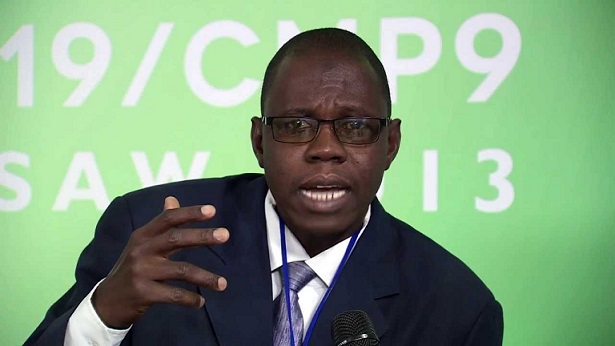
His Excellency, the former governor of Jigawa State, wrote:
“The APC-controlled government of Jigawa State has WON all the Chairmanship seats of the 27 Local Governments and the 283 Councilorship seats in the YET to be conducted local government elections throughout the State. The reason being no opposition Party is able to pay the FIVE MILLION NAIRA for the Chairmanship and TWO MILLION NAIRA for the Councilorship nomination forms from the State electoral commission! While other States are engaged in protests over hunger and poverty, congratulations to Jigawa for being the most prosperous State in Nigeria. “
I responded to him below. Enjoy!
“Your Excellency,
Courtesies and good morning, sir.
With due respect, this was what your president and you did as his governor(s). Indeed, you did similar political maneuvering during your stewardship as Jigawa State Governor and got much of it! However, one thing that you politicians so often forget or hardly understand is that life is just like a piano! It keeps on repeating itself! I am happy you mentioned hunger and poverty in this short satirical write-up.
Lest you forget, you were quoted several times on social media and in the national dailies asserting that the Talaka that your type impoverished cannot do anything to effect any meaningful change or something like it! You were quoted in the Leadership Stable Newspaper by Wole Olaoye in an article that he dubbed “Too Poor to Revolt,” saying:
“Nigeria is too weak to break. Who will break it? The ordinary person in Jigawa, the ordinary person in Sokoto, or the ordinary person in Bayelsa? Is it the Igbo vulcanizer, the Yoruba woman selling kerosene by the roadside, or the Okada man in Delta? They don’t have the capacity to unite because they are burdened by poverty. We have taken away from them their dignity, their self-esteem, their pride, and their self-worth so that they cannot even organize.” Wole went ahead to quote you, affirming the fact that “Up there, we (the elite) unite… We will never allow Nigeria to break because once it breaks, we will lose. But the common man loses nothing. What is he losing? He is already in hell; he cannot lose anything more than this hell.”
Unfortunately, all these statements that you made were full of a dearth of political history and knowledge of the political changes that happened in certain parts of the world. Your Excellency, let me take you back to memory lane and inform you so that you see the reasons for the superficial statements that you made in the Leadership and so that you may give thanks to Jibo one day for telling it exactly how it is!
Excellency, you should be aware that the recent Zanga Zanga that started in Nigeria is just a precursor to what you hypothesized above, and want to make those with little or no knowledge of how politics and politicians use words to manipulate or intimidate the hapless and vulnerable by eating therefrom. Your Excellency, what you and all the Northern Governors failed to understand is this:
The resilience in Talaka that you spent so long a time defining and controversially defending under the tutelage, or better put, an appendage of Malam Aminu Kano’s school of thought, is only workable and thrives on individual mental toughness, which is not sufficient! Whenever you talk of hunger and poverty plus starvation in Talaka, there are other sides of it that local champion politicians, especially the northern ones, don’t know or deliberately ignore.
The hunger and poverty-driven Zanga Zanga that you see is what I prefer to call organizational resilience and sustainability. Indeed, that form of deliberate Talaka’s subjection to poverty and hunger that you mentioned suggests that those highly pauperized Nigerians that your type thinks have dribbled and can charge them and score points any day are no longer susceptible to individual resilience and adaptability, sir! They are now resorting quickly to community resilience support systems essential for successfully navigating unpredictable circumstances.
I don’t have the time, sir. Still, I could have opened up this political history debate by making you think profoundly about those statements you made, which, by and large, are nothing but one of those political mistakes that most African political leaders are good at. They no longer see the dangerous paths they have led their people down until they are consumed by it.
In any case, I wish you all the best in reviving the political atmosphere in Nigeria.
The emergence of social media has democratized the dissemination of information to the extent that it has put pressure on mainstream media to compete for visibility. However, mainstream media filters and verifies the authenticity of information before publication, unlike social media platforms, where anyone can publish content, including fake or fabricated news.
Additionally, mainstream media consider ethics and morality when disseminating information, whereas social media ethics and morality often depend on individual consciousness. Although social media platforms have policies that users are expected to follow, these policies often prove ineffective despite efforts to remove unethical content.
Today, I focus on TikTok, a platform that provides video editing features and allows users to post videos. Before delving into the main issue, it’s noteworthy that TikTok has been banned on government devices in several countries, including the United States, Denmark, Australia, France, Belgium, Taiwan, and others. Even in China, where TikTok originated, the international version has been banned, with Chinese citizens required to use the strictly controlled local version. Other countries that have banned TikTok include Iran, Afghanistan, Pakistan, Malta, and Latvia. TikTok in Nigeria should be banned for significantly promoting immorality and toxic content.
TikTok users are generally expected to create educational, technological, and entertaining content for the benefit of the public. Unfortunately, the platform has increasingly become a venue for promoting toxic and unethical content, particularly from Northern Nigeria. For now, I will focus on northern Nigeria before addressing the broader situation across Nigeria in my next article. In Northern Nigeria, abusive speech contradicts both cultural norms and religious beliefs.
The rise of TikTok has seen a troubling trend among many youths from the region. The majority have created abusive content rather than using TikTok to advance technological development, promote cultural and religious values, or provide educational content. Particularly concerning is the trend of women leading this shift towards toxicity, often to attract large numbers of followers. This phenomenon is exacerbated by the fact that followers tend to encourage such content by flocking to those who produce it.
Preliminary surveys of TikTok content from Northern Nigeria reveal that creators of abusive and sexual content often garner more followers in a short period than those sharing religious or moral teachings, including Islamic scholars. Notably, a significant portion of those promoting this harmful content are divorcees and young girls, mostly from very poor backgrounds.
Apart from the abusive content, women and young girls found a new trend of creating sexual content by posting their half-naked videos on TikTok dancing while shaking heaps and front side, engaging in sexy talks, and exposing sensitive parts of their bodies to attract followers and viewers. It has reached an extent where you see videos of very young girls and divorcees on TikTok from Northern Nigeria showing themselves half naked in the name of entertainment to gather followers and viewers. Previously, it was extremely rare to see anyone publicly promoting the non-existence of Allah in northern Nigeria. However, with the advent of TikTok, this has changed. Now, it has become increasingly common to see videos on the platform that promote the non-existence of Allah, encouraging others to abandon their religion and embrace atheism. This shift has sparked significant discussions and controversies within the region.
The situation is further complicated by the troubling trend of politicians celebrating creators of toxic content. These individuals are often rewarded with luxurious gifts like cars and houses and branded as “celebrities.” This acknowledgment from politicians encourages other young ones to produce similar toxic content on TikTok in hopes of gaining large followers and eventually receiving similar recognition from the politicians.
One prominent example is a woman in a northern state known for her creation of toxic content. Her videos, which focus on explicit, abusive, and sexually suggestive material, starkly contradict religious norms and cultural values. Despite the negative impact of her content, she has amassed a significant following of over one million, and she is frequently seen in photos with prominent politicians from the region.
When the Hisba (a moral police organization) initially intervened, she was issued a warning, which she disregarded. The Hisba then took legal action, but she was released on bail and continued to post her controversial content on TikTok, defying the court order. Adding to the controversy, a high-profile politician publicly defended her, citing human rights, further complicating the situation and undermining efforts to address the issue.
A man residing in Kano recently gained notoriety on TikTok for his abusive “skills,” quickly amassing a large following. Wealthy individuals have been flying him from one location to another to perform his abusive acts, often laughing along. Sheikh Aminu Daurawa, the general commander of Hisba, had to summon the man to his office to caution him about the inappropriate and morally bankrupt content. No responsible person would want their children exposed to such material.
To my astonishment, I saw a video of the man in the presidential villa. Shortly after, I noticed an appointment letter bearing the presidential letterhead circulating online, “Appointment As Special Assistant On Entertainment,” with the aid of the Nigerian president. This revelation shocked me; I had to start following the media closely. I have not heard any denial from the presidency, which suggests the appointment might be genuine. On the contrary, I read in the Leadership newspaper, published three weeks ago, confirming the appointment.
One troubling aspect of this issue is that the toxic content is created in Hausa, a language widely spoken and understood across Northern Nigeria. This includes not only the local population but also many people from the southern regions of Nigeria who reside in the north and speak Hausa fluently. As a result, the toxic content produced by these creators reaches a vast audience, significantly contributing to the moral decay within Northern Nigeria.
Despite the troubling prevalence of toxic content, there are individuals from Northern Nigeria with substantial followings who engage in legitimate and moral activities, such as Islamic preaching, cooking, etc. However, these positive contributors represent a minority compared to the growing influx of harmful content. Given the rapid expansion of this toxic material, it is crucial to consider measures similar to those taken by other countries, such as banning TikTok to block access and mitigate its negative impact.
Haruna Chiroma, Ph.D. Artificial Intelligence, wrote from the University of Hafr Al Batin, Saudi Arabia, via freedonchi@yahoo.com.
The protest in Nigeria has taken a tragic turn with the display of foreign flags by some Northern youths as a demonstration against the government. This action undermines Nigeria’s sovereignty and raises concerns about the changing dynamics in the world.
As the Punch editorial pointed out, the flag-waving campaign shows that Nigeria should be wary of foreign interference, as witnessed in the crises in some West African countries that led to undemocratic military takeovers. There are speculations that some protesters were sponsored to raise the Russian flag as a deliberate attempt to provoke the military into intervention.
While Nigerians can express their grievances over economic hardship, they should do so through legitimate and peaceful means. Resorting to violent demonstrations that result in loss of life and destruction of livelihoods is counterproductive.
It is concerning that underage protesters and youths were the ones mostly flaunting the Russian flags, forcing security agents to clamp down on them. The government should be compassionate in dealing with these minors, as they may be ignorant of the implications of their actions. Rather than facing harsh punishments, they should be sent to remand centres for civil education and skills training.
The media have reported the loss of lives and an estimated daily loss of N400 billion due to the protests. This raises the question of whether the demonstrations were truly worth the cost.
The government should be open to dialogue and engagement with citizens to address their challenges. The security services, too, should be vigilant and professional in handling protesters, especially the young ones.
The Nigeria Immigration Service has a crucial role to play in checking the influx of foreigners with ulterior motives, as there have been allegations of illegal immigrants participating in the protests.
Religious and community leaders should admonish their followers on the consequences of unbecoming behaviours and appeal to the government to address the citizens’ concerns.
Despite the hardship, Nigerians must remain patriotic and respect their country’s sovereignty. Raising flags of other countries and seeking their intervention in domestic affairs is a treasonable offence.
The government should realize that the majority of the citizens are against the protest, not because they are not feeling the pinch of hardship, but because they believe the issue can be resolved through other peaceful means. The government should, therefore, take appropriate actions to address the citizens’ concerns.
Nigeria will overcome this challenge, but change begins with us.
Rabi Ummi Umar wrote from the Department of Mass Communication, Al-Hikmah University, Ilorin. She can be reached via rabiumar058@gmail.com.
For so long, I abandoned writing on Nigeria and its leadership situation because doing so wastes time, energy, and resources. I avoided discussing its precarious situation because I am still very sceptical and, most of the time, extremely despondent about its progress and development.
But whenever one realizes that certain classes of people in the country, most especially the current Nigerian politicians, are clueless and ignorant about the dynamics of global change in various countries of the world, one has no choice but to waste another day clearing the bushfires or/and the politicians’ colonial hot air historical jargon.
Most of my friends have known my candid view(s) for so long about why Nigeria, and by extension, Africa, is generally not developed and almost 98% of the countries on the continent, including mine, cannot grow!
The stupefaction of colonization historical facts by the Nigerian “political class” and even its military apparatus is entirely unwholesome, very untrue, and most of the time very dangerous to our national savvy! I don’t want to call the current political crooks in Nigeria “leaders” because most of them are perturbed and pathological liars! Indeed, the legendary Bob Robert Nesta Marley had squarely defined the world’s political ruling classes, especially the political presidents and their ruling maladroitness, in one of the songs that he dubbed “Real Situation.” Marley and his honourable Wailers explained succinctly through music the political mentality of the local and international politicians.
Hear the legendary Marley and the Wailers:
“Check out the real situation. Nations war against nation. Where did it all begin? When will it end? Well, it seems like total destruction is the only solution. And there isn’t any use; no one can stop them now. Nobody can stop them now. Give them an inch; they take a yard! Give them a yard; they take a mile (ooh). Well, it seems like total destruction is the only solution. And there ain’t no use; nobody can stop them now. Check out the real situation. Check it out. Nation fights against nation… Everybody is struggling. There’s no use in you even trying. Got to say ‘bye-bye!” (Emphasis mine).
I quoted this legendary musical maestro of all time to make a case in point over Nigeria’s political class’s incomprehensible incompetence and distorted Western colonization historical accounts. They fabricated and are still fabricating lots of lies by blaming the Western world for the country’s political and military underdevelopment. They always point accusing fingers at the colonial masters, and, very recently, they are “perfecting” their scheme by throwing their “leadership” lacklustre truncheon at foreign countries’ influence!
You may accuse Bob Marley by calling him names for being an Apocynum cannabinum (Indian hemp) chain smoker. However, one thing you can never take away from him is his mastery of the English language through music. He concluded that global politicians, especially the Nigerian brand (emphasis mine), are generally “devils and corrupt.” May Allah give Marley relief for advocating the nicest words via philosophical lyrics!
According to Bob, ninety per cent of what politicians say is untrue. Therefore, one should think twice before taking them seriously.
The real Nigeria’s situation 15 to 20 years after independence
Both the Nigerian military “elites” and the political class are too economical with the truth nowadays. They shamelessly accuse Western countries such as America, Britain, and France of intervening or meddling in their leadership affairs! They blame these countries for Nigeria’s lack of economic development and prosperity because they think everybody will believe what they say.
With due respect, I beg all Nigerians, whether army or civilian, to sincerely disagree on the veracity of Nigerian politicians and even its military leaders’ blame for Western influence, interference, or blame game. Why does the Nigerian political class, including its military, resort to this unfounded ideology to ruin our people, make them highly impoverished and pauperized, and, in the end, make the entire citizenry appear inferior to the political class subjugation and their cantankerous posture? One hasn’t the vaguest idea!
Twenty years after the country’s independence, Nigeria’s situation was by far the best in Africa and, by extension, more than certain countries in Europe and the Americas (both North and South).
Many foreign nations were present in Nigeria, doing business with grandeur, style, and passion for their businesses in Nigeria. Canada and its companies were here in Nigeria in the 1980s, with their businesses thriving remarkably. Italy and Italians came to Nigeria and did serious business with FIAT Coy. They competed very seriously with Steyr Motor Company in Bauchi State, Nigeria.
Britain, our colonizer, and its companies were here in Nigeria in the 1970s and 1980s, flourishing their grand businesses in Nigeria. Indeed, Italy and its companies were here in Kano, Nigeria, in the 1970s and 1980s, doing their business generally in the country. France and its companies were here in Nigeria in the 1970s and 1980s, doing their business diligently with respect for the Nigerian people.
Let’s start with Canada! The Canadians were interested in investing in Nigeria. They came with their renowned company, Steyr, founded by its farmer, Mr. Leopold Heide. They sought a partnership with the Nigerian government. Canada convinced Nigeria of the reputation of the Steyr motor company, which was performing remarkably in Steinbach. It entered into a partnership business with Nigeria and established an assembly plant in Bauchi State. It supported the Nigerian government to employ hardworking Nigerians.
Canada trained and taught Nigerians how to assemble Steyr tractors, trucks, and buses in Bauchi. Within a year, Nigerians could produce 5,000 tractors, 2,000 trucks, and 2,000 buses inside the Steyr quarters, located just a little bit on the outskirts of Bauchi State. This Canadian company was performing remarkably. At that time, Nigeria was not purchasing trucks or tractors from China or anywhere else.
Then Nigeria produces its farming tractors and trucks! It did not matter to look anywhere else the way its current president is busy wasting his time globetrotting to Qatar and France to beg their leaders to come and invest in an atmosphere that is no longer passionate!
Steyr tractors and buses were all over Nigeria until the company met its Waterloo in the hands of Nigeria’s military government. The military privatized it and sold it to individuals. The remnant of the company is now grappling with the issues of its old workers who spent well over six years without salaries as of 2002. The rest is history! But I shall come back to this point and advise on how it could be revived and salvaged for the Nigerian farmers. So that they no longer look up to China to have agricultural success.
Fabrica Italian Automobili Torino, popularly called FIAT Company, was here in Kano State, Nigeria! They came from Turin, Italy, and established FIAT IVECO, which Giovanni Agnelli originally founded. Indeed, the actual English translation of FIAT is not roughly far-fetched from the Italian Automobiles Factory, Turin (FIAT).
Then, Kano produced amazing tractors for farmers who farmed large hectares of land and produced groundnut pyramids that were second to none globally! Kano, Nigeria, was a hub and a beehive of groundnut activities worldwide. Kano imported groundnuts to most parts of Europe and other African developing nations.
Courtesy of Torino Italiano! Where our politicians got the notion to accuse the white people of killing Nigeria, and Nigerians are just trying to tell half-truths or untruths about the reality of Nigeria’s situation.
11. The British and their companies were visibly doing great business to elevate Nigeria to the loftiest heights. And I will tell you how! I will explain in clear terms to the corrupt Nigeria’s political class that the majority of them are either not educated, half-educated, or even ignorant about what colonialism and colonial or external inference stand for, especially in this modern world.
The British came from Nottingham, England, and established their Raleigh Bicycle Company in various places in Nigeria, including Kano State. My dad bought a Raleigh for my elder brother around 1982–1983! I cannot remember the year, but I was busy stealing a show of Brother Abubakar’s mastery. Anytime he was cycling on his brand-new Raleigh, it was amazing! One day, he gave me an idea of how to ride a bicycle!
In 1984, our dad was posted to the local government of Hadejia in old Kano State. We were housed at Site Quarters along Birniwa Road! Our staff quarters were a few kilometres from a village called Gandun Sarki in Hadejia local government. Our daddy’s neighbour and a father to our two friends, Sani Bello and Abubakar Bello, bought them a Raleigh Chopper! I still remember Sani giving me a ride on his beautiful Raleigh Chopper. And lest you forget, Raleigh was initially founded by Sir Frank Bowden.
Frank discovered himself and his high penchant for cycling on Raleigh after experiencing its health benefits firsthand after he had a spell of bad health. But unlike Frank’s, Sani Bello’s Raleigh Chopper and Abubakar’s Raleigh Bicycles sincerely made our days feel like we were on top of the world! We were, of course, busy cycling and dreaming of growing up in Britain so that we could have our Raleighs!
Contrary to our terrible political leaders, who are bereft of ideas and don’t know what to do to salvage the city’s public transportation systems, they refuse to revive the Raleigh Companies or to go and beg Nottingham to come back to Kano and construct a new brand of Raleigh Company and Bicycle Roads’ network to alleviate mass transit in petrol cars and buses.
The French Michelin Company and its people were in Lagos and Port Harcourt! The Michelin Group of Companies, headquartered in Clermont Ferrand, France, felt very comfortable leaving their comfort zones to come and invest in Michelin tyres in Nigeria! Then, the Michelin Group provides excellent-quality tyres to Nigerian motorists and over 170 countries at a very cheap and affordable price!
Today, these political crooks in governance are trying to fix Nigerian roads in a very crooked way, using trillions of naira that ordinarily were supposed to have been utilized in other areas to build a world-class transportation system in Nigeria. The French also had their Peugeot assembly plant in Kaduna State, Nigeria.
Every government senior staff member in either local, state, or federal civil service was officially provided with a brand new Peugeot car and a driver! Then, Nigeria was doing excellently in terms of staff welfare and human capital development. One hasn’t the slightest idea how our modern-day and broad daylight political thieves got the notion of always pointing accusing fingers at the Western world over the current national predicament.
To be continued!
Nura Jibo, MRICS, wrote in from Marriot Marquis. Contact Nura at jibonura@yahoo.com.
Petrol and electricity are the oxygen of any nation. Once these two crucial resources are restricted, the country struggles to breathe. Many Nigerians were surprised to learn that Nigeria’s petroleum importation from Malta surged significantly to $2.8 billion in 2023, up from zero importation between 2017 and 2022.
On the other hand, the majority of Nigerians were unhappy with the news that the $19 billion Dangote Refinery is struggling due to a poor supply of crude oil and other hindrances from government agencies that are supposed to support such a national asset.
For most Nigerians, Dangote Refinery represents hope and the expectation of lower petroleum prices. Regardless of people’s opinions about Dangote, he has accomplished what Nigeria has failed to achieve in decades. In fact, in the last ten years, only six countries in the world have managed to build new massive petroleum refineries, including the Dangote Refinery.
Other countries that have built refineries include China, which has added multiple new refineries like the 400,000 barrels per day (b/d) Yulong Petrochemical Plant and the 300,000 b/d Shenghong Refinery; Kuwait’s Al-Zour refinery with a capacity of 615,000 b/d, which started operations in 2021; Saudi Arabia’s Jazan refinery with a capacity of 400,000 b/d, also operational since 2021; and Oman’s Duqm Refinery, with a capacity of 230,000 b/d, which commenced operations in 2022. Additionally, India has expanded its refining capacity with new units at the Ratnagiri refinery.
Nigeria’s importation of petroleum products was initially intended as a temporary solution to the insufficient supply from its four state-owned refineries. However, due to inefficiency and corruption, this temporary measure has become a permanent solution.
In Nigeria, the prices of refined petroleum products are heavily influenced by import-related factors. There are over ten components contributing to the landing cost of petrol, including freight, port charges, the NMDPRA 1% levy, storage costs, marine insurance, fendering, the NMDPRA COQ and NOA, Q&Q analysis, letter of credit fees, and interest. Additionally, the high exchange rate further inflates the price of imported petrol. To eliminate these extra costs, local refining is the only viable solution. Nigeria’s only option for now is the Dangote refinery.
Many Nigerians, ordinary citizens, and bureaucrats view the $19 billion Dangote refinery as an asset and a blessing. It has the potential to liberate Nigeria from decades of dependence on petrol importation, which is one of the major causes of pressure on the Naira and the scarcity of the dollar. The refinery will position Nigeria on the map of nations exporting crude and refined petroleum products and fertiliser.
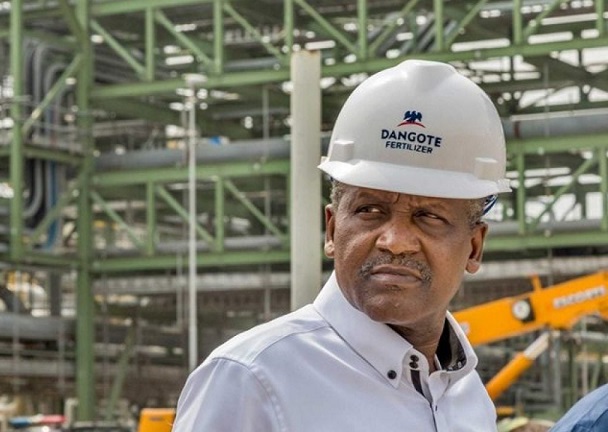
Dangote Fertiliser is one of the largest fertiliser plants in the world, with an annual production capacity of 3 million metric tonnes of urea. Nigeria’s yearly urea fertiliser needs are only 1.5 million metric tonnes.
Dangote has already demonstrated his capability in the cement industry. With Dangote Cement, Nigeria is a net exporter. Nigeria boasts one of the largest cement industries in Africa, with a combined production capacity of over 58.9 million metric tonnes per year among major producers. It leads the cement industry in West Africa, hosting at least 12 registered companies. Dangote Cement is the largest producer in Nigeria and West Africa, contributing over 35.25 million metric tonnes per year (Mt/yr) to the region’s cement capacity. Due to Dangote’s significant cement production capacity, Nigeria satisfies not only its domestic cement needs but also exports to neighbouring countries, enhancing regional trade and economic integration.
Let the Dangote refinery be! It will transform the Nigerian oil and gas industry into a net exporter of refined petroleum products.
Experts say that the newly established Dangote Refinery might address Nigeria’s energy crisis, but this legacy project is finding its footing in navigating the rigours of International Oil Companies (IOCs). Not only this, but government strategy policy greatly affects operations in the business space. The refinery is facing a fresh challenge from regulatory bodies in Nigeria, which may make or mar its success.
The $19 billion Dangote Refinery project has ignited a fierce debate between the Nigerian National Petroleum Corporation Limited (NNPC) and Aliko Dangote – Africa’s richest man. This flagship project, poised to be the largest single-train refinery in the world, has the potential to transform Nigeria’s economy and reshape the continent’s energy landscape.
Yet, the dispute between NNPC and Dangote threatens to derail this vision. Can Nigeria find a harmonious balance between private sector efficiency and public sector oversight, unlocking the full potential of this game-changing project?
Aliko Dangote’s vision for the refinery is to reduce Nigeria’s dependency on imported refined petroleum products, saving the country billions in foreign exchange. He emphasises the need for private sector management to ensure efficiency and accountability, citing historical inefficiencies in government-run enterprises. Dangote seeks assurances that his substantial investment will yield returns, expressing concerns about potential government interference that could jeopardise profitability.
On the other hand, the NNPC maintains that it must have a significant role in the refinery to safeguard national interests. The corporation argues that state involvement is crucial to ensure that the refinery’s output aligns with national energy policies and goals. NNPC also emphasises the need for regulatory oversight to prevent monopolistic practices and ensure that prices of refined products remain affordable for Nigerians.
According to Mele Kyari, NNPC’s Group Managing Director, “Our involvement in the Dangote Refinery is to ensure that the project aligns with national interests and that the country benefits maximally from the investment.” Aliko Dangote, however, believes that “private sector efficiency is key to the success of the refinery, and government interference could hinder its progress.”
Dangote might be jittery about the government’s ineffectiveness in running similar assets. His fears would be that he who failed to turn around his refinery successfully wanted a front seat and, perhaps, direction. The business mogul’s aims surpassed the government’s fight against it after the allegations of monopoly attempts by the government.
Dangote said his friend, who warned him against investing in Nigeria, now mocks him. He was ready to be bought out by the government when the regulatory body said that the refinery’s output was inferior to imported products. This statement ignited reactions from netizens.
The dispute highlights the tension between private enterprise and state control in critical sectors. Both sides present valid arguments that merit consideration. Balancing economic independence with national control, operational efficiency with public accountability, and investment security with public interest is essential to harness the benefits of both approaches.
As the saying goes, “Too many cooks can spoil the broth,” but in this case, finding a harmonious balance is key to ensuring the refinery’s success and, ultimately, Nigeria’s economic stability. Efficiency must be paired with accountability for any project to succeed, and this wisdom applies aptly to the current NNPC-Dangote situation.
Transparency and mutual respect are the pillars upon which this partnership should rest. By acknowledging the strengths and concerns of both parties, Nigeria can move towards a solution that advances the Dangote Refinery project while ensuring sustainable and inclusive growth for the nation.
In the words of Aliko Dangote, “The success of the refinery is paramount for Nigeria’s economic stability.” Mele Kyari also notes, “Our goal is to ensure that the refinery serves the national interest while also providing returns on investment.” Ultimately, the NNPC-Dangote dispute underscores the complexities of managing critical national assets. By finding a middle ground that balances private sector efficiency with public sector oversight, Nigeria can unlock the full potential of the Dangote Refinery and secure a brighter energy future for generations to come.
The path forward lies in a collaborative effort where the private and public sectors work together. If handled with care and foresight, this partnership can transform Nigeria’s energy landscape and set a benchmark for future endeavours. The Dangote Refinery has the potential to be a game-changer, and it is in the best interest of all Nigerians to see it succeed.
I want to start with a powerful word: Kafkaesque! The meaning? It is when you enter a surreal world in which all your control patterns, plans, and how you have configured your own behaviour begin to fall to pieces. You find yourself against a force that does not lend itself to how you perceive the world. You don’t give up; you don’t lie down and die. You struggle against this with your equipment and whatever you have. But of course, you don’t stand a chance. That’s Kafkaesque as defined by Frederick R. Karl.
Kafkaesque comes from the name of the German author Franz Kafka. The word perfectly describes the cases of most kidney failure patients. The disease starts with back pain, then people go for diagnosis, and dialysis follows (Thank God it is free for Yobe indigenes). Swelling in arms and legs, shortness of breath, and hiccups follow and then comes the expected: slow and painful death. These are some of the things patients go through.
But what is kidney failure? Kidney failure is a condition in which the kidneys lose the ability to remove waste and balance fluids. In other words, the kidneys have failed.
Ordinarily, kidney failure should not be a death sentence. Dr. Ibrahim Sulaiman told us that a person can survive on 25% of his total nephrons, the kidney cells. That is, you only need half of one kidney to survive. But for most people, being diagnosed with one kidney failure is like being issued an indirect death certificate.
Most patients diagnosed with kidney disease put everything they can into the fight against the disease, but they stand no chance in most cases. And as the word says, ‘You don’t give up, you don’t lie down and die. You struggle against this with your equipment and whatever you have. But of course, you don’t stand a chance.’
Gashua has the highest number of cases of kidney failure in the whole of Yobe State. You could go to the dialysis unit in Yobe State Teaching Hospital and look at a kidney failure patient and ask him, ‘Are you from Gashua?’ The most probable answer? ‘Yes!’
As we speak today, hundreds of families are at the mercy of this disease. May we, the healthy ones, be protected from it. We also pray that this crisis comes to an end soon.
My attempts for writing this short piece are that we may get someone (individuals, NGOs, governments, etc.) who will come to our aid and relieve the pain in my heart. As Neil Gaiman said, ‘Pain shared, my brother, is pain not doubled but halved.’
Hamza Muhammad Tasiu wrote via hamzamtasiu@gmail.com.
The role of public relations (PR) has become increasingly crucial in the digital age. Beyond just administrative tasks, PR now serves as a vital managerial function within organizations.
It is widely acknowledged that an effective PR function shapes an organization’s image, fosters relationships with the media, manages crises even before they erupt, and ensures continuous engagement with key stakeholders and the public. As outlined by the Public Relations Society of America (PRSA), and further expanded to meet modern demands, the core PR functions form the backbone of any successful communication campaign.
While traditional offline PR remains relevant, the reality is that in the digital age, the deployment of technological tools has transformed the way PR is practiced. The essential PR functions, however, still remain valid in this contemporary period.
Media Relations: Media relations is the gateway to public perception. With the rise of social media, video conferencing, and other digital tools, building and maintaining relationships with the press are now more accessible than ever. Effective media relations ensure that an organization secures favorable coverage and manages its image in the press. This involves regular engagement with journalists, responding promptly to media inquiries, and providing accurate and compelling information that aligns with the organization’s objectives.
Community Engagement: Engaging with the community is key to building a positive reputation and fostering goodwill. This can be achieved through digital platforms, such as online event invitations, participation in virtual events, supporting local initiatives, and maintaining open lines of communication with critical stakeholders. An organization must be seen as a valuable and responsible member of the community.
Crisis Management: Navigating stormy waters through crisis management is also essential. Most crises are now triggered and spread through social media. Every organization should anticipate crises and put in place robust crisis management strategies to mitigate the impact on its reputation. Developing response plans, training spokespersons, and swiftly addressing issues as they arise are attributes of a consummate communicator. Effective crisis management protects the organization’s image and ensures continued trust from stakeholders.
Employee Relations: Employee relations are the heartbeat of an organization. Technological advancements have facilitated frequent communication between employers and employees. Regular interactions are crucial for building trust, motivation, and alignment with organizational goals. Employee relations involve regular updates, recognition programs, and fostering a positive workplace culture. When employees are engaged and informed, they become advocates for the organization, enhancing its overall image.
Public Affairs: Influencing policy and legislation through public affairs builds relationships with government and regulatory bodies. Public affairs professionals work to ensure that the organization’s interests are represented in policy discussions and that regulatory changes are communicated effectively within the organization.
Reputation Management: Protecting the brand with reputation management involves monitoring and enhancing an organization’s overall image. This includes proactive strategies to build a positive reputation and reactive measures to address any negative perceptions. Consistent and strategic communication is key to maintaining public trust and confidence.
Social Media Management: Social media management is vital for engaging with audiences, promoting the organization, and managing its online presence. This involves creating and sharing content, responding to comments and messages, and monitoring social media trends. Effective social media management helps to build a strong online community and amplify the organization’s message.
Content Creation and Distribution: Producing and distributing content that aligns with the organization’s objectives is essential for engaging target audiences. This includes press releases, blog posts, videos, and infographics. High-quality content not only informs but also inspires and engages, helping to build a loyal audience.
Event Management: Organizing and managing events is a powerful way to promote the organization, its products, or its services. Whether it’s a product launch, a community event, or a corporate meeting, well-executed events enhance visibility and create positive experiences for attendees.
Research and Evaluation: Conducting research to understand public perceptions and evaluating the effectiveness of any campaign for continuous improvement is crucial. This involves gathering data, analyzing feedback, and making informed decisions to refine strategies and achieve better outcomes.
In the ever-evolving landscape of public relations, practitioners must adapt to the changing demands of the digital age while upholding the core principles of the profession. By mastering these essential functions, organizations can effectively communicate their message, build strong relationships with their stakeholders, and navigate the complexities of the modern PR landscape.
Haroon Aremu is a Mass Communication graduate and a youth corps member at the PRNigeria Centre in Abuja.
As Nigeria celebrates International Youth Day 2024, the nation finds itself at a pivotal moment in its journey towards sustainable development. This year’s theme, “From Clicks to Progress: Youth Digital Pathways for Sustainable Development,” resonates deeply with Nigeria’s demographic reality. With over 60% of our population under 25, the country is uniquely positioned to harness its youth dividend in the digital age.
The Nigerian tech ecosystem is flourishing, driven by the ingenuity and determination of its young innovators. From fintech to health tech, agritech to civic tech, young Nigerians leverage digital tools to address pressing societal issues and contribute to sustainable development. Their efforts are transforming various sectors of the economy and positioning Nigeria as a hub for technological innovation in Africa.
In the fintech sector, companies like Flutterwave, co-founded by Iyinoluwa Aboyeji, have revolutionised digital payment solutions across Africa, facilitating economic growth and financial inclusion. Similarly, PiggyVest, founded by Somto Ifezue, Odunayo Eweniyi, and Joshua Chibueze, is reshaping how young Nigerians save and invest, promoting financial literacy and security. Fara Ashiru Jituboh’s Okra is another standout, providing data infrastructure that enables secure and seamless financial transactions by connecting bank accounts to various financial services.
The health tech sector has also seen remarkable innovations. LifeBank, founded by Temie Giwa-Tubosun, is tackling the critical issue of blood shortages by connecting blood banks with hospitals and clinics. Tito Ovia’s Helium Health is streamlining hospital administration and patient care, improving the efficiency of healthcare delivery across the country. Meanwhile, Ifeoluwa Dare-Johnson’s Healthtracka offers at-home lab testing services, providing Nigerians with accessible and affordable healthcare options.
In the agricultural sector, youth-led digital transformation is crucial to Nigeria’s economy and is making significant strides. Farmcrowdy, founded by Onyeka Akumah, is an innovative agritech platform that connects farmers with investors and markets, boosting productivity and livelihoods in rural areas.
As we celebrate these success stories, nurturing the next generation of innovators is crucial. Initiatives like Andela, founded by Iyinoluwa Aboyeji, are pivotal in this regard. By providing world-class training to young developers, Andela is creating job opportunities and building a robust talent pipeline for Nigeria’s tech industry. Similarly, CodeLn and Devcenter equip young Nigerians with the skills to thrive in the digital economy.
The push for sustainable development through digital innovation must be inclusive. Women in Nigeria’s tech industry are breaking barriers and setting new standards for excellence and impact. Fara Ashiru Jituboh’s work with Okra makes financial data more accessible, directly addressing the challenges of financial inclusion that many Nigerian women face. Tito Ovia’s role at Helium Health is particularly significant in a sector where women often have limited access to healthcare. Ifeoluwa Dare-Johnson, through Healthtracka, addresses the often-overlooked need for accessible and affordable healthcare.
While these examples showcase the immense potential of Nigerian youth in the digital space, many challenges remain. Access to reliable internet, consistent electricity, and affordable devices are hurdles for aspiring innovators, especially in rural areas. However, these challenges also present opportunities for further innovation and problem-solving.
The Nigerian government has recognised the importance of digital innovation for sustainable development. The National Digital Economy Policy and Strategy (2020-2030) and the Nigeria Startup Act (2022) are significant steps towards creating an enabling environment for tech startups and young innovators. The Act includes provisions for a Startup Investment Seed Fund, tax incentives for startups and investors, capacity-building initiatives in higher education institutions, and streamlined regulatory processes for startups.
Practical initiatives like the NCC Technology Hub, launched by the Nigerian Communications Commission, are also crucial in nurturing digital innovation. This hub serves as an incubator for tech-driven ideas, providing a supportive environment for young Nigerians to turn their innovative concepts into reality.
As we look to the future, it’s clear that fully realising the potential of Nigerian youth in digital innovation will require continued effort and investment. Improved infrastructure, education reform to include digital skills and entrepreneurship training, increased funding for youth-led startups, mentorship programs, and supportive policies are all crucial elements in creating an environment where digital innovation can thrive.
On this International Youth Day, we celebrate the achievements of our youth and recognise their role as leaders in the global digital revolution. The journey “From Clicks to Progress” is well underway, with young Nigerians leveraging technology to tackle some of the nation’s most pressing challenges. Their creativity, resilience, and determination are the driving forces that will lead Nigeria toward a brighter, more sustainable future.
As we move forward, let us continue to empower and support our youth, ensuring that Nigeria keeps pace with global technological advancements and leads the way. The future of sustainable development in Nigeria is digital, and it is in the capable hands of our youth. Their innovative spirit promises progress and a transformation that will resonate for generations to come.
The ongoing protest saga in Nigeria has brought to light the issue of hunger, which is affecting many Nigerians. The protests, which began as a call to end bad governance, have snowballed into a wider outcry against government corruption, poor governance, and economic hardship.
Many Nigerians, especially those in lower-income brackets, have been struggling to make ends meet due to the economic impact of the pandemic (hunger virus) and decades of mismanagement by the government. With the protests shutting down major cities across the country, many businesses have been forced to close, leaving workers without income.
It is important to acknowledge that bigotry and discrimination can exist in any society, including Nigeria. The Nigerian government and its citizens have the responsibility to promote inclusivity, diversity, and equal rights for all individuals.
The Nigerian Constitution provides for the protection of fundamental human rights, and it is essential that these rights are upheld and respected in all aspects of democratic practices.
A sharp rise in food prices has compounded the bigotry situation, as the cost of basic food items such as rice, beans, and cooking oil has skyrocketed. This has left many people unable to afford even the most basic necessities.
The government has responded by promising to address the concerns of the protesters and to implement reforms, but many Nigerians remain sceptical. In the meantime, this has made Nigerians keen on the government’s response to current happenings in society.
The hunger virus affecting Nigerians is a symptom of a much larger problem, and the country can only hope to overcome it through sustained efforts to address poverty and inequality.
There are roadblocks to a strong democracy in Nigeria at all levels of government. Conflict—triggered by political competition and communal, ethnic, religious or resource allocation rivalries—poses a major threat to democracy. Corruption pervades the daily lives of Nigerians.