Education

“Mine is bigger than yours”, professorial count, that is!

By Prof. Abdalla Uba Adamu

The recent Facebook ribbing about the number of professors from states and localities in various northern cities with universities reminds me of the male adolescent macho posturing of “mine is bigger/thicker than yours” game played behind classrooms! I am even mentioned as a trophy — “yes but WE are the ones with a double professor!” referring to my being from Bayero University, Kano (BUK), in Kano State (Daneji in Kano Municipal).

The whole thing was ignited by an infographic with its origin in ₦airaland Forum where one Zafsy75 posted the graphic. Right away a fierce debate ensured on the forum with many commentors disputing the figure. Zafsy75 themselves did not provide additional scientific methodology on how they arrived at the figures. Nevertheless, they infographic became viral — and started the prideful ‘mine is bigger than yours’ ribbing.

The infographic was from Statisense which uses Generative Artificial Intelligence to generate its data! A search on its site revealed another graphic of “most professors” in Nigerian universities, in September 2023, with the University of Jos leading with 530 professors. BUK had 434 professors which included 10 women. I can personally count more than 20 women professors in BUK in 2021, not 2023! No methodology was provided as to how the figures for the universities were arrived at.

People should be aware that AI generated data is based on what the engine can find — it does not create the data. Thus, it is actually not possible to accurately determine the number of professors per state or local government even based on the much-quoted NUC Directory of Full Professors, 2021 (link to the publication attached below).

This is because the directory lists professors by DISCIPLINE in order to promote research collaboration and networking amongst Nigerian academics. Also, the Directory was not based on official submissions by various universities, but voluntarily by INDIVIDUALS which was synthesized and summarized by NUC. Additional source for the AI was personal websites where a professor proclaims to come from a particular university.

Thus, not EVERY professor agreed to submit their details to be captured. With this, it therefore becomes very difficult to accurately determine the number of professors from each state, as that was not the focus of the Director (or NUC’s intentions).

You can only get the official number of professors from individual universities. As of October 2023, BUK had 381 professors with the largest category being in Medical Sciences. All the professors were, however, not listed by their States or Local Governments, but their DEPARTMENTS or specializations.

So, I can’t see how the game of ‘mine is bigger than yours’ started. I believe; however, it was started by the infographic floating around showing the number of professors per UNIVERSITIES in the various states. The graphic was not providing the number of professors per state of origin, but per the universities IN the state. It made it clear by stating it is “by state where the school is located.”

Thus, if you are from Anambra and are a professor in BUK, this infographic will capture you as being from a university in Kano, but you will not be captured in any university in Anambra. In this way, it does not tell you the number of professors from indigenous to Anambra.

Right away, it is faulty (or fake). As of October 2023, BUK had 381 professors. Last week another 11 were announced bring the total to 392 as of February 2024. So how can Kano have 428 professors in 2022? Granted there are many universities in Kano, but the main prominent ones — Aliko Dangote University of Science and Technology, Yusuf Maitama Sule University — are basically tributaries of BUK. Indeed, most of the others rely on BUK professors as ‘visiting’ to their faculties.

Kaduna State where Ahmadu Bello University is located has at least eight universities — and you want me to believe the entire universities in the State have 62 professors? I am sure Kaduna State University (KASU) alone had either more than or close to that.

While the ribbing was fun while it lasted, at least it wakes us up to the idea of fake data and weaknesses of Generative Artificial intelligence.

As promised, below is the link to the authentic number of professors voluntarily submitted to NUC as of 2021. BTW, yours truly is listed TWICE on page 836. They still pay me single salary, though!

Directory of Full Professors in the Nigerian University System, 2021: https://shorturl.at/yKV34

Academic performance triggers student to take own life

By Sabiu Abdullahi 

A 400-level student at Kwara State University (KWASU), Malete, identified as Rashidat Shittu, has reportedly taken her own life, allegedly due to academic pressures. 

The incident has left the university community in mourning and disbelief. 

According to reports from Shittu’s friends on condition of anonymity, the deceased took her life in anticipation of upcoming exams by consuming insecticide.

Despite being rushed to the University of Ilorin Teaching Hospital for urgent medical attention, Shittu was pronounced dead upon arrival, adding to the sorrow and shock.

Sources close to the situation revealed that Shittu had been grappling with academic challenges, which may have contributed to her decision. 

She had allegedly confided in her peers about her struggles before tragically resorting to suicide.

Even though efforts were made to save her life, she succumbed to the effects of the poison. 

A member of the medical team at the University of Ilorin Teaching Hospital, who preferred anonymity, disclosed that Shittu was already deceased. 

The grim circumstances surrounding her death underscore the gravity of mental health issues among students, especially concerning academic stress. 

The solemn Janazah ceremony for the deceased took place at the Muslim cemetery in Osere, Ilorin, where she was laid to rest by her grieving family members and university staff from the students’ affairs unit. 

When approached for comment, KWASU’s Director of University Relations, Dr. Saeedat Aliyu, expressed unawareness of the student’s demise. 

She pledged to investigate the matter and provide further details once confirmed by relevant authorities, highlighting the need for official confirmation amid the tragedy.

A look at Governor Fintiri’s Model and Mega School projects

By Zayyad I. Muhammad 

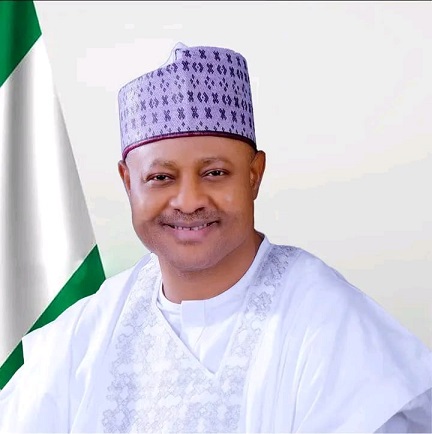
Adamawa State Governor Ahmadu Umaru Fintiri has commenced the implementation of his ambitious Mega and Model Schools projects. 

On January 25th, 2024, the Governor officially launched the construction of the model nursery, primary, and junior secondary schools across all 21 local government areas in the Girei local government area. Additionally, the governor plans to build comprehensive one-in-all mega secondary schools, two in each of the state’s three senatorial districts.

The big question is: Why is the Adamawa State Governor engaging in these enormously ambitious projects? There are three answers. First, according to the United Nations Children’s Fund (UNICEF), one in three children in Nigeria is out of school, totalling 10.2 million at the primary level and 8.1 million at the junior secondary school (JSS) level. Adamawa State, positioned as a frontrunner in the north for reducing the number of out-of-school children, aims to sustain and enhance its progress. 

Additionally, the state has achieved remarkable milestones in maintaining existing schools and securing impressive student performance in WAEC and NECO. Notably, in the 2023 NECO examination, Adamawa came first in the North and ranked second nationally for students with more than five credits in all subjects, including mathematics and English. 

Furthermore, as part of Governor Fintiri’s 2024 budget commitment, promises include allocating projects exceeding one billion Naira to each of the 21 local government areas in Adamawa State. The construction of model and mega schools reflects a dedication to fulfilling these promises and spreading development and resources beyond the state capital, fostering a sense of inclusivity among the people.

While some dissenting voices suggest that the government should focus on rehabilitating and maintaining existing schools and skills vocational centres, the governor has already taken care of that through well-designed approaches. According to experts, Adamawa State, known for its exemplary education sector management, employs a highly regarded systematic and systemic approach. 

Adamawa has implemented a system that consistently maintains school infrastructure while concurrently constructing new ones based on needs and distribution. The state actively recruits new teachers and provides ongoing training for existing ones, aiming to enhance teacher quality, welfare, and pupil enrollment to address the challenges of out-of-school children. 

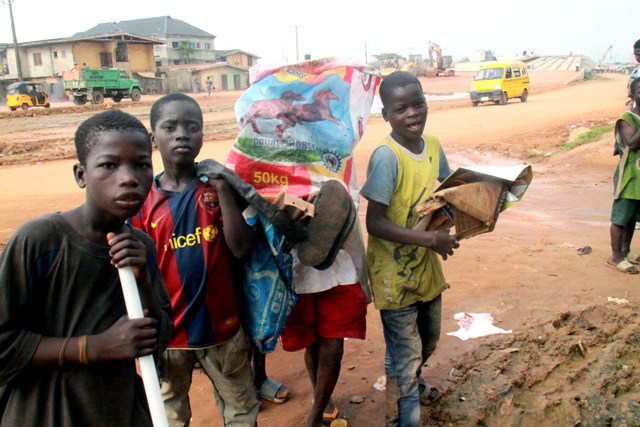
According to the Commissioner of Education, Dr. Umar Garba Pella, there are essentially two types of schools in the world: those with classrooms and street schools. Failing to enrol children in schools with classrooms may result in them attending street schools, where one child in such a setting can negatively impact the education of 10 children in a conventional classroom.

There are three takeaways from Gov. Fintiri’s launch of the construction of the 21-model nusery, primary and junior secondary schools, and the six mega schools. Firstly, there is public excitement; the majority of Adamawa residents are enthusiastic, recognising the government’s effectiveness and the inclusive nature of infrastructure development. Secondly, the projects will have a regional impact: the Model and Mega schools in Adamawa are expected to significantly influence the state’s education sector and contribute to the broader educational landscape of the northeast subregion. These schools are designed to provide advanced facilities, technology, and specialised programs, accommodating many students and fostering diversity. 

Thirdly, the schools will have a multipurpose and economic impact. Governor Fintiri’s mega and model school projects aim to address the challenges highlighted by UNICEF. The UN said that 12.4 million children in Nigeria have never attended school, and 5.9 million left school prematurely. Thus, the project will tackle the high number of out-of-school children in the northeast and provide students with modern skills aligned with globalisation. Furthermore, the economic impact is evident, with the substantial investment of 16 billion naira in the model school project, which is expected to affect the lives of residents in various ways positively.

Zayyad I. Muhammad writes from Abuja via zaymohd@yahoo.com.

Alistiqama University Sumaila celebrates full 5-year accreditation of Medical Laboratory Science programme

By Amara F.  Sesay 

Alistiqama University Sumaila is proud to announce the full accreditation of its Medical Laboratory Science Program by the Medical Laboratory Science Council of Nigeria. This accreditation reflects the university’s commitment to maintaining the highest standards of excellence in education, research and clinical practice within the field of medical laboratory science.

The accreditation process, conducted by the Medical Laboratory Science Council of Nigeria, thoroughly examined the programme’s curriculum, staff qualifications, facilities, laboratories, and overall educational experience. Alistiqama University Sumaila met and exceeded the rigorous criteria set forth by the Medical Laboratory Science Council of Nigeria, showcasing its dedication to providing students with a comprehensive and top-tier education in medical laboratory science.

The Vice Chancellor of the University, Professor Salisu Shehu, expressed his excitement about this significant achievement. “We are thrilled to receive full accreditation for our Medical Laboratory Science Programme. The full accreditation programme of five (5) years is a testament to the hard work and dedication of our founder, Sen. Dr Sulaiman Abdurahman Kawu Sumaila, the Vice Chancellor, Prof. Salisu Shehu, lecturers of the Department of Medical Laboratory Sciences, other members of staff and students who have consistently demonstrated excellence in both academics and practical application.”

The accreditation not only validates the quality of education provided by Alistiqama University Sumaila but also enhances the programme’s credibility and ensures that graduates are well-prepared for successful careers in the rapidly evolving field of medical laboratory science. The university remains committed to staying at the forefront of advancements in healthcare and technology, providing students with a cutting-edge education that meets the demands of the industry.

This accreditation is a crucial milestone for Alistiqama University Sumaila and underscores its ongoing commitment to fostering excellence in healthcare education. As the university continues to invest in state-of-the-art facilities, innovative research, and world-class faculty, it remains dedicated to producing highly skilled and competent professionals who contribute to the improvement of healthcare services globally.

For more information about Alistiqama University and its accredited Medical Laboratory Science Programme, please visit  https://ausumaila.edu.ng/ or contact Mal. Hassan Abdulrahman at +2348036205039.

Alistiqama University Sumaila is a private university dedicated to providing high-quality education, nurturing integrity and morality while fostering research and innovation, and producing graduates who make a positive impact on society. With a commitment to excellence and a focus on preparing students for successful careers, the university is gradually becoming a force to reckon with in the provision of qualitative and morally sound higher education in Nigeria. 

Mr. Amara F.  Sesay is the Chief Information Officer of Alistiqama University Sumaila, Sumaila Township Road, Sumaila Local Government, Kano.

Who are the North’s next political leaders?

By Zayyad I. Muhammad

In northern Nigeria, discussions on leadership succession and selection processes usually arise prominently only when the region is not in power at the center. Attention to these issues appears to be less pronounced when the North holds central power.

In four to eight years, the dynamics of politics in Northern Nigeria will witness a major shift because the current ‘Class 1’ political leaders will retire due to old age. For instance, in eight years, the former President Muhammadu Buhari will be 90, the former Vice President, Alhaji Atiku Abubakar will be 86, the former President, Ibrahim Babangida, will be 91, Mamman Daura will be 93, Murtala Nyako will be 90, former Head of State Abdulsalam Abubakar will be 90, former Head of State Yakubu Gowon will be 98, and General Aliyu Gusau will be 89. Also, General TY Danjuma will be 94, Sani Zangon Daura will be 94, Ango Abdullahi will be 84, Abdullahi Umar Ganduje will be 83, etc. Their age will eventually phase them out of active politics.

For ‘Class 2’ political leaders, some will also grapple with old age, and their faces are too familiar to the public. In 8 years, Nasir El-Rufai will be 72, Ali Modu Sharif will be 76, Rabiu Musa Kwankwaso will be 76, Ahmed Lawan will be 73, Aliyu Wamako will be 79, and Nuhu Ribadu will be 72. Bala Mohammed will be 74, Governor Inuwa Yahaya will be 71, George Akume will be 79, and Governor Abdullahi Sule will be 73, while the current Vice President, Kashim Shettima will clock 66, which is fairly good for him. However, globally, in recent times, people in their 80s have clinched the presidency of their countries, indicating that age is gradually becoming inconsequential in political contests.

However, the individuals poised to play a prominent and vital role, naturally succeeding the ‘Class 1’ political leaders, include some state governors completing their second terms in the 4 years and other political figures who are relatively young and have excelled in their positions. Notable among them are Governors Babagana Zulum (63), Ahmadu Umaru Fintiri (64), who is performing wonders in Adamawa despite its meager resources, Simon Lalong (69), Yahaya Bello (57), Mai Mala Buni (65), Senator Aminu Tambuwal (58), Speaker Tajuddeen Abbas (60) and many more in both the public and private sectors. While the dynamics remain uncertain over the next 4–8 years, it promises to be an intriguing new chapter in the political leadership of Northern Nigeria.

Furthermore, the next leadership of the North may emerge in contrast to our existing selection process, a process that was always haphazard and mostly shrouded by the vestiges of personal interests. It has often been devoid of the sub-national’s or country’s interests. This time around, someone’s performance in public office may play a vital role in his or her emergence as the leader of the North. The Northern masses are now more concerned about development-oriented personalities than just political names. Performance is key.

And the dynamics of the Nigerian political landscape are changing overtime as well. The country needs a well-planned leadership succession arrangement. This is even more crucial because the nation is a developing country. A structured political succession plan will free the current age-old leadership from the burden of ‘carrying the camel and its loads’.

Though our succession planning, especially in the North, has been happening within the spheres of political leadership in Nigeria, it was based on some old systems and outdated processes, so to speak, for example, when former President Olusegun Obasanjo was tackled on his choice of former President Umaru Musa Yar’Adua while being fully aware of the latter’s health condition, Obasanjo said his decision was based on the information available to him and Yar’Adua’s honesty. This has brought to the fore the need for the North and the Nigerian political leadership at large to cultivate the culture of having succession advisors and employ the science of succession. It will help them make sound decisions for the transition of leadership between the current generation of leaders and potential younger successors while still maintaining some sort of political relevance and influence.

Unfortunately, the current political leadership has a poor mentorship system, especially in terms of teaching the art of politics and participation in national politics. The most hit are often their offspring and lieutenants; they are mostly engaged in power play and wealth accumulation, forgetting the importance of leadership and governance . Thus,  when they find themselves in power, they become confused with power.

Let us also not forget that picking a successor in Nigeria is a painstaking job because of the complex nature of Nigeria’s politics. Our fault lines, apparent influence of geography, tongue and faith in our polity are some of the factors responsible for this. For instance, the political geography of the North has a large number of these political leaders, and the region has some of the oldest people in the national and state assemblies, including commissioners and council chairs.

The north’s “Class 1” political leadership must establish a well-organized yet practical succession plan – a crucial step for them, their politics and the region. Notably, some governors who will conclude their final terms in 2027, having excelled in their roles, should naturally be the future political leaders in the North and at the center.

Zayyad I. Muhammad writes from Abuja, 08036070980, zaymohd@yahoo.com

Revitalizing opportunities and promoting employment: A proposal for establishing jobs hub in Kano

By Tahir Mahmood

Kano State, known for its vibrant culture and economic potential, has witnessed an influx of companies and nongovernmental organizations. However, there is a noticeable disparity in the representation of local citizens within these entities.

There is a need to address unemployment challenges and breathe new life into the economy of Kano State by drawing inspiration from the successful Edo Jobs Center model. This initiative comes at a crucial time when the need for job creation and skills development is more pressing than ever. It is suggested that Kano State adopt a framework similar to the Edo Jobs Center, a proven model that has successfully facilitated job placements, nurtured skills development, and fostered economic growth in Edo State. The aim is to tailor this approach to the unique needs and opportunities within Kano.

Acknowledging the existence of the Sani Abacha Youth Center and the challenges it faced, the Jobs Hub may aim to learn from past experiences. It is crucial to analyze the reasons behind the center’s abandonment, incorporating these lessons to develop strategies that ensure the sustained success of the new initiative, particularly in promoting local employment.

It’s important to note the historical context, particularly of the abandoned Sani Abacha Youth Center Kano, which had similar aspirations but fell short of realizing its full potential, serving only as a wedding event center and a popular rawar gala location—a joint for hookups where local ashawos are initiated and recruited, despite the Hisbah’s commitment to curbing those activities in the state. Learning from past experiences, the Jobs Hub may aim to address the shortcomings of previous initiatives and create a sustainable platform for employment and skills development.

The key components of the Jobs Hub may include an online portal connecting job seekers with opportunities, comprehensive skills development programs, and strategic partnerships with local businesses. This holistic approach will seek to bridge the gap between job seekers and employers while equipping the local workforce with the skills needed in today’s dynamic job market.

In light of the challenges faced by the Sani Abacha Youth Center, it is imperative that the new initiative address the reasons behind its abandonment. By incorporating lessons learned from past experiences, the Jobs Hub may aim to not only overcome previous obstacles but also ensure long-term success and sustainability with modern technological advancements.

To achieve the above, collaboration with the government, private sector, and local communities is crucial. This is to encourage the Kano State government to actively engage in supporting and endorsing the establishment of the Jobs Hub, aligning it with existing employment initiatives and leveraging public-private partnerships for enhanced impact.

The success of the Edo Jobs Center model presents a compelling case for the potential for positive outcomes in Kano State. As we endeavor to revitalize opportunities and stimulate economic growth, it is hoped that the government will consider adopting the Edo Jobs strategies, setting in motion a transformative journey towards a more prosperous and vibrant Kano State.

The proposed Jobs Hub integrates various components to create a comprehensive approach to local employment: Online Portal, by establishing a digital platform connecting local job seekers with employment opportunities, making the recruitment process more inclusive and accessible.

Skills Development Programs, through implementing targeted training initiatives tailored to the needs of the local workforce, enhance their competitiveness in the job market. Partnerships with Companies, by fostering collaborations with companies and organizations operating in Kano, and encouraging them to actively participate in the Jobs Hub by recruiting from the local talent pool.

A critical aspect of this is the emphasis on addressing the issue of underrepresentation of Kano citizens in the workforce. The Jobs Hub may work closely with companies to develop strategies for recruiting and retaining local talent, promoting a more inclusive and diverse work environment through government mandates for local recruitment. By recognizing the pivotal role of the government in influencing employment practices, this suggests that Kano State can enforce regulations mandating companies and organizations operating within its borders to prioritize the recruitment of Kano citizens.

This proactive approach aligns with the state’s commitment to promoting local employment and ensuring economic opportunities are accessible to its people. Collaboration and Stakeholder Engagement: Active collaboration with both government bodies and private sector stakeholders is essential for the success of the Jobs Hub. Encouraging dialogue and partnership-building creates a supportive ecosystem for local employment initiatives. The establishment of a Jobs Hub in Kano State not only addresses unemployment challenges but also tackles the issue of workforce disparities.

By promoting local employment, the proposal aims to create a more equitable distribution of economic opportunities. The government’s mandate to enforce local recruitment practices can further solidify the impact of the Jobs Hub, ensuring a brighter and more inclusive economic future for the people of Kano State.

The State holds the promise of revitalizing the local economy and creating a brighter future for the youth. By learning from past experiences and adopting innovative solutions, Kano has the opportunity to pioneer the fostering of employment, skills development, and sustainable economic growth.

Tahir Mahmood Saleh can be reached via tahirmsaleh.seggroup@gmail.com.

More about ‘studying abroad’

By Salihi Adamu Takai

Most of the people leaving their country for acquiring education abroad make mistakes when considering the study abroad as an “easy learning” or an “easy way of gaining certificate”. Some people applied for transfer from their Universities to gain admission abroad not for the purpose of proper learning or additional gaining.

In any country, there’s a university that you can find around that’s not standard and gives certificate any how. So, if someone is intending to gain only certificate (not qualitative education) he can get that in his/her surroundings. In learning, the intention and purpose matter. What makes you search for it, takes you there – but to what extent that can be achievable? Ask your mind!

If it’s only certificate I want, why should I leave my country for another place? Think twice or even thrice. As a Muslim, I learned in the Hadith that the Prophet (SAW) was reported to have said that “search for a knowledge even in China”. Referring to “China” in the Hadith, even though some Ulamas say the Hadith is not authentic, but it shows how important search for knowledge is/was, and it makes people curious to get it – for the well-being of their lives. It’s talking about the qualitative education not what can be gotten easily.

Studying or living abroad is a chance of life if the person uses the advantages appropriately. Apparently, it’s not something of gaining what’s easy to me or not – rather what can add me value into my life. This means a person living in the most developed country can plan to live in the most underdeveloped country in Africa. This can help the person acquire another things such as experience and study how different people live in different places.

Many people learned different languages accurately through living abroad. There you can interact with some people you have never met before. They speak what you speak not. You can learn from them something different.

Studying abroad also can be the best for you if you take it as it should be. This means as you learn from someones who are different from you nationally and socially, you can get someone new to you. Although, the contents of the things you’re acquiring are the same, but the things in them can be worth acquiring and grabbing.

Here in Uganda, I interact with Congolese whose country is Francophone. Their official language is French not English. Most of them live in some countries like Uganda to do their degree and at the same time learning English language. This shows that the purpose is not only a degree certificate – but the language is very important to them.

Therefore, it’s very important to the people (students in particular) who are living abroad to know that; it is a very good time that should be utilised decently. You’re not living there permanently. Anytime you can be asked to leave the country. So, it’s a life for a purpose with a limited time. Don’t take it as just a chance of pleasure – rather a chance of success – once it is misused – it can affect the whole life.

Revisiting the FG’s decision on Togo, Cotonou degree certificates

By Ukasha Rabiu Magama

The issuance of fake certificates, both within Nigeria and abroad, is not a new phenomenon. Many institutions globally face accusations of awarding certificates to undeserving candidates. Therefore, the case of Cotonou should not be singled out or become a focal point of public discussion.

While many institutions accused of such scandals in Nigeria vehemently deny the claims to protect their prestige, instances of fake certificate awards are prevalent. The consequences of counterfeit certificates awarded by Nigerian institutions are evident across various sectors, including the military, medical profession, education, agriculture, engineering, commerce, and politics.

The detrimental impact is reflected in Nigeria’s current challenges, such as a compromised democratic atmosphere, a corrupt educational system, unqualified medical personnel, an unorganised defence system, and widespread insecurity. 

The proliferation of WAEC, NECO, and JAMB miracle centres in Nigeria’s corrupt educational system contributes to the emergence of fake police and military officers, incompetent leaders, and escalating security challenges.

Banning Cotonou and Togo degree certificates might not be optimal, considering that Nigerian institutions must be held accountable. Fake certificate issues extend beyond international borders, with corruption being a pervasive challenge in Africa. Eliminating corruption is a formidable task, and scrutiny is warranted not only for the exposed journalist but also for individuals who acquire certificates through illegal means in Nigeria.

It is imperative for authorities to investigate how the journalist obtained his certificates in just six weeks and to allow the implicated institutions to present their case. Acknowledging the evident disparities among the three countries, Benin Republic and Togo have three three-year first-degree systems, unlike Nigeria, which has a maximum of 4-5 years.

Globally, the minimum time required to acquire a degree certificate is three years. Also, in Cotonou and Togo, this standard isn’t compromised. Meanwhile, not everyone who went to school or graduated from the suspended institutions bought certificates, and not every school in Togo or Benin Republic was involved in buying, selling, or awarding fake certificates.

Therefore, there is a need for the federal government of Nigeria to reverse its decision to suspend the degree programs in Togo and Cotonou and or arrest the journalists and the management of EGST University involved in such ungodly acts to face the wrath of the law. The allegation of buying, selling, and awarding fake certificates is not only peculiar to the Benin Republic and Togo but has also been alleged here in Nigeria.

In recent years, Ahmadu Bello University Zaria, Lagos State University, Imo State University, and the University of Jos were accused of selling and awarding fake certificates to undeserving candidates. The point here is, why did the federal government of Nigeria fail to sanction or suspend those institutions if it wanted to curb corruption in its educational system? Therefore, addressing this issue requires a comprehensive approach and a fair examination, not just suspending innocent institutions and maintaining the global standard in awarding degree certificates. 

To this end, the Students Union Government of the Institute Superirieur de Formation Professionelle are here to draw the attention of the federal government of Nigeria to reverse its decision to suspend Togo and Cotonou degree programs. On the other hand, it calls on the government to thoroughly investigate whether the said journalist followed a legal process in obtaining his degree from the accused certificates.

Ukasha Rabiu Magama wrote an opinion of Adamade Peter Adamade, National President of ISFOP University’s Alumni.

Muslim women must acquire digital skills now

By: Ibrahim Suleiman Ibrahim

In today’s consistently evolving digital world, the pursuit of digital/ICT skills has become increasingly important for individuals and communities alike. This is particularly relevant for Muslim women, who often face unique challenges in balancing their religious and family values with their career choices, hence, making them to be left behind in the digital landscape.

In this article, we will explore the importance of creating awareness among Muslim communities about the need for Muslim women, especially the married ones, to pursue digital/ICT skills.

One of the primary concerns of Muslim women is the compatibility of their careers with their religious values and family life. Most jobs in our contemporary secular societies often raise ‘Sharee’ah’ concerns—which mostly revolve around free mixing and intimacy with ‘non-mahrams’, prolonged unavailability in their matrimonial homes that often impede performance of domestic responsibilities, compromising the Islamically mandated mode of dressing for Muslim women, and so on, making it challenging for some educated Muslim women to identify fulfilling careers that align with their religious values and beliefs.

God so kind, the recent advancements in the ICT sector has now alternatively offered a wealth of opportunities for Muslim women to pursue careers that are both fulfilling and compatible with their ‘Deen’ and family life, but unfortunately, most Muslim women lack sufficient awareness of those opportunities.

It is quite essential for Islamic scholars and Muslim elites to be aware of the recent advancements in the ICT sector and to consider enlightening their communities about the potential benefits of digital/ICT skills for Muslim women. By promoting awareness and understanding, these leaders can help Muslim women make informed decisions about their careers and contribute to the overall empowerment of the community, without compromising their religious values and beliefs.

Importantly, pursuing digital/ICT skills can also lead to remote job opportunities that offer flexibility and work-life balance. These jobs allow women to work from their homes, enabling them to demonstrate their supportive roles in their marriages, while still advancing their careers. Some of the skills that can lead to remote job opportunities include web development, copywriting, social media management, digital marketing, graphic designs, virtual administration, data analytics and so on.

Furthermore, encouraging Muslim women to pursue digital/ICT skills can lead to greater empowerment and intellectual development. By acquiring these skills, Muslim women can supportively contribute to their families’ finances and also become more intellectually sound, which is in line with the principles of Islam that promote the pursuit of knowledge.

In conclusion, we are in an interconnected world where digital skills are increasingly relevant across all sectors. Muslim women lawfully deserve to be equiped with these skills so they can also participate more actively in the global economy and contribute to the advancement of their communities, within the limits of Sharee’ah.

There may be misconceptions within Muslim communities about the compatibility of digital/ICT careers with Islamic principles. However, creating awareness can help address these misconceptions and demonstrate how these skills can be utilized in ways that are consistent with religious values.

It’s therefore crucial for community leaders, including Islamic scholars and Muslim elites, to actively promote the value of digital/ICT skills for Muslim women. Their support and endorsement can greatly influence the attitudes and decisions of community members.

Ibrahim Suleiman Ibrahim is a Public Affairs Analyst. He can be reached via: suleimibrahim00@gmail.com

AAUA’s Faculty of Science’s best-graduating student: The story of Bukola Ademujimi

By Wonderful Adegoke

Having recently graduated from Adekunle Ajasin University Ondo State (AAUA) as the best student from the Faculty of Science, Ademujimi Bukola has demonstrated tremendous commitment and perseverance. Despite coming from humble beginnings, the Irele-born Ondo indigenous group has overcome numerous challenges to reach this milestone. From financial hardship to family obligations, she has had to overcome many obstacles to achieve her success.

Persuaded by her parents, Bukola accepted her fate of schooling at Adekunle Ajasin University, though against her initial dream of studying Nursing Science at the University of Port-Harcourt (UNIPORT), which was duly opposed due to the travelling distance.

“Initially, I didn’t plan to study microbiology because it sounded strange throughout my secondary school days. However, my UTME score was enough to study Nursing Science at UNIPORT. I put in for UNIPORT but was compelled to change my Institution to AAUA and pick one of their best courses. As it’s widely believed that microbiology and biochemistry are the best science courses in AAUA,” Bukola revealed.

Born into a Christian family without a silver spoon, Hers was a Grass to Grace story, as she wasn’t relieved of support from her happy and supportive family. Over time, her love for microbiology rekindled.

Beaming with smiles, the graduand with a CGPA of 4.84, coupled with an aesthetic feeling, described hers as ‘Joy at last’. “It wasn’t actually easy,” she recalled.

Recalling her 100-level days with a cumulative GPA of 4.56 was enough to gear her. She proposed to keep the energy rolling. “Though, I didn’t want to choose microbiology. I believe that whatever is worth doing is worth doing well.  I had initially worked towards a 4.0 when I discovered my roommate was on a 3.9 scale. But, I was motivated when our 100-level first semester results were released, and I was on a 4.56 scale. After getting Cs in two courses during my early days in AAUA, I promised never to get a C. My background inclusive motivated me to study hard,”  she added.

Despite facing financial challenges, she wasn’t deterred, as this ignited her resilience for greater inputs.

“Mine was a sweet, sad experience. It was so challenging. I lived on #500 for a week several times,” Bukola recounted.

An ardent believer in hard work, her inputs weren’t relinquished by strict policies – the marking scheme of lecturers inclusive, as acclaimed by several students.

“I study when it’s convenient for me. As soon as I get the course outline, I study it and do my research. Previous readings helped me a lot. I don’t wait until a test or exam is coming up – by Saturday, I make sure I’ve gone over all the material we covered during the week so I’m prepared for any impromptu test. I made friends with like-minded colleagues. I belong to a group widely recognised in the department – ‘Emerging scholars’. We, the group members, share knowledge, teaching and coaching ourselves. Though I’m not social, I got involved in spiritual activities.

I am competitive by nature. Before each class, I ask my senior classmates about our lecturers. We’re fortunate to have some of the best lecturers in our department. I study each lecturer, learn their quirks and habits, and tailor my approach to match their preferences. During exams, I choose the most comprehensive questions, as I believe this is the best way to demonstrate my understanding of the material. I strive for perfection, and ‘A’ is my goal. A grade of ‘C’ is unacceptable to me – it’s the same as failing a course. In my first semester of 100-level, I got a ‘C’ in a course, and in SIWES 308, my second semester of 300-level. While I protested, the university was unresponsive,” she said.

She doubled as the best in Microbiology in the 2020/2021 academic session and elucidated winning strategies for students aspiring to such feats.

“Trust God, know yourself and study your lecturers. Ask questions from like-minded senior colleagues. You can do more than anyone has ever done,” she advised.

Bukola, the prodigious microbiologist, isn’t only committed to impact through the knowledge gained within the four campus walls. She’s also committed to ensuring gender equality in her future endeavours.

“Though, I’ve been given a lecturing offer. I’ll use this to impact society with the knowledge gained. I intend to also specialise in food and industries, an aspect of microbiology. I equally intend to establish a non-governmental organisation (Equicare foundation) that’ll impact the society, specifically 100 and 200-level students,” she concluded.

Wonderful Adegoke wrote via wonderadegoke@gmail.com.