Zamfara Ambush: Last straw that should break the camel’s back
By Kabir Fagge Ali
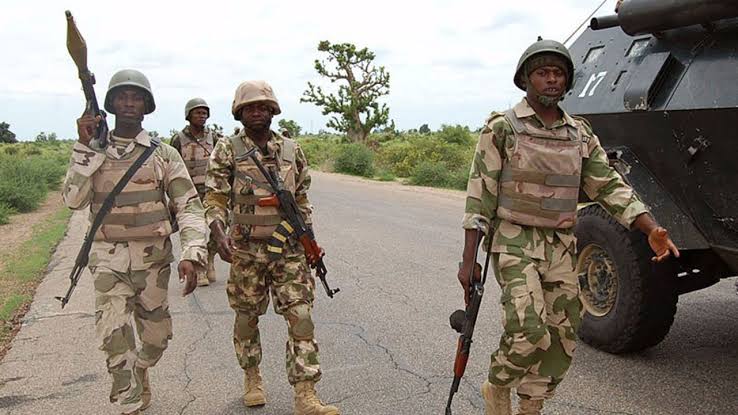
It is a known fact that security personnel are always ready to pay the supreme price whenever they are in line of action. Their patriotism and unrelenting effort in tackling insecurity partly make us sleep comfortably at night.
Worrisome, however, are reports that our gallant troops, who protect our territorial integrity and lives, are allowed to be slaughtered like guinea pigs during terrorists’ ambushed attacks.
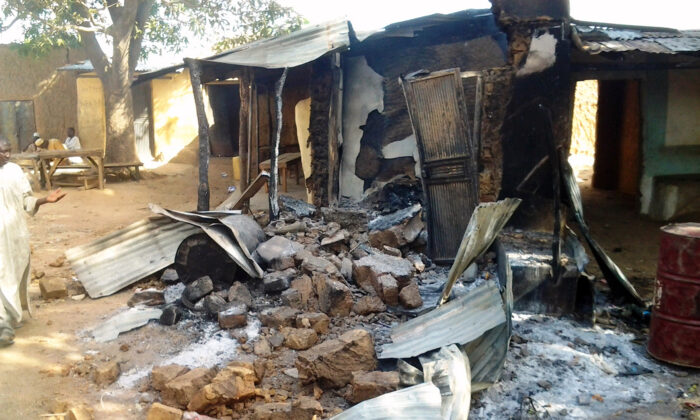
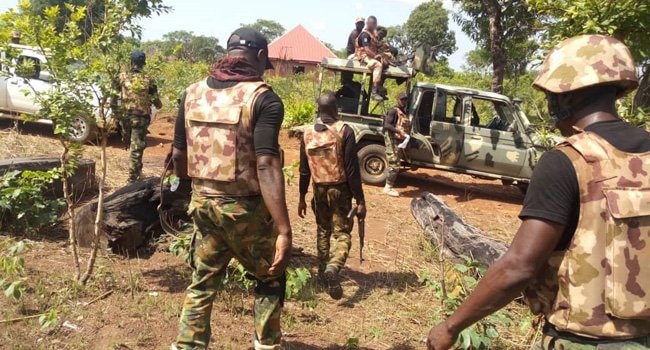
Last Saturday was a black day as troops of the Nigerian Army, alongside two Police officers, were killed around the Danjibga axis in the Tsafe Local government area of Zamfara State in an ambush.
The attack on the troops by bandits is in retaliation to several attacks launched by troops on different bandit camps in the state, leading to the death of numerous terrorists and the destruction of their camps and ‘operational’ motorcycles, among others.
Zamfara has been battling insecurity for nearly a decade. The Nigerian military, however, must be commended for leading the war to end banditry in the troubled North Central state and general insecurity in the country.
But winning the war demands our collective support. Both the federal government, the military, other security agencies and citizens must join forces and come up with a portent strategy for tackling terrorists and other criminal elements, holding our dear nation to ransom.
That is why a multifaceted approach to fighting insecurity is imperative. Firstly, the military’s intelligence-gathering system must be enhanced. This will help quickly identify the movements and plans of terrorists and other armed groups.
Strengthening collaboration between various security agencies and investing in technology, such as surveillance and communication equipment, are also vital.
Again, we need to equip our troops with modern and sophisticated ammunition, and the government must allocate adequate resources to ensure that the military has the tools and knowledge needed to adapt to evolving security threats. This will also help its troops navigate the challenging terrains often exploited by insurgent groups during gunfire battles.
Community engagement remains a linchpin in the fight against insecurity. Local populations can be pivotal in providing credible intelligence, as they possess invaluable knowledge about their communities.
Establishing trust between the military and communities is paramount for building a united front against insurgency. Addressing the root causes of violent conflicts in the country is another thing that cannot be overemphasised.
Beneficial socio-economic policies and sound development initiatives focused on providing education, healthcare, and employment opportunities can help to dissuade our youths from being recruited into armed and terror groups.
By addressing the underlying issues, the government can reduce the appeal of insurgency, banditry, robbery and oil theft, among other crimes. And marginalised populations will not find cause to take to criminalities and heinous vices for survival.
Furthermore, international collaboration is crucial in tackling cross-border security threats. Zamfara’s proximity to neighbouring countries should necessitate coordinated efforts to prevent armed groups from exploiting regional vulnerabilities.
Similarly, collaborative intelligence sharing, joint patrols, and diplomatic initiatives can contribute to a more robust defence against insurgencies.
In summary, curbing the spate of ambush attacks on troops in Zamfara and other states afflicted by terrorism and banditry requires a holistic strategy, combining intelligence, technology, community engagement, and socioeconomic development.
Let’s hope that those saddled with piloting the affairs of our dear nation summon the political will to do what is needed this time. They have been docile for a long while now.
Kabir Fagge is an NYSC member with PRNigeria Centre Abuja.