WHO

Perinatal oral health: A neglected aspect of maternal and child well-being

By Oladoja M.O

Across all health-related policies, discussions, and publications, maternal and child care undoubtedly ranks among the top three priorities of our national healthcare system. Without mincing words, it constitutes a core aspect of public health that rightly deserves every ounce of attention it receives. One might ask, why is this so? 

A report by the World Health Organisation (WHO) underscores the alarming statistics, revealing that, in 2020, a maternity-related death occurred nearly every two minutes. This equates to approximately 800 daily maternal deaths from preventable causes across various regions of the world. 

Similarly, UNICEF, in one of its latest reports, noted that while Nigeria constitutes only 2.4% of the world’s population, it accounts for a staggering 10% of global maternal deaths. Recent figures indicate a maternal mortality rate of 576 per 100,000 live births, ranking as the fourth highest globally. Furthermore, an estimated 262,000 neonatal deaths occur annually at birth, the second-highest national total in the world.

Beyond these mortality figures, numerous other health complications afflict this demographic, often with far-reaching, detrimental consequences. Some of these complications include hypertension, gestational diabetes, infections, preeclampsia, preterm labour, depression and anxiety, pregnancy loss or miscarriage, and stillbirth. These conditions may jeopardise the health of the mother, fetus, or both, and can be life-threatening if not properly managed. With such distressing statistics, it is impossible not to prioritise this critical issue.

Recognising the gravity of the situation, the government has implemented several initiatives to address maternal and child health concerns. Notable programs include the Midwife Service Scheme, which aimed to enhance the healthcare workforce by deploying midwives to provide maternal health services in rural areas, and the Saving One Million Lives Program for Results, a performance-based funding initiative aimed at improving maternal and child health outcomes at the state level.

Additionally, the Maternal Mortality Reduction Innovation Initiative (MAMII) prioritises life-saving interventions for women and newborns, strengthening healthcare services in the 172 most affected local government areas through supply- and demand-side strategies.

However, despite these concerted efforts and the significant attention accorded to maternal and child healthcare, a critical yet insidious aspect of this discourse remains grossly overlooked—oral health. Among the myriad etiological factors contributing to maternal and child health complications, the intersection of oral health and overall maternal well-being is frequently ignored. 

A 2024 study highlighted that a mother’s oral health status, knowledge, literacy, attitudes, behaviours, and socioeconomic status are pivotal determinants of childhood caries. Another recent study underscored the detrimental impact of poor oral health during pregnancy, linking it to adverse outcomes such as preterm birth, low birth weight, preeclampsia, gingival ulcerations, pregnancy granulomas, gingivitis, and pregnancy tumours (epulis gravidarum). 

According to a CDC physician, improving pregnant women’s oral health is one of the most effective strategies for preventing early childhood caries. She further emphasised that oral health is an essential component of prenatal care, as poor maternal oral health can significantly compromise both maternal and neonatal health, setting the foundation for lifelong health challenges. Additionally, periodontitis has been strongly associated with adverse pregnancy outcomes, including preterm birth and low birth weight.

Given these profound implications, one would expect a holistic approach to maternal healthcare—one that integrates oral health awareness and services into prenatal care. Unfortunately, this is far from reality. A 2024 scoping review revealed that dental service utilisation among pregnant women in Nigeria is alarmingly low, with visits largely driven by curative rather than preventive needs.

Despite the serious risks associated with poor oral health during pregnancy, oral health education remains conspicuously absent from antenatal awareness curricula, and primary healthcare centres lack dedicated oral health officers.

Thus, this serves as a call for urgent action and heightened awareness. The advocacy for integrating oral health education into antenatal classes must persist, as maternal knowledge of oral healthcare is often inadequate. 

Pregnancy is a critical period that necessitates heightened attention to oral health, and dental clinic visits should be regarded as an indispensable component of prenatal care. Most importantly, the government must prioritise the strategic deployment of public oral health officers to ensure that this vulnerable demographic’s unique oral healthcare needs are adequately addressed.

Oladoja M.O writes from Abuja and can be reached at: mayokunmark@gmail.com
Noma, a deadly but neglected infection 

By Lawal Dahiru Mamman 

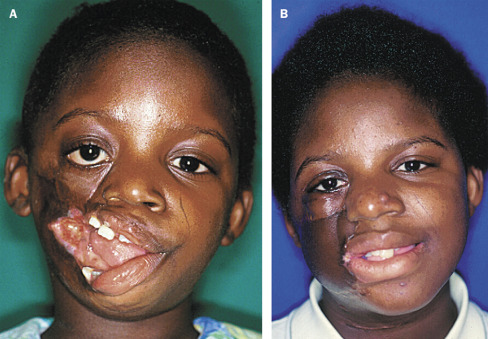
Noma, otherwise known as necrotising ulcerative stomatitis, gangrenous stomatitis, or cancrum oris, is a bacterial infectious but non-contagious infection; resulting from poor oral hygiene, lack of sanitation and malnutrition, affecting both soft and hard tissues of the mouth and face, rapidly progressive and more often than not fatal.

The most common sign and symptom is the development of an ulcer in the mucous membrane of the mouth before spreading to other parts of the face. If detected early, the condition can be arrested with antibiotics, proper nutrition and oral hygiene, while late diagnosis does not restore disfigured or damaged tissues even if treated.

Affecting children between 2 to 6 years of age, the disease is prevalent in impoverished communities in Asia and Africa. However, infection was also found decades ago in Europe and South America. This infection has since vanished with improved livelihood and healthcare.

Preventable but deadly, all over the world, Noma has been given the cold shoulder (neglected) over the years. The absence of current epidemiological data has made the data of the World Health Organisation (WHO) from 1998 the most frequently cited estimation of the disease, with a global estimate of 140,000 new cases recorded annually, with a majority in Sub-Saharan Africa and a mortality rate of 90% if not treated within two weeks.

The infection has not spared the children in Nigeria, falling under the countries in Sub-Saharan Africa, killing numbers and leaving survivors disfigured, coupled with the reality of leaving the rest of their lives under stigmatisation.

This informed the decision of the Federal Ministry of Health to call on the WHO at the 75th World Health Assembly to include Noma on the list of Neglected Tropical Diseases (NTDs) where it belongs.

The call was aimed at rallying global support to eliminate and start preventive and curative measures against the preventable but deadly disease.

Established in the year 1999, the Noma Children’s Hospital, Sokoto, up until May 2022, when Noma Aid Nigeria Initiative (NANI) began construction of a new 100-bed National Noma Treatment Centre within the National Hospital, Abuja, has been the only specialist hospital shouldering the burden of the debilitating disease in the country.

The Chief Medical Director of the hospital in Sokoto said, “what is lamentable is that the disease is curable and even preventable, but lack of awareness has made a good number of patients die at home without visiting the hospital, exacerbating knowledge gap.”

To create awareness on predisposing factors like malnutrition, vitamin (A and B) deficiency, contaminated drinking water, immunodeficiency and living in proximity to livestock, November 20th have been set aside as Annual Noma Day.

Before resting my case, let me advocate that the awareness campaign held annually on NOMA DAY be taken to people in rural areas. These people are most vulnerable and unaware. Therefore, it will be better than having the symposia in town or city halls where the inhabitants are most likely informed. Moreover, more specialists should be trained on the infection to establish more specialist hospitals in at least each geopolitical zones of the country to unburden that in Sokoto and the upcoming one in the Federal Capital Territory.

Furthermore, people should be encouraged to embrace oral hygiene and proper nutrition like a religious ritual. In suspected cases, patients should be taken to the hospital for appropriate treatment to prevent disfigurement. Routine vaccination for children ought to be taken as a priority of every parent, and individuals with any information on Noma are encouraged to carry out a personal campaign in their locality amongst family and friends because the little things we do can make a difference.

Lastly, I urge all to avoid stigmatisation of survivors because they were but victims of circumstance.

Lawal Dahiru Mamman, a corp member, writes from Abuja and can be reached via dahirulawal90@gmail.com.

Raising the alarm on Nigeria’s rising Yellow fever epidemic

By Dr Naima Idris

Over one hundred and sixty (160) million people – more than half of the country’s current estimated population – are at risk of yellow fever in Nigeria, reports by the World Health Organisation (WHO) Africa Region have recently highlighted. Lately, the yellow fever virus has become of serious global health concern more because the wakes of its historic outbreaks are trailed by devastating outcomes. 

The WHO says the virus is spreading rapidly across Africa, warning that the rising trend could cause an epidemic in Nigeria, mainly because of its large population. Consequently, it issued an advisory for travellers to and out of Nigeria to consult their healthcare provider on precautionary measures required against the virus if need be. 

The Yellow Fever virus is endemic in tropical areas of Africa and Central and South America. The disease is a potentially fatal disease, as half of its patients in the toxic phase die within 7 to 10 days. 

The demography of Nigeria is one of the most important and common reasons why the fever could spike in the country. According to the region’s WHO, Nigeria is one of the countries most vulnerable to the yellow fever virus and has a history of poor health infrastructure. Additionally, the Nigerian population is largely uninformed about health and hygiene precautions, which makes them particularly susceptible to the virus.

According to the Nigeria Centre for Disease Control (NCDC), the yellow fever epidemic in Nigeria could spike in the coming weeks. This becomes worrisome due to the fact that there is no treatment for the virus; the good news is, for most people, a single dose of yellow fever vaccine gives long-term protection. 

Travellers going to areas with an outbreak are usually encouraged to consider taking a booster dose of the vaccine. This recommendation is critical to those who have been vaccinated ten years ago or more from the period of the first shot. In some countries, a booster dose of the vaccine is a requirement for entry. 

For health-conscious minds who understand the magnitude of such alarm, panicking is a reflex possibility; however, protection and precaution – especially for travellers – have proved time and again to be effective weapons in curbing epidemics. To effectively achieve this, the WHO fact sheet outlines these measures to include avoidance of close contact with people who are sick or even appear so, staying away from mosquito-infested areas, using mosquito repellent to ward them off, lodging in hotels that have been well-screened and consulting a healthcare professional about specific needs.

While precaution and protection remain key, we must be well acquainted with its symptoms, including fever, chills, headache, muscle pain and back pain. Other symptoms are nausea, vomiting, fatigue, weakness and rash. 

Most people with the initial symptoms improve within one week, while others will develop a more severe form of the disease which includes symptoms such as high fever, yellow skin (jaundice), bleeding (mouth, nose, eyes, stomach), abdominal ache and organ failure (liver and kidneys).

Though vaccines work and are the only treatment available, certain people should not be vaccinated because complications (side effect) could arise due to underlying ailment and/or treatment they are undergoing. This includes organ transplant recipients, individuals diagnosed with a malignant tumour, those diagnosed with thymus disorder associated with abnormal immune function, and patients diagnosed with primary immunodeficiency. 

Other categories include individuals who use immunosuppressive and immunomodulatory therapies and those who are allergic to a vaccine or something in the vaccine (like eggs). Allergic reaction symptoms include difficulty breathing, swelling of the face and throat, and hives. If any of these symptoms is experienced after receiving the vaccine, medical attention should be sought immediately.

All diseases require a medium to spread, be it air, water, insects, etc. For example, the yellow fever virus being a viral disease is spread through the bite of an infected Aedes aegyti mosquito which serves as the vector of the deadly disease. Worthy of note is that direct spread from one person to another does not occur. 

It is therefore expedient for individuals and businesses in Nigeria to be aware of the yellow fever virus and take the necessary measures to avoid being infected. By following the guidelines of health professionals and organisations, protecting oneself and those around from this dangerous disease is achievable.

Dr Naima Idris, a Medical Doctor and Initiator of “Girls Talk Series,” writes from Kano and can be reached via (naimageidam@gmail.com).

In the fight against malaria, what more should we do? 

By Lawal Dahiru Mamman

Malaria is a mosquito-borne infectious disease that affects humans and other animals. Malaria typically causes fever, tiredness, vomiting, and headaches. 

Malaria can cause jaundice, seizures, coma, or death in severe cases. It is spread exclusively through bites of infected Anopheles mosquitoes. The mosquito bite introduces the parasites from the mosquito’s saliva into a person’s blood. Then, the parasites travel to the liver, where they mature and reproduce.

Malaria is a disease that has bedevilled and is still bedevilling the human race, with a high level of incidence in African countries. The worry is that malaria is preventable and treatable but still affects millions all year round. According to the World Health Organisation, 627,000 people died from the disease, leaving another 241,000,000 infected in 2021.

To curb the menace of this disease, the government is spending a lot, the international community is donating, and non-governmental organisations are helping to see that the world is free from malaria. 

This is mainly done by purchasing insecticide-treated mosquito nets, insecticides of different brands, seasonal malaria chemo-prevention and antimalarial drugs in case of infection.

Families also do their due diligence in ensuring that houses are spread with insecticides to kill mosquitoes and that they all sleep in the comfort and protection of mosquito nets. However, all these will not be enough if the little things are not addressed because after all the efforts indoors, you go out of the house only to find out that those tiny beasts are lurking around to feast on you.

Of the over 3,500 species of mosquitoes, three, anopheles, culex, and Aedes, are primarily of economic importance because they are disease vectors. Anopheles carries a microorganism which causes malaria ‘plasmodium’ and other species to reproduce on standing water and complete a live cycle within 18 days or above, depending on the species.

Looking at this biology, we have so many mosquitoes around that can be deciphered; hence, to eradicate malaria, our drainage systems must be functional and provided in areas that lack them to prevent water from lodging, which invariably provides a breeding ground for the parasites. 

Residents should fill up areas with stagnant water, cut grasses close to their houses and resist dumping refuse in drainages and water bodies to allow free flow.

Communities should be informed about the dangers of dumping refuse in the drainages because, besides exposing themselves to the threat of flooding and its aftermath, blocked drainages are a good ground for mosquitoes to breed since water does not flow through.

A plant that repels mosquitoes should replace some of our ornamental flowers. A study published in Malaria Journal in 2011 titled ‘Plant-based Insect Repellents: A Review of their Efficacy, Development and Testing’ revealed that lemon grass alone could either kill or repel about 95% of certain species of mosquitoes. Likewise, trees like Cinnamon could be used as shelter belts because they can repel insects, mosquitoes inclusive. Further studies could be carried out on other indigenous plant species in order to find if they possess properties that will help eradicate mosquitoes.

Eradication of malaria may seem challenging, impossible and debilitating, but a malaria-free Nigeria is possible with a commitment to the above suggestions.

Mamman, a corps member, writes from Abuja and can be reached via dahirulawal90@gmail.com.

Antimicrobial resistance, the quiet pandemic

By Aminu Shehu Karaye

You wake up at midnight with a running stomach, all sweating and with a terrible headache. You surrendered that it was typhoid and, of course, opened the first aid shelf and brought out some drugs to take. It was amoxicillin for typhoid and tetracycline for the running stomach. But you remembered that every Nigerian has got some malaria, so you brought out the artemether and took it also. However, are you aware of antimicrobic resistance?

Even among the literate, only a few understand the effects and dangers posed by antibiotic resistance. Especially in Nigeria, where awareness is low, the magnitude of antibiotic resistance is expected to increase considerably over the coming years due to excessive use of antibiotics and other practices that are said to trigger antimicrobial resistance.

Antimicrobial resistance (AMR) is a general term used to describe the ability of microorganisms, including those that cause diseases (pathogens), to resist the effects of drugs that were once used to kill them or slow their activities. AMR is a worldwide concern and should be taken with all seriousness. The UN ad hoc interagency coordinating group on antimicrobial resistance warns that if action is not taken, drug-resistant diseases could cause 10 million deaths annually by 2050 and damage the economy, similar to the 2008-2009 global financial crisis.

Also, by 2030, AMR could force up to 24 million people into extreme poverty. The World Health Organization identified misuse and overuse of antimicrobials; lack of access to clean water, sanitation and hygiene (WASH) for both humans and animals; low-grade infection and disease prevention and control in healthcare facilities and farms; lack of access to quality, affordable medicines, vaccines, and diagnosis; lack of awareness and knowledge and lack of enforcement of legislation as the major drivers of AMR (WHO, 2021).

In Nigeria, people get antibiotics over the counter without a prescription from the appropriate specialist. An individual would take an antibiotic when he has a running stomach or even a mild headache. The misuse of antibiotics is one of the biggest causes of antibiotic resistance.

Antibiotic-resistant bacteria can also be transferred from animals to humans and vice-versa. Poultry is one of the leading industries that harbours these resistant bacteria. Due to our everyday association with poultry animals, we will likely get these bacteria into our bodies. Many other ways exist in which AMR can be established. However, it is our responsibility to curb this menace as we are the ones in danger!

Curbing the menace of AMR is everyone’s business. No matter how careful you are with antibiotics, you might buy and consume a chicken grown with antibiotics as a growth promoter, which will surely trigger resistance. Therefore, from farmers to healthcare workers to everyone else, we must all play our parts to control antimicrobial resistance.

In Nigeria, there is a need for appropriate bodies and the government to educate the masses and warn them about the dangers of antibiotic misuse. The government should also ban selling antibiotics over the counter, without doctors’ prescription, and see that previous restrictions on antibiotics are implemented.

No action today, no cure tomorrow!

Aminu Shehu Karaye wrote this article via aminushehukaraye@gmail.com.

WHO Calls for integrated response to end COVID-19,measles, others

By Abdullahi Abdullateef

The Regional Director of the World Health Organisation, Africa, Dr. Matshidiso Moeti, called for an integrated response in a bid to end the spread of Coronavirus and other vaccine preventable diseases including polio and measles.

Dr. Moeti disclosed this at a press briefing held on Thursday, April 28,2022. She said: “The rise in outbreaks of other vaccine preventable diseases is a warning sign. As Africa works hard to defeat COVID-19, we must not forget other health threats diseases.”

Noting that vaccines are at the heart of a successful public health response and as countries restore services, routine immunisation must be at the core of revived and resilient health system.

Furthermore, she commended Nigerian government’s efforts with its recent integrated approach doubling routine immunisation and COVID-19 vaccination for mothers and their babies . The approach offered simultaneous vaccination of mother which otherwise known as whole family approach giving access to mother to get vaccinated for COVID-19 and other disease like polio, measles as well as getting the routine immunization for their children.

Adding that mass vaccination campaigns boosted COVID-19 uptake between January and April the percentage of Africans fully vaccinated against Coronavirus rose to 17.1% from 11.1%.

According to reports, the Africa Continent continued to witness a surge in outbreaks of vaccine preventable diseases over the past years . Almost 17500 cases of measles were recorded in the Africa region between January and March 2022 representing a 400% in 2021. Twenty African countries reported measles outbreaks in the first quarter of this year, eight more than that in the first three months of 2021.

Speaking at the press conference, Dr. Benido Impowa stressed that routine immunisation had been a long practice in many African countries but stuck with the impact of COVID-19.

He maintained that WHO is working with African countries devise smart approaches so as to scale up both COVID-19 vaccination and ensure restoring and expansion of routine immunisation services.