Tragedy

When silence kills: Lessons from Kano’s daylight tragedy

By Ibrahim Aliyu Gurin

What is more terrifying than violence? It is the sound of someone calling for help, with no one responding. That cry, unanswered, is the quiet horror that haunts our communities.

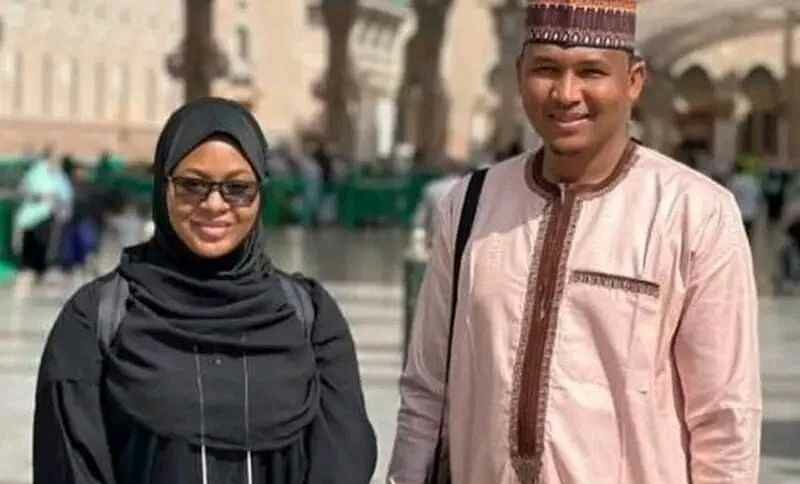
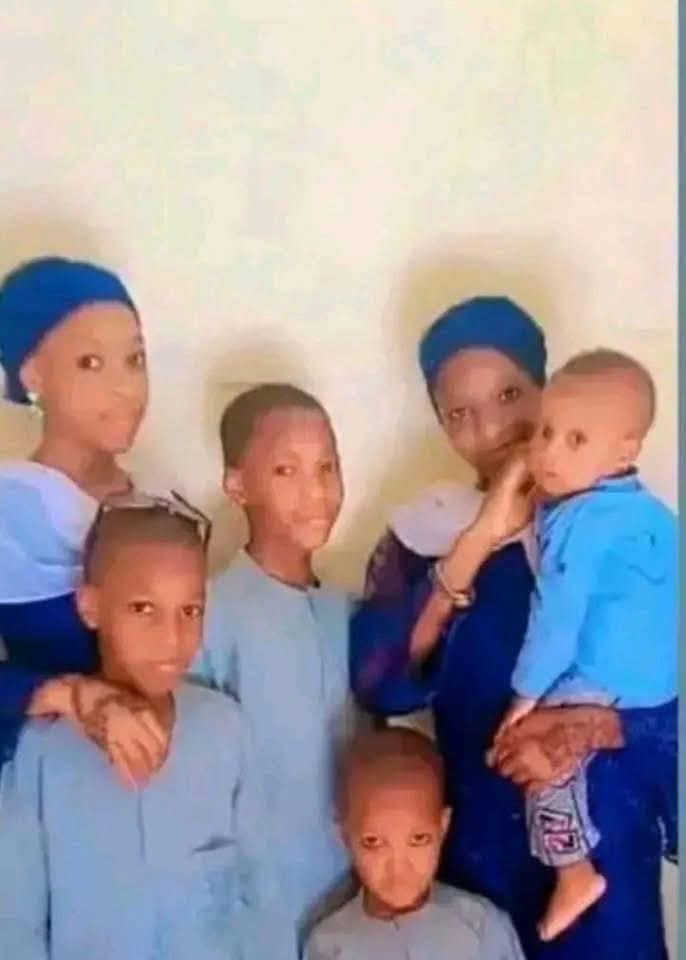
Last week in Kano, a family was killed in broad daylight. Neighbours reportedly heard the screams but stayed indoors. Outrage spread on social media. How could people hear such suffering and do nothing? How could an entire community remain silent while lives were being taken right next door?

At first, the silence felt unforgivable. Then I remembered something my Media and Society lecturer, Binta Suleiman Gaya, once said: crime is rarely about criminals alone. It is often a mirror of the society that allows it. Suddenly, the tragedy began to make painful sense.

I thought of my own experience. We grew up in a different Nigeria. Then, whenever discipline crossed into anger in our house, our neighbour was always the first to intervene. Once her name was mentioned,  “Hajja Mamma Yidam! Yidam!” (Rescue me), she would rush out immediately, pleading on our behalf. Sometimes we would deliberately call her name, knowing she would come to our rescue. That was how our society functioned. Not because everyone was perfect, but because everyone was involved.

We grew up in Nigeria, where even if a neighbour was beating a child, people would rush out to ask questions. Elders would intervene. Women would shout across fences. Youths would gather instinctively. No cry was ignored. No pain was considered private. That society shaped our humanity.

Today, a person can scream until their voice disappears into death, and doors remain locked. People now live only metres apart, yet are emotionally separated by fear. In Media and Society,  this condition is described as “alienation”, which is the gradual breakdown of social connection and communal responsibility.

Modern media culture has accelerated this separation. Through phones, television and social platforms, we are exposed to violence such as daily killings, kidnappings, and accidents, which are endlessly replayed. Human suffering now competes for attention in timelines and headlines.

Over time, this constant exposure creates “desensitisation”. What once shocked us now barely interrupts our scrolling. Tragedy becomes routine. Death becomes familiar. Media and Society argues that when violence becomes normalised in the media, society unconsciously absorbs that normalisation.

Alongside this is the rise of individualism. Survival has become personal. Safety has become private. The collective spirit that once defined African communities has been replaced with the logic of “mind your business.”  So when danger appears, people retreat indoors, but not always out of wickedness, but because society has trained them to think first of self, not community.

The course also explains the bystander effect, a psychological phenomenon in which individuals fail to act in emergencies because responsibility feels shared. Everyone assumes someone else will intervene. In moments like the Kano tragedy, everyone heard, and everyone waited.

Fear worsens this silence. Media reports of mob justice, wrongful arrests and police brutality have created deep public distrust. Many citizens now fear becoming suspects more than becoming helpers. The result is a society paralysed.

Media and Society helped me understand that insecurity is not only about criminals and weapons. It is also about broken trust, weakened communal values and a media environment that has reshaped human behaviour.

Our old society relied on communal vigilance. When danger came, the community itself became the first responder. Today, citizens wait for institutions that often arrive too late. The killers in Kano did not act alone. They were aided by fear and protected by our silence. 

The government must rebuild trust between citizens and security agencies. Community policing must be strengthened. Media institutions must go beyond reporting bloodshed and begin promoting empathy, social responsibility and communal vigilance. Religious and traditional leaders must revive the values that once made indifference shameful.

Beyond policies lies humanity. Every life lost affects us all. Speak up, protect your neighbours, and restore the community we once had.

We pray for the souls of those who lost their lives in Kano. May their families find strength, and may we as a society learn to act before it is too late. Let their cries not be in vain.

Ibrahim Aliyu Gurin wrote via ibrahimaliyu5023@yahoo.com.

Niger fuel tanker tragedy: A lesson yet to be learned

By Abubakar Musa Idris 

Tragedy struck again in Nigeria on Saturday as a devastating fuel tanker explosion claimed lives and left others injured, highlighting the alarming reoccurrence of such disasters.

Just last year, specifically on 15 October 2024, a fuel tanker in Majiya town, Jigawa State, erupted in flames after residents rushed out to scoop petrol from it. This tragic incident claimed the lives of over 150 people, leaving countless others injured and traumatised. Sadly, this year, we have witnessed another devastating fuel tanker accident in the Dikko area of Niger State, resulting in the loss of over 80 lives.

The frequency of these accidents raises a troubling question: Why do Nigerians continue to risk their lives by scooping fuel from tankers, despite the clear dangers? Is it a lack of awareness regarding the associated risks, or is it the harsh economic situation that compels people to take such drastic measures?

According to the Federal Road Safety Corps (FRSC), Nigeria recorded over 300 fuel tanker accidents between 2020 and 2022. Alarmingly, the FRSC listed fuel tanker accidents as one of the leading causes of road crashes in 2020, resulting in more than 535 fatalities.

Experts attribute the persistence of fuel scooping to a combination of factors, including poverty, unemployment, and a lack of access to affordable fuel. “Many Nigerians are forced to scoop fuel due to economic necessity,” says Dr. Afolabi, a safety expert. “However, this practice is not only hazardous but also perpetuates a culture of recklessness.”

Regrettably, the recent fuel tanker accident in Nigeria is not an isolated incident. Just last year, a fuel tanker accident in Minna, Niger State, claimed the lives of over 50 individuals. In 2022, a fuel tanker crashed on the Lagos-Ibadan Expressway, resulting in 12 fatalities. Comparable incidents have taken place in Kaduna, leading to substantial loss of life and property. These recurring tragedies underscore the urgent need for action to tackle the root causes of fuel tanker accidents in Nigeria.

The dangers of fuel scooping are genuine and severe. The risks of explosions, fires, and spills are always present, and the consequences can be devastating.

The government and relevant stakeholders must take concrete steps to address this issue. One way to combat the menace of fuel scooping and ensure road safety is to launch targeted public education and awareness campaigns. 

 It is essential to launch targeted public education and awareness campaigns. These campaigns should concentrate on informing the public about the dangers of fuel scooping, the significance of road safety, and the repercussions of reckless behaviour. Raising awareness and fostering a culture of safety are vital steps towards reducing the frequency of fuel tanker accidents and saving lives.

Enhancing safety regulations is another critical strategy for preventing fuel scooping and ensuring accountability. Strengthening existing laws and regulations and enforcing stricter safety standards for fuel transportation, storage, and handling can help prevent accidents. This, in turn, reduces the risk of fuel tanker accidents and protects lives and property.

Investing in enhanced road infrastructure and fuel storage facilities is crucial for minimising the risk of accidents and spills. Upgrading roads to alleviate congestion and enhance safety, alongside constructing modern fuel storage facilities that comply with international safety standards, are vital measures to consider. Such investments not only mitigate the risk of fuel tanker accidents but also safeguard lives and property, whilst fostering economic growth and development.

As Nigerians mourn the lives lost in these tragic accidents, we must also recognize the need for collective action. The government, stakeholders, and individuals must join forces to address the root causes of fuel scooping and ensure a safer future for all Nigerians.

These fuel tanker tragedies represent more than just statistics; they serve as a stark reminder of the human cost of systemic failures. While immediate actions like public education and stricter regulations are crucial, the real test lies in Nigeria’s ability to create an environment where citizens no longer feel compelled to risk their lives for fuel. Until we achieve this fundamental change, we will continue to count losses instead of progress.

Abubakar Musa Idris is a PRNigeria fellow and wrote via abkidris99@gmail.com.

From friendship to tragedy: The unforgivable loss of my brother

By Abdulrazak Abdulrauf Mudi

No words can truly capture the bond between brothers, but for me, my younger brother was more than just a family member; he was my closest companion, a light in our home, and someone who always had a smile for everyone. Full of life and optimism, he never failed to see the good in others, even when it wasn’t deserved.

Sadly, one of his closest friends since childhood, someone he grew up with and trusted, would eventually be the cause of an unimaginable tragedy – a grand betrayal. It was a life cut too short.

Aminu Abdulrauf was born in Rugu-Rugu in 1999, a small community in Tudun Wada Local Government Area of Kano state. He was a kind, hardworking, and respectful young man loved by everyone in our family and known for his joviality.

Aminu wasn’t just a brother to me; he was inspirational. He led a peaceful, trouble-free life and enjoyed spending time with his friends, who he considered family.

Aminu completed his education at Rugu-rugu Central Primary School and graduated from Government Senior Secondary School Faskar Ma’aaji in 2018. From all indications, Aminu’s future seemed bright. He had built a house and was preparing for his marriage. But everything changed all of a sudden. 

One fateful Monday afternoon in 2022, around 2:30 pm – a typical afternoon for Aminu, who was sitting with his friends, chatting and playing at their usual meeting point just opposite my house, he borrowed a knife from one of his friends who sold sugarcane, intending to fix a stick he was holding. As he worked on the stick, Mudassir Ashura, one of their childhood friends, had the other end. In a tragic accident, the knife Aminu was using slipped and cut Mudassir’s hand, leaving a minor injury.

Aminu was horrified at what had happened and immediately tried to help. He offered traditional medicine to stop the bleeding and even pulled out ampicillin from his pocket to provide some first aid. But Mudassir denied any help, instead muttering words of revenge.

Neither Aminu’s friends nor my brother himself took Mudassir’s threat seriously. They thought it was a passing comment born out of frustration.

But Mudassir’s anger wasn’t fleeting, so he rushed home, grabbed a sharp knife, and returned to confront Aminu. Without hesitation, he stabbed Aminu on the right side of his stomach. The air was filled with my brother’s cries for help as blood began to flow rapidly from the wound.

In the chaos, Mudassir fled the scene, leaving Aminu in the pool of his blood and gasping for breath.

We rushed Aminu to Tudun Wada General Hospital, where he was immediately admitted to the emergency ward. As soon as our father heard the news, he went straight to the Tudun Wada police station and filed a report. Inspector Aminu Shuaibu entertained the case, and an order was given for Mudassir’s immediate arrest.

For two agonising days, we stayed by Aminu’s side at the hospital, praying for his recovery. Despite the tests, treatment, and even the scan to assess the depth of the knife wound, his condition worsened. On Wednesday, he passed away, leaving us shattered and consumed with grief and anger.

The following day, Aminu was buried amidst hearts. We offered prayers in an attempt to find solace in our faith. Our father assigned me the responsibility of following up the case against Mudassir. The authorities charged him with murder,and we spent weeks going back and forth between the police station and state headquarters in Kano.

One of the most heartbreaking aspects of this process was how the system treated us. The police demanded money from us to fuel their vehicle to transfer the case, a painful reminder that justice can be costly even in tragedy.

After a week of efforts, the case was finally filed at court number 7 at No Man’s Land, Kano. I met with the court registrar and was informed that we would bring three witnesses to the trial.

When I returned home to update my father and family members, he made a decision that took me by surprise. With a heavy heart, he told me it was enough that no amount of struggle or court proceedings would bring Aminu back to us. He believed we should leave the matter to Almighty Allah, the ultimate judge.

In the end, my brother’s death left a permanent scar, not just in the heart of our family but also in the hearts of all who knew him. Aminu’s passing taught us painful lessons about the fragility of life, the unpredictability of those we called friends, and the dark consequences of unchecked anger.

As much as we wanted justice, my father’s decision to leave everything in the hands of Allah reminded me of the importance of faith and trust in divine wisdom, even in the face of heart-wrenching tragedy.

Abdulrazak Abdulrauf Mudi wrote from the Department of Mass Communication, Bayero University, Kano.

Tragic 2023

By Bilyamin Abdulmumin

The year 2023 has been marked by a series of tragedies, from the Tudun Biri bombing incidents and the tragic Jos massacre to the unsettling homicide of eight-year-old Ibrahim and the perplexing saga surrounding Yayu’s murder orchestrated by Chuchu.

 The airstrike mishaps that hit the faithful at Tudun Biri gathered to celebrate Maulud sent haunting echoes across the nation. Nigerian forces claimed it was a mistake. They mistook the Maulud gathering for terrorists. But wait, having carried out this kind of ‘mistake’ not once or twice, one question readily comes to mind: why does the army drone never mistake terrorists? 

Although the mishap is a national tragedy, there emerged a silver lining: uniting all Muslims, regardless of the sect, to not only condemn but pressure the government for compensation; in this regard, the Shia sect carried out a peaceful demonstration. Sheikh Dahiru Bauchi changed the community’s name after the incident from Tudun Biri to Tudun Maulud to commemorate the incident. At the same time, the rest of the public pressured the government at different levels to show serious commitment.  

National events like this serve as Mecca for political figures. So, all the 2023 presidential candidates took the opportunity to show concern one by one. President Bola Tinubu was represented by high-profile delegates, including the deputy president and Kaduna state governor, Peter Obi, who visited the injured- this gesture can go a long way to improve Obi’s sheer lack of appeal in North; of course, Kwankwaso was there, and Atiku didn’t only condemn but asked for prob. May the soul of the departed rest in Jannatul Firdaus

While the year was rounding off, another sad news mixed with surprise shook the internet. A lady named Hafsat Surajo murdered a man called Nafiu Hafizu in a highly complex manner. According to her, she killed him, a house boy, by police investigations after he had successfully stopped her from taking her life, but shockingly, she instead stabbed him to death. This revelation left so many questions at the lips of Nigerians, begging for answers:  how did he save her but could not save himself? And when in the process she gets small knife bruises, why rush to medics for treatment? How does someone who is at the point of ending his life become so concerned about a minor injury? But someone has the answer to this puzzle: he said since she has feigned mental illness, the mood usually swings, which means she can be mentally ill at the time of the killing but afterwards become normal.

Now, Hafsat side of the story alone. The next burning question is how an ex-lover could become a business partner on earth. Is an ex not usually defined as vindictive, and we see all sorts of unfriendly memes about them flooding social media?  Now, let’s throw reason in the air: after becoming a business partner, ending up as a house member would be unfathomable. There are more questions than answers to this saga.

One of the conclusions many drew was that the husband was utterly insensitive and not jealous of his family. Not only allow a business partner in his residence but also allow a ‘romantic relationship ‘with his wife to a foreigner, perhaps to give meaning to their account, they opted to call him a house boy. Let’s throw the logic into the air again and assume he missed all the signs and writings. He was the first to know about the incident; why conspire to hide it? The more you look, the less you see in this.

Plausible rumours had it that Hafizu was killed because he insisted on his plan to marry, which Hafsat was jealous about. Many ask if this is why they have to go to such lengths instead of divorcing their husband and marrying the love of their life choice. 

 One suspicious beget another, given the high level of romantic intimacy between them that surfaced on the internet, the public began to doubt the child’s actual father. To make matters worse or better, the child looked more like the deceased than the husband. This multidimensional saga threatens to dwarf all similar cases in the past. Which used to be between couples, like the case involving Bilyamin and Maryam Sanda, or unmarried lovers, like the case concerning a Chinese man and Ummita, but this case appears to be a combination of the two.

Bilyamin Abdulmumin is a doctoral researcher in chemical engineering at ABU Zaria.

Kano: Tragedy as father, son drown in well

By Muhammad Sabiu 

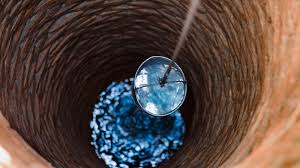
Malam Bala, 60-year-old, and his 35-year-old son, Sunusi Bala, drowned in a well in Kano.

The unfortunate incident occurred while they were drawing water from the well in Sabon Garin Bauchi, Wudil Local Government Area.

According to Saminu Abdullahi, spokeswoman for the State Fire Service, the incident happened on Tuesday morning.

A statement from Abdullahi noted that one Isma’ila Idris called the Wudil fire station in an emergency at around 11:30 a.m.

“A father and his son were called to drain a well, they had successfully drained it.

”But, the son went back into the well to clear it when he was trapped and suffocated.

“His father went after him to rescue him when he also got trapped and suffocated due to the lack of oxygen inside the well”, Abdullahi said.

The victims were brought out of the well in a coma and were eventually confirmed dead.

Their bodies have been handed over to Insp. Felix Gowok of Wudil model police station.