Terrorism

Insecurity: Defence chief, military leaders relocate to Sokoto

By Uzair Adam

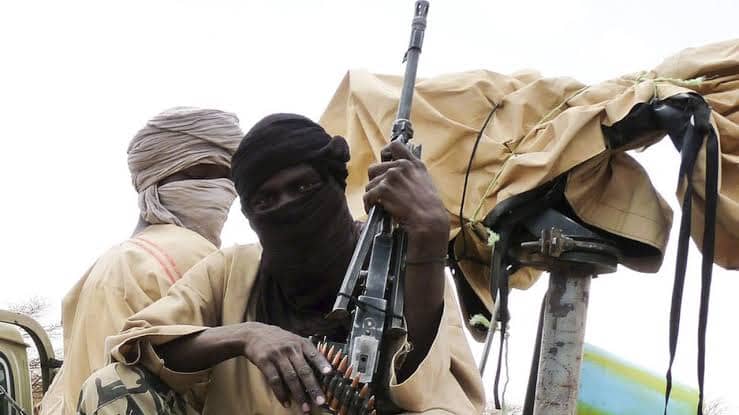
The Federal Government has directed the Chief of Defence Staff and other military heads to relocate to Sokoto, which serves as the headquarters for the General Officer Commanding (GOC) overseeing Sokoto, Zamfara, Katsina, and Kebbi states.

The Daily Reality learned that the move is part of a concentrated effort to eliminate the threats of banditry, kidnapping, and terrorism in the North West region.

In a statement, the Minister of State for Defence, Dr. Bello Muhammed Matawalle, expressed his deep concern over the ongoing activities of terrorists and bandits in Sokoto, Zamfara, Katsina, and Kebbi states and their surrounding areas.

He announced that a significant military operation would soon be launched in Sokoto, targeting banditry across the region.

“The Honourable Minister of State for Defence, H.E. Dr. Bello Muhammed Matawalle MON, has expressed his sadness over the activities of terrorists and bandits terrorizing Sokoto, Zamfara, Katsina, and Kebbi states and its environs.

“Consequently, the Honourable Minister of State has directed the Chief of Defence Staff and other military chiefs to move to Sokoto, the Headquarters of the GOC Sokoto,” the statement read.

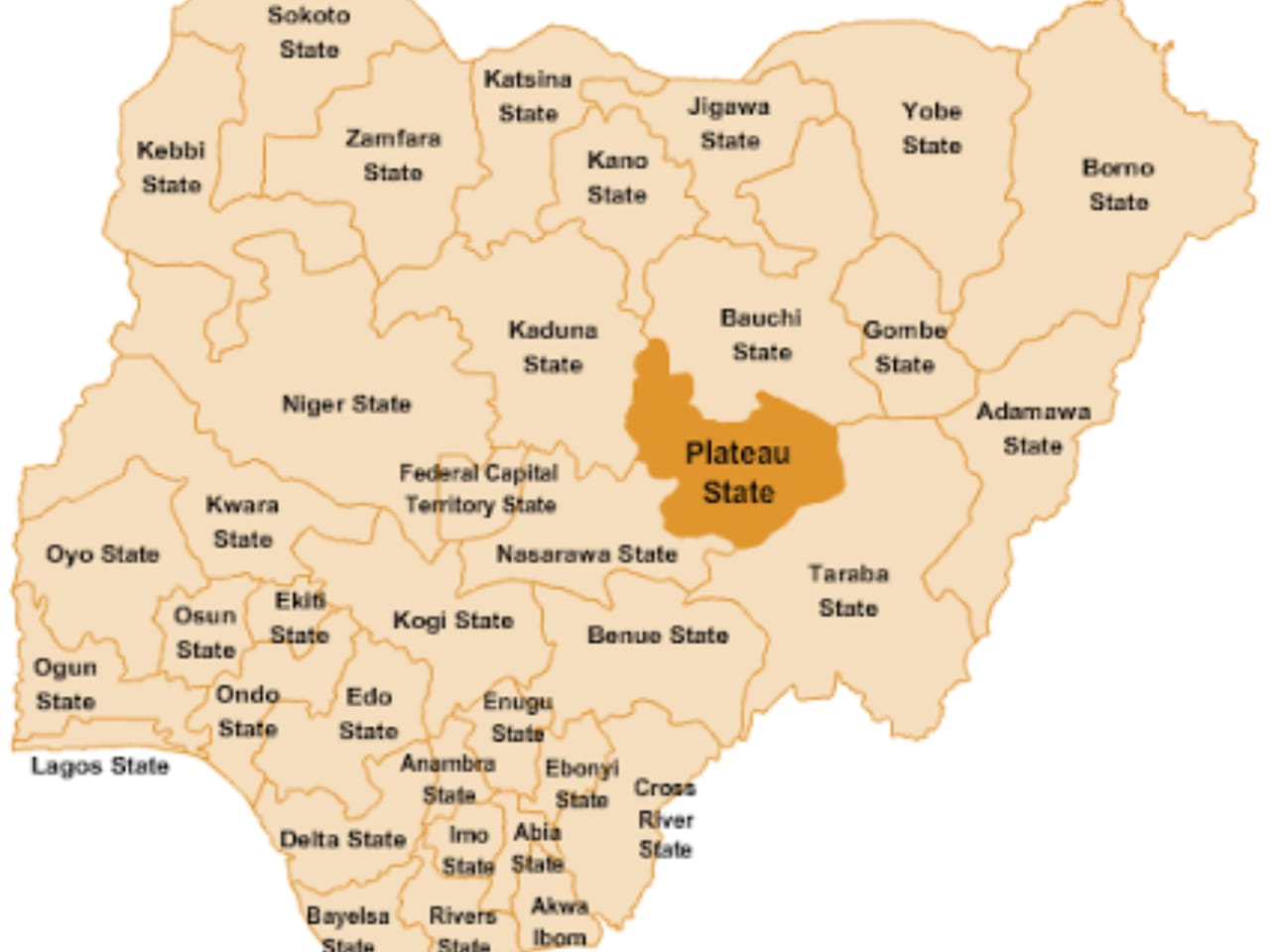
Bandits in Plateau state surrender weapons to govt

By Uzair Adam Imam

The Plateau State Government revealed on Monday that bandits operating in the Wase Local Government Area have handed over a significant number of AK47 rifles to the state authorities.

During a press briefing in Jos, the state capital, the Special Adviser to Governor Caleb Mutfwang on Security and Commander Operation Rainbow, Brigadier General Gakji Shippi, made this disclosure.

Shippi explained that the surrender of weapons followed extensive negotiations between the government and the bandits, showcasing a willingness to pursue peace through disarmament.

He clarified that the bandits didn’t directly surrender the firearms out of fear but through an intermediary involved in the negotiations.

He further mentioned that alongside the AK47 rifles, various other categories of weapons were also surrendered by the bandits, illustrating their commitment to the peace process.

Shippi emphasized that these efforts aim to encourage more bandits to voluntarily surrender their weapons, with ongoing steps to recover additional firearms from other groups.

Tinubu calls for regional counter-terrorism centre to combat terrorism in Africa

By Sabiu Abdullahi

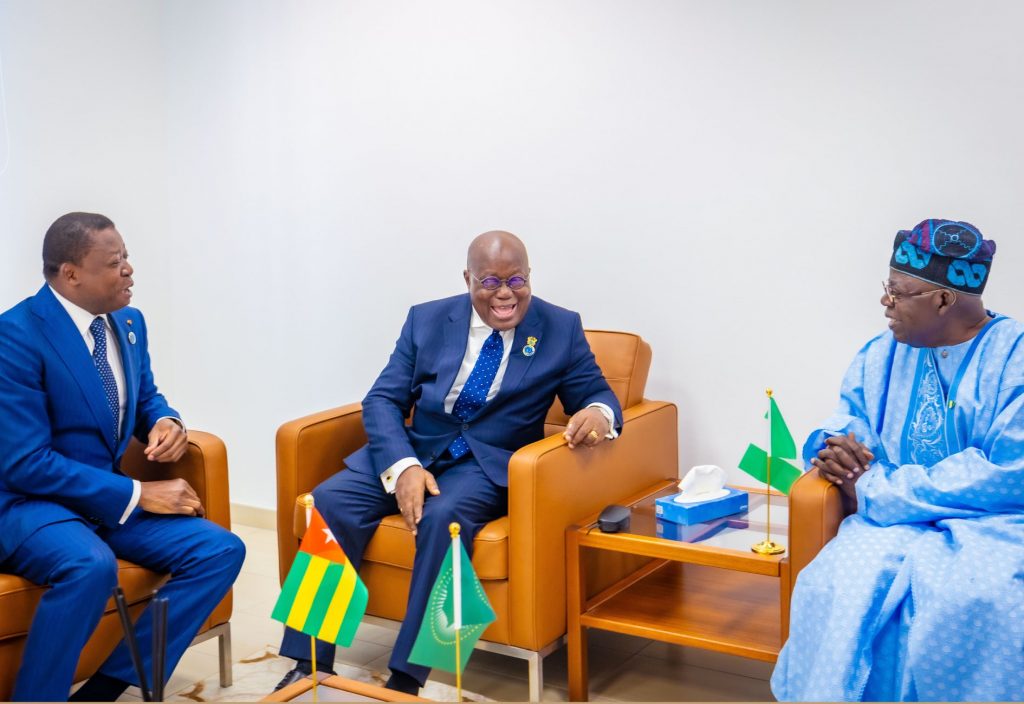
President Bola Tinubu has urged African leaders to establish a regional counter-terrorism centre to tackle the growing threat of terrorism on the continent.

Speaking at the African High-level Meeting on Counter-Terrorism in Abuja on Monday, Tinubu noted the need for a comprehensive approach to combating terrorism, addressing not only military might but also the root causes of poverty, inequality, and social injustice. 

“The international community has both the moral and legal obligation to help in this cause because it is external finance, not African money, that fuels these illegal operations. We shall be knocking on the door of the international community to answer this call for justice, peace, and fair play,” Tinubu said. 

The President stressed the importance of cutting off financial lifelines that fuel terrorist activities, such as ransom payments and illegal mining operations.

He noted that billions of dollars that should be used to provide education, healthcare, and food for citizens are instead spent on weapons and responding to mayhem. 

Tinubu called for the urgent establishment of a fully operational Regional Counter-Terrorism Centre, while also strengthening existing counter-terrorism structures.

He expressed the need for a regional standby force with a mandate to tackle terrorism, despite funding, legal, and logistical complexities. 

Stating Nigeria’s efforts, Tinubu stated that the country has taken bold steps forward in safeguarding the nation and the wider region.

He commended the courage and dedication of Nigeria’s security forces in the fight against terrorism and stated the need to halt the proliferation of Small Arms and Light Weapons on the continent. 

The Regional Counter-Terrorism Centre would serve as a hub for intelligence sharing, operational coordination, and capacity building throughout Africa, aiming to combat terrorism and address its root causes.

Return of mass kidnapping in the North

By Zayyad I. Muhammad

In just one week, bandits and Boko Haram terrorists have abducted scores of students, female IDPs, Almajiris and other innocent citizens across Northern Nigeria.

On February 28, 2024, bandits killed two residents of Anguwan Auta in Gonin Gora, Kaduna state and kidnapped 16 others. The kidnappers are demanding a ransom of N40 trillion, along with 11 Hilux vans and 150 motorcycles, for their release.

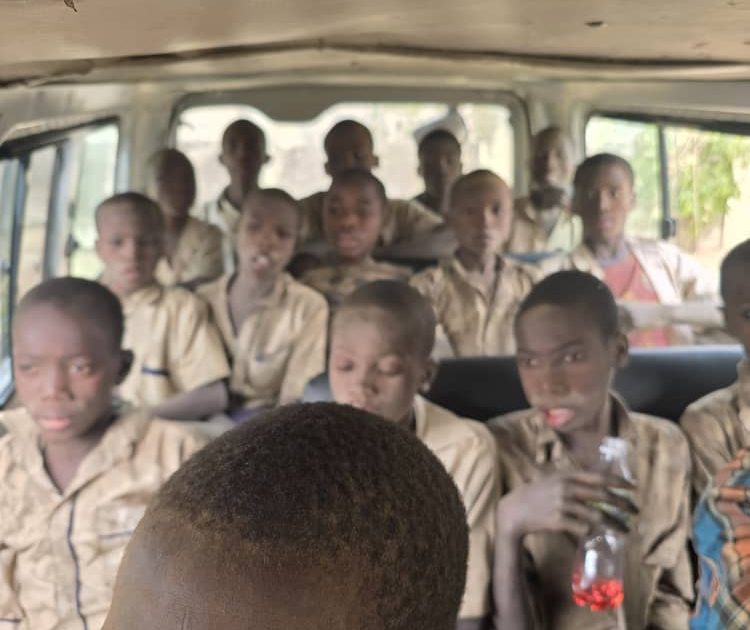
On March 7th, 2024, 287 students, boys and girls between the ages of 8 and 15, were abducted by bandits from primary and secondary schools in the town of Kuriga in Kaduna State. The bandits have demanded a N1 billion ransom to set their captives free. They also threatened to kill the victims if the ransom was not paid in 20 days. It was reported that, on Tuesday, March 12, 2024, the bandits made contact through the principal of the school, Abubakar Isah, who was abducted alongside the students. The bandits contacted Aminu Kuriga, a friend of the school’s principal, at around 2 p.m. on that Tuesday, asking for the amount.

On Friday, March 8, 2024, Amnesty International (AI) reported that Boko Haram terrorists abducted over 400 people, including women and children, in Borno State. Boko Haram kidnapped the IDPs from different IDP camps in the Gamboru Ngala area of the state, which is one of the least secure parts of troubled Borno State, according to some observers.

In the early hours of Saturday, March 9, 2024, 15 Quranic school students and an elderly woman were kidnapped when bandits raided Gidan Bakuso village in the Gada Local Government Area of Sokoto State.

Looking at outrageous demands and the targets, the bandits and the Boko Haram terrorists are all out to embarrass the government and cash out from it because most of their targets are soft and in rural areas.

However, the Minister of Information and National Orientation, Alhaji Muhammed Idris, was quoted as saying that President Tinubu has directed that security agencies must, as a matter of urgency, ensure that these children and all those who have been kidnapped are brought back in safety and also in the process, to ensure that not a dime is paid as ransom.

Can the government secure the release of the hostages as soon as possible without negotiation or payment of a ransom? Have the terrorists discovered a loophole in the current approach? It appears that the bandits and terrorists are exploiting the successes achieved in certain hotspots, possibly causing security agents to focus on other areas.

What needs to be done is a holistic approach to the deployment of both the kinetic and non-kinetic approaches.

The state, federal, and local communities should work together; collaboration is key to security management. On March 14, 2024, The National Security Adviser, Mallam Nuhu Ribadu, all the service chiefs have met with all 19 northern governors to deliberate on the issue of security. This is good.

Managing security in a vast country like Nigeria with inadequate modern technology for security management is difficult, and federal security operatives cannot be everywhere and anywhere at the same time. And, Here comes the importance of a well-designed and structured state police. They play a crucial role in maintaining law and order within their respective states by enforcing state laws, responding to emergencies, investigating crimes, and ensuring public safety. Thereby, they contribute significantly to the overall security and well-being of the citizens within their jurisdiction, while complementing the efforts of other federal security agencies.

The hope is that the government should consider revitalising and re-strategizing both kinetic and non-kinetic security approaches as being implemented by the Office of the National Security Adviser (ONSA). This will not only lead to more successes and breakthroughs; however, more intelligence gathering is needed. Community engagement and direct psychological communication with the bandits should be employed. In community engagement, communities should be made to feel like part of the solution in security management, thus providing intelligence and also acting as watchdogs for security operatives without being endangered. Secondly, the reported ongoing soft approach’ should be sustained, and in direct communication with the bandits, psychological, social media, and artificial intelligence (AI) methods should be greatly utilized. Most bandits and Boko Haram terrorists now also use social media. Therefore, a coordinated effort should be launched by the ONSA and other relevant bodies to recruit individuals who speak the languages of the bandits. These individuals can then send convincing messages to them regarding the disadvantages and dangers associated with their activities, while also highlighting the benefits of adopting a normal lifestyle. This includes attending both Western and religious schools while still maintaining their culture, beliefs, and legal trade inherited from their communities.

Furthermore, radio and TV remain effective tools to reach the bandits, especially with the widespread availability of satellite TV and advancements in solar power technology. This allows bandits hiding in thick forests to charge their phones, watch TV, and listen to the radio and watch satellite TV.

To enhance security for soft targets and rural schools, the government at all levels, along with security agencies and local communities, should collaborate on implementing both kinetic and non-kinetic approaches.

Zayyad I. Muhammad writes from Abuja. He can be reached via 08036070980, zaymohd@yahoo.com

“LGBT movement” added to Russia’s terrorist list

By Muhammad Abdurrahman

Banks should freeze funds and suspend services to individuals and groups included on the list.

Russia’s Federal Financial Monitoring Service (Rosfinmonitoring) expanded its list of individuals and organizations involved in extremist activities or terrorism on Friday to include the LGBT movement. The updated list is available on the agency’s website.

According to the law, banks are required to freeze the funds of individuals included on this list and suspend services to them.

Last November, the Russian Supreme Court upheld the Ministry of Justice’s recognition of the international LGBT movement as extremist. The court also recognized its structural divisions as extremist and banned them.

According to Interfax sources, the law “does not affect citizens’ right to privacy and will not entail any negative legal consequences.” The restrictions are related to the need to comply with the ban on LGBT propaganda, advertising, generating interest, and involvement in the LGBT movement.

Source: RT

AI key to combating insecurity – NDC Commandant 

By Uzair Adam Imam

The National Defence College (NDC) said Nigeria’s insecurity is not inevitable if only magic technologies like artificial intelligence are to be used in the nation.

The NDC commandant, Rear Adm. Murtala Bashir, stated this on Tuesday in Abuja, adding that the military needs to be ahead of the violent non-state actors to address the security challenges ravaging the country.

Over a decade, insecurity has been one of the major issues facing Nigeria and has claimed the lives of thousands of innocent people, leading to the displacement of several others in the country.

The activities of bandits have badly affected the economic growth of the nation as farmers and businessmen fear the atrocious attack by the bandits who either kidnap or slaughter any misfortune individual they encounter.

However, the NDC Commandant identified measures he believed could have been used to defeat terrorists and terrorism in the country.

He said, “Technologies like artificial intelligence and others are the much-needed game changers that will enhance the effectiveness and efficiency of the military’s responses to the challenges facing Nigeria.

“If we’re to also avoid the experiences of the past, where Nigeria has to beg foreigners to prosecute legitimate internal security challenges against militancy, terrorism and insurgency, then we need to reappraise our research and development efforts in technology acquisition and innovation.

“We need to also revamp our military industrial complex, and these efforts must be of national outlook and driven by research and development,” he said.

Nigeria’s security, humanitarian challenges and the role of journalism in tackling them

By Uzair Adam Imam

Nigeria as a nation has been battling with security challenges over the years. The issue has disrupted many activities in the country and, sadly, as the 2023 general elections approaches, there is no safe corridor in the country.

Nigeria, it is a bitter truth the citizens have to swallow, has relinquished its sovereignty in many parts of the country to terrorists.In the North East, there is the 12-year-old Boko Haram war that has displaced thousands, claimed hundreds of thousands lives and destroyed property worth billions of naira.

In the North West and some parts of North Central the activities of bandits is the new normal. Zamfara, Sokoto, Katsina, Kaduna and Niger states are the epicenters of this new wave of terrorism. In some parts of the above mentioned states bandits slum huge taxes on locals before they allow them to farm.

In the South West cultists and kidnappers have a field day. They machete people to death on a daily basis. The media are awash with the news of people being burnt alive.

In the South East the Indigenous Peoples of Biafra (IPOB) terrorists maimed their victims in broad daylight; and have extended this carnage to security formations in the region. One of the attributes of a failed state is insecurity, when the government is not in charge.

This drives away many foreign investors. This is the reality of Nigeria today.Humanitarian crisis in Nigeria comes in many hues. While some are caused by natural disasters, insecurity has worsened the situation.

Many states in various political zones in the country, internally displaced persons camps have opened up. Drug abuse, abortion, sexual exploitation, extortion, among other social vices, are rampant now.

In different parts of the country locals have no access to potable drinking water. Many of them drink from the same stream their cows drink, and they wash their clothes there, too. This has exposed them to different kinds of diseases like cholera and other life-threatening diseases.

The condition of our hospitals, especially in rural areas, is bad. Many of these facilities are understaffed and lack working materials. There are not enough beds and sometimes patients have to lay down on the floor for treatment.

As a student-journalist I believe journalism has an important role to play in tackling these lingering issues bedeviling Nigeria over the time. This includes but is not limited to public enlightenment, responsible reporting, countering fake news and balanced reporting (social responsibility of journalists involved here).

For example experts and analysts believe that many bandits are into banditry because of their ignorance. Balanced and factual reporting can help end terrorism in some ways.

This can only be achieved with adequate training of journalists on terrorism reporting.Recent documentaries by BBC and Daily Trust have laid credence to the argument above of how ignorance, unbalanced reportage and fake news contribute to insurgency or terrorism in Nigeria.

In conclusion, while insecurity is weighing down Nigeria as it worsens to humanitarian crises, journalists can tackle it by fighting fake news, balancing their report and enlightening the public of the danger ahead.

Terrorists demand N60m as peace deal levy

By Muhammadu Sabiu

Some villages in Zamfara State’s Zurmi LGA have to pay a “compensation charge” of varying amounts.

Aliyu Buhari, a resident of Moriki, one of the settlements in the local council, claimed that the bandits had demanded payment of the levy through released hostages before allowing villagers access their farmlands.

According to Buhari, some villages have paid the bandits and reached a reconciliation agreement with them.

He also noted that people in Moriki are actively striving to increase the tax.

He was quoted as saying, “People living in Moriki ward were asked to pay the sum of N20 million to be able to enjoy some level of peace.”

There have recently been reports of abduction in the state as the bandits have yet to demand a ransom for some of the abductees.

Imminent attacks on US: UK warns own US-based citizens to avoid public places

By Muhammadu Sabiu

The United Kingdom has warned its citizens in the United States (US) that terrorists are planning to perpetrate an attack on the US.

It also urged its residents there to remain cautious and stay away from public gatherings.

In a new travel warning to British people in the US on Friday, the UK stated that terrorists may target crowded areas, places where foreigners congregate, or transportation routes.

This may be related to the security warning issued by the Federal Bureau of Investigation (FBI) to Americans in New Jersey regarding terrorist attacks on synagogues.

Recall that a week ago the US and the UK issued security alerts warning that terrorists were preparing an attack on Abuja, the capital of Nigeria.

Three people killed as gunmen attack Benue community

By Uzair Adam Imam

Three people were reportedly killed as unknown gunmen descended on Tse-Ikem, Ukemberagya/Tswarev Council Ward of Logo Local Government Area of Benue State.

It was gathered that the incident, which happened twice, took place on Friday and involved a young man while the other one that led to the death of two people took place on Sunday.

A community leader, who confirmed the development to the Daily Trust on the condition of anonymity, said the incident which occurred near Arufu rural town caused pandemonium among the residents.

“On Sunday October 23, 2022 at about 6 pm, Mr Aondona Saai and Mr Avalumun Ukerchia Adaa all of Tse-Igbur in Ukemberagya of Ukemberagya/Tswarev Council ward of Logo LGA were murdered at Tse Ikem on the road near Anawah settlement between Chembe and Anyiin road,” the community leader said.

Solome Tor, the Chairman of Logo LGA, Salome Tor, confirmed the development to journalists in the state.

He said, “On Sunday at about 5 pm, two men on a motorcycle with a lady were ambushed by those who butchered them.

“They (gunmen) left the woman and she ran into the bush, so that was how we were able to know what happened.

“There have been selected killings of people and the target is the men not women per se… we have a high patrol of security agencies. Even on Friday, they killed one young man and burnt his motorcycle.”

At the time of filing this report, the police in the state said they were yet to receive any report about the happening.