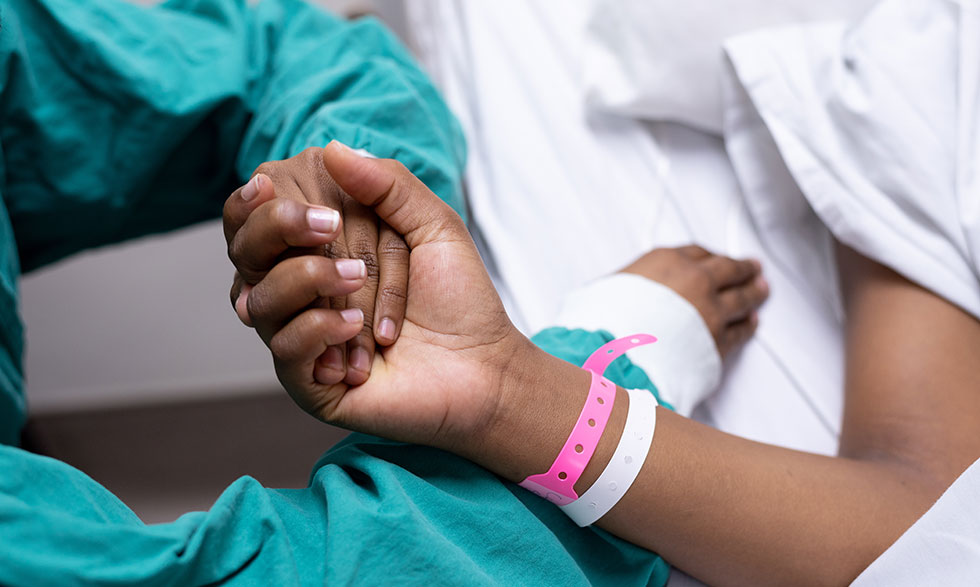
Sickle cell

Sickle Cell: Why intending couples should know their genotypes

By Maimunna Katuka Aliyu

Understanding blood types and genotypes is crucial for emergencies, such as blood transfusions during accidents. However, knowing one’s genotype, particularly before marriage, is equally important to avoid having children with Sickle Cell Disease (SCD).

Blood genotypes determine an individual’s blood type, inherited from our parents and remain constant throughout our lives. The four main blood types are A, B, AB, and O, classified based on the presence of antigens in red blood cells. The Rh factor can also be present (Rh-positive) or absent (Rh-negative), further defining blood types.

Blood genotypes play significant roles in the following:
– Blood Transfusions: Ensuring compatibility between donor and recipient blood.
– Pregnancy: Preventing complications like haemolytic disease of the newborn.
– Organ Transplants: Matching donor and recipient blood types for successful transplants.
– Disease Susceptibility: Influencing susceptibility to diseases like sickle cell anaemia.

Sickle cell disease is a genetic disorder affecting haemoglobin production, leading to abnormal red blood cells. These cells become crescent-shaped and rigid, causing a range of health problems. The genotype responsible for SCD is known as HbSS or HbSβthal, resulting from a mutation in the HBB gene.

Individuals with sickle cell disease have two copies of the mutated gene (HbSS), while those with one normal gene and one mutated gene (HbAS) have the sickle cell trait but generally remain healthy. Understanding an individual’s genotype is crucial in determining their risk of developing SCD or passing it to their offspring.

The symptoms of sickle cell disease can vary in severity and include:
– Anemia
– Fatigue
– Shortness of breath
– Pale skin
– Yellowing of the skin and eyes (jaundice)
– Painful episodes (crises)
– Swelling of hands and feet
– Increased risk of infections

While there is no cure for sickle cell disease, several management options help alleviate symptoms and prevent complications:
– Pain Management: Medications like acetaminophen and ibuprofen.
– Blood Transfusions: Increasing healthy red blood cell levels.
– Hydroxyurea: Reducing the frequency of painful episodes and improving anaemia.

Aisha Mahmud, a sickle cell patient diagnosed at age three, shared her experiences. As she grew older, the frequency of her crises reduced, occurring only once every three months. She regularly visits Primus Hospital in Karu, Abuja, and FMC Azare for checkups. Aisha emphasises that emotional stress often triggers crises, highlighting the importance of therapy over medication. Remarkably, her genotype changed from SS to AC, bringing immense joy to her family.

The challenges faced by sickle cell patients are immense, impacting them physically, psychologically, emotionally, and financially. Crises can occur unpredictably, causing significant distress to patients and their families.

Researchers are continuously exploring new treatment options for sickle cell disease. Some of the latest developments include:

– Hydroxyurea: Reduces pain crises and acute chest syndrome, decreasing the need for blood transfusions.

– Voxelotor: Approved for people age four and older to reduce pain crises and improve anaemia.

– Crizanlizumab: Approved for people age 16 and older to reduce pain crises.

– L-glutamine: Approved for people age five and older to reduce pain crises.

– Bone Marrow Transplant: Can cure some individuals with SCD but requires careful consideration and a suitable donor.

– Gene Therapy: Genes are used to correct the mutations that cause sickle cell disease.

– CRISPR Technology: A gene-editing tool that corrects the mutation causing SCD.

In conclusion, sickle cell disease is a complex and debilitating genetic disorder affecting millions worldwide. While there is no cure, management options help alleviate symptoms and prevent complications. Ongoing research and new treatment options offer hope for improved treatment and potentially a cure in the future.

Maimunna Katuka Aliyu wrote via munat815@gmail.com.

The pains, emotions and struggles of families living with sickle cell

By Aisha Musa Auyo 

September is globally declared Sickle Cell Awareness Month.  The month is dedicated to raising awareness about sickle cell disease (SCD) and the challenges faced by those living with this inherited blood disorder. It serves as an opportunity to educate the public, promote early diagnosis, and advocate for better treatment options and research. 

The month also highlights the importance of genetic screening, support for patients and families, and increased funding to improve the quality of life for individuals affected by SCD. Through community events, health campaigns, and social media, advocates aim to bring attention to the urgent need for action and support for those impacted by sickle cell disease.

Today, I want to discuss sickle cell disease from a social and psychological perspective rather than a medical one. While I’m not a medical doctor, I’ll focus on the impact this condition has on families and individuals beyond the clinical aspects.

Anyone who knows me as a relationship coach knows that I deeply love and believe in love. I advocate for it passionately. However, when it comes to marriage, love is just one of many essential foundations. I’ll be very realistic here—there’s much more needed to make a marriage thrive. We’re all witnesses to the struggles and the painful moments of crisis of sickle cell sufferers. We know how their parents strain to cope with the financial demands at times of crisis.

For AS-AS couples who choose to look beyond their genotype and marry for love, the romantic vision they once had is often overshadowed by constant worry, fear, and apprehension. The looming possibility of having a child with sickle cell disease adds significant stress. After having children, the anxiety only deepens, with parents constantly fearing an impending crisis or managing one. This often results in the other children not receiving the care and attention they need, as the focus shifts primarily to the sick child.

Sometimes, the mother has to forfeit most of her dreams and aspirations because she’s always in and out of the hospital. I don’t want to mention the fear, horror, and pain they endure whenever their kids are in the hospital. The hospital becomes the second home of sickle cell kids with their parents. 

These parents hardly have any social life outside their homes and hospitals. The mothers, who are naturally more emotional, tend to be most affected by this.

Now, let’s discuss the pain and agony of sickle cell children. As much as I hate to write about it, we have to do it.  The pain experienced by a sickle cell patient is not only severe but often unpredictable. It can occur when least expected. 

The crisis stems from the sickle-shaped red blood cells that block blood flow, reducing oxygen delivery to tissues and causing intense pain. The pain can affect various parts of the body, particularly the bones, joints, chest, and abdomen. It can be acute (lasting hours to days) or chronic (persistent over time). The episodes are triggered by stress, dehydration, cold, or infections. The ensuing pain can be debilitating, leading to hospitalisations and significantly affecting the patient’s quality of life.

As these children grow older, many develop feelings of resentment toward their parents. They feel that their parents prioritised their desires over the potential suffering of their children. Every painful episode and crisis can remind you of choices made without fully considering the long-term consequences. This resentment stems from a sense of betrayal as they bear the physical and emotional toll of a decision that was not theirs. Parents often face this blame, which adds another layer of pain to an already difficult journey.

Parents in this situation are bound to carry the heavy burden of guilt and regret. Some marriages don’t survive the strain, leading to divorce, while others remain intact but with the painful decision to stop having children. 

I’ve seen firsthand the difficult choices couples make, including terminating multiple pregnancies because the babies were predicted to have sickle cell disease. It begs the question—why start down this path in the first place, knowing the potential heartache? No one should have to make these choices, and it’s a reminder of the importance of understanding genetic risks before taking that step.

Dear aspiring couples, Love, while beautiful, is not enough to withstand the many challenges that marriage brings. If both of you carry the AS genotype, I urge you to reconsider your relationship. There are many potential partners out there, and though it may be difficult, stepping away now could save you unimaginable heartache later. Trust me, it’s not worth the pain.

To couples already married with the AS genotype, please think carefully before bringing more children into the world. Consider the immense suffering that comes with sickle cell disease—for both you and your child. Spare them the pain and constant crises. Your love can be expressed in ways that protect their future.

Dear parents of children with sickle cell, my heart goes out to you. As a fellow parent, I can only imagine the trauma, pain, regrets, and difficult choices you face. The physical, financial, and emotional toll can feel overwhelming at times. 

Please remember that this is beyond your control, and you are doing your best for your child. Stay strong and lean on each other for support. Don’t hesitate to seek help from family, and make time for yourselves to recharge. Remember, there’s a life outside the hospital and home—try to socialise and find moments of joy. 

Connect with other parents who understand your journey, learn the best ways to care for your child, and never stop seeking knowledge. Above all, pray for Allah’s guidance and strength. You are not alone, and you will get through this.

Dear sickle cell warrior, please know your parents are deeply feeling your pain. They live with a mix of empathy and guilt, wishing they could take away your suffering. While they can’t change the course of destiny, they are sacrificing so much to ensure you have the care and support you need. Their love for you runs incredibly deep, often even more so because of the battles you face. If they could go back and change things, they would do so in a heartbeat. Always remember that your health and happiness mean the world to them.

The spread of the sickle cell genotype can end in a few generations when we intentionally avoid reproducing that genotype. It is a must for all of us to know our genotype before engaging in any serious relationship with the opposite gender. A stitch in time saves nine.

In my next post on this topic, I will discuss prevailing medical solutions in the management and treatment of sickle celldisease.

Aisha Musa Auyo is a Doctorate researcher in Educational Psychology. A wife, a mother, a homemaker, caterer, parenting, and relationship coach. She can be reached via aishamuauyo@live.co.uk.

Ignorance is not bliss

By Jamila Yunusa Sulieman

They say ignorance is bliss, but only to the ignorant. Over the years, I have read articles on Sickle Cell Disease and witnessed some close associates deal with the unending crisis. Little did I know it would be a first-hand experience for me.

I got married without a genotype investigation, though my spouse was very sincere with his as I carelessly assumed I was of the AA genotype because my siblings all had the AA genotype except for my immediate elder brother. Careless, right? My genotype Status dawned on me during the routine medical test for antenatal. Naturally, I broke down, and full of disappointment, I prayed and cried. I had my first child and two more, which were all declared healthy and free of Sickle Cell Disease. 

It was bliss; family members would congratulate me and help me praise Allah; the feeling was more like hitting the jackpot. Four years passed by after the birth of my third child, and just then, pain and fear decided to take a seat in the kingdom of bliss. I had taken myself for an ultrasound in one of the prestigious Ultrasound service providers, where I was declared eight weeks gone. I took one of the fastest routes to my place. I walked slowly but could feel my heart beating faster; I didn’t have the excitement of pregnancy because all I felt were premonitions.

I would cry myself to sleep, and some nights, I would think deep into the night. I sparked out of melancholy. I started my antenatal clinics at 12 weeks of gestation. I became even more prayerful even though I knew I had very slim chances of having a child who wouldn’t have the SS genotype as scientifically proven. Time passed so fast, and it was 40 weeks already. I welcomed my bundle of joy with much happiness and prayers but with so much fear and guilt. 

The tension in me grew as the days passed by. He was one sickly child with a huge appetite. It was about six months when I finally summoned the courage to take him for genotype testing; after samples had been taken, I waited patiently for the test results; the wait seemed like forever. After waiting three hours, I had to enter the lab and demand the results. The microbiologist would give excuses, and so I knew something was up. 

A few minutes later, the most senior microbiologist in the lab walked up to me. Before he could complete what he was saying, I asked, “It’s SS, right?”. The affirmation on his face broke me. I walked home crying with my baby strapped to my back, and I kept repeating to myself, “I am a bad mother. I have failed my child. What have I done? How can I subject my own child to this?” I wept, I became sobber, I didn’t feel happiness or joy around me. It affected my work, my family life and my social life. 

Although I was down, I immediately registered him for the SCD clinics, I took precautions, I improved his diet, I began researching Sickle Cell Disease, I connected with mothers with Sickle Cell Disease, and we shared observations and suggestions. The nurses and doctors were always welcoming and readily available. Unfortunately, we come across people who do not understand our situation and make us feel we are just blowing things out of proportion. If only they knew the weight we carry in our hearts and the hopelessness we sometimes feel.

Sometimes, I forget his medical condition, but whenever he breaks down, it feels like the end of happiness; the whole feeling of guilt and carelessness becomes a rebirth in my life. Those days and nights of sleeplessness, the pain of watching him go through the pain and all I can do is pray and give him the best care I can. My heart gets shattered into bits and pieces. This I have brought upon my child. 

I question myself whether he would grow up to have a normal childhood like every child. What will be my answer when he begins to question his medical state in future? Would he forgive me? Would he see me as a good mother? Will there come a time when I will stop biting myself so hard?

Indeed, ignorance is not bliss but a silent time bomb waiting to explode. Love and attraction should not be the only basis for marriage; genotype plays a key role. It is time we stopped only reading about Sickle Cell Disease and began to give genotype investigation its due.

Jamila Yunusa Sulieman is an Abuja-based mother of 4 and a graduate of Ahmadu Bello University. She has a passion for enlightening others and imparting knowledge. She can be reached via suleimanjamila21@gmail.com.

In Memoriam: MB Mohammed

By Muhammad Yakubu Abare

In the quiet corners of our shared memories, a vibrant, so enduring soul exists that even the passage of time cannot diminish its brilliance. MB Mohammed is a name that resonates with the echoes of laughter, shared dreams, and the unspoken bond of a friendship that weathered the storms of life. It is with a heavy heart that we bid farewell to a companion, a confidant, and a cherished friend who, after a valiant three-decade struggle, succumbed to the relentless grip of sickle cell anaemia on the 1st of November, 2023.

Our journey together began in the embrace of a shared childhood, where our families were not just neighbours but kindred spirits united by the thread of fate. From when our parents toiled side by side in the pursuit of livelihoods to their eventual retirements and relocations, MB and I traversed the meandering paths of life hand in hand. An enthusiastic learner, he possessed an insatiable thirst for knowledge, which propelled him to pursue Economics at the University of Maiduguri, from which he emerged with commendable distinction. 

In the journey of life together, MB faced challenges that would have deterred a less resilient spirit. Living with sickle cell anaemia, he confronted each hurdle with courage that spoke volumes of his determination. His path, marked by periodic bouts of illness, bore witness to a remarkable strength that defied the limitations of his physical condition. Beyond the confines of health struggles, MB was not only a scholar but also a tech virtuoso. His proficiency in programming and computer skills illuminated a path of endless possibilities. 

Before venturing into the humanitarian sector, MB donned the hat of a dedicated teacher at a private school. Here, he harnessed his programming prowess for the greater good, developing software solutions for school management, including salary vouchers, results computation, and attendance tracking – all offered selflessly, free of charge. His passion for education extended beyond the classroom as he initiated science-based student clubs, fostering a love for learning.

During his one-year service in the NYSC, MB’s altruism shone brightly. Despite battling his health challenges, he engaged in community services, particularly in education. His efforts included distributing free books to school libraries, which garnered him well-deserved awards. This selfless dedication defined his remarkable life, turning adversity into opportunities for others. Though he grappled with sickle cell, his existence was a testament to the extraordinary resilience that marked his every endeavour.

Our closeness transcended mere friendship; it was a kinship forged in the crucible of shared aspirations and mutual support. Our mothers often remarked on the uncanny synchronicity of our thoughts as though our minds danced to the same rhythm. As we embarked on our respective careers, we found solace in exchanging our companionship. CV reviews, career advice, and shared triumphs became the threads weaving the tapestry of our intertwined professional lives.

In a moment of need, MB opened his doors and heart, welcoming me into his rented apartment for an entire year when I embarked on the employment journey. His generosity and unwavering support were a testament to the depth of our connection. He stood as a pillar of strength, a beacon of guidance whenever the tides of life grew tumultuous. It is with a profound sense of disbelief and grief that I learned of his passing, a mere four days after our last communication on the 27th of November via WhatsApp.

The news of his departure on the 1st of November shook the foundations of my world, leaving a void that words struggle to fill. Yet, in this time of sorrow, I find peace in the memories we created, the shared laughter, and the indomitable spirit that defined MB Mohammed. As we mourn his physical absence, let our hearts be united in prayers for the eternal peace and tranquillity of his soul. In these days of grief, we turn our hearts heavenward, seeking solace in the divine and entrusting the departed soul to the mercy of Allah.

“Inna lillahi wa inna ilayhi raji’un” – Surely, we belong to Allah, and to Him shall we return. May MB’s soul find tranquillity in the divine embrace, and may his memory continue to illuminate our paths as we navigate the journey of life.

Muhammad Yakubu Abare wrote via muhammadyakubuabare@gmail.com.

Open letter to Governor Mai Mala Buni on sickle cell patients in Yobe State

Dear Governor Mai Mala,

I write to you with the utmost respect, acknowledging the positive impact you have made in the healthcare sector of Yobe State. I would like to commend you for your notable efforts in providing health insurance slots to sickle cell patients through YSCHMA, as well as the provision of free drugs and food items to these individuals via YOSEMA.

However, despite these commendable initiatives, it is crucial to address the issue of sickle cell disease, which continues to affect numerous children in Yobe State, making it one of the states with the highest prevalence.

Your Excellency, in certain Local Government Areas (LGAs), such as Potiskum, the specialist hospital lacks an emergency ward that caters to the needs of sickle cell patients and others requiring immediate medical attention. The existing emergency ward at the specialist hospital in Potiskum is operating at a limited capacity.

Hence, I kindly request that you prioritise the establishment of an emergency ward dedicated explicitly to sickle cell patients or consider expanding the current ward at the specialist hospital in Potiskum and other LGAs that lack such facilities.

Furthermore, I urge you to continue the excellent work you have initiated by enrolling sickle cell patients into the health insurance program. This ongoing support will significantly improve their access to necessary medical services.

Lastly, while I am aware that employment opportunities are open to all state indigenes, I would like to draw your attention to the plight of sickle cell patients. Considering the challenges they face and the presence of many educated individuals among them, I humbly request your favour in providing job opportunities for some of these deserving sickle cell patients.

Thank you for your attention to these matters, Your Excellency. I hope your continued efforts will bring about positive changes in the lives of sickle cell patients in Yobe State.

Yours sincerely,

Mohammed Madu Bukar

madubukarmohammed@gmail.com

Asibitin Mal, Potiskum, Yobe State.