The Indiscriminate Sale of Sedatives and the Menace of Drug Abuse in Nigeria
By Igbojekwe Uzoamaka
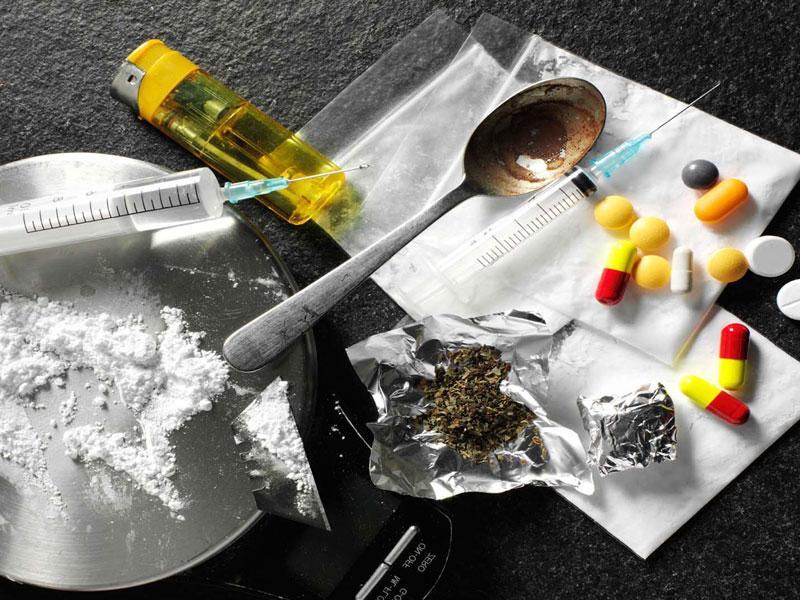
The indiscriminate sale of sedatives to drug abusers by some medicine vendors in Nigeria is a growing concern. This illicit trade is contributing to the country’s alarming rate of drug abuse, which has far-reaching consequences, including kidnapping, banditry, and other negative activities.
The National Drug Law Enforcement Agency (NDLEA) management must collaborate with health practitioners to organize campaign awareness programs to educate those who have unintentionally fallen into drug abuse. This is crucial in addressing the root causes of the problem and providing support to those affected.
Moreover, there is a need to monitor the operation of pharmacies and patent medicine stores across all states and local government areas of the federation. This will help to prevent the diversion of controlled substances and ensure that medications are dispensed responsibly.
The menace of drug abuse in Nigeria has taken a multi-dimensional approach, and it requires a collective effort to address its evil effects. All Nigerians must join hands to fight against drug abuse and promote a healthier and safer society.
In addition to the drug abuse problem, Nigeria is also grappling with the issue of water scarcity. Despite huge investments in the water sector by the government and international organizations, many residents in Abeokuta, the Ogun State capital, are struggling to access clean, potable, and affordable water.
To address these challenges, the government and relevant stakeholders must work together to develop effective strategies for addressing drug abuse and water scarcity. This can be achieved through increased funding for public health programs, improved regulation of the pharmaceutical industry, and investments in water infrastructure and sanitation facilities.
Ultimately, it is crucial for Nigerians to recognize the interconnectedness of these issues and work collectively to address them. By doing so, we can build a healthier, safer, and more prosperous society for all.
Igbojekwe Uzoamaka, Department of Mass Communication, University of Maiduguri.