Plateau State

Tinubu Invites Plateau Governor Over Killings In Jos

By Anwar Usman

President Bola Tinubu has summoned the Governor of Plateau State, Caleb Mutfwang, to Abuja for  talks following the recent attack in Angwan Rukuba, Jos North.

The Minister of Information and National Orientation, Mohammed Idris, made this known at a press briefing held on Tuesday in Abuja.

The munister conveyed condolences on behalf of the President and the Federal Government to the victims and their families stressing that swift and decisive actions are being taken to address the attack.

The address in part reads “Let me assure Nigerians that security agencies responded immediately to the incident. Troops under Operation Enduring Peace were rapidly mobilised to the scene following distress calls.

“The military and other security agencies cordoned off the affected area, secured key access routes, and launched targeted search-and-clearance operations to track down the perpetrators.

“These swift actions ensured that the situation was quickly contained and prevented further escalation,” Idris said.

The minister further explained that these actions form part of a broader federal strategy to maintain stability across Plateau State and the North-Central region.

“The Nigerian Armed Forces have continued to carry out clearance operations and intelligence-led missions across vulnerable communities following attacks recorded in recent months.

“Reinforced surveillance and troop deployments have also been implemented in high-risk areas, supported by joint military-police patrols and strengthened rapid response mechanisms.

Highlighting the President’s proactive engagement, the Minister revealed that President Tinubu had a meeting with top security intelligence officials to assess the situation.

“A few hours ago, President Bola Tinubu held a high-level meeting with the nation’s top security and intelligence chiefs to review the situation and take further decisive steps towards arriving at a lasting solution.

“Following this meeting, the Governor of Plateau State, Caleb Manasseh Mutfwang, has been invited by President Tinubu to further deliberate and chart a coordinated path towards lasting peace and security.

“The outcome of the meeting between President Tinubu and Governor Mutfwang will be made public in due course,” the minister stated.

The minister also called on citizens to remain calm and cooperate with security authorities, while avoiding the spread of unverified information that could escalate tensions.

Plateau Governor Mutfwang Sacks Six Appointees, Suspends One

By Sabiu Abdullahi

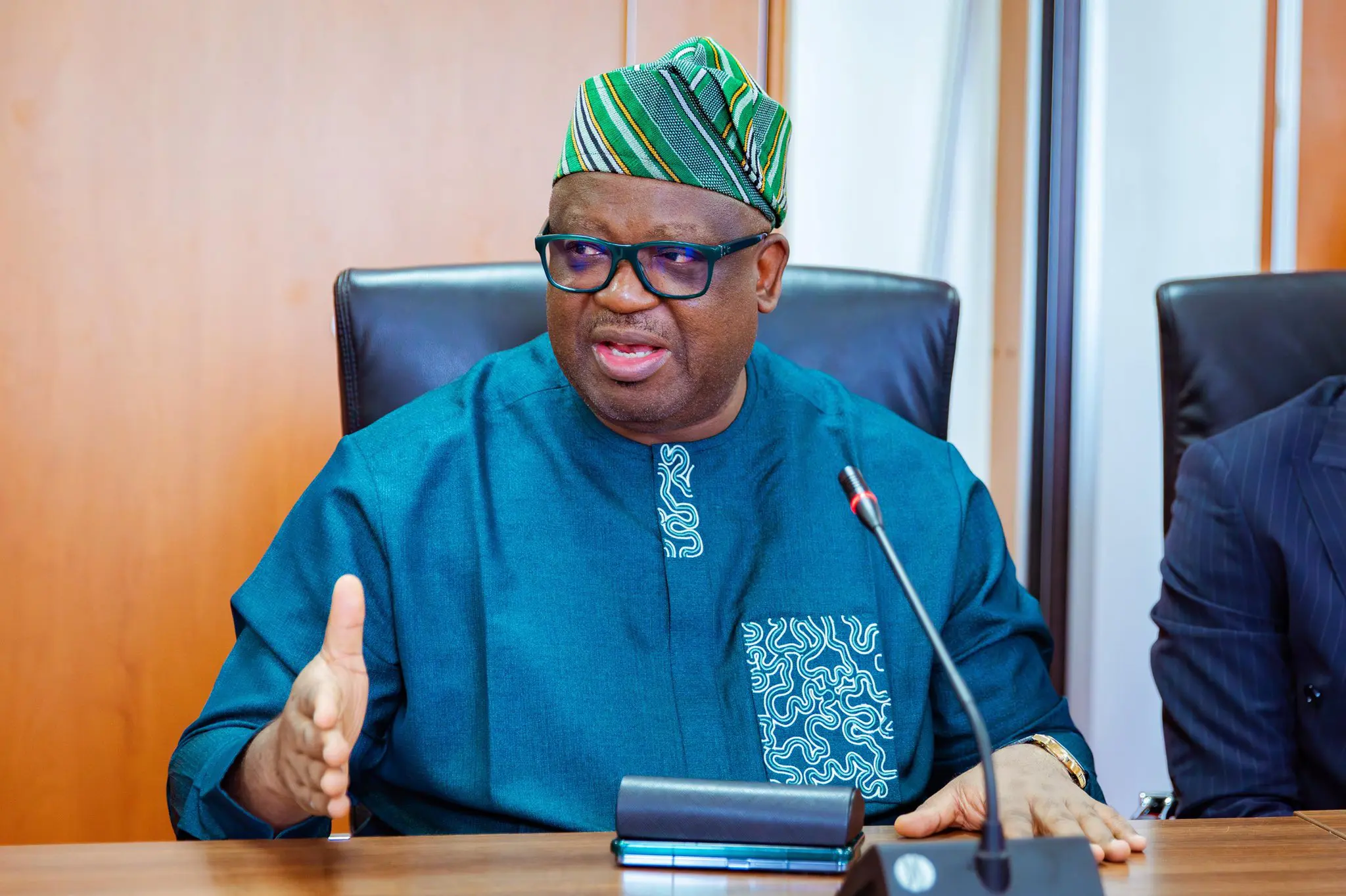
Governor Caleb Mutfwang of Plateau State has dismissed six political appointees and placed another official on suspension.

The development was made public on Tuesday through a statement issued by the Secretary to the State Government (SSG), Samuel Jatau, according to NAN.

Jatau explained that the action forms part of efforts by the state government to improve performance and strengthen service delivery across various offices.

Those removed from their positions include Timothy Golu, the governor’s special adviser on strategic communication, and Fom Gwottson, liaison officer for Jos South. Others are Nanbol Rimvyat and Nannim Langyi, who served as liaison officers for Langtang North.

Also affected are Paul Datugum and Nimchat Rims, who held similar roles in Qua’an Pan and Langtang South respectively.

In a related move, the governor approved the suspension of Johnbull Shekarau, chairman of the Plateau State House of Assembly Service Commission, over alleged actions said to be inconsistent with the expectations of his office.

The SSG did not disclose specific reasons for the dismissal of the six appointees. He, however, instructed them to return all government property in their possession to the appropriate authorities.

Jatau added that the governor appreciated the contributions of the affected officials during their time in office and wished them success in their future pursuits.

37 miners reported dead after suspected carbon monoxide leak in Plateau State

By Sabiu Abdullahi

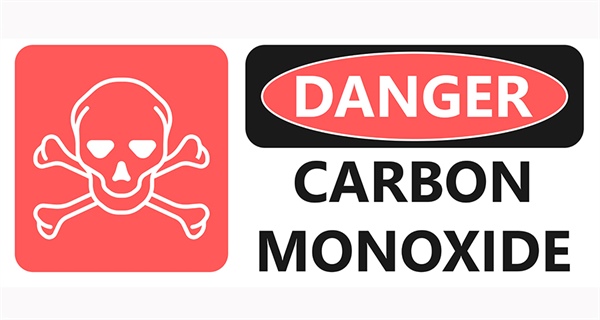
No fewer than 37 miners have reportedly died following a suspected carbon monoxide leak at a mining site in Zurak community, Wase Local Government Area of Plateau State.

The tragedy occurred in the early hours of Tuesday while the workers were operating in underground shafts, according to sources familiar with the incident.

Security analyst and counter-insurgency expert, Zagazola Makama, said the miners were performing routine excavation when toxic fumes allegedly accumulated in the tunnels due to insufficient ventilation. The confined gas reportedly spread rapidly, causing dozens of miners to lose consciousness before help could arrive.

Witnesses described a harrowing scene, recounting how some miners collapsed while trying to escape the shafts. Local residents and colleagues rushed to pull the victims to safety, while others alerted emergency responders.

At least 25 miners were rescued alive and transported to a primary healthcare centre in the area for urgent medical attention. Health workers are reportedly working to stabilize several victims, some of whom remain in critical condition.

A police source confirmed that the site has been secured to prevent further casualties and allow investigators to examine the circumstances. “The site has been placed under control, and access is currently restricted as authorities carry out preliminary findings into what led to the gas exposure,” the source stated.

As of press time, the mining company had not released an official statement on the incident. The disaster has reignited concerns over safety practices in Nigeria’s informal and semi-formal mining sector.

US Congressman Riley meets Plateau governor, thanks him for “protecting Christians, other vulnerable population in Middle Belt”

By Sabiu Abdullahi

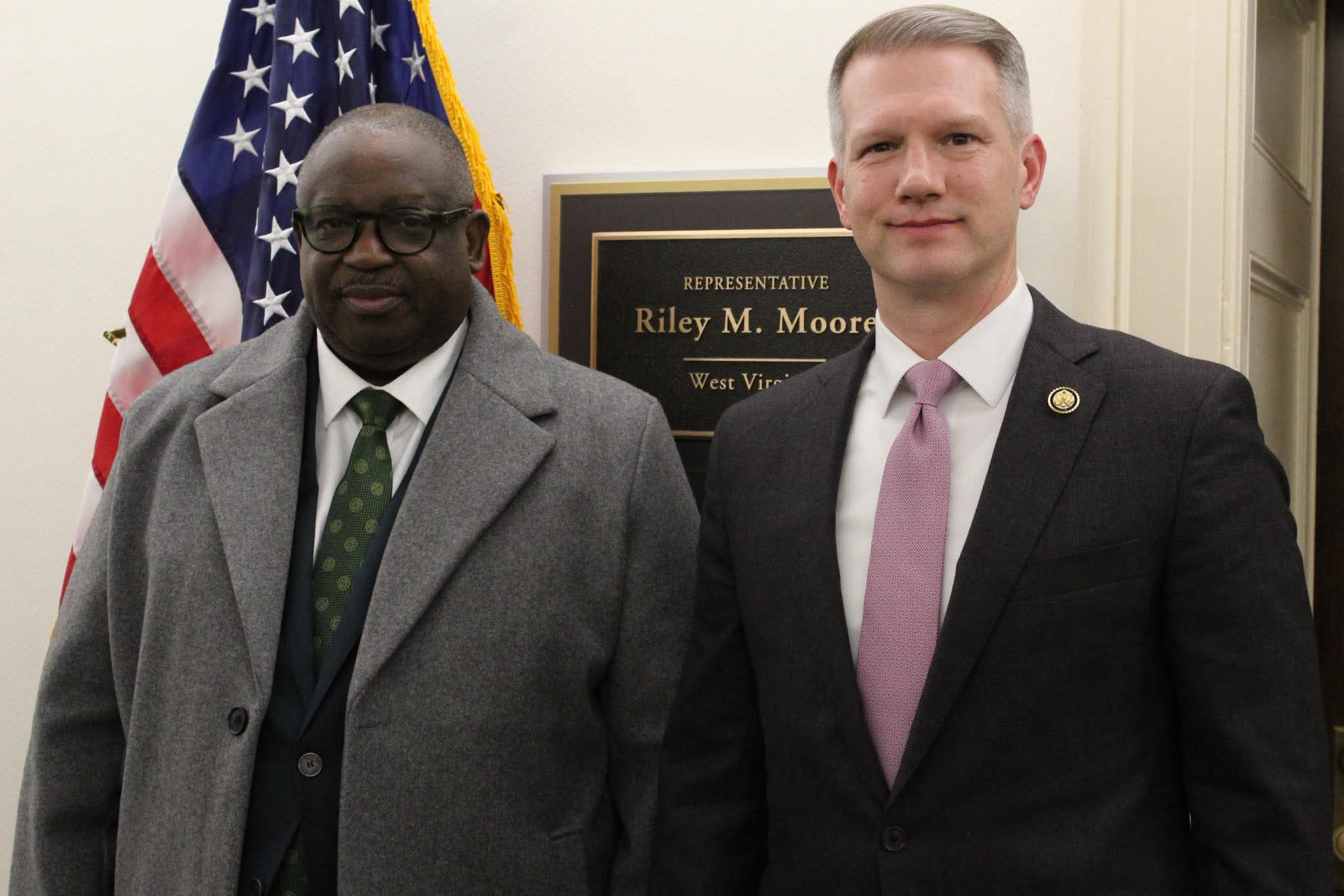
US Congressman Riley M. Moore on Wednesday expressed his honor at meeting with the Governor of Plateau State, Caleb Mutfwang, during a visit.

This is contained in a Facebook post by the congressman today Tuesday.

Moore described the meeting as “meaningful and productive,” highlighting discussions on strengthening the relationship between the United States and Nigeria.

The Congressman reiterated his commitment to collaborating with the Nigerian government to tackle security and economic challenges.

He specifically addressed the plight of Christian communities facing persecution in the region, saying, “God bless you, Governor, for what you do to protect Christians and other vulnerable populations in the Middle Belt.”

The visit comes amid recent debates in Nigeria over claims of a so-called “Christian genocide.” Critics of the term have pointed out that attacks in the country affect people of all religious backgrounds, and that the notion of genocide against Christians is misleading.

Analysts argue that violence in Nigeria’s Middle Belt is often driven by banditry, herder-farmer conflicts, and other socio-economic factors, rather than targeting any single religious group.

Moore’s engagement shows ongoing diplomatic interest in supporting communities facing violence, while navigating the complex realities of Nigeria’s multi-religious society.

Plateau Governor Mutfwang defects from PDP

By Ibrahim Yunusa

Plateau State Governor, Caleb Mutfwang, has officially resigned from the Peoples Democratic Party (PDP), citing the need for purposeful leadership, clarity of direction, and improved service delivery.

In a letter dated December 29, addressed to the Chairman of the PDP in Ampang West Ward, Mangu Local Government Area, Governor Mutfwang expressed that the current political reality necessitated a shift in platform.

He wrote: “Given the realities of the moment and guided by my commitment to purposeful leadership, clarity of direction, and service delivery, I am compelled to seek an alternative political platform.”

Rumours of the governor’s potential defection had been circulated, with reports suggesting he had been in talks with the ruling All Progressives Congress (APC).

His official exit from the PDP appears to confirm those earlier speculations.

Influencer Aisha Falke shares harrowing past amid renewed tensions over Kebbi schoolgirls’ abduction

By Hadiza Abdulkadir

A detailed personal account posted by northern Nigerian social media influencer Aisha Falke has drawn significant public attention as debates intensify over insecurity and religious rhetoric in the region.

Falke, founder of the popular online platform Northern Hibiscus, published a two-part account describing how her family narrowly escaped an attack during the 2001 ethno-religious crisis in Jos. In the account, she recalls waking to reports of killings at roadblocks and later watching her mother’s Christian friend—described as a close family companion—allegedly approach their home with a machete as mobs advanced toward their neighbourhood.

According to her narration, the family fled moments before large groups of armed youths descended on the area. She also recounted scenes of panic on the roads as fleeing residents warned of roadblocks where travellers were reportedly attacked and burned.

Falke’s post has generated extensive reactions across northern Nigeria, with many users describing it as a reminder of the human toll of past communal violence.

The renewed attention comes as security agencies continue the search for 25 Muslim schoolgirls abducted from their school in Kebbi State last week. The incident has prompted widespread condemnation, though it has unfolded alongside online claims by some groups alleging “genocide against Christians” in the region—claims many northern residents and government officials dispute, arguing that ongoing attacks by bandits and insurgents have targeted communities irrespective of religion.

Falke did not link her story to the Kebbi abductions, but analysts say the timing has contributed to broader conversations about the dangers of inflammatory narratives and the need for balanced reporting on insecurity.

Authorities have not yet provided updates on the rescue operation, while families of the abducted students continue to appeal for swift action.

DSS apprehends suspected arms dealer in Plateau State

By Hadiza Abdulkadir

The Department of State Services (DSS) has announced the arrest of Musa Abubakar, believed to be a major supplier of arms to criminal groups in Plateau State and northern Nigeria. The operation was based on intelligence reports leading to his detention on November 12, 2025.

A DSS source confirmed that Abubakar admitted to producing and distributing high-calibre weapons and ammunition used in violent attacks across Plateau and neighbouring regions.

The arrest followed a targeted raid on his weapons manufacturing facility in Mista Ali, Bassa Local Government Area, Plateau State. Authorities reportedly found Abubakar with IED components, chemicals, and manufacturing equipment, all seized by DSS operatives.

This development comes days after the recapture of Abdulazeez Obadaki, alias Bomboy, a prison escapee linked to the Owo and Deeper Life Church attacks. DSS headlined recent successes in counterterrorism efforts, including the detention of nine high-profile suspects involved in incidents in Plateau and Benue states.

Among those detained is Timna Manjol, 46, who pleaded guilty to firearms charges related to the attacks, according to court documents. Manjol is affiliated with First Baptist Church in Mangu, Plateau.

Security analysts view these arrests as part of the DSS’s ongoing crackdown on violent extremism in the region.

Nigerian Film Corporation, Plateau Gov’t to deepen partnership in film development

By Hadiza Abdulkadir

The Managing Director of the Nigerian Film Corporation (NFC), Ali Nuhu, has met with the Executive Governor of Plateau State, His Excellency Caleb Manasseh Mutfwang, to discuss strengthening collaboration between the Corporation and the state government.

During the meeting in Jos, the Plateau State capital where the NFC is headquartered, both parties explored ways to expand their long-standing partnership in promoting film production, nurturing local talents, and positioning Plateau as a central hub for Nigerian and African cinema.

Ali Nuhu noted that the discussion centered on the shared belief in the power of storytelling to shape perception, promote unity, and drive development. He emphasized that Plateau State, with its stunning landscapes and rich cultural heritage, has long been a home for some of Nigeria’s most compelling stories.

“Our goal,” he said, “is to ensure that those stories are not only told but also seen, heard, and celebrated across the world.”

The persecution of Hausa people in Nigeria must stop

By Salisu Uba Kofar Wambai

The safety and dignity of Hausa people in Nigeria are increasingly under threat. The recent spate of brutal killings targeting innocent Hausa travellers across various regions of the country is both alarming and unacceptable. 

Disturbingly, the North Central and Southern parts of Nigeria, in particular, are turning into graveyards for members of the Hausa community, despite the hospitality and freedom non-indigenes continue to enjoy in Hausa land—where people from across the country have settled peacefully, enjoying all rights guaranteed under the Nigerian Constitution, including freedom of movement and residence.

The recent killing of two Hausa tanker drivers in the South-East came as a shock. They were attacked and butchered while trying to repair their broken-down vehicle. Similarly, the horrific massacre of Hausa hunters in an incident that sent shockwaves across Nigeria and beyond speaks volumes about the rising hostility against the Hausa community.

Equally tragic was the killing of Hausa travellers in Plateau State who were on their way to honour a wedding invitation. Their brutal slaughter reflects the growing dehumanisation of Hausa people, treated like cockroaches in a country they call home. In Benue State, two sons of renowned Islamic scholar, Malam Ibrahim Khalil, were also gruesomely murdered, as though their lives meant nothing.

These atrocities raise serious questions: Are we to fold our arms while our people are slaughtered day after day? Where are our political leaders? Where are the Hausa individuals within the security and intelligence networks? Is silence the best they can offer? Or is the Hausa community being pushed to a point where it might be forced to retaliate?

This alarming trend must not be ignored. The examples highlighted are only a fraction of the broader pattern of persecution being endured by Hausa people across the country. Despite being one of the most accommodating and detribalized ethnic groups in Nigeria, the Hausa are being pushed to the wall—and if this continues, the unity of the Nigerian federation could be at serious risk.

Urgent action is required. These barbaric attacks must stop, and those responsible must be brought to justice. The time to act is now.

31 Muslim passengers lynched in Plateau: ABU Muslim Forum demands justice

By Muhammad Sulaiman Abdullahi

The Muslim Forum of Ahmadu Bello University (ABU), Zaria, has condemned the brutal lynching of 31 Muslim passengers in Mangu Local Government Area of Plateau State, describing the attack as a “horrific act of savagery and barbarism.”

According to the Forum’s statement, signed by its Secretary-General, Dr. Munir Sani Ari, the victims—travelling in an 18-seater bus marked “ABU-Zaria”—were ambushed on Friday, June 20, 2025, while seeking directions in Mangu. Twelve passengers were reportedly killed and burned on the spot, while 18 others sustained serious injuries and are currently receiving medical care following military intervention.

Among the deceased was a staff member of ABU’s Department of Physics, who was reportedly transporting women and children to a wedding. The Forum emphasised that this was not an isolated incident but part of a “disturbing pattern of impunity-driven violence” against Muslims in Plateau State.

Criticising the response by Mangu LGA Chairman, Mr. Emmanuel Bala, who attributed the massacre to a “case of mistaken identity”, the Forum labelled the remark as “futile and insulting,” citing social media posts glorifying the attack as evidence of premeditated hate.

The Forum issued a set of urgent demands, including a full and independent investigation, public prosecution of those responsible, prompt compensation for victims, and immediate government intervention to prevent future attacks. It also called on the Kaduna State Government to support the victims’ families and cover medical expenses.

The Forum warned that continuing to fail to act decisively would only deepen national tensions, urging authorities to pursue justice beyond “mere rhetoric.”