Pentagon

White House, Pentagon Reject Report Of Trump-Hegseth Clash Over Weapons Stockpiles

By Sabiu Abdullahi

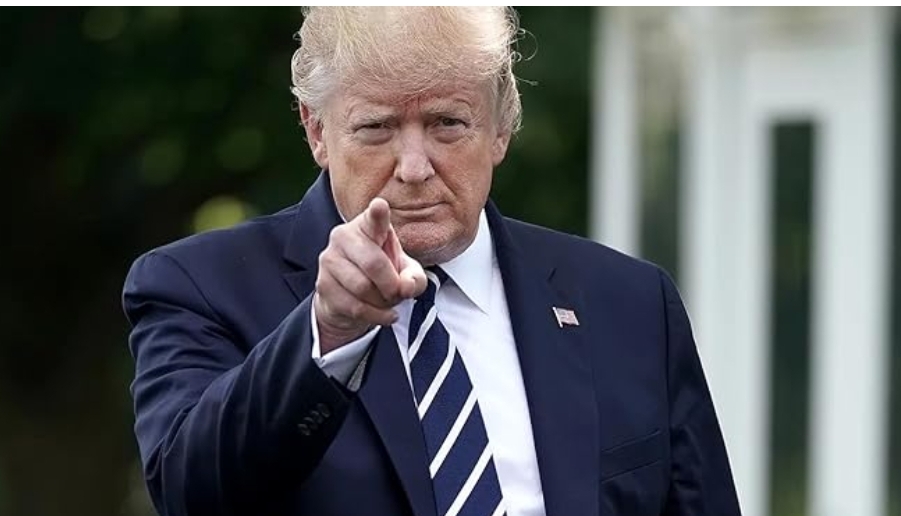
The White House and the Pentagon have denied a report that claimed United States President Donald Trump confronted Defense Secretary Pete Hegseth over the country’s weapons stockpiles during a recent meeting.

The Washington Post reported that the alleged exchange took place at Camp David during the sidelines of a Cabinet meeting. The newspaper cited two unnamed sources who claimed to be familiar with the discussion.

According to the report, President Trump became dissatisfied after he was informed that shortages of long-range and interceptor missiles had not been resolved. It also alleged that Trump told Hegseth he believed the problem had already been fixed. The report further claimed that Hegseth responded by indicating that Deputy Defense Secretary Stephen Feinberg was responsible for the issue.

The White House has, however, dismissed the report.

White House Press Secretary Karoline Leavitt described the claims as “100% fake news” and said the alleged confrontation never happened.

She also stated that President Trump continues to have “the utmost confidence” in Hegseth.

The Pentagon also rejected the allegations.

Pentagon spokesman Sean Parnell said Hegseth neither misled the administration about the level of US munitions nor attempted to shift responsibility to Feinberg.

Parnell also dismissed claims that the United States had depleted weapons stockpiles. He rejected reports of internal disagreements within the Defense Department and disputes over policy toward Iran. He described all the allegations as entirely false.
Pentagon under pressure over deadly strike on Iranian girls’ school

By Sabiu Abdullahi

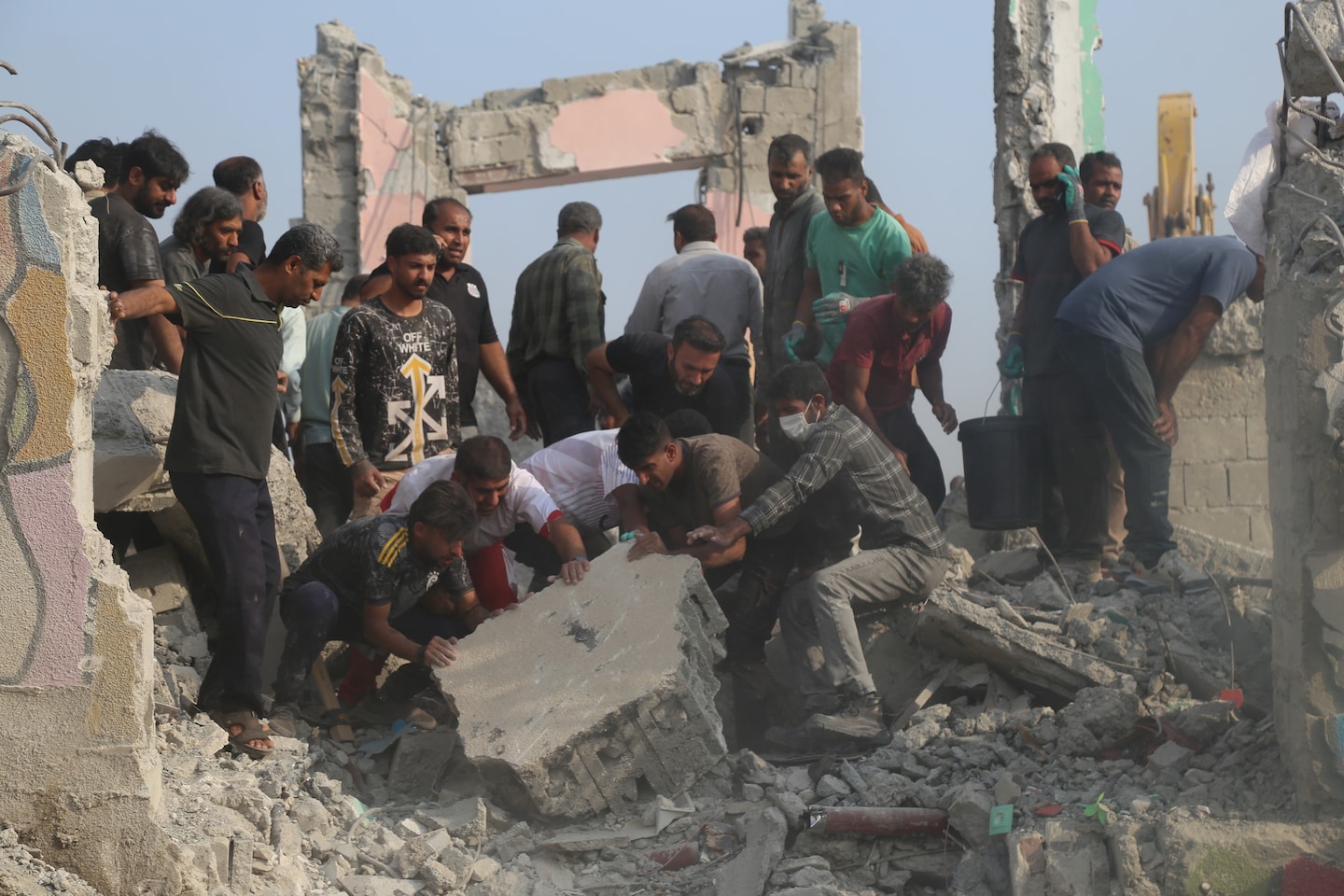
The United States military is examining reports that outdated intelligence may have led to a missile strike that hit a girls’ school in southern Iran, an attack that reportedly killed about 170 children and 14 teachers.

Iranian state media said the strike occurred on Feb. 28 in the city of Minab. The school is located close to an Iranian naval base. The incident has drawn strong condemnation from several countries and international observers.

According to a report, investigators found fragments of an American-made Tomahawk missile at the scene. Officials familiar with the inquiry told the New York Times that the US Central Command generated the strike coordinates using old information obtained from the Defence Intelligence Agency.

The sources explained that the data used for the operation had not been updated before the strike took place. They added that investigators are still trying to determine why the information was not verified again before the missile was launched. They also noted that the inquiry is still at an early stage.

US President Donald Trump initially suggested that Iran might have been responsible for the attack. Speaking on Saturday, he said he believed Iran carried out the strike “based on what I’ve seen”.

However, two days later he appeared less certain. He said the attack could have been carried out by “Iran or somebody else”. He also described the Tomahawk missile as “very generic” and “sold to other countries”. He added: “I just don’t know enough about it.”

Iran is not believed to possess Tomahawk missiles. Apart from the United States, the weapon is also used by Britain, Australia and the Netherlands.

Meanwhile, Republican Senator John Kennedy, a close ally of Mr Trump, apologised for the incident on Monday. He described the strike as a serious mistake.

He said: “Other countries do that sort of thing intentionally, like Russia. We would never do that intentionally.

“I think the department is investigating it now, and I’m sorry. I’m just so sorry it happened.”

The development came amid reports that US Defence Secretary Pete Hegseth had recently dismissed staff members responsible for reducing civilian casualties before the strike occurred.

Reports said Mr Hegseth significantly reduced the workforce of the Civilian Protection Centre of Excellence. The agency was created under former defence secretary Lloyd Austin to prevent and investigate harm to civilians during military operations.

Although the centre cannot be abolished because it was established by an act of Congress, about 90 per cent of its staff have been removed, according to Politico.

The unit responsible for monitoring civilian casualties at the US Central Command, which oversees military operations in the Middle East, has also been reduced. Its staff dropped from ten personnel to just one.

Mr Hegseth has also introduced major changes to policies inside the Pentagon. He argues that several existing rules weaken the military’s effectiveness.

In a speech last September, he said: “We untie the hands of our warfighters to intimidate, demoralise, hunt and kill the enemies of our country.

“No more politically correct and overbearing rules of engagement, just common sense, maximum lethality and authority for warfighters.”