Northern Nigeria

Fall of the Sokoto Caliphate: Some thoughts

By Huzaifa Dokaji

When people reflect on the fall of the Sokoto Caliphate in 1903, they often conjure up images of British soldiers armed with the formidable Maxim gun on the left, juxtaposed with local inhabitants wielding swords, bows, and arrows on the right, fervently chanting “Allahu akbar.” Unfortunately, this portrayal does not align with historical reality. The foot soldiers were mainly Africans, while Europeans primarily served as commanders and strategists rather than frontline combatants. The bulk of the invading forces were drawn from previously subjugated regions, frequently comprising individuals from the target community itself.

As demonstrated by Philip Afaedie’s PhD thesis, The Hidden Hand of Overrule: Political Agents and the Establishment of British Colonial Rule in Northern Nigeria, 1886–1914, individuals such as Adamu Jakada established their reputations and livelihoods by providing valuable intelligence to European forces. In the case of Kano, for instance, Ciroman Kano Abdu Lele, the son of Emir Kano Tukur (reigned 1893–1895), supported the British invasion in exchange for their promise to restore him to the Kano throne, which his family had lost after the Kano Civil War (1893–1895), known as the Basasa (of course they didn’t honour the agreement after the war!). Others, driven by diverse motivations, also aligned themselves with the British cause.

As recounted by Baba of Karo to Mary Smith (see Baba of Karo: A Woman of the Hausa Muslim), people in rural areas, fed up with pervasive political and social corruption, celebrated colonial conquest with a popular song, “Nasara kun dade ba ku zo ba”. The Resident of Kano also noted in an intelligence report to the British acting High Commissioner on July 9th, 1903, that the peasantry embraced British conquest due to their deep-seated resentment towards their rulers. “Nasara kun dade ba ku zo ba” carries more profound implications than its composers may have intended. Scholars like Murray Last (1967), Rudolph Ware (2014) and Paul Lovejoy (2016), along with others, have shown us how and why the Sokoto Jihad was one of the most important political and social revolutions of the 19th century, thanks to the egalitarian nature of its goals. However, Nasara kun dade ba ku zo ba demonstrates how such ideals were lost by the closing decade of the century, prompting common people to seek refuge in the hands of Christians. Nevertheless, the intellectual class remained committed to their quest for an egalitarian society through the Islamic ideological vehicle.

M.S. Umar’s seminal work, Islam and Colonialism: Intellectual Responses of Muslims of Northern Nigeria to British Colonial Rule, has powerfully shown us how such intellectuals reacted to British colonial conquest and the various strategies they adopted to challenge it. They saw it as temporary—God’s wrath upon an erring community. Defining the conquest as a temporary setback, the grand vizier of the Sokoto Caliphate equated it to the shaving of a beard.

In his poems titled Nuzhah and Intisaf, Sheikh Yahya an-Naffakh (b. 1898 and known as Malam) described the British conquest as the ‘triumph of absurdity’ caused by scholars who have replaced ‘the humility of Knowledge with the stupidity of ignorance’ and rulers who have exchanged ‘the wisdom of governance with the arrogance of past glory’. Malam himself came from a family that was a victim of such crass anarchy. The winning side of the Kano Civil War imprisoned his father, who was a legitimist. A young Malam secured his release by writing a petition to the Resident of Kano, Mr. Palmer, advocating against the unjust imprisonment.

Although oral traditions suggest that Dan Fodio prophesied the fall of the Caliphate to European Christians, it is more plausible that news of their encroachment reached Sokoto through traders and pilgrims travelling the trans-Saharan trade routes, ultimately reaching Mecca. For instance, in the early 19th century, the influential Lagos trader Madam Tinubu sent a letter to the Caliph of Sokoto, Bello dan Fodio, informing him of European activities along the coast. Furthermore, Paul Lovejoy’s research on Umar el-Fellati reveals that Fellati witnessed the British occupation of Egypt in 1882 and even acted as a double agent, providing the British with information about the Caliphate while simultaneously reporting on British activities in Northern Africa.

Huzaifa Dokaji is a PhD student and teaching assistant at the Department of History, State University of New York at Sony Brook. He can be reached via huzaifa.dokaji@stonybrook.edu.

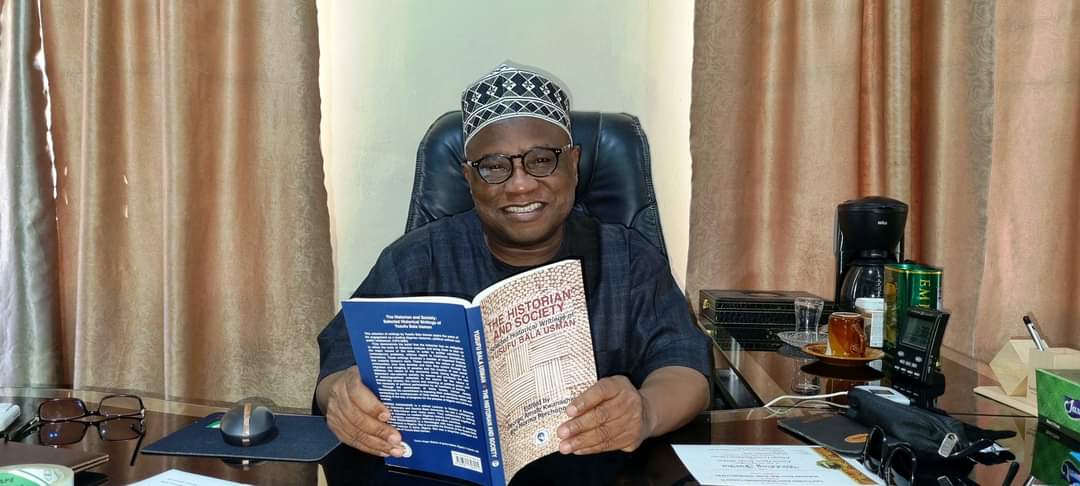
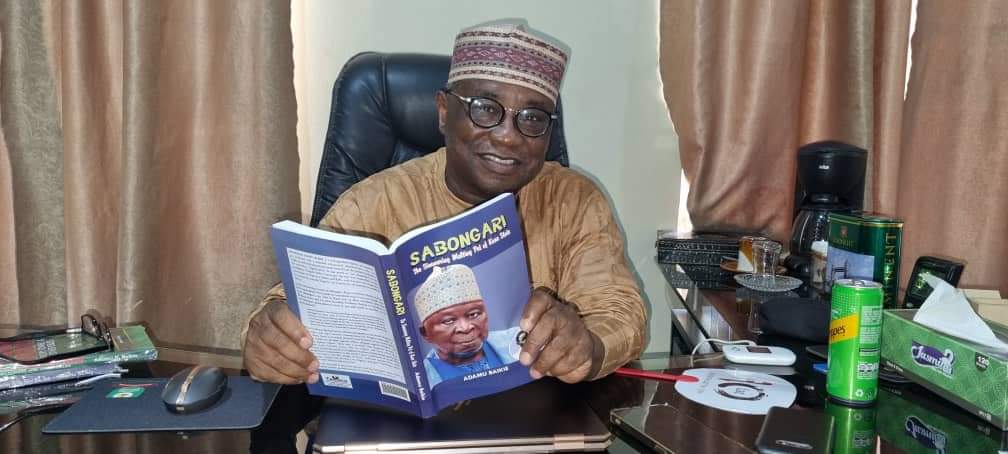
Sabon Gari, Kano – Prof. Adamu Baikie’s insider perspective

By Prof. Abdalla Uba Adamu

Sabon Gari Kano has always been a melting pot – drawing multiple nationalities and ethnicities who converge in the settlement and make it truly unique. Prof. Adamu Baikie’s “Sabongari: The Simmering Melting Pot of Kano State” is the latest addition to the literature on the area. Having grown up in the area, Prof. Baikie gives a unique ethnographic account of the place and its development.

More of a personal recollection from a resident, than a rigorous archival excavation of community history, Baikie’s Sabongari [sic – that is exactly how he spelt it throughout the book] provides additional fascinating information about other developments in Kano. In particular, Education, in which Prof Baikie also released a companion book, “Nigerian Education: Ivory Towers & Other Issues.” It’s a pity that the few pictures included in the Sabongari book did not come out too well, being black and white and blurry.

Prof. Baikie’s discourse on Sabon Gari (my preferred spelling) is similar to Neil Skinner’s “Alhaji Mahmudu Ƙoƙi – Kano Malam”, in which the subject provides a primary participant observer’s insight about the development of either events, or in this case, a community. It is truly fascinating.

There were, of course, other works on Sabon Gari Kano, long before this. The most monumental was Ahmed Bako’s “Sabon Gari Kano: A history of Immigrants and Inter-group Relations in the 20th century” (UDUS Press, 2006) and based on his groundbreaking PhD thesis, “A Socioeconomic History of Sabon Garni Kano, 1913-1989” submitted to Bayero University in 1990. Prof. Baikie approaches the study of Sabon Gari from the perspective of ‘son of the soil’ who lived in the neighborhood, playing footer, attending Church service there and interacting with the waves and waves of Nigerian and West African immigrants who settled in the borough as neighbors and friends.

Prof Adamu Baikie mentored both me and my father at various stages of our careers, so I certainly don’t mind plugging this wonderful memoir. This is not a review, as I am sure Dr Shamsuddeen Sani will be doing the honors soon enough [on Facebook]. It is just to let people know that the book, launched on 20th August 2023, is now available at Zamani Bookstore, Sabon Gari at the cost of ₦3,500. It is another addition to our understanding of the history of Kano.

Security management: The Adamawa model

By Zayyad I. Muhammad

At its 8th meeting held in Maiduguri, the Borno state capital, on September 9, 2023, the Northeast Governor’s Forum expressed its concern about the new dimension of growing banditry in Bauchi, Gombe, and Taraba states as a result of the concerted efforts of the military bandits from other parts of the country. The governors called on the federal government to intervene. With this new development, it’s evident that Adamawa State is doing well among the six states in the northeast sub-region in internal security. How did the Governor Fintiri-led government achieve that? Through planning and strategies or just sheer luck?

The Adamawa state government has employed three approaches. First, the Fintiri-led government looked at the areas affected by Boko Haram’s senseless insurgency. Then, the government developed excellent and feasible post-war programmes and projects with a comprehensive implementation strategy that fast-tracked the healing of the war’s scars. The government restored basic infrastructure and local economies, returning the affected communities to their peaceful and productive pre-war status.

A simple example is the burbling economic activity in townships like Mubi, Michika, and Madagali. Secondly, after the restoration of basic infrastructure and integration of the lives and livelihoods of thousands of people, the government employed a quick rehabilitation of agricultural land, places of worship, health centres, bridges, and schools, including the creation of productive employment for the teeming unemployed citizens, especially young people and women.

Over the years, most developmental efforts in many states emphasised urban development at the expense of rural development, which has led to a substantial rise in inequality among Nigerians—inequalities beget insecurity. What the Fintiri-led government did was balance urbanisation and rural areas’ needs. While Adamawa state’s capital, Yola, is gradually being transformed into a working city that accommodates all segments of society and provides basic and modern infrastructure, other local governments are getting what they should have in agriculture, basic electricity, healthcare, and human development. What the government did was equate each community’s basic infrastructure needs with youth employment needs to curtail crime.

For example, when the notorious Shila Boys re-emerged, the Fintiri government used a soft and hard approach: the government provided young people with cash grants, loans, and training on new skills through the Poverty Alleviation and Wealth Creation Agency (PAWECA) and the Adamawa State Social Support Programme (ADSSSP). While those who refused to change their ways were dealt with the hard way by law enforcement agents. Another approach that helped Governor Fintiri sustain the success recorded in its internal security management- the government reinforced its more knowledge-based approach, thus the coming onboard of Deputy Governor Professor Kaletapwa Farauta, Secretary to the State Government Awwal Turkur, and Chief of Staff Dr. Edgar Amos, etc. These people are well-read and have been through the mills in their respective fields.

According to the United Nations Development Programme (UNDP), community security seeks to operationalise human security, human development, and state-building paradigms at the local level. This is the concept the Fintiri government used to douse tension due to farmer-herder conflict in some communities. However, there is a theory that says no one can experience perfect security because individuals or states are not perfectly secure or completely insecure, but the Fintiri model of community engagement, local people’s parley, and provision of basic needs has helped Adamawa State curtail farmer-herder conflicts, peaceful co-existence, youth restlessness, assurance of safety, absence of fear, etc. within the state. The Fintiri model of internal security management is working; other states in the northeast sub-region can copy it.

Zayyad I. Muhammad writes from Abuja.

A truly blessed son of the North and a proud Nigerian

By Usman Muhammad Salihu

As a genuinely blessed son of the North and a proud Nigerian, I am honoured to be part of a rich and diverse culture that has contributed significantly to the growth and development of Nigeria. From our unique customs and traditions to our rich history, the North is a region that has stood the test of time and remains a force to be reckoned with in the country.

Growing up in the North, I was exposed to a different way of life from other parts of Nigeria. I was taught to respect my elders, to honour my ancestors, and to always put family first. These values have stayed with me throughout my life and have helped shape the person I am today.

One of the things I am most proud of as a Nigerian is our ability to come together as a people, regardless of our differences. We may speak different languages, have different beliefs, and come from other parts of the country, but when it comes to matters of national importance, we stand united as one.

As a truly blessed son of the North, I have witnessed firsthand the resilience and determination of the Nigerian people. We have faced our fair share of challenges over the years but have always come out stronger on the other side. This is a testament to the spirit and resilience of our people, and it is something that makes me incredibly proud to be a Nigerian.

Overall, being a truly blessed son of the North is a great privilege I do not take for granted. I am honoured to be part of a rich and diverse culture that has contributed so much to the growth and development of our great nation. May we continue to work together towards a better future for ourselves and future generations.

Usman Muhammad Salihu can be reached via muhammadu5363@gmail.com.

Bridging linguistic worlds

By Abdussamad Yahya Sufi

My Literature teacher cautioned me in secondary school to avoid using Pidgin English during communication. Mr. Ibrahim Bello would always tell me that using pidgin in the infancy of learning English would affect my budding standard English. Since then, I have never used it and always try to avoid it in writing and speaking.

Now that I’m at university, I have met different people from southern Nigeria who always use pidgin. At first, I feared what would happen to my infant English. However, later, I realised that I could still maintain the standard since they all understood standard English; they just chose not to use it.

During my first days at university, the pidgin speakers in my hostel irritated me the most. Everyone used the language, and I didn’t understand 80% of it. When someone talked to me, especially my roommates, I would ask them to translate what they said.

After a few days, many of the guys in the hostel noticed me and began teasing me, thinking I simply chose not to speak the language until they understood that I didn’t understand it. They started calling me ‘English Man,’ which didn’t bother me as I had heard such names before.

Some invited me to their rooms to tell me stories, and I never rejected that opportunity. I knew it would help me improve my English skills. When I told them stories, they paid attention and asked questions in good English, not bad pidgin. 

Honestly, that helped me build my public speaking skills, and I appreciate the guys for understanding me then, unlike before. Even when I meet any of them on campus now, they introduce me as the ‘English Man.’ to their friends, and they all speak good English while exchanging greetings.

I don’t mind being silly while learning; I don’t hide myself when interacting with my schoolmates and friends. They are my laboratory, where I practise what I have learned. Even if they laugh at me or call me names, I use those experiences to practise my learning skills.

Abdussamad Yahya Sufi wrote via abdussamadsufi744@gmail.com.

A reminder and call for Northern Ulama to intervene in the Sudan conflict

By Baba Isa

While reviewing my collection of photographs, I stumbled upon a significant historical image that reminded me of a momentous event during a public lecture in Sudan. It was during this event that distinguished figures such as Prof. Salisu Shehu, Prof. Sagagi, and Prof. Maqari embarked on a special joint visit to Sudan some years ago. Their visit aimed to understand the exceptional approach Sudanese institutions took in providing training to Nigerian students on their soil, enabling them to return to Nigeria as productive individuals.

During this lecture, Prof. Salisu Shehu said, “The educational experience for Nigerian students in Sudan extended beyond academic excellence. These students, who received education in diverse fields, also imbibed qualities of respect, commendable attitudes towards their communities, and a sense of understanding towards various religious doctrines. This was different to their counterparts studying in different foreign nations.

Prof. Added that the Nigerian Sudan-educated students exhibited unmatched expertise and skills compared to their counterparts in Nigeria. Therefore, the Council of Ulama of Nigeria felt compelled to delegate us to come to Sudan and delve deeper into brief research and learn more about strategies employed by Sudanese institutions and their communities to empower these students. So that we can take back reports to Nigeria and put it into practice”.

The lecture was delivered at the International University of Africa (Indimi Hall) during this insightful visit, and I captured the picture.

Regrettably, the Sudan we love, the Sudan we learn from and once held in high esteem, an exemplar of a hygienic educational environment, now stands ravaged by conflict. It’s disheartening that we have not extended a helping hand to a nation from which we have drawn knowledge and inspiration. Sudan, which significantly contributed to the growth and development of our region through its educational support (like its massive Scholarship scheme to everyone in any course without exception)and enlightened Islamic scholars, medical doctors and other professionals, remains in dire need of our attention, prayers, and support.

Northern Nigeria has encountered setbacks in the realm of girls’ education. In the past, we lamented the shortage of female doctors, resulting in inadequate female doctors in healthcare for women in our hospitals. Our parents in the Northern region were hesitant to enrol our sisters in local institutions, let alone consider overseas education, given concerns about religious beliefs, cultural norms and environmental disparities.

These barriers hindered the prospect of sending our sisters abroad for education. This predicament led us to lag in conventional education and the attainment of female medical doctors. Recently, a positive shift has occurred as our parents have become more receptive to sending our sisters to study medicine and various other disciplines, especially in Sudan, due to the conducive educational environment and Islamically oriented. However, it is disheartening to note that challenges mar the current situation in Sudan.

The aftermath of the evacuation of Nigerian students from Sudan – more than 2000 – medical students, primarily females from the north- has left us searching for alternatives that can provide the same nurturing educational environment. Regrettably, no such choice has presented itself, leaving us feeling powerless.

Recent events have highlighted the impactful role that Northern Nigerian scholars have played in resolving crises, as evidenced by their intervention in the unrest following a coup in Niger. Drawing from this, I earnestly beseech our esteemed Northern scholars to extend their benevolent interventions to Sudan. While Sudan may not be a member of ECOWAS, its historical and cultural ties to us cannot be taken away. Just as we stand by Niger, we must stand by Sudan.

In this challenging time, I humbly implore our esteemed Ulama to exert their influence and restore peace and tranquillity in Sudan. Just as they have done in our region and Niger, their intervention could serve as a beacon of hope for a nation that has been an invaluable contributor to our growth and development.

Pharm. Baba Isa, Former President of the National Association of Nigerian Students in Sudan.

An Open Letter to the Governor of Kaduna State 

By Salim Yunusa

Your Excellency,

First and foremost, I extend my heartfelt congratulations on your resounding victory in the recent gubernatorial elections and commend your dedication to advancing the interests of Kaduna State and its esteemed residents. As we stand on the precipice of a new era, I am confident that under your leadership, Kaduna’s fortunes will ascend to unprecedented heights, driven by your wisdom and the guidance of Allah (SWT).

In the wake of a challenging period during which our nation has encountered multifaceted trials, the tenacity and unity displayed by the Nigerian populace stand as a testament to our collective spirit. With an unwavering faith in the leadership of our nation and its states, Nigerians continue to anticipate a future marked by prosperity, peace, and sustainable development.

At this critical juncture, I humbly draw your attention to an alternative avenue that possesses remarkable potential to address the pressing issues of unemployment, revenue generation, and economic diversification. It is my belief that a robust focus on tourism and the creative sector could be the catalyst for the transformation that Kaduna desperately needs. While acknowledging the challenges confronting our nation, it is essential to recognize the untapped reservoir of natural and cultural treasures that can propel Nigeria’s progress, with Kaduna serving as a shining example.

Global success stories such as Qatar, Dubai, Egypt, and Seychelles have demonstrated the exceptional economic rewards reaped from strategic investment in tourism. As seen in Dubai, the travel and tourism sector significantly contributed to the UAE’s economy, comprising nearly 10 per cent of total revenue. Similarly, Qatar witnessed a 70.3% growth in tourism sector revenue, with aspirations to amplify its GDP contribution to 12% by 2030.

I come from Kajuru, a small town in Kaduna state, where I am used to seeing people from all over the country and beyond visit the famous Kajuru Castle. I have also lived in Zaria, where I see thousands of people throng the colourful, eye-catching Zazzau Durbar yearly. These are just two out of many. I firmly believe that our state is endowed with a wealth of potential attractions. From the historical magnificence of the Emir’s palace in Zaria to the ancient Nok Art and civilization, the mesmerizing MatsirgaWaterfalls, and the iconic hills of Queen Amina in Turunku, Kaduna boasts a tapestry of wonders waiting to be unveiled.

Moreover, the state’s potential extends beyond its breathtaking natural, cultural, and traditional sites. Kaduna’s vibrant literary, music, and film scenes are carving their place on the global stage. The annual Kaduna Book and Arts Festival (KABAFEST), Hausa International Book and Arts Festival (HIBAF), Kaduna Music Festival, Afan National Festival, and other cultural events foster unity, diversity, and shared experiences among our youth, transcending ethnic divides.

Beyond the cultural and traditional scene is the vibrant film and fashion industry, with the Critics and Kadahood making and producing movies in Kaduna state, employing hundreds in the process. The Kaduna Fashion and Arts Exhibition also showcases the rich history of fashion in Kaduna state and beyond.

Just like football, music is one of the major unifiers in Kaduna and Nigeria at large. I witnessed, with so much pride, how Kaduna youths united during the 2022 Countdown event at Murtala Square. There was no way one could discern who was what tribe or religion; just young people filled with hope and optimism living in the moment. These are avenues where we can build the Kaduna of our dreams, a Kaduna that is healed from the pains of the past, devoid of all tribal and religious agitations.

One amazing thing about these festivals, funfairs, and events is that they always come with the advantage of a booming local economy of small and medium businesses. Vendors make brisk sales of food, wares, and goods. If properly managed by the Kaduna State Enterprise Development Agency (KADEDA), has a huge potential to bring more entrepreneurs to the fore, just like during the Kaduna Market Trade Fair.

Culture, creativity, and traditions aside, Kaduna, with no doubt, is the heartbeat of Northern Nigeria. It is strategically placed and has served as the administrative headquarters of the region. Therefore, Arewa House, the National Museum in Kaduna, and other historic buildings and monuments serve as archives and a lens to our past. We owe it to future generations to preserve these spaces in order to enlighten and educate the young ones.

Yet, for this vision to materialize, peace and security are imperative. The nurturing of these invaluable tourist destinations requires an unwavering commitment to safety and stability, addressing the root causes of insecurity. Furthermore, investing in robust tourism infrastructure, in collaboration with the private sector through Public Private Partnerships, will pave the way for enhanced accessibility and growth. We have seen how the previous administration was able to make Kaduna the number one state in Nigeria when it comes to the ease of doing business. With a proper tourism development plan that comprises all the events, festivals, tourist destinations, and activities, as well as the connecting transportation routes and servicing facilities together, I assure you that investors will come running to Kaduna. This plan will also include community education as a driving force for tourism.

Your Excellency, the potential of the tourism sector cannot be overstated. It carries within it the promise of economic prosperity, cultural preservation, unity, and local job creation. Other advantages include promoting the image of Kaduna state to the world, healthy migration of Nigerians and international visitors, the establishment of exchange programs, a boost in the local economy, the rapid development of rural areas, and the influx of businesses to the state. By supporting the burgeoning creative talents and providing the necessary infrastructure, Kaduna has the opportunity to become a beacon of progress and international acclaim.

Finally, I implore Your Excellency to consider this call for action, not only for the betterment of Kaduna but also as a stepping stone towards the broader advancement of our beloved Nigeria. Together, we can transform the challenges that beset us into stepping stones for growth, development, and a brighter future.

Salim Yunusa writes from Zaria, Nigeria and can be reached at syunusa@gmail.com.

Gunmen abduct four people in Toro

By Ukasha Rabiu Magama 

At least not fewer than four people were kidnapped yesterday by unknown gunmen in Zalau, Toro, Bauchi state. 

Our source, who pleaded anonymity, narrated that the invaders arrived in Zalau town by 8:30 pm on Sunday, barricaded the town entry and started shooting air sporadically, heading to the village market square. 

Dispersing the marketers, they abducted Aliyu Dahiru Sulaiman, Abdul Hogal, Dokas, and their brother. Also, Shamsudden Garba was shot, and he is now receiving medical treatment at the Abubakar Tabawa Balewa Teaching Hospital in Bauchi. Similarly, the abductors carted away people’s belongings, including phones, provisions, meets and fried yams.

The illegal operation was suspended by 9:30 pm, and shootings were nonstop due to zero security intervention. 

It could be recalled that the gunmen, on Saturday, August 19, 2023, abducted two people and shot a security man in Gumau; the captives regained freedom yesterday, August 20, 2023.

Similarly, the gunmen shot another person in Fishere on Friday, August 18, 2023; the man who refused to follow the kidnappers to the jungle as they commanded him was shot in the head and died immediately. Also, a similar event occurred in Bargan Fulani and Salarma communities.

Since the beginning of this month, August, Toro and Lame districts have been facing a series of attacks from unknown gunmen leading to the loss of lives and properties of citizens.

Recently, in an interview with BBC Hausa, the member representing Toro federal constituency, Hon. Ismail Haruna Dabo, raised the alarm over the incessant event in the area and asked the federal and state governments to deploy security operatives to the site; hence the need is to protect lives and property of the citizens.

An effort was made to reach Toro police command when filing this report, but it was abortive due to undisclosed issues.

Humanitarian crisis grips Nigeria as UNHCR data reveals over 3.5 million internally displaced

By Muhammadu Sabiu

The United Nations High Commissioner for Refugees (UNHCR) has disclosed that Nigeria is grappling with an escalating humanitarian crisis, with over 3.5 million individuals internally displaced due to ongoing crises.

The data sheds light on the dire situation faced by countless Nigerians who have been uprooted from their homes and communities.

The heart-wrenching effects of the insurgency in the northeast have been acutely felt in Borno, Adamawa, and Yobe (BAY) states.

According to the Aid Worker Security Database, the insurgency has exacted a heavy toll, resulting in the tragic deaths of 37 aid workers since 2016.

Additionally, 24 aid workers have been wounded, and 34 others have been kidnapped.

This sobering statistic serves as a sombre reminder of the challenges faced by those working tirelessly to provide assistance to those in need.

The World Humanitarian Day commemoration in Abuja took on a poignant tone this year as stakeholders from the humanitarian sector joined forces for a road walk.

At the event, the Permanent Secretary of the Ministry of Humanitarian Affairs, Nasir Sani Gwarzo, addressed the gathering.

He emphasised the significance of this year’s theme, #NoMatterWhat, which encapsulates the unwavering dedication of humanitarians to extend life-saving aid to individuals, regardless of their identity or geographical location.

The event not only brought attention to the pressing issues at hand but also highlighted the collective commitment of those in the humanitarian sector to alleviate the suffering of affected communities.

As Nigeria navigates these turbulent times, the rallying cry of #NoMatterWhat serves as a reminder that compassion and assistance remain steadfast even in the face of adversity.

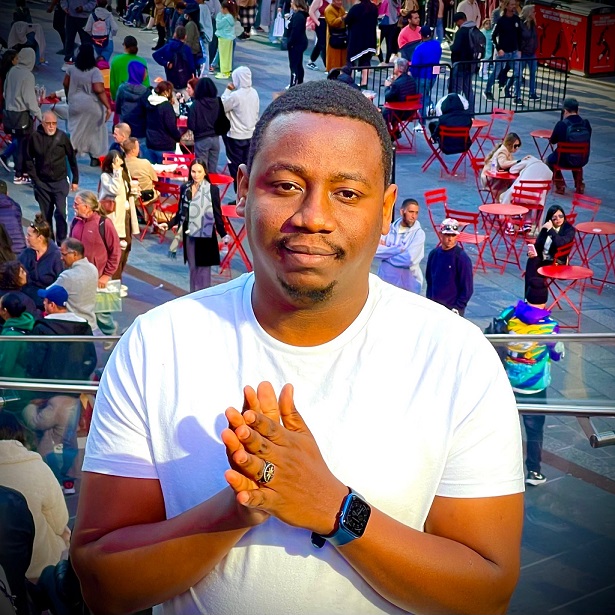
Governor Radda appoints 32-year-old Naufal Ahmed as DG ICT Directorate

By Isah Miqdad

The Executive Governor of Katsina State, Malam Dikko Umaru Radda, PhD, has approved the appointment of Naufal Ahmed as Director General (ICT Directorate).

The appointment, which is with effect from 14th August 2023, is based on the conviction that Mr Naufal will serve faithfully, diligently, and in the best interest of the service.

As the visionary founder of the esteemed Kirkira Innovation Hub, Naufal has pioneered the establishment of the first-ever technology hub in the region. This groundbreaking initiative has served as a transformative force, equipping countless young individuals with vital technological skills and providing them with a platform to thrive.

Naufal’s remarkable career as a tech ecosystem builder has been nothing short of extraordinary. With an unwavering passion for innovation and youth empowerment, his impact on the tech landscape of Katsina and Nigeria at large is undeniable.

He has been a sought-after speaker and organiser at numerous conferences across Katsina and the country, sharing his insights and inspiring others to embrace innovation.

In recognition of his outstanding achievements, Naufal has received numerous accolades, including being named among the Opportunities Hub’s 100 Most Influential Youths for his significant contributions to youth development and entrepreneurship.