NNPC

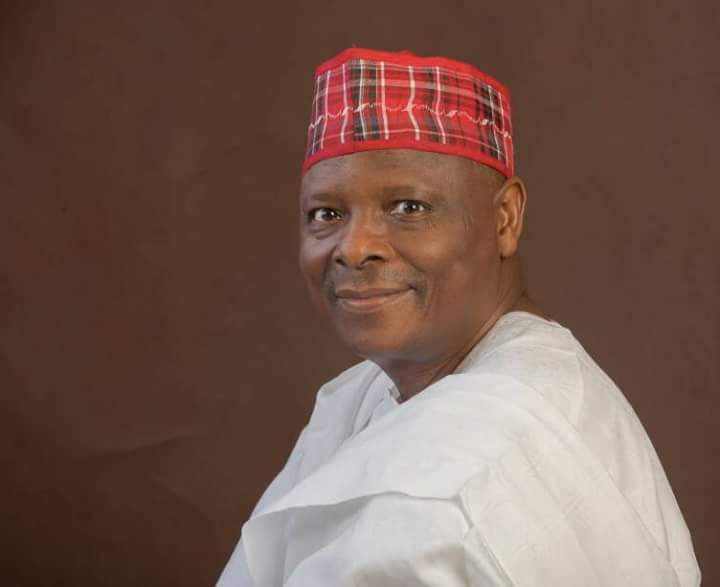
Kwankwaso softens stance to supporters on APC defection

By Uzair Adam

Former Kano State Governor and leader of the Kwankwasiyya Movement, Senator Rabiu Musa Kwankwaso, has said mounting political tension and pressure on grassroots officials informed his decision to allow some of his supporters in the state to align with the All Progressives Congress (APC).

Kwankwaso made the disclosure in a video message that went viral on Tuesday evening, where he described the political climate in Kano as increasingly tense and emotionally draining for local government officials following the political dominance of former Governor Abdullahi Ganduje and President Bola Ahmed Tinubu.

He said the situation had taken a serious toll on several chairmen, councillors and other political appointees, many of whom reached out to him in distress.

According to Kwankwaso, some of the officials were experiencing sleepless nights and deep confusion, while others reportedly required medical attention due to the pressure they were under.

“Many chairmen and councillors called me to explain what they were going through. Some could not sleep, some were deeply confused, and some were even placed on hospital drips,” he said.

The former governor explained that the rising tension compelled him to consult widely in order to reduce the hardship being faced by his loyalists, noting that many of their legitimate expectations from government were yet to be met.

He said maintaining a rigid political position under such circumstances could have worsened the suffering of the affected officials, which led to the decision to allow them to take steps that would bring relief.

“We agreed that all chairmen, councillors, supervisory councillors and anyone who was asked to sign should go ahead and do so. We have no issue with that,” Kwankwaso said.

He dismissed suggestions that the move was linked to early preparations for the 2027 general elections, stressing that the time for such political battles had not yet arrived.

“2027 is still far away. We pray that Allah spares our lives to reach that time. Our supporters are everywhere; we know them and they know themselves,” he added.

Kwankwaso expressed hope that the decision would help calm political tension in Kano State, particularly among those he said were being subjected to pressure, while thanking residents of the state for their patience and understanding.

He also praised Governor Abba Kabir Yusuf, noting that the governor had recently acknowledged the achievements of the Kwankwasiyya administration and highlighted actions of the immediate past government which, according to him, hindered progress in the state.

In the video, Kwankwaso further alleged that the state government had introduced measures aimed at intimidating local government officials and political appointees.

He claimed that chairmen, councillors, secretaries and other office holders were allegedly compelled to write their names on lists indicating whether they supported the Kwankwasiyya movement or the Ganduje political camp.

Describing the practice as unacceptable, Kwankwaso said such actions would discomfort any well-meaning resident of Kano State, regardless of political affiliation.

He also reflected on the 2015 political transition, alleging that acts of betrayal at the time resulted in years of hardship for his supporters.

“We looked back at history and remembered what happened in 2015, when our supporters suffered for eight years because of political disloyalty,” he said.

The video has continued to generate reactions within and outside Kano State, with supporters and critics offering differing interpretations of Kwankwaso’s remarks and the broader political implications.

Let the oil exports breathe

By Hanniel Sebatie Noboh

On the morning of July 30, Vanguard newspaper published an editorial titled “30% Processing of Export Raw Materials”, offering its perspective on the recently passed Senate bill mandating that all raw materials exported from Nigeria must be processed locally by at least 30 per cent. This long-overdue legislation is a welcome development in Nigeria’s quest for economic diversification.

Nigeria remains one of the most naturally endowed nations in the world. With abundant resources such as limestone, gold, natural gas, and the globally coveted crude oil, our country boasts mineral wealth that many developed nations lack. In agriculture too, from rice and groundnuts in the North to cassava and palm oil in the South, Nigeria’s fertile soil continues to bless us with variety and abundance.

Yet, successive governments have, for decades, focused disproportionately on crude oil, neglecting other sectors, such as agriculture and manufacturing. As the Vanguard editorial rightly observed, even during economic downturns—when necessity should inspire reform—there has been little effort to diversify our export base.

This is why the passage of this bill marks a significant shift. By requiring at least 30 per cent local processing of all export-bound raw materials, Nigeria takes a substantial step towards value addition and economic transformation.

The advantages are manifold. First, processed goods typically command higher prices in global markets. Take cocoa, for instance—a ton of raw beans sells for far less than the same quantity processed into cocoa butter. This principle applies to most commodities: the more value added, the greater the earnings.

Second, enforcing the 30 per cent processing threshold will spur the development of local industries. More processing facilities will mean more jobs, improved infrastructure, and Nigeria’s transition from an exporter of raw materials to a player in the global manufacturing and semi-processed goods market. Even for domestic buyers, the availability of semi-processed inputs will reduce dependency on fully imported goods, lowering costs and supporting local production.

Additionally, the bill aligns with President Bola Tinubu’s vision of making agriculture more attractive to Nigerian youth. Many young people may not be drawn to traditional farming, but with the emergence of new processing plants, opportunities will abound in machine operations, logistics, quality control, and related fields.

However, as Vanguard also warned, the real challenge lies in implementation. Nigeria has no shortage of well-intentioned policies, but history shows that many fail at the execution stage. A lack of infrastructure, regulatory oversight, and transparency could undermine the promise of this bill. The risk of corruption—particularly in granting exemptions or failing to enforce compliance—must be proactively addressed.

The responsibility for enforcement rests with the Raw Materials Research and Development Council (RMRDC), which must ensure compliance with the 30 per cent benchmark and uphold quality standards. Any exporter who fails to meet the requirement will face a 15% surcharge on the export value of their raw materials. This is a strong disincentive, but only if enforced fairly and transparently.

In conclusion, while the bill is commendable, its success depends on rigorous implementation, strong political will, and effective institutional accountability. If executed effectively, it could be a game-changer for Nigeria’s economy. Like many Nigerians, I remain hopeful that this won’t become another forgotten policy but the beginning of a new era of industrial growth and self-reliance.

Hanniel Sebatie Noboh is a Mass Communication student at Nile University and an intern at PRNigeria. She can be reached via nobohhanniel@gmail.com.

Court freezes Mele Kyari’s bank accounts over fraud probe

By Uzair Adam

The Federal High Court in Abuja on Tuesday ordered the temporary freezing of four Jaiz Bank accounts linked to the immediate-past Group Managing Director (GMD) of the Nigerian National Petroleum Company Limited (NNPCL), Mele Kyari, following allegations of fraud.

Justice Emeka Nwite granted the order after the Economic and Financial Crimes Commission (EFCC) lawyer, Ogechi Ujam, moved an ex parte motion.

Ujam explained that investigations were still ongoing and more time was needed to conclude the process.

In his ruling, Justice Nwite held that the application had merit and should be granted. He adjourned the matter until September 23 for a progress report.

According to the EFCC, the affected accounts are registered under Kyari’s name and two other entities—Guwori Community Development Fund and Guwori Community Development Foundation Flood Relief.

The anti-graft agency alleged that the accounts contain over N661 million suspected to be proceeds of unlawful activities.

The commission further told the court that preliminary investigations revealed the funds were disguised as payments for a book launch and NGO activities, while the accounts were managed through Kyari’s family members acting as fronts.

The EFCC said the action became necessary to preserve the funds pending the conclusion of investigations and possible prosecution.

How Dangote Refinery reshapes Nigeria’s fuel supply, pricing, and distribution, raising monopoly concerns

 By Nasiru Ibrahim 

The channels of distribution from exploration to consumers in Nigeria’s oil industry—before Dangote’s refinery—began with crude oil extracted by NNPC Ltd. and international companies such as Shell, Mobil, and Chevron. The crude was sold to NNPC or exported. Due to the poor performance of local refineries, such as those in Warri and Port Harcourt, Nigeria relied on importing refined fuel through NNPC and major marketers, including TotalEnergies, Oando, and Conoil.

Once imported, the fuel was stored in depots like Apapa, Atlas Cove, Ibru Jetty, and Calabar. From there, independent transport companies such as Petrolog, TSL Logistics, AA Rano, and MRS transported it by tanker to filling stations. These stations—both major and independent—sold the fuel directly to consumers. 

Alhaji Aliko Dangote is on the verge of taking full control of Nigeria’s downstream oil sector, covering everything from marketing and retail to transportation and distribution of petroleum products. In economic terms, this is known as vertical integration. Many Nigerians are now raising concerns that Dangote could dominate the entire fuel market. This comes after Dangote Petroleum Refinery released a press statement outlining its upcoming plans for fuel supply and distribution.

In the statement dated June 16, 2025, the company announced that it will start selling petrol (PMS) and diesel in the Nigerian market from August 15, 2025. To support this, it plans to roll out 4,000 Compressed Natural Gas (CNG)-powered trucks across the country to deliver fuel directly to buyers at no additional logistics cost.

Dangote also revealed that it will offer credit facilities to credible buyers who purchase at least 500,000 litres of PMS or diesel. 

These buyers include registered oil marketers, manufacturers, telecom companies, airlines, and other large fuel consumers. The company states that this move will enhance fuel availability, reduce reliance on imports, and bolster Nigeria’s energy security by overseeing both refining and distribution.

With Dangote’s new initiative, he buys crude oil from NNPC and refines it here in Nigeria. Then, using his trucks, he moves the fuel to his storage depots and delivers it straight to filling stations. This means no need for middlemen or prominent marketers—everything is handled by Dangote’s team from start to finish.

However, while this could lower fuel prices and ease supply challenges, it has also sparked fears about reduced competition. Some worry that giving too much power to one player could lead to a market monopoly, calling for proper regulation to ensure fairness in the downstream sector.

Economists, policymakers, businessmen, entrepreneurs, and economics students like myself are actively considering the potential impact of this new initiative on oil marketers, the Nigerian economy, employment, exchange rates, consumers, filling stations, climate change, and other critical factors. Many are questioning whether this move will yield positive results. However, we cannot understand the implications unless we first examine the structure and components of Nigeria’s downstream sector, including Dangote himself, his competitors, those affected by his actions, and all other players in the supply chain up to the final consumer.

In economics and policy development, a long-standing debate exists about how policies should be evaluated. Some scholars argue that policies should be judged by their outcomes, while others believe they should be assessed based on their intentions. For example, Milton Friedman emphasised that policies must be judged by their results, not their intentions. 

In contrast, economists like Paul Samuelson acknowledged the importance of considering both intent and context, especially when outcomes are not yet visible. This debate is relevant here. It may be premature to conclude whether Dangote’s new initiative is positive or negative solely based on expected results, as those outcomes have not yet materialised. 

Nevertheless, some would argue that judging the initiative by its intention — such as improving fuel availability, reducing logistics costs, and enhancing energy security — is still meaningful, especially in economic policy, where many decisions are based on projected or long-term effects. Evaluating intentions enables us to gauge the direction of policy, even in the absence of immediate evidence.

Nigeria’s downstream sector is responsible for refining, retailing, distribution, transportation, and marketing of petroleum products. It comprises several companies and regulatory bodies, including NNPCL, Dangote Refinery, Oando, MRS, AA Rano, ExxonMobil, Danmarna, Aliko Oil, and many others. While Dangote operates across both the midstream and downstream sectors, his actions may also indirectly affect the upstream sector, particularly through their influence on demand, supply, and the pricing of petroleum products.

Instead of focusing solely on the structure of the downstream sector, I believe we should carefully consider both the potential benefits and drawbacks of this new initiative by Dangote Refinery, without completely dismissing Friedman’s view on judging policies strictly by results.

Potential Positive Implications of the New Initiative

Firstly, Dangote’s new initiative will reduce Nigeria’s dependence on imported oil from the Gulf and Europe. This is beneficial for Nigeria’s foreign exchange (FX) reserves, as less demand for imported fuel means the country will need fewer U.S. dollars for imports. As a result, this could lead to an appreciation of the Naira due to a fall in demand for foreign currency. Additionally, it will improve the trade balance and increase GDP contribution from the domestic oil refining sector.

Secondly, the initiative will create both direct and indirect jobs in Nigeria. Direct employment opportunities will arise for truck drivers, mechanics, technicians, depot workers, and logistics personnel. If Dangote deploys between 2,000 and 4,000 trucks, and each truck requires one to two drivers, along with at least one support mechanic, one depot staff member, and logistics coordinators, this could result in approximately 20,000 direct jobs. Indirect employment opportunities will arise for consultants, accountants, lawyers, filling station managers, as well as workers in catering, cleaning, petrochemicals, fertiliser, plastics, and related industries.

Thirdly, the initiative will enhance fuel accessibility and improve supply chain efficiency, thereby reducing waste and environmental pollution. By taking direct control over storage and distribution, the initiative can eliminate middlemen inefficiencies, potentially reducing fuel scarcity and hoarding, which often drive up inflation. With direct sales to filling stations, illegal practices like tanker swaps and product diversion by middlemen can be curbed. Furthermore, the use of Compressed Natural Gas (CNG)-powered trucks will lower transportation costs, reduce emissions, and increase domestic gas utilisation, thereby boosting gas revenue.

Fourthly, the initiative is expected to lower fuel prices, which is a major driver of inflation in Nigeria. By eliminating international shipping fees, foreign refinery profit margins, and import levies—all of which form a significant portion of the overall fuel cost—the retail price per unit of fuel could drop. Lower fuel prices can ease the cost of living, reduce inflationary pressures, and improve economic stability.

Fifthly, the initiative will strengthen Nigeria’s energy security in the face of global supply chain disruptions. For instance, ongoing conflicts such as the Israel-Iran and Russia-Ukraine wars, or geopolitical tensions in the Middle East, can threaten the global fuel supply. Additionally, OPEC+ efforts to raise oil prices increase external vulnerabilities. By reducing dependence on imported fuel, Nigeria becomes more resilient to global shocks, ensuring steady availability of fuel at domestic filling stations even during international crises.

Sixthly, from a broader perspective, this initiative positions Nigeria as a regional supplier of refined petroleum products in Africa, reducing the continent’s reliance on Europe and the Gulf. This shift enhances Nigeria’s foreign policy leverage and strategic influence, particularly within regional and international institutions such as ECOWAS, AfCFTA, AfDB, and Afreximbank. A robust domestic refining industry enhances investor confidence and may attract more foreign direct investment (FDI) in the long term. Investors are more likely to commit to economies with stable energy supply, regional trade advantages, and reduced exposure to global price shocks.

Potential Negative Implications

Firstly, there is a serious economic fear that this could lead to a monopoly, and many Nigerians have already raised concerns about that. The Petroleum Tanker Drivers and Owners Association of Nigeria (PATROAN) and the Independent Petroleum Marketers Association of Nigeria (IPMAN) have both expressed worry that Dangote might dominate the entire downstream oil sector. In economics, when a single company controls the whole supply chain, from refining to selling, it stifles competition. And when there’s no competition, prices can be fixed unfairly, small businesses get pushed out, and consumers suffer in the long run.

Secondly, there’s the risk of predatory pricing. This occurs when a powerful company sells at very low prices—sometimes even below cost—to drive smaller competitors out of the market. Dangote might do this since he doesn’t import fuel and can afford to sell at a lower price. However, after chasing them out, he can raise prices at any time, leaving people with no choice and putting consumers at risk of exploitation. This leads to what is called “deadweight loss” in economics, where both individuals and the economy lose out.

Thirdly, many jobs could be lost, especially among small fuel marketers, distributors, and transporters who previously imported and sold fuel themselves. Dangote is now doing everything directly—refining, distributing, and even retailing—which means companies like AA Rano, Danmarna, Aliko Oil, and many others might be pushed out or forced to operate under unfair terms. This is already affecting their businesses, especially in the North, and could lead to job losses in areas that rely heavily on these companies.

Fourthly, government policy interference and the role of the Nigerian National Petroleum Company Limited (NNPCL) could create more problems. NNPCL also operates in the downstream sector and has partnerships and influence that could either support or conflict with Dangote’s activities. Past issues, such as unclear pricing, fuel subsidy mismanagement, and delays in policy implementation, demonstrate that when government agencies operate without transparency, it can create more confusion than solutions. This could make it easier for big companies like Dangote to influence decisions in their favour while others suffer.

Fifthly, new investors might avoid the sector. If one company already controls everything, what’s left for others to invest in? People may view the fuel business in Nigeria as a “one-man game,” making it challenging to attract new ideas, competition, and investment. This can slow down innovation and limit the country’s long-term progress in energy.

Sixthly, there’s a risk of regional imbalance. Dangote might focus more on high-demand urban areas where there’s more profit, and this could lead to fuel shortages in rural or northern regions. Small marketers who once served these communities may not survive, and that means remote areas could suffer more from fuel scarcity. This may exacerbate existing regional inequalities.

Possible solutions 

Firstly, don’t ban fuel imports immediately. Let other marketers continue importing fuel, at least for the time being. If only one company controls the supply, prices may rise or stay unstable. The government can grant import waivers to others, ensuring that competition remains alive and fuel remains affordable.

Secondly, we should repair our old refineries and support the development of new ones. Dangote shouldn’t be the only one refining fuel. If we repair the Warri, Port Harcourt, and Kaduna refineries and encourage small private ones, we’ll have a more local supply. That also helps in the future if we want to export after meeting our own needs. 

Thirdly, ensure that other players can access storage and transportation facilities. If only Dangote had the port, pipelines, and trucks, smaller marketers wouldn’t survive. The government can step in to make sure these facilities are shared fairly, with clear rules and affordable fees.

Fourthly, don’t forget far places like Northern states and rural towns. Most fuel may remain in the South, where Dangote is located. Therefore, the government should support distribution to remote areas by encouraging group buying or establishing shared fuel depots. Everyone deserves access, not just those near the refinery.

Fifthly, expand the availability of fuel alternatives like CNG to more locations. If we’re shifting to compressed natural gas (CNG), it should not be exclusive to the rich or city dwellers. Rural and remote areas require the same support,including CNG buses, filling stations, and awareness initiatives.

Finally, monitor prices and ensure fairness. We need a simple system that tracks and shows fuel prices across regions. That way, if one company tries to raise prices unfairly, the public and the government will be aware.

Ibrahim is an economist and writer based in Jigawa State, Nigeria. He holds a degree in Economics from Bayero University, Kano. With a background in journalism at Forsige, he currently works as a research assistant and contributes expert commentary on economics, finance, and business.
NNPC undergoes major restructuring, over 200 officials sacked

By Abdullahi Mukhtar Algasgaini

The Nigerian National Petroleum Company (NNPC) has carried out a major restructuring, leading to the dismissal of over 200 officials, including top executives.

The shake-up, ordered by newly appointed Group CEO Bayo Ojulari, marks his first major action since taking office on April 4.

Among those affected are Bala Wunti, former head of the National Petroleum Investment Management Services (NAPIMS), and Lawal Sade, NAPIMS’ chief compliance officer.

Ibrahim Onoja, Managing Director of the Port Harcourt Refinery, was also removed. Sources within NNPC say the restructuring aims to create more leadership opportunities for women and minority groups.

Maryamu Idris has been appointed as the new Managing Director of Trading, replacing Sade, while Obioma Abangwu takes over as Chief Liaison Officer for NNPC’s management board.

NNPC’s corporate communications team has not yet commented on the development. Ojulari, a former Shell executive, replaced Mele Kyari, who led the company for five years before his removal.

Dangote refinery’s price cut sparks concerns among petroleum importers

By Abdullahi Mukhtar Algasgaini

Importers of petroleum products are expressing concerns over the continuous lowering of petrol prices by the Dangote Refinery, which they claim could force them to sell at a loss.

As consumers flock to outlets offering the lowest prices, dealers fear they may be forced out of the market.

On Wednesday, the Dangote refinery announced a N65 reduction in the ex-depot (gantry) price of petrol after lowering it from N890 to N825 per litre.

The price cut, effective from February 27, marks the second price drop of the year and the third adjustment in just two months.

Importers have voiced their concerns that the latest price cuts are making it less appealing to import petroleum products.

The cost of landing Premium Motor Spirit (PMS) reached about N927 per litre last week, higher than Dangote’s ex-depot price, leaving importers with little to no profit margin.

A dealer mentioned, “Some of us who have imported PMS are feeling the heat of Dangote’s decision to slash prices. Though it’s good to reduce petrol prices, it’s taking a toll on our business.”

Another dealer believes that Dangote’s price cuts aim to deter fuel imports, stating, “This latest reduction will discourage fuel imports. Some of us will have to source our products locally.”

Chinedu Ukadike, the National Publicity Secretary of the Independent Petroleum Marketers Association of Nigeria, acknowledged the potential financial losses for importers.

He commended Dangote’s efforts, noting that the refinery’s price cuts could push importers out of business.

Ukadike also emphasized the need for improved distribution infrastructure to further reduce prices and enhance supply across Nigeria.

Despite the challenges, Ukadike reaffirmed the support of independent marketers for Dangote’s refinery, praising the development of the 650,000 single-train refinery in Nigeria and the removal of fuel subsidies.

He stated that his association will continue to purchase products from Dangote as long as prices remain competitive.

NNPC denies viral video claims

By Muhsin Ibrahim

The Nigerian National Petroleum Company (NNPC) Ltd has rejected allegations from a viral video suggesting that its fuel products are substandard. NNPC called the claims false and based on unverified amateur research.

The company stressed that its fuel is formulated for optimal performance and that a significant portion of Premium Motor Spirit (PMS) sold in Lagos is sourced from the Dangote Refinery, which meets strict quality standards.

NNPC described the video’s spreading as a tactic by “economic saboteurs” to misinform the public and harm its reputation.

The company plans to take legal action against those disseminating false information and urges Nigerians to rely on verified sources for accurate updates.

Shakeup looms at NNPC as Tinubu moves to appoint new leadership

By Abdullahi Mukhtar Algasgaini

President Bola Ahmed Tinubu is reportedly making significant changes at the helm of the Nigerian National Petroleum Company Limited (NNPCL). Plans are underway to replace the current Group Chief Executive Officer, Mele Kyari, with Bayo Ojulari, a former Managing Director of Shell Nigeria Exploration and Production Company (SNEPCo).

In addition to this change, Ahmadu Musa Kida, a seasoned oil and gas professional and former Deputy Managing Director of Total Oil, is set to take over as the new Chairman of the NNPC Board. This move will see Chief Pius Akinyelure, who has been in the position since 2023, stepping down.

According to reports, Kyari will remain in office until March 1, after which Roland Ewubare, who had previously resigned amid reports of disagreements with Kyari, will assume the role of Group Chief Operating Officer.

Ojulari, who has vast experience in the oil and gas sector, has held leadership positions across Nigeria, Europe, and the Middle East. He led SNEPCo from 2015 to 2021. Kida, on the other hand, brings decades of expertise. He has worked with Total Nigeria since 1985, including serving as Deputy Managing Director for Deep Water Services and holding various board positions within the company.

The leadership overhaul is expected to bring new direction to NNPCL, with both Ojulari and Kida seen as experienced hands in the industry.

45,689 jostle for NNPCL jobs as aptitude test kicks off

By Anwar Usman

Not less than 45,689 applicants are conducting the Computer-Based Aptitude Test on Saturday (today) as part of the recruitment process to secure employment at Nigerian National Petroleum Company Limited.

The aptitude test, currently taking place at the Ansar-Ud-Deen Society Centenary Resource Centre in Maitama, Abuja, and various other testing centres across Nigeria, marks the second stage of the rigorous recruitment process that began earlier this year.

Previously, on July 25, 2024, the company announced openings for new entrants.

In a statement, Olufemi Soneye, the NNPC spokesperson, said the recruitment would be for various positions across various departments within the energy company and interested applicants to visit the NNPC careers page for application instructions.

However, in a new post on its official Facebook handle on Saturday to update the public on the process, the national oil firm emphasized that only the most qualified candidates will be selected for employment at the end of the exercise.

The post read, “As the Computer-Based Aptitude Test for NNPC Ltd.’s recruitment begins today at various centres across the country, 45,689 applicants compete in a transparent and inclusive recruitment process.”

The NNPCL Group Chief Executive Officer, Mele Kyari, who visited the centres, promises a smooth, transparent, fair, and credible process.

“As an equal opportunity employer, NNPC Ltd. has made special provisions to ensure that applicants with disabilities can take the test without any hindrance.

“Kyari reiterated that only the most qualified candidates among the 45,689 applicants will be selected for employment”.

The daily reality gathered that this may be the major recruitment exercise since the NNPC fully transformed into a limited company in 2022.

Kaduna Refinery will start operations in December 2024 – MD

By Abdullahi Mukhtar Algasgaini

The Managing Director of the Kaduna Refining and Petrochemical Company (KRPC), Dr. Mustafa Sugungun, has said that the ongoing Quick Fix Project for the Kaduna refinery is scheduled to be completed by the end of 2024.

 Recall that the Nigerian National Petroleum Company Limited (NNPCL) awarded a $741m contract to South Korea’s Daewoo Engineering & Construction to rehabilitate the Kaduna Refinery.

Under the quick-fix repair contract, the firm will restore production at the 110,000 barrels-a-day facility to at least 60 per cent of its capacity by the end of 2024.

Speaking during the commissioning ceremony of the renovated Rido Community Primary School and a solar-powered borehole in Maraban Rido, Kaduna State, as part of its Corporate Social Responsibility (CSR) initiatives, he emphasised the company’s commitment to improving the living standards of its host communities.

 The MD, who was represented by the Manager of Operations, Mr. Emmanuel Ajiboye, noted that the success of the Quick Fix Project will bring immense economic benefits and job opportunities, boost petty trading, and foster other local businesses.

He said the school renovation aims to provide a conducive learning environment for pupils and teachers, while the borehole is expected to address water scarcity in the community and reaffirm KRPC’s dedication to sustainable development through initiatives like youth empowerment, rural electrification, periodic medical outreach, and other community-focused programs.

He urged the Rido community to support the Quick Fix Project, noting that its success would further strengthen the relationship between KRPC and its host communities.

In her remarks, the Head Teacher of Rido Primary School, Mrs. Rachael Aduwak, commended KRPC for the good gesture. 

She also appealed to the company to construct a perimeter fence for the school, adding, “We appeal to KRPC to furnish our classes with tables, chairs, and chalkboard as most of our students are sitting on bare floors during class hours.”