Nigerian

2027: Kwankwaso Ally, Abdullahi, Dumps NDC For APC

By Sabiu Abdullahi

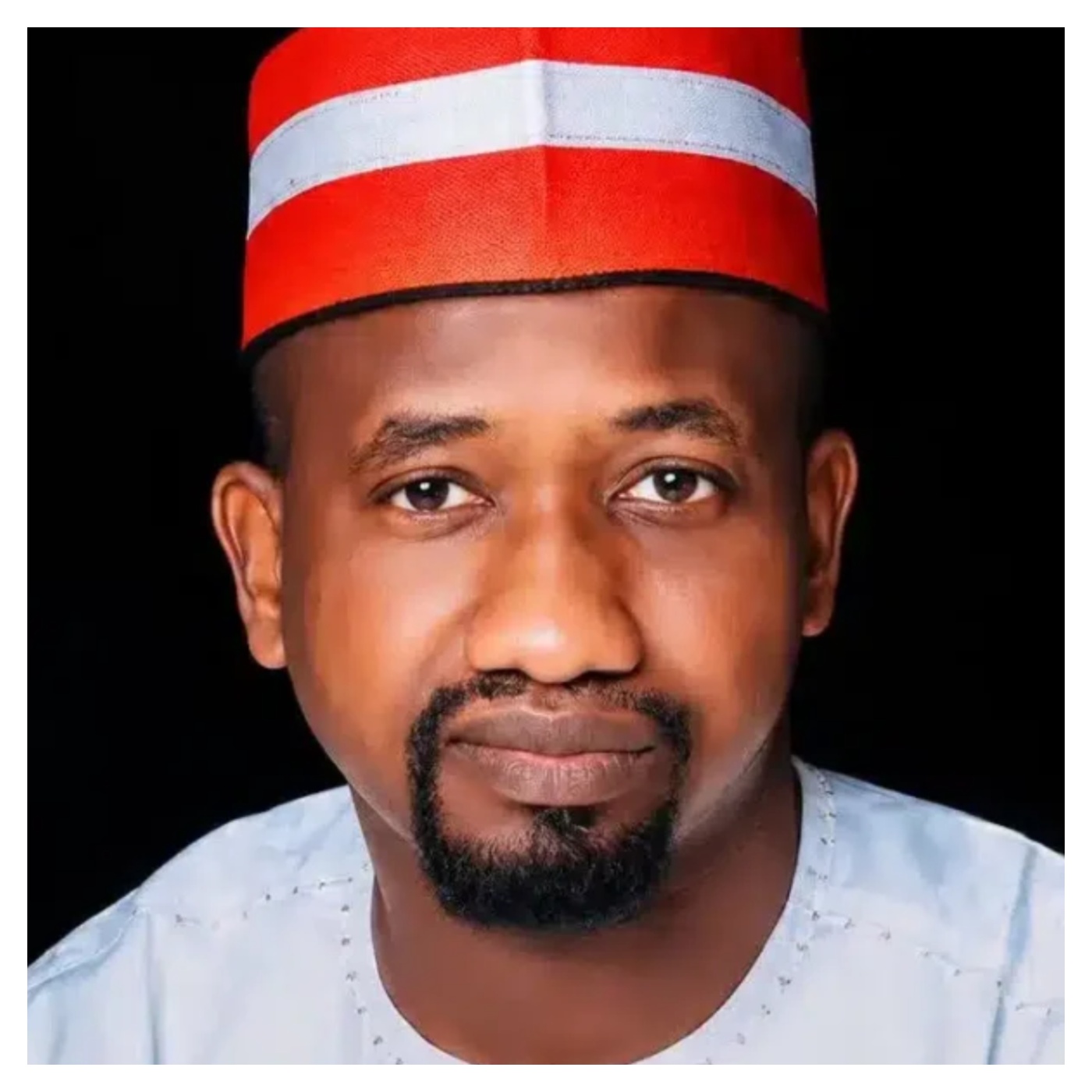
A long-time associate of Rabiu Kwankwaso, the vice-presidential candidate of the Nigeria Democratic Congress (NDC), Kabiru Abdullahi, has left the party for the All Progressives Congress (APC).

Abdullahi announced his resignation from the NDC in a letter addressed to the chairman of the party in Kofar Ruwa Ward, Dala Local Government Area of Kano State.

His defection comes ahead of the 2027 general elections and adds to the political realignments within Kano State as major parties position themselves for the next electoral contest.

Abdullahi, who has been associated with Kwankwaso for several years, did not state in the report the reasons for his decision to quit the NDC and join the APC.

The development is expected to attract attention within political circles in Kano, given Abdullahi’s previous relationship with the NDC’s vice-presidential candidate.

Atiku Raises Alarm Over Unauthorised Payment Into Private Bank Account

By Sabiu Abdullahi


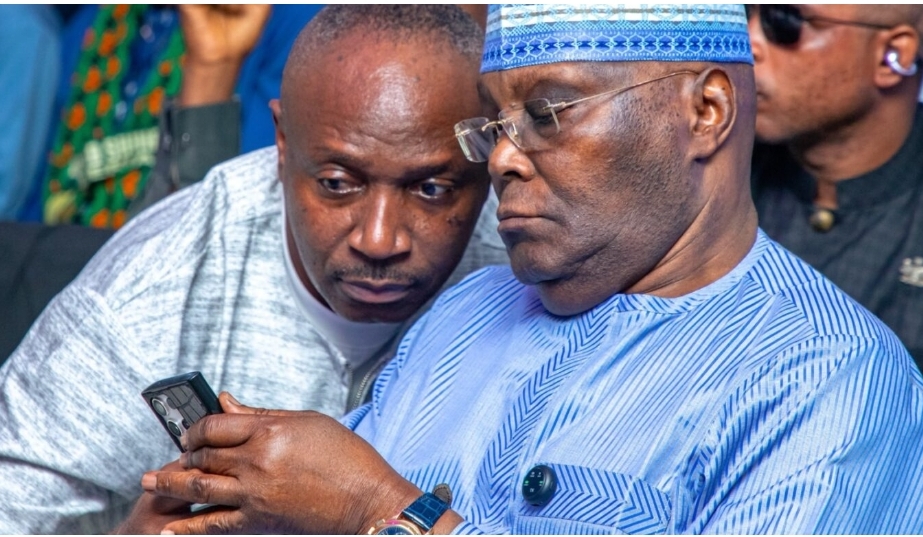
Former Vice-President Atiku Abubakar has raised concerns over an unauthorised payment made into one of his private bank accounts by an unidentified person.

Atiku, the presidential candidate of the African Democratic Congress (ADC), said the transaction was described as a “Contribution Electioneering Campaign” but was neither requested nor approved by him or his campaign organisation.

His Senior Special Assistant on Public Communication, Phrank Shaibu, disclosed this in a statement issued on Friday.

The statement described the circumstances surrounding the transaction as “deeply troubling” and questioned how an unknown person obtained details of an account whose information is not publicly available.

“The transfer originated from a person totally unknown to His Excellency,” the statement reads.

“Neither His Excellency nor his campaign solicited, authorised or has any knowledge of the individual or entity behind the unauthorised payment.”

Atiku questioned the source of the information used to make the payment, particularly because the affected account is a private one.

“The account is a strictly private one whose details are not in the public domain. This raises a fundamental question: How did unknown persons obtain the confidential banking details of a private citizen?” he asked.

‘NO NIGERIAN’S FINANCIAL PRIVACY IS SAFE’

The former vice-president said the incident raised concerns that could extend beyond his personal circumstances.

He argued that unauthorised access to the banking information of a former vice-president and presidential candidate could indicate a broader threat to the financial privacy of Nigerians.

“If the private banking information of a former Vice President and a leading presidential candidate can be accessed and deployed for reasons yet unknown, then no Nigerian’s financial privacy is safe,” he said.

Atiku also warned about the potential consequences if the information had been obtained through people with privileged access to banking records.

“If established, this would amount to a grave abuse of power capable of exposing the account holder to kidnappers, terrorists, bandits, fraudsters and other criminal elements,” the statement added.

The ADC presidential candidate linked the development to what he described as a series of “suspicious activities” ahead of the 2027 general election.

Despite the incident, Atiku said he would remain focused on his political objectives and would not allow the development to distract him.

“As political activities gather momentum, Nigerians should not be distracted by these tired tactics that smack of character assassination,” he added.

“Such desperate antics have failed before and will fail again. The Waziri Adamawa remains focused on offering Nigerians credible leadership and practical solutions to the nation’s challenges.”

How Ulama shape Kano’s traditional healthcare system—Expert

By Uzair Adam

A PhD student from Ahmadu Bello University, Zaria (ABU), Hidaya Lawal, has called for greater recognition of the role played by Islamic scholars (ulama) in shaping Kano’s traditional healthcare system, saying their influence remains central to public health and community well-being.

The call was made on Wednesday during the second day of a two-day conference organized by the Faculty of History and Development Studies, Bayero University, Kano (BUK).

The conference, themed “Ulama and Politics in Nigeria: Historical Perspectives,” brought together scholars, clerics, and political leaders from across the country.

Presenting her paper titled “The Influence of the Ulama on the Traditional Healthcare System in Kano Metropolis,” Lawal said her study seeks to rediscover the contributions of Islamic scholars to healthcare in Kano, particularly in the post-colonial period.

She explained that traditional medicine in Kano is often misunderstood, noting that it combines Islamic medicine with refined local Hausa practices aligned with the Qur’an and Hadith.

“When we talk about traditional healthcare, people usually think of pre-jihad practices. But in Kano, traditional medicine is an integration of Islamic and Hausa medical practices that have been tested and confirmed to be in line with Islamic teachings,” she said.

Lawal added that while early scholars such as Uthman Dan Fodio and others influenced the health system in the past, modern-day ulama have not received adequate academic attention.

She said the traditional medical system in Kano is holistic and covers mental, social, and moral well-being, not just physical health.

“Unlike Western medicine, which focuses mainly on curing diseases, our traditional medicine emphasizes total well-being—what we call lafiya,” she explained.

Lawal also noted that preventive health practices found in Islam align with modern medical guidelines.

“During the COVID-19 pandemic, practices like handwashing and avoiding overcrowding were already part of Islamic public health principles,” she said.

According to her, collaboration between the ulama, the government, and research institutions has strengthened public trust in traditional medicine.

“Some herbal medicines have been tested by Bayero University Kano’s Department of Pharmacognosy and found to be up to 80 percent safe,” she said.

She added that the ulama also play a key role in addressing harmful superstitions and beliefs that affect mental health.

“Their sermons have helped reduce anxiety and discrimination, especially against women, by correcting false beliefs rooted in tradition,” she said.

Lawal said her research aims to promote greater understanding of the ulama’s influence on public health and encourage the integration of traditional and modern healthcare systems in Kano.