Nigeria

Customs to launch analytical laboratory to combat smuggling

 By Sabiu Abdullahi 

The Nigeria Customs Service (NCS) is set to unveil a state-of-the-art customs analytical laboratory, Comptroller-General Bashir Adewale Adeniyi, MFR, says. 

The initiative, slated to roll out between the second and third quarters of 2024, aims to fortify the NCS’s ability to detect and deter smuggling, counterfeit goods, and other unlawful practices. 

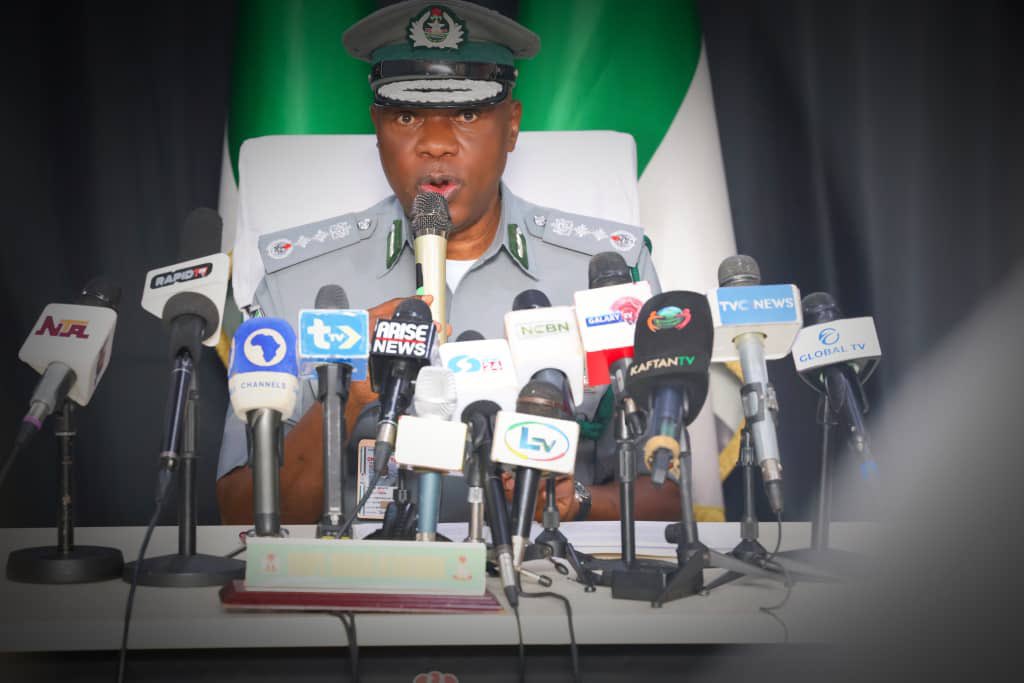
Addressing the media at the NCS Headquarters in Abuja on Wednesday, CGC Adeniyi stated the laboratory’s significance in upholding customs regulations.

Describing it as a specialized facility equipped with cutting-edge analytical instruments, he highlighted its pivotal role in ensuring compliance through accurate testing and analysis of imported and exported goods. 

“The Customs Analytical Laboratory will play a crucial role in safeguarding public health, safety, and economic interests,” said CGC Adeniyi.

By harnessing advanced technology and expertise, the NCS anticipates a substantial enhancement in its capacity to combat illicit trade activities, thus fostering trade facilitation and bolstering confidence in the customs system’s integrity. 

In addition to strengthening import controls, CGC Adeniyi shed light on initiatives aimed at fostering export growth and aligning with national agendas.

Discussions with the Nigeria Export Promotion Council (NEPC) have been initiated to sustain the positive momentum in export transactions, with a dedicated technical committee established for this purpose. 

“The NCS remains steadfast in its commitment to promoting export trade, diversifying the economy, and positioning Nigeria for success in the African Continental Free Trade Area (AfCFTA),” affirmed CGC Adeniyi.

As part of broader reforms, measures are underway to streamline customs processes and enhance public accessibility to verification tools for customs documents, including duty payments on vehicles. 

Noting ongoing efforts to enhance port operations, CGC Adeniyi disclosed plans for the introduction of a Single Window system under the stewardship of the Minister of Finance.

The imminent inauguration of the steering committee responsible for its implementation signals a proactive stride towards modernizing trade facilitation mechanisms in Nigeria.

Former NLC President, Ali Ciroma, passes away

By Uzair Adam Imam

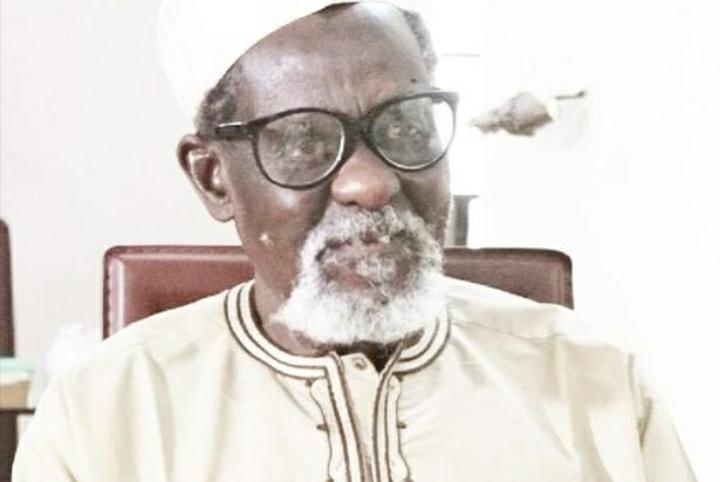
Comrade Ali Ciroma, a prominent figure in Nigeria’s labor movement and former president of the Nigeria Labour Congress (NLC), has passed away.

His demise occurred on Tuesday in Maiduguri, the capital of Borno State, following a brief illness.

The sad news was conveyed through a statement issued by Ali Ciroma, the Secretary of Nigeria Union of Journalists, Borno State Council, on behalf of the family.

The statement expressed deep sorrow at the passing of Comrade Ali Ciroma, noting that he breathed his last at the University of Maiduguri Teaching Hospital.

According to the statement, the funeral arrangements are scheduled for the following day (Wednesday) at the deceased’s residence located at No. 7 A along Galadima Road, near Muhammadu Shuwa Memorial Hospital (Nursing Home), Maiduguri.

Comrade Ali Ciroma had served as the president of the NLC from 1984 to 1988, leaving a significant mark on the labor movement during his tenure.

Prior to his leadership in the NLC, he held the position of president in the Rural Health Workers of Nigeria in 1960, which later evolved into the Medical and Health Workers Association.

His contributions to the labor sector have left a lasting legacy in Nigeria.

Empowering women against breast cancer: Awareness, prevention and support

By Harajana Umar Ragada

It all began with a small lump on her left breast. Over time, it grew larger with each passing day. Concerned, her husband took her to the hospital, where they were informed that a minor surgery was necessary. The doctor assured them of its safety and that she would go home immediately after the procedure.

However, an elderly woman approached her with a warning. She advised against allowing anyone to touch her breast at such a young age, claiming it was too risky. Unfortunately, she heeded the woman’s advice, ignoring her husband’s attempts to convince her otherwise. Instead, she returned home and relied on local herbs, hoping for a cure.

To her dismay, the condition worsened and developed into cancer. She underwent numerous treatments, including chemotherapy. I watched as she silently suffered, fervently praying for her quick recovery. However, she eventually succumbed to the illness after a lengthy stay at the hospital. She left behind three children, with the youngest just weaned off due to the mother’s illness.

Her death deeply affected me and shed light on the lack of awareness among many women about breast cancer, its preventive measures, predisposing factors, and signs to look out for.

According to findings from the World Health Organisation (WHO), in Nigeria alone, over 10,000 women die annually from cancer-related issues, with approximately 250,000 new cases recorded every year. These numbers are alarming, prompting me to contemplate how I could help.

That’s when I discovered Raise Foundation, an organisation dedicated to providing free cancer screening, raising awareness about breast cancer, and supporting patients through their journey, founded by the wife of the former Niger State Governor, Haj. Amina Abubakar Bello.

In an interaction with the CEO of Raise Foundation, Mrs Toyin Dauda, she disclosed that their mission is to create awareness and opportunities for women and girls, allowing them to realise their full potential in a safe environment for pregnancy and childbirth. They aim to empower women to make informed decisions and seize available opportunities.

“We established the Raise Foundation in 2015, and we are proud to have the first breast and cervical cancer screening centre in Niger State. Additionally, we conduct outreach programs in hard-to-reach areas, where we screen women and educate them about breast cancer. We promote early detection and offer assistance to those diagnosed with cervical or breast cancer,” She affirmed.

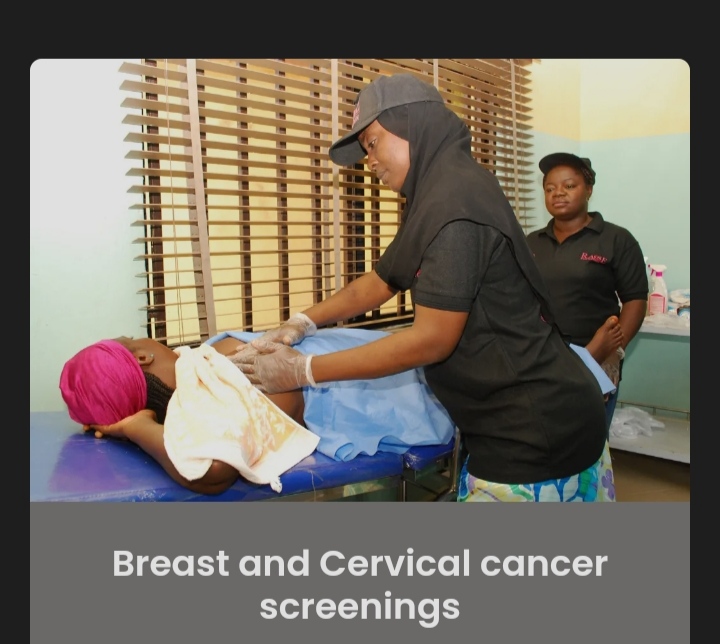
Mrs.Toyin further explained that the screening is completely free of charge. Their healthcare professionals use gloves for examination, and if they identify any abnormalities or lumps, the woman will need to undergo a scan, which costs ₦4000. For women over 35, a mammography is recommended, priced at ₦10,000.

However, during October, Breast Cancer Awareness Month, they provide all these services for free. Operating from Monday to Friday, 9 a.m. to 4 p.m., Mrs Toyin urged women not to wait for the designated month but to seek screenings earlier. The foundation also guides self-breast exams.

Moreover, the Raise Foundation offers financial support for breast cancer patients. Rather than giving patients money directly, they cover the costs and provide receipts. They have partnerships that help fund their initiatives, allowing them to support women across Nigeria. Mrs Toyin appealed to governments, organisations, and individuals to contribute funds as the number of patients rose.

Furthermore, the program coordinator for Raise Foundation, Dr Fatima Tafida, emphasised the importance of understanding the risk factors associated with breast cancer and taking action to address them. She highlighted the risk factors, the consequences, the signs and symptoms, preventive measures, and how to perform self-breast exams.

According to Dr Fatima, the risk factors include being female, as breast tissue is present, an increasing trend of breast cancer among younger women (even as young as 25 years), early onset of menstruation, late menopause, not having been pregnant or breastfed, family history of breast cancer, smoking, excessive alcohol consumption, and poor diet or obesity.

She added that cancer is a significant threat as it impacts individuals socially, physically, emotionally, and financially. 

“Signs and symptoms of cancer can vary depending on the type. The most common sign is the presence of a small lump in the breast, which may or may not be painful. Other indicators include the growth of the lump, cracks on the nipples, or the presence of bloody or Clear discharge. Unfortunately, many individuals are unaware that they have cancer until it has progressed.

“To prevent cancer, there are several measures that can be taken. Firstly, creating awareness about the disease and its risk factors is crucial. Secondly, modifying one’s lifestyle by quitting smoking and reducing alcohol consumption is essential. Additionally, individuals who are obese should aim to lose weight and incorporate regular exercise into their routine. Maintaining a balanced diet is also important in preventing cancer. Conducting regular self-breast exams is recommended for those with a family history of the disease. Lastly, performing self-breast exams at the end of the menstrual cycle can help in the early detection of any abnormalities.” She stressed.

Dr Fatima Tafida also underlined the importance of regular self-breast exams. She provided step-by-step instructions on how to perform a self-exam for early detection. 

She advised standing in front of a mirror with the left hand raised above the head. Using the fingers of the right hand, one should palpate the whole breast, pressing the nipple and checking for any cracks or nipple discharge, be it bloody or clear. The person should then move their hand under the armpits and check for enlarged lymph nodes. 

Dr. Fatima also highlighted signs to look out for, such as an orange peel appearance of the skin, one breast being bigger than the other, nipple retraction, or sores around the breast or nipples. These indicators could suggest a problem, and medical attention should be sought immediately. 

She stressed the importance of early detection and shared the example of Angelina Jolie, who underwent a double mastectomy after testing positive for a breast cancer gene due to her family history.

For women over the age of 40, Dr. Fatima underscored the importance of getting a yearly mammogram. She advised against relying solely on herbal medicines and encouraged sticking to scientifically proven methods of treatment and prevention. She said teenagers should be aware and proactive in screening themselves. While adding that wearing bras made from secondhand clothes, often of European origin, does not increase any chance of having breast cancer.

In conclusion, Dr. Fatima appealed to society to show kindness and support to breast cancer patients. She highlighted the high costs associated with treating breast cancer and urged governments, NGOs, and individuals to provide assistance and support to these patients.

The Raise Foundation has received heartfelt gratitude from beneficiaries who have received free treatment and support. One patient expressed her appreciation, acknowledging that she would not have been able to afford the treatment without the foundation’s help. Another beneficiary thanked the foundation and called on the state government, NGOs, and individuals to support breast cancer patients.

As breast cancer continues to devastate lives, we must come together and fight it collectively. Let us join hands in raising awareness, providing support, and working towards a future where breast cancer no longer exists.

Harajana Umar Ragada wrote via kharajnah@gmail.com. 
Artificial Intelligence

Leveraging AI to streamline PR workflows

 By Haroon Aremu

Artificial intelligence (AI) is involved in everyday tasks, especially using smartphones or laptops to check message spellings, using voice commands for music, or following GPS directions. While these tools have existed, modern AI is much more advanced. It can not only complete tasks but also learn and improve its abilities by analysing information, making it even more powerful.

With its remarkable ability to think like a human and tackle everything from brainstorming to strategic planning, AI has become an indispensable ally in PR, reshaping how professionals craft their messages.

AI is a versatile powerhouse that can perform tasks such as generating innovative ideas and crafting tailor-made press releases and reports.

AI in PR is an especially exciting area. With tools ranging from traditional chatbots to cutting-edge, comprehensive platforms like Natural Language Generation (NLG) technology, PR pros can now create personalised content at lightning speed, paving the way for big-picture thinking and strategic approaches.

In a report by PRDaily and Accesswire, about 200 PR respondents were captioned. ‘59% seek predictive analytics for PR planning.’

Pundits argued that ChatGPT, the AI wizard that has revolutionised PR, is among the commonly used AI tools. With ChatGPT’s prompt input, tasks like building media lists and brainstorming content ideas have never been easier.

American Marketing AI Institute has also predicted that AI has created up to $2.6 trillion in business value in marketing and sales alone.

While incredibly powerful, AI is not 100% perfect and does not have emotions; it can also be inaccurate.

However, while AI may be a distraction, one thing remains abundantly clear: human connection is irreplaceable. After all, no machine can match the warmth and empathy of a genuine human interaction.

Meanwhile, AI and human interaction make the team’s dream easier. The deployment of both can boost efficiency and creativity and drive strategy. As the AI landscape continues to evolve, PR pros must embrace these changes wisely, leveraging technology as a tool to supercharge their skills and deliver impactful communication strategies by leveraging AI to streamline PR workflows in the digital age.

As an intern in PR and marketing communications, the influence of this field is undeniable. From advanced analytics to content generation, PR pros can deploy this tool to evaluate strategic decisions accurately.

Personalised marketing campaigns can also be deployed to elevate customer engagement, increase conversion rates and customer interactions, and enhance brand loyalty.

Notwithstanding, implementing AI also comes with challenges: data privacy concerns and the need for ongoing algorithm refinement present struggles requiring proactive solutions. Yet, these obstacles can be overcome through collaborative efforts and a willingness to adapt.

Haroon Aremu is a youth corps member with the PRNigeria centre and wrote in via exponentumera@gmail.com.

Nigerian Customs seize contraband worth over N769 million, issues stern warning 

By Sabiu Abdullahi

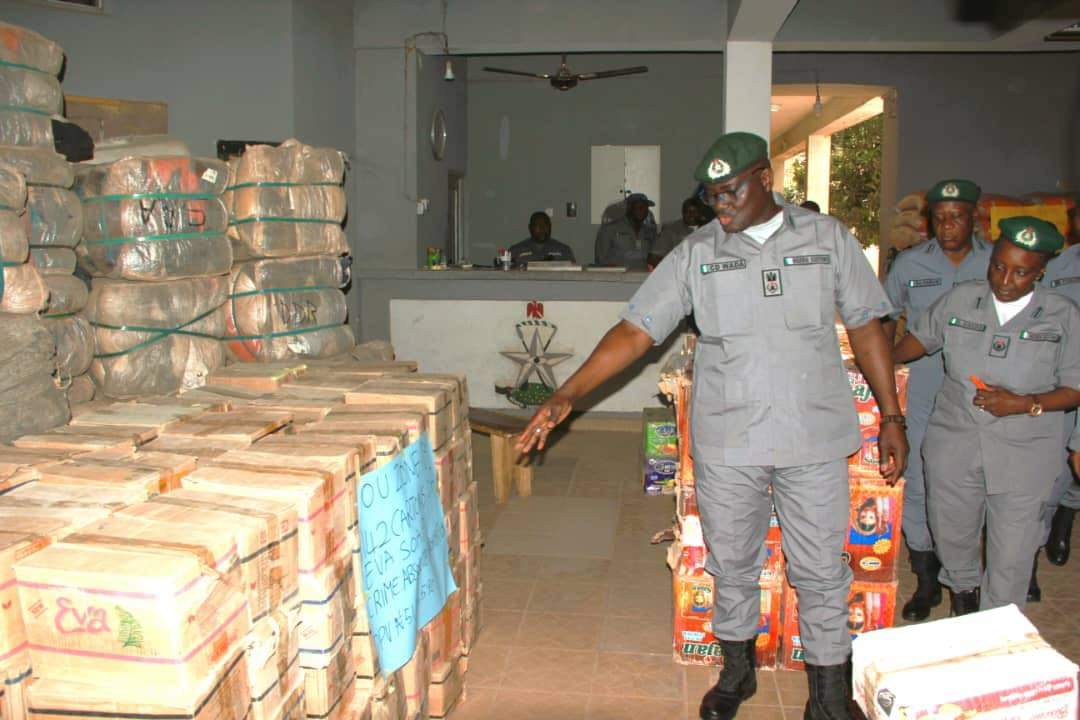
The Nigeria Customs Service, Federal Operations Unit (FOU) Zone ‘B’, has announced the seizure of contraband goods with a staggering duty-paid value exceeding N769 million.

This significant haul was disclosed by the Comptroller of the Unit, Comptroller Chedi Wada, during a press briefing held on March 28, 2023, at Kangiwa House, Kaduna State. 

Comptroller Wada revealed that a total of 98 seizures involving 21 different items were executed during the operational period.

The contraband items confiscated encompassed a diverse range, including foreign parboiled rice, spaghetti, secondhand clothing, premium motor spirit, refined vegetable oil, used vehicles, and various other goods. 

Among the notable seizures were 372 bags of rice concealed within flour sacks, intercepted by vigilant unit operatives, and subsequently deposited at the Kwara Area Command.

Stressing the pivotal role of intelligence networks, Comptroller Wada underscored the unit’s commitment to unearthing smuggling operations, despite adversarial tactics employed by die-hard smugglers. 

In a stern warning directed at smugglers, Wada asserted, “Those who persist in illegal trade activities cannot deter us from fulfilling our duty. They must either transition to legitimate commerce or face the full force of the law.”

Additionally, he cautioned against the alteration of Vehicle Identification Numbers (VINs), highlighting the legal consequences and penalties outlined under the Nigeria Customs Service Act 2023. 

Drawing attention to the gravity of VIN tampering, Wada urged citizens to meticulously inspect vehicle VINs to thwart smuggling attempts and uphold regulatory compliance.

He noted the government’s initiative to facilitate the regularisation of improperly imported vehicles within a 90-day window, further alleviating financial burdens on citizens through the suspension of penalties. 

The resolute stance of the Nigeria Customs Service, exemplified by the diligent efforts of FOU Zone ‘B’, underscores a concerted commitment to combating illicit trade and safeguarding national interests.

As the unit remains steadfast in its enforcement endeavors, stakeholders are urged to collaborate in upholding regulatory standards and fostering a culture of lawful commerce.

Niger Police Commissioner honours fallen heroes

By Uzair Adam Imam

Niger State Commissioner of Police, Shawulu Ebenezer Danmamman, presented cheques worth N44 million to families of officers who died serving the state.

The funds, distributed under the force’s Group Life Assurance Scheme, aim to support 38 families who lost loved ones in the line of duty between 2022 and 2023.

In addition, the Commissioner commended 17 police personnel who served in the NYSC orientation camp security team.

They received NYSC commendation letters for their dedication, discipline, and ability to manage sensitive challenges during the 2024 Batch A, Stream One orientation exercise. 

Brain drain and funding challenges in Nigeria’s health sector

By Aishat M. Abisola


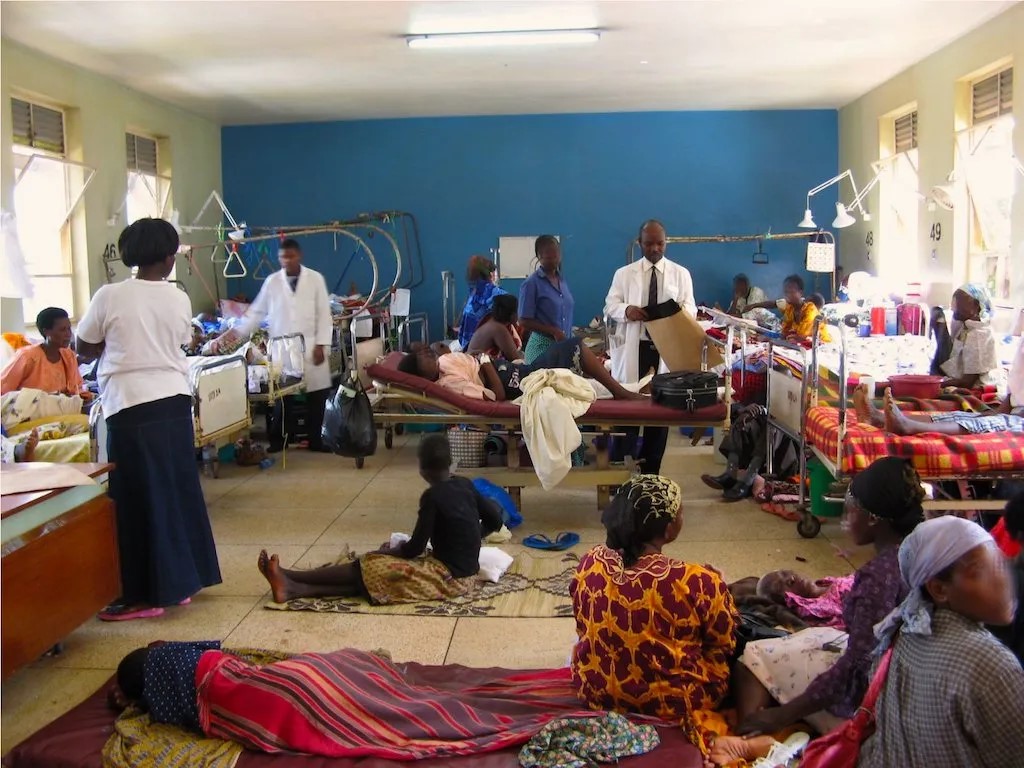
Over the years, Nigeria has dealt with a profound crisis plaguing its healthcare system, exacerbated by the alarming rate of brain drain among its highly skilled medical professionals. Nigeria’s health sector is precarious as doctors, nurses, and other essential healthcare personnel depart for greener pastures abroad.


A closer look reveals a critical factor fueling brain drain, harming our health sector. The consequences of this phenomenon are dire. It has led to a shortage of healthcare professionals, compromising the overall quality of healthcare services in Nigeria.


One key reason for the brain drain in the Nigerian health sector is chronic underfunding, which results in dilapidated infrastructure and insufficient resources. Healthcare facilities in the country also suffer from a lack of modern equipment, outdated technology, and inadequate supplies.


Motivated by their desire to provide high-quality care, healthcare professionals flee to countries with well-maintained and adequately resourced healthcare infrastructure.


Brain drain can also be linked to the frustration healthcare professionals experience due to a lack of basic tools and resources necessary for their work. Insufficient funding for maintaining and upgrading healthcare facilities creates an environment that fails to attract and retain skilled professionals.


Funding issues in the Nigerian health sector have led to inadequate remuneration and poor working conditions for healthcare professionals. Doctors and nurses are often given meagre salaries, delayed payments, and a lack of essential benefits despite their importance in society.


The financial strain, coupled with challenging working conditions, can serve as a powerful motivator for them to seek opportunities abroad, where they can be better compensated and work in more conducive environments.


Several organisations in Nigeria have lamented funding issues and poor remuneration of our healthcare personnel. The Joint Health Sector Union (JOHESU), the Nigerian Association of Resident Doctors (NARD) and the Nigerian Medical Association (NMA) have organised strikes and issued ultimatums to the federal government to improve the nation’s health sector.


Last year, NARD asked the federal government to declare a state of emergency for the health sector. The NMA also spoke out against the federal government’s decision to implement a no-work, no-pay plan in response to an indefinite strike by NARD.


The lack of funding allocated to training and development programs within the Nigerian health sector also contributes to the brain drain crisis. Healthcare professionals want to seek continuous learning opportunities and career advancement. However, insufficient funds for training limit their growth within the country.


The scarcity of adequate professional development investments harms local talent retention. It encourages healthcare professionals to pursue opportunities abroad, where they can further their education and skill sets.


A united effort is needed to address funding challenges and combat brain drain in Nigeria’s health sector. Boosting investments in healthcare can create an environment that will retain and lure back skilled professionals. The federal and state governments can implement some of these strategies to mitigate the impact of brain drain:


Remuneration Improvements: Increase healthcare professionals’ salaries and benefits to make them more competitive on an international scale. Ensure timely salary payments address concerns about delayed payments, a common issue among healthcare workers.


Enhanced Working Conditions: Allocate sufficient funds to improve healthcare facilities, ensuring modern and well-maintained conditions, comfortable accommodations, and safe working environments—investment in technology and equipment to ensure that healthcare professionals have access to state-of-the-art tools and resources.


Investment in Training and Development: Funds should be allocated for continuous professional development programs to enhance the skills of healthcare professionals.
Establish partnerships with educational institutions to provide healthcare workers with ongoing training and learning opportunities.


Research and Innovation Grants: Create funding for local medical research and innovations to attract professionals interested in making healthcare advancements. Provide research grants to healthcare professionals, encouraging them to stay in Nigeria while pursuing groundbreaking research.

Infrastructure Development: Allocate funds for the construction, renovation, and maintenance of healthcare infrastructures (hospitals, clinics, and other healthcare facilities). Equip healthcare facilities with modern technology and the resources to provide quality patient care.


Telemedicine and E-Health Initiatives: Allocate funds for telemedicine and e-health initiatives to enhance the accessibility and appeal of healthcare services to professionals. Invest in technology infrastructure to support telehealth services, reducing the need for healthcare workers to relocate physically.


Community Engagement and Support: Fund community programs to raise awareness about the importance of healthcare professionals in local communities. Establish support networks and incentives for healthcare professionals, including housing assistance, transportation, and other benefits.

Long-Term Strategic Planning: Implement and develop long-term plans for the healthcare sector, ensuring sustained and increased funding over time. Regularly assess funding needs and adjust budget allocations to address emerging challenges and opportunities.


Last line

Undeniably, the brain drain crisis in Nigeria’s health sector is strongly linked to constant funding challenges over the years. Concrete efforts and strategic investments in the healthcare system are essential to reverse this trend.


Adequate funding can improve infrastructure, enhance working conditions, and provide opportunities for professional growth, ultimately stemming the tide of skilled professionals leaving the country.


By addressing the root causes of brain drain through increased funding, Nigeria can build a more resilient and sustainable healthcare sector that meets the needs of its population.


Aishat M. Abisola is an NYSC member serving with PRNigeria Centre Abuja.

Customs partner with FRCN to tell Nigerians about its mandates

By Sabiu Abdullahi 

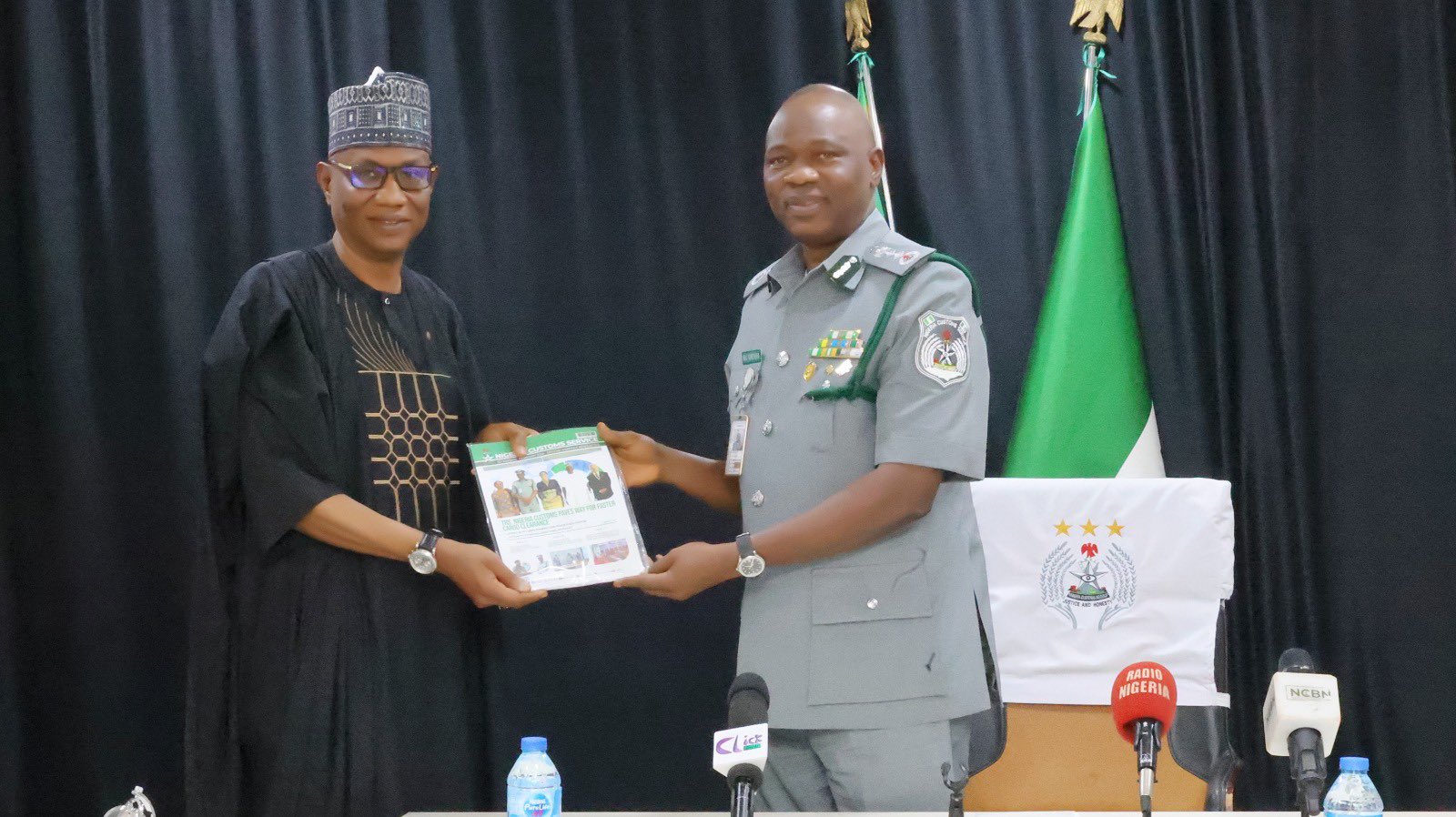
The Nigeria Customs Service (NCS) has embarked on a strategic partnership with the Federal Radio Corporation of Nigeria (FRCN) aimed at enlightening Nigerians about the core mandates of the service and its pivotal role in driving economic development. 

During a meeting held on Tuesday, 26 March 2024, at the NCS Headquarters in Abuja, the Comptroller-General of Customs, Bashir Adewale Adeniyi MFR, expressed the Service’s readiness to collaborate closely with FRCN.

Leading the delegation from FRCN, Director-General Muhammad Bulama engaged in discussions with CGC Adeniyi, underscoring the importance of media collaboration in amplifying the efforts of the Nigeria Customs Service. 

“Partnership with the media is very effective in enhancing public understanding of our activities,” stated CGC Adeniyi.

“We are committed to leveraging this collaboration to showcase the various initiatives we have in place to enhance trade efficiency.” 

Stating the need to reshape the narrative surrounding trade in Nigeria, CGC Adeniyi emphasized the importance of reaching out to Nigerians to inform them about the extensive work undertaken by the Customs Service.

“We are doing a lot more than people know us for,” he said, acknowledging the offer of strategic partnership extended by FRCN. 

In response, Director-General Bulama commended CGC Adeniyi for his leadership and the progress made under his tenure. He expressed confidence in the Comptroller-General’s ability to steer the Nigeria Customs Service towards greater efficiency and effectiveness. 

“We are convinced that the appointment of CGC Adeniyi by Mr. President is already yielding positive results,” remarked DG Bulama.

“It is our duty to support, publicize, and advocate for the activities of the Nigeria Customs Service, and we believe that together, we can contribute to the realization of our country’s potential and greatness.” 

The partnership between the Nigeria Customs Service and the Federal Radio Corporation of Nigeria marks a significant step towards enhancing public awareness and understanding of the Customs Service’s mandates and contributions to national development.

Nepotism in Nigerian politics: A tale of two governors

By Umar Sani

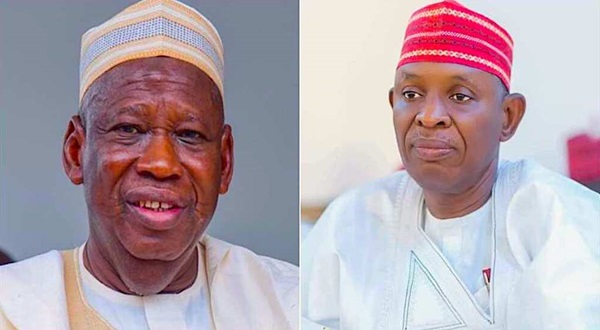
In the intricate tapestry of Nigerian politics, nepotism is often woven deep into the fabric of governance. Recent events surrounding Engr. Abba Kabir Yusuf, popularly known as “Abba Gida Gida,” and Dr Abdullahi Umar Ganduje illuminate a troubling pattern of favouritism and cronyism that continues to plague the nation’s political landscape.

In a move reminiscent of his predecessor, Abba Kabir Yusuf has nominated Mustapha Kwankwaso, the son of his godfather Engr. Rabiu Kwankwaso, for a commissioner position. This decision raises eyebrows, echoing past criticisms of Ganduje’s administration, where appointments seemed to prioritise personal connections over merit.

Such actions underscore a disturbing reality: the entrenched culture of nepotism in Nigerian politics, where loyalty to political dynasties often outweighs competence and merit. While the faces may change, the playbook remains eerily similar, perpetuating a cycle of patronage that undermines the principles of accountability and good governance.

The parallels between Abba Kabir Yusuf and Abdullahi Umar Ganduje serve as a sobering reminder of the challenges facing Nigeria’s democracy. Despite differing affiliations, both governors have succumbed to the temptation of nepotism, prioritising the interests of elites and families over the welfare of the broader populace.

This nepotistic trend erodes public trust in the political system and exacerbates social and economic inequalities. When positions of power are monopolised by a select few, talented individuals from marginalised communities are denied opportunities for advancement, further entrenching the status quo of privilege and exclusion.

As the nation navigates its democratic journey, it is imperative to confront and address the scourge of nepotism head-on. Transparent and merit-based governance systems must be championed, where appointments are made based on qualifications rather than personal relationships.

Moreover, robust mechanisms for accountability and oversight are essential to ensure public officials are held accountable for their actions. Civil society organisations, independent media, and vigilant citizens play a crucial role in exposing and challenging instances of nepotism and corruption, fostering a culture of transparency and accountability in governance.

Ultimately, the fate of Nigerian politics rests in the hands of its citizens. By demanding accountability, transparency, and a commitment to the common good, Nigerians can pave the way for a brighter and more equitable future, free from the shackles of nepotism that have privileged few.

Umar Sani Adamu (Kawun Baba) wrote via umarhashidu1994@gmail.com.

Agribusiness in Nigeria needs standardisation, NABG says

By Uzair Adam Imam  

At a media briefing on the “Agro Commodities Standard Grading System National Validation” programme, Jafar Umar, Director General of the Nigerian Agribusiness Group (NABG), called for the standardisation of Nigeria’s agro commodities grading system to align with international standards.

The event is scheduled to take place in Abuja. The organisation believes that agriculture, as a major sector of the economy, has the potential to lift Nigeria out of its current socio-economic challenges, according to the Director General.

He also highlighted NABG’s ongoing efforts to partner with public, private, and donor institutions to improve the business environment for agribusiness. 

Celestine Okanya, Director General and CEO of NiNAS, stated that NABG is dedicated to ensuring that agribusiness people and smallholder farmers receive the maximum return on their investments.  

This is achieved through a focus on improving the productivity and profitability of the agribusiness sector.