Nigeria

Do you have any doubts about the Hisbah’s justification?

By Salihi Adamu Takai

The northern part of Nigeria was known to be a place where religion existed prior to the advent of colonialism. The people who existed in those days embraced religion through Arab Merchants. The light of religion made the region delve into the ocean of knowledge. They were able to read and write using Ajmi for their written communication. They had knowledge of Islam.

The early spread of Islamic religion in the northern part of Nigeria also gave the region traditional rulers. The system was very similar to the democratic system, which had a separation of powers. The kingmakers functioned as members of the parliament.

Despite the powers of the colonial masters, when they introduced indirect rule in 1900 – 1906, they could not change the people’s faith in the North. They only had the power to rule the traditional rulers using their sophisticated weapons. The Northern people diligently remained with their Islamic Faith. The mission did not brainwash them.

Therefore, as time went on, in 2000, some of the Northern Governors united themselves and relied on the provision of the 1999 Constitution of the Federal Republic of Nigeria, section 38, and called for Sharia in some states of the North. The states included Zamfara, Kano, Katsina, Jigawa, and Sokoto. Sharia was instituted. This helped codify the Penal Code in the northern parts of Nigeria. It contains some laws applicable to Muslims.

Due to the adoption of Sharia in some states of the northern parts of Nigeria, Hisba came into force. Hisba was instituted to support the existence of Sharia in the areas in which it has jurisdiction.

Hisba is an Arabic word that means “an act performed for the common good, or with the intention of seeking a reward from God.”

The Hisba operation or the concept of Hisba got its justification from the Book of Almighty Allah, the Qur’an, Chapter 3: 104. Allah says, “Let there arise from you a group calling to all that is good, enjoining what is right and forbidding what is wrong.”

Also, the Prophet (SAW) says: “Whoever sees a wrong, let him change it with his hand, and he can’t be able, let him change it with his tongue, and if he can’t be able, let him change it with his heart; and that is the weakest faith.”

The 1999 Constitution of the Federal Republic of Nigeria, by virtue of section 38, protects the right to religion, and the Muslim community is also protected from practising their religion in the way they can satisfy the Order of their Lord. Section 4(5) of the Constitution of the Federal Republic of Nigeria empowers the House of Assembly of a State to make law for the respective people of that state. Thus, an organisation like Hisba is instituted and created by the State through the State House of Assembly.

Therefore, Hisba, as it’s defined, only exists within the Muslim community. It is being instituted to proclaim all that’s good, enjoin what is right, and forbid what is wrong.

Northern senators accuse Akpabio of padding N4 trillion into budget

By Sabiu Abdullahi 

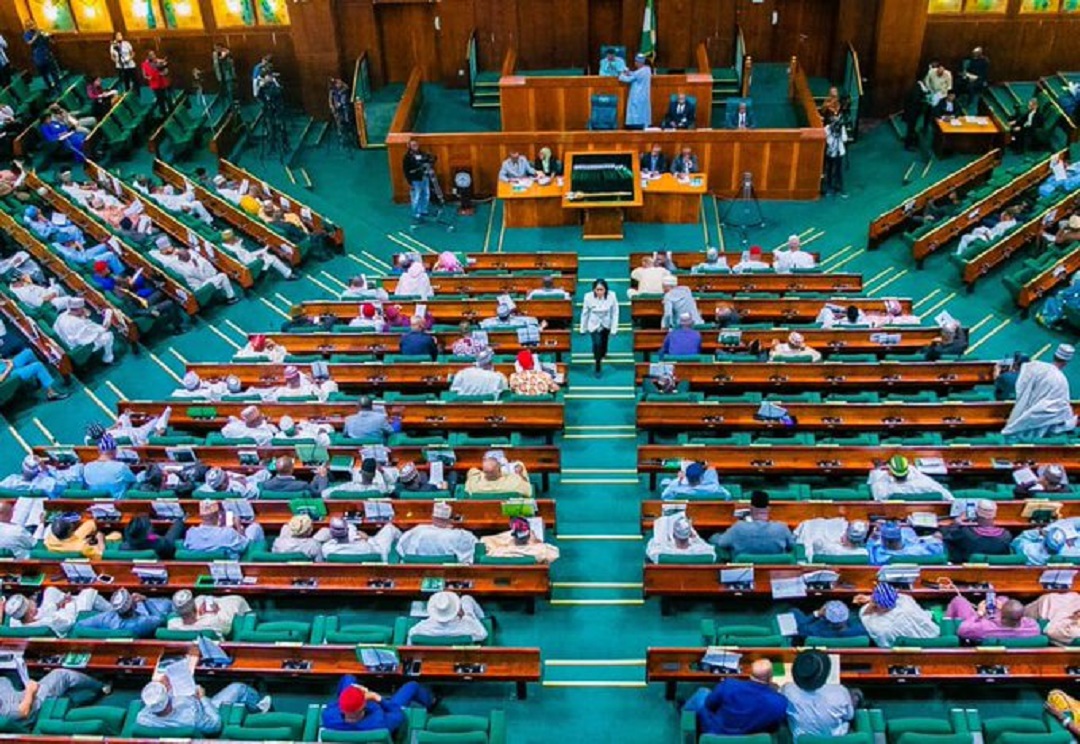
Northern senators have raised alarm over alleged budget padding amounting to N4 trillion, orchestrated by Minister of Niger Delta Affairs, Mr. Akpabio, and his associates.

The senators, expressing concern over what they deem self-enrichment projects, called for transparency and accountability in budgetary processes. 

Under the leadership of Chairman Abdul Ningi (PDP, Bauchi), members of the 58-member Forum convened a meeting with Mr. Akpabio at his Guest House in the Maitama District of Abuja on Thursday to address the issue. 

In an interview with BBC Hausa Service, Senator Ningi highlighted the discovery of two separate federal budgets being implemented.

He revealed, “For the last three months, we have employed private financial auditors to extensively examine the 2024 budget. We have uncovered significant unauthorized changes and additions in the budget that would have a widespread negative impact on the nation as a whole.” 

Senator Ningi stated the need for accountability, stating, “We are supposed to meet with the senate president and show him the irregularities we saw in the budget and let him know our concerns. We will not agree and support spending money on what we are not aware of.” 

Citing discrepancies in budget figures, he questioned, “We had a budget of N28 trillion but after our thorough checks we found out that it was a budget of N25 trillion. How and where did we get the additional N3 trillion from, what are we spending it for?” 

The senator pledged to seek clarification from President Bola Tinubu, stating, “We are going to meet with the president and show him, we will ask him if he is aware of all these things that are happening. We will show him and ask him if he is aware of it, and what he intends to do to those who partake in the whole manipulations and inclusions.” 

As the controversy unfolds, Nigerians await responses from relevant authorities and demand transparency in budget implementation to uphold the integrity of governance processes.

Women’s education—a command, a right, a life, here and hereafter!

By Aisha Musa Auyo

International Women’s Day holds immense significance as a global observance dedicated to celebrating women’s achievements, promoting gender equality, and raising awareness about the challenges women face. It serves as a reminder to acknowledge and appreciate women’s contributions in various fields, while also highlighting ongoing efforts to address gender disparities. The day fosters a sense of solidarity among women worldwide, encouraging discussions and actions to advance women’s rights and opportunities.

The theme for IWD 2024 is “Invest in Women: Accelerate Progress”. It highlights the importance of women’s and girls’ empowerment and their rights to healthier lives.

I plan to write this article from a religious and social perspective because many have hidden behind the veil of religion to deny women their basic right to education and empowerment.

Without question, education for women and girls is an integral part of Islam.

In the Holy Quran, Allah orders both men and women to increase their knowledge and condemns those who are not learned. The very first revelation to Prophet Mohammed (ﷺ) starts with the word “read” and says:

“Read. Read in the name of thy Lord who created; [He] created the human being from a blood clot.

Read in the name of thy Lord who taught by the pen: [He] taught the human being what he did not know.” (Q96: 1-5)

In addition to the clear stance of the Qur’an on knowledge acquisition by every Muslim woman and man, the Prophet is also reported to have said (hadith):

“The acquisition of knowledge is the duty of every Muslim man and Muslim woman” (Rahman 1980, 397).

From the above verse and hadith, we can conclude that

1. Girls’ Education Is a Divine Command

The obligation for women and men to study is also confirmed by the hadith and the sunnah. Preventing women and girls from receiving an education is preventing them from fulfilling the divine obligation commanded by Allah and intervening with their akhirah, or afterlife.

2. Girl’s Education is a Divine Right

Education of girls is central to their faith because it increases their knowledge, teaches them how to use their intellect, furnishes them with critical reflection skills, and makes them better Muslims and better members of their communities. It allows girls and women to make use of the gifts Allah has given them.

Preventing women and girls from receiving an education is preventing them from fulfilling the divine obligation commanded by Allah and intervening with their akhirah, or afterlife.

Prophet (PBUH) Invested in the Education of Girls

Since the early years of Islam, learned women enjoyed high public standing and authority. The Prophet (ﷺ) made an effort to educate women and girls and encouraged his wives and daughters to learn and be educated. He held classes for women, and women were often present in the public assemblies that came to learn from the Prophet (ﷺ). Women in his household received education not only in Islamic sciences but in other fields such as medicine, poetry and mathematics, among others. He made arrangements for training women in the commandments, fixing one day a week to meet with them.

Aishah and Umm Salamah (ra) are among the greatest narrators of hadith. Much of what Muslims practice today in terms of their religion is transmitted via the education of these two great women. The world’s first institution of higher education, the University of Qarawiyyin in Morocco, was established by a Muslim woman, Fatima al-Fihriyya.

How the society benefits from educating women

“Education is the only way to empower them [girls], improve their status, ensure their participation in the development of their respective societies, and activate their role to be able to take responsibility for future generations.” – Dr. Yousef bin Ahmed Al-Othaimeen, secretary-general of the Organisation of Islamic Cooperation

Education is more than just the ability to read and write. It is the process of acquiring knowledge, skills, and values in various fields that enable individuals to contribute meaningfully to the social, economic, and political well-being of their families and communities. Without educating its citizens, no society can develop and prosper.

The concept of knowledge in Islam covers a broad spectrum of subjects. The Quran describes the breadth of knowledge as vast and states that learning encompasses both religious and secular subjects. Many verses of the Holy Quran invite the reader to reflect and contemplate the creation of the universe. Therefore, it is incorrect to restrict women to the study of only religious sciences and prohibit them from a broader scope of education.

Some of the benefits of educating women include the following:

Educating girls contributes to stronger economies and alleviates poverty. Economic development and poverty reduction require countries to benefit from the talents, skills, and productivity of all their citizens, both men and women. Reducing the gender gap and educating girls in science, technology, engineering, and mathematics (STEM) will help reduce the skills gap, increase the employment and productivity of women, and reduce occupational segregation.

Educating girls leads to healthier and happier families because, as mothers, educated women make better and more informed decisions for their children’s well-being, including protecting them from disease.

When women are educated, violence is reduced, and children have better psychological well-being and are happier.

Ways to invest and accelerate women progress

Investing in women for societal progress involves addressing various aspects to empower them holistically. Here are key areas for investment:

Education: Ensure access to quality education for girls and women. Support scholarship programs, mentorship initiatives, and STEM education to bridge gender gaps.

Healthcare: Invest in women’s health services, including reproductive health, maternal care, and mental health support. This contributes to healthier communities and improves overall well-being.

Economic Opportunities: Promote equal economic opportunities by supporting women entrepreneurs, providing training, and encouraging workplace diversity. This enhances financial independence and contributes to economic growth.

Legal Rights: Advocate for and invest in legal frameworks that protect women’s rights. This includes combating gender-based violence, ensuring equal pay, and promoting workplace policies that support work-life balance.

Technology and Innovation: Encourage women’s participation in technology and innovation sectors. Investing in programs that provide skills training and mentorship can bridge the gender gap in these rapidly evolving fields.

Community Engagement: Invest in community-based programs that empower women, addressing social and cultural barriers. This can involve awareness campaigns, support groups, and grassroots initiatives.

Media Representation: Support initiatives promoting positive and diverse portrayals of women in media. This contributes to changing societal perceptions and breaking stereotypes.

By investing comprehensively in these areas, societies can foster an environment where women have equal opportunities, contribute significantly to various sectors, and play vital roles in societal progress.

Let us unite in a collective call to action for the continued support of women’s empowerment. Support, sponsor, and encourage the women and girls around you. By standing together, we can accelerate progress toward a future where women’s rights are not only acknowledged but celebrated, ensuring a more equitable and prosperous world for all. The journey toward women’s education and empowerment requires each of us to play a role—let’s commit to this shared mission and create lasting change.

Happy International Women’s Day to all women and the men who have allowed, supported, sponsored, and encouraged women’s education and empowerment.

Outrage as bandits abducted over 280 pupils, teachers in Kaduna

By Sabiu Abdullahi 

There has been outrage over the abduction of over 280 pupils and teachers of Government Secondary School and LEA Primary School at Kuriga, Kaduna State, by bandits on Thursday. 

The bandits reportedly invaded the Kuriga area of the Chikun Local Government Area of Kaduna State on Thursday, shooting at their victims before taking away at least 280 of the pupils and teachers from both schools.

The secondary school had been relocated to the primary school due to insecurity in the council. 

Various organisations and authorities, including the Jama’atu Nasril Islam, Amnesty International, the Parent-Teacher Association of Nigeria, the Nigeria Union of Teachers, and the House of Representatives, have condemned the attack, calling on the government to rescue the victims immediately. 

This incident occurred barely 24 hours after insurgents abducted 200 internally displaced women in Borno State.

The women were kidnapped in Ngala, the headquarters of Gambarou Ngala in Borno State, while fetching firewood in the bush. 

Sani Abdullahi, a teacher at Government Secondary School Kuriga, narrated the attack, stating that about 280 pupils and teachers were taken by the hoodlums.

He recounted the chaos that ensued as the bandits surrounded the school premises, forcing them to flee into the bush. 

State Governor, Senator Uba Sani, led senior government officials and heads of security agencies to the scene of the attack, assuring the community that efforts were underway to rescue those abducted.

The governor stated that security operatives had swung into action to search for the kidnapped pupils. 

Efforts to identify those kidnapped are ongoing, with the head teacher of the school and some staff members among those abducted.

According to reports, a pupil identified as Ahmed, who sustained gunshot wounds during the attack, succumbed to his injuries while receiving treatment at Birnin-Gwari General Hospital.

The community is reeling from the shock of the incident, with residents describing the bandits as wielding dangerous weapons and taking their victims into the forest.

Customs seize truckloads of beans intended for illegal export amidst food shortages

By Sabiu Abdullahi

The Nigeria Customs Service, Seme Area Command, has intercepted a truckload of beans with a Duty Paid Value (DPV) of N61.4 million, intended for illegal exportation, amidst widespread food shortages across the nation. 

Customs Area Controller (CAC), Comptroller Timi Bomodi, disclosed this during a press briefing on Tuesday, 5 March 2024, marking the Command’s first press briefing for the year. 

According to Comptroller Bomodi, “In light of our present economic realities and the reported massive food shortages nationwide, and in line with the directive to prevent illegal grain export, the Command seized a truckload of beans, totaling 400 bags with a DPV of N61,450,000.00, stockpiled in a warehouse at one of the exit corridors at the border.” 

He further stated that the intercepted items have been securely stored in the Government warehouse and will be auctioned to the public. 

Highlighting the Command’s anti-smuggling efforts from January to February 2024, Comptroller Bomodi reported a series of successful interventions, including the seizure of 2,193 bags of foreign parboiled rice, 81,930 liters of PMS, 9 vehicles, 1,425 general merchandise, 265 parcels of cannabis sativa, and other narcotics, 149 packages of codeine, and 2 locally manufactured guns, with a combined DPV of N365,888,696.00. 

Thirteen suspects were apprehended during these operations, with various dispositions such as administrative bail, transfer to the NDLEA, and custody by the Nigeria Police. 

In terms of revenue generation, CAC revealed the Command’s yearly target of N7.875 billion, representing a significant increase from the previous year.

Despite challenges, the Command collected a substantial amount in January and February, reaching 88% of the expected revenue. 

Regarding exports, the Command processed 184 declarations for 43 items weighing 65,185.96 MT, with a Free on Board (FOB) value of N13.057 billion. Additionally, revenue was collected for the Nigerian Export Supervision Scheme (NESS) and export surcharges. 

Comptroller Bomodi reassured the public of the NCS’s commitment to its responsibilities, particularly amidst the current challenging times.

Impending collapse of Nollywood, Kannywood, and music industries due to the AI revolution

By Haruna Chiroma

Before the advent of the internal combustion engine, imaging two horses engaging in a conversation about the era of internal combustion engines. One of the horses envisions a transformative job landscape with new opportunities, while the other horse opposes the idea, seeing it as a potential threat to their relevance in transportation and a possible complete displacement from the realm of transportation. Horses have no position in the post internal combustion engine era. That is my prediction for the future of the movie and music industries in Nigeria.

The Nigerian movie industry is notably divided into two main sectors: Nollywood, primarily representing movies from the southern region and Kannywood, which focuses on movies from the northern region.

In the music industry, songs are typically sung in English, Hausa, Igbo, and Yoruba. Both the movie and music industries are currently confronting the looming threat of collapse due to the disruptive impact of AI innovations, inventions, and discoveries.

The process of writing movie scripts by scriptwriters is time-consuming and varies in duration depending on the complexity and proposed length of the film. It can take anywhere from two weeks to three months to complete the initial draft before further refinement. However, with the advent of AI tools like ChatGPT, scriptwriters can significantly enhance their productivity. By utilizing ChatGPT, writers can expedite the scriptwriting process, potentially reducing the time required from months to just one or two days for complex movie scripts.

The movie industry is on the verge of collapse in the near future with the emergence of generative AI tools capable of generating video from written text. In the near future, traditional methods of movie production may become obsolete. Instead of the laborious process of location shooting, hiring actors, coordinating camera movements, applying makeup, arranging logistics, etc. a movie script written by scriptwriter can simply be fed into a text-to-video tool converter. This innovative technology will then generate a movie video representation of the script, revolutionizing the way movies are created. The tool comes equipped with video editing features, enabling users to fine-tune the video to match their requirements. The process that involves many people with different expertise working from different perspective may likely require between 2 – 3 people instead of the large number of people required in the traditional process of movie production.

Recently, OpenAI unveiled Sora, a text-to-video conversion tool, garnering widespread attention from mainstream media. This development prompted a filmmaker in Hollywood, Tyler Perry to suspend his 4 years $800 million planned movie production studio expansion arguing that Sora will eventually impact every aspect of the movie industry and jobs in the entertainment industry.

In an intriguing development, yet another valuable AI tool for video translation has emerged. This tool enables users to translate their videos into different languages such as Dutch, French, Arabic, Swahili, Chinese, Malay, and more. By doing so, the movie video creators can extend their reach beyond Nigeria and cater to audiences across Africa, Europe, and Asia, thereby expanding their potential viewer base to a larger and more diverse audience.

A deepfake movie can be produced by using the faces of renowned movie stars from both Kannywood and Nollywood, eliminating the need for these actors to physically appear in any physical location. The movie developer only requires the consent of the actors to use their faces in the deepfake video, adhering strictly to ethical guidelines in the creation of deepfake content. With these permissions in place, a movie can be crafted featuring the prominent actor(s) as the central characters, offering new possibilities in cinematic storytelling.

These emerging concepts pose a significant challenge to the movie industry, making it increasingly difficult for the traditional model to sustain itself. This trend mirrors the significant decline or almost collapse witnessed in industries such as landline telephones, photo shops, and magnetic tape, suggesting that the movie industry may face a similar fate of eventual collapse to the changing landscape.

Already the adult content industry is facing tough competition from deepfake adult videos generated by AI tools. Recently, several dedicated platforms have emerged, exacerbating challenges for the traditional adult movie sector. These platforms are attracting millions of visitors, with one particularly renowned platform drawing over 17 million viewers monthly. Typically, the platform features short deepfake adult content videos as teasers, enticing viewers to access the full content elsewhere.

While the short videos span various platforms, the primary one serves primarily for advertising and provides links to other platforms where complete videos are available for purchase.

The proliferation of deepfake adult videos has led to a surprising revelation: these videos are not freely accessible but are instead sold in dollars, accepting payments via credit cards, debit cards, or cryptocurrency. This burgeoning industry has now become a multimillion-dollar enterprise. For anonymity and ethical reasons, I intentionally omitted specific platform names to prevent further traffic influx.

This discourse underscores a poignant observation: the inevitability of the movie industry’s potential decline due to the transformative impacts of AI research. In January of this year, a deepfake pornographic image featuring a celebrity, Taylor Swift surfaced on various social media platforms. The video quickly gained traction on X (formerly Twitter), spreading rapidly like wildfire and amassing over 47 million views in less than 24 hours. Despite ethical considerations, many X users shared the video extensively before it was eventually removed and searching for the image was blocked by X. I foresee the collapse of the adult content industry in the next 3 years with the deepfake videos taking over.

In the music industry, numerous AI tools for music generation are currently in various stages of development, testing, or initial release. For example, MusicLM, an AI tool developed by Google, is designed for composing music and has shown promising capabilities in generating music.

Currently, an advanced version called MusicFx is undergoing testing in Google’s test kitchen before its public release. Users can simply prompt ideas into the music tool, and it will automatically compose the music. This advancement suggests that the future of music composition may require fewer people, as one individual can prompt the tool with ideas to generate music without the need for multiple collaborators.

Another tool is Suno V3, it generates music from text easily. Therefore, the music industry is at the verge of facing stiff competition and eventual collapse of the industry from these revolutions from AI.

Haruna Chiroma, Ph.D. Artificial Intelligence University of Hafr Al Batin, Saudi Arabia, freedonchi@yahoo.com.

Rising food prices: A simple solution

By Zayyad I. Muhammad 

The rising prices of foodstuffs and the general high cost of living are global things. Nigeria is not immune to that; however, the case seems different because of our poor basic infrastructure in roads, education, healthcare, security, and communication. Moreover, traditional solutions from established sources appear ineffective, prompting consideration of alternative off-the-shelf solutions.

The masses are looking at the governments at the federal, state, and local levels. In particular, many Nigerians criticise the federal government due to the removal of petroleum subsidies and the decision to float the Naira.

Some short-term measures to tackle the current hardships are the following: the government should engage in healthy discussions with farms-produce marketers and large-scale farmers. 

These two groups have significant stocks of foodstuffs in their warehouses in many locations, especially in the north. The government should engage them in purchasing their farm produce mutually beneficially (without imposing prices on them). The Presidential Order to the National Security Adviser (NSA) Nuhu Ribadu, the Inspector General of Police (IGP) Kayode Egbetokun, and the Director General of the Department of State Service (DSS) Yusuf Bichi to work with governors and go after those hoarding foodstuffs is a right step, but it is not a silver bullet; in fact, it’s an intricate issue—how do you differentiate between foodstuff hoarders and large-scale farmers and legitimate farm-produce marketers who have large warehouses where they keep their commodities before distributing them to other parts of the country? Including supplies to humanitarian agencies 

A healthy engagement with legitimate farm-produce marketers and large-scale farmers is a simple and feasible solution to the soaring food prices. 

After purchasing the foodstuffs in large quantities, the government can package them into 2, 3, and 5 kg bags and resell them to the masses at affordable rates throughout all the local government areas (LGAs).

Bulk purchases by individuals or groups should be discouraged. Ward levels, markets, and schools can serve at the reselling centres. In addition, politicians should be off the resell team, and no one should purchase more than 10 kg since the target is the common man looking for daily meals. This is workable if the government truly wants to reach low-income people.

We should put it in our minds that, generally, the prices of foodstuffs shouldn’t have gone through the roof in the north, but what is currently happening in the north is that our farm-produce—rice, corn, millet, beans, etc.—is being exported to neighbouring African countries due to the weak value of the Naira. Naira is cheaper for buyers in nearby countries, while farm-produce marketers and large-scale farmers in Nigeria are making substantial profits. The high cost of logistics, illegal taxation, and checkpoint corruption are also major factors contributing to the high prices of foodstuffs. 

The above solution is a short-term measure; however, the real practising dry-season farmers should be directly supported to sustain it since this is dry-season farming time. They can be supported with solar-powered pumps, fertilisers, seeds, extension services, pesticides, etc. This will further increase food production. It also increases the popularity of the government, including reducing tensions and insecurity in the country. 

On the other hand, we must tell ourselves the truth: no programme or project can help the government sustain social order without factoring the youth into the equation. The Bola Tinubu government should devise a means to create some quick, productive jobs for the massive youth in the country. 

The federal government can launch job creation and empowerment programmes targeting young people and women in the following areas: agriculture, technology, entertainment, trading, and SME support and vocational training and support on welding, fashion, carpentry, home decoration, make-up, lucrative northern traditional cap making, etc. 

Agriculture: This should be divided into two segments: big and small. A group of graduates should be formed into “agribusiness entrepreneurs.” Then, the government should provide them with land, offer all the necessary extension services, and provide collateral or security for financial institutions to make the necessary funds available. This will promote the true generation of wealth through agriculture by young people. Secondly, women and young people rearing poultry, snailery, fish, etc., at home can be supported by providing highly subsidised feeds and more training on new techniques.

In technology, many young Nigerians are into coding, cryptocurrency, data processing, phone and computer sales, repairs, etc. The government can commission private sector firms to, on behalf of the government, train, equip, and provide capital to young people in this area. 

Another way to create productive jobs for young people is in the creative industries. For some talented young people, all they need is publicity through the correct medium. The government can employ advertising and marketing firms to promote selected talented individuals nationwide. Many young people are now involved in trading both online and offline. They can be trained, provided with additional capital, and promoted.

The government should avoid the usual government bureaucracy. A firm should be contracted to design the job creation programme. Then, the firm should also employ other responsible and resourceful firms to implement the programme across the country. Thus, the government will only deal with one firm, ensuring professional services are offered in implementing the programme.

The government can explore various avenues to secure quick funding for implementing this programme during these challenging times. Firstly, the Federal Government and its Ministries, Departments, and Agencies (MDAs) can leverage their underutilised assets, such as scrap assets, derelict buildings, abandoned structures, and damaged movable assets nationwide. Identifying, valuing, and disposing of these assets could generate substantial revenue for the programme implementation.

Additionally, the government could consider issuing special bonds and tapping into pension funds under the management of Pension Fund Administrators (PFA) and Pension Fund Custodians (PFC). Exploring partnerships with international donors and foundations, particularly in the Middle East and Asia, could provide valuable funding opportunities, especially with expert guidance.

Zayyad I. Muhammad writes from Abuja via zaymohd@yahoo.com.

Urgent calls to address food prices in Nigeria

By Abdullahi Adamu

Addressing the issue of food inflation and its impact on Nigerian students requires comprehensive and multi-faceted solutions.

The government, educational institutions, and non-profit organisations must work together to implement measures that alleviate the burden on students and promote their well-being.

Firstly, the government should prioritise policies that curb food inflation, including strategies to reduce transportation costs, enhance local agricultural production, and strengthen supply chain management. Such measures can help stabilise food prices and make essential items more affordable for students.

The detrimental impact of food inflation on Nigerian students extends beyond financial constraints and compromised nutrition. The inability to access adequate and nutritious meals takes a toll on students’ mental and physical well-being, affecting their academic performance. 

Dr Fatima Adeyemi, a nutrition expert, says the consequences: “Poor nutrition affects cognitive function, memory, and concentration. Students who do not receive sufficient nutrients are at a higher risk of experiencing fatigue, reduced productivity, and even mental health issues such as depression and anxiety.”

The situation has made many Nigerians poorer than they were in 2023, with 63 per cent of the population (133 million) said to be suffering from multidimensional poverty last year.

“I can’t even afford to eat properly again as food prices continue to surge. Once I can feed my children twice daily, I am satisfied,” said Hajiya Maryamu, a stylist at Kuje Modern Market. “People are trying to reduce costs to survive the difficult moment. As part of the cost measures, ladies now wear wigs instead of making their hair. This is taking jobs away from us. So, how can I afford a balanced diet for my children or myself?

Increases in prices of oil and fat, bread and cereals, fish, potatoes, yam and other tubers, fruits, meat, vegetables, milk, cheese and eggs caused the rise in food inflation year-on-year.

Abdullahi Adamu wrote via nasabooyoyo@gmail.com.

My Language, my pride

By Abdurrazak Muktar Makarfi

Have you ever stopped to think about the language you speak and how awesome it is? Well, I’m here to tell you about the Hausa language, and let me tell you, it’s pretty amazing! As someone who speaks Hausa, I’m bursting with pride to share why this language is so special.

Let’s take a little trip back in time to the historical kingdoms of the Hausaland, nestled in what is now called Nigeria and some other neighboring countries. That’s where the Hausa language started to take shape, blending influences from trade, migration, and cultural exchanges over the centuries.

Now, here’s the cool part – Hausa isn’t just a local language. Nope, it’s a global superstar, ranking as the 11th most spoken language in the world! Can you believe it? From Africa and beyond, millions of people speak Hausa, making it a real powerhouse in the linguistic world.

But Hausa isn’t just about saying words; it’s a whole vibe, a cultural identity that connects people across borders. It’s like a treasure chest of traditions, stories and values passed down through generations. The Hausa language is the heartbeat of West Africa, pumping life into its rich cultural tapestry.

Okay, let’s talk on business and politics. Hausa isn’t just chilling in the background; it’s making things to happen. As a lingua franca in West Africa, it’s a language of trade, commerce, and diplomacy, bringing people together and driving progress in the region.

Now, let’s zoom in to education. Imagine learning in a language that’s close to your heart, that speaks to your soul. That’s what Hausa language education does for millions of kids, giving them a solid foundation in learning while celebrating their roots.

Sure, Hausa language faces challenges like any other, but it’s also full of opportunities. We’re talking about initiatives that promote awareness, document our language’s rich history, and bring Hausa into the digital age.

So there you have it – the awesomeness of Hausa language in a nutshell! It’s more than just words; it’s a celebration of culture, a bridge between people, and a source of pride for millions. As a proud Hausa speaker, I’m shouting it from the rooftops – Hausa language rocks!

From the pen of Abdurrazak Muktar Makarfi, a proud Hausa speaker

Reconcile with our neighbors dear President Tinubu

By Nuraddeen Danjuma Maiwada

Mr. President sir, I hope this finds you in good health and high spirits. I am writing to bring to your attention the special relationship that exists between the people of Northern Nigeria and the Republics of Niger, Mali and Burkina faso, our beloved neighbors.

In Northern Nigeria, especially in towns and cities close to Niger Republic’s borders, Nigeriens are not just our neighbors, but also our relatives. The bond we share transcends borders, as we are interconnected through history, language, and culture. It is impossible to deny the fact that our roots run deep in both lands.

Our kingdoms, trade, religion, culture were the same untill colonialism and much beyond. The Frontline regions of Niger Republic namely Dosso, Tahoua, Maradi, Zinder and Diffa share common ancestry and culture with Nigeria’s Kebbi, Sokoto, Zamfara, Katsina, Jigawa, Yobe and Borno States. Emir of Maradi is still called Sarkin Katsinan Maraɗi

Despite the existence of artificial boundaries that separate us on maps, we are essentially the same people. Our shared histories and intertwined cultures make it evident that Niger, Mali and Burkina faso Republics hold a special place in our hearts. This kinship between our nations is based on a strong foundation of mutual respect, understanding, and cooperation.

In light of this, I implore you, dear President Tinubu, to adopt a peaceful approach instead of confrontation when it comes to dealing with neighbors. This approach recognizes the deep ties we share and seeks to strengthen the bonds between our nations rather than tear them apart.

By choosing dialogue and peaceful negotiations, we can establish a prosperous future for both our nations. Joint efforts in areas such as trade, education, healthcare, and security will not only benefit us but also foster a stronger sense of unity and collaboration among our people.

It is essential to remember that our shared interests and aspirations far outweigh any differences that may arise. By fostering peaceful relations, we can unlock tremendous potential for development, progress, and stability in the region.

As leaders, it is our duty to foster an environment that encourages harmony and collaboration. Let us set an example for the rest of the world by showcasing how two nations, intertwined by history and shared values, can resolve any differences through peaceful means.

I remain hopeful that under your leadership, our nations will continue to strengthen the bonds of brotherhood and cooperation. Together, we can build a future where all countries in ECOWAS and Nigeria thrive side by side, united in peace and prosperity.

Nuraddeen Danjuma Maiwada
Bayero University Kano
25.02.2024