Nigeria Police Force

Bauchi police foil kidnapping attempt, arrest 3 suspects

By Uzair Adam Imam 

The Bauchi State Police thwarted a potential kidnapping after arresting three suspects for alleged conspiracy, threats, and attempted abduction.

The Daily Reality gathered that the investigation commenced on March 7 when Yahaya Adamu reported a threat to the Anti-Kidnapping Unit.

An anonymous caller demanded 5 million Naira, threatening violence against him or his family if he refused. 

According to the Bauchi State Police Command, the suspects upped the ante by sending their POS details and mentioning names of Adamu’s family members, further pressuring him to comply.

Acting swiftly, Bauchi Police Commissioner Auwal Musa directed the CID to discreetly investigate.

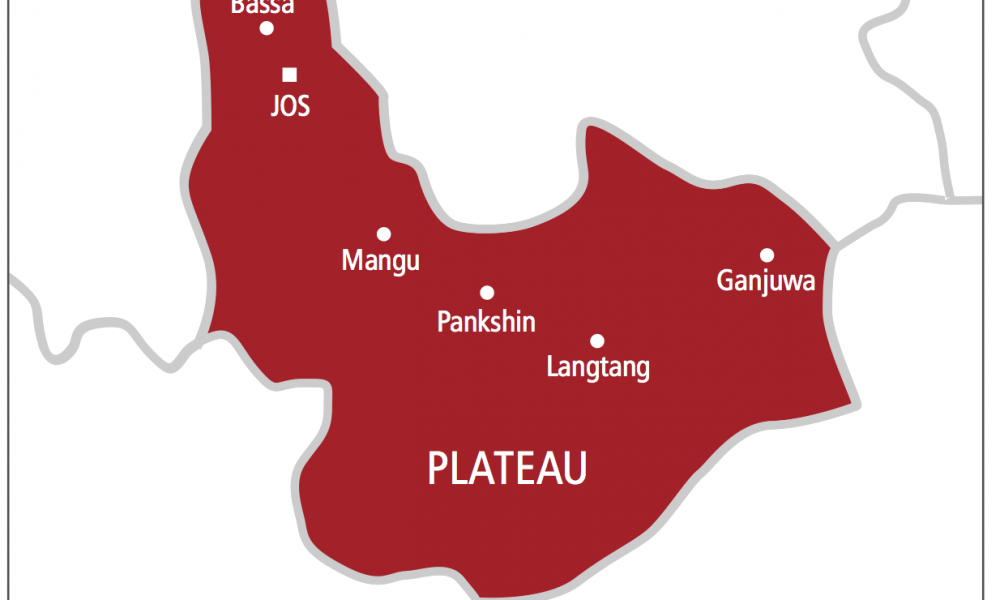
Using modern technology, they apprehended Haro Adamu (35), Aliyu Saidu (40), and Musa Umaru (35) in Jigawa and Plateau States. 

Police say the suspects confessed during questioning and will face prosecution in court. 

Nigeria’s Insecurity: Do state police have the magic wand?

By Kabir Ali Fagge

In Nigeria, security has long been a topic of paramount concern. The efficacy of law enforcement agencies, particularly the Nigeria Police Force (NPF), has often been scrutinized in the face of escalating crime rates and challenges to public safety.

One proposed solution that has garnered significant attention is the establishment of state police forces. The history of policing in Nigeria is marked by a series of reforms and challenges. Since Nigeria’s transition to democratic rule in 1999, the Nigerian police have undergone various reforms in an attempt to address issues within the force.

These reforms have been a response to the need for more effective law enforcement mechanisms to combat rising crime rates and insecurity in the country.

We all know that the Nigerian police force has a long history of facing criticism for unprofessional conduct, corruption, and the use of excessive force.

Nigeria inherited a centralized police structure modelled after the British system. The Nigeria Police Force (NPF) operated under federal jurisdiction and was tasked with maintaining law and order throughout the nation.

State Police, on the other hand, entails the decentralization of law enforcement authority, granting individual states within a federal system the power to establish and manage their own police forces.

Under this model, states would have the autonomy to address security issues specific to their regions, tailoring law enforcement strategies to local needs and priorities.

Proponents argue that state police can foster greater community engagement, enhance responsiveness to local concerns, and improve overall security outcomes.

The existing centralized police system has faced criticism for its inability to effectively address the security concerns of the diverse Nigerian population.

The call for state police stems from the need for a more localized approach to law enforcement that can better cater to the specific security needs of different regions within Nigeria.

Establishing state police in Nigeria is a significant step that requires a thorough understanding of global policing practices. While the centralized police system is predominant in many countries, there are instances of decentralized policing models.

For example, Municipal Police in France, Municipal Law Enforcement Officers in the Netherlands, and Police Community Support Officers in England and Wales represent non-police uniformed state officers in a decentralized system.

Comparative analyses of policing in countries that have undergone political or social transitions, such as Russia, Brazil, and China, highlight the importance of understanding the contextual factors that shape policing practices. Confidence in the police varies across different countries, with Taiwan ranking among the top one-third globally, indicating variations in public perceptions of law enforcement; therefore, those who argue that the establishment of state police is not out of place.

Community policing, actively conducted in countries like South Africa, Northern Ireland, and Sierra Leone, emphasizes the importance of engaging communities in maintaining public safety. However, the effectiveness of community policing initiatives can vary based on each country’s socio-political context.

While some countries prioritize individualism and minimal government intrusion in policing, others focus on collective well-being through law and order.

I think what Nigerians want to know is how is state policing going to be any better than the current system of policing in Nigeria.

According to pundits, the establishment of state police in Nigeria promises to bolster security at the grassroots level. State police forces, attuned to the unique security dynamics of their regions, can enact targeted measures for more efficient crime prevention and control.

This localized approach fosters stronger community engagement and enables proactive responses to emerging threats, ultimately ensuring safer environments for all. Such reforms hold the potential to significantly enhance law enforcement’s effectiveness and responsiveness across the nation.

State police deployment within local communities will supposedly ensure swift emergency responses, curtailing intervention time in critical situations. By having officers stationed close to the areas they serve, the state police can swiftly address emergencies, thereby enhancing public safety.

This proximity allows for immediate action, minimizing the potential impact of crises on communities. Such rapid responses underscore the effectiveness of localized law enforcement in ensuring timely assistance during emergencies.

State-level oversight of law enforcement ensures accountability and transparency, as state governments are directly answerable to their constituents. This close supervision fosters trust between law enforcement agencies and the communities they serve, enhancing transparency in operations.

By holding state authorities accountable, citizens can have greater confidence in the integrity of policing practices, ultimately strengthening democratic principles. Such measures reflect a commitment to upholding transparency and accountability within Nigeria’s law enforcement framework.

State police possess the flexibility to tailor strategies and allocate resources according to local needs, enhancing their ability to address emerging threats and crime trends. This adaptability ensures a dynamic response to evolving security challenges, bolstering effectiveness in crime prevention and control.

We must also look at some disadvantages posed by the governors to establish the State Police. Firstly, Critics warn of the potential for abuse of power with decentralized policing, citing concerns about corruption, political interference, and violations of human rights at the state level. This apprehension underscores the importance of establishing robust oversight mechanisms to safeguard against misuse of authority and uphold the rule of law.

Addressing these challenges is crucial to ensure that decentralization efforts in policing prioritize accountability and respect for human rights, thereby fostering trust and confidence in law enforcement institutions. Such vigilance is essential to maintain the integrity and effectiveness of state police forces in Nigeria.

Fragmentation of law enforcement across states presents coordination challenges in tackling transnational crimes and upholding national security. This underscores the need for seamless collaboration and information-sharing mechanisms among state police forces.

Effective coordination ensures a unified approach to combating cross-border criminal activities, safeguarding Nigeria’s territorial integrity and public safety. Addressing these challenges is paramount to fostering synergy and maximizing the effectiveness of law enforcement efforts nationwide.

Unequal resource allocation among states may hinder smaller or economically disadvantaged regions from adequately funding and equipping their police forces, leading to discrepancies in law enforcement capabilities.

The establishment of state police carries constitutional and legal implications, necessitating amendments and legislative frameworks to define the powers, jurisdiction, and duties of state and federal law enforcement entities.

This underscores the importance of comprehensive legal reforms to ensure clarity and coherence in the division of responsibilities between different levels of law enforcement.

The debate surrounding the establishment of state police in Nigeria is multifaceted, reflecting the complex interplay of security, governance, and constitutional considerations.

While proponents argue that decentralization can lead to more responsive and accountable law enforcement, sceptics raise concerns about the potential for abuse of power and operational challenges.

Ultimately, any decision to implement state police must be carefully weighed against its potential benefits and drawbacks, with a keen focus on enhancing security while upholding the principles of justice and democracy.

Kabir Fagge Ali is a youth corps member with PRNigeria Centre and wrote via faggekabir29@gmail.com.
Hardship: Woman drops own children at police station, commits suicide

By Uzair Adam Imam

A mother of three has committed suicide due to incessant economic hardship after abandoning her children at a police station in Enugu State.

It was gathered that the woman went to Ogui Road police station with the children, handed them to officers, stripped herself naked and run under the moving vehicle which crushed her to death.

The ages of the three children are reportedly six, four, and two. Her husband allegedly ran away from home months ago due to increased hardship, abandoning his wife and children.

When asked about their father, the eldest of the children simply said he was lost. She could not provide any other information about their family, town, or residential address.

The wife of Enugu State Governor, Nkechinyere Mbah, who rushed to the police station upon learning about the incident, was told that the woman might have been suffering from depression.

Mbah was touched by the development. She said she would take care of the children and educate them from nursery school to university.

She announced that sponsorship for the children would be undertaken by her Custos Care Foundation.

Mbah also directed the immediate relocation of the children from the station to a home where the state government could take care of them.

She urged people who suffer from depression to seek counseling and avoid rash decisions.

She also urged the Commissioner, Ministry of Children, Gender and Social Development, Ngozi Enih, to intensify sensitisation and counselling, especially for the depressed.

A case for diligent prosecutions in Nigeria’s anti-crime war

By Haroon Aremu Abiodun

The issue of Police arresting gun runners is not new, but the nabbing of some gun runners by men of the Plateau State Police Command last week stands out. However, Nigerians are clamouring for more. They are equally making a case for swift prosecutions or thorough investigations of suspected criminals after their arrest.

In recent times, and under the leadership of the Inspector General of Police, IGP, Kayode Egbetokun, the Nigeria Police Force’s tireless efforts have been notably effective in apprehending criminals engaged in various nefarious activities across the length and breadth of the country. 

The Police Intelligence Department and Tactical Response Team last week arrested about 67 suspects, including those involved in kidnapping, gun-running, one-chance robbery, and banditry. They recovered 5,454 rounds of live ammunition, 300 live cartridges, 50 empty shells of ammunition, 68 rifles, and 33 different ATM cards. 

The feat undoubtedly is a testament to law enforcement’s dedication and strategic approach, showcasing the police force’s unwavering commitment to curbing crimes and maintaining community safety. While applauding these crime-busting accomplishments, it is crucial to consider the next steps to ensure justice serves as a deterrent to potential offenders and criminal-minded persons. 

Beyond arrests, there is a need for thorough Police investigations into the root causes and motivations for criminal activities, by Nigerian youths mostly. This will go a long way to curb the perpetration of crimes.

The delay in the immediate prosecution of arrested suspects is a matter of concern, which is not to undermine the complexities of the legal process but to emphasise the urgency in delivering justice, as prompt adjudication of cases related to criminal activities is crucial for maintaining public trust in the legal system. 

Investigating officers should adopt a meticulous approach to prevent innocent victims from being wrongfully accused. It is imperative to utilize advanced forensic techniques, gather credible intelligence, and collaborate with relevant agencies. 

A careful examination of identified evidence, coupled with the application of modern technology, will contribute to a more accurate and unbiased investigation process. Regardless of the influence and power a criminal may wield, justice should be made to prevail. 

It should be glaringly emphasised that no individual, no matter how influential, should be above the law. Law enforcement agencies should remain committed to upholding justice, irrespective of external pressures.

The fight against crime is not, and will never be a stroll in the park. But it is winnable, especially by the time crime offenders are diligently prosecuted, to send a strong message to their ilks.

Haroon Aremu, a NYSC member with PRNigeria center Abuja.

Zamfara Ambush: Last straw that should break the camel’s back

By Kabir Fagge Ali

It is a known fact that security personnel are always ready to pay the supreme price whenever they are in line of action. Their patriotism and unrelenting effort in tackling insecurity partly make us sleep comfortably at night.

Worrisome, however, are reports that our gallant troops, who protect our territorial integrity and lives, are allowed to be slaughtered like guinea pigs during terrorists’ ambushed attacks.

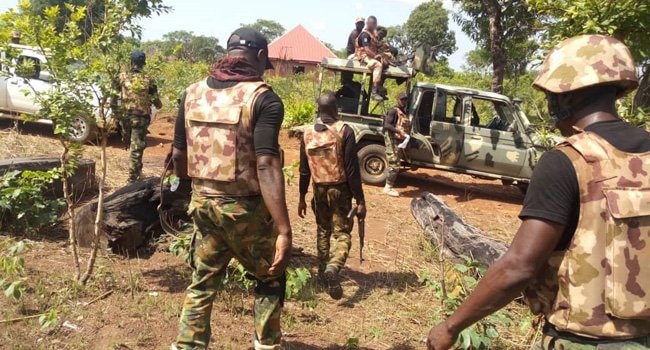
Last Saturday was a black day as troops of the Nigerian Army, alongside two Police officers, were killed around the Danjibga axis in the Tsafe Local government area of Zamfara State in an ambush.

The attack on the troops by bandits is in retaliation to several attacks launched by troops on different bandit camps in the state, leading to the death of numerous terrorists and the destruction of their camps and ‘operational’ motorcycles, among others.

Zamfara has been battling insecurity for nearly a decade. The Nigerian military, however, must be commended for leading the war to end banditry in the troubled North Central state and general insecurity in the country.

But winning the war demands our collective support. Both the federal government, the military, other security agencies and citizens must join forces and come up with a portent strategy for tackling terrorists and other criminal elements, holding our dear nation to ransom.

That is why a multifaceted approach to fighting insecurity is imperative. Firstly, the military’s intelligence-gathering system must be enhanced. This will help quickly identify the movements and plans of terrorists and other armed groups.

Strengthening collaboration between various security agencies and investing in technology, such as surveillance and communication equipment, are also vital.

Again, we need to equip our troops with modern and sophisticated ammunition, and the government must allocate adequate resources to ensure that the military has the tools and knowledge needed to adapt to evolving security threats. This will also help its troops navigate the challenging terrains often exploited by insurgent groups during gunfire battles.

Community engagement remains a linchpin in the fight against insecurity. Local populations can be pivotal in providing credible intelligence, as they possess invaluable knowledge about their communities.

Establishing trust between the military and communities is paramount for building a united front against insurgency. Addressing the root causes of violent conflicts in the country is another thing that cannot be overemphasised.

Beneficial socio-economic policies and sound development initiatives focused on providing education, healthcare, and employment opportunities can help to dissuade our youths from being recruited into armed and terror groups.

By addressing the underlying issues, the government can reduce the appeal of insurgency, banditry, robbery and oil theft, among other crimes. And marginalised populations will not find cause to take to criminalities and heinous vices for survival.

Furthermore, international collaboration is crucial in tackling cross-border security threats. Zamfara’s proximity to neighbouring countries should necessitate coordinated efforts to prevent armed groups from exploiting regional vulnerabilities.

Similarly, collaborative intelligence sharing, joint patrols, and diplomatic initiatives can contribute to a more robust defence against insurgencies.

In summary, curbing the spate of ambush attacks on troops in Zamfara and other states afflicted by terrorism and banditry requires a holistic strategy, combining intelligence, technology, community engagement, and socioeconomic development.

Let’s hope that those saddled with piloting the affairs of our dear nation summon the political will to do what is needed this time. They have been docile for a long while now.

Kabir Fagge is an NYSC member with PRNigeria Centre Abuja.

Borno: Police investigate commissioner’s mysterious death 

By Abdullahi Khairalla

The Borno State police command has commenced an urgent investigation into the death of the state’s commissioner for Reconstruction, Rehabilitation and Resettlement (RRR), Engr Ibrahim Idriss Garba, Governor Babagana Umara Zulum’s spokesman, Malam Isa Gusau, has confirmed.  

The state commissioner of police was at the house where Engr Ibrahim died in Maiduguri on Saturday.

Governor Babagana Umara Zulum received the news with intense shock and profound grief. The Governor mourns alongside the late commissioner’s family, other loved ones, friends, associates, and state executive council members. 

Late Engr Ibrahim Idriss Garba was the Governor’s Special Adviser on Special Projects before he was elevated and appointed commissioner of RRR at the commencement of Zulum’s ongoing second term. 

It is rumoured in some quarters that the deceased was poisoned, which led to his untimely death.

Elder brother buried younger brother for stealing in Lokoja

By Ahmad Deedat Zakari

An 11-year-old boy, Friday Oshodi, was buried alive at Apamisede community in Lokoja, Kogi State, by his elder brother, Goodness Oshodi, for allegedly stealing N1000.

Goodness Oshodi buried his younger brother on Tuesday afternoon at the community, located after the army barracks in Lokoja.

According to a witness, the elder brother dug a hole and pushed the boy into it, covering him with sand up to his head.

A passerby was said to have spotted the boy in his predicament and raised the alarm, which attracted other people to the scene.

The witness said the boy was rescued on the verge of unconsciousness.

The Daily Reality gathered that the police were involved in the matter, and Goodness Oshodi is now in the custody of the police.

While he buried his younger brother alive, the suspect said his brother stole N1000, and his mother instructed him to punish him.

“He stole money. I don’t know the exact amount. It was said to be N1000. My mother told me to punish him for the act,” he said.

The Kogi State Police Command’s Police Public Relations Officer (PPRO), SP William Aya, confirmed the incident, saying the suspect had been arrested and was undergoing interrogation.

He said it was alleged that the boy stole compulsively, which had even made him run away from home for almost two months recently.

Mohbad: Police declare Primeboy wanted, offer ₦1m for helpful info 

By Abdurrahman Muhammad

Following his failure to honour the police invitation successfully sent to him since the commencement of investigation into the circumstances leading to the death of Mr Ilerioluwa Aloba, aka Mohbad, the Lagos State Police Command, via its PRO, SP Benjamin Hundeyin, now declares wanted Owodunni Ibrahim aka Primeboy.

Ibrahim is approximately 1.64-m tall, dark-complexioned, with tribal marks and Yoruba by tribe. His last known address is 3rd Power, Oke Eletu, Ikorodu.

If seen, contact the nearest police station or call 0803 688 5727. The Commissioner of Police, Lagos State Command, CP Idowu Owohunwa, hereby offers a handsome reward of N1,000,000 (One Million Naira Only) to anyone with useful information leading to his arrest.

Outrage as DPO allegedly kills young man in Bauchi State

By Sabiu Abdullahi

A suspect, identified as Abiduna Amin, lost his life while in police custody at the Dutsen Tanshi police division.

The tragedy on Tuesday has ignited a firestorm of concern regarding human rights abuses within the police force. It has sparked a social media movement rallying under the hashtag #JusticeForAbidin.

Abiduna Amin, a resident of Karofi Bauchi and an animal dealer by occupation, became the focal point of a police interrogation.

According to sources, he was being questioned on suspicion of having purchased a stolen goat or ram. However, what began as a routine inquiry escalated dramatically when it was alleged that police officers subjected Abiduna Amin to severe physical violence, resulting in his untimely death while in police custody.

The news of Amin’s tragic demise spread like wildfire across social media platforms, with the hashtag #JusticeForAbidin quickly gaining immense traction on Facebook.

A groundswell of concerned citizens, activists, and human rights advocates have voiced outrage over the incident, pledging not to let this case fade into obscurity. The campaigners demand accountability and justice for the deceased, urging a thorough investigation into the circumstances surrounding his death.

Recognising the gravity of the situation, the Bauchi State Commissioner of Police took decisive action by summoning the Dutsen Tanshi Police Divisional Officer for a comprehensive inquiry into the incident.

However, at this juncture, police authorities have yet to release an official statement addressing the matter or providing specifics regarding the steps taken to address the officers involved.

Policing: Safeguarding communities from internal threats

By Ammar Yakubu Sani

The role of police officers in maintaining law and order in a society cannot be overstated. They serve as essential guardians, working selflessly to protect citizens and ensure their safety. Recently, the police officers in Katagum Zone and its environs have displayed exemplary dedication and resourcefulness in tackling various internal security challenges, with commendable successes for their efforts.

One of the significant security concerns in the area has been the menace of motorcycle snatchers. These criminals, often operating with impunity, create fear and unrest within communities. However, the diligent work of the police has resulted in a significant reduction in motorcycle snatching incidents. Through strategic patrols, investigations, and targeted interventions, police officers have demonstrated their unwavering commitment to eradicating this criminal activity, giving residents a renewed sense of safety and security.

House robbery and murder strike the hearts of individuals and families. The police have been instrumental in curbing such incidents by implementing proactive measures and enhancing community engagement. Their rigorous investigative work and swift response to distress calls have brought perpetrators to justice and deterred potential criminals. The tireless dedication of police officers has undoubtedly contributed to a decrease in the occurrence of such alarming crimes.

Under the leadership of a newly posted Commissioner of Police, Auwal Musa Muhammad, a remarkable operation was undertaken against a notorious gang of kidnappers in the Ningi Local Government Area. This operation was a resounding success, resulting in apprehending the criminals and dismantling their hideouts. The Commissioner’s astute guidance, accompanied by the unwavering commitment and bravery of the police officers, demonstrated the effectiveness of well-coordinated efforts in combating heinous crimes and preserving the peace.

Equally notable is the recent elimination of kidnappers around Jama’are and Itas Gadau Local Government Areas of Katagum Zone. Through meticulous intelligence gathering, strategic planning, and relentless pursuit, the police managed to root out this criminal network. Their determined efforts have provided a glimmer of hope and relief to the residents of the area, reinforcing their faith in law enforcement and the potential for a safer environment.

These successes affirm the assertions made by Dr. Babangida Ruma regarding the restoration and maintenance of internal security under the authority of the police force. The achievements of the police officers in Bauchi State and its environs demonstrate their capability to tackle security challenges when provided with the necessary support and empowerment. The dedication, discipline, and professionalism displayed by these officers serve as an inspiration and testament to law enforcement’s critical role in safeguarding communities.

Efforts must be made to sustain this momentum by further empowering the police force. Adequate resources, modern technology, and regular training must be provided to effectively enhance their capacity to combat evolving threats. Moreover, fostering a strong partnership between the police and local communities is crucial to creating an environment where citizens actively collaborate with law enforcement agencies, resulting in more timely and accurate information sharing.

Citizens, community leaders, and policymakers need to recognise the remarkable achievements of the police force and support their endeavours to maintain law and order. By doing so, we can work collectively towards a society that thrives on security, justice, and harmony. The progress made by the police officers in Bauchi and the wider area serves as a beacon of hope, inspiring us to invest in strengthening our internal security mechanisms and forging an even safer nation.

Ammar Yakubu Sani wrote from Wambai Salihu Street, Dabar Makaho Azare, Bauchi State. He can be contacted via ammaryakubusani@gmail.com