By Kasim Isa Muhammad
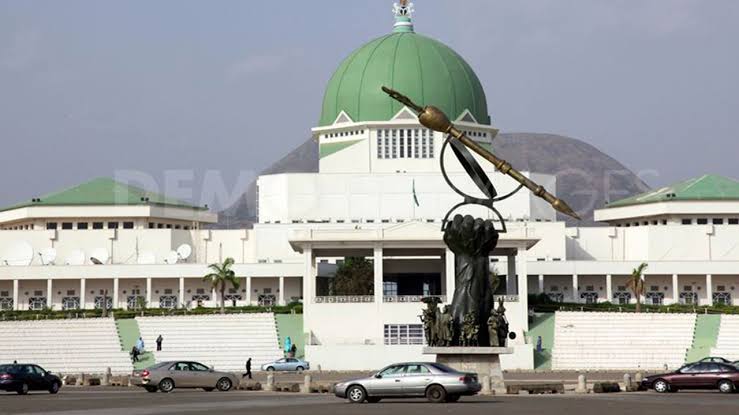
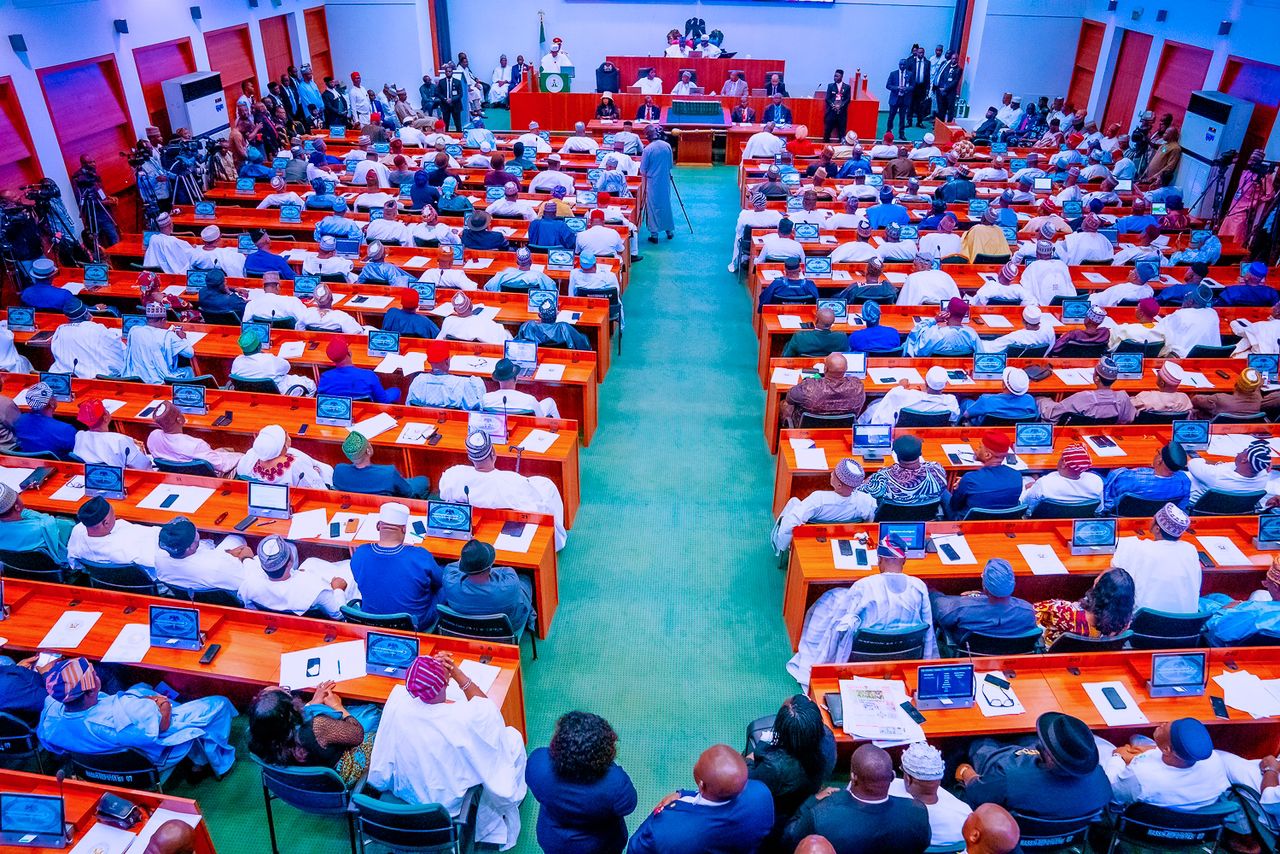
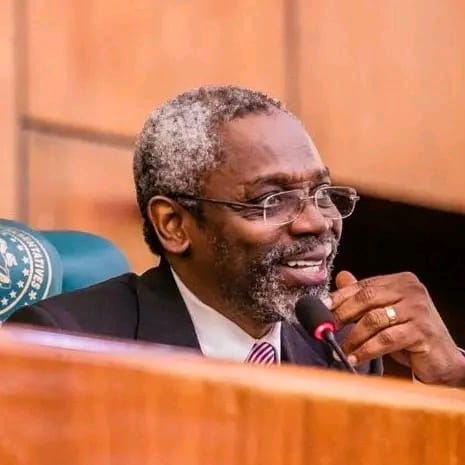
In 2016, Femi Gbajabiamila, the immediate former Speaker of the 9th House of Representatives, took a bold step by introducing a bill to address the financial challenges faced by students in higher education institutions nationwide. The proposed legislation, known as the Student Loan Act, sought to provide students with access to loans from the federal government to alleviate the burden of educational expenses. After its initial introduction, the bill was later reintroduced in 2019. However, when it resurfaced in 2022, it sparked a heated debate within the National Assembly, with members expressing divergent views.
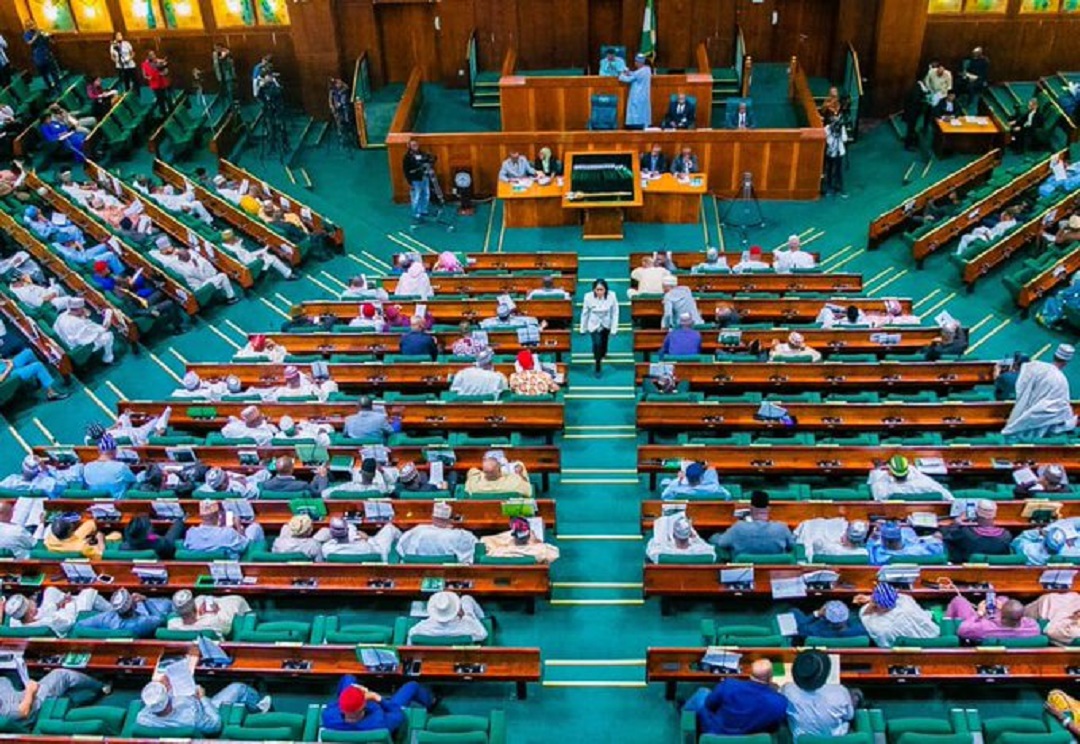
The revival of the Act triggered intense discussions and disagreements among the members of the National Assembly. On one side, some legislators strongly supported the motion, citing the potential benefits of student loans for expanding access to education and reducing financial barriers. Proponents of the bill argued that it would provide equal opportunities for students from various socio-economic backgrounds, enabling them to pursue higher education without financial constraints.
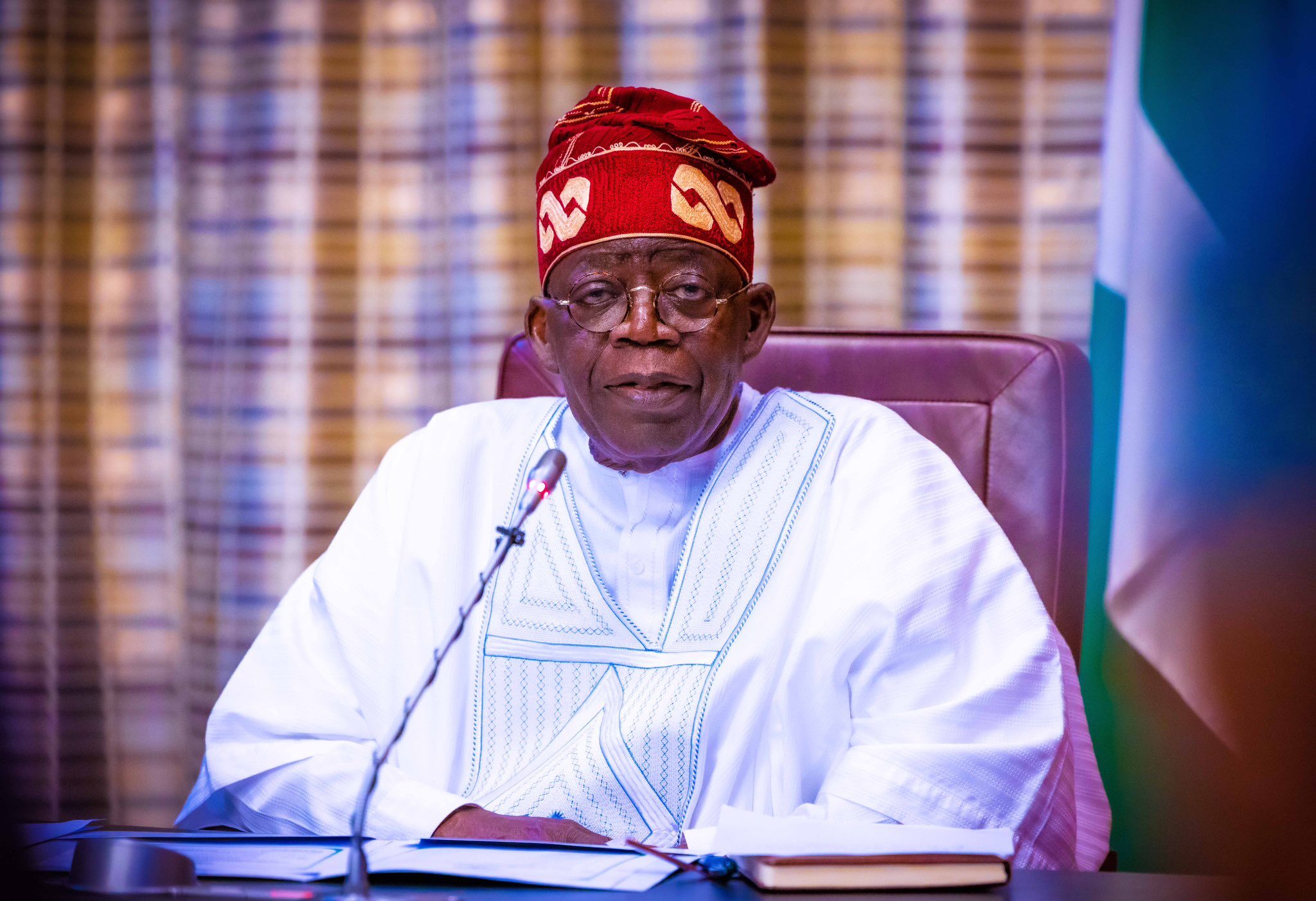
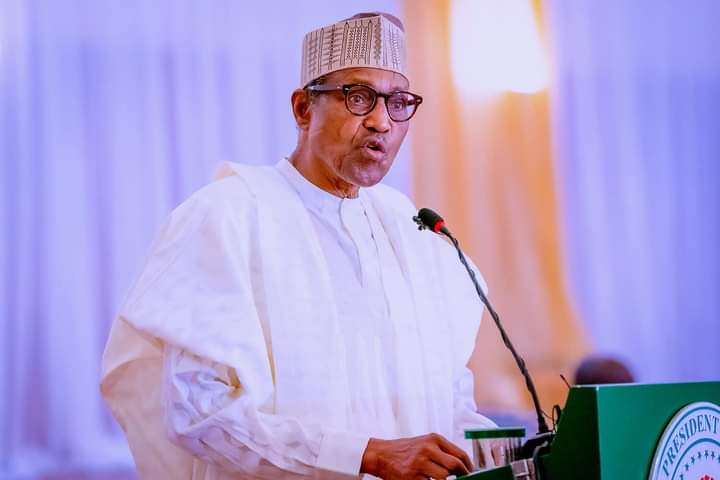
Lo and behold! On June 12, 2023, President Bola Ahmed Tinubu signed the Student Loan Bill into law, demonstrating his administration’s commitment to strengthening the country’s educational sector.
Although concerns have been raised regarding the extent of student access to these loans, considering the persistently high rate of unemployment afflicting the country, One of the key considerations surrounding the implementation of the Student Loan Act is the number of students who will benefit from the financial assistance, as it remains unclear how many students will qualify for and receive loans.
However, some suggested that providing massive job opportunities for graduates would be a more practical approach than granting them loans. This sentiment is echoed by those who believe most graduates possess the skills but lack the capital to enhance their businesses. For instance, providing them N500,000 to start a business could be a viable alternative.
Whoa! The current provision stating that loan repayment begins two years after the completion of participation in the NYSC programme is being questioned. The government should reassess this strategy with graduates struggling to secure employment for up to eight years or longer. Given the prevailing circumstances, it is doubtful that the debt collectors will be able to repay their loans within such a short timeframe.
I was also taken aback when I discovered a particular element of the loan procedure: defaulters risk being fined N500,000 or even being incarcerated for up to two years. This revelation left me astounded and raised an essential question in my mind. Is it, not a grave injustice to punish our helpless teeming youths who are already battling to secure jobs with imprisonment simply because they cannot repay their loans?
The fundamental component of the loan process that exceedingly caught my attention is the requirement for students to provide at least two guarantors who must meet specific criteria, such as being a civil servant of at least level 12, a lawyer with at least ten years of post-call experience, a judicial officer, or a justice of the peace. This provision raises concerns, particularly for individuals residing in rural areas or those without any relatives in government positions who could serve as guarantors.
Since the loan programme intends to support the financially disadvantaged, the requirement of guarantors with specific professional backgrounds seems to create a barrier for those who lack connections with people in high positions in the government.
Another facet of the Act that appears contradictory is the provision that a student’s family must have an income of less than N500,000 to qualify for the loan. This condition seems to limit the accessibility of the loan to only a select few people, raising questions about the effectiveness and inclusivity of the loan act.
Setting an income threshold may have been intended to target students with financial constraints, ensuring that those with the greatest financial need receive the necessary support. But the specific income limit of N500,000 may inadvertently exclude many students who could benefit from the loan.
Considering the drawbacks of the Loan Act, it becomes evident that the federal government should augment its efforts to fund tertiary institutions across the country. By so doing, education can become more affordable and accessible to a broader range of students.
Likewise, the recent increase in school fees at several institutions, including UNIMAID and BUK in the northern part of the country, highlights the pressing need for government intervention. While providing student loans is one possible solution, addressing the underlying issue of inadequate budgets for public universities is essential. By allocating sufficient funds to 109 public universities—50 federal and 59 state institutions—education can become more affordable for students.
The United Nations Educational, Scientific, and Cultural Organisation (UNESCO) recommended that developing nations give up to 15–20 per cent of their annual budget to public education. Nigeria’s allocation to the Education sector has not been meeting the UNESCO standard.
Dataphyte, a media research and data analytics organisation aiming to deploy data tools and technology for Nigeria’s socio-economic development, stated that the education budget analysis between 2016 and 2022 shows that the education sector has not received the recommended 15%.
This has indicated that the government at all levels should prioritise funding for education as a necessary step before implementing student loans. By addressing infrastructure deficiencies, making education affordable for underprivileged students, and providing needed resources, the government can create an environment where all students have equal opportunities to succeed. Investing in education will yield long-term benefits for people and society, fostering development and ensuring a brighter future for future generations.
Kasim Isa Muhammad is an investigative journalist who contributes as a full-time journalist at both Kanempress and The Citizen Reports newspapers.