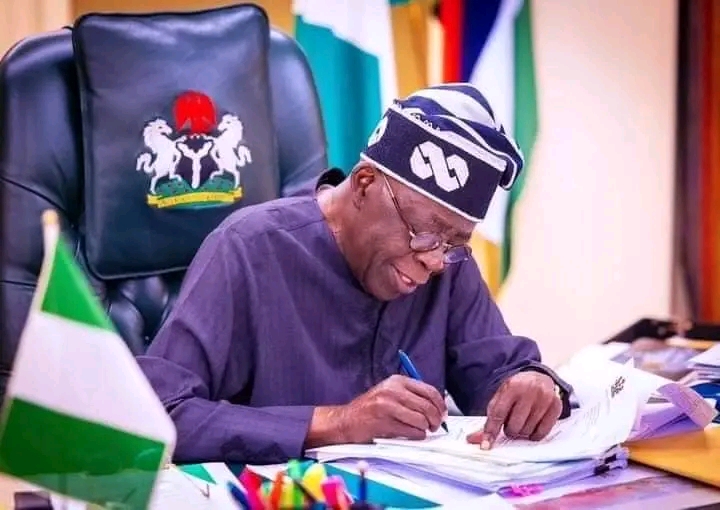
Minister of finance

FG seeks fresh $1.75bn World Bank loan

By Muhammad Abubakar

The Federal Government of Nigeria has approached the World Bank for a fresh loan of $1.75 billion to support its economic reform agenda.

Minister of Finance and Coordinating Minister of the Economy, Wale Edun, disclosed that the facility would help cushion the impact of recent policy adjustments, including the removal of fuel subsidy and the unification of the exchange rate, which have placed significant strain on households and businesses.

He explained that the request, if approved, would provide critical budgetary support, strengthen fiscal sustainability, and help address the nation’s infrastructural and developmental challenges.

Nigeria’s President, Bola Ahmed Tinubu, has repeatedly defended his administration’s reforms, insisting they are necessary to revive the economy and attract foreign investment.

World Bank Country Director for Nigeria, Shubham Chaudhuri, confirmed that discussions are ongoing, although no official approval has been given yet.

Nigeria, Africa’s largest economy, has in recent years relied on multilateral loans to bridge financing gaps amid rising debt obligations and dwindling revenues.

Nigeria clears IMF debt, exits debtor list

By Muhammad Abubakar

Nigeria has officially cleared its outstanding debt to the International Monetary Fund (IMF), marking a significant milestone in the country’s economic recovery efforts. This development follows a series of substantial repayments totalling $1.22 billion between the fourth quarter of 2023 and the second quarter of 2024, reducing Nigeria’s IMF debt from $3.26 billion in June 2023 to $1.16 billion by June 2024.

The IMF has acknowledged Nigeria’s commitment to meeting its financial obligations, noting that the country has no overdue payments as of April 30, 2024. This achievement reflects the government’s dedication to fiscal responsibility and economic reform.

In a statement, IMF First Deputy Managing Director Gita Gopinath commended Nigeria’s efforts, stating that the country’s debt level is “moderate and not high risk,” provided that sound economic policies are maintained. She emphasised the importance of continued domestic revenue mobilisation and targeted social interventions to sustain this progress.

Nigeria’s Finance Minister, Wale Edun, highlighted the government’s initiatives to enhance social investment programmes and strengthen domestic resource mobilisation through tax reforms and digitalisation. He also noted increased crude oil production, significantly boosting national revenue.

This financial turnaround positions Nigeria to engage more robustly with international financial institutions and investors, potentially attracting increased foreign investment and fostering economic growth.

The successful clearance of IMF debt underscores Nigeria’s commitment to economic stability and sets a positive precedent for other nations facing similar challenges.

Finance minister addresses economic challenges, promises relief measures

By Sabiu Abdullahi 

Finance Minister Wale Edun acknowledged the daunting task inherited by the current administration led by President Bola Tinubu in a recent announcement at the Public Wealth Management Conference held in Abuja.

The minister addressed the pressing issue of escalating food and commodity prices, attributing them to challenges passed down from the previous government. 

Minister Edun assured the public of ongoing efforts to mitigate the burden of high inflation rates and reduce the cost of essential food items.

He stated this with the populace, acknowledging the hardships faced by Nigerians and affirming the government’s commitment to implementing measures aimed at alleviating their suffering. 

The announcement comes amidst growing concerns over the economic strain faced by citizens, with soaring prices of basic necessities impacting households nationwide.

Minister Edun’s reassurance of governmental action seeks to instill confidence in the populace and demonstrate a proactive approach to economic stabilisation and welfare enhancement. 

As the nation grapples with economic uncertainties, the promises made by the Finance Minister signal a concerted effort by the government to prioritise the well-being of its citizens and navigate through prevailing challenges towards a more prosperous future.