Mental health

Art Xplosion 4.0 makes history in Zaria

By Salim Yunusa

Art Xplosion 4.0, the youth-focused art and mental health festival organised by Friends Advocacy for Mental Health Initiative (FAM Initiative), concluded in Zaria after a week-long celebration of creativity, resilience, and cultural identity. The event, the first of its kind in the city, marked a major step toward exposing young people to art as a tool for emotional expression, cultural grounding, and mental well-being.

Over 100 children and adolescents participated in the program, which featured bead-making, painting, mosaic art, upcycled crafts, gypsum art, traditional performances, cultural showcases, storytelling, and an art exhibition. Participants were drawn from different communities across Sabon Gari Local Government and beyond, including young people with invisible disabilities and those from underserved socio-economic backgrounds.

For the organisers, Art Xplosion 4.0 was more than an event. It was a statement about the role of creativity in strengthening mental resilience among young people navigating social pressure, identity struggles, and emotional challenges.

Program Manager and Lead Artist Aisha Ahmad Ibrahim said the week-long festival reaffirmed her conviction that art remains one of the most accessible and transformative tools for youth mental health. She said, “Art Xplosion 4.0 was truly a wholesome event for me that reaffirmed that what I do is worthy,” she said. “Despite the hassles and rigorous work I handled as Programs Manager and Lead Artist, I genuinely enjoyed every part of the experience, from preparation and procurement to organising and leading my team. The diversity of participants initially made me sceptical about coordination, but art once again proved to be a natural medium of expression. Healthy children, children and youth with neurological and non-visible disabilities, and those from low academic and socio-economic communities all expressed their artistic abilities beautifully. My team and I moved easily between groups to guide and support them. With about 100 participants from almost all parts of Sabon Gari and beyond, Art Xplosion 4.0 was a deeply fulfilling success.”

Curator Jecinta Egbim described the edition as a powerful testing ground for the resilience strategies she teaches adolescents during mental health outreaches. “This year’s Art Xplosion 4.0 was an entire experience, not just for our participants but for me,” she said. “Going through some of the tests of my own resilience strategies, I have seen that resilience is truly the key. Tools like art, effective communication, emotional regulation, support systems and outlets helped us push through.”

She added that the implementation process itself came with emotional and logistical challenges. “We faced hard times, tough ‘no’s, shut doors, and some interesting stakeholder management issues, but we emerged stronger. One of our biggest successes was simply seeing the week through from start to finish. We received multiple reports from adolescents, parents, school owners, community leaders, and caregivers. Even two days after the event, a mother visited our office with her daughter to thank us. It was humbling to see the impact extend into homes. That was the essence of this year’s edition: Art Xplosion should not just be immersive on-site, but a holistic experience that follows participants into their houses, schools, and workplaces.”

She noted that even with less than 20 sponsors supporting 100 participants, the team stayed committed to impact. “Fundraising was tight and discouraging, but our successes outweighed every challenge. It reminded us of what we are really made of.”

One of the program’s partners, NEST AI, highlighted the deeper emotional significance of art for young people. Its founder, Yazid S. Mika’il, said the initiative reflected how creativity can help youths build confidence and shape their futures. “Art speaks to one’s emotions and the core of being… it helps young people realise that they matter, and can determine what a beautiful and healthy future looks like,” he said.

Poetic Wednesdays Initiative, also a partner, expressed satisfaction with the program’s impact. Founder Salim Yunusa said the organisation was proud to support an initiative that brings creativity and healing into the lives of young people in Northern Nigeria. “We are pleased with what this initiative achieved, especially in Zaria,” he said. “We hope to see more of this replicated across Zaria and northern Nigeria at large.”

The Art Xplosion model uses creative expression to help children and adolescents communicate feelings, build confidence, improve emotional regulation, and reconnect with cultural identity. Many of the participants came from families dealing with psychosocial stressors, developmental challenges, or limited access to creative opportunities.

FAM Initiative reported that participants showed improvements in communication, empathy, and artistic expression. Parents and community leaders also noted that the activities helped their children feel calmer, more expressive, and more connected to their heritage.

This year’s edition introduced an expanded cultural showcase, featuring participants who displayed traditional attire, shared cultural stories, and performed dances. The art exhibition and auction also allowed the public to appreciate the creative output of the young participants.

With Art Xplosion 4.0, Zaria has now hosted its first large-scale festival that blends art, cultural pride, inclusion, and mental health advocacy. Organisers say the program’s success has opened a new chapter for community-driven youth development initiatives in Kaduna State.

FAM Initiative announced that future editions will expand mentorship opportunities, deepen community outreach, and strengthen support structures for children and adolescents dealing with emotional and developmental challenges.

As the dust settles on this year’s event, the organisers say their biggest hope is that the young participants, many of whom are experiencing structured art therapy for the first time, will carry their newfound confidence, skills, and cultural pride into the next chapters of their lives. Art Xplosion, they say, is not just an event. It is becoming a movement for healing, expression, and resilience across Northern Nigeria.

The quiet decline of memory and the increasing challenge of brain diseases in Nigeria

By Mujahid Nasir Hussain

Every human brain tells a story: of love, memory, and motion. Yet, for many Nigerians, these stories are being erased silently by diseases that steal what it means to be human. Alzheimer’s disease, Amyotrophic lateral sclerosis (ALS), Parkinson’s disease, and other neurodegenerative disorders are creeping into our society, affecting not only the elderly but, increasingly, middle-aged adults as well. Their signs often begin subtly: a forgotten name, a misplaced key, and a trembling hand, until the symptoms grow into something that shatters families and identities alike.

I am writing this piece after World Mental Health Day (October 10) to raise awareness about these devastating but often misunderstood brain disorders, and to emphasise why Nigeria must invest in research that explores the molecular roots of neurodegeneration. Behind every fading memory is a biological story waiting to be told; one that may hold the key to prevention, treatment, and hope.

Globally, neurodegenerative diseases are among the fastest-growing causes of disability and death. According to the World Health Organisation, over 55 million people currently live with dementia, and nearly 10 million new cases are recorded each year. Alzheimer’s disease accounts for about 60–70% of these cases. The burden is not only medical but also social and economic, as families face the heartache of caring for loved ones who may no longer recognise them.

In Africa, the crisis is quietly intensifying. A report by Alzheimer’s disease International estimates that by 2050, over 12 million Africans could be living with dementia, a staggering increase that health systems are unprepared for. In Nigeria, accurate statistics are scarce, but hospital reports and community surveys show a growing number of undiagnosed neurodegenerative cases among the elderly. Unfortunately, in many communities, symptoms of neurodegeneration are still seen through the lens of superstition. Some families attribute forgetfulness to witchcraft or punishment from the gods. As a result, patients are hidden away, untreated, and stigmatised, even when medical help could improve their quality of life.

But beyond the surface symptoms lies a world of molecular complexity. In every neuron, RNA and proteins work together in precise harmony, regulating gene expression and cell responses to stress. These molecules form small, dynamic structures known as RNA–protein assemblies that constantly change shape and function in response to the brain’s needs. When this spatio-temporal regulation is disrupted, the way these structures behave across time and space is disrupted, it can cause proteins to misfold and clump together. These toxic clumps interfere with brain cell function, triggering the gradual degeneration that characterises diseases like Alzheimer’s and Parkinson’s. Think of it like a city whose garbage collectors suddenly go on strike. Waste piles up, streets become impassable, and normal life grinds to a halt. That’s what happens inside the brain when these molecular systems fail. The result is memory loss, confusion, speech problems, tremors, and ultimately, the loss of independence.

Sadly, this understanding of disease mechanisms has not yet translated into practical awareness or local solutions in Nigeria. Our health sector remains focused on infectious diseases like malaria, tuberculosis, and HIV, which are undeniably urgent but overshadow chronic illnesses that also deserve attention. Neurodegenerative conditions receive very little research funding, and only a handful of Nigerian universities have well-equipped neuroscience or molecular biology laboratories. This lack of infrastructure makes it difficult for scientists to explore how environmental, nutritional, and genetic factors specific to African populations contribute to neurodegeneration.

We cannot afford to ignore this any longer. With Nigeria’s population ageing rapidly, the number of people at risk of dementia will rise sharply in the next decade. Families and caregivers already face immense emotional and financial strain. A 2023 study published in Frontiers in Public Health noted that dementia caregiving in Africa often leads to burnout, poverty, and social isolation, especially among women who bear most of the burden. This is more than a medical issue; it is a public health and human rights concern.

Raising awareness is the first step. Nigerians need to understand that persistent memory loss, tremors, or difficulty performing everyday tasks are not normal parts of ageing. They may signal conditions that require medical attention. Community health workers should be trained to identify these early signs, and hospitals should include basic neurological screening as part of routine check-ups for older adults.

The second step is research. As a physiologist, I believe that Nigeria’s greatest untapped potential lies in our young scientists and natural resources. There is growing evidence that certain plant-derived compounds, including those found in Habbatus Sauda (black seed) and other indigenous herbs, have neuroprotective properties. Exploring how these natural products influence RNA–protein interactions could open pathways to affordable treatments tailored to our local context. If supported, Nigerian research could not only advance understanding but also drive innovation in neurodegenerative disease therapy.

Finally, there is the matter of policy. The Nigerian government and health agencies must recognise brain health as a national priority. We need a National Brain Health Initiative, one that funds research, trains neurologists, supports caregivers, and integrates neuroscience into medical education. Just as we have campaigns for malaria and maternal health, we should have campaign awareness for dementia, Parkinson’s, and other neurodegenerative diseases. Without deliberate action, the human and economic costs will be overwhelming in the coming decades.

Our brains define who we are. To lose them is to lose ourselves, and yet millions are slipping away unnoticed. This World Mental Health Day, let us broaden the conversation beyond depression and anxiety to include the silent epidemic of neurodegenerative diseases. Let us replace stigma with understanding, neglect with action, and fear with hope. Nigeria must awaken to this reality — that the future of our nation depends not only on the health of our hearts and bodies but also on the preservation of our minds.

Mujahid Nasir Hussain is a physiologist and an explorative researcher in biomedical sciences with a particular focus on Molecular mechanisms underlying neurodegenerative disorders.

Islamic wisdom offers a timely antidote to Nigeria’s silent mental health crisis, experts assert at IIIT lecture

By Musa Kalim Gambo

The International Institute of Islamic Thought (IIIT), Central Nigeria Office, recently hosted a pivotal monthly lecture series on Sunday, June 1, 2025, shedding light on the escalating challenge of mental health and psychosocial issues in the modern world through an Islamic lens. The virtual event, titled “Navigating Mental Health and Psychosocial Challenges in the Modern World: An Islamic Perspective,” brought together eminent scholars and practitioners to underscore the urgency of addressing mental well-being, especially in a nation grappling with pervasive stressors and inadequate healthcare infrastructure.

The lecture commenced with welcoming remarks from Dr. Aliyu Tanko, the Coordinator of IIIT Central Nigeria Office, who highlighted the widespread nature of mental instability, noting the common sight of individuals speaking to themselves or acting unusually due to mental distress. Professor Ahmad Bello Dogarawa, a Zaria-based Islamic scholar who served as the chairman of the occasion, emphasised the timeliness and relevance of the topic, noting that the issue of mental health and psychosocial wellness gained critical attention during the COVID-19 lockdown, as families experienced increased troubles and stresses while confined to their homes. This realisation, he stated, underscored the necessity of continuous discourse on mental health and psychosocial support.

The first distinguished speaker, Professor Salisu Shehu, a Professor of Educational Psychology at Bayero University Kano and Executive Secretary of the Nigerian Educational Research and Development Council, delved into the conceptualisation of mental health. He noted that traditionally, mental illness was only recognised in its most severe forms, such as “actual madness and lunatic behaviour,” overlooking milder emotional instabilities like neurosis or withdrawal syndrome. However, with expanding knowledge, it’s now understood that mental illness encompasses a broad spectrum, including emotional disorders.

Professor Shehu highlighted the fluidity in defining “disorder” or “maladaptation” in the modern world, influenced by libertarian philosophies and concepts of freedom and inclusivity, citing the LGBT movement as an example where behaviours once considered abnormal are now termed “difference”. He countered that in the Islamic context, and conventionally, any behaviour “that deviates markedly from the accepted ‘norm’ or pattern can be considered as a disorder or abnormality”. He adopted the World Health Organization’s (WHO) 2022 definition of mental health as “a state of well-being in which the individual realizes his or her abilities, is able to cope with normal stresses of life, work productively and fruitfully, and make a positive contribution to his or her community”. He further explained that mental illness, according to WHO, is a “clinically significant disturbance in an individual’s emotional regulation, or behavior,” often associated with stress. He lamented the “irony of modernity,” where inventions designed for ease have, paradoxically, accentuated stress and psychosocial challenges, leading to increased mental illness due to factors like urbanization, overcrowding, and the erosion of social networking and extended family support.

Transitioning to the Islamic perspective, Professor Shehu articulated that mental health and sickness are “primarily subject to the absolute will of Allah,” rooted in the Tawhidi framework. He emphasised that Islam attaches “fundamental and central concern on maintaining and preserving mental well-being”. A profound demonstration of this concern is the unequivocal prohibition of intoxicants, as mental well-being is a prerequisite for fulfilling all Sharia obligations. He cited a Hadith affirming that “the pen (for record of sins) is suspended… against… the mentally ill until he regains sanity,” underscoring the vital importance of sound mental health in Islam.

The Quran, he noted, directly links stress and depression to emotional disorders, offering remedies such as belief in divine decree, patience, trust, and gratitude. Practices like Dhikr (remembrance of Allah) and Dua (supplication) are prescribed as potent coping mechanisms for sorrow and anxiety. Professor Shehu referenced Islamic scholars like Ibn al-Qayyim al-Jawziyya, who in “al-Tibb al-Nabawy (The Prophetic Medicine),” discussed the effects of stress (e.g., sleeplessness, grief, unfounded fears) on mental well-being and outlined over twenty Islamic coping techniques.

Following Professor Shehu, Professor Taiwo Lateef Sheikh, a distinguished Professor of Psychiatry at Ahmadu Bello University, Zaria, delivered a comprehensive presentation. He echoed the sentiment that mental health is a core protection in Islam, ranking third among the five necessities. He stressed the critical distinction between mental health symptoms and mental illness, noting that many experiencing distress can recover with community or spiritual support without necessarily needing clinical intervention.

Professor Sheikh painted a grim picture of mental health in Nigeria, describing it as “one of the most neglected areas of health in the world and even worse in Africa”. He presented sobering statistics:

  • Over one in five people in conflict-affected areas experience mental health conditions.
  • Nigeria allocates less than 5% of its health budget to mental health, with funds often going to standalone psychiatric hospitals rather than comprehensive care.
  • There is a severe shortage of mental health professionals, with fewer than one psychiatrist per 100,000 people in Nigeria, translating to a ratio of 1 to 1.5 million.
  • More than 85% of people with severe mental illness in low- and middle-income countries do not receive the care they require.
  • Around half of all mental health conditions start by age 14, and suicide is the second leading cause of death among youth aged 15-29 in Africa.

He explained that mental health encompasses emotional, psychological, and social well-being, influencing thought, feeling, action, relationships, and stress management. He introduced the “bio-psychosocial approach” to care, integrating biological (physical investigations, medications), psychological (counselling, psychotherapy), social (lifestyle adjustments, environmental factors), and religious/spiritual dimensions. He passionately argued for the crucial role of spirituality in mental health, stating it provides a “sense of purpose and meaning, social support, healthier behaviours, increased happiness, and enhanced coping mechanisms and resilience”.

Professor Sheikh also detailed Nigeria’s mental health governance, outlining policies from 1995 to 2023. He highlighted his pivotal role in developing the National Mental Health Act of 2021, a landmark legislation signed into law in December 2023. However, he lamented the significant institutional barrier: the Act remains largely unimplemented, and the Federal Ministry of Health has yet to establish a dedicated Department of Mental Health, the “first rate-determining step” for a budget line and governance structure. Other barriers include professional rivalry, lack of standardisation in religious healing approaches, and individual self-denial and stigma. To overcome these, he called for multi-sectoral and integrated approaches, involving collaborations across health, education, housing, and other sectors and fostering partnerships with faith-based organisations and community engagement.

The lecture concluded with interventions from other senior colleagues and attendees. Professor Nasiru Maiturare, Rector of the Hajj Institute of Nigeria, underscored the effectiveness of the Islamic framework by presenting statistics on suicide rates: Muslim-majority countries show remarkably lower rates compared to nations like South Korea, Japan, and Sweden. This, he asserted, is not a coincidence but attributable to Islam’s “comprehensive approach to mental health,” which anchors human life in faith, remembrance of Allah, patience, trust, and gratitude.

Participants urged for greater mass outreach, including radio and TV programs in local languages, to reach broader audiences beyond those who can log into virtual platforms. Given their large followership, there was a strong call to engage religious and traditional institutions for awareness and community-based support and to standardise spiritual healing approaches. Suggestions were also made to integrate mental health awareness into primary school curricula and to establish groups of young, enthusiastic individuals at the state level to disseminate this crucial knowledge.

The lecture served as a powerful reminder of the urgent need for a societal shift in addressing mental health, emphasising that Islam provides a robust, holistic, and spiritual foundation for mental well-being and resilience in the face of modern-day challenges.

Gambo writes from Funtua, Nigeria and is a member of the IIIT Central Nigeria Office Monthly Lecture Series Committee.

The silent struggle: Tackling students’ mental health

By Khadijat Ogido 

Maintaining good health is essential for students every day. Well-being is a holistic journey that integrates physical, mental, and emotional health. Mental health is a cornerstone of well-being, though many students overlook it.

Mental health problems can affect a student’s energy level, concentration, dependability, cognitive ability, and optimism, which hinder their performance. Students consider symptoms like anxiety, depression, eating disorders, psychotics, and mood swings as everyday experiences which often lead to mental illness.

According to mental health research conducted by the National Alliance on Mental Illness (NAMI), one in four students has a diagnosable mental illness. “A lot of pressure from parents, stress from exams, the pressure of getting good grades in university. These aspects destroy the inner peace of students”.

In a world where stress and fast-paced demands are commonplace, prioritising self-care and balanced living can significantly impact health and happiness. However, the case is often different for most students. 

The stress of pursuing academic excellence sometimes leads to neglect of health. To pass their exams, most students stay up late, reading for more than 16 hours a day, and some do not properly care for their diet, which has resulted in mental, physical, and psychological problems.

Mental health is vital at every stage of life, from childhood to adolescence and adulthood. There are several causes of mental health illness in students, such as depression, anxiety disorders, personality disorders, obsessive-compulsive disorder, panic disorder, etc. Most students on campus experience some of these problems but always downplay them as usual.

Amina Abubakar, a 300L architectural student at Bayero University Kano (BUK), narrated her experience of how school activities have challenged and affected her mentally. She said, “Being a student is difficult because I must attend lectures, do tests, assignments, and presentations. Most of the time, I have a serious headache if I return from school. The headache lasts for more than two days, and I won’t be able to eat or sleep.”

Similarly, Maryam Jibrin, a student in the economics department, lamented about the price of being a student. She said, “Being a student, trying to get good grades, maintaining social relationships and trying to cope with the current hardship is on another level because it’s affecting most students in many ways. At times, students feel depressed and stressed out. Some students will even lock themself inside and don’t want to talk to anybody, and when u ask them what is wrong with them, they will say they are fine”.

Consequently, mental health issues among students have a significant effect on their academic performance. Social relationships, behavioural issues, physical health, lack of concentration, insomnia (difficulty sleeping), and other problems might affect students physically, mentally, and psychologically. 

Matt Haig, an English author and journalist, said, “Mental health problems don’t define who you are; they are something we experience. You walk in the rain and feel the rain, but you are not the rain.” Therefore, students who experience any symptoms of mental issues should not panic. They should always seek advice and help or talk to someone, not keep things to themselves.

In conclusion, since students must overcome academic stress to pass, the university authority should help create an environment that will enable students to study by building a counselling hall for students to go to when they feel depressed. Also, family and friends should not leave their loved ones alone without checking up on them, which might make them feel alienated. 

Students should engage in activities that bring them joy and relaxation, eat on time, take a break, give themselves time to rest, exercise, and be healthy. Health is wealth. Don’t hesitate to seek support when you need it. Your mental health matters, and seeking help is a sign of strength, not weakness.

Khadijat Ogido wrote via ogidokhadijat82@gmail.com.

Unveiling the healing power of arts on mental health

By Hassana Suleiman Kandi

Health is not merely the absence of disease in the human body; rather, it encompasses the physical, social, and emotional well-being of individuals. Mental health refers to a person’s ability to cope with life’s stresses, recognise their abilities, and function effectively in work and learning environments.

Mental health is integral to our well-being and significantly contributes to our daily decision-making ability. It encompasses the complexity of an individual’s social and psychological life, highlighting the urgent need for action on mental health. It is vital for personal development.

However, mental health is experienced differently by each person. This includes conditions like mental disorders, psychological disabilities, and other mental states associated with impairments. People are inherently vulnerable to mental health challenges.

Social interactions and personal skills strengthen resilience, and mental health issues can be mitigated by identifying social and emotional determinants. However, some issues require actions that go beyond the health sector. 

Fortunately, various forms of art offer protective benefits that can bridge the gap for common mental health conditions. The arts play a pivotal role in mental health. Engaging with the arts can help moderate the risk of mental health problems. 

Art exists in many forms, including visual, performing, and literary arts, each offering unique benefits. Taking a break from daily routines to engage in artistic activities can significantly improve mental health, as the benefits are numerous and deeply engaging.

Visual Arts: Anyone, regardless of skill level, can participate in visual arts. Many people have been encouraged to look after their health by utilizing their leisure time creatively. Visual art, including painting, drawing, and sculpture, is therapeutic, boosting self-esteem and enhancing skills.

Performing Arts: Music, dance, poetry, and storytelling are accessible to all, regardless of skill level. These activities improve mood, promote physical health, boost emotional well-being, and help ward off negative thoughts. Lady Gaga, for example, has famously used music and performance to manage anxiety.

Literary Arts: Writing, poetry, and spoken words can also effectively address mental health issues. These forms of expression are open to all and can help with mood expression and self-reflection. Schools should encourage students to engage in literary arts, as they foster emotional expression and can boost self-confidence.

Crafting: Knitting and woodworking promote relaxation, reduce stress, improve mood, and alleviate anxiety. Many people, particularly women, craft as a fun and therapeutic way to relieve stress.

Numerous individuals have coped with and overcome mental health challenges through art. For example, the renowned painter Edvard Munch struggled with anxiety but found solace in his artwork. Art stimulates brain regions that promote neural connections, adaptability, and the release of endorphins, all of which improve mood.

Many people have overcome common mental health problems such as anxiety and depression by engaging in the arts. Art provides a unique outlet for emotional expression and helps individuals realise their potential. Creativity is innate in everyone, regardless of age, race, or skill level.

Art fosters understanding and unity between individuals or communities, leading to a stereotype-free environment and encouraging cohesive socialisation. Furthermore, it helps represent emotions through body language, words, and patterns. The most exciting part is that anyone, including individuals with disabilities, can participate in art.

It is crucial not only to protect and promote the mental well-being of all but also to deepen the value placed on mental health. A committed approach to addressing the needs of those with mental health conditions will undoubtedly improve overall mental health outcomes.

Hassana Suleiman Kandi is a student at Ibrahim Badamasi Babangida University Lapai and an intern with PRNigeria. She can be reached at kandihassana@gmail.com.

Why men’s health awareness matters

By Lawal Dahiru Mamman,

On November 6, 2024, the World Health Organisation (WHO) used its public WhatsApp channel to broadcast an important message: “November, or Movember, is Men’s Health Month.”

This month and in the future, men are invited to grow moustaches to promote awareness and initiate discussions about health topics such as prostate cancer, testicular cancer, and mental health. Let’s move from discussion to action!

The message continued, “Women have a role to play, too! Encourage and support the men in your life to take the steps needed to improve their health.” It then provided a web link for more details.

Inspired by this call to action, there was a strong urge to investigate and bring to light diseases peculiar to men. However, a quieter voice suggested pausing to observe the media landscape and assess the awareness campaigns and engagement level.

As November progressed, it became apparent that despite the importance of men’s health, the subject was overshadowed by other significant events, such as World Diabetes Day (November 14), Cervical Cancer Elimination Day (November 17), World Toilet Day (November 19), and Anti-Microbial Resistance Awareness Week (November 18–24).

Men’s Health Awareness Month aims to encourage men to talk about their health and seek support when needed. It focuses on issues like prostate cancer, testicular cancer, mental health challenges, and suicide prevention.

Bringing the conversation closer to home, men are disproportionately affected by heart disease, cancer, and mental health issues, yet many adopt a “stiff upper lip” mentality, often choosing to endure symptoms rather than seek help. 

This reluctance is alarming. Globally, men die an average of 4.5 years earlier than women, with 86% of these deaths attributed to non-communicable diseases and injuries, according to a 2019 WHO study.

Prostate cancer remains a significant health concern worldwide, with over 1.4 million cases diagnosed in 2020 and an age-standardized incidence rate (ASIR) of 30.7 per 100,000 males. In Nigeria, it is the most common cancer among men, accounting for 11–15.1% of all male cancers. 

Between 2009 and 2016, data from 15 cancer registries in Nigeria recorded 4,091 cases, with 80% deemed incurable at diagnosis. This underscores the lack of investment in men’s healthcare.

Mental health is another area plagued by harmful stereotypes and societal expectations. An estimated 40 to 60 million Nigerians suffer from various mental health disorders. The country ranks fifth globally in suicide rates, with about 15,000 cases per 100,000 people. 

For men, societal pressures to fulfil financial and family responsibilities exacerbate their mental health struggles. Failure to meet these expectations often earns them harsh labels like “irresponsible,” further driving depression.

On the cardiovascular front, heart diseases, high blood pressure, and strokes remain the leading causes of death among men. Occupational hazards also contribute significantly to premature deaths, while lifestyle choices such as smoking, poor diets, alcohol consumption, and exposure to interpersonal violence increase health risks.

Risk-taking behaviours and the underutilisation of healthcare services compound men’s health issues, which are consistent across many countries. These trends highlight the importance of leveraging platforms like Men’s Health Month to challenge societal norms and encourage proactive health management.

David Samadi, a world-renowned urologist and prostate cancer expert, aptly observed that “Men’s health is not just about physical health, but also about mental and emotional wellbeing.” His words emphasise that men’s health has far-reaching consequences, affecting individuals, their families, and communities.

Although this year’s Men’s Health Awareness Month has ended, the mission does not stop here. Instead, it should mark the beginning of sustained efforts to keep the conversation alive, promote healthy living, and drive awareness year-round.

This is an urgent appeal to individuals, organisations, and policymakers to prioritise men’s health issues and foster environments that encourage men to seek help without fear of stigma or judgment. Together, we can ensure that men’s health receives the attention it deserves.

Lawal Dahiru Mamman writes from Abuja and can be reached at dahirulawal90@gmail.com.

Mental Health: Strategies to prevent sociopathic and psychopathic behaviours

By Maimuna Katuka Aliyu

In recent times, there has been a disturbing rise in violent crimes perpetrated by loved ones, friends, or neighbours, leaving families and communities devastated. These acts of violence often reveal psychopathic or sociopathic behaviour, underscoring the importance of understanding how to protect oneself from such individuals.

Understanding Sociopathy and Psychopathy

Antisocial personality disorder, commonly known as sociopathy, is a mental health condition where a person consistently disregards right and wrong and shows a lack of empathy toward others. People with this disorder are manipulative, deceitful, and indifferent to the harm they cause. They often engage in impulsive or violent behaviour, violate laws, and struggle with relationships and responsibilities.

Psychopaths are more calculated and egocentric. They lack conscience and empathy, and while they can follow social norms when they benefit them, they typically harbour deep-rooted criminal tendencies. Sociopaths, in contrast, are more volatile and prone to sudden outbursts of anger. While psychopaths can maintain a façade of normalcy, sociopaths struggle to control their emotions and often lead chaotic lives.

Challenges in Societal Protection

In Nigeria, where insecurity has become a significant issue, many citizens feel unsafe. The government’s inability to consistently enforce laws and protect its people has only heightened the risks. For instance, despite the Firearms Act prohibiting the possession of firearms without a license, many criminals are rarely held accountable. Terrorists and other violent offenders often walk free shortly after being arrested, eroding public trust in law enforcement.

One heartbreaking case is that of Christiana Idowu, a Federal University of Agriculture Abeokuta student who was abducted and later killed despite her family paying the ransom. Her kidnapper was eventually apprehended after police traced the bank details used for the ransom payment. This tragic incident illustrates the chilling reality of unchecked violence in Nigerian society.

Elsewhere, in Atlanta, 14-year-old Colt Gray shot and killed two students and two teachers at his school, a crime linked to his experience with bullying and parental separation. Such incidents are stark reminders of how mental trauma if left untreated, can lead to catastrophic outcomes.

Signs of Sociopathic and Psychopathic Behavior

It is crucial to recognise early signs of mental health issues that could lead to sociopathy or psychopathy. Common symptoms include:

– Persistent feelings of sadness or hopelessness

– Withdrawal from social activities

– Extreme mood swings

– Difficulty concentrating or maintaining focus

– Lack of empathy or remorse

Sociopaths, specifically, tend to:

– Display impulsive, hot-headed behaviour

– Have violent outbursts

– Fail to maintain stable jobs or relationships

– Rationalize their harmful actions despite knowing they are wrong

Psychopaths, on the other hand, often:

– Exhibit cold-hearted, manipulative behaviour

– Maintain a “normal” life to cover up their criminal actions

– Lack of genuine emotional attachments, even in close relationships

Impact of Childhood Trauma

Childhood trauma, such as abuse, neglect, or bullying, significantly increases the risk of developing violent or antisocial behaviour. These experiences can disrupt emotional development, impair attachment to others, and lead to aggressive tendencies. If left unaddressed, childhood trauma can manifest in mental health conditions such as depression, anxiety, or schizophrenia, with potential long-term consequences.

How to Protect Yourself

Given the prevalence of sociopathic and psychopathic behaviour, it is essential to take precautions to safeguard yourself. Below are a few practical steps to consider:

1. Be Aware of Red Flags: Pay attention to signs of manipulation, dishonesty, or indifference to the feelings of others. Sociopaths and psychopaths often use charm to disguise their true intentions.

2. Set Clear Boundaries: Protect yourself by establishing firm personal boundaries. Do not allow people to guilt or manipulate you into actions or decisions you are uncomfortable with.

3. Keep Your Loved Ones Informed: Always share your location and movements with someone you trust. This simple step can go a long way in ensuring your safety and preventing unnecessary panic during emergencies.

4. Trust Your Instincts: If you feel offended by someone’s behaviour or a situation that makes you uncomfortable, trust your gut feelings and distance yourself from the individual or scenario.

5. Educate Yourself: Stay informed about the tactics sociopaths and psychopaths use to exploit and manipulate others. The more you know, the better equipped you are to recognise and avoid their toxic influence.

6. Build a Supportive Network: Surround yourself with trusted friends and family members who can offer guidance and emotional support. A strong support system can provide a buffer against harmful individuals.

Conclusion

In a world where mental health challenges are becoming more apparent, understanding the traits of sociopaths and psychopaths is critical to self-preservation. By staying vigilant, setting clear boundaries, and cultivating supportive relationships, you can protect yourself from their harmful behaviour and ensure a safer, more fulfilling life.

Maimuna Katuka Aliyu wrote via munat815@gmail.com.

Facts about women and depression

By Jerry Ayuba Yavo

Depression is not just a regular aspect of human experience but a serious medical condition. According to the National Institute for Mental Health, depression is a common yet serious mood disorder. It causes severe symptoms that impact how a person feels, thinks, and handles daily activities, such as sleeping, eating, or working. 

Some symptoms include persistent sadness, feelings of hopelessness or pessimism, irritability, frustration, restlessness, and, in severe cases, thoughts of death, suicidal ideation, or suicide attempts.

In 2023, the World Health Organization (WHO) reported that an estimated 3.8% of the global population experiences depression, with 5% of adults affected (4% among men and 6% among women) and 5.7% of adults over the age of 60. 

Approximately 280 million people worldwide suffer from depression, and alarmingly, depression is about 50% more common in women than in men. This disparity is primarily attributed to biological factors, including hormonal fluctuations, genetic predisposition, and other factors.

Despite its prevalence, many people with depression may be unaware of their condition. A woman in Nigeria shared her experience with a reporter, revealing how she had struggled with mood swings since childhood. Her parents believed she was facing spiritual attacks, isolating her from her siblings, who were considered “normal.” 

As she grew older, she turned to drugs and alcohol to cope, eventually becoming addicted. It wasn’t until much later that she realised she had been suffering from depression since childhood. After marriage, she also experienced post-natal depression, which worsened her case.

In recent years, treatments such as medication and psychotherapy have proven effective for most people with depression. However, over 75% of individuals in low- and middle-income countries receive no treatment due to several barriers, including limited investment in mental health care, a lack of trained healthcare providers, and the social stigma surrounding mental illness.

Both men and women must assess their mental well-being and seek professional help if they experience symptoms of depression. Addressing mental health openly and without stigma is essential for a healthier society.

Jerry Ayuba Yavo wrote from the Department of Mass Communication, Bayero University, Kano, via jerryjnr419@gmail.com.

Addressing mental health issues in Nigeria

By Aminat Adebesin Adebisi 

Nigeria, known for its vibrant culture and resilient people, is grappling with a pressing concern: mental health issues. Conditions such as depression, anxiety, and substance abuse affect millions, particularly the youth. Despite alarming statistics, the topic remains shrouded in stigma and silence.

Personal Experience

I have witnessed firsthand the devastating impact of mental health stigma. A close friend struggled with depression for months, hiding her pain behind a mask of smiles. For her, seeking help felt like a sign of weakness, and she wasn’t ready to open up. As I watched the twinkle in her eye fade, I wondered how I could have helped her escape the darkness.

Alarming Statistics

According to a 2019 report by the World Health Organization (WHO), depression is the leading cause of disability in Nigeria, with 1 in 5 Nigerians suffering from mental health disorders. The National Mental Health Survey (2018) reveals that 22% of Nigerians experience depression, while 30% struggle with anxiety.

Barriers to Seeking Help

Limited awareness, stigma, and entrenched cultural beliefs hinder individuals from seeking help. In Nigeria, voicing mental health concerns can lead to gossip, judgment, or even rejection. This silence forces many to suffer in isolation.

Breaking the Silence

To combat the rising rates of depression, we must take the following steps:

  • Establish Support Groups: Create social support networks with trusted, informed individuals to encourage open conversations.
  • Raise Awareness: Leverage organisations like the Nigerian Mental Health Association, the Federal Ministry of Health, and media outlets to promote understanding of mental health issues.
  • Integrate Education: Incorporate mental health education into school curricula to empower students and reduce stigma from a young age.
  • Engage Community Leaders: Collaborate with community leaders and influencers to promote discussions around mental health.
  • Improve Accessibility: Develop affordable and accessible mental health services to ensure that help is within reach for everyone.

Together, we can create a Nigeria where mental health discussions are embraced with empathy rather than met with stigma. By breaking the silence, we can offer support and hope to those affected, fostering a healthier, more understanding society.

Aminat Adebesin wrote via adebesinaminat2018@gmail.com.

The emotional toll on a caregiver

By Aisha Mahmud Yusuf

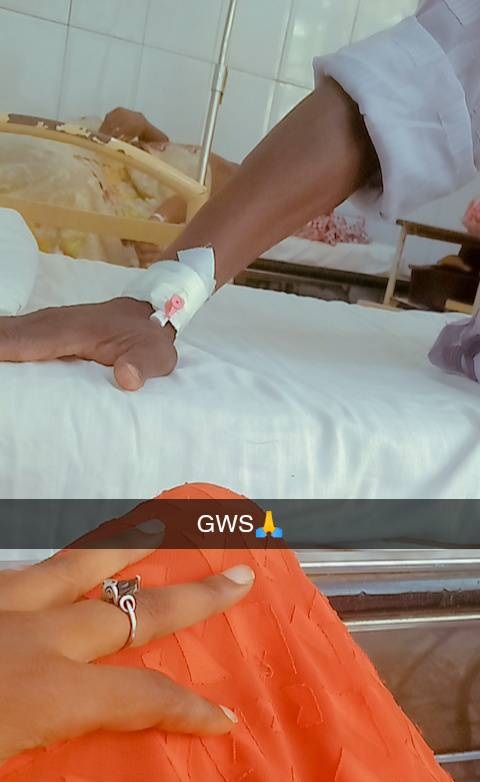
In August 2020, when my father was admitted to the hospital, my friend, who was doing her youth service (NYSC) at the same hospital, visited him. She later came when I was with him and told me something no one else had. She said, “I know exactly how you feel, and it’s okay to have all those emotions.” She understood that because her father had also been sick for years.

A few years later, some of my friends whose parents became sick would ask me, “Is that how you feel?” I would tell them it would get better with time and pray for the sick to get better. It made me realize that we don’t talk about it because without experiencing it, one doesn’t know how it feels to have a sick loved one and take care of them. 

Often, when someone is sick, what people see is the financial burden on the family members. But there is much more that they don’t see. The stress, anxiety, fear, and sometimes even guilt that the family members, especially the caregivers, go through is rarely acknowledged. Unfortunately, sometimes people even add to all these with their judgements and (sometimes accusations) unsolicited suggestions and advice on how to care for the patient.

People expect one to be a caregiver without showing emotions, to be on one’s feet 24/7 without a break, forgetting that we are humans too and there is a limit to what we can endure. 

In a society where mental health is still not a priority, you as a caregiver should take time to process your emotions and, if possible, take a break to avoid burnout. You cannot give from an empty cup. If it becomes overwhelming, find someone to listen and talk to them. 

When next you visit a sick person, check their caregivers too, share a few kind words, and appreciate them.  That will go a long way for them. Also, if a caregiver opens up to you, listen with empathy even if you don’t understand because you are not in their shoes and ask if you can help in any way.

Aisha Mahmud Yusuf wrote via aishatyusuf63@gmail.com.