Kano State

Food Inflation: Prof. Mansur Sokoto examines recent government actions

By Ibrahiym A. El-Caleel

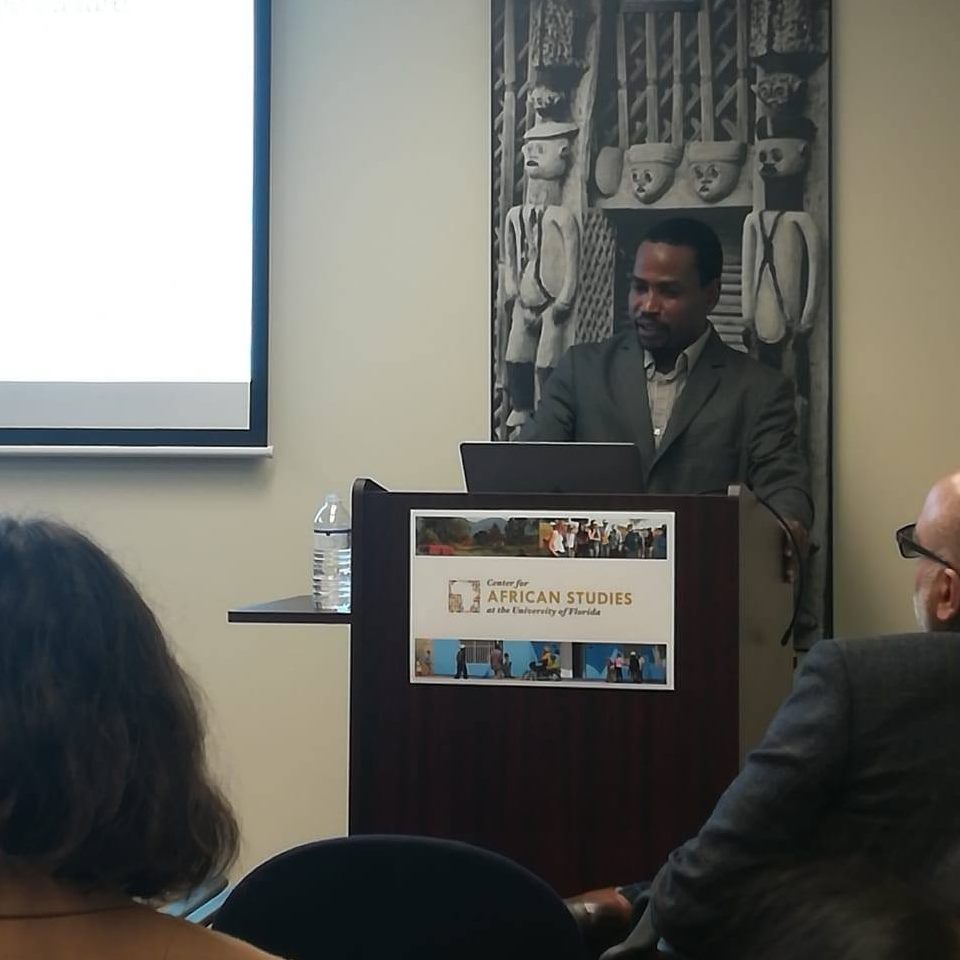
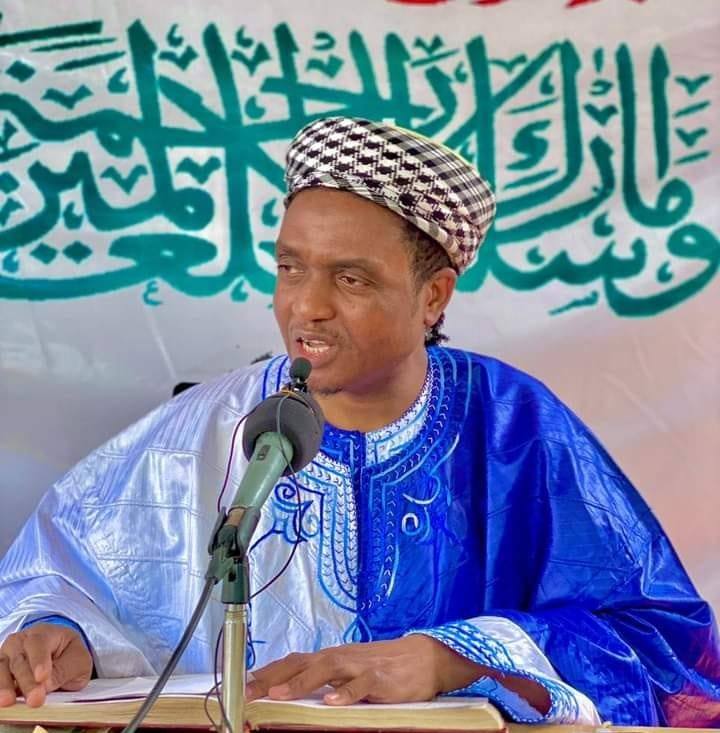
Muhammad Mansur Ibrahim Sokoto mni, a professor at Usmanu Danfodiyo University Sokoto (UDUS) and the Chief Imam of Abu Hurairah Mosque, has commented on recent initiatives by the Kano State Public Complaints and Anti-Corruption Commission (PCACC) and the Federal Competition & Consumer Protection Commission (FCCPC) aimed at addressing the escalating inflation nationwide. His remarks follow President Bola Tinubu’s commendation of PCACC’s efforts in scrutinizing the alleged hoarding of goods by businesspeople.

The President, who spoke through his Special Adviser on Information & Strategy, Bayo Onanuga, lauded the Kano government and urged other state governors to follow suit. Earlier on Friday, FCCPC also reportedly sealed Sahad Stores, a popular Abuja shopping mall, over “misleading pricing practices and lack of transparency”, later reopening it after reaching a mutual understanding with the store.

The actions of PCACC and FCCPC have triggered discussions on social media as Nigerians grapple with rising commodity prices. Under Barrister Muhuyi Magaji Rimingado’s leadership, Kano State PCACC has reportedly sealed over a dozen warehouses, accusing businessmen of hoarding grains and essential commodities.

A widely circulated video showed a warehouse owner explaining that the stored grains were intended for supply to NGOs like the United Nations and ECOWAS, engaged in aiding internally displaced persons (IDPs) in North-Eastern states.

Professor Mansur Sokoto mni weighed into the conversation in two separate posts on his Facebook profile, initially posing five critical questions:

  1. “Is the ongoing food inflation solely attributable to businessmen storing grains in warehouses?
  2. Without warehouses for grains, where will imported commodities be stored before distribution for purchase?
  3. Does the surge in prices affect only food, or are other commodities like steel, wood, gold, petrol, and clothing also impacted?
  4. Have commodity prices simply risen, or is the devaluation of the Naira a contributing factor? If Naira devaluation is the cause, who is responsible?
  5. Are the commodities stored in these warehouses completely unavailable in the market, indicating hoarding?

The Islamic scholar emphasized that leaders should be aware of the actual sources of the prevailing hardship and avoid actions that exacerbate challenges. Responding to a commenter’s question on Islam’s stance on hoarding, Professor Sokoto clarified the following six points on what is permissible (halal) and forbidden (haram):

1. It is permissible for an individual to cultivate food crops in any quantity, whether for personal consumption or for storage, with the intention of selling at a later time, provided that he/she has fulfilled the obligatory almsgiving, known as “Zakah”.

2. It is permissible for an individual in need of food to purchase, consume, and store it to prevent potential future cost increases.

3. It is permissible for a businessman to store food crops that he has ordered, intending to sell them later, periodically, according to market demand.

4. It is permissible for a businessman to purchase a food crop during its season, anticipating future value increases, with the intention of selling it for profit. This is permissible according to a valid opinion.

5. It is both permissible and even encouraged for financially capable individuals to buy what they and their families will consume- including items they will give as charity- for a long time, especially when food prices are rising without clear signs of decline. This perspective aligns with the viewpoint of Shaikh Ibn Uthaimeen.

6. What is NOT permissible is for businessmen to acquire food during periods of high prices and hoard it with the intention of causing hardship to the public. Similarly, it is forbidden for businessmen to accumulate and store food during scarcity periods, withholding it from the market until demand peaks. At this point, they sell it at exorbitant prices. In such instances, government authorities are authorized to compel the businessman to sell the stored food at the standard market price without imposing a loss on the sale.

Having outlined these positions, Professor Sokoto critiqued the recent actions of breaking into warehouses, deeming them inappropriate. He questioned whether the businessmen violated Nigerian laws, emphasizing that their practice is not against Islamic injunctions as they maintain inventory for trade and strategic partnerships.

He implored the government to investigate the actual causes of hardships, citing fuel subsidy removal, Naira floating, border closure, and taxation as contributors. Professor Sokoto cautioned against temporary solutions, advocating for sustainable measures and discouraging the use of the National Strategic Grain Reserve to artificially lower food prices. He drew lessons from past strategies and urged the government to avoid short-term approaches.

Alistiqama University Sumaila celebrates full 5-year accreditation of Medical Laboratory Science programme

By Amara F.  Sesay 

Alistiqama University Sumaila is proud to announce the full accreditation of its Medical Laboratory Science Program by the Medical Laboratory Science Council of Nigeria. This accreditation reflects the university’s commitment to maintaining the highest standards of excellence in education, research and clinical practice within the field of medical laboratory science.

The accreditation process, conducted by the Medical Laboratory Science Council of Nigeria, thoroughly examined the programme’s curriculum, staff qualifications, facilities, laboratories, and overall educational experience. Alistiqama University Sumaila met and exceeded the rigorous criteria set forth by the Medical Laboratory Science Council of Nigeria, showcasing its dedication to providing students with a comprehensive and top-tier education in medical laboratory science.

The Vice Chancellor of the University, Professor Salisu Shehu, expressed his excitement about this significant achievement. “We are thrilled to receive full accreditation for our Medical Laboratory Science Programme. The full accreditation programme of five (5) years is a testament to the hard work and dedication of our founder, Sen. Dr Sulaiman Abdurahman Kawu Sumaila, the Vice Chancellor, Prof. Salisu Shehu, lecturers of the Department of Medical Laboratory Sciences, other members of staff and students who have consistently demonstrated excellence in both academics and practical application.”

The accreditation not only validates the quality of education provided by Alistiqama University Sumaila but also enhances the programme’s credibility and ensures that graduates are well-prepared for successful careers in the rapidly evolving field of medical laboratory science. The university remains committed to staying at the forefront of advancements in healthcare and technology, providing students with a cutting-edge education that meets the demands of the industry.

This accreditation is a crucial milestone for Alistiqama University Sumaila and underscores its ongoing commitment to fostering excellence in healthcare education. As the university continues to invest in state-of-the-art facilities, innovative research, and world-class faculty, it remains dedicated to producing highly skilled and competent professionals who contribute to the improvement of healthcare services globally.

For more information about Alistiqama University and its accredited Medical Laboratory Science Programme, please visit  https://ausumaila.edu.ng/ or contact Mal. Hassan Abdulrahman at +2348036205039.

Alistiqama University Sumaila is a private university dedicated to providing high-quality education, nurturing integrity and morality while fostering research and innovation, and producing graduates who make a positive impact on society. With a commitment to excellence and a focus on preparing students for successful careers, the university is gradually becoming a force to reckon with in the provision of qualitative and morally sound higher education in Nigeria. 

Mr. Amara F.  Sesay is the Chief Information Officer of Alistiqama University Sumaila, Sumaila Township Road, Sumaila Local Government, Kano.

KSCB: Stop the release of Naburaska’s Igiyar Zato

By Ibrahim Uba Yusuf, PhD

Trends in the Hausa Film Industry often divide the industry sharply across socio-political lines. Interactions and production have also not been exclusive to the political dynamics of Northern Nigeria or Kano in particular. However, the recent development requires caution to avoid a relapse into conflict and violence.

On January 28th, 2024, I saw a short video clip of a popular actor-cum-politician, Mustapha Badamasi Naburaska. In the video of about two minutes, the actor announced his intention to release a film that would depict the aftermath of the 2023 Kano State Governorship Petition from the Tribunal to the Supreme Court. In the video, the actor further announced his intention to portray an ‘old man and a musician’ in a negative light.

To complement his pledge, the actor released a poster of the intended film called Igiyar Zato on his Facebook page and other social media platforms. The poster contains the name of the producer and the photograph of the lead fictional character adorned with artificial grey beards just to reinforce the political figure he intends to mock. Mocking a politician is not my problem. It is purely a political affair.

I am not a card-carrying member of any political party but rather a researcher and public affairs analyst interested in teaching and conducting research relating to the Hausa Home Video Industry. In fact, my PhD thesis focused on ‘Hausa Home Videos and Peacebuilding in Northern Parts of Nigeria’. These, I believe, provided me with an opportunity to understand some nitty-gritty and make informed remarks about trends in the industry. It is useful to point out that this write-up is not intended to support or discredit any political group. The essence is to draw the attention of regulatory bodies to a danger that needs their urgent attention.

Firstly, my concern is the use of grey beards in the name of mocking an individual. While the announcement and content of the film may sound pleasing to some of his comrades and supporters, it will hoist a red flag if such content could pass the rigorous screening at the Kano State Censorship Board.

The Beard Issue

The beard issue has been a subject of ridicule during the build-up to the 2023 Guber Election in Kano State. A section of the campaigners used the beard impression to ridicule a particular contestant during their public campaigns. After the pronouncement by the apex court affirming the victory of Engineer Abba Kabir Yusuf as the duly elected governor, members of his political party have been engaged in making skit performances in communities using the beard as a subject of emphasis. The skits were done in the name of celebration, to mimic the governorship candidate of the APC.

Igiyar Zato

Although the trailer of the film has not been released, if – at all – it is going to be produced and distributed, viewers and followers of Kano politics can easily predict scenes and the likely narrative it contains. From the different posters, viewers can deduce the direction, rationale and target group of the producer, Mustapha Nabraska. Of concern is the picture of Nabraska with a fictional grey beard. This depiction is a caricature of a recommended tradition of Prophet Muhammad (SAW). Muslims may find this satire offensive, an act of irresponsibility and tantamount to rupturing the peace beingenjoyed in Kano State. Making jest at the Prophetic tradition, consciously or unconsciously, is forbidden. Sufficient is verse 65 of Suratul Tauba. While other scenes of the film might be valuable sources of analysis in the field of political communication, indeed, this depiction can likely provoke and create preventable chaos.

What does the Kano State Censorship Board Law say?

The law establishing the Kano State Censorship Board (KSCB) as a statutory regulatory body is not silent on what should be portrayed in films and home videos. The intended production contravenes the religious beliefs of the people of Kano. The film glaringly incorporates a form of amusement and deliberately alters the creation of Almighty Allah to mock an individual, which is not approved in Islam. In fact, these are yardsticks that some religious scholars used to engender their position on the illegality of popular culture.

The law, as it is, frowns at depictions in films that are not in tandem with the culture and tradition of the Kano people. Even though the law mandates all producers to submit their films to the Board for censoring after the completion of production, there is a need to amend that clause and mandate producers to share their ideas at the level of conceptualisation with the Board to be appropriately guided. It is left for the Board to decide what to do with the film if the producer decides to submit a copy before release.

Abba Al-Mustapha should Act!!!

In the interest of peace, the KSCB, under the leadership of Abba Al-Mustapha, should discontinue the promotion and production of the film at all costs. This is given the potential damages it could cause to the volatile situation in Kano. The Muslim community in Kano and beyond are saddened by this irrational depiction and public display, which directly affects a cherished symbol of the Prophet of Islam Muhammad (SAW). In the same way, you thwarted the distribution and sales of Queen Primer in Kano. Please act fast now.

The KSCB remains the beacon of hope in preserving the culture and religion of the people of Kano, and we hope that it will continue to do so without fear or favour. The Board should avoid politicisation and preferential treatment of members loyal to the government and deliberately make Kano a difficult terrain for actors and musicians who align with the opposition.

I urge the Board to assess the film on the scale of cultural and religious values and their attendant consequences to Kano State’s peace. Already, people are aggrieved and have been registering their displeasure, specifically on the fictional beard, as a subject of ridicule in the post’s comment section on Facebook and other social media platforms. Some comments are inflammatory and may likely throw the State into chaos.

This is the time of political healing and concentration on fulfilling the myriad of campaign promises. Any distraction is uncalled for. As such, there is a need for the Board to provide policy direction to actors and musicians who have become stakeholders in political campaigns on how to produce content devoid of promoting hatred, public ridicule and rupture.

Ibrahim Uba Yusuf, PhD, lectures at the Department of Mass Communication, University of Maiduguri, and is the Director of Communications, Advocacy, and Outreach at the Centre for Media, Policy, and Accountability (CMPA). He can be reached at ibrahim.mcm@unimaid.edu.ng.

Revitalizing opportunities and promoting employment: A proposal for establishing jobs hub in Kano

By Tahir Mahmood

Kano State, known for its vibrant culture and economic potential, has witnessed an influx of companies and nongovernmental organizations. However, there is a noticeable disparity in the representation of local citizens within these entities.

There is a need to address unemployment challenges and breathe new life into the economy of Kano State by drawing inspiration from the successful Edo Jobs Center model. This initiative comes at a crucial time when the need for job creation and skills development is more pressing than ever. It is suggested that Kano State adopt a framework similar to the Edo Jobs Center, a proven model that has successfully facilitated job placements, nurtured skills development, and fostered economic growth in Edo State. The aim is to tailor this approach to the unique needs and opportunities within Kano.

Acknowledging the existence of the Sani Abacha Youth Center and the challenges it faced, the Jobs Hub may aim to learn from past experiences. It is crucial to analyze the reasons behind the center’s abandonment, incorporating these lessons to develop strategies that ensure the sustained success of the new initiative, particularly in promoting local employment.

It’s important to note the historical context, particularly of the abandoned Sani Abacha Youth Center Kano, which had similar aspirations but fell short of realizing its full potential, serving only as a wedding event center and a popular rawar gala location—a joint for hookups where local ashawos are initiated and recruited, despite the Hisbah’s commitment to curbing those activities in the state. Learning from past experiences, the Jobs Hub may aim to address the shortcomings of previous initiatives and create a sustainable platform for employment and skills development.

The key components of the Jobs Hub may include an online portal connecting job seekers with opportunities, comprehensive skills development programs, and strategic partnerships with local businesses. This holistic approach will seek to bridge the gap between job seekers and employers while equipping the local workforce with the skills needed in today’s dynamic job market.

In light of the challenges faced by the Sani Abacha Youth Center, it is imperative that the new initiative address the reasons behind its abandonment. By incorporating lessons learned from past experiences, the Jobs Hub may aim to not only overcome previous obstacles but also ensure long-term success and sustainability with modern technological advancements.

To achieve the above, collaboration with the government, private sector, and local communities is crucial. This is to encourage the Kano State government to actively engage in supporting and endorsing the establishment of the Jobs Hub, aligning it with existing employment initiatives and leveraging public-private partnerships for enhanced impact.

The success of the Edo Jobs Center model presents a compelling case for the potential for positive outcomes in Kano State. As we endeavor to revitalize opportunities and stimulate economic growth, it is hoped that the government will consider adopting the Edo Jobs strategies, setting in motion a transformative journey towards a more prosperous and vibrant Kano State.

The proposed Jobs Hub integrates various components to create a comprehensive approach to local employment: Online Portal, by establishing a digital platform connecting local job seekers with employment opportunities, making the recruitment process more inclusive and accessible.

Skills Development Programs, through implementing targeted training initiatives tailored to the needs of the local workforce, enhance their competitiveness in the job market. Partnerships with Companies, by fostering collaborations with companies and organizations operating in Kano, and encouraging them to actively participate in the Jobs Hub by recruiting from the local talent pool.

A critical aspect of this is the emphasis on addressing the issue of underrepresentation of Kano citizens in the workforce. The Jobs Hub may work closely with companies to develop strategies for recruiting and retaining local talent, promoting a more inclusive and diverse work environment through government mandates for local recruitment. By recognizing the pivotal role of the government in influencing employment practices, this suggests that Kano State can enforce regulations mandating companies and organizations operating within its borders to prioritize the recruitment of Kano citizens.

This proactive approach aligns with the state’s commitment to promoting local employment and ensuring economic opportunities are accessible to its people. Collaboration and Stakeholder Engagement: Active collaboration with both government bodies and private sector stakeholders is essential for the success of the Jobs Hub. Encouraging dialogue and partnership-building creates a supportive ecosystem for local employment initiatives. The establishment of a Jobs Hub in Kano State not only addresses unemployment challenges but also tackles the issue of workforce disparities.

By promoting local employment, the proposal aims to create a more equitable distribution of economic opportunities. The government’s mandate to enforce local recruitment practices can further solidify the impact of the Jobs Hub, ensuring a brighter and more inclusive economic future for the people of Kano State.

The State holds the promise of revitalizing the local economy and creating a brighter future for the youth. By learning from past experiences and adopting innovative solutions, Kano has the opportunity to pioneer the fostering of employment, skills development, and sustainable economic growth.

Tahir Mahmood Saleh can be reached via tahirmsaleh.seggroup@gmail.com.

Kano State marriage act of 1988: what went wrong?

By Salihi Adamu Takai

It has been almost a month that – the discussion on the issue of the discovered “existing law”, Marriage Practice Control (CAP 26) in Kano State has become the topic of the discussion on the media. The existing law that regulated the marriage practices among the respective Kano State community on how to get married in harmony, has been discovered by the notorious lawyer in Kano, Barrister Abba Hikima. The existing law, in section 5, has listed some practices that are not allowed in the marriage – and doing so – shall put the offender into a danger of imprisonment – or its likes as it’s mentioned in section 8 of the Act.

Notwithstanding of the fact that, the 1999 Constitution of the Federal Republic of Nigeria, unequivocally, recognises the existing law in section 315, the Marriage Practice Control (CAP 26) 1988 in Kano is not effective. The law is, as it’s recognised by the Constitution, valid – but it seems useless or not in existence. The essence of any law is to control the existence of the people. It gives the right of doing something and at the same time stops people from doing something.

As I heard about “the existing law” in question, I got confused pondering on it that how could this be possible? – it seems like it’s not for Kano – or it’s just in my dreams! The law is in contrary with the people of Kano State.

The 1999 Constitution of the Federal Republic of Nigeria gives room for the State House of Assembly to make law in accordance with the culture and customs of the people living in any state. Therefore, the then government of Kano State, in 1988, made that law (Marriage Practice Control) to control the marriage practices in those days. Unfortunately, the law they made for the marriage practices, is still not in conformity with the people in the State. The people of Kano are very serious about their culture and religion. They don’t leave their culture for anything other than religion. I believe that – the law that can be so effective to them – can be that one in conformity with their cultural norms and values. You can’t control something practicable and recognisable in one’s culture and make it effective to him/her easily.

In conclusion, I am with the opinion that – the issues of marriage practices can only be controlled when they’re not in conformity with the religion, but when they remain discretionary on the people practicing them can still remain classical. Marriage is being practiced in accordance with culture and religion – or culture of the people. This is the reason why the existing law of the Marriage Practice Control (Supra) is not effective. It’s beyond the perspective of the people living in its jurisdiction.

Skills acquisition and the rise of Arewa female entrepreneurs

By Aminu Mohammed

The article was inspired by a video on Nelly Agbogu’s Facebook page, also known as Naijabrandchick. In the video Aisha Falke of Northern Hibiscus created, she urged female vendors in the Northern region to take advantage of the NBC Trade Fair, scheduled to be held in Kano on February 4, to showcase their products to potential buyers.

This caught my attention, and I scrolled through Nelly’s Facebook page to learn more about the programme. I was impressed by the quality of content and creativity displayed by different female vendors from the North. They were soliciting for patronage of their products during the forthcoming trade fair. I was pleased to see that many young female entrepreneurs from the North are now engaged in small businesses and have embraced the spirit of self-reliance.

I also observed the activities of many northern female vendors on Instagram, TikTok, and Facebook, such as Maryam Gatawa and Aisha Abubakar. These vendors sell items ranging from well-packaged local food to products consumed by people every day.

Growth of Female Entrepreneurs

I am impressed by Maryam Gatawa’s sale of many of our local food items, such as beef jerky, powdered garlic and date, garin kunun tsamiya made from powdered millet, and garin dan wake (bean dumplings), all of which are well-packaged. This surge in the number of young women engaged in various businesses gladdens my heart and is an indication that things are changing in the north, unlike before. I am still using the bean dumplings I bought during my visit to Nigeria last year.

Some northern female entrepreneurs, such as Aisha Falke and others, have encouraged Arewa women to start small businesses by organising workshops, seminars, and training in Abuja, Kaduna, and Kano. However, more needs to be done to encourage our women to imbibe the spirit of self-reliance.

I have always encouraged my younger sisters to engage in small businesses. They are all engaged in small businesses and other activities that earn them money. There is nothing like financial independence and the ability to take responsibility for one’s life by involving oneself in a productive venture.

Small-scale and medium businesses are critical for the growth of any economy, as they employ one or more people and create jobs. Encouraging many young people to pursue entrepreneurship for their economic emancipation is vital. Any activity that generates income and enables one to earn a livelihood should not be looked down upon. You cannot escape poverty when you are not willing to do the so-called “dirty jobs”.

Need for Change in Mindset

It is essential to note that the North is currently facing a dire situation due to the mindset of its people. The youth must change their mindset about salaried jobs and embrace entrepreneurship. Over-reliance on government jobs has made things worse for us and led to the region’s retrogression. We cannot move forward as a society when most youths do not want to engage in small businesses or trade to earn a livelihood. Most of our graduates look down upon people doing vocational skills while roaming the streets looking for jobs. They prefer to remain idle rather than engage in a vocational skill.

The progress and development of the North depend on a productive population skilled in various aspects of human endeavour. We cannot make meaningful progress when most youths who graduate from university brandish their certificates without any skills to help them survive. It is vital to acquire both education and skills to survive in the new economy. I have spent money to acquire digital marketing skills despite my academic qualifications.

I still reiterate that the Northern youth should focus on acquiring digital skills, and those not interested should learn vocational skills. Stop dwelling in the past and embrace change. The era of looking for public sector jobs is over. The economic situation in Nigeria, which has been worsened by inflation and stagnant income, warrants the need for young men to engage in small businesses to earn a livelihood.

I have a nephew, Kabiru, who graduated from Bayero University Kano a few years ago. He decided to take the bull by the horns after the service year to learn furniture making rather than roam around looking for a job. Kabiru is now fully engaged in furniture making and has four employees who support him in his shop. I gave him a job to do for me during my visit to Nigeria last year, and he executed it to my satisfaction. Today, Kabiru is doing very well in his vocation, while some of his friends are still searching the streets for jobs.

Of course, not everyone can be an entrepreneur or run a small business, but we cannot continue to cling to the past and expect any progress in our region. Our young men should stop wasting time chasing certificates without commensurate skill. They should stop waiting for their relatives to help them secure government jobs as they are no longer tenable.

Necessity of Skill Development 

There are several free resources available on platforms such as YouTube, Google, Coursera, Udemy, Simplilearn and others, which can be used to learn a variety of skills like digital marketing, data science, web development and more. Those not interested in acquiring such skills must focus on vocational skills like fashion designing, furniture making, baking, plumbing, etc. Those who have the financial resources can also consider small-scale businesses or farming.

We must encourage our women to engage in entrepreneurship and strive to acquire education and critical skills that can help them manage their businesses better. We cannot afford to have many ignorant and unproductive people in our society. It is important to promote girl-child education and discourage the Almajiri system. We cannot have millions of children roaming the streets without proper education that will enable them to live a productive life.

As January 2024 draws close, our youth should wake up and become more productive. Instead of wasting their time sitting under trees with friends in their neighbourhood during productive hours, they should go and learn a skill or trade that can enable them to contribute to the economy of their community. I wish you the best of luck as you strive to improve your life.

Aminu Mohammed wrote this article from Ingolstadt-Bayern, Germany. He can be reached at gravity23n@gmail.com.

Tragic 2023

By Bilyamin Abdulmumin

The year 2023 has been marked by a series of tragedies, from the Tudun Biri bombing incidents and the tragic Jos massacre to the unsettling homicide of eight-year-old Ibrahim and the perplexing saga surrounding Yayu’s murder orchestrated by Chuchu.

 The airstrike mishaps that hit the faithful at Tudun Biri gathered to celebrate Maulud sent haunting echoes across the nation. Nigerian forces claimed it was a mistake. They mistook the Maulud gathering for terrorists. But wait, having carried out this kind of ‘mistake’ not once or twice, one question readily comes to mind: why does the army drone never mistake terrorists? 

Although the mishap is a national tragedy, there emerged a silver lining: uniting all Muslims, regardless of the sect, to not only condemn but pressure the government for compensation; in this regard, the Shia sect carried out a peaceful demonstration. Sheikh Dahiru Bauchi changed the community’s name after the incident from Tudun Biri to Tudun Maulud to commemorate the incident. At the same time, the rest of the public pressured the government at different levels to show serious commitment.  

National events like this serve as Mecca for political figures. So, all the 2023 presidential candidates took the opportunity to show concern one by one. President Bola Tinubu was represented by high-profile delegates, including the deputy president and Kaduna state governor, Peter Obi, who visited the injured- this gesture can go a long way to improve Obi’s sheer lack of appeal in North; of course, Kwankwaso was there, and Atiku didn’t only condemn but asked for prob. May the soul of the departed rest in Jannatul Firdaus

While the year was rounding off, another sad news mixed with surprise shook the internet. A lady named Hafsat Surajo murdered a man called Nafiu Hafizu in a highly complex manner. According to her, she killed him, a house boy, by police investigations after he had successfully stopped her from taking her life, but shockingly, she instead stabbed him to death. This revelation left so many questions at the lips of Nigerians, begging for answers:  how did he save her but could not save himself? And when in the process she gets small knife bruises, why rush to medics for treatment? How does someone who is at the point of ending his life become so concerned about a minor injury? But someone has the answer to this puzzle: he said since she has feigned mental illness, the mood usually swings, which means she can be mentally ill at the time of the killing but afterwards become normal.

Now, Hafsat side of the story alone. The next burning question is how an ex-lover could become a business partner on earth. Is an ex not usually defined as vindictive, and we see all sorts of unfriendly memes about them flooding social media?  Now, let’s throw reason in the air: after becoming a business partner, ending up as a house member would be unfathomable. There are more questions than answers to this saga.

One of the conclusions many drew was that the husband was utterly insensitive and not jealous of his family. Not only allow a business partner in his residence but also allow a ‘romantic relationship ‘with his wife to a foreigner, perhaps to give meaning to their account, they opted to call him a house boy. Let’s throw the logic into the air again and assume he missed all the signs and writings. He was the first to know about the incident; why conspire to hide it? The more you look, the less you see in this.

Plausible rumours had it that Hafizu was killed because he insisted on his plan to marry, which Hafsat was jealous about. Many ask if this is why they have to go to such lengths instead of divorcing their husband and marrying the love of their life choice. 

 One suspicious beget another, given the high level of romantic intimacy between them that surfaced on the internet, the public began to doubt the child’s actual father. To make matters worse or better, the child looked more like the deceased than the husband. This multidimensional saga threatens to dwarf all similar cases in the past. Which used to be between couples, like the case involving Bilyamin and Maryam Sanda, or unmarried lovers, like the case concerning a Chinese man and Ummita, but this case appears to be a combination of the two.

Bilyamin Abdulmumin is a doctoral researcher in chemical engineering at ABU Zaria.

Letter to Governor Abba Gida-Gida

I would like to, first of all, congratulate you on your victory in the Supreme Court, which makes you nervous and suspenseful about the ruling. However, I wish to advise you based on the Kano people and beyond trust and a soft spot for you that made them vote for you never to disappoint them—for you will regret doing so eventually.

In the past and even now, many individuals have said that the politics of godfatherism are what may likely make you disappoint those you govern. Still, I am sure you will have them buried in their heads like bloody cow carcasses—I mean, the people saying that the politics of godfatherism is what may ultimately break you.

Abba, always remember the show of love and solidarity that the electorate displayed for you, even from those in other states of the country. Put that in the back of your mind so that whatever you do, you will consider it.

Sir, no one can deny that you have a passion for impartial leadership. This passion has been the driving force behind the people confiding in you from 2019 to 2023 when you were elected as the executive governor of Kano State.

Sir. Yusuf, you have demonstrated that you have a good blueprint for the common people of Kano State. This fact is undeniable for Kano residents and the whole country in general. Nevertheless, you started reviving what Kano lost, ranging from educational reform to agricultural development to health care, and so forth, with a clear mind—never back down, please.

Therefore, don’t allow yourself to be brainwashed by those who don’t have the state at heart but rather their narrow personal interests. People worldwide prayed and wished you well from the start of your political endeavours to where you are, so never make them regret their confidence in you.

I wish you all the very best in all your administrations.

Mallam Musbahu Magayaki writes from Sabon Fegi, Azare, Bauchi State. He can be reached via musbahumuhammad258@gmail.com.

Why our movie series don’t accommodate songs and dance – Kannywood directors 

By Uzair Adam Imam

The Kannywood movies are widely loved by Hausa-speaking communities across Nigeria and beyond. They are known for depicting Hausa culture and life.

The plots of Kannywood movies often feature drama, romance, and comedy, which many viewers find an escape from the harsh reality of everyday life. 

The songs and dances featured in the movies have become a signature of Kannywood cinema and are popular with audiences.

However, the songs and dances have ceased to be featured in the present Kannywood movies due to the new dimensions that the movies have taken.

In an interview with The Daily Reality, some Kannywood producers explained their reasons for taking the new direction.

Songs are incompatible with present movies – Lawan Ahmad

Lawan Ahmad, the producer of and a leading actor in the popular Hausa TV series Izzar So, said the songs have been removed to accommodate the kinds of films produced nowadays.

Ahmad said the songs still possess their enormously powerful impact in conveying messages but added that the nature of the movies nowadays does not accommodate songs. 

He said, “The songs were removed to suit the kinds of most produced movies in the Kannywood industry today. However, they are still useful in those movies.

“The songs were not removed because they are insignificant – their immense impact is still relevant.”

Hausa movies re-create folktales, history 

Another director and actor in the industry, Ali Rabi`u Ali, popularly known as Daddy, said Hausa films in those days were primarily traditional and required songs and dances. 

He stated, “Most of the Hausa films in those days were a replica of tales (tatsuniyoyi) and history that needed to be accompanied with songs and dances of dandali (a stage).” 

“These songs contribute(d) to the advertising and selling of the films. That is why the songs used to be released even before the production of the movies.

“This was to let people know about the film, just like the way Indian movies did,” Daddy explained.

He added that film series now do not require songs and dances because people are after the theme of the film, not songs.

“Besides, song and dance scenes are very costly and time-consuming, forcing us to cease using them in our films,” he stated.

Removal of songs: An opportunity for singers

Asked whether this was a threat to the Hausa singers, Ahmad said this was a wonderfully exciting opportunity for singers to be known for their intellectual production.

He stated, “This has helped the Hausa musicians to be known by the people for their talented works, as they make and act videos of their songs – and there is a lot of creativity in their businesses nowadays as singers resort to dramatic songs, with sole independent themes. 

“Now, instead of saying Ali Nuhu or Adam A. Zango should be featured in the video of their songs, the singers have seized the opportunity to sell their faces while taking a new dimension,” he added.

He added that the dramatic songs have now taken a new dimension, a development which attracts many people in Hausa communities.

Songs, dances mere imitations of Bollywood – don 

A Department of Mass Communication lecturer at Bayero University, Kano, Malama Ummi Hassan, opined that songs and dances in Hausa movies are simulacrums of Bollywood movies. 

The lecturer, who has taught film over the years, stated that “Songs and dances in Kannywood movies are mere facsimiles of Bollywood movies. And now that Bollywood has stopped using them in their movies, particularly series, Kannywood also stops.

“Bollywood now uses only some musical interludes as background sounds in their series movies to establish settings or set moods, to mention a few. Sometimes, they use the songs of the already-produced films, say Kalhonaho.” 

She added that a movie can achieve a desired theme without songs and dances.

She stated, “You must not show an actor or actress dancing before your film sells.” 

Some songs out of context

The university lecturer argued that the songs and dances in most Kannywood movies are sometimes out of context but were used to meet the tradition of Kannywood movies.

She said, “It is like the Kannywood has made it a tradition to put songs in their movies. The songs, however, are sometimes out of context.”

Ummi, who sees films and songs as two different things, advocates that the duo remain independent, with each conveying different meanings.

She added that although songs and dances have ceased to be used, the Hausa movies have witnessed a steep increment in their viewership. 

“I personally see this as a new development. Films and music are two different things. Songs can be used in the background to set the mood,” she added.

Our business at risk – singer

A singer, Hafeez Umar Maikano, who spoke to the Daily Reality, said their business is at risk following the removal of songs in the Kannywood movies.

According to Maikano, although songs have preceded films, singers now rely on filmmakers to survive.

He added, “I see this as challenging for the Hausa singers. The removal of songs from movies has discouraged not only professional but also upcoming singers.

“Before, filmmakers contracted singers to sing for a particular movie, giving them all the required information, including the theme of the movie.

“However, there is no denying that the removal has become a stepping stone to many of the singers,” Maikano added.

From Gawuna is coming to Sanusi is coming!

By Abbas Datti

Following the Apex court’s ruling in favour of Eng Abba Kabir Yusuf as the legitimate elected governor of Kano State, there arises the compelling debates with regards to balkanization of Kano emirate, and potential return of Sunusi II to Gidan Dabo, as well as possible removal of the present emir, Alh. Aminu Ado Bayero.

Sunusi’s potential return to the throne is not without its challenges and complexities. Understanding the possibilities of post-Sunusi II and assessing the current political climate before making such a decision is paramount.

Considering Sunusi’s wide popularity and global influence, he may not necessarily obey Abba Kabir Yusuf as governor of Kano State. Sunusi’s tacit approval for women to confront their maltreating husbands in their matrimonial homes comes into play. Therefore, there’s a need for both Kwankwaso and Abba Kabir to ensure a delicate balance between addressing the fears that may arise from Sunusi’s reinstatement and charting a justifiable reason towards the dismounting of Ado Bayero’s biological son from the throne.

Supporters of Sunusi II passionately advocate for his reinstatement, citing his worldwide recognition and his radical approach to some social problems. Also, for opponents of the immediate past governor of Kano State, Sunusi’s enthronement is seen as a stab in the back to Eng Dr Abdullahi Umar Ganduje and the restoration of Kano’s kingdom dignity.

However, the broader implications of such a move require diligent, careful considerations. Both supporters of Aminu Ado Bayero and Sunusi are closely watching the unfolding events, with questions threatening the respect, dignity, and reverence enjoyed by the Kano emirate.

Balancing the expectations of various factions, addressing the concerns of opposing voices, and fostering an inclusive dialogue will be key to a successful solution to the emerging calls about removing Alh. Aminu Ado Bayero.

The possibility of enthroning back Sunusi is a multifaceted scenario with far-reaching possibilities. As the political stage sets for Sunusi’s potential return, the world observes with keen interest, eager to witness the unfolding of a narrative that could reshape the destiny of Kano State and redefine the dynamics of the leadership of Kano emirate.

Abbas Datti writes from Kano via abbasdatti448@gmail.com.