Jigawa State

WAMY to establish Islamic university in Jigawa State

By Uzair Adam Imam

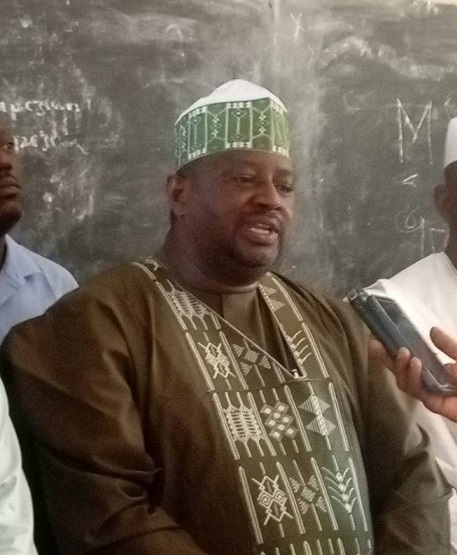
The World Assembly of Muslim Youth (WAMY), a famous Saudi-based non-governmental organisation, has pledged to construct a prestigious Islamic university in Jigawa State.

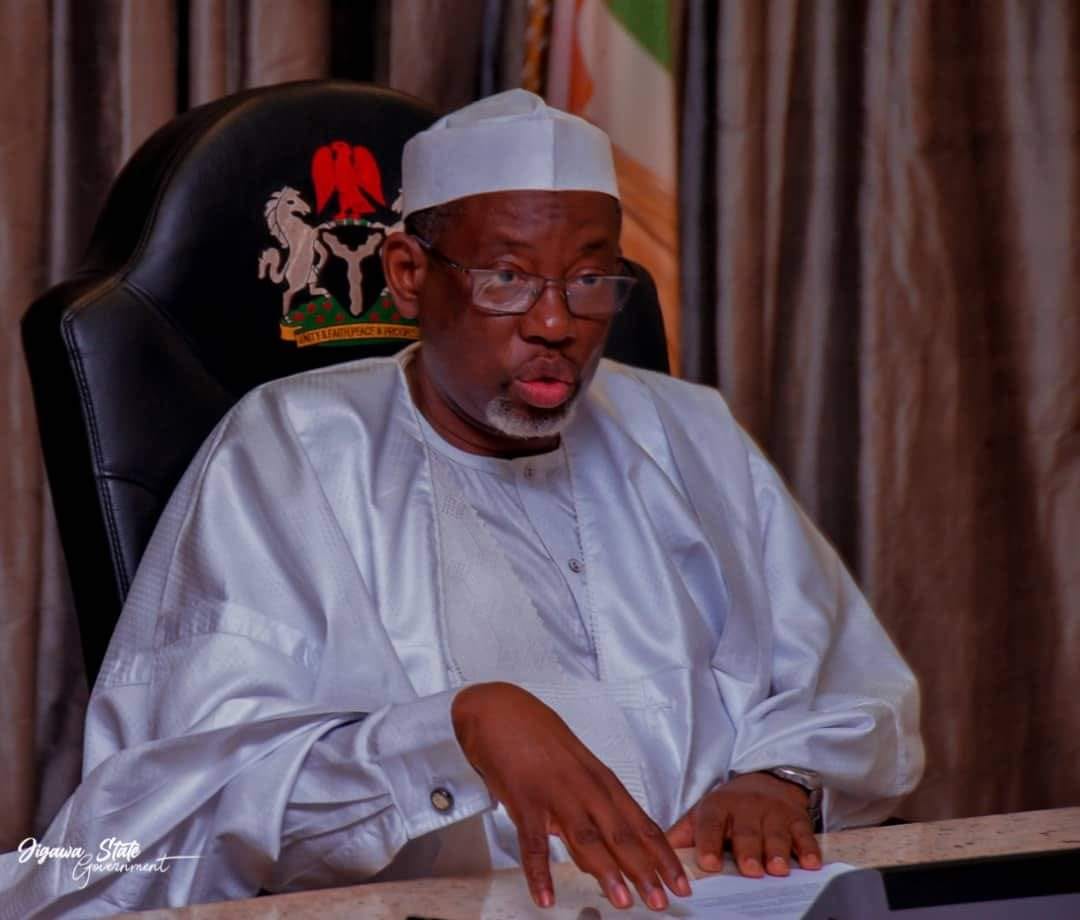
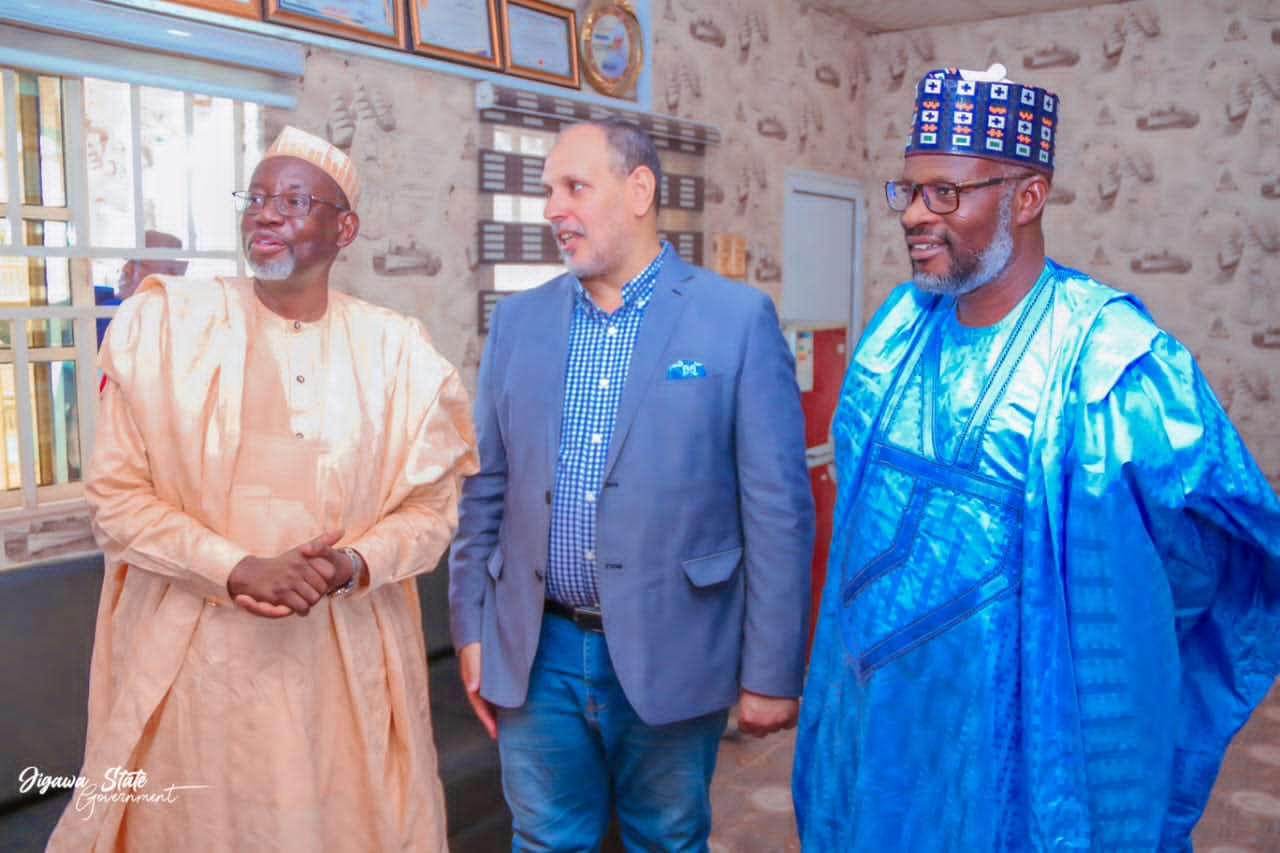
The Jigawa State Chief Press Secretary, Hamisu Mohammed Gumel, who disclosed this in a statement on Sunday, said the decision was unveiled during a visit by the state governor, Umar A. Namadi, to the WAMY office in Kano on Saturday.

According to the statement, WAMY also plans to construct a mosque with an Imam’s residence in a strategic location within the state.

Gumel stated that Governor Namadi was received by the Director of WAMY, Hashem Mohammed Abdelsalam, who said their purpose was to contribute to the spiritual well-being of the local communities of the state and beyond.

The statement read in part, “In line with their mission to empower communities and promote education, WAMY is now embarking on a monumental project to establish an Islamic university in Jigawa State. 

“Following the success of Alhikmah University in Ilorin, the organisation aims to replicate this model of excellence in Jigawa, fostering educational growth and uplifting the state’s educational landscape.

“Additionally, WAMY plans to construct a mosque with an Imam’s residence in a strategic location within the state, further contributing to the spiritual well-being of the local community,” the statement added.

Gov. Namadi appoints managing directors for Jigawa State’s TV and radio stations

By Muhamamad Suleiman Yobe.

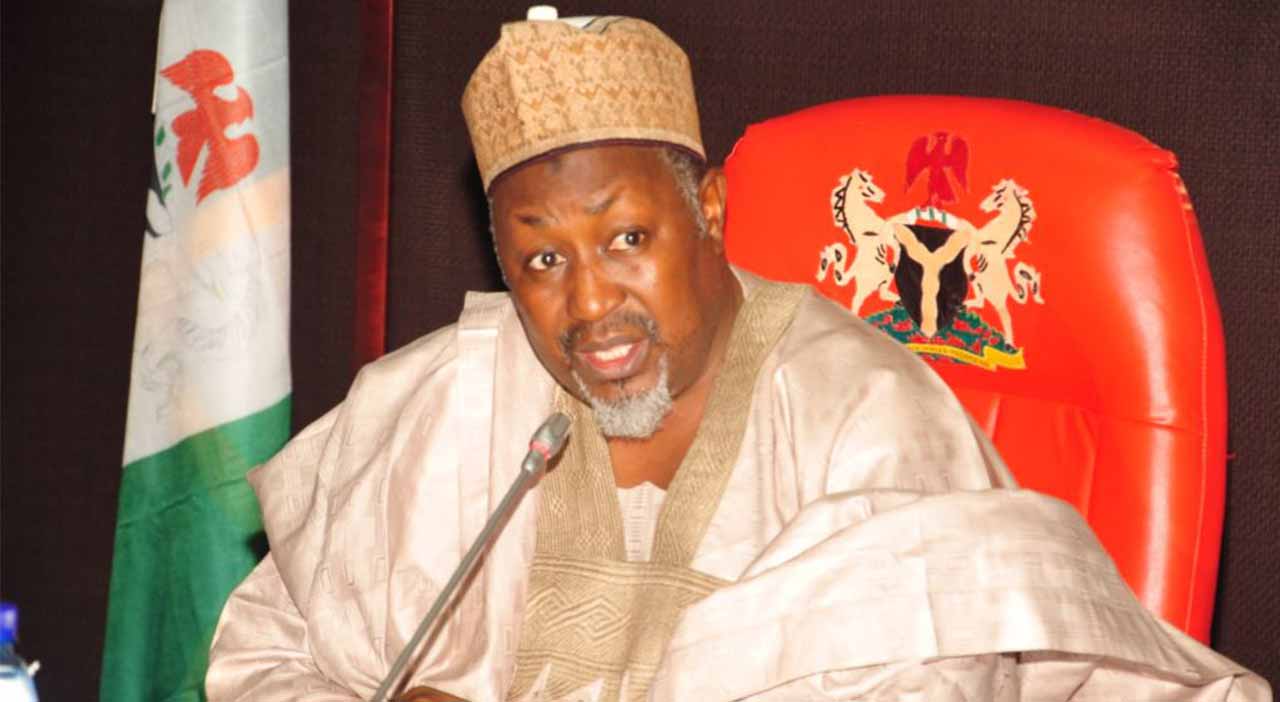
Governor Malam Umar  A. Namadi has approved the appointment of Yusuf Adamu Babura as the new Managing Director, Jigawa State Radio Corporation.

This was contained in a statement signed by the Secretary to the Government of Jigawa State, Malam Bala Ibrahim.

A veteran Journalist, the new Managing Director has been a professional broadcaster. He worked with Radio Nigeria Kaduna and also served as Special Assistant on Radio to the Governor from 2019 to May 2023.

Similarly, the Governor has also approved the appointment of Abba Muhammad Tukur as the new Managing Director of Jigawa State Television station, JTV.

Until his appointment, Abba Tukur was Manager Commercial of the Jigawa State Television JTV.

The statement added that their appointment is based on merit, competence and personal integrity.

Malam Bala Ibrahim urged the appointees to work diligently for the sound execution of the present administration’s policies and programmes.

Both appointments take immediate effect.

Namadi constitutes committee on illegal land allocations in Jigawa

Muhamamad Suleiman Yobe

Jigawa State governor, Mallam Umar Namadi, has constituted a committee to retrieve pieces of land that were indiscriminately allocated to individuals and corporations without the approval of the government. 

At the Council Chamber of the Government House, the governor inaugurated the committee to be chaired by the Secretary to the State Government (SSG), Mallam Bala Ibrahim (Mamser), in his bid to re-establish order and due process. 

Recall that Mallam Umar Namadi has promised to bring back sanity and run an administration based on the ethics of bureaucratic governance. 

He said the objective is to prevent the occurrences of farmer/herder clashes as a result of such encroachment around the state, especially during the rainy season. 

The land retrieval committee is part of Governor Umar Namadi’s effort to ensure that land designated as a cattle grazing route is not encroached on for selfish reasons and therefore reserved to serve its purpose.

Hadejia Emirate relieves traditional ruler over drug abuse

By Muhammad Suleiman Yobe

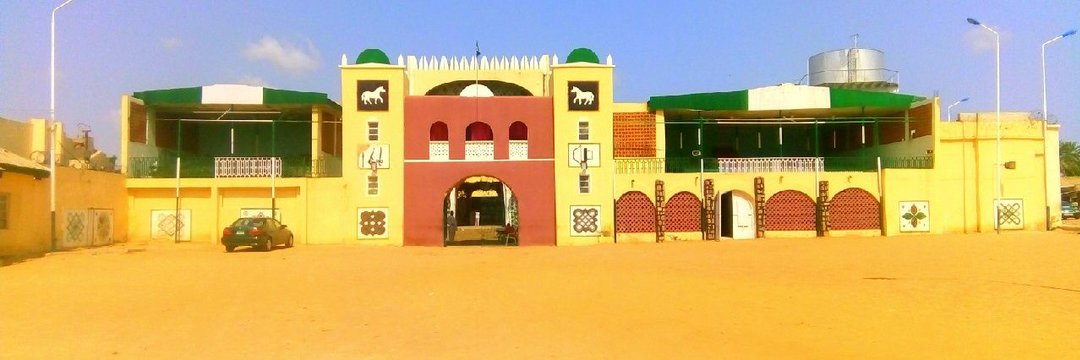
Hadejia Emirate Council in Jigawa State has relieved one of its traditional title holders, Alhaji Abubakar Hussain Abubakar, known as Dan Lawan of Hadejia.

This is contained in a letter sent to The Daily Reality by Muhammad Garba Talaki, a Public Relations Officer of the Council, signed by Council Secretary Alhaji Muhammad Baffale Abbas.

Baffale said the dismissal was due to his engagement with illicit drugs.

He said the council confirmed the matter through a letter from National Drug Law Enforcement Agency (NDLEA) Jigawa State intimating the council on the issue.

He added that the traditional title holder refused to honour an invitation letter sent by the Emirate Council to defend himself, which was found to be disrespectful to the council.

Consequently, Alhaji Abubakar Hussain Abubakar was dismissed and warned to avoid parading himself as Dan Lawan of Hadejia.

Secretary Alhaji Muhammad Baffale advised the general public, especially those interacting with him, to take note.

He said the strict measure was taken to serve as a deterrent to other traditional leaders and urged traditional leaders in the area to be sound moral.

MURIC congratulates Jigawa Attorney General on his reappointment

By Muhammad Abdurrahman

The Kano State chapter of the human rights advocacy group, the Muslim Rights Concern (MURIC), has sent a congratulatory message to Dr Musa Adamu Aliyu on his reappointment as the Attorney General and Commissioner for Justice of Jigawa State.

Dr Aliyu was among the 16 Commissioners sworn in by the Executive Governor of Jigawa State, Malam Umar Namadi, on Wednesday, 12th July 2023.

In a statement released on Friday, 14th July 2023, the Chairman, Kano State chapter of the rights advocacy group, Malam Hassan Sani Indabawa, said:

“The Muslim Rights Concern (MURIC) rejoices with family, friends and associates of Musa Adamu Aliyu, PhD, on his reappointment as the Attorney General and Commissioner for Justice of Jigawa State.

“This, in fact, is a recognition of excellence, professionalism, dedication, hard work and selfless service exhibited by Dr Aliyu during the tenure of the immediate past administration of Jigawa State.

“As a consummate professional in the legal profession, Dr Musa Adamu Aliyu had initiated several revolutionary reforms of Jigawa State justice system, jurisprudence and advocacy.

“We observed with awe and admiration how the young and energetic Musa overhauled the Jigawa State judicial system by instilling professionalism, hard work and meritocracy. 

“In his remarkable display of hard work and competence, Dr Musa had brought about far-reaching changes by discouraging redundancy and promoting excellence and prudence in the justice sector service delivery.

“He, similarly, modernised the system by digitalising resource materials and introducing Information Technology (IT) tools for efficient and effective service delivery. This was unprecedented.

“Your being reappointed”, MURIC observed, “is a testimony of the role you played in advancing positive changes in the development of Nigerian law, jurisprudence and advocacy by your physical appearances in courts, a new innovation to the Jigawa State office of the Attorney General. 

“We, therefore, urge you to remain focused, undaunted, resolute and exemplary in your matchless passion to reform the Jigawa State Justice system.

“Your vision to inculcate professionalism, honesty, and hard work is one of the Nigerian positive vibes that all hope is not lost with young professionals like you bringing about the desired change. 

“We, sincerely, pray for your success while congratulating His Excellency, the Executive Governor of Jigawa State, Malam Umar Namadi, on being circumspect, in his choice in you, signifying the desire for continuity.”

Hadejia LG chairman’s innovative approach to tackling social challenges

By Garba Sidi

In local governance, effective leadership is often characterised by innovative approaches to tackling communities’ diverse challenges. One such exemplary leader is Honourable Bala Umar, the Chairman of Hadejia Local Government. Under his visionary leadership, Hadejia has witnessed remarkable strides in addressing pressing social issues, particularly the plight of female beggars and sex workers, and ensuring equitable access to vital resources like petroleum. This opinion piece aims to shed light on Chairman Umar’s commendable initiatives and their positive impact on the community.

 Female Beggars and Their Children:

Chairman Bala Umar’s approach to addressing the issue of female beggars stands out as a testament to his commitment to uplifting marginalised members of society. Instead of merely dispersing them or turning a blind eye, he has taken a proactive stance by initiating a program that involves repatriating them to their hometowns. This approach recognises the inherent dignity of these individuals and seeks to provide them with opportunities for a better future.

By collaborating with relevant stakeholders, including local authorities and non-governmental organisations, Chairman Umar’s administration facilitates the safe and responsible return of these women and their children to their places of origin. This comprehensive approach includes providing necessary transportation, reintegration support, and access to vocational training and job opportunities. By addressing the root causes of begging, such as poverty and lack of educational opportunities, Chairman Umar empowers these women to build sustainable livelihoods for themselves and their families.

 Issue of Sex Work:

Another noteworthy aspect of Chairman Umar’s tenure is his dedication to addressing the challenges faced by sex workers in Hadejia. Recognising the complexities of this issue, his administration has taken a multifaceted approach. Rather than resorting to punitive measures alone, Chairman Umar prioritises compassion, recognising the need for rehabilitation and reintegration.

Through collaborations with law enforcement agencies and social welfare organisations, the local government implements programs to support sex workers transitioning to alternative livelihoods. These initiatives include skills training, entrepreneurship development, and access to educational opportunities. By offering viable alternatives, Chairman Umar’s administration demonstrates a commitment to addressing the underlying factors contributing to the perpetuation of sex work, such as poverty and limited employment prospects.

Equitable Distribution of Petroleum Resources:

Under Chairman Umar’s leadership, Hadejia Local Government has also witnessed substantial improvements in the distribution of petroleum resources. Recognising the significance of electricity and its impact on the quality of life, the local government prioritises the allocation of petroleum to areas where it is needed most, particularly in quarters with limited access to electricity.

One crucial aspect of this initiative is ensuring that areas reliant on generators to pump water from their reservoirs receive a fair share of petroleum. By addressing this essential need, Chairman Umar’s administration not only improves the living conditions of residents but also demonstrates a commitment to equitable resource distribution. This approach not only enhances the well-being of individuals but also contributes to the overall development and prosperity of the entire community.

Conclusion:

Honourable Bala Umar’s tenure as the Chairman of Hadejia Local Government has been characterised by innovative and compassionate approaches to addressing pressing social challenges. Through his proactive stance on the issues of female beggars, sex workers, and equitable resource distribution, he has demonstrated a commitment to uplifting the most vulnerable members of society.

Garba Sidi can be contacted via sidihadejia@gmail.com.

Governor Namadi Relieves Chairmen, Board Members, Head of MDAs

By Muhamamad Suleiman Yobe

Jigawa State Governor Malam Umar Namadi has relieved chairmen, board members and chief executives of parastatals of their appointments with immediate effect.

This was contained in a statement signed by the Permanent Secretary, Administration and Finance, office of the Secretary to the Government of Jigawa State, Alhaji Muhammad K. Dagaceri.

The statement said “His Excellency, Governor Malam Umar Namadi has approved the relieve of appointments of Managing Directors, General Managers, Executive Secretaries, Chairmen and Members of Board of Agencies/ Parastatals with exception of Commissions.

“The statement explained that Career Executive Secretaries, Managing Directors and General Managers were excluded.”Accordingly, this exclude career Managing Directors, General Managers and Executive Secretaries ” the statement said.

The statement directed all the affected officials to hand over Government properties in their possession to the most senior officer in their organization.

The statement further added that “His Excellency, Malam Umar Namadi appreciates your contributions and wish you success in your future endeavours”.

Jigawa State signs MOU with Zinder of Niger Republic on integrated livestock

By Muhamamad Suleiman Yobe

In her effort to protect lives and properties of its people,  Jigawa State Government has signed a Memorandum of Understanding (MOU) with Zinder State of Niger Republic on integrated and secure livestock and pastoralism in West Africa region.

Governor Umar Namadi, who signed the agreement while opening a three-day workshop on behalf of the jigawa state Government, said that the MOU will benefit the state and its people in curtailing criminal activities.

The Governor, who was represented by his Deputy, Engineer Aminu Usman Yusuf added that Nigeria has many challenges as cattle entered the country through illegal borders, by this development  there will be a control of farmers and Herders conflict.

In his remarks, the special guest and Governor of Zinder, Lawal Amadu  Madugu, thanked the Jigawa State Government for actualizing the existing cordial relation between the two state, and promised to work together to achieve the desired objectives.

Some of the boarder communities suggested the possible ways of overcoming the trans boarder problems with a view of finding of lasting solution to the menace.

Among the attendees include top Government officials and traditional rulers from both states and countries.

Windstorms kill two, destroy over 20 houses in Jigawa

By Muhammad Suleiman Yobe

Heavy rainfall and strong winds destroyed more than 20 houses, killing two people and injuring many others on Tuesday in Araba and Hambarawa towns in Ringim local government area.

The chairman of Ringim local government, Alhaji Shehu Sule Udi, confirmed the incident today while answering questions from our correspondent.

He said the incident started around 1 o’clock on Monday while experiencing the first heavy rainfall of the year.

He said that the incident affected the Araba and Hambarawa community, where information confirmed that there was two loss of life, severe injuries and the destruction of houses.

Alhaji Shehu Sule Udi assured their readiness to support the affected community to ease their suffering from the windstorms.

For their part, the people affected by the disaster have asked the government to provide immediate assistance.

Danmodi’s shelterbelt plan will tackle desertification in Jigawa

By Hamisu Gumel

The environment is an essential component of human life and sustenance. It provides the necessary resources and ecosystems to support our daily activities. However, with the increasing human population and industrialisation, the environment has become severely threatened, leading to environmental degradation and climate change.

As I write this, increasing areas in the northernmost part of Nigeria, including parts of Jigawa State, are turning into deserts due to climate change, which brings about high temperatures and soil degradation, among its adverse effects. Climate change is a significant environmental issue affecting the world for decades, and its impacts have become more apparent in recent years. Climate change is a long-term change in global weather patterns, resulting in more extreme weather events such as droughts, floods, heat waves, and heavy rainfall.

Jigawa State, located in the northwestern part of Nigeria, is among the frontier states facing the adverse effects of climate change as it has suffered from the symptoms of desertification: erosion, rain shortages, and drought. In response to this challenge, Umar Namadi’s blueprint for environmental protection in Jigawa State is a significant step towards protecting and conserving the environment.

No doubt, for any serious government to come on board in the state, the issue of land conservation must take centre stage. With agriculture as the economic mainstay of the state, over 80% of households rely on farming for food and income. And Jigawa’s wetland (fadama) areas represent about 14% of the state’s total landmass of 24,742 square kilometres. But desertification, exacerbated by our unsustainable felling of trees, is threatening this natural endowment.

One of the significant highlights of Umar Namadi’s blueprint is the continued support of relevant afforestation and reforestation programs and projects under the Environmental Protection Agenda. Afforestation and reforestation are crucial measures for mitigating the effects of deforestation and climate change. Deforestation adversely affects the environment, leading to soil erosion, loss of biodiversity, and reduced water quality. Afforestation and reforestation help mitigate these effects by restoring lost forests and planting new ones.

The Great Green Wall Initiative is another critical project that Mallam Umar Namadi’s blueprint supports and aims to implement in the letter. The Great Green Wall is a pan-African initiative to combat desertification and land degradation in Africa’s Sahel and Sahara regions. The initiative involves planting a wall of trees that spans over 8,000 kilometres from Dakar in Senegal to Djibouti in the Horn of Africa. The incoming Jigawa State Government’s intention to invest in this project indicates Danmodi’s resolve towards combating desert encroachment and restoring degraded land in the affected parts of the state.

Yet, a crucial aspect of this blueprint that catches my fancy most is the item on the establishment of 250 km of shelterbelts and woodlot plantations in the state. A shelterbelt is a strip of trees or shrubs in a straight line to protect farmland, homes, and other structures from wind erosion and soil degradation. This can be said to encompass all the factors of environmental protection. The 250 km-long shelterbelts, according to the blueprint, would cut across the north-western part of the state, starting from Guri Local Government Area and passing through Birniwa (both in the northeast) along the border with the Niger Republic up to Maigatari, Babura, Yankwashi, Gwiwa, and Roni Local Government Areas.

Establishing shelterbelts and woodlots along the northwestern part of Jigawa State is particularly significant and desirable as the area is prone to soil erosion and desertification. In addition, the site also serves as a buffer zone between the Sahara Desert and other parts of Nigeria. So, this shelterbelt protection program, if implemented, will go a long way in helping to reduce the effects of desertification and land degradation and serve as a model for other regions facing similar challenges.

Among the benefits of the proposed shelterbelt program is that the shelterbelt will protect farmland and communities from wind erosion and soil degradation. Wind erosion is a significant problem in this part of the country, resulting in the loss of topsoil and nutrients, making it challenging to grow crops. A shelterbelt will reduce wind velocity and protect the soil from erosion, improving soil fertility.

Also, Jigawa State is prone to desertification and land degradation resulting from deforestation, overgrazing, and poor land use practices. A shelter belt will help mitigate these problems by reducing the effects of wind and water erosion, promoting soil conservation, and improving soil fertility.

Likewise, establishing a shelterbelt will promote agroforestry, which involves growing trees alongside crops or livestock. Across the world today, agroforestry has been proven to be a practical approach to sustainable agriculture as it improves soil fertility, conserves water, and promotes biodiversity. Establishing a shelterbelt in Jigawa State will promote agroforestry and create opportunities for communities, especially those in the drought-affected areas of the northwestern part of the state, to generate income from tree products such as fruits, nuts, and timber.

Lastly, establishing a shelterbelt in Jigawa State is a significant step towards environmental sustainability, as it will help reduce greenhouse gas emissions, improve soil quality, and promote biodiversity.

Now, as the May 29th inauguration day is fast approaching and all eyes are on the incoming government of Mallam Umar Namadi to translate into action its campaign promises, I have no iota of doubt that the man is equal to the task. We believe that by applying these greener development strategies, the state government could create employment opportunities, increase agricultural yields, and protect the environment for the good of our people. We know that many tree planting (or shelterbelt) programs were initiated and failed in the past, but if this particular project comes to fruition, it will be the first of its kind in the country.

Hamisu Gumel wrote from Limawa Quarters, Gumel, Jigawa State. He can be reached via hamisugumel@yahoo.com.