Japan

Japanese minister resigns after rice remark sparks outrage

By Hadiza Abdulkadir

Japan’s Agriculture Minister, Taku Eto, has resigned after facing intense backlash for saying he has never bought rice because he receives it for free.

The remark, made during a parliamentary session, was widely condemned as tone-deaf, particularly given Japan’s current rice shortages and rising prices, which are attributed to poor harvests and global supply issues. 

Critics accused Eto of being out of touch with ordinary citizens and disrespecting struggling farmers.

“I deeply regret my careless words,” Eto said in a brief statement. Prime Minister Shigeru Ishiba accepted the resignation and vowed to appoint a replacement soon.

The incident has reignited debate over privilege and accountability among Japan’s political elite.

Islam becomes the fastest-growing religion in Japan

By Hadiza Abdulkadir

Islam is experiencing a remarkable rise in Japan, making it the fastest-growing religion in the country. Reports indicate that the number of Japanese Muslims has increased significantly in recent years, driven by conversions and the growing presence of Muslim expatriates.

Experts attribute this growth to increased cultural exchanges, greater awareness of Islam, and the influence of international students, workers, and businesspeople. The number of mosques in Japan has also grown, reflecting the expanding Muslim community.

“I was drawn to Islam after learning about its teachings of peace and discipline,” said Kenji Tanaka, a Japanese convert. His story mirrors that of many others who have embraced the faith.

Despite Japan’s small Muslim population compared to other nations, the steady rise in conversions and interest in Islamic teachings highlights a shift in religious dynamics within the country.

Religious scholars believe that as Japan becomes more globally connected, interest in diverse faiths, including Islam, will continue to grow.

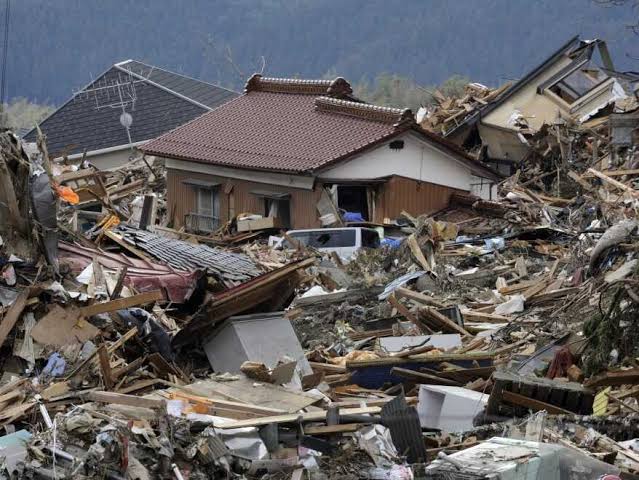
Devastating 7.5 quake hits Central Japan, tsunami threat looms

By Sabiu Abdullahi

Central Japan was struck by a powerful 7.5-magnitude earthquake on Monday, prompting urgent evacuations and tsunami warnings.

The Noto region in Ishikawa prefecture experienced a series of quakes, including a 7.6-magnitude tremor.

National broadcaster NHK and the Pacific Tsunami Warning Centre issued alerts, urging residents to move to higher ground. 

Confirmed tsunamis of 1.2 metres hit Wajima city, with a potential five-metre wave expected in Noto, according to the Japan Meteorological Agency.

The US Geological Survey recorded multiple quakes, emphasising the severity of the seismic activity. 

Japan, with its strict construction standards, faces haunting memories of the 2011 disaster and ongoing seismic threats.

Despite emergency preparedness, the nation remains on edge, with the historical seismic vulnerability of Tokyo echoing a century-old earthquake in 1923.

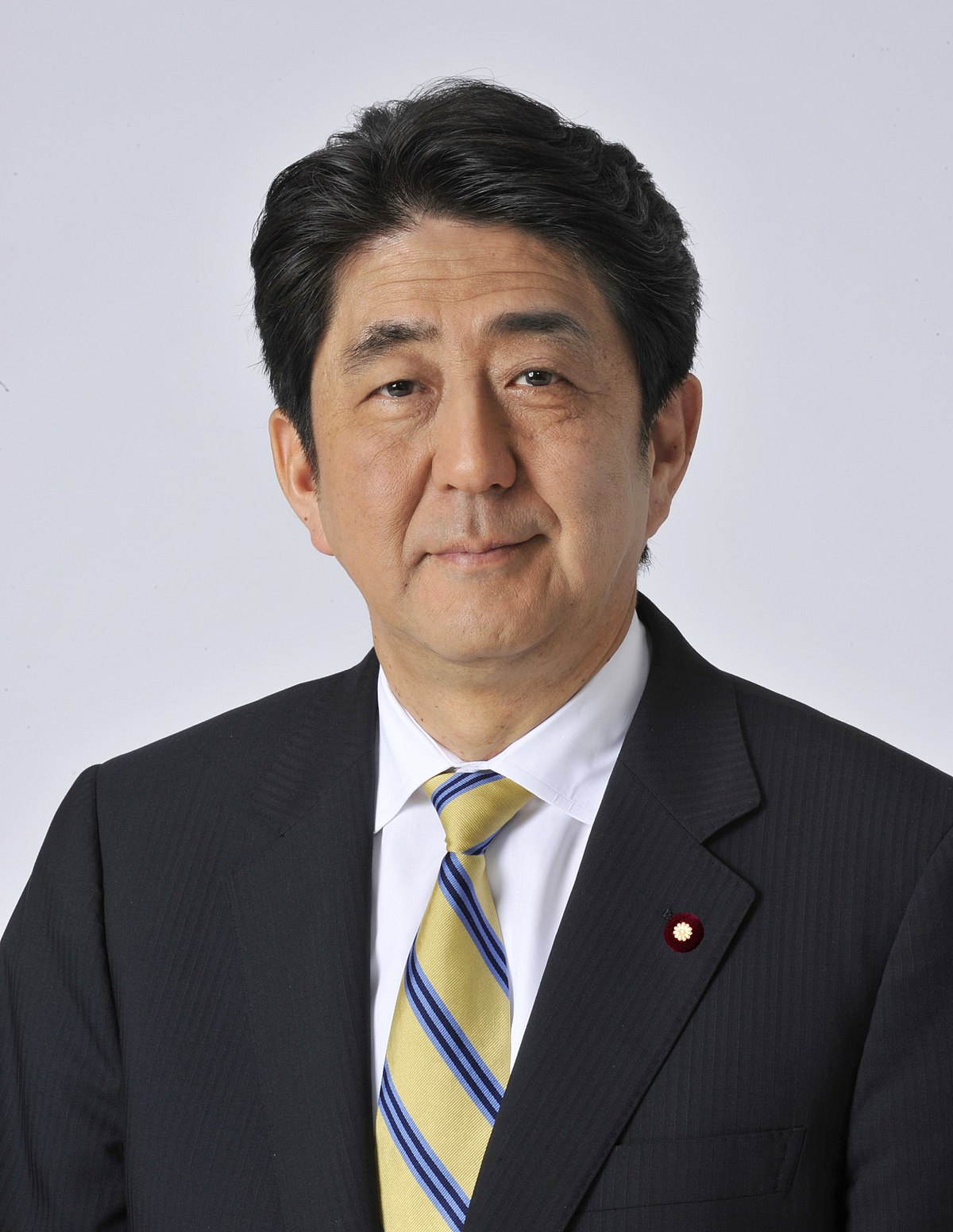
Former Japanese prime minister, Shinzo Abe, passes on

By Muhammad Sabiu

The former prime minister of Japan, Shinzo Abe, has passed on after sustaining injuries after he was shot in the neck.

NHK and Jiji news agency reported confirmed that Abe died in hospital

NKH stated, “According to a senior LDP (Liberal Democratic Party) official, former prime minister Abe died at a hospital in Kashihara city, Nara region, where he was receiving medical treatment. He was 67.”

This is coming a few years after Abe stepped down as the Asian democracy’s prime minister due to his ailing condition.

Media reports have quoted the President of France, Emmanuel Macron to have been “profoundly shocked by the despicable attack” on Mr. Abe.