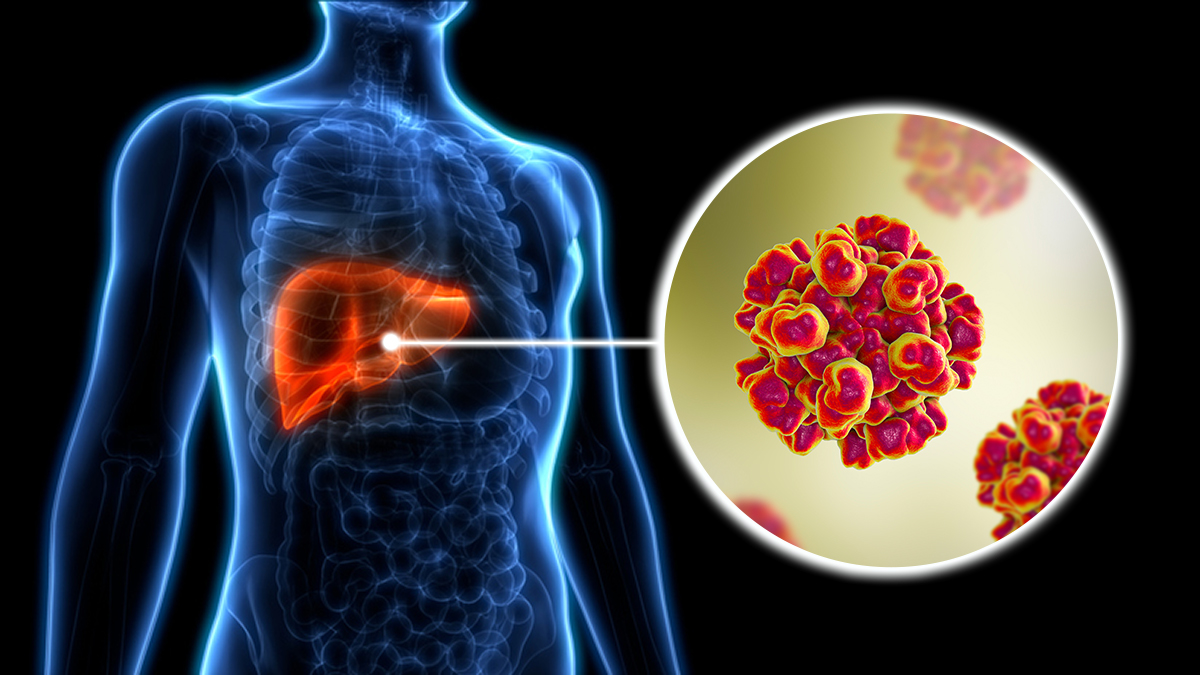
The Disease That Kills 1.3 Million People Every Year
By Maimuna Katuka Aliyu
Hepatitis, a medical condition characterised by inflammation of the liver, remains one of the most significant yet underestimated public health crises in Nigeria. The liver is a vital organ responsible for essential bodily functions, including detoxifying harmful substances, metabolising nutrients, storing energy, and producing proteins necessary for blood clotting.
While hepatitis can stem from excessive alcohol consumption, toxin exposure, certain medications, or autoimmune diseases, viral infections represent the most prevalent and dangerous form of the disease both globally and domestically.
There are five primary strains of viral hepatitis: A, B, C, D, and E. Each is triggered by a distinct virus and varies in transmission mode, severity, and treatment options.
Hepatitis A and E are typically waterborne, spreading through contaminated food and water in areas plagued by poor sanitation. Conversely, Hepatitis B, C, and D are bloodborne pathogens. They spread primarily through contact with infected body fluids, unprotected sexual contact, the sharing of sharp objects, unsafe medical procedures, and mother-to-child transmission during childbirth.
The insidious nature of hepatitis lies in its symptoms or lack thereof. Many infected individuals remain entirely asymptomatic during the early stages. When symptoms do surface, they often mimic general illness, such as fever, fatigue, loss of appetite, nausea, abdominal pain, dark urine, and jaundice (the yellowing of the skin and eyes).
According to the World Health Organisation (WHO), viral hepatitis is a leading infectious cause of death worldwide, claiming approximately 1.3 million lives each year. Strains B and C are particularly dangerous because they can progress to chronic, silent infections that gradually destroy the liver over decades, leading to cirrhosis, liver failure, or liver cancer.
In Nigeria, the scale of this silent epidemic is staggering. The Federal Ministry of Health and Social Welfare revealed that more than 20 million Nigerians are living with viral hepatitis, with Hepatitis B affecting roughly 18.2 million people and Hepatitis C affecting about 2.5 million. Hepatitis B stands as the most widespread strain in the country.
Fortunately, a highly effective vaccine exists. The WHO strongly advocates that all infants receive this vaccine within 24 hours of birth as part of routine childhood immunisation.
For Hepatitis C, there is currently no vaccine, but modern antiviral medications boast a cure rate of over 95 per cent if the infection is detected early. Meanwhile, Hepatitis D presents a unique threat as a “satellite virus” that can only replicate in individuals already infected with Hepatitis B, a co-infection that drastically increases the severity of liver disease.
To combat this burden, the Federal Government has aligned with the WHO global target to eliminate viral hepatitis as a public health threat by 2030. Central to Nigeria’s strategy is Project 365, a nationwide elimination campaign designed to scale up public awareness, screening, and treatment services while integrating hepatitis care directly into primary healthcare systems.
This initiative is heavily supported by the Nigeria Centre for Disease Control and Prevention (NCDC) through enhanced disease surveillance, outbreak response, and the enforcement of infection control practices across medical facilities.
Ultimately, turning the tide against this hidden killer requires a shift from reactive medicine to proactive prevention. On an individual level, protection involves getting vaccinated against Hepatitis B, avoiding the sharing of personal sharp items, practising safe sex, and demanding screened blood products during transfusions.
With sustained government commitment to expanding affordable diagnostic tools, paired with a public willing to break the silence and get tested, Nigeria can move closer to a future where viral hepatitis is no longer a shadow over national health.
Maimuna Katuka Aliyu can be reached via munat815@gmail.com.
