Health

My experience at the Africa Youth Health Summit in Abuja

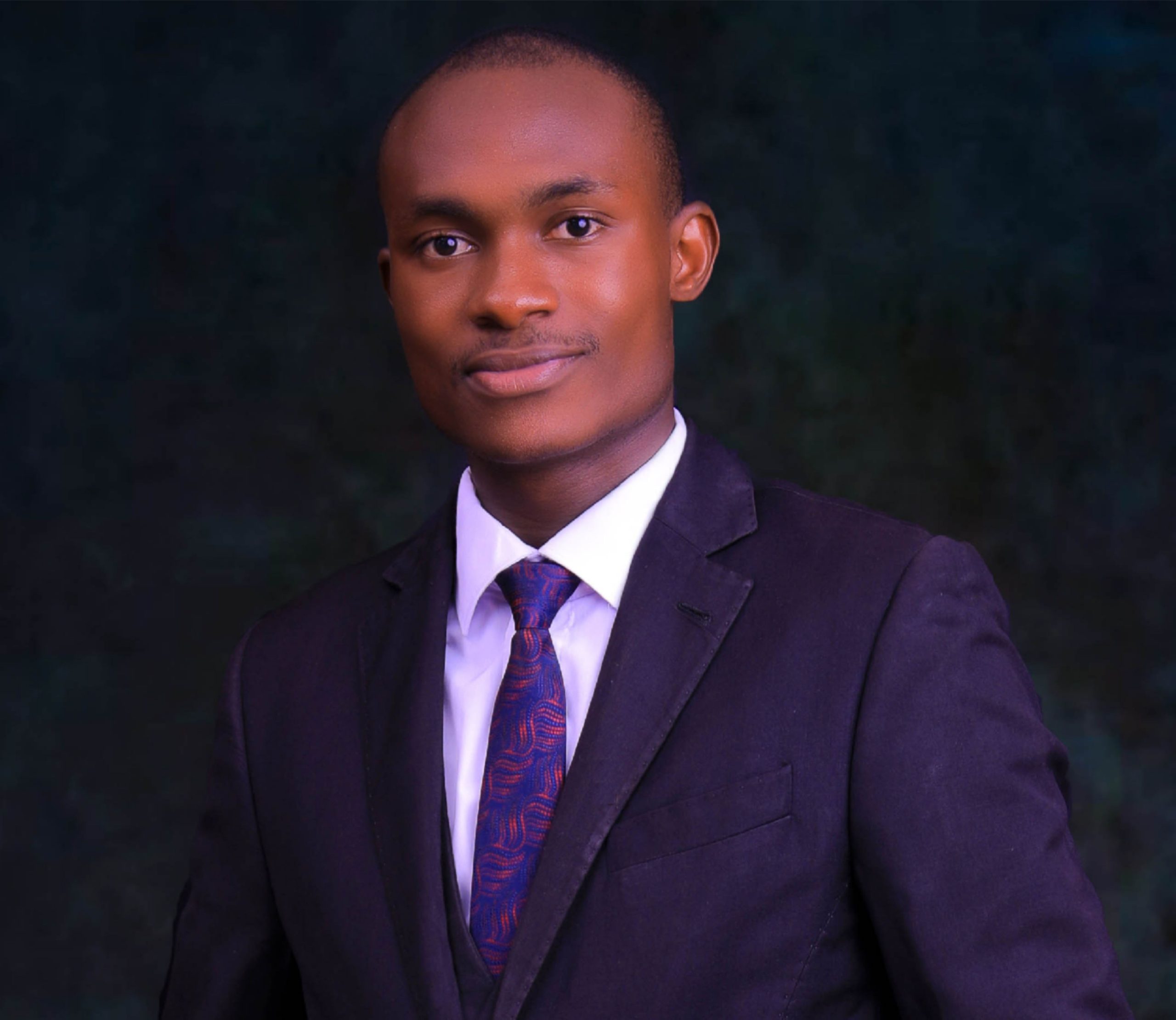
By Saifullahi Attahir

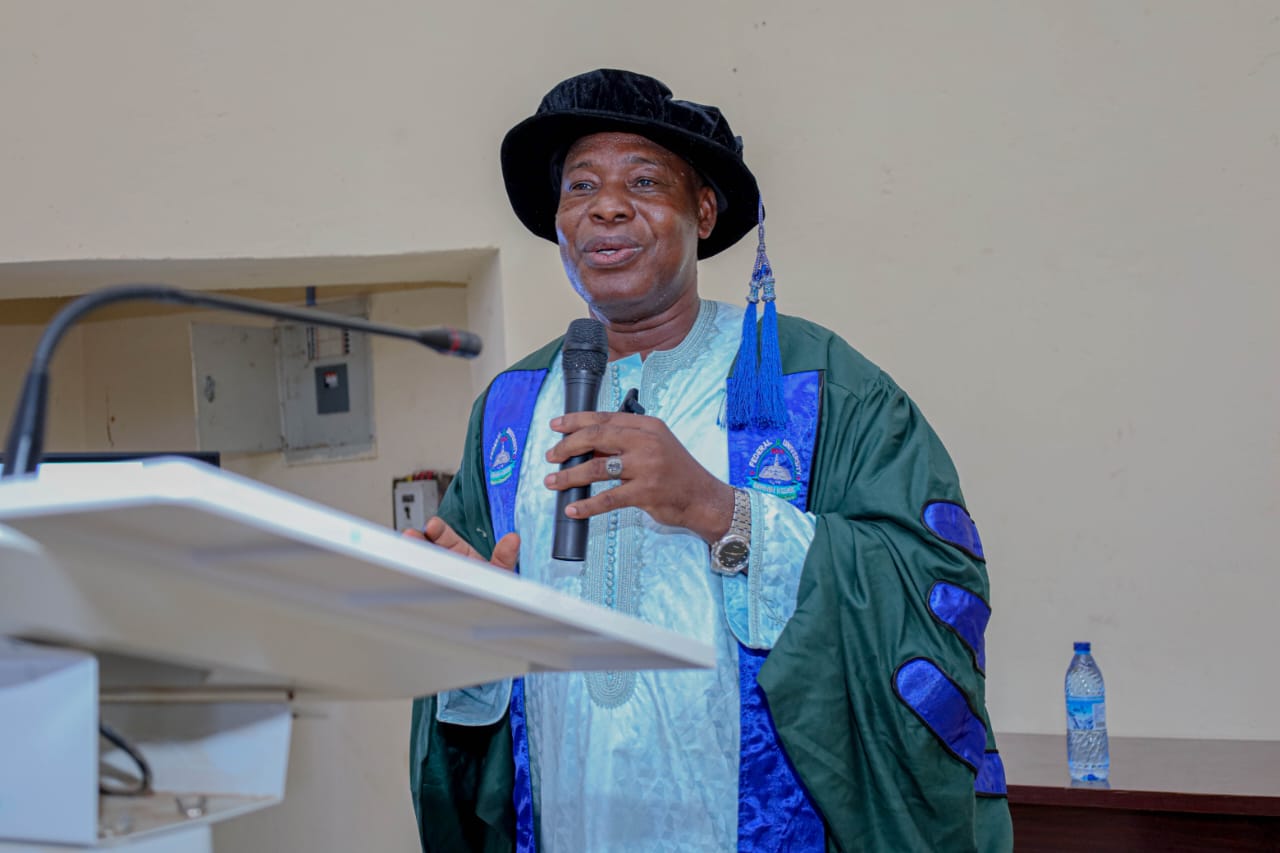
I had the privilege of attending the Africa Youth Health Summit organised by the Federation of African Medical Students’ Associations (FAMSA). It was a 3-day event, a highly engaging program in which over 200 young and passionate healthcare students and professionals gathered at the United Nations House to learn, network, discuss, and chart the future of the healthcare system in Africa.

The delegates come from many African countries and represent diverse cultures, languages, backgrounds, religions, and colours. We had the privilege of hearing from representatives of leading agencies, including the World Health Organisation (WHO), the Africa Centre for Disease Control (CDC), the United Nations, the Nigerian Minister for Youth, Information Technology experts, and several other non-governmental organisations (NGOs).

Several hands-on workshops were organised on public health advocacy, cutting-edge cancer management, transformational leadership, reproductive health issues, and policy formulation. I was fortunate to sit next to the Nigerian Minister for Youth, Mr Ayodele, and even took a memorable photo.  

As a side trip, we visited memorable places like the Africa Medical Centre of Excellence Hospital (AMCE), the NIKE ART AND GALLERIES, and Abuja Magic Land.

AMCE is a state-of-the-art facility built by AFREXIM Bank to curb health tourism by Africans to Europe. The facility is a replica of King’s College Hospital in London, featuring the latest technologies and expertise.

My visit to NIKE GALLERY left a lasting impression on me about the human ability to turn waste into wealth through talent. The gallery contains thousands of beautiful paintings, some made from trash (bola/shara). Indeed, Nigeria is full of untapped potential!

As a President, National Association of Jigawa State Medical Students (NAJIMS) National Body, I make the best use of the opportunity in this summit to network with a lot of like-minded individuals, to voice out my opinion, and to shine Jigawa State on the radar of African maps.

I am aware of the challenges of the healthcare system in Jigawa State, ranging from maternal mortality, under-5 infants mortality, vaccination misconceptions, mental health, adolescent challenges, infrastructural and manpower shortages. I’m fully equipped with the knowledge to help my dear state and medical students back home.

Panels were organised around essential topics such as the efficient use of Artificial Intelligence in medical practice, data-driven research, Japa syndrome, and youth inclusion in healthcare system leadership.

The trip was worth attending, the investment priceless, and the experience handy. I love travelling to important places like these, as it broadens my horizons, pushes me out of my comfort zone, lets me interact with like-minded individuals, and teaches me things books or classrooms could never teach me.

Saifullahi Attahir is the President of the National Association of Jigawa State Medical Students, NAJIMS National Body. He can be reached via saifullahiattahir93@gmail.com.

Hydrocephalus: Raising my little hydro warrior

By Engr. Khalilah Yahya Aliyu 

September was the month dedicated to raising awareness of various medical conditions, among them hydrocephalus, which is commemorated in the United States on the 20th. This article was meant to have been published as my contribution to this course, but you will have to forgive me. The pen became too heavy for me to write as it required revisiting emotional wounds and acknowledging future fears.

I am a mum to a vibrant two-year-old blessed with this little-known condition–Hydrocephalus. Or so I thought, until I had him and realised hydrocephalus has quietly existed around us all along. During my final ultrasound before delivery, I curiously read the note from my OB-GYN: “mild ventricular dilatation.” At the time, “dilatation” only meant one thing to me, which was that my body was preparing to bring my baby into the world. What caught my attention, though, was how different this report was from the one I received during my first pregnancy.

As soon as I got home, I turned to Google: “What is mild ventricular dilatation in a foetus?” I learned it’s also called ventriculomegaly. It is a condition characterised by enlarged ventricles (fluid-filled spaces in the brain). The diagnosis was mild, and I read that it might normalise. I was still advised to watch for signs like visible veins on the scalp, projectile vomiting, and a rapid increase in head size.

Let me take you back a bit. Hydrocephalus, in direct translation from Greek, means ‘hydro’ (water) and ‘cephalus’ (head). Literally speaking, “water in the head”. But it’s not just any water. It’s cerebrospinal fluid (CSF). While CSF is essential, an excess of it leads to hydrocephalus.

Although some cases are congenital, it is critical to note that hydrocephalus can be acquired either due to old age or blunt trauma to the head. The case that scared me to my bones was when we were researching for a registered Medtronic vendor to purchase Ja’far’s shunt. We heard about a ten-year-old whose head accidentally hit a wall. The trauma distorted the flow of CSF, and he was not diagnosed on time till he nearly lost his mobility and sight. The shunt surgery restored his health.

I gave birth via emergency C-section after a prolonged labour. The first thing I checked when I held my baby was his head. It looked normal, covered in a full mass of hair. I couldn’t even see his scalp. Due to the labour complications, we stayed in the hospital longer. On the second day, neonatal jaundice set in, and my baby was admitted to the Intensive Care Baby Unit (ICBU). By the third day, I noticed something unusual. He vomited after every feed, and not just regular spit-up. It was forceful, the typical definition of projectile vomiting. I informed the paediatrician, who advised smaller, more frequent feeds. I followed the advice, but the vomiting persisted. Luckily for us, he had a voracious appetite, and after each episode, he’d eagerly refill his tummy.

We were discharged after 10 days. Grandma gave him his first haircut, and that’s when we noticed the intricate network of veins on his scalp. Visitors had all sorts of suggestions, from saffron oil to headache “ciwon kai” remedies. But deep down, I knew what it was. I anxiously waited for the final symptom to appear. Within days, his head began to enlarge, and his fontanelle (Madiga) wasn’t pulsating as it should. The vomiting continued. I turned to my husband and said solemnly, “Baby Ja’far needs urgent medical attention.” Grandma agreed. I trusted my instincts, and kudos to my husband, family, and friends for providing me with the strength to keep hope alive. They left no stone unturned to make this trial bearable.

At precisely one month old, we took him to Aminu Kano Teaching Hospital. We first saw a paediatrician at the GOPD, who ordered a scan, and my fears were confirmed. He has Dandy Walker Syndrome (DWS), which has led to excess fluid buildup in his head. I cried. Yes, I did. But I was also hopeful because I had read that early intervention could improve his chances of living an everyday life. We were given a medicine, Acetazolamide, that must be compounded to suit a child’s dosage. The medication is to reduce cerebrospinal fluid (CSF) production and help manage intracranial pressure. We were then transferred to the Neurosurgical Department, where we met the neurosurgeons on their clinic day, a Wednesday. A strike by resident doctors worked in our favour, allowing Ja’far to be seen directly by a consultant neurosurgeon. 

I mentioned how warm his head felt, and the consultant reassured me it wasn’t related to hydrocephalus. “He’s like any other baby,” he said. “He can have a fever”. That was the beginning of our journey. I was frantic. I just wanted him treated quickly to relieve the cranial pressure. He needed brain surgery to insert a shunt that would regulate the CSF flow. Delays could cause irreversible damage. The medical team was dedicated and compassionate, particularly the doctors. He had the surgery successfully at two months old, and we watched him ace his developmental milestones. We celebrated his second shunt anniversary on June 19, 2025.

After Ja’far’s diagnosis, my curiosity deepened. I consumed every piece of literature I could find related to hydrocephalus. Wednesdays became my learning days, not just from the doctors but from fellow patients and caregivers. I remember overhearing a professor of neurosurgery advising a mother of another shunted warrior: “You and your partner should properly plan subsequent pregnancies. Gone are the days of ‘just taking in'”. He emphasised starting folic acid six months before conception, staying healthy, and avoiding harmful practices. And of course, make prayer your closest ally as you follow the healthiest regimen possible. Take your child to the hospital because even with limited resources, our healthcare workers continue to perform wonders, saving lives every day. They are our true heroes. 

It is pertinent to add, though solemn, that a shunt is a foreign body and can be prone to infection, blockage or malfunction. You must be alert; should you observe the slightest recurrence of any of the pre-surgery symptoms, hasten to the hospital for proper diagnosis. The doctors often reassure us that milestones might be delayed for our warriors. Still, with the appropriate care, they accomplish them over time. Seeing the scars where the shunt is placed, be it the catheter or the pump, and knowing that it is going to be there for life, can be heartbreaking. But I have learned to overcome this feeling by viewing it as a lifesaver because without it, you might not even be able to hold your bundle of joy. Brace up, not everyone’s journey is the same, but be ready for bumps. They can come in the form of incessant headaches, seizures or double incontinence.

I cannot conclude without a strong plea to the government. Congenital diseases are rare. Ja’far’s DWS, for example, ranges from 1 in 10,000 to 35,000 live births. Setting aside funds that low-income parents can access to cover medical expenses will go a long way toward improving our warriors’ quality of life. Make the health sector more robust. Map out a lasting plan to eradicate strikes. It might have worked in our favour, but it has also stalled the needed intervention for some of our warriors, leading to irreversible brain damage. Mandatory, accessible antenatal care, overseen by qualified medical practitioners, will help preserve the rarity of these conditions.

To all my fellow hydro mums, be grateful to the Almighty for the gift and celebrate your little warriors. Whether it’s an inch or a milestone, every step is worth celebrating. Also, you are not alone. We have a community, and we’re here to support one another, always. To everyone who stood by us throughout this journey, I want to say thank you. Where could we have found the strength to carry on without you?

Engr. Khalilah Yahya Aliyu wrote via khalilah20@gmail.com.

Maldives introduces generational ban on tobacco

By Maryam Ahmad

The Maldives has become the first country in the world to implement a generational ban on tobacco use, marking a historic step in global public health policy.

According to a statement from the Ministry of Health, anyone born after January 2007 will be permanently prohibited from purchasing, using, or being sold tobacco products within the country. The measure aims to create a tobacco-free generation and reduce the long-term health and environmental impacts of smoking.

Health officials described the policy as part of the government’s broader strategy to curb non-communicable diseases and promote healthier lifestyles among young people in the Maldives.

The Maldives joins a small but growing list of nations considering similar “smoke-free generation” initiatives, with New Zealand having previously proposed a comparable plan before it was repealed.

Authorities say enforcement guidelines and public education campaigns will accompany the new law to ensure effective implementation and community support.

Nigeria’s health sector and the need to review

By Abdullahi Adamu

Poor health facilities in Nigeria stem from severe underfunding, causing inadequate infrastructure, outdated equipment, drug shortages, and breakdowns in essential services like electricity and clean water. This affects rural and primary healthcare centres most, where facilities are dilapidated and staff insufficient. A shortage of medical professionals and brain drain overloads the system, leading to increased medical tourism and poor outcomes. Healthcare access is severely limited due to various systemic factors. 

Misconceptions about primary health care and poor leadership have hindered the health system, which hasn’t aligned its structures to achieve universal health access. Improving financial access alone won’t suffice without comprehensive primary health care reform to fix system flaws, deliver quality, efficient, acceptable care, and ensure sustainability and growth for the health system and country. A primary health care movement of government health professionals, the diaspora, and stakeholders is needed to drive this change and overcome political inertia.

In 2014, the National Health Act established the Basic Health Care Provision Fund (BHCPF) to address funding gaps hampering effective primary healthcare delivery across the country. The BHCPF comprises 1% of the federal government Consolidated Revenue Fund (CRF) and additional contributions from other funding sources. It is designed to support the effective delivery of Primary Healthcare services, provision of a Basic Minimum Package of Health Services (BMPHS), and Emergency Medical Treatment (EMT) to all Nigerians.

Despite the provisions of the BHCPF, the report’s findings expose the precarious state of healthcare in Nigeria, where access to and utilisation of health services remain marred by systemic challenges across states.

Public health facilities in all 36 states and the FCT are deficient, and the experiences of community members seeking care at these facilities are consistently awful.

Primary Health Care (PHC) is the foundation of the healthcare system in Nigeria and serves as the level at which non-emergency, preventive health issues are addressed. But sadly, many PHC centres in the FCT are poorly equipped and lack well-trained personnel.

 Kulo PHC was built with solid infrastructure and equipped with solar panels as part of a 2019 federal initiative aimed at strengthening primary care in hard-to-reach areas. Today, that promise lies in ruins. The solar panels are now dysfunctional—some stolen, others damaged by harsh weather and lack of maintenance. At night, the clinic plunges into darkness, leaving staff to work by torchlight or with dying cell phone batteries.

Three patients on life support at Aminu Kano Teaching Hospital were reported dead following an interruption to the hospital’s electricity supply by Kano Electricity Distribution Company.

The basic causes of Nigeria’s deteriorating health care system are the country’s weak governance structures and operational inefficiencies.

In 2014, the National Health Act established the Basic Health Care Provision Fund (BHCPF) to address funding gaps hampering effective primary healthcare delivery across the country. The BHCPF comprises 1% of the federal government Consolidated Revenue Fund (CRF) and additional contributions from other funding sources. It is designed to support the effective delivery of Primary Healthcare services, provision of a Basic Minimum Package of Health Services (BMPHS), and Emergency Medical Treatment (EMT) to all Nigerians.

Despite the provisions of the BHCPF, the report’s findings expose the precarious state of healthcare in Nigeria, where access to and utilisation of health services remain marred by systemic challenges across states.

Public health facilities in all 36 states and the FCT are deficient, and the experiences of community members seeking care at these facilities are consistently awful.

The Basic Health Care Provision Fund (BHCPF) was poorly implemented in 13 states.

The basic causes of Nigeria’s deteriorating health care system are the country’s weak governance structures and operational inefficiencies

Abdullahi Adamu wrote via nasabooyoyo@gmail.com. 

The parable of Mrs X and the health crisis of the nation

By Oladoja M.O

There’s a video, “Why did Mrs X die?” that is very popular in the public health sphere. At first, the video seemed like the tale of one woman, faceless, nameless, known only by a letter. But the more I analyse and reflect on it, the more it has dawned on me that Mrs X was never just one person. She was and still is the embodiment of Nigeria’s healthcare story. Her death was not a singular tragedy, but a parable. A mirror held up to a nation’s bleeding system.

Mrs X died, not simply because of childbirth complications, but because everything that could have worked didn’t. Everything that should have stood for her failed her. Her death was not a moment; it was a long, silent, accepted process. In her story, there was the collapse of planning, access, and empathy. She died from a slow national rot that had found flesh in her body.

The story of Mrs X began not with the bleeding, but with the absence of preventive orientation that characterises the experience of many Nigerian pregnant women. She went through pregnancy the way most Nigerians face illness, hoping it would not demand too much. She never considered going for checkups, not because she was reckless, but because the culture of prevention was never truly instilled in her.

In a society where survival itself is a daily hustle, prevention often feels like a luxury. There was a health facility, yes, but it was far, tired, and overstretched. The system had blood, but not enough. Staff, but overworked. Beds, but unclean. And behind it all were the silences of policymakers, the rust of forgotten community health centres, and the dust on abandoned government project files. So, when she finally needed help, it was already too late to start looking. 

That story, the scramble at the end, is too familiar. We see it in Ekiti, Katsina, Owerri, and Makurdi. Patients running from one hospital to the next, files in hand, hope on lips, only to be turned back by bureaucracy, distance, or a quiet “we have no space.”

But beyond the infrastructure and logistics, Mrs X bore the weight of something heavier: culture. She was told, directly and indirectly, that her place was to endure. To cook. To clean. To birth. Her pain was duty. Her tiredness was weakness. To seek help was indulgent. So, she bore her cross in silence. Culture had taught her that a good woman asks for little, demands nothing, and dies quietly.

Gender inequality was not just in her home; it was in the policy rooms that never included her voice. It was in budgets that prioritised politics over health. It was in the subtle shrug of indifference that attends women’s complaints in clinics, especially poor women in rural areas. Her being female had already placed her lower on the ladder.

But perhaps what haunts me most is how everything seemed normal until someone opened the files. That day, long after she had gone, someone went back to the data room and began to look. Patterns emerged. Cases connected. Questions rose. “How many more like her?” they asked. “Could we have seen this coming?” It was research that awakened conscience. Data that pulled the curtain back. And isn’t that Nigeria’s truest shame that we often act only after counting the dead?

Mrs. X, for all her anonymity, is Nigeria. She is our health system in human form: underserved, overburdened, overlooked. Her blood loss is our policy hemorrhage. Her silence is our governance gap. Her death is our diagnosis.

It’s easy to talk about reforms. There have been many. Policies, papers, pilot schemes. But for every speech made in air-conditioned halls, there’s a Mrs X still sitting miles from care, still unsure if help will come. Nigeria does not lack ideas. It lacks continuity. It lacks compassion in implementation. It lacks the urgency that comes when you see the system as your own mother, your own sister, your own unborn child. We must stop planning in the abstract. We must stop building for applause and start building for impact. 

Health must become a right, not a privilege wrapped in bureaucracy. We must fund primary health care not as a checkbox but as a foundation. We must decentralize emergency care so that help is never more than a few kilometers away. We must invest not only in infrastructure but in mindsets, teaching every citizen that prevention is not a scam, and that seeking help is not weakness.

And crucially, we must disaggregate our data and listen to it. Research must not be something we dust off only when we need donor funds. It must be lived, continuous, grounded in our local realities. Because without data, we’re only guessing in the dark, while more Mrs. Xs are buried under statistics that came too late.

So, no, the story of Mrs X is really not about maternal mortality. It is about us. All of us. It is the story of a system that watches a woman bleed and scrambles for gauze. That waits until the final breath before asking the first question. That blames culture, then feeds it. That builds hospitals without building access. That speaks to the importance of health equity while communities barter herbs in silence. I saw Mrs X die. But more than that, I saw Nigeria in her eyes; tired, forgotten, hoping someone would care enough to fix what’s broken. 

Maybe, just maybe, if we learn to listen to her story, we won’t need another parable. Maybe her death won’t be in vain.

Oladoja M.O writes from Abuja and can be reached at: mayokunmark@gmail.com.
Malaria: The silent killer still at our doorstep

By Bashir Abubakar Umar 

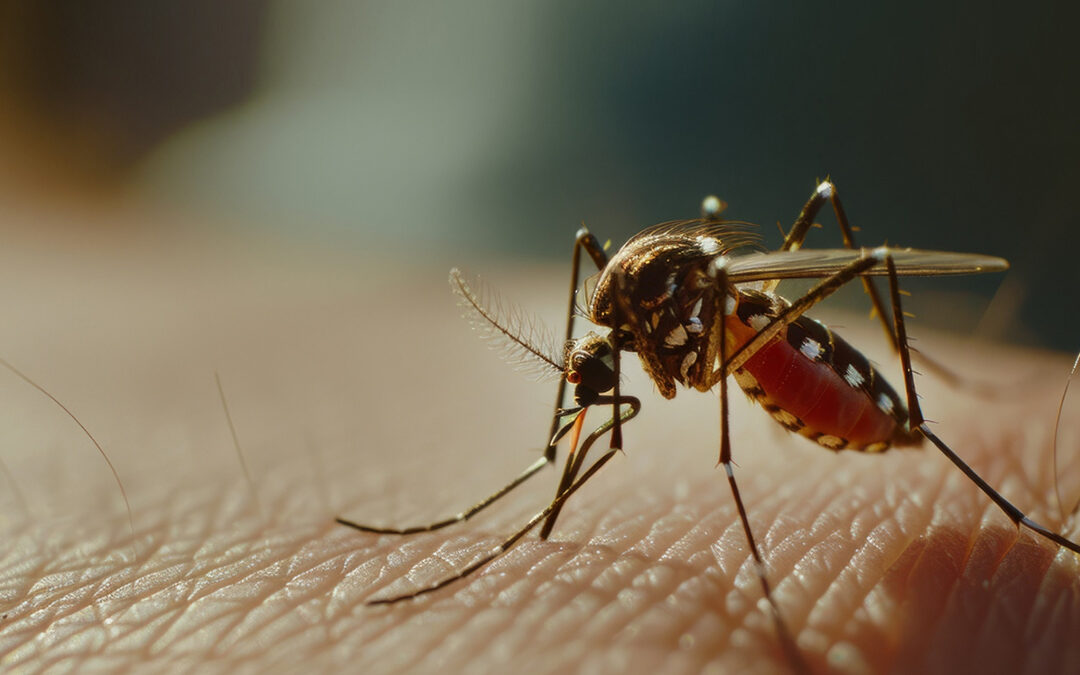
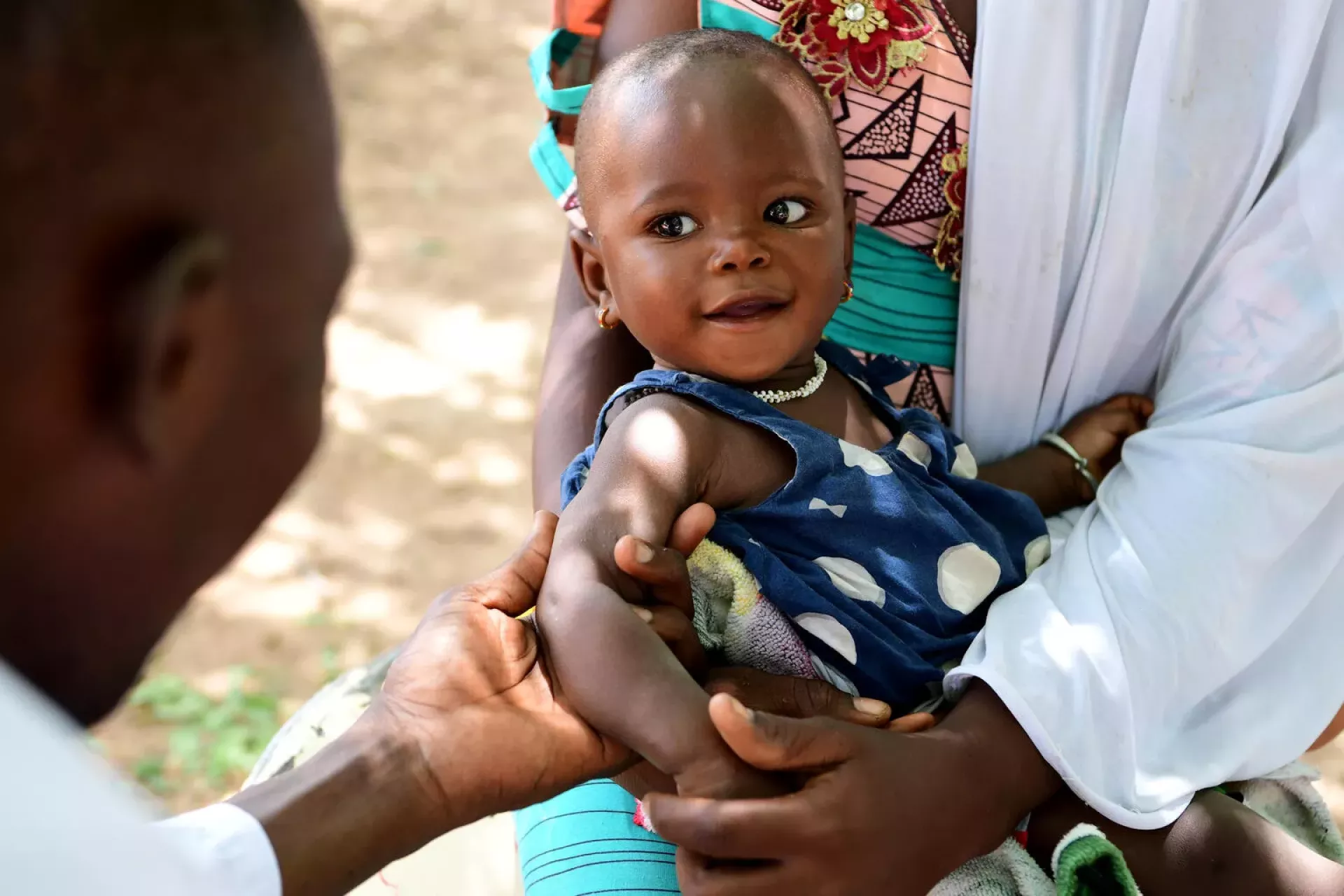
Malaria remains one of the world’s most persistent public health challenges, particularly in tropical and subtropical regions. To gather more information about the disease, I contacted Dr Musa Muhammad Bello, who works with Aminu Kano Teaching Hospital (AKTH) in the Department of Community Medicine. It is a life-threatening disease caused by parasites of the Plasmodium genus, transmitted to humans through the bites of infected female Anopheles mosquitoes.

Despite advances in medicine and public health campaigns, malaria continues to claim hundreds of thousands of lives each year, with children under five and pregnant women among the most vulnerable groups.

Infection with Plasmodium falciparum, P. vivax, P. ovale, or P. malariae primarily causes the disease. The infection begins when an infected mosquito bites a person, releasing parasites into the bloodstream. These parasites travel to the liver, where they mature and multiply before re-entering the bloodstream to infect red blood cells.

Malaria is not spread directly from person to person; instead, it requires the mosquito as a vector. However, it can also be transmitted through blood transfusions, organ transplants, or from an infected mother to her child during pregnancy.

Symptoms of malaria typically appear 7 to 10 days after infection. Early signs include fever, chills, headaches, muscle aches, sweating, body weakness, vomiting, diarrhoea, and a change in taste. In severe cases, the disease can lead to anaemia, respiratory distress, organ failure, and even death if left untreated. Diagnosis is usually confirmed through laboratory methods, such as microscopic examination of blood smears or rapid diagnostic tests, which detect malaria antigens in the blood.

Malam Abdurrahman, a resident of Dorayi Babba, said that the mosquitoes used to bite him not only at night, but he also advises the general public to use nets for prevention.

Prevention is the most effective way to reduce malaria cases and deaths. Sleeping under insecticide-treated mosquito nets can significantly reduce the risk of being bitten at night, while indoor residual spraying kills mosquitoes that rest inside homes.

Eliminating stagnant water, clearing drainage systems, using window and door nets, applying body lotion, and fumigation are all measures that help reduce mosquito breeding grounds. In some high-risk regions, preventive antimalarial medication is recommended for vulnerable groups, including pregnant women, children under 5, and foreigners.

Hajiya Rabi’a, a resident of Tudun Yola, said that the mosquitoes prevent her from sleeping at night due to their bites, even when she is in a net.

Treatment for malaria depends on the type of Plasmodium parasite and the severity of the infection. Artemisinin-based combination therapies are currently the most effective treatments for P. falciparum malaria, which is the most dangerous form. Early and proper treatment is essential to prevent severe illness and to help break the cycle of transmission.

The global impact of malaria remains significant. According to the World Health Organisation, Africa accounts for more than 90% of malaria cases and deaths worldwide. Beyond its toll on health, the disease hampers economic development by reducing productivity, increasing healthcare costs, and deepening poverty in affected communities.

Although malaria is both preventable and treatable, it persists due to environmental factors, limited healthcare access, and poverty in many areas. A continuous global effort is essential, combining prevention methods, effective treatment, public education, and ongoing vaccine research. With dedication and coordinated actions, the world can progress towards eradicating malaria and creating healthier, safer communities.

Bashir Abubakar Umar wrote via baabum2002@gmail.com.

Silent tragedy in Kumbotso: Diphtheria and the cost of delay

By Ibrahim Aisha

In the Chiranci ward of Kumbotso Local Government Area in Kano, the term “sore throat” has taken on a chilling significance. For Iya Yani, a mother of eight, it was the phrase that cost her daughter her life.

“She only said her throat was hurting,” Iya Yani recalled with tears. “Neighbours told me it was nothing, just harmattan. By the time I took her to the hospital, she could no longer breathe. She died before they could help her, and the doctor blamed my ignorance “.

Iya Yani’s heartbreaking loss is part of a broader tragedy unfolding far and wide in the Kumbotso Local Government Area, a tragedy that statistics and government reports can hardly mitigate. 

Diphtheria, a disease preventable by vaccine, continues to claim the lives of children in this community, some due to financial constraints, misleading rumours and even Ignorance.

Diphtheria is a highly contagious, vaccine-preventable disease caused by the exotoxin-producing bacterium Corynebacterium diphtheriae. While the disease can affect individuals of all age groups, Unimmunised children are particularly at risk. There is no World Health Organisation (WHO) region that is completely free of diphtheria globally.

The Facts Behind the Grief

According to the Nigeria Centre for Disease Control’s (CDC) situation report from May 2025, Nigeria recorded 30 confirmed cases and three deaths in the first few months of the year. By July 2025, Premium Times reported that Kano State alone had logged 18,284 confirmed infections and 860 deaths, making it the most affected state in Nigeria. 

According to the World Health Organisation, from 9th May 2022 to 25 October 2023, 15,569 suspected diphtheria cases have been reported across Nigeria, 547 of whom have died. 

As of October 2023, the World Health Organisation disbursed US$1.3 million for the response to enhance key outbreak control measures, including disease surveillance, laboratory testing, contact tracing, case investigation and treatment, training, as well as collaborating with communities to support the response efforts. 

With support from the WHO and the United Nations Children’s Fund, Kano State carried out three phases of reactive routine immunisation campaigns in February, April, and August 2023, using the combination tetanus-diphtheria and pentavalent vaccines.

Almost 75,000 zero-dose children under the age of two received the first dose of the pentavalent vaccine, while around 670,000 eligible children (4‒14 years) were vaccinated with the tetanus-diphtheria vaccine in 18 high-burden local government areas in Kano state.

 Health Reporters revealed in July 2025 that Chiranci of Kumbotso local government is one of the wards with the highest number of “zero-dose” children – those who have never received a single vaccine. In such a setting, diphtheria spreads rapidly, and misinformation intensifies the situation. According to the National Bureau of Statistics, Patients who were not vaccinated had more than double the likelihood of death compared to fully vaccinated individuals.

When rumours mislead and ignorance lies 

Many parents from different areas of Kumbotso Local Government Area admit they delayed immunisation due to prevalent rumours. 

When his seven-year-old brother, Jubrin, was diagnosed with diphtheria in July 2023, Aminu had never heard of the disease, the outbreak of which had claimed more than 500 lives in Nigeria.

Safiya Mohammed, a mother of two, residing in the Kumbotso Local Government Area, a hotspot for diphtheria in Kano State, ensured her children were vaccinated.

“I had never heard of diphtheria,” Safiya said. “I don’t want my children or those in the neighbourhood to fall sick or die from the disease. To protect my children, I also need to make sure the children they play with are protected.”

 Fatima Umar, a resident of Dan Maliki and a nursing mother, confessed, “I heard the injection would make my baby sick, so I waited. Then he fell ill. The hospital told us it was diphtheria. He died before I even understood what that word meant.”

Usman Sani, a husband and resident of Taku Mashi, shared a similar regret: “My wife complained of her throat and her not being able to swallow food properly. I thought it was just a sore throat”.He added that by the time his wife was taken to the hospital, it was already too late.

For Zainab Ibrahim, a mother at Chiranci Primary, the battle against diphtheria has been both long and personal. In early 2025, her daughter, Halima, nearly lost her life to the disease. “She could not breathe,” Zainab recalled. 

My daughter said she finds it difficult to yawn properly, and her throat hurts a lot when she swallows saliva. My neighbours kept saying I should use garlic to make tea for her. I started, but noticed there was no progress, as my daughter could not breathe one night. My husband was away, so I called him in the morning and told him I was going to the hospital. As soon as I arrived at the hospital, she was diagnosed and a file was opened for her. The doctor administered drugs and told us to return after two weeks for an operation.

Zainab further mentioned that her daughter survived. “But the scar on her neck serves as a constant reminder of how close I came to burying her.”

At a local Islamic school at Dorayi Chiranci primary, the head of the school, Malam Andullahi Abubakar Jabbi,informed that many of his students died during the outbreak of diphtheria. It started small, then it became alarming when 3 siblings died within the interval of not less than a week.

” Many students stopped coming, and parents phoned to know what was happening. We had to close down the school for some period of time to avoid the spread of the disease,” said Malam Abdullahi.

Bala Dahiru, a resident of Dorayi Yan Lalle, narrated that it was due to financial constraints that he almost lost his only daughter’s life to diphtheria.

What Kumbotso teaches Nigeria 

Diphtheria is preventable. The World Health Organisation affirms that vaccination offers nearly complete protection against the disease. Yet in many areas of Kumbotso, many mothers continue to rely on neighbours’ advice rather than the guidance of health officials. Health workers, such as Lawan Ibrahim Ahmad, the Primary Health Care Coordinator for Chiranchi Primary Health Care, have repeatedly stated that without a steady supply and consistent funding, “it is impossible to reach every child in every home.”

The tragedy of Kumbotso illustrates that diphtheria is not merely a medical issue; it reflects broken trust, inadequate systems, and misinformation that can kill as swiftly as the bacteria themselves.

A Call to Protect Children

The stories emerging serve as a dire warning. Unless vaccination coverage improves, more families will mourn children lost to a disease that the world already knows how to prevent.

Iya Yani’s daughter should not have died from what she thought was a mere sore throat. Halima should not bear the scar on her neck just to breathe. Fatima should not have lost her son to a disease that belongs in the past.

This grief mirrors our collective failure. Until we take action, every cough in this community will reverberate with fear: Could this be the next case of diphtheria?

Avoid scrolling your phone on toilet, experts warn

By Muhammad Abubakar

Health experts are warning against the growing habit of spending long periods on the toilet while scrolling through smartphones, according to a recent report by The Washington Post.

Doctors caution that sitting too long on the toilet can put unnecessary pressure on the rectal veins, increasing the risk of hemorrhoids and other related problems. What often begins as a quick bathroom break can stretch into 15 minutes or more when people get absorbed in social media, emails, or online news.

“The toilet is not a lounge chair,” one colorectal specialist noted. “It’s meant for short use, not for catching up on your notifications.”

Instead, experts advise leaving your phone outside the bathroom and limiting screen time during restroom visits. By doing so, they say, people can not only reduce health risks but also foster healthier digital habits.

Why firewood remains in Nigerian kitchens 

By Khadija Hamisu Daninna 

Across Nigeria, kitchens are changing. Gas cylinders stand neatly in urban homes, while charcoal bags fill market stalls. Yet, despite these alternatives, firewood still burns in countless households. Its smoky flames carry taste, memory, and tradition that neither gas nor charcoal can fully replace. For some families, it is also the more affordable choice.

Zainab, a 31-year-old resident of Daura, has never known another way of cooking. “I have never cooked with gas before. All my life, I have been using firewood. I don’t even know how food tastes on gas, but I prefer my firewood. Maybe it is because I grew up with it. I use charcoal sometimes, but firewood is easier for me. Firewood is what I know.”

For Mariam, a 39-year-old housewife, firewood is tied to her husband’s nostalgia. “My husband always says the fried eggs his mother made tasted better on firewood. So I fry eggs on firewood, just to remind him of his childhood.”

Hajara, a 26-year-old food vendor, said firewood gives food a flavour no other fuel can provide. “When I cook jollof rice for parties, I always use firewood. It brings out a special flavour. Gas and charcoal cannot give you that same smoky taste. My customers expect it.”

But even warnings from doctors cannot keep some people away. Amina, a 37-year-old married woman, recalled: “There was a time I was sick, and the doctor told me to avoid smoky areas because of my eyes. But how can I stop? Firewood is what I grew up with. It is not just about cooking. It is about sitting together as a family, sharing stories, and working around the fire. That memory cannot be replaced.”

Cost is another factor. Mallam Usman, a 42-year-old man, explained: “I use both charcoal and firewood. The least charcoal I can buy is ₦200, while firewood is more expensive, up to ₦500. But I prefer firewood. My wife is already used to it. Sometimes I buy charcoal to ease the work, but mostly we use firewood because that is what we have always been using.”

Abdulmumin, a firewood seller in Rumfar Shehu who is over 40, said many people still depend on his trade. “People still come to buy firewood every day. Even though the price is high, food vendors, households, and event caterers still buy it. Firewood is something people cannot abandon. We have been using it since the time of our grandparents, and it still holds memories.”

But experts warn that firewood comes at a cost. According to a 2024 report from the National Bureau of Statistics published in Punch newspaper, 67.8 per cent of Nigerian households still cook with firewood. In Bauchi State, the figure is as high as 91 per cent. Doctors interviewed by Punch Healthwise have cautioned that prolonged exposure to smoke can lead to lung disease, eye problems, and respiratory infections. They noted that women and children, who spend long hours near smoky kitchens, are especially at risk. One pulmonologist, Dr. Abiona Odeyemi of Osun State University Teaching Hospital, explained that smoke from firewood damages the lungs over time, leading to serious health conditions.

Experts have also raised concerns about the environmental impact. Firewood use contributes to deforestation, worsens climate change, and adds to indoor air pollution.

Still, the flames continue to glow. For some, firewood carries memory and tradition. For others, it remains the more affordable choice. And for many, it is simply the way they were raised. Gas may be quicker and charcoal less smoky, but in countless Nigerian homes, firewood still burns, not just as fuel, but as a link between the past and the present.

Khadija Hamisu Daninna wrote via khadijahamisu2003@gmail.com.

AKTH, Saudi partners offer free open-heart surgeries in Kano

By Uzair Adam 

The Aminu Kano Teaching Hospital (AKTH), in collaboration with the King Salman Humanitarian Aid and Relief Centre and the Al-Balsam Association from Saudi Arabia, has successfully conducted free open-heart surgeries for patients in Kano.

Speaking to journalists about the development, the Head of the Cardiothoracic Surgery Unit at AKTH and team lead for the local medical team, Dr. Jamil Ismail Ahmad, said the initiative has brought relief to many patients who cannot afford treatment abroad.

“Normally, open-heart surgery costs between eight to ten million naira in Nigeria. But here, patients are getting it almost free of charge. 

“Outside the country, it would cost between 25 to 30 million naira, including logistics. This partnership is therefore very important,” Dr. Ahmad explained.

He noted that patients with heart diseases who require surgery but have no high-risk complications are usually considered for the program, stressing that safety remains a top priority.

“Some patients are excluded because their cases were neglected for too long, and operating on them would be too risky. Our key watchword is safety — we want to ensure that after surgery, patients are in much better condition than before,” he said.

Dr. Ahmad commended the partnership with the King Salman Humanitarian Aid and Relief Centre, describing it as highly supportive in both service delivery and local capacity building.

“Such collaborations are important globally, not only for providing services but also for building local capacity. The visiting team shares its expertise, which enhances our training and helps us sustain these services,” he added.

On patient outcomes, he revealed that survival rates in previous missions with the same team ranged between 80 and 90 per cent, and similar results are expected this time.

Dr. Ahmad also called on the government, philanthropists, and the private sector to support such initiatives, noting that investment in infrastructure, human resource training, and collaboration would strengthen healthcare delivery.

On his part, Dr. Abdullah, the team leader of the King Salman Humanitarian Aid and Relief Centre, emphasised the challenges of delivering such care in underserved regions like Nigeria, Sudan, and Yemen.

“Patients often present late because they were neglected for years. Some should have undergone surgery 10 or 20 years ago before developing complications that now make operations riskier. 

The best approach is continuous local services and proper screening. This saves lives and is more cost-effective than patients spending millions abroad in Europe, India, or North Africa,” he said.

He disclosed that so far, five patients had undergone surgery in Kano, with plans for six more cases in the following days. 

Dr. Abdullah praised the dedication of AKTH staff, including doctors, nurses, technicians, blood bank staff, and even cleaners, saying their support was crucial to the success of the program.

One of the beneficiaries’ relatives, Fatima Muhammad, expressed gratitude, saying her family could not have afforded the surgery if they had been asked to pay.