Health Care

Emir of Dass launches All-Babies Livelihood Grant to boost immunisation in Bauchi State

By Hadiza Abdulkadir

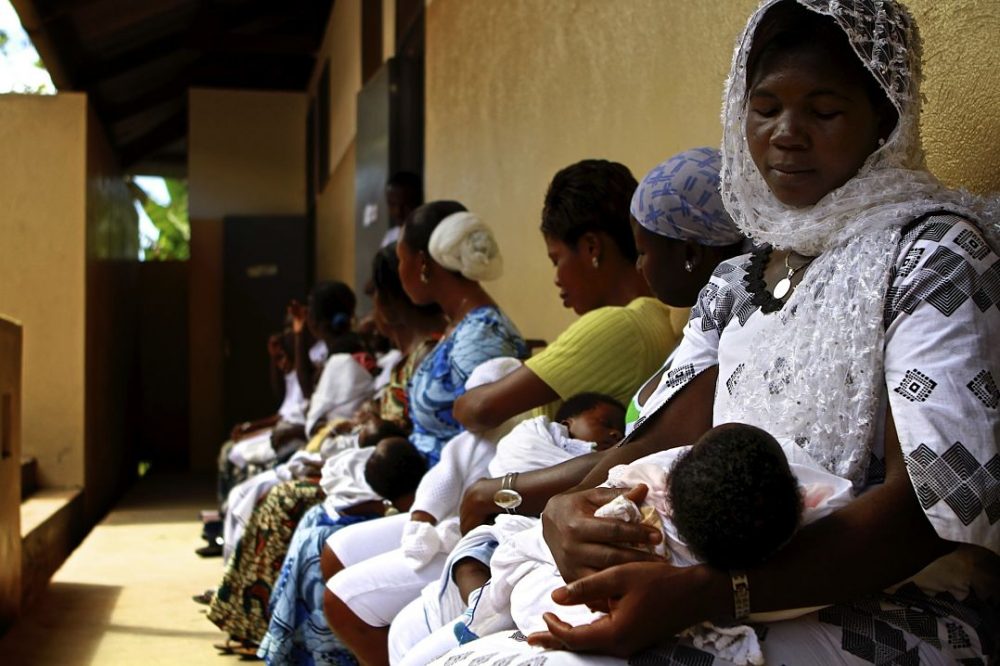
His Royal Highness, the Emir of Dass, Alhaji Usman Bilyaminu Othman, alongside New Incentives All Babies Are Equal (NI-ABAE), has launched the All-Babies Livelihood Grant program to enhance routine immunisation rates. The initiative provides ₦5,000 to caregivers who complete their child’s vaccination schedule.

The launch, held at the town’s Primary Health Care Center (PHCC) in Dass, was organised by the Bauchi State Primary Health Care Development Board (BSPHCDB). Esteemed guests included local government officials, WHO representatives, and community leaders.

Umar Faruq Abubakar, Head of Administration of Dass LGA, hailed the program as a crucial advancement in healthcare. Dan Asabe Abdullahi, State Director of Public Health, emphasized its importance amid economic challenges. He noted, “If sustained, this program will help reduce childhood deaths from preventable diseases.”

Under the initiative, caregivers will receive ₦1,000 for each of the six immunisation visits, totaling ₦6,000, plus an additional ₦5,000 upon schedule completion, amounting to ₦11,000, the NI-ABAE Stakeholder Relations Director, Nura Muhammad, highlighted the program’s potential benefits.

The Emir called the grant a timely intervention, addressing transportation barriers that hinder healthcare access. He urged caregivers to prioritise completing immunisation schedules and assured traditional leaders’ support in promoting community health.

In his closing remarks, the Emir expressed gratitude to NI-ABAE and partners for their commitment to improving immunisation efforts in Bauchi State.

Japa: Nigerian hospitals face collapse as health workers exit in droves – CMDs

By Uzair Adam  

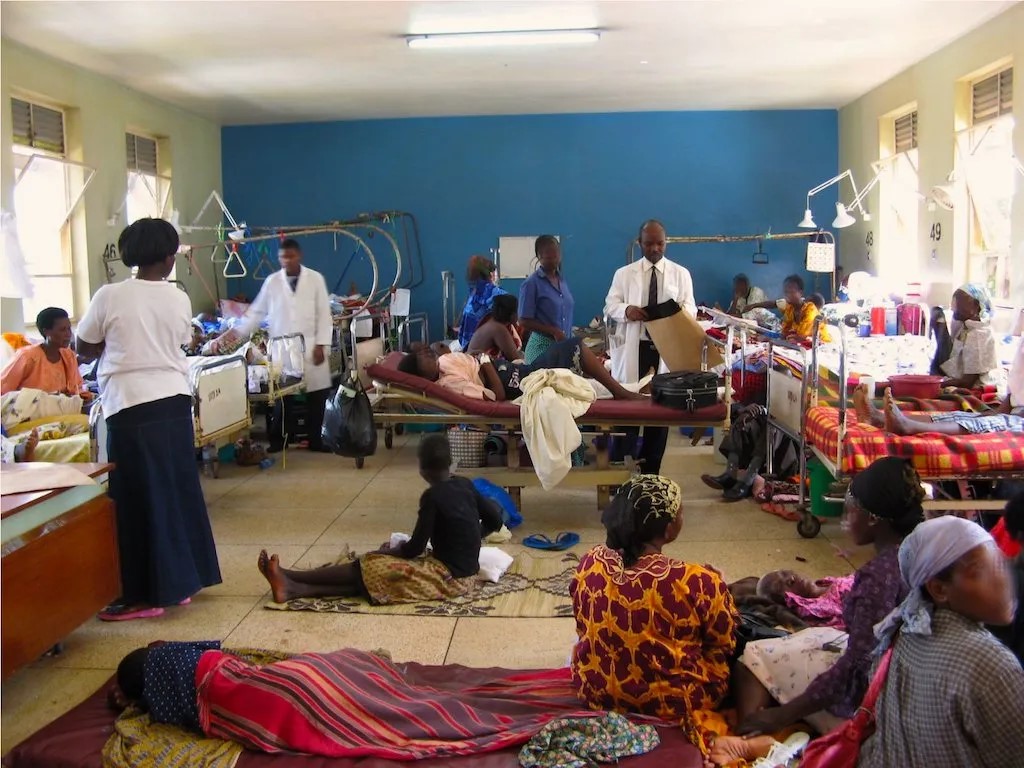
The Chief Medical Directors (CMDs) of University Teaching Hospitals and Federal Medical Centres have expressed concerns about a looming staff crisis. Doctors, nurses, and other healthcare professionals are leaving Nigeria in large numbers due to poor salaries and working conditions.  

During the 2025 budget defence session before the House of Representatives Committee on Health Institutions, the CMDs noted that despite significant federal government investments in health infrastructure, the mass exodus of healthcare workers weakens the country’s healthcare delivery system.  

The Chief Medical Director of Lagos University Teaching Hospital (LUTH), Professor Wasiu Adeyemo, described the trend as alarming, warning that if immediate steps are not taken, the nation’s hospitals could soon be empty.  

“Resignations occur almost daily,” Adeyemo stated. “In one or two years, our hospitals may become empty. The main reason people leave is economic. Consultants are earning less than $1,000 monthly. 

“Without addressing remuneration, all government investments in infrastructure will be wasted,” he added.

He reported that LUTH’s 2024 budget included N19.2 billion, with N13.57 billion allocated for personnel and just N33.2 million for overhead costs. 

While personnel performance reached 91 per cent by December, only 45 per cent of the capital project budget had been utilized.  

For 2025, LUTH proposes a budget of N32.7 billion, with N20.3 billion allocated for personnel. 

Adeyemo emphasized the need for improved funding to prevent further resignations and ensure the hospital’s functionality.  

Similarly, the Chief Medical Director of University College Hospital (UCH), Ibadan, Professor Jesse Abiodun, decried delays in releasing budgeted funds. 

He revealed that UCH had a capital appropriation of N5.59 billion in 2024, but only 38 per cent of the funds were released.  

“We still have 72 per cent of the funds outstanding,” Abiodun said. “We could only utilize the 38 per cent because we had prepared a cash plan in advance.”  

UCH has proposed a capital budget of N4.39 billion and an overhead budget of N690 million for 2025, which Abiodun said is insufficient, especially given rising utility costs such as electricity.  

The House Committee on Health Institutions Chairman, Hon. Patrick Umoh, urged the CMDs to provide comprehensive presentations detailing their budgetary needs and challenges. 

He noted that the committee would continue reviewing submissions to address the critical issues facing Nigeria’s tertiary health institutions.  

The CMDs reiterated the urgent need for government intervention, stressing that improving remuneration and timely funding release is crucial to averting a healthcare crisis.

Governor Yusuf’s silent revolution in healthcare sector

By Hussaini Ibrahim Sulaiman

In the bustling city-state of Kano, a silent revolution is taking place – one that may not capture the headlines every day, but which is certainly transforming the lives of countless residents.

At the heart of this change is the state governor, Alhaji Abba Kabir Yusuf, whose tireless focus on the health and welfare of Kano’s most vulnerable population has started to yield tangible, life-saving results.

When Governor Yusuf assumed office in May 2023, one of the first areas he addressed was the health sector, which had been severely neglected in the previous administration. Topmost among his priorities was the reinstatement of routine immunization services that had been abandoned for 18 months under the previous leadership.

This was not just a bureaucratic fix, but a critical step towards safeguarding the lives of newborns, pregnant women and other vulnerable groups who had been left exposed to preventable diseases.

The restoration of immunization services was, therefore, an immediate response to a looming crisis and a clear signal of the governor’s commitment to maternal and child health.

In addition to reviving routine healthcare services, Governor Yusuf also recognized the need for more infrastructure to support the state’s health system.

For instance, during the re-commissioning of the 86-bed Hasiya Bayero Paediatric Hospital, he declared free maternal healthcare services across the state.

The Hasiya Bayero Hospital, named after the mother of the late Emir of Kano, had been allegedly sold under the previous administration, despite consistent denials from the former government. Governor Yusuf lamented the hardship caused by the hospital’s closure, noting that it had forced Kano residents to seek paediatric care elsewhere at unaffordable costs.

Moreover, Governor Yusuf made it clear that his administration was committed to restoring the hospital’s services. “Our administration is dedicated to providing all the necessary support for a quality healthcare system in the state, including free maternal healthcare services,” he declared while commissioning the hospital.

Additionally, he emphasized that the hospital would offer nutritional services, immunization, research and training, and two-way referral services.

This commitment forms part of his broader plan to reduce high neonatal and infant morbidity and mortality rates, an issue that has plagued the state for years.

Furthermore, he underscored the importance of redeploying skilled medical personnel to run the hospital efficiently, reinforcing his government’s focus on health worker dedication and professional ethics.

In terms of healthcare infrastructure, Governor Yusuf’s focus is not limited to hospitals alone. As part of his digitalization agenda, he recently distributed 484 computers to the Apex Primary Healthcare Centres across all 44 local government areas.

This move is part of a larger initiative to ensure the efficient operation of healthcare facilities through technological upgrades, as well as a commitment to renovating several major hospitals, including Sir Muhammadu Sanusi, Hasiya Bayero, and Murtala Muhammad Specialist Hospital. Additionally, solar facilities were provided to key offices to ensure uninterrupted services.

This comprehensive upgrade of the healthcare infrastructure aims to ensure that every resident, regardless of their socio-economic status, has access to affordable and quality healthcare.

As a result, Governor Yusuf’s administration has allocated substantial funds in the 2025 budget to continue this renovation work, targeting hundreds of secondary and primary healthcare facilities across the state.

Furthermore, Governor Yusuf’s health-focused vision also tackles another major issue facing Kano State: malnutrition. As part of his efforts to improve maternal and child health, the Governor committed N500 million in counterpart funding to UNICEF for nutrition initiatives. Furthermore, during the flag-off of the second Maternal, Newborn and Child Health (MNCH) Week, he announced an additional N170 million to renovate and upgrade malnutrition treatment and referral centres.

These funds, alongside other initiatives such as the provision of essential healthcare services during MNCH Week, are part of the Governor’s broader strategy to combat child killer diseases and improve access to life-saving healthcare services.

In addition, Governor Yusuf’s commitment to improving the health of Kano’s children is also reflected in his efforts to reduce maternal and child mortality, foster sustainable development, and ensure equitable access to healthcare for all residents.

This continued investment in the health sector highlights the state government’s dedication to addressing critical health challenges and enhancing the quality of life for its citizens.

Beyond infrastructure and immediate healthcare services, Governor Yusuf’s administration has launched the Abba Care Initiative, a free health insurance program aimed at over 300,000 vulnerable residents, including pregnant women, the elderly, and people living with sickle cell anaemia.

This bold program is a key component of his effort to achieve universal healthcare coverage and make quality health services available to all citizens, regardless of their socio-economic status. In this regard, the Abba Care Initiative, backed by the Kano State Contributory Health Management Agency, represents a transformative step towards creating a more equitable and accessible healthcare system for the people of Kano.

Governor Abba Kabir Yusuf’s quiet yet powerful leadership is remaking the health landscape of Kano.

His administration’s unwavering commitment to improving healthcare access for the state’s most vulnerable populations underscores a deep understanding of what it means to govern with compassion, vision and urgency.

Notably, the Governor’s efforts in addressing health issues such as immunization, sickle cell anaemia, malnutrition, and maternal and child health not only respond to immediate challenges but also lay the foundation for a healthier and more prosperous future for all residents of Kano State. His legacy of service to the people, with a focus on healthcare, will undoubtedly leave a lasting impact for generations to come.

Governor Yusuf’s work represents more than just reforms – it marks a true revolution in the healthcare sector that will resonate across the state, benefiting not just the current generation, but future generations as well. Ultimately, his leadership offers a model of governance that prioritizes the well-being of the people and is poised to transform Kano into a healthier, more equitable society.

#AbbaIsWorking

Ibrahim is with the Triumph and can be reached at Hussainiibrahim470@gmail.com

Why men’s health awareness matters

By Lawal Dahiru Mamman,

On November 6, 2024, the World Health Organisation (WHO) used its public WhatsApp channel to broadcast an important message: “November, or Movember, is Men’s Health Month.”

This month and in the future, men are invited to grow moustaches to promote awareness and initiate discussions about health topics such as prostate cancer, testicular cancer, and mental health. Let’s move from discussion to action!

The message continued, “Women have a role to play, too! Encourage and support the men in your life to take the steps needed to improve their health.” It then provided a web link for more details.

Inspired by this call to action, there was a strong urge to investigate and bring to light diseases peculiar to men. However, a quieter voice suggested pausing to observe the media landscape and assess the awareness campaigns and engagement level.

As November progressed, it became apparent that despite the importance of men’s health, the subject was overshadowed by other significant events, such as World Diabetes Day (November 14), Cervical Cancer Elimination Day (November 17), World Toilet Day (November 19), and Anti-Microbial Resistance Awareness Week (November 18–24).

Men’s Health Awareness Month aims to encourage men to talk about their health and seek support when needed. It focuses on issues like prostate cancer, testicular cancer, mental health challenges, and suicide prevention.

Bringing the conversation closer to home, men are disproportionately affected by heart disease, cancer, and mental health issues, yet many adopt a “stiff upper lip” mentality, often choosing to endure symptoms rather than seek help. 

This reluctance is alarming. Globally, men die an average of 4.5 years earlier than women, with 86% of these deaths attributed to non-communicable diseases and injuries, according to a 2019 WHO study.

Prostate cancer remains a significant health concern worldwide, with over 1.4 million cases diagnosed in 2020 and an age-standardized incidence rate (ASIR) of 30.7 per 100,000 males. In Nigeria, it is the most common cancer among men, accounting for 11–15.1% of all male cancers. 

Between 2009 and 2016, data from 15 cancer registries in Nigeria recorded 4,091 cases, with 80% deemed incurable at diagnosis. This underscores the lack of investment in men’s healthcare.

Mental health is another area plagued by harmful stereotypes and societal expectations. An estimated 40 to 60 million Nigerians suffer from various mental health disorders. The country ranks fifth globally in suicide rates, with about 15,000 cases per 100,000 people. 

For men, societal pressures to fulfil financial and family responsibilities exacerbate their mental health struggles. Failure to meet these expectations often earns them harsh labels like “irresponsible,” further driving depression.

On the cardiovascular front, heart diseases, high blood pressure, and strokes remain the leading causes of death among men. Occupational hazards also contribute significantly to premature deaths, while lifestyle choices such as smoking, poor diets, alcohol consumption, and exposure to interpersonal violence increase health risks.

Risk-taking behaviours and the underutilisation of healthcare services compound men’s health issues, which are consistent across many countries. These trends highlight the importance of leveraging platforms like Men’s Health Month to challenge societal norms and encourage proactive health management.

David Samadi, a world-renowned urologist and prostate cancer expert, aptly observed that “Men’s health is not just about physical health, but also about mental and emotional wellbeing.” His words emphasise that men’s health has far-reaching consequences, affecting individuals, their families, and communities.

Although this year’s Men’s Health Awareness Month has ended, the mission does not stop here. Instead, it should mark the beginning of sustained efforts to keep the conversation alive, promote healthy living, and drive awareness year-round.

This is an urgent appeal to individuals, organisations, and policymakers to prioritise men’s health issues and foster environments that encourage men to seek help without fear of stigma or judgment. Together, we can ensure that men’s health receives the attention it deserves.

Lawal Dahiru Mamman writes from Abuja and can be reached at dahirulawal90@gmail.com.

ATBUTH e-Health: Revolutionizing healthcare delivery

By Usman Abdullahi Koli 

The Nigerian healthcare system has long faced challenges that make accessing quality care difficult, especially for the average citizen. Many patients have endured unnecessary struggles during critical moments, from long queues at registration units to delays in retrieving medical records. Tragically, these inefficiencies have, in some cases, led to preventable losses—not just because of late arrivals at hospitals but also due to prolonged registration and file retrieval processes.

Abubakar Tafawa Balewa University Teaching Hospital (ATBUTH) Bauchi has boldly changed this narrative. Staying true to its vision and mission, the hospital has introduced an innovative e-health system to alleviate these issues. This transformation goes beyond addressing immediate challenges—it sets ATBUTH on a path to becoming a leader in modern, patient-focused healthcare in Nigeria.

ATBUTH has been a symbol of hope for years, offering quality healthcare to countless patients while continuously striving to improve its services. Recognizing the growing needs of modern healthcare, the hospital has embraced advanced digital solutions to revolutionize how it delivers care.

Adopting an Electronic Medical Records (EMR) system, seamlessly integrated with the eCMDS platform, reflects ATBUTH’s commitment to progress and patient well-being. This transformative step simplifies operations, improves administrative processes, and creates a more compassionate, patient-centred experience for everyone who walks through its doors.

The introduction of e-health at ATBUTH also aligns with a Federal Government policy to digitize public services. This initiative aligns with global trends, ensuring healthcare services are faster, safer, and easier to access. Digitizing patient records, registration, billing, and laboratory results drastically reduces waiting times and makes every interaction smoother.

The EMR system protects patient data from being lost or tampered with, while automated processes close gaps that could lead to fraud or revenue loss. Furthermore, the centralized database enables researchers to access accurate, real-time information, fostering medical advancements. This leap into digitization firmly establishes ATBUTH as a forward-thinking institution ready to stand shoulder-to-shoulder with leading hospitals in Nigeria and beyond.

Although the implementation of the e-health system has been highly successful, challenges still exist. One of the most pressing issues is network reliability, which can sometimes be unpredictable. However, the hospital’s management is actively working to resolve these issues permanently to ensure uninterrupted services. Unfortunately, specific individuals have also attempted to undermine this initiative by spreading misinformation and discouraging public trust. Such actions disrupt progress and risk undoing the remarkable strides ATBUTH has made in improving healthcare delivery.

Everyone must understand that progress is a journey that moves forward, not backwards. For ATBUTH to maintain its momentum as a leader in healthcare innovation, it needs the collective support of patients, staff, and the public. Adopting the e-health system is not just about modernizing healthcare—it’s about making services more accessible, efficient, and humane.

Despite being a relatively young institution, ATBUTH has achieved remarkable feats rivalling even the country’s most established hospitals. This e-health initiative is a testament to the hospital’s determination to excel and better serve its community.

ATBUTH’s e-health system is more than just a technological upgrade—it is a lifeline for thousands of patients who rely on the hospital for their care. As this digital transformation continues to evolve, the public must embrace and support it wholeheartedly. Together, we can ensure ATBUTH remains a trusted name in healthcare and a symbol of progress in Nigeria’s health sector.

Usman Abdullahi Koli writes from Bauchi.

Talking about access to quality healthcare for some Nigerians


By Usman Muhammad Salihu

Access to quality healthcare remains a pressing issue in Nigeria, particularly for the millions living in rural areas. Despite various initiatives to improve healthcare delivery, rural communities continue to face significant barriers, resulting in poor health outcomes and deepening inequalities in the healthcare system. 

These challenges underscore the urgent need for targeted interventions to bridge the gap between urban and rural healthcare access. One of the most significant challenges rural communities face is geographical isolation. Many villages and settlements are far from urban centres where most healthcare facilities are concentrated. 

The distance to the nearest hospital or clinic can sometimes span hundreds of kilometres, making timely access to care nearly impossible for many rural residents. This problem is exacerbated during medical emergencies, where every second counts, yet patients must endure long and arduous journeys before reaching medical help.

A chronic lack of healthcare infrastructure plagues Nigeria’s rural areas. Many villages do not have hospitals or clinics; even where facilities exist, they are often under-resourced. Shortages of essential medical supplies, equipment, and trained personnel are common, making providing even basic healthcare services difficult. 

According to a report by the World Health Organization (WHO), Nigeria needs to increase the number of healthcare workers and facilities to meet the growing demands of its population, particularly in underserved rural areas. Poor transportation systems further compound the challenges of accessing healthcare in rural Nigeria. 

The lack of reliable road networks, especially during the rainy season, leaves many rural areas cut off from healthcare services. Sometimes, patients must travel on foot or rely on motorcycles, which may not be suitable for critically ill individuals. 

The absence of affordable public transport options also limits the ability of rural residents to seek medical care, particularly for routine check-ups or preventive healthcare. Financial hardship is another significant barrier. Many rural residents are subsistence farmers or engage in informal sector jobs with little to no stable income. 

As a result, they often cannot afford healthcare services, especially when these are not subsidised. Even when free services are available, hidden costs such as transportation, medication, and unofficial fees can deter people from seeking care.

Cultural beliefs and language differences present additional hurdles for rural communities. In some areas, traditional medicine is preferred over modern healthcare, leading to delays in seeking professional medical attention. Furthermore, healthcare providers unfamiliar with local languages and cultural practices may struggle to communicate effectively with patients, resulting in misunderstandings and mistrust.

The challenges of accessing healthcare in rural areas have far-reaching consequences. One of the most alarming is poor health outcomes, including higher rates of maternal and infant mortality. According to UNICEF, Nigeria accounts for a significant proportion of global maternal deaths, with rural women disproportionately affected due to a lack of access to skilled birth attendants and emergency obstetric care.

Delayed treatment is another critical issue. The inability to access healthcare promptly often leads to the progression of diseases to more severe stages, reducing the chances of successful treatment. For example, conditions like hypertension or diabetes, which can be managed with early intervention, often go undiagnosed and untreated in rural areas, leading to life-threatening complications.

Additionally, the economic burden of healthcare is devastating for rural households. The cost of treatment can deplete a family’s savings, forcing them to sell assets or take on debt. This cycle of poverty further entrenches the disparities between urban and rural populations.

Addressing these challenges requires a multi-pronged approach. Governments and stakeholders must prioritise investment in rural healthcare infrastructure. Building and equipping clinics and hospitals in underserved areas is critical to reducing the geographical barriers rural communities face. Additionally, mobile clinics and telemedicine programs can bring healthcare services closer to people who live in remote locations.

Community-based healthcare programs are another effective solution. Training and deploying community health workers to provide essential services such as immunisations, maternal care, and health education can significantly improve health outcomes. These workers can serve as rural residents’ first point of contact, offering accessible and culturally appropriate care.

Financial support for rural residents is equally important. Subsidising healthcare costs through insurance schemes or direct financial aid can ensure that rural populations can afford essential services without economic hardship. The government’s National Health Insurance Scheme (NHIS) should be expanded and tailored to adequately cover rural residents.

Finally, addressing cultural and language barriers is essential for fostering trust between healthcare providers and rural communities. Training healthcare workers in cultural sensitivity and local languages can improve communication and encourage more people to seek care. Public health campaigns should also engage community leaders and use culturally relevant messaging to promote modern healthcare practices.

To conclude, the healthcare challenges in rural Nigeria are deeply rooted in geographical, infrastructural, financial, and cultural issues. However, these challenges are not insurmountable. 

Nigeria can take significant steps toward achieving equitable healthcare access for all its citizens by investing in rural healthcare infrastructure, implementing community-based programs, providing financial support, and addressing cultural barriers. Ensuring that no one is left behind in the quest for quality healthcare is a moral imperative and a necessary foundation for the nation’s development and prosperity.

Usman Muhammad Salihu was among the pioneer cohorts of the PRNigeria Young Communication Fellowship and wrote in from Jos via muhammadu5363@gmail.com.

Meningitis crisis in Nigeria: 361 fatalities in a single year

By Anas Abbas

The Nigeria Centre for Disease Control and Prevention (NCDC) revealed that between 2023 and 2024, Cerebrospinal Meningitis (CSM) claimed the lives of 361 individuals across 24 states, including the Federal Capital Territory (FCT)Abuja. 

During an update on the ongoing Lassa fever and meningitis outbreaks, Dr Jide Idris, the Director General of NCDC, highlighted that these fatalities were recorded in 174 Local Government Areas (LGAs) nationwide. Additionally, the country has seen 4,915 suspected cases and 380 confirmed cases of CSM during the same period.

Cerebrospinal Meningitis is characterised by acute inflammation of the protective membranes surrounding the brain and spinal cord. 

This inflammation can result from various infectious agents, including bacteria, viruses, parasites, and fungi, as well as from injuries or certain medications.

Dr. Idris emphasised that CSM is an epidemic-prone disease with year-round cases reported in Nigeria. He noted that environmental factors, particularly during the dry season marked by dust storms, cold nights, and increased respiratory infections, heighten the risk of infection, especially in overcrowded and poorly ventilated settings.

The “Meningitis Belt,” which encompasses all 19 northern states, the FCT, and parts of southern states such as Bayelsa, Cross River, Delta, Ekiti, Ogun, Ondo, and Osun, bears the highest burden of CSM in Nigeria.

In response to this public health challenge, over 2.28 million Men5CV-ACWYX meningitis vaccines have been administered in Bauchi, Gombe, and Jigawa across 134 wards in 13 LGAs.

The vaccination campaign primarily targets individuals aged 1 to 29, representing approximately 70% of the population.

Dr. Idris concluded that despite recent advancements in surveillance, diagnostic capabilities, and vaccination efforts, CSM remains a critical public health concern in Nigeria. Due to its recurrent outbreaks in high-burden states, the disease continues to pose challenges for individuals, health systems, economies, and communities.

Facts about women and depression

By Jerry Ayuba Yavo

Depression is not just a regular aspect of human experience but a serious medical condition. According to the National Institute for Mental Health, depression is a common yet serious mood disorder. It causes severe symptoms that impact how a person feels, thinks, and handles daily activities, such as sleeping, eating, or working. 

Some symptoms include persistent sadness, feelings of hopelessness or pessimism, irritability, frustration, restlessness, and, in severe cases, thoughts of death, suicidal ideation, or suicide attempts.

In 2023, the World Health Organization (WHO) reported that an estimated 3.8% of the global population experiences depression, with 5% of adults affected (4% among men and 6% among women) and 5.7% of adults over the age of 60. 

Approximately 280 million people worldwide suffer from depression, and alarmingly, depression is about 50% more common in women than in men. This disparity is primarily attributed to biological factors, including hormonal fluctuations, genetic predisposition, and other factors.

Despite its prevalence, many people with depression may be unaware of their condition. A woman in Nigeria shared her experience with a reporter, revealing how she had struggled with mood swings since childhood. Her parents believed she was facing spiritual attacks, isolating her from her siblings, who were considered “normal.” 

As she grew older, she turned to drugs and alcohol to cope, eventually becoming addicted. It wasn’t until much later that she realised she had been suffering from depression since childhood. After marriage, she also experienced post-natal depression, which worsened her case.

In recent years, treatments such as medication and psychotherapy have proven effective for most people with depression. However, over 75% of individuals in low- and middle-income countries receive no treatment due to several barriers, including limited investment in mental health care, a lack of trained healthcare providers, and the social stigma surrounding mental illness.

Both men and women must assess their mental well-being and seek professional help if they experience symptoms of depression. Addressing mental health openly and without stigma is essential for a healthier society.

Jerry Ayuba Yavo wrote from the Department of Mass Communication, Bayero University, Kano, via jerryjnr419@gmail.com.

Addressing mental health issues in Nigeria

By Aminat Adebesin Adebisi 

Nigeria, known for its vibrant culture and resilient people, is grappling with a pressing concern: mental health issues. Conditions such as depression, anxiety, and substance abuse affect millions, particularly the youth. Despite alarming statistics, the topic remains shrouded in stigma and silence.

Personal Experience

I have witnessed firsthand the devastating impact of mental health stigma. A close friend struggled with depression for months, hiding her pain behind a mask of smiles. For her, seeking help felt like a sign of weakness, and she wasn’t ready to open up. As I watched the twinkle in her eye fade, I wondered how I could have helped her escape the darkness.

Alarming Statistics

According to a 2019 report by the World Health Organization (WHO), depression is the leading cause of disability in Nigeria, with 1 in 5 Nigerians suffering from mental health disorders. The National Mental Health Survey (2018) reveals that 22% of Nigerians experience depression, while 30% struggle with anxiety.

Barriers to Seeking Help

Limited awareness, stigma, and entrenched cultural beliefs hinder individuals from seeking help. In Nigeria, voicing mental health concerns can lead to gossip, judgment, or even rejection. This silence forces many to suffer in isolation.

Breaking the Silence

To combat the rising rates of depression, we must take the following steps:

  • Establish Support Groups: Create social support networks with trusted, informed individuals to encourage open conversations.
  • Raise Awareness: Leverage organisations like the Nigerian Mental Health Association, the Federal Ministry of Health, and media outlets to promote understanding of mental health issues.
  • Integrate Education: Incorporate mental health education into school curricula to empower students and reduce stigma from a young age.
  • Engage Community Leaders: Collaborate with community leaders and influencers to promote discussions around mental health.
  • Improve Accessibility: Develop affordable and accessible mental health services to ensure that help is within reach for everyone.

Together, we can create a Nigeria where mental health discussions are embraced with empathy rather than met with stigma. By breaking the silence, we can offer support and hope to those affected, fostering a healthier, more understanding society.

Aminat Adebesin wrote via adebesinaminat2018@gmail.com.

Reasons to avoid searching for your health symptoms on Google

By Mutalib Jibril

Have you ever felt a sudden twinge in your back, experienced a sharp pain in your chest, or noticed unusual fatigue? Did you rush to your favorite search engine to discover what might be wrong? You could be a patient of Dr. Google. Even with the best intentions, your search can quickly become a tangled mess of confusion.

Technology has made nearly everything easier and more convenient, giving us access to a wealth of information at our fingertips. This convenience extends to the health sector as well. 

A research review suggested that 90% of people in the United States have searched the internet for health information. It also revealed that 1 in 3 adults have gone online to try to diagnose a medical condition.

Googling your symptoms makes you believe you have a serious or even deadly health condition. When this happens, it’s known as cyberchondria. This term is used for an individual who develops extreme, unwarranted anxiety by using the internet to search for medical information.

For instance, you are experiencing a persistent cough. Almost instinctively, you grab your phone and search “persistent cough is a symptom of ….” In an instant, you are bombarded with a range of potential causes, such as allergies, asthma, tuberculosis, pneumonia, whooping cough, and chronic obstructive pulmonary disease (COPD). Now, you are not only coughing but also feeling overwhelmed and anxious. 

Turning to Google to diagnose what is wrong with you can lead to fear and anxiety because Google will not provide specific information about your health.

Online resources can be beneficial but are often confusing, alarming, and filled with inaccurate information. Google has no knowledge of your medical history, current medications, or other personal details crucial for an accurate diagnosis. One of the biggest risks of self-online diagnosis is that it may deter you from seeking the professional help you need.

When your car breaks down, you don’t just Google the problem to find out why it happened. Searching online may provide numerous reasons, but it won’t pinpoint the exact issue. Instead, you consult a mechanic with the expertise to identify and fix the issue. 

Similarly, seeing a medical doctor is more effective when you are experiencing health problems rather than relying on search engines.

When your smartphone starts acting up, you wouldn’t just rely on online searches to troubleshoot the issue. Instead, youwill visit a tech specialist who can fix the problem. Why, then, are you Googling your health problems? These two examples illustrate why seeking expertise is always the best approach.

Medical doctors undergo years of training that fully equip them with the precision to diagnose and treat a wide range of medical conditions that Google simply cannot match.

Mutalib Jibril wrote via mutalibdantanisabi300@gmail.com.