Health Care

Time to revive house-to-house weekly sanitation: A call for cleaner communities

By Halima Abdulsalam Muhd

For decades, many Nigerian communities benefited from a rigorous weekly sanitation exercise led by duba gari or community health monitors who inspected homes and surroundings for hygiene compliance. These dedicated individuals went from house to house, checking toilets, kitchens, bedrooms, and waste disposal areas. Offenders were fined ₦50, a penalty that not only discouraged negligence but also ensured that communities maintained high sanitation standards.

Today, however, that once-vibrant practice has largely disappeared, leaving neighbourhoods grappling with mounting sanitation challenges, from blocked drainage to increased cases of cholera and malaria. Residents and experts alike are calling for the revival of this community-driven initiative.

Voices from the Community

Malama Hadiza Musa, a trader in Naibawa, recalled how effective the system used to be. “When the duba gari came every week, we had no choice but to clean up. Everywhere was tidy, even the backyards. Now, people dump refuse carelessly, and it is affecting all of us,” she lamented.

Mr Aliyu Garba, a retired civil servant, shared similar sentiments, “Back then, sanitation was part of our lives. Today, gutters are clogged, and mosquitoes breed everywhere. We need to bring back that system before things get worse.”

For Zainab Abdullahi, a mother of four, the absence of weekly inspections has created health concerns for families. Children now play around in dirty environments. If sanitation checks were still happening, parents would take cleaning more seriously.”

Community leader Malam Ibrahim Tukur believes the fines encouraged responsibility, “₦50 may look small today, but it carried weight at that time. It wasn’t about the money—it was about discipline. People feared being fined, so they kept their homes clean.”

Meanwhile, younger residents like Suleiman Adamu, a university student, argue that modern approaches should complement the old system, “We can bring it back, but alongside awareness campaigns and community waste management systems. Punishment alone may not be enough.”

Expert Perspectives

Environmental experts warn that abandoning structured sanitation monitoring has far-reaching effects.

Dr Fatima Yakubu, an environmental health specialist, emphasised the connection between sanitation and public health: “Poor sanitation directly contributes to outbreaks of cholera, typhoid, and malaria. Weekly inspections used to act as preventive measures. Reviving them could save lives and reduce health costs.”

Similarly, Prof. Emmanuel Okafor, an environmental scientist at Ahmadu Bello University, stressed the economic implications, “Communities spend more on healthcare when sanitation breaks down. By reinstating duba gari inspections, we are not just promoting cleanliness—we are reducing disease burden and increasing productivity.”

The Way Forward

Local governments, community associations, and traditional rulers are being urged to reintroduce house-to-house sanitation, perhaps updating the fines to reflect current realities while also integrating modern waste management solutions.

As Mrs Aisha Danladi, a public health advocate, put it, “We need a collective effort. The duba gari system worked before; it can work again. Our health and environment depend on it.”

Halima Abdulsalam wrote from Bayero University, Kano, via haleemahm42@gmail.com.

The parable of Mrs X and the health crisis of the nation

By Oladoja M.O

There’s a video, “Why did Mrs X die?” that is very popular in the public health sphere. At first, the video seemed like the tale of one woman, faceless, nameless, known only by a letter. But the more I analyse and reflect on it, the more it has dawned on me that Mrs X was never just one person. She was and still is the embodiment of Nigeria’s healthcare story. Her death was not a singular tragedy, but a parable. A mirror held up to a nation’s bleeding system.

Mrs X died, not simply because of childbirth complications, but because everything that could have worked didn’t. Everything that should have stood for her failed her. Her death was not a moment; it was a long, silent, accepted process. In her story, there was the collapse of planning, access, and empathy. She died from a slow national rot that had found flesh in her body.

The story of Mrs X began not with the bleeding, but with the absence of preventive orientation that characterises the experience of many Nigerian pregnant women. She went through pregnancy the way most Nigerians face illness, hoping it would not demand too much. She never considered going for checkups, not because she was reckless, but because the culture of prevention was never truly instilled in her.

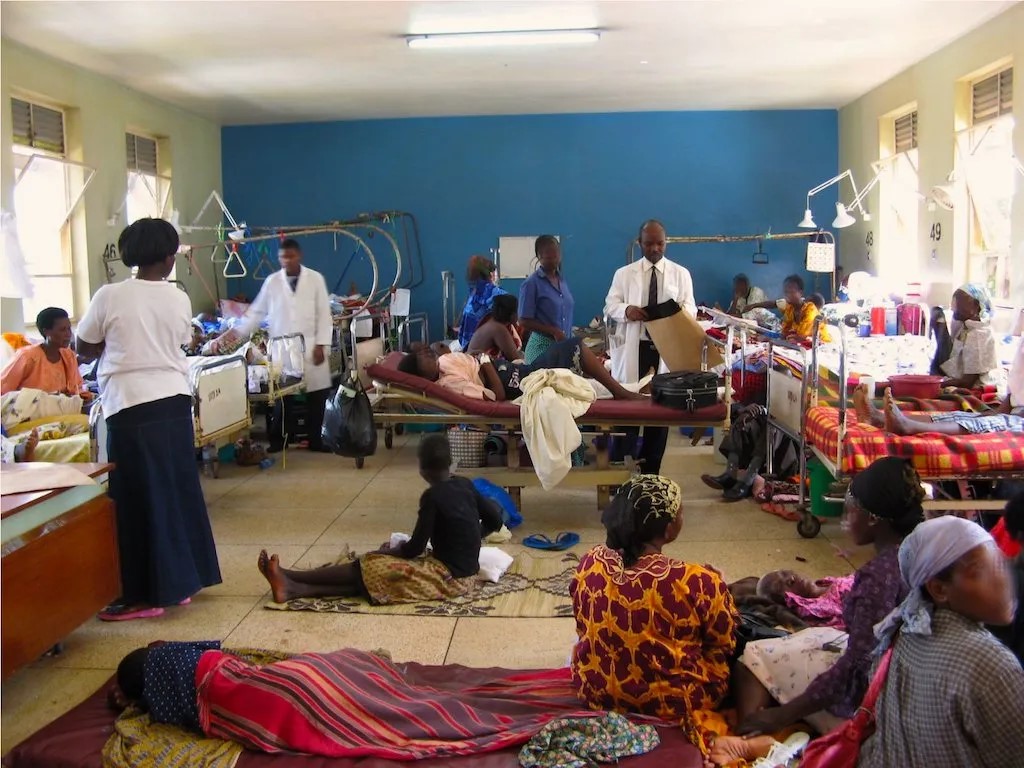
In a society where survival itself is a daily hustle, prevention often feels like a luxury. There was a health facility, yes, but it was far, tired, and overstretched. The system had blood, but not enough. Staff, but overworked. Beds, but unclean. And behind it all were the silences of policymakers, the rust of forgotten community health centres, and the dust on abandoned government project files. So, when she finally needed help, it was already too late to start looking. 

That story, the scramble at the end, is too familiar. We see it in Ekiti, Katsina, Owerri, and Makurdi. Patients running from one hospital to the next, files in hand, hope on lips, only to be turned back by bureaucracy, distance, or a quiet “we have no space.”

But beyond the infrastructure and logistics, Mrs X bore the weight of something heavier: culture. She was told, directly and indirectly, that her place was to endure. To cook. To clean. To birth. Her pain was duty. Her tiredness was weakness. To seek help was indulgent. So, she bore her cross in silence. Culture had taught her that a good woman asks for little, demands nothing, and dies quietly.

Gender inequality was not just in her home; it was in the policy rooms that never included her voice. It was in budgets that prioritised politics over health. It was in the subtle shrug of indifference that attends women’s complaints in clinics, especially poor women in rural areas. Her being female had already placed her lower on the ladder.

But perhaps what haunts me most is how everything seemed normal until someone opened the files. That day, long after she had gone, someone went back to the data room and began to look. Patterns emerged. Cases connected. Questions rose. “How many more like her?” they asked. “Could we have seen this coming?” It was research that awakened conscience. Data that pulled the curtain back. And isn’t that Nigeria’s truest shame that we often act only after counting the dead?

Mrs. X, for all her anonymity, is Nigeria. She is our health system in human form: underserved, overburdened, overlooked. Her blood loss is our policy hemorrhage. Her silence is our governance gap. Her death is our diagnosis.

It’s easy to talk about reforms. There have been many. Policies, papers, pilot schemes. But for every speech made in air-conditioned halls, there’s a Mrs X still sitting miles from care, still unsure if help will come. Nigeria does not lack ideas. It lacks continuity. It lacks compassion in implementation. It lacks the urgency that comes when you see the system as your own mother, your own sister, your own unborn child. We must stop planning in the abstract. We must stop building for applause and start building for impact. 

Health must become a right, not a privilege wrapped in bureaucracy. We must fund primary health care not as a checkbox but as a foundation. We must decentralize emergency care so that help is never more than a few kilometers away. We must invest not only in infrastructure but in mindsets, teaching every citizen that prevention is not a scam, and that seeking help is not weakness.

And crucially, we must disaggregate our data and listen to it. Research must not be something we dust off only when we need donor funds. It must be lived, continuous, grounded in our local realities. Because without data, we’re only guessing in the dark, while more Mrs. Xs are buried under statistics that came too late.

So, no, the story of Mrs X is really not about maternal mortality. It is about us. All of us. It is the story of a system that watches a woman bleed and scrambles for gauze. That waits until the final breath before asking the first question. That blames culture, then feeds it. That builds hospitals without building access. That speaks to the importance of health equity while communities barter herbs in silence. I saw Mrs X die. But more than that, I saw Nigeria in her eyes; tired, forgotten, hoping someone would care enough to fix what’s broken. 

Maybe, just maybe, if we learn to listen to her story, we won’t need another parable. Maybe her death won’t be in vain.

Oladoja M.O writes from Abuja and can be reached at: mayokunmark@gmail.com.
Malaria: The silent killer still at our doorstep

By Bashir Abubakar Umar 

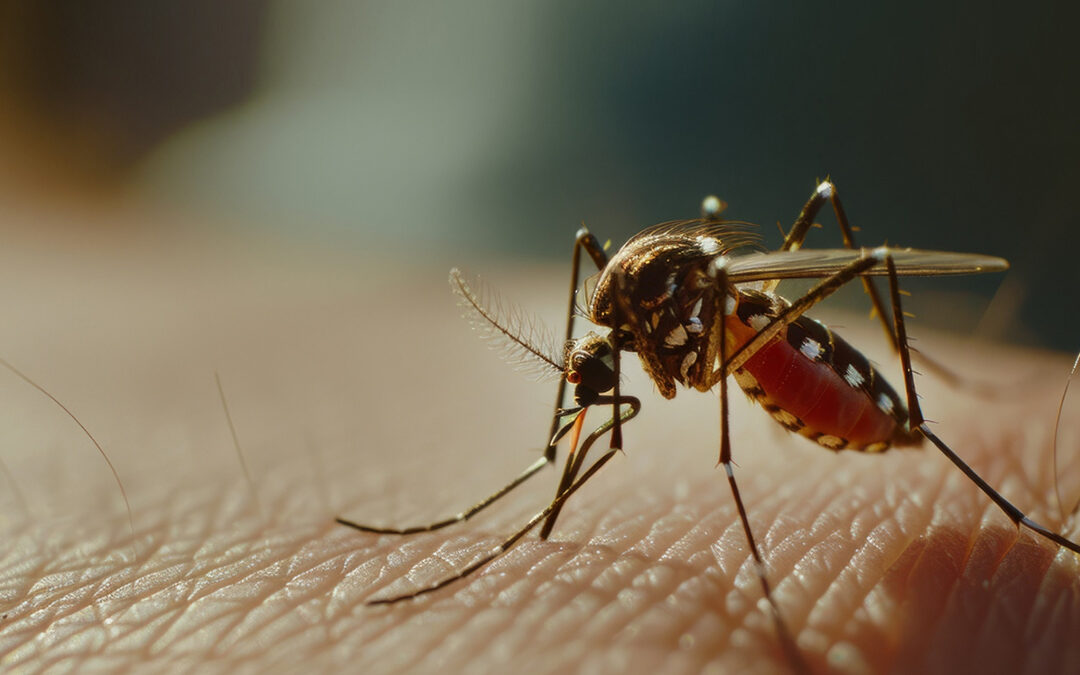
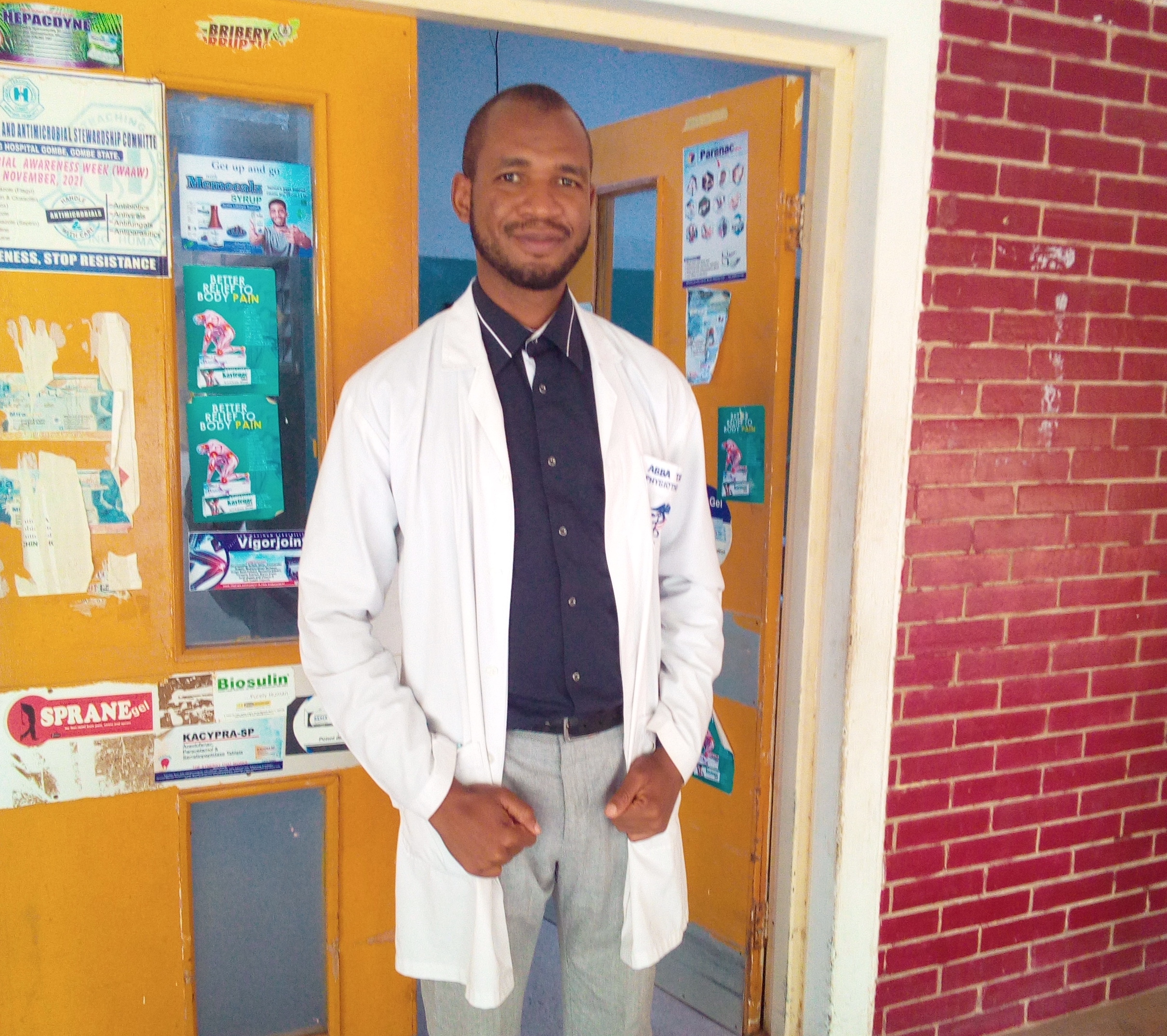
Malaria remains one of the world’s most persistent public health challenges, particularly in tropical and subtropical regions. To gather more information about the disease, I contacted Dr Musa Muhammad Bello, who works with Aminu Kano Teaching Hospital (AKTH) in the Department of Community Medicine. It is a life-threatening disease caused by parasites of the Plasmodium genus, transmitted to humans through the bites of infected female Anopheles mosquitoes.

Despite advances in medicine and public health campaigns, malaria continues to claim hundreds of thousands of lives each year, with children under five and pregnant women among the most vulnerable groups.

Infection with Plasmodium falciparum, P. vivax, P. ovale, or P. malariae primarily causes the disease. The infection begins when an infected mosquito bites a person, releasing parasites into the bloodstream. These parasites travel to the liver, where they mature and multiply before re-entering the bloodstream to infect red blood cells.

Malaria is not spread directly from person to person; instead, it requires the mosquito as a vector. However, it can also be transmitted through blood transfusions, organ transplants, or from an infected mother to her child during pregnancy.

Symptoms of malaria typically appear 7 to 10 days after infection. Early signs include fever, chills, headaches, muscle aches, sweating, body weakness, vomiting, diarrhoea, and a change in taste. In severe cases, the disease can lead to anaemia, respiratory distress, organ failure, and even death if left untreated. Diagnosis is usually confirmed through laboratory methods, such as microscopic examination of blood smears or rapid diagnostic tests, which detect malaria antigens in the blood.

Malam Abdurrahman, a resident of Dorayi Babba, said that the mosquitoes used to bite him not only at night, but he also advises the general public to use nets for prevention.

Prevention is the most effective way to reduce malaria cases and deaths. Sleeping under insecticide-treated mosquito nets can significantly reduce the risk of being bitten at night, while indoor residual spraying kills mosquitoes that rest inside homes.

Eliminating stagnant water, clearing drainage systems, using window and door nets, applying body lotion, and fumigation are all measures that help reduce mosquito breeding grounds. In some high-risk regions, preventive antimalarial medication is recommended for vulnerable groups, including pregnant women, children under 5, and foreigners.

Hajiya Rabi’a, a resident of Tudun Yola, said that the mosquitoes prevent her from sleeping at night due to their bites, even when she is in a net.

Treatment for malaria depends on the type of Plasmodium parasite and the severity of the infection. Artemisinin-based combination therapies are currently the most effective treatments for P. falciparum malaria, which is the most dangerous form. Early and proper treatment is essential to prevent severe illness and to help break the cycle of transmission.

The global impact of malaria remains significant. According to the World Health Organisation, Africa accounts for more than 90% of malaria cases and deaths worldwide. Beyond its toll on health, the disease hampers economic development by reducing productivity, increasing healthcare costs, and deepening poverty in affected communities.

Although malaria is both preventable and treatable, it persists due to environmental factors, limited healthcare access, and poverty in many areas. A continuous global effort is essential, combining prevention methods, effective treatment, public education, and ongoing vaccine research. With dedication and coordinated actions, the world can progress towards eradicating malaria and creating healthier, safer communities.

Bashir Abubakar Umar wrote via baabum2002@gmail.com.

Abuja faces sanitation crisis as contractors threaten strike over unpaid wages

By Anas Abbas 

Abuja may soon face a sanitation crisis as contractors responsible for cleaning the city have threatened to suspend operations from September 25 over the non-payment of nine months’ wages.

The Association of FCT Solid Waste and Cleaning Contractors (AFSOWAC), which oversees sanitation services across 44 lots in the capital, raised the alarm in a letter to the Coordinator of the Abuja Metropolitan Management Council.

“Despite our loyalty and sustained service delivery, we have not received payments since January 2025,” the group said. “We have reached a point where passion and commitment alone cannot sustain this essential service. Without payment, we cannot continue.”

According to the association, its members clear more than 1,000 tonnes of refuse daily using over 100 refuse trucks and 60 tippers, while engaging more than 3,000 workers. Many of these workers, it said, depend solely on the job for their livelihoods.

AFSOWAC disclosed that contractors had kept operations afloat by borrowing heavily from banks and informal lenders, but warned that such means had been exhausted. It added that the Abuja Environmental Protection Board (AEPB), which supervises their contracts, had continued issuing daily directives without addressing the financial challenges.

The contractors further lamented the deteriorating state of the Gosa dumpsite, describing it as “deplorable” and urging urgent intervention to improve access roads and equipment.

They also called on the FCT Administration to expedite the procurement process initiated in October 2024 and review payment rates to reflect current economic realities, such as the removal of subsidies and the devaluation of the naira.

The association warned that a strike would trigger a rapid build-up of waste in Abuja, a city renowned for its relative cleanliness, and could expose residents to serious public health risks.

“We can no longer guarantee uninterrupted services in the Federal Capital City without urgent payment,” AFSOWAC cautioned.

Silent tragedy in Kumbotso: Diphtheria and the cost of delay

By Ibrahim Aisha

In the Chiranci ward of Kumbotso Local Government Area in Kano, the term “sore throat” has taken on a chilling significance. For Iya Yani, a mother of eight, it was the phrase that cost her daughter her life.

“She only said her throat was hurting,” Iya Yani recalled with tears. “Neighbours told me it was nothing, just harmattan. By the time I took her to the hospital, she could no longer breathe. She died before they could help her, and the doctor blamed my ignorance “.

Iya Yani’s heartbreaking loss is part of a broader tragedy unfolding far and wide in the Kumbotso Local Government Area, a tragedy that statistics and government reports can hardly mitigate. 

Diphtheria, a disease preventable by vaccine, continues to claim the lives of children in this community, some due to financial constraints, misleading rumours and even Ignorance.

Diphtheria is a highly contagious, vaccine-preventable disease caused by the exotoxin-producing bacterium Corynebacterium diphtheriae. While the disease can affect individuals of all age groups, Unimmunised children are particularly at risk. There is no World Health Organisation (WHO) region that is completely free of diphtheria globally.

The Facts Behind the Grief

According to the Nigeria Centre for Disease Control’s (CDC) situation report from May 2025, Nigeria recorded 30 confirmed cases and three deaths in the first few months of the year. By July 2025, Premium Times reported that Kano State alone had logged 18,284 confirmed infections and 860 deaths, making it the most affected state in Nigeria. 

According to the World Health Organisation, from 9th May 2022 to 25 October 2023, 15,569 suspected diphtheria cases have been reported across Nigeria, 547 of whom have died. 

As of October 2023, the World Health Organisation disbursed US$1.3 million for the response to enhance key outbreak control measures, including disease surveillance, laboratory testing, contact tracing, case investigation and treatment, training, as well as collaborating with communities to support the response efforts. 

With support from the WHO and the United Nations Children’s Fund, Kano State carried out three phases of reactive routine immunisation campaigns in February, April, and August 2023, using the combination tetanus-diphtheria and pentavalent vaccines.

Almost 75,000 zero-dose children under the age of two received the first dose of the pentavalent vaccine, while around 670,000 eligible children (4‒14 years) were vaccinated with the tetanus-diphtheria vaccine in 18 high-burden local government areas in Kano state.

 Health Reporters revealed in July 2025 that Chiranci of Kumbotso local government is one of the wards with the highest number of “zero-dose” children – those who have never received a single vaccine. In such a setting, diphtheria spreads rapidly, and misinformation intensifies the situation. According to the National Bureau of Statistics, Patients who were not vaccinated had more than double the likelihood of death compared to fully vaccinated individuals.

When rumours mislead and ignorance lies 

Many parents from different areas of Kumbotso Local Government Area admit they delayed immunisation due to prevalent rumours. 

When his seven-year-old brother, Jubrin, was diagnosed with diphtheria in July 2023, Aminu had never heard of the disease, the outbreak of which had claimed more than 500 lives in Nigeria.

Safiya Mohammed, a mother of two, residing in the Kumbotso Local Government Area, a hotspot for diphtheria in Kano State, ensured her children were vaccinated.

“I had never heard of diphtheria,” Safiya said. “I don’t want my children or those in the neighbourhood to fall sick or die from the disease. To protect my children, I also need to make sure the children they play with are protected.”

 Fatima Umar, a resident of Dan Maliki and a nursing mother, confessed, “I heard the injection would make my baby sick, so I waited. Then he fell ill. The hospital told us it was diphtheria. He died before I even understood what that word meant.”

Usman Sani, a husband and resident of Taku Mashi, shared a similar regret: “My wife complained of her throat and her not being able to swallow food properly. I thought it was just a sore throat”.He added that by the time his wife was taken to the hospital, it was already too late.

For Zainab Ibrahim, a mother at Chiranci Primary, the battle against diphtheria has been both long and personal. In early 2025, her daughter, Halima, nearly lost her life to the disease. “She could not breathe,” Zainab recalled. 

My daughter said she finds it difficult to yawn properly, and her throat hurts a lot when she swallows saliva. My neighbours kept saying I should use garlic to make tea for her. I started, but noticed there was no progress, as my daughter could not breathe one night. My husband was away, so I called him in the morning and told him I was going to the hospital. As soon as I arrived at the hospital, she was diagnosed and a file was opened for her. The doctor administered drugs and told us to return after two weeks for an operation.

Zainab further mentioned that her daughter survived. “But the scar on her neck serves as a constant reminder of how close I came to burying her.”

At a local Islamic school at Dorayi Chiranci primary, the head of the school, Malam Andullahi Abubakar Jabbi,informed that many of his students died during the outbreak of diphtheria. It started small, then it became alarming when 3 siblings died within the interval of not less than a week.

” Many students stopped coming, and parents phoned to know what was happening. We had to close down the school for some period of time to avoid the spread of the disease,” said Malam Abdullahi.

Bala Dahiru, a resident of Dorayi Yan Lalle, narrated that it was due to financial constraints that he almost lost his only daughter’s life to diphtheria.

What Kumbotso teaches Nigeria 

Diphtheria is preventable. The World Health Organisation affirms that vaccination offers nearly complete protection against the disease. Yet in many areas of Kumbotso, many mothers continue to rely on neighbours’ advice rather than the guidance of health officials. Health workers, such as Lawan Ibrahim Ahmad, the Primary Health Care Coordinator for Chiranchi Primary Health Care, have repeatedly stated that without a steady supply and consistent funding, “it is impossible to reach every child in every home.”

The tragedy of Kumbotso illustrates that diphtheria is not merely a medical issue; it reflects broken trust, inadequate systems, and misinformation that can kill as swiftly as the bacteria themselves.

A Call to Protect Children

The stories emerging serve as a dire warning. Unless vaccination coverage improves, more families will mourn children lost to a disease that the world already knows how to prevent.

Iya Yani’s daughter should not have died from what she thought was a mere sore throat. Halima should not bear the scar on her neck just to breathe. Fatima should not have lost her son to a disease that belongs in the past.

This grief mirrors our collective failure. Until we take action, every cough in this community will reverberate with fear: Could this be the next case of diphtheria?

Avoid scrolling your phone on toilet, experts warn

By Muhammad Abubakar

Health experts are warning against the growing habit of spending long periods on the toilet while scrolling through smartphones, according to a recent report by The Washington Post.

Doctors caution that sitting too long on the toilet can put unnecessary pressure on the rectal veins, increasing the risk of hemorrhoids and other related problems. What often begins as a quick bathroom break can stretch into 15 minutes or more when people get absorbed in social media, emails, or online news.

“The toilet is not a lounge chair,” one colorectal specialist noted. “It’s meant for short use, not for catching up on your notifications.”

Instead, experts advise leaving your phone outside the bathroom and limiting screen time during restroom visits. By doing so, they say, people can not only reduce health risks but also foster healthier digital habits.

Why firewood remains in Nigerian kitchens 

By Khadija Hamisu Daninna 

Across Nigeria, kitchens are changing. Gas cylinders stand neatly in urban homes, while charcoal bags fill market stalls. Yet, despite these alternatives, firewood still burns in countless households. Its smoky flames carry taste, memory, and tradition that neither gas nor charcoal can fully replace. For some families, it is also the more affordable choice.

Zainab, a 31-year-old resident of Daura, has never known another way of cooking. “I have never cooked with gas before. All my life, I have been using firewood. I don’t even know how food tastes on gas, but I prefer my firewood. Maybe it is because I grew up with it. I use charcoal sometimes, but firewood is easier for me. Firewood is what I know.”

For Mariam, a 39-year-old housewife, firewood is tied to her husband’s nostalgia. “My husband always says the fried eggs his mother made tasted better on firewood. So I fry eggs on firewood, just to remind him of his childhood.”

Hajara, a 26-year-old food vendor, said firewood gives food a flavour no other fuel can provide. “When I cook jollof rice for parties, I always use firewood. It brings out a special flavour. Gas and charcoal cannot give you that same smoky taste. My customers expect it.”

But even warnings from doctors cannot keep some people away. Amina, a 37-year-old married woman, recalled: “There was a time I was sick, and the doctor told me to avoid smoky areas because of my eyes. But how can I stop? Firewood is what I grew up with. It is not just about cooking. It is about sitting together as a family, sharing stories, and working around the fire. That memory cannot be replaced.”

Cost is another factor. Mallam Usman, a 42-year-old man, explained: “I use both charcoal and firewood. The least charcoal I can buy is ₦200, while firewood is more expensive, up to ₦500. But I prefer firewood. My wife is already used to it. Sometimes I buy charcoal to ease the work, but mostly we use firewood because that is what we have always been using.”

Abdulmumin, a firewood seller in Rumfar Shehu who is over 40, said many people still depend on his trade. “People still come to buy firewood every day. Even though the price is high, food vendors, households, and event caterers still buy it. Firewood is something people cannot abandon. We have been using it since the time of our grandparents, and it still holds memories.”

But experts warn that firewood comes at a cost. According to a 2024 report from the National Bureau of Statistics published in Punch newspaper, 67.8 per cent of Nigerian households still cook with firewood. In Bauchi State, the figure is as high as 91 per cent. Doctors interviewed by Punch Healthwise have cautioned that prolonged exposure to smoke can lead to lung disease, eye problems, and respiratory infections. They noted that women and children, who spend long hours near smoky kitchens, are especially at risk. One pulmonologist, Dr. Abiona Odeyemi of Osun State University Teaching Hospital, explained that smoke from firewood damages the lungs over time, leading to serious health conditions.

Experts have also raised concerns about the environmental impact. Firewood use contributes to deforestation, worsens climate change, and adds to indoor air pollution.

Still, the flames continue to glow. For some, firewood carries memory and tradition. For others, it remains the more affordable choice. And for many, it is simply the way they were raised. Gas may be quicker and charcoal less smoky, but in countless Nigerian homes, firewood still burns, not just as fuel, but as a link between the past and the present.

Khadija Hamisu Daninna wrote via khadijahamisu2003@gmail.com.

The night the lights came on: How a neglected hospital in Sokoto is saving lives once more

By Tahir Mahmood Saleh

In Barden Barade, a remote village tucked within Sokoto State’s dry plains, something extraordinary happened a fewweeks ago — light returned. But not just light from a bulb. This was light that brought hope, dignity, and the promise of life.

For the past five years, the village’s only primary healthcare centre stood in silence — its doors locked, its wards dark, its beds removed. At night, when labour pains started, expectant mothers were rushed out of the village in desperation, sometimes travelling over 20 kilometres in search of care. Others gave birth on the floor of the abandoned hospital, aided only by midwives holding phone torches between their teeth.

“Many of us feared we wouldn’t survive childbirth,” said Maryam Abubakar, a mother of four. “My last child was born on a mat, with only the light of a small phone. The nurse kept shifting the torch with her mouth. I cried not from pain, but fear.” That fear is no more.

CREACC-NG, a Nigerian non-profit organisation championing community resilience and climate justice, launched the HealthVoltaic Initiative in Barden Barade. The initiative brings solar-powered energy systems to rural health centres cut off from the national grid.

With support from community stakeholders and generous partners, the team installed: A HealthVoltaic solar generator, Roof-mounted solar panels, medical equipment, including Doppler fetal monitors and digital thermometers, Rechargeable lights and fans, Beds and basic emergency supplies

For the first time in years, delivery rooms once sealed and abandoned were reopened. Midwives walked proudly into wards now lit by solar energy. Mothers now lie on beds, not mats. The hospital, which never operated at night, now runs 24/7.

“No woman will give birth in the dark again,” declared Umma Muhammad, the hospital’s Officer in Charge. “No more using torchlight with our mouths. No more mothers losing their lives because of light. This is a new beginning.” At the unveiling ceremony, Alhaji Mamman, the traditional leader of Barden Barade, stood with tears in his eyes.

“For years, we begged for help. We watched our women suffer. Today, we have light — not just in bulbs, but in our hearts,” he said as he formally launched the HealthVoltaic system. “This is one of the greatest things to happen to our community.”

The community turned out in large numbers. Women ululated. Children danced around the solar panels. The Ward Development Committee (WDC) members, who serve as custodians of the hospital’s welfare, pledged to supervise and protect the solar generator and ensure the project is sustained.

“We’ve waited so long. Now it’s here, we won’t let it fail,” said Malam Nura, a member of the WDC. “This energy system is for our mothers, our babies, and our future.” The transformation at Barden Barade is only the beginning.

CREACC-NG hopes to expand the HealthVoltaic Initiative to hundreds of off-grid rural health facilities across Nigeria. In a country where one woman dies every 13 minutes during childbirth, and where over 55% of primary healthcare centres have no electricity, the need is both urgent and immense.

“This is not just about power,” said CREACC-NG’s Project Lead. “It’s about restoring dignity to rural healthcare. It’s about saying no woman should die giving life — simply because there’s no light.” The HealthVoltaic Initiative aligns with Sustainable Development Goals 3 (Health) and 7 (Clean Energy) and presents a practical, low-cost, high-impact solution that is community-owned, climate-smart, and scalable.

But to take this movement beyond Barden Barade, funding is needed. Grants, private sector partnerships, and donor support can help replicate this success in other underserved communities — places where light is still a luxury, and delivery rooms are still covered in shadow.

Barden Barade was once a forgotten village, its hospital a symbol of abandonment. Today, it’s a beacon of what’s possible when communities believe, when organisations act, and when the world chooses to care. As the sun set on the day of the launch, the lights inside the hospital remained on — glowing quietly, confidently, like a promise kept. And in that light, babies cried, midwives smiled, and hope was reborn.

Buhari’s death in London rekindles debate over Nigeria’s medical exodus

By Hadiza Abdulkadir

The death of Nigeria’s former President Muhammadu Buhari in a London hospital has once again spotlighted the country’s long-standing crisis in healthcare delivery, especially among its elite. 

Buhari, 82, died on Saturday, July 13, after a prolonged illness reportedly linked to leukaemia. Despite leading Africa’s most populous nation and the continent’s largest economy, he died not on Nigerian soil, but under foreign care.

His passing mirrors a now-familiar pattern among Nigeria’s political class: fleeing abroad for treatment, even for routine ailments, only to eventually die in foreign hospitals. Buhari, who frequently sought medical attention in the United Kingdom during his presidency, had once campaigned on the promise of reducing medical tourism. Instead, he became one of its most prominent symbols.

Public reaction has been swift and critical. Muhammad Shakir Balogun, a resident advisor with the Nigeria Field Epidemiology and Laboratory Training Program (NFELTP), condemned the trend in a widely shared Facebook post. Drawing comparisons with African icons like Nelson Mandela and Jerry Rawlings—both of whom received treatment and died in their home countries—Balogun wrote:

“They were not flown to London, Paris, or Amsterdam. They were attended to in their own countries by their own doctors… What of Nigeria, the giant of Africa? Even those who campaigned on the moral pedestal of not going abroad for treatment turned out to be the worst offenders ever.”

He called on current President Bola Tinubu to “break the despicable and shameless tradition” by ensuring at least one world-class hospital exists within Nigeria—“even if it’s a military hospital.”

Yet, President Tinubu himself has also faced criticism for continuing the same tradition. Since assuming office in May 2023, he has reportedly travelled to Paris multiple times for medical checkups, reinforcing the perception that Nigerian leaders lack confidence in the very healthcare system they oversee.

Critics argue that the reliance on foreign healthcare is not just a failure of policy but a profound betrayal of public trust. Nigeria’s public hospitals suffer from underfunding, dilapidated infrastructure, and a mass exodus of medical professionals, many of whom now work in the very countries to which Nigerian leaders turn in times of illness.

With Buhari’s burial scheduled for today in his hometown of Daura, Katsina State, attention is turning not just to the legacy of his leadership, but to the urgent need for healthcare reform at home, so that future presidents may live, heal, and if necessary, die on Nigerian soil.

Tinubu’s healthcare reforms: A turning point or déjà vu?

By Oladoja M.O

In the annals of Nigeria’s healthcare odyssey, the narrative has long been marred by systemic inertia, infrastructural decay, and a pervasive sense of despondency. For decades, the nation’s health sector languished in a state of neglect, characterized by underfunded primary healthcare centers, a dearth of medical personnel, and an overreliance on foreign aid. The corridors of our hospitals echoed with the silent cries of the underserved, while policymakers offered platitudes devoid of actionable substance.

Enter the administration of President Bola Ahmed Tinubu in May 2023, heralding a paradigm shift that seeks to redefine the contours of Nigeria’s health landscape. At the heart of this transformation lies the comprehensive overhaul of the Basic Health Care Provision Fund (BHCPF), a mechanism previously crippled by bureaucratic bottlenecks and inadequate financing.

The reimagined BHCPF now boasts a projected infusion of at least $2.5 billion between 2024 and 2026, a testament to the administration’s commitment to fortifying the primary healthcare system. This financial renaissance is not merely a numerical augmentation but a strategic realignment aimed at enhancing service delivery at the grassroots.

The direct facility funding to primary healthcare centers has been escalated from ₦300,000 to a range between ₦600,000 and ₦800,000 per quarter, ensuring that resources are channeled efficiently to where they are most needed. Such fiscal decentralization empowers local health facilities, fostering a sense of ownership and accountability that was hitherto absent.

Complementing this financial strategy is an ambitious infrastructural agenda. The administration has embarked on a mission to double the number of functional primary healthcare centers from 8,809 to over 17,600 by 2027, a move poised to bridge the accessibility gap that has long plagued rural and underserved communities. These centers are envisioned not as isolated units but as integral components of a comprehensive emergency care system, ensuring a seamless continuum of care.

Human capital development forms another pillar of this transformative agenda. Recognizing the critical shortage of healthcare professionals, the government has initiated the training of 120,000 frontline health workers over a 16-month period, encompassing doctors, nurses, midwives, and community health extension workers. This initiative not only addresses the immediate workforce deficit but also lays the groundwork for a resilient health system capable of withstanding future shocks.

In a bold move to stimulate local pharmaceutical production and reduce dependency on imports, the administration has eliminated tariffs, excise duties, and value-added tax on specialized machinery, equipment, and pharmaceutical raw materials. This policy is anticipated to catalyze the domestic manufacturing sector, ensuring the availability of essential medicines and medical devices while fostering economic growth.

Public health initiatives have also received a significant boost. Nigeria has become one of the first countries to roll out the Oxford R21 malaria vaccine, a landmark development in the fight against a disease that has long been a scourge in the region. Additionally, the administration has launched targeted programs aimed at reducing maternal and neonatal mortality, focusing on 172 local government areas that account for a significant proportion of such deaths.

However, amidst these commendable strides, challenges persist. The sustainability of these reforms’ hinges on robust monitoring and evaluation frameworks to ensure transparency and accountability. The specter of corruption, which has historically undermined health sector initiatives, must be vigilantly guarded against. Furthermore, the success of these programs requires the active collaboration of state governments, civil society, and the private sector.

In conclusion, the Tinubu administration’s approach to healthcare reform seemingly represents a departure from the perfunctory gestures of the past. It is a comprehensive, well-funded, and strategically articulated plan that addresses the multifaceted challenges of the sector. While the journey towards a fully revitalized health system is fraught with obstacles, the current trajectory offers a beacon of hope. It is imperative that all stakeholders coalesce around this vision, ensuring that the momentum is sustained and that the promise of accessible, quality healthcare becomes a reality for all Nigerians.

Oladoja M.O writes from Abuja and can be reached at: mayokunmark@gmail.com