Health Care

Why firewood remains in Nigerian kitchens 

By Khadija Hamisu Daninna 

Across Nigeria, kitchens are changing. Gas cylinders stand neatly in urban homes, while charcoal bags fill market stalls. Yet, despite these alternatives, firewood still burns in countless households. Its smoky flames carry taste, memory, and tradition that neither gas nor charcoal can fully replace. For some families, it is also the more affordable choice.

Zainab, a 31-year-old resident of Daura, has never known another way of cooking. “I have never cooked with gas before. All my life, I have been using firewood. I don’t even know how food tastes on gas, but I prefer my firewood. Maybe it is because I grew up with it. I use charcoal sometimes, but firewood is easier for me. Firewood is what I know.”

For Mariam, a 39-year-old housewife, firewood is tied to her husband’s nostalgia. “My husband always says the fried eggs his mother made tasted better on firewood. So I fry eggs on firewood, just to remind him of his childhood.”

Hajara, a 26-year-old food vendor, said firewood gives food a flavour no other fuel can provide. “When I cook jollof rice for parties, I always use firewood. It brings out a special flavour. Gas and charcoal cannot give you that same smoky taste. My customers expect it.”

But even warnings from doctors cannot keep some people away. Amina, a 37-year-old married woman, recalled: “There was a time I was sick, and the doctor told me to avoid smoky areas because of my eyes. But how can I stop? Firewood is what I grew up with. It is not just about cooking. It is about sitting together as a family, sharing stories, and working around the fire. That memory cannot be replaced.”

Cost is another factor. Mallam Usman, a 42-year-old man, explained: “I use both charcoal and firewood. The least charcoal I can buy is ₦200, while firewood is more expensive, up to ₦500. But I prefer firewood. My wife is already used to it. Sometimes I buy charcoal to ease the work, but mostly we use firewood because that is what we have always been using.”

Abdulmumin, a firewood seller in Rumfar Shehu who is over 40, said many people still depend on his trade. “People still come to buy firewood every day. Even though the price is high, food vendors, households, and event caterers still buy it. Firewood is something people cannot abandon. We have been using it since the time of our grandparents, and it still holds memories.”

But experts warn that firewood comes at a cost. According to a 2024 report from the National Bureau of Statistics published in Punch newspaper, 67.8 per cent of Nigerian households still cook with firewood. In Bauchi State, the figure is as high as 91 per cent. Doctors interviewed by Punch Healthwise have cautioned that prolonged exposure to smoke can lead to lung disease, eye problems, and respiratory infections. They noted that women and children, who spend long hours near smoky kitchens, are especially at risk. One pulmonologist, Dr. Abiona Odeyemi of Osun State University Teaching Hospital, explained that smoke from firewood damages the lungs over time, leading to serious health conditions.

Experts have also raised concerns about the environmental impact. Firewood use contributes to deforestation, worsens climate change, and adds to indoor air pollution.

Still, the flames continue to glow. For some, firewood carries memory and tradition. For others, it remains the more affordable choice. And for many, it is simply the way they were raised. Gas may be quicker and charcoal less smoky, but in countless Nigerian homes, firewood still burns, not just as fuel, but as a link between the past and the present.

Khadija Hamisu Daninna wrote via khadijahamisu2003@gmail.com.

The night the lights came on: How a neglected hospital in Sokoto is saving lives once more

By Tahir Mahmood Saleh

In Barden Barade, a remote village tucked within Sokoto State’s dry plains, something extraordinary happened a fewweeks ago — light returned. But not just light from a bulb. This was light that brought hope, dignity, and the promise of life.

For the past five years, the village’s only primary healthcare centre stood in silence — its doors locked, its wards dark, its beds removed. At night, when labour pains started, expectant mothers were rushed out of the village in desperation, sometimes travelling over 20 kilometres in search of care. Others gave birth on the floor of the abandoned hospital, aided only by midwives holding phone torches between their teeth.

“Many of us feared we wouldn’t survive childbirth,” said Maryam Abubakar, a mother of four. “My last child was born on a mat, with only the light of a small phone. The nurse kept shifting the torch with her mouth. I cried not from pain, but fear.” That fear is no more.

CREACC-NG, a Nigerian non-profit organisation championing community resilience and climate justice, launched the HealthVoltaic Initiative in Barden Barade. The initiative brings solar-powered energy systems to rural health centres cut off from the national grid.

With support from community stakeholders and generous partners, the team installed: A HealthVoltaic solar generator, Roof-mounted solar panels, medical equipment, including Doppler fetal monitors and digital thermometers, Rechargeable lights and fans, Beds and basic emergency supplies

For the first time in years, delivery rooms once sealed and abandoned were reopened. Midwives walked proudly into wards now lit by solar energy. Mothers now lie on beds, not mats. The hospital, which never operated at night, now runs 24/7.

“No woman will give birth in the dark again,” declared Umma Muhammad, the hospital’s Officer in Charge. “No more using torchlight with our mouths. No more mothers losing their lives because of light. This is a new beginning.” At the unveiling ceremony, Alhaji Mamman, the traditional leader of Barden Barade, stood with tears in his eyes.

“For years, we begged for help. We watched our women suffer. Today, we have light — not just in bulbs, but in our hearts,” he said as he formally launched the HealthVoltaic system. “This is one of the greatest things to happen to our community.”

The community turned out in large numbers. Women ululated. Children danced around the solar panels. The Ward Development Committee (WDC) members, who serve as custodians of the hospital’s welfare, pledged to supervise and protect the solar generator and ensure the project is sustained.

“We’ve waited so long. Now it’s here, we won’t let it fail,” said Malam Nura, a member of the WDC. “This energy system is for our mothers, our babies, and our future.” The transformation at Barden Barade is only the beginning.

CREACC-NG hopes to expand the HealthVoltaic Initiative to hundreds of off-grid rural health facilities across Nigeria. In a country where one woman dies every 13 minutes during childbirth, and where over 55% of primary healthcare centres have no electricity, the need is both urgent and immense.

“This is not just about power,” said CREACC-NG’s Project Lead. “It’s about restoring dignity to rural healthcare. It’s about saying no woman should die giving life — simply because there’s no light.” The HealthVoltaic Initiative aligns with Sustainable Development Goals 3 (Health) and 7 (Clean Energy) and presents a practical, low-cost, high-impact solution that is community-owned, climate-smart, and scalable.

But to take this movement beyond Barden Barade, funding is needed. Grants, private sector partnerships, and donor support can help replicate this success in other underserved communities — places where light is still a luxury, and delivery rooms are still covered in shadow.

Barden Barade was once a forgotten village, its hospital a symbol of abandonment. Today, it’s a beacon of what’s possible when communities believe, when organisations act, and when the world chooses to care. As the sun set on the day of the launch, the lights inside the hospital remained on — glowing quietly, confidently, like a promise kept. And in that light, babies cried, midwives smiled, and hope was reborn.

Buhari’s death in London rekindles debate over Nigeria’s medical exodus

By Hadiza Abdulkadir

The death of Nigeria’s former President Muhammadu Buhari in a London hospital has once again spotlighted the country’s long-standing crisis in healthcare delivery, especially among its elite. 

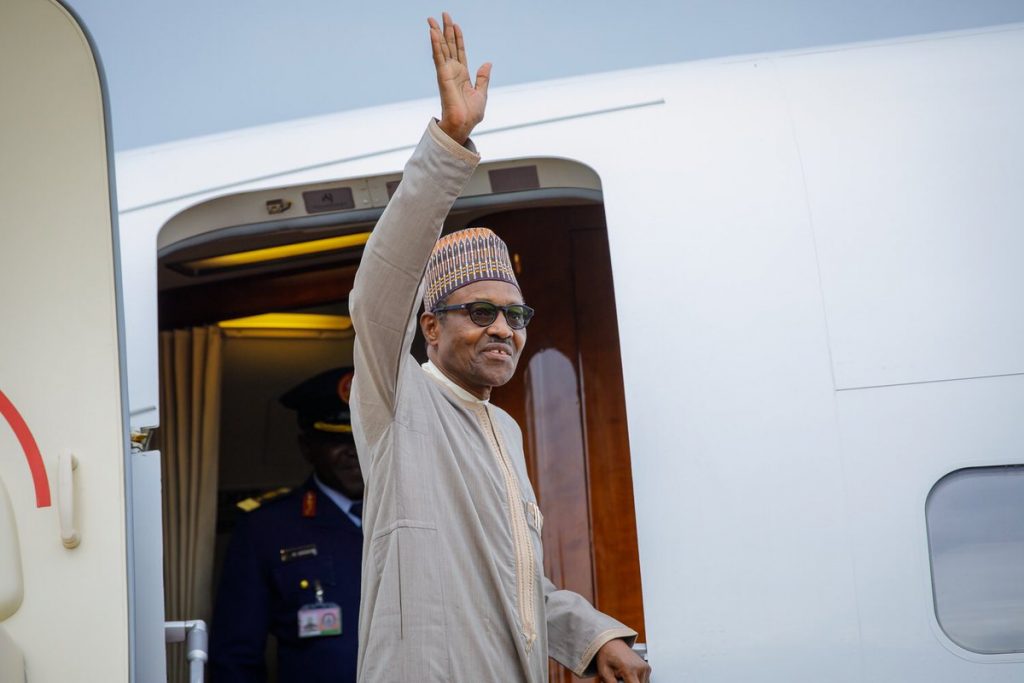
Buhari, 82, died on Saturday, July 13, after a prolonged illness reportedly linked to leukaemia. Despite leading Africa’s most populous nation and the continent’s largest economy, he died not on Nigerian soil, but under foreign care.

His passing mirrors a now-familiar pattern among Nigeria’s political class: fleeing abroad for treatment, even for routine ailments, only to eventually die in foreign hospitals. Buhari, who frequently sought medical attention in the United Kingdom during his presidency, had once campaigned on the promise of reducing medical tourism. Instead, he became one of its most prominent symbols.

Public reaction has been swift and critical. Muhammad Shakir Balogun, a resident advisor with the Nigeria Field Epidemiology and Laboratory Training Program (NFELTP), condemned the trend in a widely shared Facebook post. Drawing comparisons with African icons like Nelson Mandela and Jerry Rawlings—both of whom received treatment and died in their home countries—Balogun wrote:

“They were not flown to London, Paris, or Amsterdam. They were attended to in their own countries by their own doctors… What of Nigeria, the giant of Africa? Even those who campaigned on the moral pedestal of not going abroad for treatment turned out to be the worst offenders ever.”

He called on current President Bola Tinubu to “break the despicable and shameless tradition” by ensuring at least one world-class hospital exists within Nigeria—“even if it’s a military hospital.”

Yet, President Tinubu himself has also faced criticism for continuing the same tradition. Since assuming office in May 2023, he has reportedly travelled to Paris multiple times for medical checkups, reinforcing the perception that Nigerian leaders lack confidence in the very healthcare system they oversee.

Critics argue that the reliance on foreign healthcare is not just a failure of policy but a profound betrayal of public trust. Nigeria’s public hospitals suffer from underfunding, dilapidated infrastructure, and a mass exodus of medical professionals, many of whom now work in the very countries to which Nigerian leaders turn in times of illness.

With Buhari’s burial scheduled for today in his hometown of Daura, Katsina State, attention is turning not just to the legacy of his leadership, but to the urgent need for healthcare reform at home, so that future presidents may live, heal, and if necessary, die on Nigerian soil.

Tinubu’s healthcare reforms: A turning point or déjà vu?

By Oladoja M.O

In the annals of Nigeria’s healthcare odyssey, the narrative has long been marred by systemic inertia, infrastructural decay, and a pervasive sense of despondency. For decades, the nation’s health sector languished in a state of neglect, characterized by underfunded primary healthcare centers, a dearth of medical personnel, and an overreliance on foreign aid. The corridors of our hospitals echoed with the silent cries of the underserved, while policymakers offered platitudes devoid of actionable substance.

Enter the administration of President Bola Ahmed Tinubu in May 2023, heralding a paradigm shift that seeks to redefine the contours of Nigeria’s health landscape. At the heart of this transformation lies the comprehensive overhaul of the Basic Health Care Provision Fund (BHCPF), a mechanism previously crippled by bureaucratic bottlenecks and inadequate financing.

The reimagined BHCPF now boasts a projected infusion of at least $2.5 billion between 2024 and 2026, a testament to the administration’s commitment to fortifying the primary healthcare system. This financial renaissance is not merely a numerical augmentation but a strategic realignment aimed at enhancing service delivery at the grassroots.

The direct facility funding to primary healthcare centers has been escalated from ₦300,000 to a range between ₦600,000 and ₦800,000 per quarter, ensuring that resources are channeled efficiently to where they are most needed. Such fiscal decentralization empowers local health facilities, fostering a sense of ownership and accountability that was hitherto absent.

Complementing this financial strategy is an ambitious infrastructural agenda. The administration has embarked on a mission to double the number of functional primary healthcare centers from 8,809 to over 17,600 by 2027, a move poised to bridge the accessibility gap that has long plagued rural and underserved communities. These centers are envisioned not as isolated units but as integral components of a comprehensive emergency care system, ensuring a seamless continuum of care.

Human capital development forms another pillar of this transformative agenda. Recognizing the critical shortage of healthcare professionals, the government has initiated the training of 120,000 frontline health workers over a 16-month period, encompassing doctors, nurses, midwives, and community health extension workers. This initiative not only addresses the immediate workforce deficit but also lays the groundwork for a resilient health system capable of withstanding future shocks.

In a bold move to stimulate local pharmaceutical production and reduce dependency on imports, the administration has eliminated tariffs, excise duties, and value-added tax on specialized machinery, equipment, and pharmaceutical raw materials. This policy is anticipated to catalyze the domestic manufacturing sector, ensuring the availability of essential medicines and medical devices while fostering economic growth.

Public health initiatives have also received a significant boost. Nigeria has become one of the first countries to roll out the Oxford R21 malaria vaccine, a landmark development in the fight against a disease that has long been a scourge in the region. Additionally, the administration has launched targeted programs aimed at reducing maternal and neonatal mortality, focusing on 172 local government areas that account for a significant proportion of such deaths.

However, amidst these commendable strides, challenges persist. The sustainability of these reforms’ hinges on robust monitoring and evaluation frameworks to ensure transparency and accountability. The specter of corruption, which has historically undermined health sector initiatives, must be vigilantly guarded against. Furthermore, the success of these programs requires the active collaboration of state governments, civil society, and the private sector.

In conclusion, the Tinubu administration’s approach to healthcare reform seemingly represents a departure from the perfunctory gestures of the past. It is a comprehensive, well-funded, and strategically articulated plan that addresses the multifaceted challenges of the sector. While the journey towards a fully revitalized health system is fraught with obstacles, the current trajectory offers a beacon of hope. It is imperative that all stakeholders coalesce around this vision, ensuring that the momentum is sustained and that the promise of accessible, quality healthcare becomes a reality for all Nigerians.

Oladoja M.O writes from Abuja and can be reached at: mayokunmark@gmail.com

A policy without a pulse

By Oladoja M.O

How Nigeria’s Traditional Medicine Policy Falters in the Face of a Healthcare Crisis

Traditional medicine remains a lifeline in the heart of Nigeria’s vibrant communities. For millions, the village herbalist is not just a healer but the only accessible one. Yet, despite its ubiquity and potential, traditional medicine in Nigeria remains largely relegated to the fringes of the healthcare system.

Why? Because the one policy that could breathe life into it, the “Traditional Medicine Policy” of 2007, is quite frankly a policy without a pulse.

It exists on paper, yes. But in practice, it drifts in the ether of neglect, underfunding, and governmental lip service. The intent was noble: to recognise, integrate, and regulate traditional and complementary medicine (T&CM) harmoniously with Nigeria’s conventional medical framework. But over 15 years later, the landscape remains fragmented institutions, unrecognised practitioners, and a glaring vacuum of legislation that could bind it all into something functional.

The 2007 policy envisioned institutionalising traditional medicine education, promoting evidence-based practices, and protecting indigenous knowledge. It proposed the development of curricula, collaborations between practitioners and scientists, and most importantly, the integration of traditional health workers into mainstream healthcare delivery.

But here’s the reality in 2025:

Despite repeated attempts to pass the Council for Traditional, Alternative, and Complementary Medicine Practice Bill, there is no functional regulatory council for traditional medicine practitioners.

No constitutionally defined or legally licensed role for herbalists or traditional health workers within Nigeria’s medical profession.

Institutions like NICONMTECH, Ibadan College of Natural Medicine, and African College of Traditional Medicine train thousands annually, but no professional pathway exists to license or employ them formally.

Only National Diplomas or certificates exist; there’s no accredited B.Sc. program, no postgraduate clinical practice recognition, and no universal standard for certification.

The result? A generation of “trained” traditional medicine practitioners with no seat at the healthcare table.

Counting some blessings, Nigeria’s Ministry of Health did establish the Department of Traditional, Complementary & Alternative Medicine in 2018, but its impact has been symbolic at best. NAFDAC mandated herbal product registration and labelling, which doesn’t translate into practitioner recognition or integration. The Natural Medicine Development Agency (NNMDA) was signed into law in 2019 to spearhead research and development, but there is no central governing council, which means that coordination remains chaotic. State governments have made some strides, e.g., Governor Soludo’s Anambra State Herbal Practice Law, but it is an isolated effort with no national backing. Ultimately, it’s like having a beautifully designed ship without a captain or compass.

One might ask, why does this matter more than ever now?

It is no longer breaking news that Nigeria is bleeding professionals. The “Japa” wave has not spared doctors, nurses, or dentists. With over 65% of qualified health workers seeking opportunities abroad, Nigeria’s healthcare system is being hollowed out from within.

To compound this, the country now faces blocked financing from global donors like the U.S., partly due to concerns over poor transparency, suboptimal health data management, and systemic inefficiencies. With this dwindling foreign aid and a crumbling workforce, we should explore every viable alternative, and traditional medicine stands at the crossroads.

But rather than mobilise this ready workforce, we shackle them with policy paralysis, leaving our vast herbal and traditional knowledge base languishing in semi-formal practice, unprotected, unregulated, and unsupported.

Time after time, the National Association of Nigerian Traditional Medicine Practitioners (NANTMP) has repeatedly called on the National Assembly to pass the Traditional, Complementary and Alternative Council of Nigeria (TCACN) Bill. Their plea is simple: recognise, regulate, and give us a voice in the national health discourse. They are not asking for a free ride, but for the years of training at herbal schools, skills acquisition centres, and research institutes across Nigeria to be met with a legitimate path to service.

After all, how do you tell a Nigerian College of Natural Medicine Technology graduate that their diploma is valid, but they are legally invisible? How do you justify decades of policy silence when the country desperately needs all hands on deck?

A living policy evolves with need, responds to gaps, and energises sectors. The 2007 policy is comatose, hanging on by technical documents and departmental charades. What it needs now is:

An active national council to regulate, license, and accredit T&CM practitioners.

Curriculum reform and NUC-approved B.Sc. degrees to professionalise training.

Legal recognition of traditional practitioners under Nigeria’s health law.

Clear collaborative frameworks between conventional health professionals.

Nigeria cannot afford to sideline its heritage medicine when its hospitals are overcrowded, its workforce is thinning, and its people are desperate for healing, wherever it may come from.

We do not need another policy document. What we need is a pulse.

Oladoja M.O writes from Abuja and can be reached at: mayokunmark@gmail.com

Renewed hope in motion: Tracking the NHF impact

By Oladoja M.O

In a country where bold promises often fade into political noise, something refreshingly different is happening. A movement that started quietly, with little fanfare, is now humming with purpose, momentum, and an energy that cannot be ignored. The 774 National Health Fellows programme (NHF) initiative, launched a few months ago by President Bola Ahmed Tinubu, is not just another government announcement lost in the pages of bureaucracy but a living force, a symbol of action, and a spark rapidly becoming a flame.

At its core, the programme is a strategic investment in youth leadership for health, designed to place one young, vibrant fellow in every local government area across the federation. But what sounded like a brilliant idea on paper has quickly become bigger, bolder, and beautifully human. Under the coordination of the Sector-Wide Approach Secretariat, the NHF initiative is reshaping what grassroots health intervention looks like. 

The young professionals are not just observing the system but are being immersed in it and studying the core concepts of public health, data analytics, and leadership. As of April 30th, it was made public that they had already completed over 73 per cent of their assigned learning modules. That is such a fantastic feat, Signalling that these young Nigerians are hungry to learn, ready to lead, and prepared to deliver.

Beyond the e-learning, every fellow has been paired with an experienced health sector mentor, creating powerful bridges between knowledge and action. Available information showed that over 2,100 structured mentorship engagements have taken place, alongside more than 6,000 follow-up calls to troubleshoot, guide, and refine their experience in real time. This showcases what mentorship with muscle and real grooming looks like.

Moving forward, another exciting phase is here. The Capstone projects. Showing that these fellows are not just learning and listening. They are launching. They are mapping the real health challenges in their communities and crafting innovative, locally tailored solutions. This is outlined as far from the usual cut-and-paste interventions. Indeed, these are not just symbolic gestures. Rather, seeds of lasting change. A blueprint for the kind of youth engagement that works, and not just a flash in the pan.

Much credit must go to the Honourable Minister of Health, Professor Muhammad Ali Pate, who has done more than supervise. He has inspired. With every update, he speaks with authority and visible passion for the possibilities this programme unlocks. His hands-on leadership reminds us that good governance is not about policies alone, but people. Not about titles, but tangible results. The collaboration with local government leaders, traditional rulers, and State Commissioners for Health has ensured the programme’s success. Together, they have ensured that the fellows are not strangers in their host communities. They have been welcomed, embraced, and empowered to act. Their presence has been described as transformative, and rightly so.

As we hail progress so far, a big focus on sustainability must be the centre of thought. The NHF programme must not end as a one-time experiment. It must become institutionalised. The structure is already in place. The model is working. The results are rolling in. The political and budgetary will to scale this from pilot to permanent remains. The impact of new cohorts of fellows being trained yearly would be tremendous. The ripple effect of turning these 774 fellows into thousands over the next decade will be epic. Nigeria would not just be training health professionals. It would generate problem solvers, data warriors, and service-driven leaders. 

More importantly, the data collected by these fellows across LGAs must be treated as a goldmine. All the information must be analysed, shared, and applied to shape more innovative and targeted policies, responsive budgeting, and real-time decision-making. As time goes on and more capstone projects unfold, we will witness a subtle but decisive shift in our health governance story. 

When young people are not just beneficiaries of change, but creators of it, the shift cannot be undervalued. When they are not just consulted, but trusted. When they are not just inspired, but given the steering wheel.

Even though Nigeria’s health system still has other challenges, even though the journey is long, this initiative is proof that with the right strategy and the right people, progress will not just be a possibility in the abstract. It will become a happening event—something visible, something contagious.

Renewed Hope in Motion is not just a slogan but a movement. A youth-led revolution quietly takes shape in every LGA, one fellow at a time. It is the sound of a country remembering how to believe again. 

And best of all, it is only just getting started.

Oladoja M.O writes from Abuja and can be reached at: mayokunmark@gmail.com

Husband laments negligence in death of wife at Minna hospital

By Hadiza Abdulkadir

A grieving husband has alleged gross negligence and unprofessional conduct at Jummai Babangida Aliyu Maternal and Neonatal Hospital, Minna, following the death of his wife, Ramatu, after a surgical procedure on April 24, 2025.

UB Shehu, who shared a detailed account of the events leading up to his wife’s death, claimed that his wife was the last of nine patients to undergo surgery that day. During the procedure, an unstable power supply reportedly forced staff to switch from the main source to a smaller backup generator, which Shehu emphasized was not a diesel-powered unit but a basic household generator.

According to Shehu, Ramatu showed signs of critical distress immediately after surgery. While other patients were reportedly stable, his wife began bleeding excessively due to a drainage bag not being properly attached — a task he claimed the attending nurse was unqualified to perform.

“She told me she didn’t know how to plug the bag,” Shehu stated, expressing frustration that a doctor did not attend to the situation until five hours later. Even then, she only gave brief instructions without examining the patient.

Shehu described a harrowing night in which his wife’s condition worsened, alleging that she was repeatedly denied water and food and that his pleas for medical assistance were ignored or delayed. As her condition deteriorated, he said senior nurses refused to help, citing departmental responsibilities.

By 7:04 a.m., his wife began gasping for air. Despite his cries for help, Shehu said the ward lacked oxygen, prompting a rushed transfer to the ICU, where attempts to administer oxygen reportedly failed due to ill-fitting equipment. Ramatu was pronounced dead at 7:24 a.m.

The hospital has yet to respond to the allegations. The account has sparked conversations online about healthcare standards and the need for reform in patient care practices across public hospitals in Nigeria.

Wike orders clampdown on illegal hospitals after pregnant woman’s death in Abuja

By Uzair Adam 

The Minister of the Federal Capital Territory (FCT), Nyesom Wike, has ordered a full crackdown on unregistered hospitals and quack medical personnel operating within the territory.

The minister’s media aide, Lere Olayinka, disclosed this in a statement on Saturday, following the death of a pregnant woman at a private facility in Durumi, Abuja, after undergoing a caesarean section.

According to the statement, Wike warned that anyone found operating an illegal health facility or working in an unregistered hospital would be arrested and prosecuted.

He described the incident as regrettable, especially given that vulnerable groups, including pregnant women, are eligible for free registration under the Federal Capital Territory Health Insurance Scheme (FHIS). 

He noted that despite this opportunity, many pregnant women were still patronising unlicensed and unsafe facilities.

“In the FCT, vulnerable persons, including pregnant women, enjoy free enrollment into the FHIS, granting them free access to services covered under the basic minimum health package through primary healthcare centres,” he said.

Olayinka added that, in support of the federal government’s ‘Renewed Hope Agenda’ and the FCT Administration’s zero tolerance for maternal mortality, several hospitals—including Gwarinpa, Nyanya, Abaji, and Kuje General Hospitals—have been designated as comprehensive emergency obstetric and neonatal care centres, offering free cesarean sections.

He urged pregnant women to utilise these government services instead of risking their lives by seeking care from quacks and unregistered facilities.

The statement also recalled that on Friday, 35-year-old Chekwube Chinagorom was brought dead to the Asokoro District Hospital after a caesarean section at the unregistered facility in Durumi. 

Although the baby survived and was referred for further care at the Asokoro hospital, the incident raised alarm over the activities of illegal operators.

The Private Health Establishments Registration and Monitoring Committee (PHERMC) investigated and confirmed that the hospital was unregistered. 

Only one staff member, Mr. Simon Godiya, a junior community health extension worker, was found on duty during an inspection.

Godiya informed officials that Murtala Jumma performed the surgery alongside another unidentified person. Efforts to reach Jumma have so far been unsuccessful.

The PHERMC team, accompanied by police officers from the Durumi Divisional Headquarters, subsequently handed over the case to the police for further investigation.

Health Alarm: The poison we breathe, drink and eat

By Maimuna Katuka Aliyu

Pollution poses one of the greatest threats to human existence, yet it remains highly underestimated. All over the world, air, water, and land are being contaminated by industrial waste, plastic, toxic emissions, and deforestation. 

The impact is devastating—rising diseases, extreme climate shifts, and dwindling biodiversity. Yet, many people treat it as a distant problem, failing to see that the air we breathe, the water we drink, and the soil that grows our food are already contaminated.

With rapid industrialisation, urban expansion, and population growth, pollution has reached critical levels, threatening ecosystems and human survival. The consequences are already here—millions of lives are lost to pollution-related diseases annually, while climate change escalates natural disasters. 

Without urgent action, the world may be heading toward irreversible environmental collapse.

The Invisible Killer in the Air

Air pollution remains one of the deadliest forms of contamination, responsible for nearly 7 million preventable deaths yearly. Toxic substances such as carbon monoxide, sulfur dioxide, and nitrogen oxides fill the atmosphere due to vehicle emissions, industrial activities, and deforestation. 

Respiratory illnesses, cardiovascular diseases, and lung cancer are rising sharply, even in developing nations where pollution regulations are weak.

A recent World Health Organisation (WHO) campaign has garnered support from nearly 50 million individuals, highlighting the growing global concern over pollution’s impact on health. 

Advocates call for cleaner energy, stricter environmental policies, and large-scale sustainable infrastructure. Without such efforts, air pollution will continue to rob millions of their health and shorten lifespans worldwide.

Poisoned Waters and a Dying Ecosystem

Water pollution is another crisis unfolding before our eyes. Industrial waste, plastic pollution, and chemical runoffs have turned once-thriving rivers and oceans into toxic dumps. 

Marine life is being suffocated by plastic debris, while communities reliant on rivers and lakes for drinking water are facing increasing cases of waterborne diseases. The situation is especially severe in developing countries, where clean water is still viewed as a luxury rather than a basic right.

Land pollution is also eroding our ability to produce safe food. Improper waste disposal, deforestation, and unregulated pesticide use are depleting the soil, making it more difficult to grow crops. This issue coincides with the rise of global hunger, further exacerbating the suffering of millions.

Nigeria’s Battle Against Pollution and Disease

While the world grapples with pollution, Nigeria confronts a dual crisis—environmental contamination and disease outbreaks. The country is currently facing an alarming rise in Lassa fever cases, with the Nigeria Centre for Disease Control and Prevention (NCDC) implementing emergency measures to contain its spread. 

This outbreak, linked to poor sanitation and rodent infestation, is a stark reminder of how environmental degradation fuels public health disasters.

The parallel concerns of pollution and infectious diseases demand urgent intervention. Nearly 50 million individuals worldwide have signed petitions demanding stronger policies to combat pollution, but actions on the ground remain insufficient. 

If nations like Nigeria fail to address these twin threats, millions more could be at risk.

The Fight to Save Our Planet

The crisis may seem overwhelming, but solutions exist. Governments must enforce stricter environmental laws, encourage the adoption of clean energy, and invest in waste management systems. Individuals also have a role to play—reducing plastic use, supporting eco-friendly products, and advocating for policy changes.

Nigeria, in particular, must strengthen its disease surveillance systems and healthcare access, especially in rural areas where pollution-related illnesses are rampant. Public health campaigns must be intensified, educating citizens about preventive measures against pollution-induced diseases and outbreaks like Lassa fever.

There is no more time for complacency. The battle for a cleaner planet is also a fight for human survival. Every moment wasted brings us closer to a world where clean air, safe water, and healthy food become privileges rather than rights. The time to act is now.

Maimuna Katuka Aliyu is a correspondent of PR Nigeria in Abuja.

Maternal mortality: When childbirth becomes death sentence

By Maimuna Katuka Aliyu

Maternal mortality, the death of a woman during pregnancy or childbirth, remains a cruel and devastating reality. Despite advancements in medicine, millions of women, especially in low- and middle-income countries, face preventable deaths due to systemic failures and societal neglect.

Why Mothers Die

Several factors contribute to maternal mortality, often worsened by inadequate healthcare infrastructure and socio-economic challenges:

1. Severe Bleeding: Postpartum hemorrhage is the leading cause, especially in areas without skilled birth attendants.

2. Infections: Poor hygiene and lack of proper care lead to life-threatening infections after childbirth.

3. Pre-eclampsia and Eclampsia: High blood pressure during pregnancy causes fatal complications when untreated.

4. Unsafe Abortions: A significant number of deaths stem from unregulated and unsafe abortion practices.

5. Underlying Health Issues: Chronic conditions like malaria, HIV/AIDS, and anemia exacerbate pregnancy risks.

In rural areas, the situation is even grimmer. Women often avoid hospitals due to cultural taboos, ignorance, or financial constraints. Many endure days of labor at home, resorting to harmful traditional concoctions instead of seeking professional care. Poor infrastructure and untrained healthcare providers further complicate the situation, leaving mothers vulnerable to preventable deaths.

When it comes to Post-natal care, there isn’t any attention given to the mother after birth on what she eats and how she feels. Mostly, women undergo pain and tear of different degrees and suffer in pain.

Most women suffering from Eclampsia that are brought to the hospital who don’t go for antenatal care, health officials won’t know exactly what is wrong with them, so if she’s having headache, they either prescribe bordrex or sudrex in a chemist for you to take, if its malaria, they haven’t run any tests on you too confirm, they’ll prescribe paracetamol for you to take. Before you know it, she doesn’t have any blood in her body. Lastly, she’ll be rushed to the hospital breathing heavily, and before you get donors to supply blood to her, it might be too late.

People tend to give birth without control, good health, or good food to eat, which also makes the uterus suffer a lot.

The Four Deadly Delays

Maternal mortality is worsened by four critical delays that often seal a woman’s fate:

1. Delay in Seeking Care: Cultural beliefs, ignorance, and financial struggles hinder timely decisions to seek help.2. Delay in Reaching a Facility: Poor roads, lack of transportation, and distance to hospitals mean many women never make it in time.

3. Delay in Receiving Care: Bureaucratic processes, understaffed hospitals, and unskilled personnel result in deadly delays once women reach healthcare facilities.

4. Delay in Referral: When facilities cannot handle emergencies, referral systems are often inefficient, leading to further loss of life.

Ripple Effects of Maternal Death

The death of a mother devastates families and communities. Children without mothers face a higher risk of malnutrition, poor education, and even death. Economically, families are burdened by healthcare costs and the loss of a primary caregiver.

A Call to Action

Addressing maternal mortality requires collective effort:

1. Healthcare Access: Build well-equipped facilities in rural areas and train more skilled birth attendants.

2. Education: Empower communities with knowledge about maternal health and safe childbirth practices.

3. Family Planning: Provide accessible contraception to prevent unplanned pregnancies and reduce unsafe abortions.

4. Government Intervention: Strengthen healthcare systems, remove financial barriers, and implement maternal health policies.

Last Line

Maternal mortality is more than a health statistic; it is a tragic indictment of societal failure. No woman should die giving life. Tackling the root causes, improving healthcare systems, and fostering awareness can save countless lives. The time to act is now—because every mother matters.