Tinubu’s 100 days: The ticking time bomb and the danger of the elite’s silence
By Abdelghaffar Amoka
It is 100 days in office and six months after President Bola Ahmed Tinubu won the election, and the government seems directionless. It is more news that the hardship that President Muhammadu Buhari introduced us to has multiplied. Whether he removed the fuel subsidy or Buhari did, he has no excuse to be clueless for the past six months on the way forward. He asked for the job.
My problem is how our leaders are comfortable putting burdens on the people, burdens they have not prepared them to carry. There was a plan to remove the fuel subsidy. Common sense should tell them that it will affect purchasing power. It is that simple. But why was it so difficult to put up a parallel plan to stabilise the purchasing power of the people once the subsidy was removed? How some people are comfortable with a policy that does not follow the natural law of growth and development beats my imagination.
When a child is born, he is nurtured and trained to become an adult. He is either sent to school or learns a trade and gets empowered to take responsibility. He then gets a wife, has kids, and starts to take responsibility. Imagine giving the boy a wife with kids at 15 without empowering him to take care of the responsibility and expecting him to be fine. It is against the law of nature to burden anyone without preparing him for it.
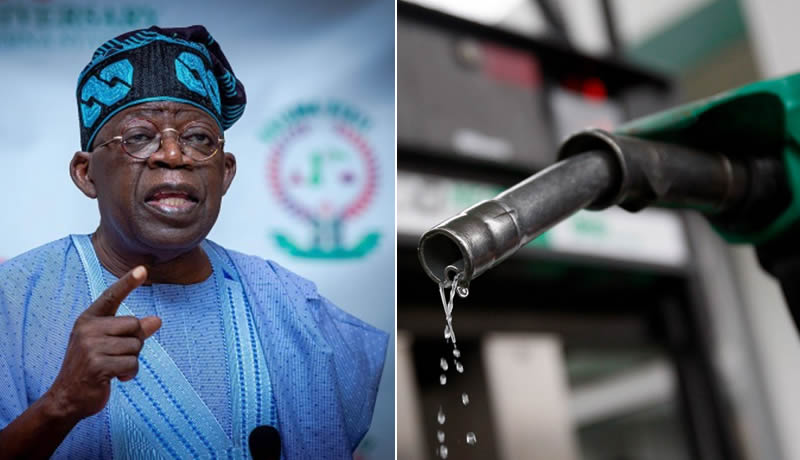
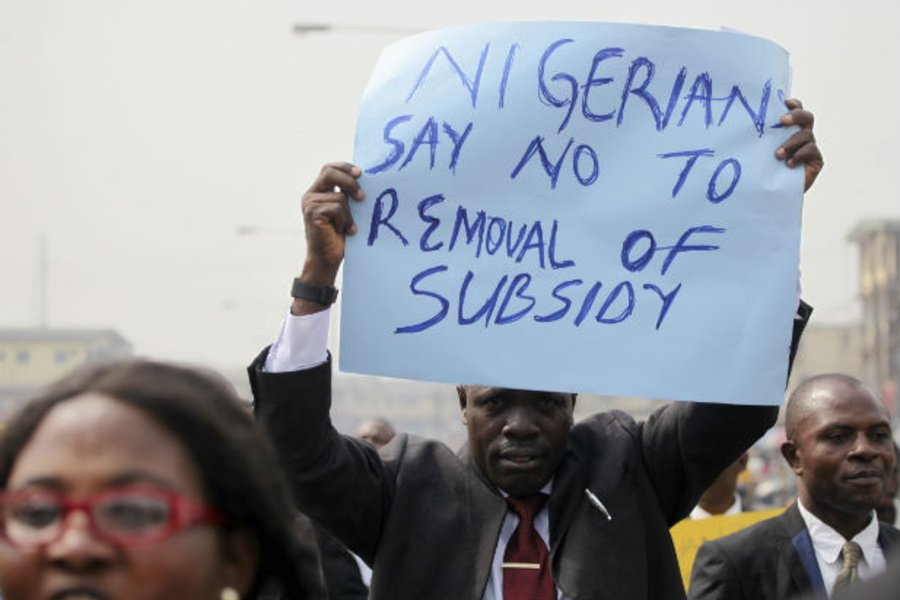
Fuel subsidy removal was a long battle, and many people have campaigned to remove fuel subsidies since 2010. They made it look like the removal would save the government money for infrastructure and do wonders. But they never discussed the consequences of the removal on the people. How much have we saved for 100 days, and what have we achieved with it? What infrastructure is better than the general well-being of the people?
Funny enough, some of the advocates of the subsidy removal are currently complaining about the hardship on the land. That made me wonder what they were thinking when advocating for the removal. Some are even intellectuals. They thought subsidy was like a tap that you just switch off, and everything is fine. They think it’s that simple. The state government has now given money to share some stuff as palliative. Is 5kg of rice or Semovita all we need to overcome this heartless burden? Who are the people giving them economic advice?
There are three schools of thought on the post-fuel subsidy removal. Those benefitting from the removal will never see anything wrong with it. Those who feel we should endure the hardship and wait for the government to invest in infrastructure. Then, those who see everything wrong with the removal instead of fighting the corruption that shrouded fuel subsidies.
We are being advised to cut our expenses. They seem to have agreed with Buhari’s “Sharholiyah” (wasteful spending) principle. Where is the waste to cut? Those people think everyone has as much as they have to spend. How do you expect a junior staff working at the federal secretariat earning about N40k monthly to cut his expenses and manage? What will he cut? How do you expect a graduate working at the federal secretariat and earning about N60k monthly to cut costs? What will he cut?
For the first time since I became an adult, federal government workers are being asked to work 2 or 3 days a week to reduce the cost of going to the office. Unfortunately, that will not help reduce the cost of living.
Fuel subsidy is removed, and we are expected to be patient and cope. School fees have increased due to the present economic reality, as acknowledged by FG, and we are expected to come with it. Floating naira to dollar in a country that imports 80% of its needs is a disaster.
The danger of keeping quiet.
It is no more news that crime rates have increased over the last months and are getting worse. Meanwhile, there are three classes of people: the upper, middle, and the lower class. The upper class is inaccessible. They have security escorts, bulletproof cars, tall fences, and gigantic gates with security dogs. The kids are abroad or well-secured. The middle class is accessible and lives not far away from the lower class. As far as the lower class is concerned, the upper and middle classes ( a fast-depleting class) are responsible for the difficulties they are experiencing.
As long as you can still manage to drive your car and feed, you belong to the haves as far as the lower class is concerned. As the crime rate soars, your house will be the first target to be vandalised and bugled. This narration from my friend, Muhammed Hashim Suleiman, keeps ringing the bell in my ear. The narration keeps reminding me of our likely danger in this situation.
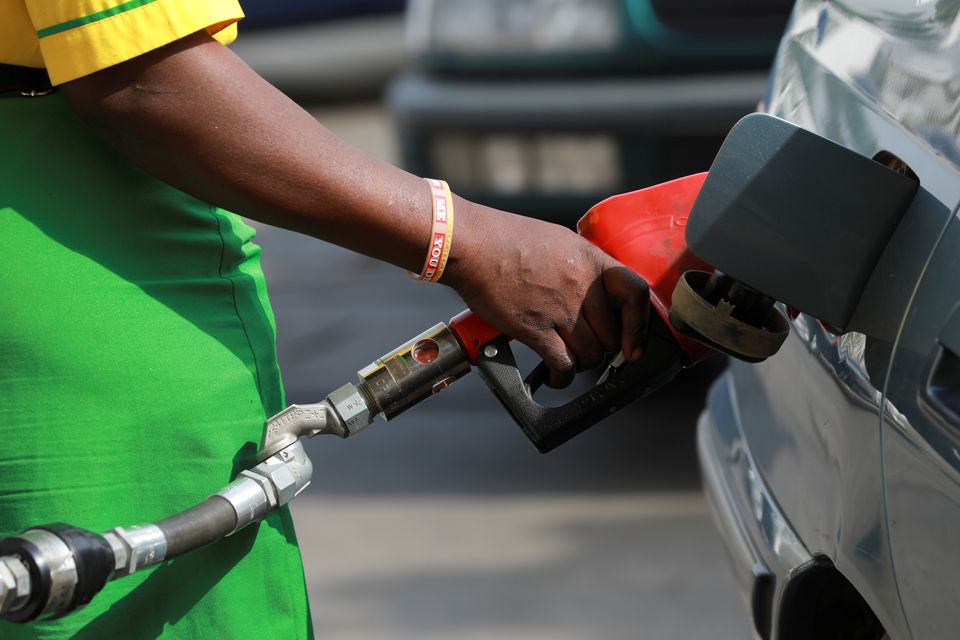
He managed to muster the courage to buy a few litres of petrol for his old Tokunbo car. The petrol station was swarming with people, young and old, not buying petrol but waiting for any buyer to saunter in, and they descended on that unlucky buyer begging for alms. After he purchased the few litres he could afford, entering his car became a struggle because the beggars were begging between him and the car. He silently ignored them and found his way inside the car. Then, a very old woman stood before the car until the petrol attendant shouted at her.
Instead of leaving the front of my car, the old woman walked towards the driver’s side. On reaching his window, in a cold voice, she said: “Kun kwashe kuɗin ƙasar, kun bar mu da yunwa, yanzu muna roƙon ku abun da zamu ci amma kun hana mu. Wallahi, idan muka mutu da yunwa, sai Allah ya kama ku.” That: “You people have stolen the nation’s money and left us in hunger, now we are begging you for what to eat, but you won’t give us. If we die of hunger, I swear God will never allow you free.”
We are all victims of public embezzlement, but the old woman who happened to belong to the lower class is unaware of it. As we keep quiet adjusting to living with the burden placed on us by these elitists in government, know that the lower class that has been driven far below the poverty line has placed you on the same page with those that have stolen the nation’s money.
It is 100 days of disaster. I hope the government gets its acts together and be purposeful. Any government that fails in the general well-being of the people is a failed government.
Dear Nigerians who are supposed to be in the middle class but tending towards the lower class, If nothing is done and the time bomb should explode, you will be the first casualty. Your silence will cost you a lot. That will be a double casualty for a crime you and I are victims of.
Abdelghaffar Amoka Abdelmalik, PhD, wrote from Ahmadu Bello University, Zaria. He can be reached via aaabdelmalik@gmail.com.