France

Teenager detained after stabbing teacher in Western France

By Sabiu Abdullahi

An 18-year-old pupil was detained on Monday after stabbing his schoolteacher in the face and fleeing the scene, authorities said.

The teacher from Lycee de l’Hyrome in Chemille-en-Anjou, western France, “suffered a facial injury that is not life-threatening”, according to a joint statement from the authorities, including the prefect and public prosecutor. 

The attack occurred on Monday morning, and the suspect quickly escaped through a window, abandoning his weapon.

He was later detained by gendarmes and municipal police.

The authorities stated that the young man was not previously known to the police and that counseling was provided to pupils and teachers after the attack. 

This incident is the latest in a series of school incidents involving attacks on teachers and school children by their peers in France in recent years.

In response to these incidents, French Prime Minister Gabriel Attal announced measures in April to crack down on teenage violence in and around schools, as the government seeks to reclaim ground on security from the far-right ahead of upcoming European elections. 

An investigation into “attempted murder” has been launched.

Islamic group rejects proposed defence pact between Nigeria, US, France

By Sabiu Abdullahi  

The Muslim Rights Concern (MURIC) has vehemently opposed any defence agreement between Nigeria and the United States or France, as well as the establishment of military bases by either country on Nigerian soil. 

In a statement released on Sunday, May 5, 2024, MURIC’s Executive Director, Professor Ishaq Akintola, stated that Nigeria must not allow itself to be recolonized.

He cited past and recent events worldwide, which have shown that both the US and France prioritize self-interest, imperialist agendas, and hegemonic goals that can never favor any African country. 

Professor Akintola stated, “We say clearly, emphatically, and categorically that Nigeria should not sign any military pact with either of these two countries. Neither should they be allowed to set up any military base in our country.” 

He highlighted France’s economic exploitation and inhumane treatment of francophone countries, as well as the US’s history of gun-boat diplomacy, funding, arming, and protecting Israel in its conflicts with Palestinians, as reasons for MURIC’s stance. 

“On no account should American or French soldiers set their feet on Nigerian soil,” Professor Akintola noted. 

MURIC’s opposition comes as the debate on a proposed defence pact between Nigeria, the US, and France continues.

The organisation’s stance reflects concerns about the potential risks and implications of such agreements for Nigeria’s sovereignty and national interests.

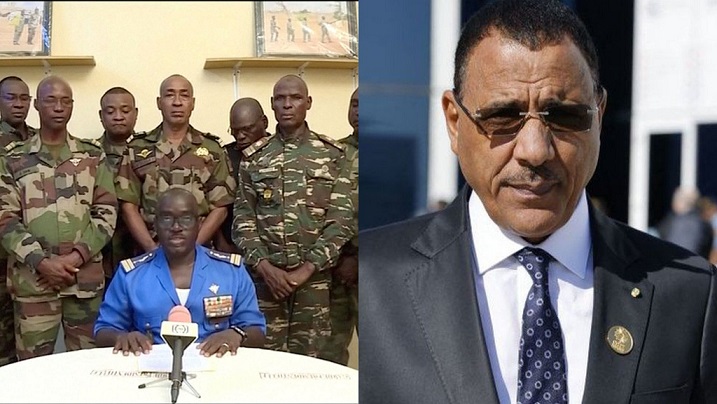
Free Niger, free Bazoum

By Dr. Aliyu U. Tilde

The stalemate between ECOWAS and Niger Republic needs to be broken urgently for humanitarian and strategic reasons. The decision should be taken tomorrow at the meeting of the Heads of State of the regional body to shorten the unnecessary suffering of 26 million ECOWAS citizens in Niger.

Humanity

The world is appalled by the ongoing starvation in Gaza, and it is rightly calling for its end. In a similar way, the humanity in us should trigger our conscience to open Niger’s borders and restore its electricity. There is just no reason why we should superintend over the death of African lives and the destruction of the economy of a member state in the name of democracy. It is no longer about Mohamed Bazoum or General Tchiani or the neo-colonial interest of France. It is about the people of Niger.

Democracy is not as important to Africans as it is to their lives and livelihoods. In a year or two, Niger can return to democracy, and heavens will not fall before then. However, the longer we strangulate Nigeriens now, the longer our guilt for the collective punishment we meted on them last later. On their part, the Nigeriens will retain—and recall—for generations the long memory of ECOWAS’ suffocating sanctions, and they will bring it to bear on every future association with Nigerians in particular.

A Shot in the Foot

Apart from the imperatives of history, DNA, culture and contiguity, the Niger Republic will, through River Niger and our future Europe-bound gas pipeline, continue to play a crucial role in our economy, not to mention the daily cross-border trade relations worth billions of Naira.

Our weaponization of electricity to Niger will seriously undermine future strategic cooperation with the Republic regarding River Niger. Nothing will stop it from damming the River in a big way to ensure its national electricity and food security, letting us get sufficient water in Kainji and Jebba Dams only when there is an overflow. We will be forced to rely solely on gas for power generation.

Our national security will also be at great risk when Niger inevitably develops cold feet, as a payback, on our strategic partnership against Boko Haram and Bandit terrorism. Niger is just a neighbour too important for Nigeria to call off. I am not sure if we haven’t shot ourselves in the foot already.

Forward

The July coup is now a standing reality. I suggest, as a way out, that ECOWAS demands two assurances from Niger, with a third party, say America, serving as a guarantor to the agreement: The release of Bazoum and a short timetable for a return to civilian rule in exchange for immediate removal of sanctions. This ‘Niger free, Bazoum free’ formula will immediately relieve the population of the horrendous difficulties it is undergoing and save the lives of the sick, including women and children, who are dying in Nigerien hospitals due to the blackout. It will also save the investments of hundreds of Nigerians whose loaded vehicles have been stranded at the borders for months now.

Bazoum’s government is spilt milk which cannot be recovered. ECOWAS should let this go and prepare for the future. It can consider establishing a standing force to immediately intervene in future incidents if necessary without procrastination. But how democracy is proving to be a conveyor of poverty and bad governance in Africa makes it a creed not worthy of such a financially heavy enterprise.

Instead, ECOWAS should develop mechanisms to promote good governance as the only assurance of stability and prosperity and a panacea against future coups. No matter the situation, in the future, measures that will bring hardship to citizens and ruin the economies of member states should be avoided as much as possible by ECOWAS. We cannot be Americans in Iraq. Otherwise, we will only be surrogates of colonial masters. So far in Niger, we have cut our nose to spite our face. Tomorrow, December 10th, is the date to start stitching it.

Dr. Aliyu U. Tilde can be reached on Twitter: @Dr_AliyuTilde.

PSG players suspended for anti-LGBTQ+ chants

By Sabiu Abdullahi 

Paris Saint-Germain (PSG) players Randal Kolo Muani, Ousmane Dembele, Achraf Hakimi, and Layvin Kurzawa have been handed one-match suspensions by the Ligue de Football Professionnel (LFP) for their involvement in anti-gay chants after last month’s clash against Marseille. 

The LFP swiftly confirmed the disciplinary action, noting their commitment to combating discriminatory behaviour in football.

The derogatory chants, originating from a section of PSG supporters, led to an immediate investigation by the LFP, resulting in the sanctions against the players. 

In an official statement, the LFP condemned the players’ actions and reiterated their dedication to promoting inclusivity and respect within the sport.

Emphasising a zero-tolerance policy against discrimination, the LFP noted the importance of creating a football environment where individuals, regardless of sexual orientation, can enjoy the game without prejudice. 

The suspensions highlight the serious consequences of such behaviour in professional football, leaving PSG with a gap in their lineup for the upcoming match.

This incident serves as a stark reminder of the ongoing need to eradicate discrimination in sports and ensure a welcoming atmosphere for all.

Niger Coup d’État: The gale of change and the balance of global power 

By Bilyamin Abdulmumin

What initially appeared as rumours of a coup attempt in the Niger Republic gradually and eventually proved true. Even when the leader of the coup d’état, Presidential Guard Commander General Abdourahamane Tchiani, announced the overthrow and proclaimed himself the leader of a new military junta, there remained a doubt in the air due to the exclusion (or so it seemed) of the Nigerien Chief of Army Staff. However, all traces of doubt cleared when the military declared their support for the coup. They cited loyalty to avoid casualties from internal military clashes. Since then, news and developments have dominated the public discourse hourly. Small and major national and international media outlets pinched their tenths on this event. 

The Nigerien coup has drawn significant attention compared to other recent similar operations. For instance, in Conakry, Chief of Army Mamady Doumbouya ousted his authoritarian leader Alpha Condé. In Mali, the junta overthrew its transitional president a few months after their appointment. In Niger’s neighbouring Burkina Faso, the junta toppled another transitional government they had installed months earlier. 

The reasons for the global condemnation of the Nigerien coup differ among various blocs. France and its allies might be concerned about the potential loss of influence over their former colonies. The U.S. stance is partly rooted in their role as self-appointed global police guardians of democracy. It is also due to their military base housing thousands of soldiers within the country. Russia, on the other hand, seems to be benefiting from the situation. However, for organisations like the African Union (AU) and the Economic Community of West African States (ECOWAS), the coup posed a direct threat to democratic leadership, reaching an alarming level. So the ECOWAS bigwig Nigeria, which not only shares proximity with Niger but also has its president as ECOWAS leader, tends to overreact. Bola Ahmed Tinubu was fighting from a dual role. 

The Nigerian coup came as a surprising shock, sudden and unexpected. Unlike many similar military strikes, this coup lacked potential factors pointing to its occurrence. Such factors often include internal crises, insecurity, tension, hardship, prolonged presidential tenure, crackdowns on the opposition, and suppression of dissent. The renowned Ghanaian coup leader Jerry Rawlings once noted that the success of his coups was owed to the ripe situation in his country. He likened the atmosphere for coup success to a saturated atmosphere filled with gas, waiting for ignition to burst into flames. However, in the case of Niger, none of those factors seem to be in play. 

One plausible theory regarding the reason behind the Niger coup has been put forward by a friend who also serves as an elder brother figure. This theory revolves around the wave of change sweeping through Francophone Africa. The leadership of France appears to be faltering due to its neo-colonial approach toward its former colonies. This approach doesn’t align with the interests of the affected countries, leading to increasing unrest. Both civilians and the military are discontented with this interference, creating an environment conducive to a coup. This theory gains weight considering the surge of support that followed the coup. The military cut all ties with France to bolster this perspective and sought to shift their allegiance towards Russia. But wait! President Basoum’s public statements aligned with this shift. His videos, circulating on social media, included threats to sever remaining ties with France gave rise to the conspiracy theory as the reason behind the coup. But with the current unfolding, the question arises: Is Basoum genuinely committed to this path, or is he merely putting on a facade? 

Russia appears threatened by Western encroachment, mainly through proxy conflicts in its neighbouring countries. The most recent instance of this is the situation in Ukraine. However, suddenly, Russia found a windfall at the doorstep: developments in Africa. Aggrieved African countries with the West swiftly shifted their allegiances towards Russia as a rival to Western powers. This scenario offers an alternative to the dominant Western influence—a sort of counterbalance. The concept of the BRICS (Brazil, Russia, India, China, and South Africa), akin to NATO or perhaps a stronger G7, also garners mass interest in joining. Six countries, namely Iran, Saudi Arabia, the United Arab Emirates, Argentina, Egypt and Ethiopia, joined this movement in January 2024. Such a development holds promise for rebalancing global power dynamics. It provides other developing countries with an alternative.

Those who previously leaked atomic technology to Russia would be very happy with this development. After the United States successfully developed and detonated nuclear bombs on Hiroshima and Nagasaki, effectively ending Second World War II, some of the bomb’s developers had worries: the disruption of the global power balance. As a result, according to reports, they leaked the technology to their arch-rival, the USSR.

Bilyamin Abdulmumin is a Doctoral candidate in Chemical Engineering at ABU Zaria. He is also a social and political affairs commentator and science writer.

Bad news for Nigeria as France banned iPhone 12

By By Muhammad Ubale Kiru

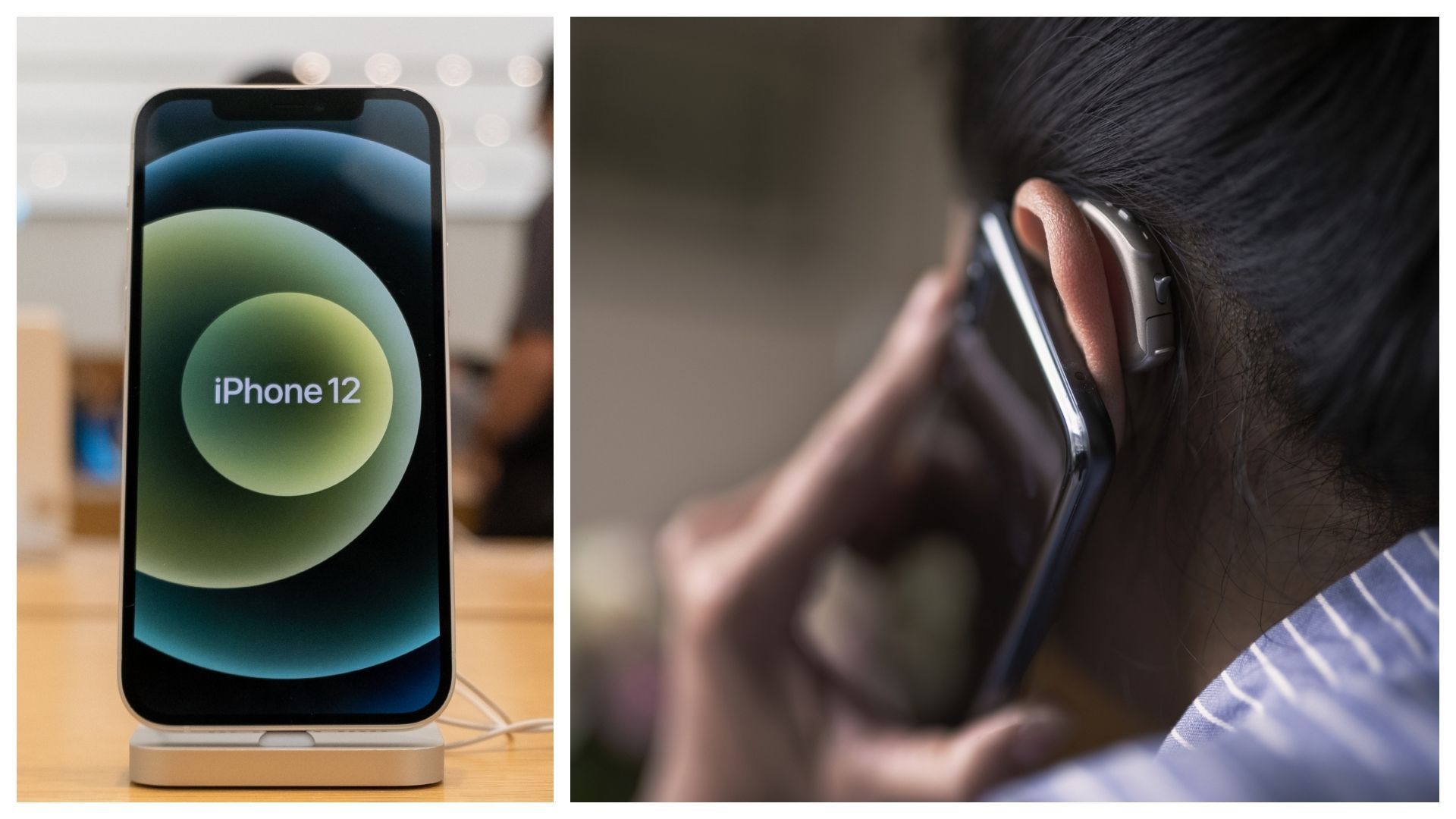
The recent decision by France to ban the iPhone 12 due to concerns about its radiation emissions has sent shockwaves across the tech world. While this move may seem drastic to some, it reflects a growing global awareness of the potential health risks associated with certain electronic devices. China, too, has taken a stand against iPhones in official capacities, citing national security concerns. 

France’s decision to bar the iPhone 12 from its market underscores its commitment to safeguarding the well-being of its citizens. The government’s primary motive appears to be ensuring that the radiation emitted by these devices does not pose any risks to public health. 

Similarly, China’s decision to restrict the use of iPhones by government officials stems from concerns over data security. The Chinese government has long been cautious about potential espionage activities by foreign entities, and it views certain American technology companies with suspicion.

The big question now is: where will these banned iPhones end up? For many, the answer seems to be Africa, particularly countries like Nigeria. In Nigeria, consumer demand for iPhones remains high, and concerns over radiation emissions are often secondary to the allure of the brand. Additionally, a significant portion of the population may not fully understand the potential health risks associated with radiation.

To shed light on the issue, let’s briefly delve into what radiation is and how it can impact health. Radiation is the emission and propagation of energy in the form of waves or particles through space or a medium. In the context of iPhones, we’re talking about radiofrequency (RF) radiation emitted when the device connects to cellular networks or Wi-Fi. 

Radiation can affect health in several ways:

1. Thermal Effects: RF radiation can cause the heating of body tissues, particularly when a device is held close to the body for extended periods.

2. Non-Thermal Effects: Some studies have suggested potential non-thermal effects of RF radiation, including changes in brain activity, sleep disturbances, and alterations in cell function. While the evidence remains inconclusive, these concerns warrant further research.

3. Cancer: Radiation has been associated with a potential risk of cancer. It can cause DNA damage, mutations in genes, uncontrolled cell growth, and eventually lead to tumor formation. Brain cancer, in particular, has been studied in relation to mobile phone use.

While it may be challenging to change consumer preferences overnight, it is vital to raise awareness about potential health risks associated with certain devices. People should consider their health when making choices about the technology they use daily. 

Furthermore, governments in African nations, including Nigeria, should play an active role in monitoring and evaluating the safety of electronic devices before they enter the market. By adopting stricter standards and conducting thorough assessments, they can better protect their citizens from potential health hazards associated with radiation-emitting devices.

Muhammad Ubale Kiru is a tech enthusiast, social activist and freelancer. He can be reached via muhdujkiru@gmail.com.

Niger Republic, Bazoum and France

By Muhammad Muhammad Salisu

In case you don’t know, the coup d’etat in the Niger Republic is not about the standard of living, as Nigerians are insinuating. It’s about France, Mali and the radical revolution in French West Africa.

French-speaking West African countries are beginning to divorce themselves from French neo-colonialism. The recent developments in Mali testify to this. The Russian mercenary Wagner Private Military Company’s persistent presence is a direct threat to French interests in West Africa and the US, EU and NATO, who are currently fighting Russia by proxy in Ukraine.

To the French and other Western powers, Russia is expanding its influence to Africa, which is a slap on their Caucasian faces. Moreover, Mali has now dropped the French language as its official language. France is not happy with this. To all these, even if President Mohamed Bazoum does not support the Malian radicals, France is afraid it may spread to Niger.

Another problem France is facing is Nigeria. Nigeria has always been a thorn in the flesh of France. France is not happy with Nigerian wealth and is openly jealous. It is not news that France supported the secessionists in the Nigerian civil war fought in the 1960s. And also, it is not news that the insecurity issues Nigeria is facing now, fingers are pointed at France as the prime culprit, at least from the illegal flow of weapons into Nigeria. Bazoum is lately trying to strengthen ties with Nigeria. This makes France more and more afraid.

History will never forget the fate of the late President of Niger, Ibrahim Baare Mainasara. His close ties with Nigeria under General Sani Abacha, who was also viewed in the West as an enemy, led to his overthrow and his subsequent tragic end.

This is the actual reason behind the coup d’etat in Niger. Niger has been an impoverished nation, and the West has no interest in the poverty-stricken populace there. All they are after is their political interests there. Some Nigerians are calling for similar development in Nigeria. It will not augur well should it happen. The West is more comfortable with the insecurity herein than a change in leadership.

Muhammad Muhammad Salisu can be contacted via muhdibnmuhd@gmail.com.

Breaking: Paris Saint-Germain puts Mbappe up for sale

By Muhammadu Sabiu
 
In a stunning turn of events, Paris Saint-Germain (PSG) has announced that they have made the decision to put star forward Kylian Mbappé on the transfer market, starting today.
 
The news comes amid growing speculation about Mbappé’s future and his supposed agreement to join Real Madrid in 2024 on a free transfer.
 
Sources close to PSG have revealed that the club believes Kylian Mbappé has already reached a pre-contract agreement with Real Madrid, set to take effect in 2024.
 
This has been a point of contention for PSG’s board, as they sought clarity from the player regarding his commitment to the club.
 
Despite the board’s request for Mbappé to make a decision on whether to sign a new contract or seek a transfer, the French superstar remained non-committal, failing to provide an answer by the deadline of July 15.
 
As a result of Mbappé’s silence and the apparent uncertainty surrounding his future, PSG has taken a decisive step by excluding him from the pre-season tour.
 
This move indicates the club’s willingness to engage in negotiations for the player’s sale with interested parties.

The cost of anger

By Ibrahim Suleiman Ibrahim

On 9th July 2006, legendary footballer, Zinedine Zidane, was sent off the pitch in the 110th minute of a fierce World Cup final match in Berlin, Germany, after he infamously headbutted Italy’s Marco Materazzi.

Zizou, as he’s fondly called, was very phenomenal during his time and is considered one of the greatest footballers of all time. He was renowned for his unique playmaking and elegance. His exploits at the 1998 world cup and other competitive tournaments a few years after cannot be overemphasized. It’s just sad he ended his football career in such an infamous way.

During the world cup final match, France was on the advantaged side, with a higher tendency to win the game. Zidane, who was the French captain, had earlier netted a penalty against legendary Italian goalkeeper Gianluigi Buffon in an audacious ‘panenka’ style to give France the lead. The Italian team later equalized through a header from Materazzi during a corner kick.

Thereafter, there was a fierce battle, and both teams were on the offensive until the match went to extra time. All eyes were on Zidane to see the French team regain the lead, but Zidane couldn’t control his temper against provocative Materazzi during the 110th minute of the game, hence the costly mistake of headbutting Materazzi.

He was sent off by the referee after some reviews, and the game did not remain the same after that. Italy went on to win the game with 5-3 on penalties after the end of the extra time.

Although Materazzi was reported to have trash-talked Zidane’s family during a supposed harmless encounter, which was what triggered the physical assault from Zidane, such a reaction, if necessary, was ill-timed, owing to the importance of the game to his football career.

That violent reaction not only cost him the opportunity to win what would have been his second world cup trophy but was also popularly believed to have thwarted his chances of winning what would have been his second Balon D’or award in 2006.

Some emotional speculators, however, hailed Zidane for standing up for his family, but many others, like myself, saw it as a costly overreaction from his side. 

And that was the last time we would ever see Zidane play football.

Meanwhile, Zidane didn’t let that unforgettable event weigh him down, as he went ahead to become one of the most successful managers in history. He won 3 consecutive champions league titles in his first stint as Read Madrid’s Manager.

Nonetheless, despite the huge successes both as a player and as a manager, you can’t mention Zidane’s name today without picturing the infamous moment at the 2006 World Cup final. That is how injurious reactions triggered by uncontrolled anger can be.

___________

Morals: “Anger is an acid that can do more harm to the vessel in which it is stored than to anything on which it is poured”. –Mark Twain

PSG President Al Khelaifi issues ultimatum to Mbappé

By Muhammadu Sabiu
 
Paris Saint-Germain (PSG) President Nasser Al Khelaifi has once again expressed his firm stance on the future of star player Kylian Mbappé, stating that the young forward must make his decision within the next week or two. 
 
In an interview with Le Parisien, Al Khelaifi emphasised that this deadline marks the limit for Mbappé to make his final decision regarding a new contract with the club.
 
Al Khelaifi made it clear that if Mbappé does not wish to sign a new deal, the door is open for a potential departure. 
 
The PSG president asserted that no individual, not even a player of Mbappé’s stature, is bigger than the club itself, highlighting the importance of the collective over any individual.
 
The PSG president expressed his disappointment and shock at the situation, revealing that there had been a verbal agreement between the club and Mbappé. Al Khelaifi stated that Mbappé had confirmed this agreement, which is why the recent turn of events has left him disillusioned.