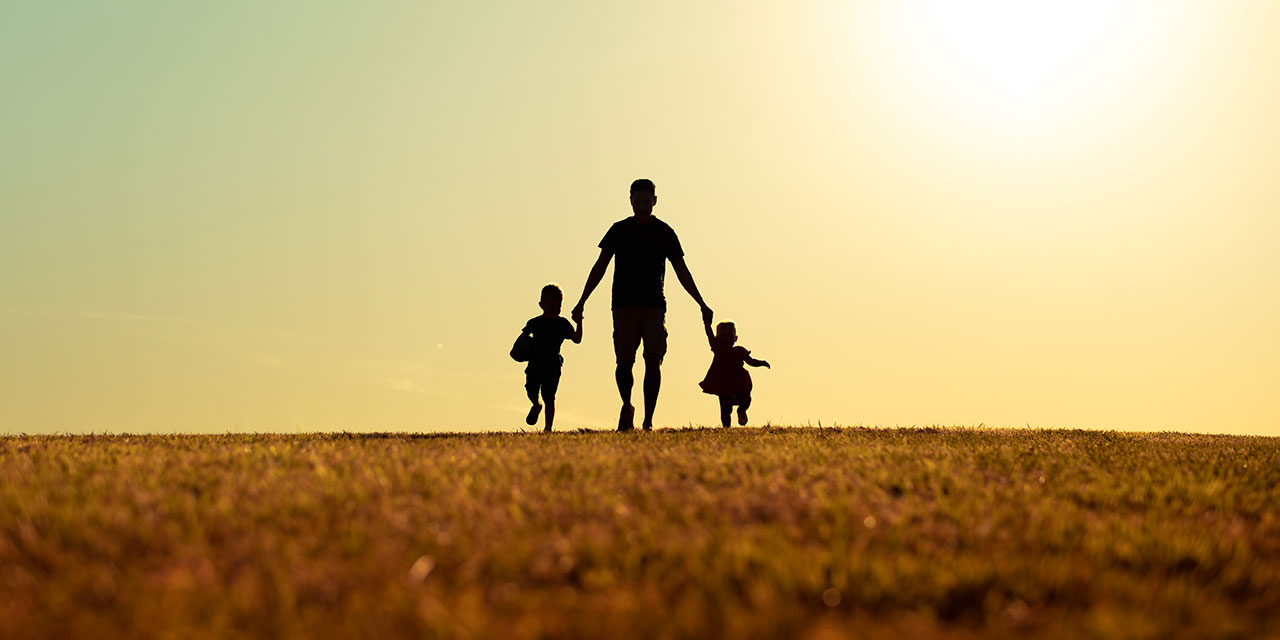
The fathers we forgot to thank
By Lawal Dahiru Mamman
A senior colleague once shared a thought that has stayed with me for years. While discussing the burdens of parenthood, he described how fathers would go to great lengths to provide for their children, often at the expense of their own comfort.
He explained that for every penny earned, the first question in a father’s mind is, “What do the children need?” That struck a chord. With each passing day, as I grow older, I find myself reflecting on how my father silently sacrificed to ensure our needs were met.
These memories linger like a background hum in my consciousness. What becomes clearer with time is that we often miss what is right in front of us. We benefit from the comfort, the food, the shelter, the school fees, and the security,without giving much thought to the man behind it all.
It is the classic case of not seeing the elephant in the room or, as the saying goes, not seeing the wood for the trees. It is no surprise, then, that some people have questioned why there seem to be more songs, poems, and films celebrating mothers than those appreciating fathers.
While we may lack precise statistics to prove this imbalance, popular culture seems to confirm the observation. From the nursery rhyme “Who sat and watched my infant head…” titled “My Mother,” many of us were introduced to the emotional pull of maternal devotion.
Over time, several explanations have emerged for this artistic focus. Mothers are often perceived as more emotionally accessible. The mother-child bond, portrayed as warm, nurturing, and unconditional, lends itself easily to emotional expression in music, film, and poetry.
Cultural symbolism also plays a role. Across different societies, mothers are often regarded as the emotional anchors of the family. This perception makes them natural muses for stories about love, sacrifice, and resilience.
Moreover, many creatives draw from personal experience, with some having been raised primarily by their mothers. And then there is the reality of audience connection — people often relate more universally to stories about mothers.
All of that said, as we commemorate Father’s Day, it is crucial — now more than ever — to reflect on and appreciate the often-unnoticed contributions that fathers make. While mothers are frequently, and rightly, celebrated for their warmth and care, many fathers quietly go about their roles with little attention or applause.
Providing for the family remains one of the most visible expressions of a father’s love. Fathers work tirelessly to ensure there is food on the table, school fees are paid, and their children live comfortably. As children, we may take these things for granted.
It is only with maturity that we begin to realise the depth of their commitment. Fathers often do all this without asking for recognition. Their sacrifices are quiet and enduring — a form of love that speaks less and does more.
This year’s Father’s Day, like those before it, may have come and gone without noise or public fanfare. But even in the silence, we must recognise the strength of men who daily put their families ahead of themselves. They go without, just so we never lack.
They deny themselves small luxuries so their children can feel seen, equal, and included. That is not just love — it is selflessness in its purest form. Many of us, growing up, may have perceived our fathers as distant or overly strict.
But now, we realise that those long hours spent away from home, the constant budgeting, the unspoken worries — they were all signs of a love that often hid behind responsibility. Fathers may not always wear their emotions on their sleeves, but their love is steadfast and deep.
Times have changed, and we now see more women contributing financially to their homes, a development that deserves celebration. Still, it is important not to diminish the sacrifices and emotional labour of fathers. This is not a contest about who does more.
Instead, it is a moment to reflect on all that fathers do — without complaint, without applause, and often without being asked. If there is such a thing as an unsung hero, the average father fits that description. They show up.
They stay. They build. And they keep going. So, to every father, stepfather, guardian, and father figure — thank you. Thank you for your sacrifices. Thank you for the quiet strength you bring into our lives.
Thank you for the roads you walk, so that we can dream. You are the solid foundations upon which we rise. May your love, sacrifice, and strength never go unnoticed again.
Lawal Dahiru Mamman writes from Abuja and can be reached via: dahirulawal90@gmail.com.

