Climate change

COP27: A recap of the first week and what lies ahead for the host nation

By Dr. Yakubu Wudil and Umar F. Ahmad

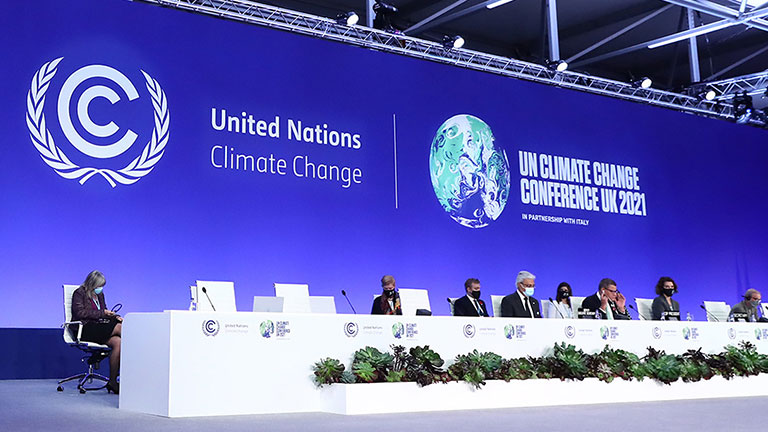
As we head into the second week of the 27th United Nations Climate Change Conference (COP27), which started on November 6, delegates and observers have been involved in discussions on various subjects regarding how to achieve climate action and build sustainable economies around the world. Therefore, taking a step back and reviewing some of the successes and drawbacks recorded based on the first week of the climate negotiation conference is essential.

COP27 is taking place, knowing fully that there is an inadequate will to reduce greenhouse gas emissions. The past year has witnessed unprecedented heatwaves around the world and ravaging floods like the ones experienced in Pakistan and some parts of Nigeria. These saw millions of people confronting the impacts of concurrent crises in food, water, energy, and cost of living, worsened by fierce geopolitical tensions and conflicts. However, with all these adverse effects, some countries have reversed climate policies and returned to business as usual. This, in turn, poses a threat to the host continent, which remains vulnerable to the effects of climate change and has contributed the least to global warming.

The African Union (AU) marked the second day of the conference as ‘Africa Day.’ Africa Day offered the African Development Bank (AFDB) and countries, including development partners, the opportunity to pinpoint measures that can guide them in tapping the continent’s unique economic potential. However, a caution was raised by the AFDB president Akinwumi Adesina, “even with Africa’s unique and vast arable land, we cannot unlock our agricultural potential unless we adapt to climate change.”

A youth leader, Lucky Abeng, made it clear to the AU to ensure that the conference implements decisions reached at the meetings without further delay. The Global Center for Adaptation and the African Union Commission signed a memorandum of understanding that involves the mobilization of at least $25 billion for the African Adaptation Acceleration Program over five years. This will quickly prepare the continent for the consequences of climate change.

The national statement delivered by the President of Senegal made it clear that Africa is reaffirming its commitments under the Paris Agreement and its obligations to the continent’s specific needs being taken into account. “What we need is a just transition,” he further stressed. While these statements were ongoing, there happens to be a big climate financing for the African continent. Starting with the commitment made by a group of about 85 African insurers to come up with a facility that will climate-proof the most vulnerable in the continent known as the African Climate Risk Facility (ACRF). This commitment will provide $1.4 billion in climate risk insurance to protect 1.4 billion people against droughts, floods, and cyclones through African sovereigns, NGOs, and aid agencies. These measures will contribute to bridging the wide climate risk gap on the continent exerted by wealthy nations for compensation due to ‘loss and damage’ caused by global warming.

On decarbonization day, Africa’s renewable energy share is 40%, the highest in the world, says Amani, the Commissioner for Infrastructure and Energy of the African Union. She added that the “African common position on energy access and just transition stipulates that Africa will continue to use its resources, including oil and gas, the cleanest form of fossil fuels.”

However, even with fossil fuels, the recent Russia-Ukraine war has exposed the world’s lack of preparedness to meet its energy challenges. These challenges have sparked present-day political debate due to scientific and public concerns about the environment. Consequently, the recent effort by Germany to restart its previously shut downed three nuclear power plants has made the world reconsider its position regarding nuclear power.

The African continent should be looking towards deploying all low-carbon energy sources, including nuclear, in the energy mix. Complementing renewables such as solar and wind, which are intermittent sources of energy, nuclear energy requires less land to generate the same amount of electricity 24 hours a day.

The President of the United States (U.S), Joe Biden, echoed that “the climate crisis is about human security, economic security, environmental security, national security, and the very life of the planet.” He further announced bolder protections against methane pollution from the oil and gas industry and that the U.S. will meet its emissions target by 2030.

The European Union announced its goal of becoming the first climate-neutral continent by 2050 and is set to host a high-level event in the second week of the conference to launch an initiative called ‘Team Europe Initiative on Climate Change Adaptation and Resilience in Africa.’ Consequently, a recent article by Nigeria’s president, Muhammadu Buhari, reported that “many of my peers are frustrated with Western hypocrisy and its inability to take responsibility.” He argued that governments have repeatedly failed to honour their commitments to the $100 billion fund for climate adaptation and mitigation in the developing world. Some also cite this as his decision to shun this year’s event.

Interestingly, the African continent sends many delegates to these summits. Still, there has been noticeable silence from leading African activists on turning ambition into action. This may be attributed to the no active role participation assigned to these delegates but rather appointed as observers viewing these proceedings on a TV screen.

Meanwhile, other African delegates seem to not care about the continent they are representing, however, and sadly, become ‘attack dogs’ for African governments in lobbying for ‘Climate Financing’ reparations and are being sponsored by their governments to attend these summits. The UN Environment states that Africa needs 3 trillion US Dollars to implement the continent’s National Determined Contributions (NDCs), but the question remains whether the national budget of African governments is considered a climate action instrument or whether they are utilizing their available resources to build climate-smart communities. In the remaining days of the conference, the delegates and observers from African nations need to look within the continent and work together as there are saviours out there.

Mr Umar Ahmad is a nuclear physicist working with the Centre for Renewable Energy Research at Bayero University, Kano, Nigeria (oumarulfarouq@gmail.com). Dr Yakubu Wudil is with the Renewable Energy Research Center, KFUPM, Saudi Arabia. (yswudil@yahoo.com)

On Climate Change: We Need to save our environment

By Nusaiba Ibrahim Na’abba

Regretfully, the calamities unfolding these days are unceasingly proving that our climate is indeed shifting in ways we’ve at no time conceived. Whether climate change will remain a hoax or not is something that can only be proven over time. But, the world isn’t at peace knowing that we are living in desperate times, courtesy of weather conditions our environments haven’t experienced before, even worsening our disorderly states. The experiences of these calamities have massively multiplied and are painting a dusky time ahead.

Poverty levels are increasing as people are forced to flee their homes and farms in search of safety, not because of only insecurity but as a result of deadly climate-related catastrophes. Many of these climate problems are associated with human and natural causes. However, they are also primarily associated with how public development initiatives have, over time, been neglected, grossly squandered and unaccounted for. Now, we are all paying the price. Unlike health, economy and education issues, the environment barely segregates the poor and rich, illiterates and literate, among other unfounded claims used, to create divisions within developing societies like ours.

Climate change is mainly explained within the purview of science. However, not all scientific evidence sits well with religion and culture, core pillars held in high esteem in developing societies worldwide. This is quite understandable as scientific outcomes often contradict cultural and religious perceptions, hence the disagreement. However, communities are now mindful that everyday living is enveloped by gigantic piles of plastic wastes, massive refuse-clotted drainages, insufficient foods, low agricultural turnout, excessive heat and flooding.

On the premise of religion and culture, disagreeing with and disproving new concepts happens to everything alien. It had occurred to diseases like HIV/AIDs, Sickle Cell Anemia, Tuberculosis and, recently, Covid-19 before they were finally accepted as problems in places like Nigeria. Similar to older rejections, climate change has also faced backlash. There are underlying elements of political and economic contestations fueling quests for advanced economies in the world alongside cultural and religious underpinnings. However, that does not erase the authenticity of such events as the current realities are proving them.

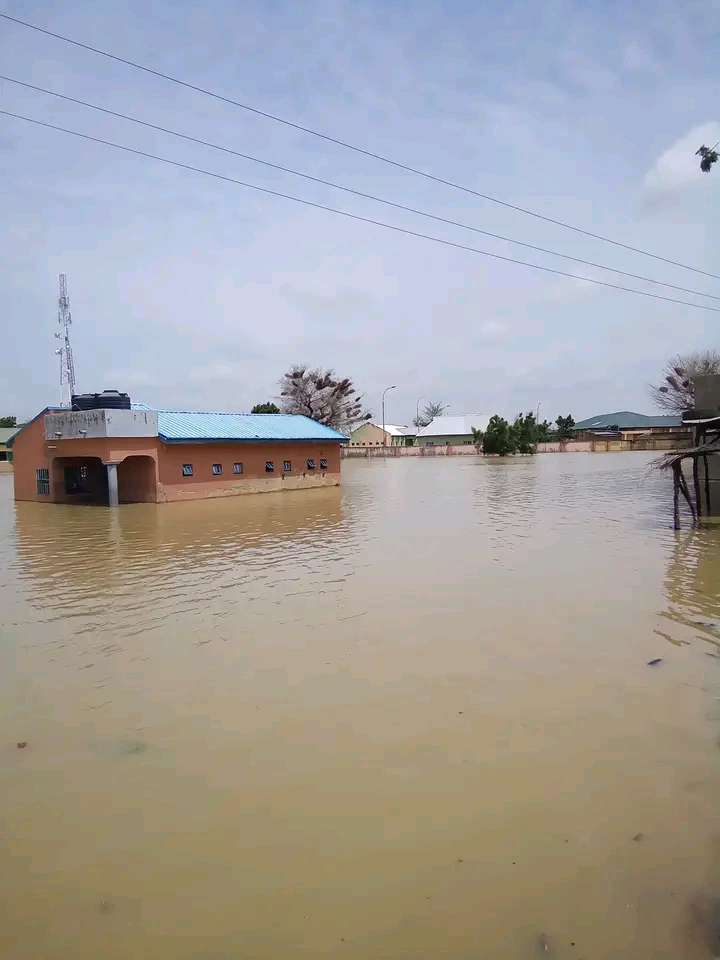
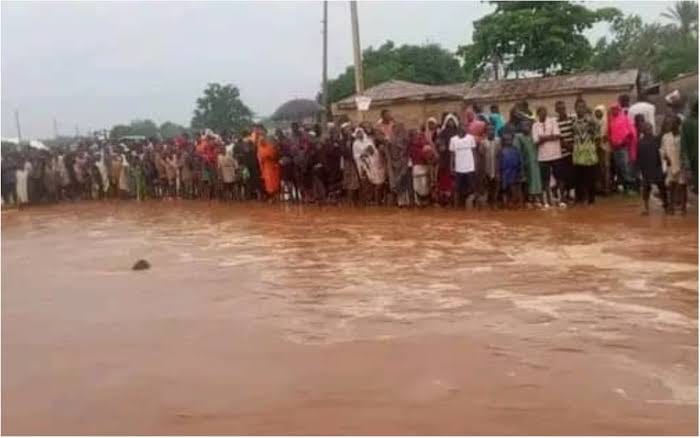
The detrimental consequences of climate change have transcended boundaries and excessively destroyed societies. Calamities like flooding, which we spot from afar, are now occupying top spots on our disaster checklists, which is quite frightening. The recent downpour witnessed in Nigeria degenerated into floods that consumed lives and displaced many communities in some parts of Jigawa, Kano and Yobe among the 24 states listed by NEMA through its director of Relief and Humanitarian assistance, Alhassan Nuhu. And with existing IDP camps around the northern part of the country, more devastation has hit the nation.

Until it became a global discourse, the spontaneous activities happening in developing countries like Nigeria were never seen as causatives of climate change. However, the corrupt nature of our systems enables substandard building structures. It fuels illegal dumping of refuse, deforestation, desert encroachment, and various climate problems. Now, these challenges have united to unleash colossal damage to our environment.

Recurrent flooding forcing people out of their homes signals a huge alarm as Nigeria remains in economic chaos and a messy political scene. Unfortunately, no particular problem was attributed as the sole reason for the unusual persistent floods we face in Kano and other neighbouring states. And the reason is mainly that multiple mismanaged natural and human causes have piled up over the years.

With dynamics intrinsic to climate change, the communities in the Northern part of Nigeria, like Kano, Yobe, and Bauchi, among others, have been selected to be part of the Great Green Wall Initiative to combat these environmental changes. Essentially, the project focused on battling climate crises, including desertification, erosion, and other problems related to shifting climate conditions in the Sahel region of the World, including Nigeria.

Whatever the more robust economies are set to achieve, these times are not the best for the independence of thoughts and decisions. We have a collective responsibility to save our environment to save humanity at large. And it is only through collaborative and calculative efforts of communities and the government that the consequences of climate change can be averted to halt its rapid advance. Our duty as humans is to consistently avoid harming the environment and adopt sustainable ways of creating energy, practising agriculture, waste management and other viable solutions offered by experts.

Utilizing these available sustainable methods is highly strategic to align Nigeria with global best practices in the fight against climate change. But on the other hand, our governments at all levels must provide robust and all-inclusive policies that align with citizens’ goals to propel development and support sustainable-driven initiatives to achieve massive, unprecedented mutual successes for humanity and the environment.

Nusaiba Ibrahim Na’abba is a master’s student from the Department of Mass Communication, BUK. She is a freelance writer and researcher. She can be reached via nusaibaibrahim66@gmail.com.

Jigawa flooding and its forgotten victims

By Muhammad Abubakar

The news of the severe flooding in Jigawa State is depressing and alarming. I initially thought the report had reached every nook and cranny of the country. But the reverse is, unfortunately, the case. I was amazed to realize that the news has not gone very far in the country. Worse still, it is said that the state governor himself is currently out of the state.

I recently checked a couple of our local media sites to know more about the ongoing flooding, only to find out that; most of the news updates there have nothing to do with this deplorable disaster currently ravaging the state. It’s heartbreaking how many on-and off-line news outlets pay only lukewarm attention to this issue, although it should be discussed more than any other.

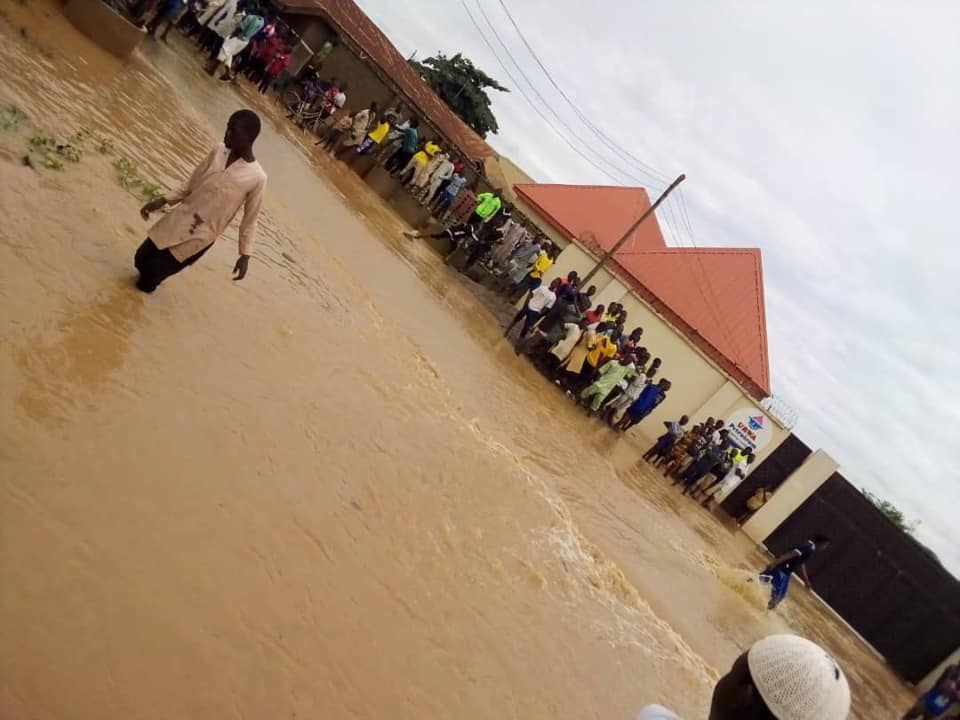
Jigawa State has never experienced such an alluvial disaster in its history. Many houses and villages collapsed; properties submerged; roads, bridges and farmlands were washed away, and crops ruined. Some have become orphans all due to this flooding!

The situation has reached the extent that the people of the affected areas can no longer move into their towns or travel out of the villages because their roads are not motorable. Also, thousands of people in the affected communities have been displaced. Canoes capsized. Lives were lost. Almost anywhere in the state has been negatively affected.

The most affected areas include Gumel, Mallam Madori, Auyo, Kaugama and Kafin Hausa local government areas. The flood has not only stopped here, but it also touched almost every part of the state. But yet, no tangible action has been taken on that by the government.

The federal government should therefore join hands with the state government to do the needful; deliver food, clothes, drugs and other useful items to the victims. May God, the omnipotent and omnipresent, end all the hardships we are going through in this country and the world.

Muhammad Abubakar wrote from Jos, Plateau State, via muhammadabubakar01002@gmail.com.

At 62: Nigeria’s independence and the future we desire

By Babatunde Qodri

It can be argued that ever since Nigeria got her independence in 1960, the country hasn’t gotten worse like it’s today. Every year is filled with insurmountable challenges beyond the control of both leaders and citizens. It appears, sincerely, as if the country has been cursed. Every opportunity to believe in Nigeria’s prosperity is dashed by a litany of crises ranging from insecurity, poor education and health systems and economic downturn. The country seems to have been brought to her knees.

The occasion of independence does not move people from different corners of the country. On the contrary, the convention of this remarkable celebration is a history remembered with joy and happiness. Many other African countries celebrate their independence with scores of impressive feats, despite avoidable crises. Unfortunately, the case isn’t the same here in Nigeria, where leaders expected to make people proud resort to disappointing charades to the country’s detriment.

The ongoing industrial action by university lecturers says a lot about how blighted Nigeria has been. Students have been away from classrooms for months. One would expect that a 62-year-old country should have grown past deleterious distractions capable of creating barricades in the way of her education system. It hurts that a sector as eminently necessary as education can be allowed to suffer while the Government continues to fund frivolities. The question is, which country develops or has developed without serious attention to education? 

In other words, education in Nigeria is now in a comatose state. It’s hard to believe that this is Nigeria where Sir Ahmadu Bello, Obafemi Awolowo, and others once lived and governed. Nigeria’s present predicament, evident in her leaders’ shameless willingness and obsession with greed, has ruined those past years of free education packaged to liberate Nigerians for genuine patriotism. What used to be, in terms of quality, transformative education now constitutes a culture of abandonment, taking a heavy toll on the survival and growth of the country.

Insecurity is another problem. Severalerians have been in captivity for years. We are now the headquarters of banditry and kidnapping for ransom. Non-state actors have taken advantage of the country’s vulnerability to unleash horrors daily. And the complete loss of strength by people constitutionally paid and expected to protect lives and property heightens fears. Because of this unwholesome reality, the country has become a no-go area for foreign investors who should have helped her economically. The fact that people are becoming strangers in their homeland explains the mass migration of Nigerians out of the country in search of averagely better and more peaceful climes. Internal unrest, sadly, continues to drag the country backwards.

This reality is worsened by intractable corruption. Despite being an oil-producing country, it’s still disgusting to hear that Nigeria cannot refine her oil, which makes the country hugely indebted. While other OPEC countries leverage the international market amid restrictions posed by the ongoing Russia-Ukraine crisis, Nigeria is wallowing in a financial crisis resulting from endless oil theft. Isn’t it funny that the country has to borrow to service her debt? This is indicative of the depth of mess in which Nigeria is in.

Unarguably, Nigeria needs urgent solutions through the diversification of its economy. We must take advantage of modern agriculture to produce what we consume and vice versa. The country should stop wasting funds meant for critical goods on exotic cars for politicians. Our Government must invest in the education sector, health care system, and others.

Plus, effective legislation is paramount. Nigeria is in dire need of a fresh set of leaders with brand new ideas, leaders who are committed to viable plans and collective change. The issue of climate change must also be given urgent attention. Climate change and poverty have the exact root cause, and their impact contributes to the national underdevelopment the country is witnessing.

As we move into 2023, Nigerians should understand that our country deserves a befitting future. So we must be interested in candidates who will focus on doing the right thing at the right time. We must go for candidates with clear readiness and vision to transform our education system and uphold justice and transparency. We must do away with activities capable of fueling the embers of disunity in the country. 2023 should be about these.

Babatunde Qodri can be reached at babatundelaitan@gmail.com.

Nigeria: Understanding flood and the outbreak of infectious diseases

By Adam Mustapha, PhD

Floods are natural disasters that occur globally, destroying lives and property, especially in developing countries like ours. As a natural disaster, it is caused by climate changes and human activities which distort the balance of environment, hosts and pathogens. Factors such as high sea level rise, urbanization, destruction of river banks, and deforestation increase the risk of flood disasters.

Flood results in the disturbance of the epidemiological triangle; environment, host and infectious agent, and as such, it could result in the emergence of new agents or re-emergence of infectious agents that previously existed. Therefore, the potential outbreak of infectious diseases is a matter of great concern, and urgent intervention is needed to break the chains of transmission.

Flood is known to increase the global burden of various infectious diseases, mortality, social and economic disruptions and displacement of people, which can result in both physical and psychological trauma. Of great concern is how flood causes the outbreaks of infectious diseases, as germs can easily be transported and contaminate drinking water sources, which will provide a conducive environment for the completion of the vector life cycle.

Like other developing countries, flooding has become an annual event in Nigeria, and many towns and cities are vulnerable and susceptible to it. This year, the Nigerian meteorological agency (NiMet) warned some states that they were at high risk of flooding in its yearly prediction of rainfall. Therefore, it was unsurprising that flooding hit many such states, states like Jigawa and Yobe have significantly been hit. In contrast, others such as Borno, Adamawa, Gombe, Kebbi, Kano, Kaduna, Lagos, Kogi, Niger, Delta, Rivers, Zamfara, Taraba, Ogun, Osun, Ondo, some parts of Ekiti, Edo and FCT are affected from moderately to low levels.

Flooding can cause waterborne diseases such as cholera, non-specific diarrhoea, typhoid and viral diarrhoea caused by Rotavirus. These diseases are known to peak after flooding as the pathogens such as bacteria, viruses, and parasites can be transported. In addition, the crowded nature of displacement camps can potentially result in and aggravate the outbreak of respiratory diseases.

The crowded nature of displacement camps can potentially result in the outbreak of respiratory diseases of different etiological agents. Wastewater is a breeding ground and carrier of infectious diseases. For instance, wastewater has the potential of spreading viruses, as they are known to be good-chance takers of a flood, which take days after flooding to meet their incubation cycle. Viral diarrheal diseases, such as hepatitis A and E, vector-borne viral diseases such as Yellow fever, and many others are also some diseases that could potentially spread after the flood.

The genome of some viruses, such as SARS-CoV-2, are known to be detected in community wastewater and this call for concern as it can be disseminated during a flood. Another agent to worry about due to flood is Naegleria fowleri, a brain-eating amoeba causing primary amoebic meningoencephalitis (PAM). As water level and temperature rise, such a situation could fuel the growth of the agent. Environmental contribution to the development of infectious diseases is a significant public health concern that should not be ignored. Antibiotic-resistant bacteria and antibiotic-resistant genes are quickly disseminated in environmental wastewater, which could be further transported into the water system, which calls for concern.

Furthermore, the vector-borne disease can occur as a result of a flood because the development cycles of vectors are provided. For instance, mosquito-borne diseases such as malaria and West-Nile fever tend to increase after floods. Rodent-borne diseases also expand during flooding because the flood increases contact between rodents and humans, resulting in outbreaks of such diseases. Common rodent-borne infectious agents due to flooding include Leptospirosis, Hantavirus pulmonary syndrome, Hemorrhagic fever with renal syndrome etc.

Health interventions

 First, public health measures are essential in preventing infectious diseases due to floods. Therefore, preventive measures should be taken before, during and after the flooding.

Second, the provision of crucial intervention. The critical intervention is an active early warning system that can alert governments to prepare for possible outbreaks and send signals for evacuation of people at risk.

Third, the activation of rapid emergency response is also a necessity. This includes the provision of basic materials and health care services.

Fourth, after the flood, the activation of an effective surveillance method is mandatory for the early detection of an outbreak.

The key intervention is active early warning systems which can alert governments to prepare for possible outbreaks and send signals for evacuation of people at risk. At this stage, all stakeholders and the public must act on time. However, compliance is low due to a lack of an alert system or people refusing to abide by the warning system. Furthermore, risk assessment is needed to ensure that no basic amenities are disrupted due to floods.

Moreover, there is a need for vector control after the flood to break the chains of transmission. There is a need for collaboration among all public health stakeholders. Public enlightenment and outreaches are equally essential intervention measures.

Finally, provisions of clean water, sanitation and hygiene after the flooding to prevent infectious disease outbreaks are also very significant.

Adam Mustapha, PhD, is a clinical and medical microbiologist. He wrote from the Department of Microbiology, University of Maiduguri, via adadmustapha@unimaid.edu.ng.

As climate change responds with terrifying brutalities…

By Nura Jibo

A year ago, I analysed climate disaster scenarios that happened within one week, which affected the entire world virtually. I then narrowed and streamlined my analysis by including some flood flashpoints in Nigeria, including Hadejia, Ringim and Auyo in Jigawa State.

Some office sit-tight professors, including one architect who resided in the UK for a long time, responded to my take with archaic and obsolete climate data. They vehemently descended on my double-decker analysis like wounded lions! But I forgive them because lots of them have lost touch and are never up-to-date with what is happening in the climate change world.

Moreover, some hardly attend UN-COPs or even care to read or research how climate dynamics and their attendant consequences affect Mother Earth. Instead, theirs is to sit in the office, review old literature(s) (emphasis mine), and take a vantage from there. They often think this can make them appear original.

Now it is the beginning of the first week in August 2022. And the news, videos and photos that were and are sent to me on a daily basis vindicated my flood projection(s) in certain Nigerian states such as Jigawa.

For example, a childhood friend from Hadejia (name withheld) sent me a picture of a flooded market segment in Hadejia. He then said, “Nura, kaga abin nan fa daka fada akan Hadejia ina ga zai zama gaskiya“. Meaning: Nura, it appears that what you said about Hadejia(referring to my assertion on flooding in Hadejia) will be true.

I then laughed it off and let go!

The rest now lies on the residents and inhabitants of that town. They either decide to move to the highlands along Malam Madori Road and expand Hadejia along that axis, or they should continue to live with their thinking and be lost in oblivion.

Nonetheless, I sincerely commiserate with the victims of this first phase of the flood. May Allah help their situations in this country with hopeless, very unserious and dangerous politicians and political leaders.

Nura Jibo wrote via jibonura@yahoo.com.

Climate Change: Flood washes away farms, destructs lives, properties in Jigawa

By Aisar Fagge

The heavy downpour has wreaked havoc in Jigawa communities, leading to the destruction of many houses, shops and prosperities worth millions of naira in the areas.

The rain that started Monday night, 1st August 2022, lasted for hours and had claimed the lives of yet to be identified a number of people, especially small kids.

The Daily Reality gathered that the communities affected included; Hadejia, Kafin Hausa, Kiri-Kasamma and some parts of Garun-Gabas, Tandanu and Bulangu of Jigawa state, respectively.

Our reporter gathered that the flood has also washed away many farms in the communities, and the development that the residents decried has struck terror in them.

Climate change that leads to flooding is one of the serious challenges rocking many countries, which affects people’s lives and health in various ways.

Victims of flooding

In another similar situation, a morning downpour in Bajoga town of Funakaye Local Government Area of Gombe State had claimed the lives of people and destructed houses and shops in the community.

Climate change: More floods in Nigeria

Experts have foresighted that there would be more floods in Nigeria in the next two months because of climate change.

The Director General/Chief Executive Officer of the Nigerian Meteorological Agency (NiMet), Prof Mansur Bako Matazu, has warned Nigerians to brace up for more rains in the next two months.

Mu’azu disclosed this on Channels Television’s Sunrise Daily programme on Monday, August 2nd, 2022, while speaking on flooding wreaking havoc across Nigeria in recent weeks.

However, Mu’azu also lamented that Nigerians keep cutting down trees and dumping refuses in drainage channels.

He added that the NiMeT CEO organisation had issued several advisories about flooding earlier, to which Nigerians failed to adhere.

In his words, Matazu said: “There will be increased rainfall intensity in the next two months or so. This is the most active period – July, August and September. We are going to see more floods.”

NEMA: 233 LGs in 32 states prone to flooding

No fewer than 233 local government areas in 32 states and the Federal Capital Territory have been predicted to experience flooding in 2022.

Flooded street

The Director-General, National Emergency Management Agency, Mr Mustapha Ahmed, raised the alarm Tuesday in Abuja.

Ahmed, who said the discovery was a result of the 2022 Seasonal Climate Prediction, stated, “Efforts must be made to mitigate and respond effectively to flooding.”

Bauchi Flood: Reps urge FG’s intervention as rainfall destroys over 200 houses, farmlands

By Aisar Fagge and Uzair Adam Imam

The House of Representatives has urged the federal government to come to the rescue of Darazo community in Bauchi State affected by a devastating flood a few days ago.

The Daily Reality gathered that the devastating flood disaster destroyed more than 200 houses, farmlands and other sources of livelihood.

The lawmakers made the call through the National Emergency Management Agency (NEMA), the North East Development Commission (NEDC) and other relevant agencies.

However, reports disclosed that this was coming Wednesday at the plenary after the adoption and passage of a motion moved by the member representing Darazo/Ganjuwa Federal Constituency, Mansur Manu Soro.

Soro expressed deep concern over what happened in the community that the flood had displaced thousands of citizens.

Therefore, The House has called on the NEMA to provide support to the victims and to also engage the Bauchi State Government with a view to resettling those who were displaced by the flood disaster.

Mitigating the menace of climate change in Nigeria

By Mukhtar Ya’u Madobi

Unless proactive measures are put in place and fully implemented, otherwise the commitment made by Nigeria at the just concluded 26th annual edition of the Conference of Parties (COP26) Summit on climate change in Glasgow, United Kingdom, to end deforestation by 2030 and equally attain zero-net emission in another 30 years later, will continue to remain a mirage! This is evident if one looks at the country’s unprecedented hikes in cooking gas prices, not to even talk of diesel and kerosene.


Many people will resort to cutting down trees for fuel, leading to increased emission, deforestation and fewer flora communities to absorb methane gases being released to the atmosphere occasioned by human activities. What a setback?


Due to the volumes of greenhouse gases being continuously added to the atmosphere triggered by humans, it was observed that the earth is now 1.1 degrees Celsius warmer compared to the pre-industrial level. The impacts of climate change are now evident worldwide, ranging from wildfires in Greece and Algeria to flooding in Germany and Turkey to drought in Australia and Northern Nigeria.


There is also the crisis of extinction of land and ocean species, rising sea levels, and increased drought. Like Nigeria, these issues lead to increased food shortage, animal migration, health risks, poverty, and displacements for developing countries. In 2020, the 10-highest climate change-induced disasters occurred in some of the poorest parts of the world. It cost over $130 billion, killing thousands and displacing millions. These costs are escalating every year.


According to the latest version of National Security Strategy 2019, a document released by the Office of the National Security Adviser (ONSA), climate change has contributed to excessive flooding across the country, causing enormous human and economic losses. Additionally, it has led to seasons of drought, which affected agricultural activities and caused shelter losses. In 2019, the National Emergency Management Agency revealed that floods had displaced approximately 1.9 million Nigerians.


Research by scientists from Europe, US and China predict that by 2070, a third of the global surface would be unsuitable for human life as the global temperature rises. The prediction included West and Central Africa, which will force the majority of the people to migrate to a suitable region. It is estimated that about 81% of Nigeria’s population would suffer from these extreme temperatures. Despite our preference not to relocate, the extreme temperature may drive many people to do so.


Nigeria has outlined measures and plans toward combating the effect of climate change over the years. These include establishing a national youth climate innovation hub to harness climate innovation ideas from young Nigerians and include them in decision-making processes. The country has also approved the national action plan on gender and climate change to ensure that women, men, youth, and other vulnerable groups optimally benefit from climate change initiatives, programmes, policies, and funds. Nigeria has also developed a National Adaptation Plan (NAP) — which aims to build a framework for climate change adaptation, planning and governance, and an adaptation communication that would highlight adaptation activities and efforts in the country.


It is heartwarming to learn that President Muhammad Buhari signed into law on Thursday, November 18, 2021, the climate change bill passed by the national assembly. In signing the law, the president has made Nigeria join an elite group of countries that have enacted emissions-target legislation aiming to eliminate carbon emissions. This is a big deal for an oil-dependent nation also ranked as one of the world’s most vulnerable countries to climate change.


The main objective of the climate law is to provide an overarching legal framework for achieving Nigeria’s long-term climate goals, including a net-zero carbon emission target, national climate resilience, an adequate volume of climate finance, and the mainstreaming of climate change actions into national development priorities. In addition, the bill places climate change action in the broader context of efforts to achieve inclusive green and sustainable economic development for the most populous black country in the world.


Nigeria has long maintained that it wishes to use its climate policies as part of wider measures to achieve low-carbon, resilient, and equitable economic growth. Therefore, the act seeks to facilitate the intensive and complex cross-ministerial coordination of climate change action and the involvement of businesses and the civil society needed to achieve long-term climate objectives while also promoting climate-resilient social-economic development in the country.


The act also sets out to establish a systematic approach for the country to identify the significant climate risks and vulnerabilities facing the country and how to strengthen existing capacities to adapt to the impacts of climate change.


With this current development of enacting the climate change act, it is apt to say that Nigeria is on the right course towards averting the dangers of climate change.

Nonetheless, individuals should also, on their own, help in projecting this campaign by abstaining from activities that cause environmental exploitation, especially illegal cutting down of trees, which ultimately trigger climate change.


With the pledges made by the affluent nations and private institutions during the Glasgow COP26 to collectively provide a minimum of $100 billion annually by 2023 in order to achieve the mandates of reducing climate change, getting financial guarantees for Nigeria will not be difficult. However, it must adopt climate action as fast as possible because scientists keep telling us that the planet is burning. Therefore, our lives literally depend on this global joint effort that COP 26 in Glasgow has represented.

Mukhtar Madobi wrote from Kano. He can be reached via ymukhtar944@gmail.com.

Bauchi State and politics of deforestation

By Abdul Ahmad Burra

Recently, a committee was inaugurated by the Bauchi State Governor, Dr. Bala Abdulkadir Mohammad to implement the Government’s White Paper on the report of administrative committee on land use abuse, illegal allocation and farmers and herders clashes in local government areas of the state.

This news, to some extent, soothed our hearts that have been burning helplessly for several months because of the impunity and lawlessness being perpetrated by government officials and politicians in our local governments which endangered everybody’s life in the State.

The scandalous sale and allocation of the historic Lame-Burra Game Reserve and Burra-Tamba Grazing Reserve by a group secretly formed by local government officials and local politicians is the heaviest blow we have ever suffered as community and environmental activists.

About two decades ago when we started our activism to protect our forests and reserves against deforestation and other harmful activities so as to avoid environmental disasters and other negative effects, we thought by now, the problem of deforestation in our area would have been reduced or eliminated completely.

Unknown to us that the menace would not only grow beyond our capacity but would reach the level that even the forests and its components would be put to sale by people who have the mandate of protecting them.

The Lame/Burra Game Reserve, which covers about 2,351.92 km2, is situated in Toro and Ningi Local Governments Area and the second largest after Yankari Game Reserve. The area was designated for nature reserve and maintenance of a natural habitats.

One will never expect that this Game Reserve being one of the greatest treasures and tourism attraction sites of the State will be carelessly managed and left to the hands of local politicians who subsequently decided to sell it to the highest bidders.

The intensive atrocity against our environment started after the local government election last year. The new local government officials and some local politicians set up the so called anti deforestation committees that masqueraded as tax collection outfit to collect monies from loggers.

Motivated by greed and the huge amount money they generated without hitches, the local government officials, local politicians and a certain bureaucracy of our traditional institution decided that more money would come if they allocate some of the forest reserves in the local government to themselves, cronies and any interested buyer. They immediately commenced their grand plan with unbundling and allocation of farmlands in the famous Burra-Tamba Grazing Reserve which is under the control of Ningi Local Government Council. The Reserve is located along Burra-Ningi road and used to be the beautiful forest with beautiful landscape and topography that welcome and attract travellers to Burra. Trees and other plantations were cleared, loggers and charcoal producers dominated the Reserve.

Their next grand plan was to sell out the Ningi Local Government’s portion of Lame-Burra Game Reserve to people but unlike the grazing reserve, it is under the control of the State Government, thus they don’t have its absolute control, but they hatched a plan. They formed a herders and farmers peace forum and made some religious and PDP leaders, Fulani leaders, farmers and politicians as members. The Forum voted some millions of naira and visited a certain Director in the ministry supervising the Game Reserve. They presented a request for allocation of the Reserve to farmers because it became hideout of criminals. They also claimed that the Toro Local Government’s portion of the Reserve has already been allocated to farmers and the Ningi portion is being encroached by the people of Toro.

The Director reportedly gave them approval to sell out the Reserve. Allocation commenced in which they started with collection of two hundred thousand naira and one hundred and fifty naira from farmers for allocation of farmlands. They also allocated hundreds of hectres of farmlands to themselves, politicians, traditional institutions and some notable individuals. When the news of the allocation spread, people from far and near trooped to the Forum for allocation. The price skyrocketed to one and two millions for allocation because Fulani herders from Zamfara, Sokoto, Katsina, Kaduna, Kano, Plateau and many states saw opportunity in acquiring the Reserve. In a short period of time the Forum generated millions of Naira. Loggers from all parts of the country trooped to the former former Game Reserve and up to today, the Reserve is the new mecca for charcoal, timber and firewood.

What is more dangerous in the activities of this Forum is that they don’t care about the profile of these herders coming from far and near to buy land in the Reserve. All they care was the money. It is alleged that many fleeing bandits and kidnappers from Zamfara and Katsina used proxies and relatives to buy farmlands in the Reserve.

Environmental activists and community leaders alarmed the government on the scandal and dangerous trend in the local government which is capable of plunging the State into serious security and environmental disaster. These local politicians would politicize any move to stop these activities and this slowed down any reasonable action from the Government.

Whenever an attempt is made to stop the atrocities, they would take bags of money and see the people at the top. It reached a level that these people have bribed almost every individual or institution we think we could get help. Also all attempts by some officials from the State to visit Burra and see the situation would be blocked in Ningi by the local government officials and certain bureaucracy of the traditional institution.

The District Head of Burra Alhaji Ya’u Shehu Abubakar has been the greatest force in the fight against deforestation but he is lone in the fight thus he watched them helplessly. Knowing that he was the major threat in their deforestation and farmlands allocation business, the local government officials connived and got him suspended from office. They used politics and other administrative tactics to hang him. The suspension of Sarkin Burra aided the smooth running of their atrocities up to today because the fear of Sarkin Burra has been one of the major factors that protected our forests from being destroyed for many years.

Later the State Government cancelled all the allocations in the reserves and set up a committee to investigate. But this didn’t stop the atrocities. They paused on the allocation and concentrate on logging and massive production of charcoal from the Reserve. Logging is now business of the day in all forests of Burra. This continue to fetch them money in which they use to carryout out some personal and political activities.

It’s obvious that local politicians see our forests as political bounties. Whenever an election is held, the target of the members of the winning party is to take control of forests and reserves in their communities. This twist of politics started more than a decade ago but worsened from 2020 to date.

The 2020 local government election in Bauchi State has produced set of leaders and officials who have strong desire to accumulate wealth by hook or by crook, to live a flamboyant life and to prepare for 2023 election in which many of them are nursing ambition. Because there is little money to steal from the local government treasury, the officials and local politicians with connivance of traditional institutions resorted to logging, illegal allocation of lands and forest reserves and other sharp practices. The legacies that stood the test of time are being destroyed by these local politicians.

Nobody will think that after many actions taken by Governor Bala Mohammad against the then caretaker chairmen of Ningi, Darazo and Misau as well as some traditional rulers on their involvement in deforestation and farmers and herders clashes, there will be any local government official or traditional ruler that will support or take part in these nefarious activities. But the crop of leaders and politicians we have at the local governments are doing more atrocities to the reserves and the environment and fueling more ill feeling and chaos among farmers and herders.

Most government officials and local politicians don’t share the vision of the present administration in protecting the environment and preventing farmers and herders clashes and it is clear that the warnings and policy pronouncements by Governor Bala Mohammad are falling into their deaf ears.

When I heard the Chairman of the State Independent Electoral Commission saying another local government election will take place in Bauchi State next year, my heart sank. With the massive urge for corruption and desire to destroy legacies bequeathed to local governments including forest reserves, lands and properties with impunity and audacity by local government officials, local politicians and bureaucracies of traditional institutions in Ningi and other local governments, I have the opinion that we don’t need any local government election in Bauchi State. Local politics in many local governments is about allocation of land and deforestation. This trend if left unchecked, will worsen security, social and environmental problems in the State.

The DIG Sani Muhammad led White Paper implementation Committee has a lot of work to do in investigating the institutionalized destruction of forest reserves in the State. Many big names in local governments are involved. The magnitude of the negative effects of these activities should be great thing of concern for any patriotic son of the State. Thus they should spare no one in their task.

I am also of the view that after punishing all people found wanting in these atrocities against the State, Government should come up with workable policy about all forest reserves in the State with a view to protecting and strengthening them for the optimal benefits of the State.

Burra is a farmer and teaches Mass Communication at Bauchi State Polytechnic

Abdul Ahmad Burra teaches Mass Communication at Bauchi State Polytechnic.