Christmas

Christmas: Pope Leo urges Israel to honour ceasefire commitments

By Maryam Ahmad

In his Christmas address, Pope Leo appealed for an immediate end to violence and renewed efforts toward peace in the Gaza Strip. Speaking to worshippers during the traditional Christmas message, he expressed deep concern over the humanitarian suffering caused by the ongoing conflict.

The Pope called on world leaders and all parties involved to choose dialogue over confrontation, stressing the need to protect civilians, especially children and other vulnerable groups. He urged the international community to work tirelessly for a just and lasting peace in the Gaza Strip and across the broader Middle East.

He also lamented reports of continued killings of Palestinians in the Gaza Strip, noting that violence has persisted despite announcements of a ceasefire. The Pope described the situation as deeply troubling.

He called on Israel and all parties to respect international humanitarian law, honour ceasefire commitments, and take concrete steps to end the suffering of civilians caught in the conflict.

Concluding his message, Pope Leo emphasised that the spirit of Christmas is rooted in compassion, reconciliation, and hope, values he said must guide global responses to conflict and human suffering.

FG declares Christmas, New Year holidays as police roll out nationwide security measures

By Sabiu Abdullahi

The Federal Government has announced public holidays for the 2025 Christmas and New Year celebrations, while security agencies across the country have intensified measures to ensure safety during the festive period.

The Minister of Interior, Dr Olubunmi Tunji-Ojo, on Monday declared Thursday, December 25, 2025; Friday, December 26, 2025; and Thursday, January 1, 2026, as public holidays to mark Christmas, Boxing Day and New Year. The announcement was made on behalf of the Federal Government.

In a statement, the minister conveyed Christmas and New Year goodwill messages to Christians in Nigeria and in the diaspora, as well as to all citizens marking the close of the year and the start of a new one. He described the season as a time for reflection and national unity.

The holiday declaration came amid heightened security arrangements ordered by the Inspector-General of Police, Kayode Egbetokun. The IGP directed the nationwide deployment of police personnel and assets to maintain public safety throughout the festive season.

According to a statement issued by the Force Public Relations Officer, Benjamin Hundeyin, all zonal Assistant Inspectors-General and state Commissioners of Police have been instructed to boost patrols, strengthen visibility policing, deepen intelligence-driven operations and expand community engagement.

“In line with the Force’s proactive security strategy for the festive season, the IGP has directed all Zonal AIGs and State Command CPs to intensify patrols, visibility policing, intelligence-led operations, and confidence-building engagements throughout the period.

“Specialised units, including the Police Mobile Force, Counter-Terrorism Unit, Explosive Ordnance Disposal Command, Intelligence Response Team, Special Tactical Squad, Special Intervention Squad, Highway Patrol, Marine Police, and the Airwing, have been placed on heightened operational readiness,” the statement read.

Hundeyin said security coverage includes places of worship, recreational centres, markets, motor parks, event venues, transport terminals, highways, critical national infrastructure and other crowded public locations.

He added, “Additional patrol teams and surveillance units have also been activated to cover inter-state routes and major expressways to prevent road-related crimes, traffic disorder, and accidents.

“The deployed officers have been charged to be firm but courteous in the discharge of their duties.”

The police spokesman further stated that commands across the country have been directed to sustain raids on identified blackspots, forests, criminal hideouts and flashpoints, while collaboration with other security agencies has been strengthened.

Desperate Nigerians need solutions, not tragedies

By Hussein Adoto 

After the palliative distribution tragedy in Nasarawa, I published an article in a national newspaper where I noted that “distribution events, especially those intended to provide aid or relief, tend to draw large crowds, making effective crowd control essential.” 

However, the Nasarawa tragedy wasn’t the first. I wrote: “In February, the Nigerian Customs Service had to suspend its sale of seized bags of rice after seven people died at one of its centres in Yaba, Lagos. Some two years ago, 31 people died at a stampede at the King’s Assembly in Rivers State during the distribution of palliatives to church members; seven more were injured.” I wrote that in March this year.

We are now in December and have recorded at least three stampedes in one week. First is the one that consumed 35 kids in Ibadan. On Saturday, another stampede was recorded in Maitama, Abuja, where at least 10 people died trying to get food. In Okija, Anambra state, three people died due to another stampede. They all went for bags of food and returned home in body bags. Sad.

Sadly, worsening poverty has pushed people into desperately hustling for freebies, to the point of getting stampeded. One would expect that in a war zone like Gaza, where more than 100 people were killed and 700 more injured in a stampede in March this year. Yet here in Nigeria, a country not under siege, our outcomes mirror those of a war zone.

How did we get here? This is one of the most trying periods for Nigerians, and I say this as someone who witnessed the pangs of the COVID-19 pandemic and the recession before it. Although we are told this trying time is a phase that will soon pass, it is dragging on for too long, leaving a litany of crushed souls in its wake. The palliative measures, however meagre, are welcome and necessary to ease our sore bowels. 

Still, the repeated tragedies that trail these events highlight a deeper negligence that we have normalised. Crowd control has always been our problem in Nigeria, and it doesn’t matter whether the event is a palliative distribution, a political rally, or a concert. We tend to be unruly. 

Security officials sometimes shove and cane crowds at political gatherings to make way for VIPs. I saw a video a while ago where a former governor was shoved to make way for the new one. On campuses and in open-air university programmes, the situation is similar. Students shove, push, and tug to no end. It is worse on the days of GNS exams.

Is it not this week that a video of Nigerians crowding aircraft boarding stairs emerged? Even a conference of the Nigerian Bar Association in 2022 ended in chaos as “learned” lawyers scrambled for souvenirs. Now, if we are like that on an average day, how worse can we be when we are poor, hungry, and desperate?

I’m glad the Nigeria Police Force has warned against the unorganised distribution of palliatives. Hopefully, this will tame the gathering of rabid freebie seekers and distributors. It needs to. This cycle of desperation, chaos, and death must end. We can’t keep endangering people in the name of helping them. 

Charity organisations should estimate the number of people they can serve and focus only on those people. Budgeting for 500 people while targeting thousands with publicity campaigns is risky, if not criminally negligent. By focusing on a manageable number of beneficiaries, these organisations can distribute their palliatives without dealing with an overwhelming crowd.

Secondly, they should divide the distribution into chunks. They can do this by age, gender, or community. Instead of gathering everyone, young and old, male and female, into one combustible whole, they can divide them into crowds of tens and fifty instead of hundreds and thousands. That way, even if the crowd gets unruly, the outcome won’t be as tragic as it is. 

The venue itself must also reflect proper organisation. Hosting hundreds of desperate people in a small, gated space with one or two entry and exit points is a recipe for trouble. Crowds kept in areas without shade, water, and seating will likely devolve into chaos. Therefore, managing these factors will prevent an avoidable tragedy. 

Meanwhile, we can’t rely on quick, short-lived palliatives to quench the country’s raging thirst for sustenance. To give Nigerians a modicum of respite, the underlying factors of inflation and underemployment must be addressed immediately.

As desperate times in the country make Nigerians desperate for freebies, we must not allow them to become victims of their desperation. If they don’t see the danger of being unruly, palliative distributors should anticipate and prevent that danger. This starts with treating Nigerians with dignity instead of seeing them merely as a queue to be managed.

Hussein Adoto writes from Ilorin via bellohussein210@gmail.com.

Kano gov rejoices with Christians, calls for peaceful coexsistence

By Anwar Usman

The Kano State Governor, Abba Kabir Yusuf, has felicitated with the Christian faithfuls in the state as they mark the 2024 Christmas celebration.

In a message released on Wednesday, Yusuf expressed joy and gratitude alongside the Christian community for the divine mercies that have allowed them to witness another festive period.

Speaking through his spokesperson, Sanusi Dawakin-Tofa, the governor called on Christians to embrace mutual respect and peaceful coexistence as they celebrate.

“As you relish the season, I urge you to embrace the spirit of mutual respect and peaceful coexistence,” Yusuf said.

The governor emphasized the importance of unity, love, and brotherhood, reiterating that Nigeria’s progress hinges on fostering harmony across diverse communities.

“There is a need to strengthen the spirit of brotherhood, foster unity, and encourage love in spite of diversities, as that’s the only driving force to progress in the country,” he said.

He urged all residents to reflect on the virtues of humanity, love, honesty, kindness, and forgiveness championed by Jesus Christ and to make use of the lessons of the season.

While reaffirming his administration’s commitment to fulfilling campaign promises, Yusuf highlighted ongoing efforts to improve social services and infrastructure across the state.

“My administration remains committed to the fulfilment of all campaign promises, focusing on the provision of social and infrastructure development to improve the living conditions of our people,” Yusuf stated.

He reiterated his dedication to revitalising Kano’s education sector, noting significant strides in reversing infrastructure decay and strengthening workforce capacity under the declared state of emergency on education.

The statement further revealed that “the governor also donated the sum of N20 million to selected Christian groups for the celebration of the 2024 Christmas in Kano”.

Sociology of Christmas celebration in Nigeria

By: Hassan Idris

Christmas is an annual festival that’s primarily celebrated to commemorate the birth of Jesus Christ. It’s duly observed on the 25th of every December as a religious and cultural celebration among millions of people around the world. Notwithstanding, Christmas, of course, is a Christian holiday that’s celebrated by many around the globe as a religious holiday with religious rituals, values and relationships. This schema for understanding what grips society together also applies to Christmas as a secular holiday. Christmas is a beloved holiday and for good reasons. It’s a time for parties, delicious seasonal beverages, feasting, gifts, and for many, a time of homecoming, but underneath the surface of festivity, there’s quite a bit going on, sociologically.

Sociologically, Christmas holds the social value of rituals as Classical Sociologist Emile Durkheim tends to shed more light on this. Durkheim, a functional Sociologist, developed a still widely used theory for explaining what holds society and social groups together through his study of religion.

Durkheim identified core aspects of religious structure and participation that sociologists today apply to society in general, including the role of rituals in bringing people together around shared practices and values; and ways that participation in rituals reaffirms shared values, and thus reaffirms and strengthens the social bonds between people (which he called social solidarity); and the experience of “collective effervescence,” in which people tend to share in feelings of excitement and are unified in the experience of participating in rituals together. As a result of these things, people feel connected to others, a sense of belonging, and the social order as it exists makes sense to them. They feel stable, comfortable, and secure.

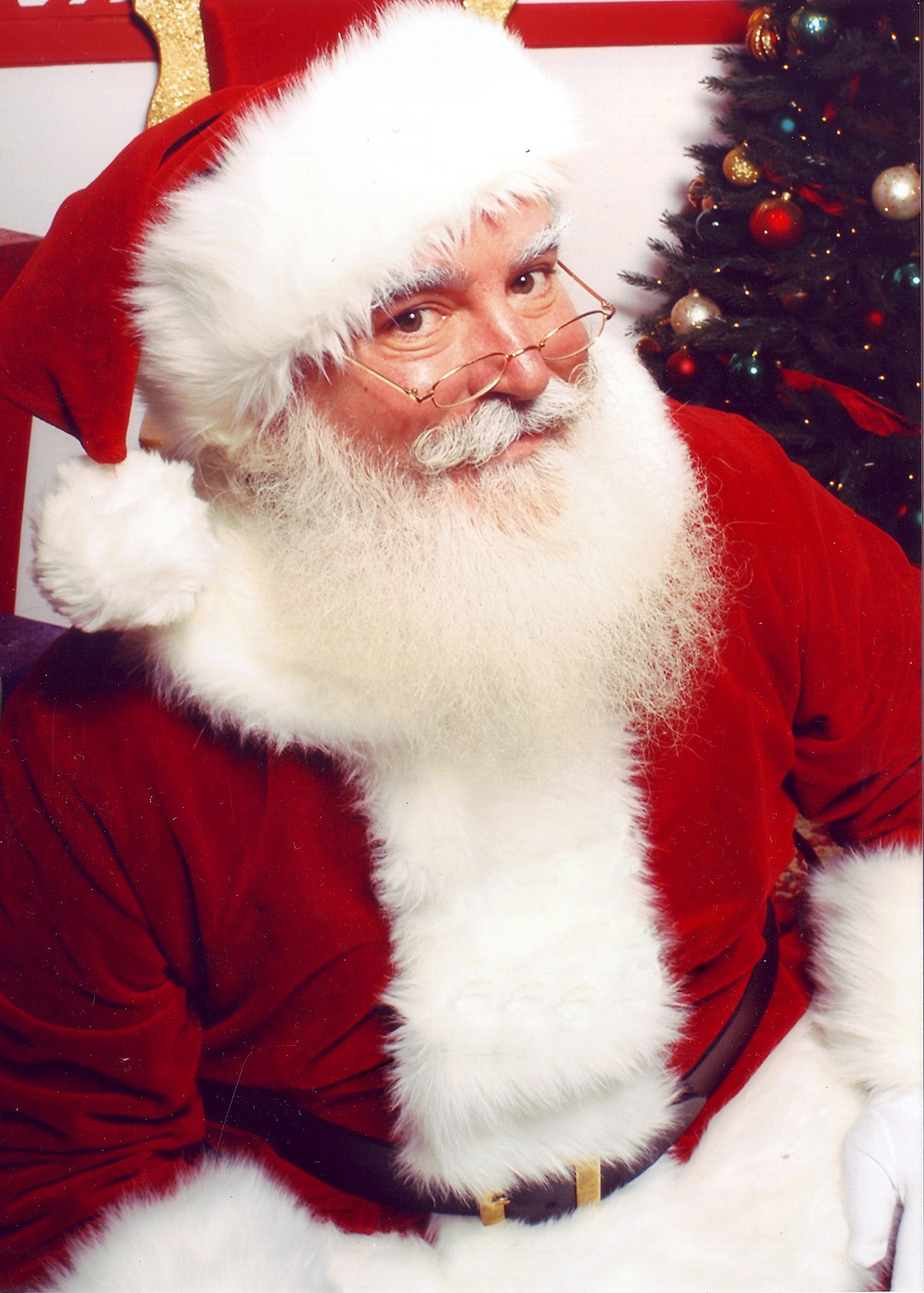
Furthermore, the secular rituals of Christmas are very pertinent in the sociological discussion of social solidarity. Christmas, of course, is a Christian holiday, celebrated by many as a religious holiday with religious rituals, values, and relationships. The rituals involved in Christmas are decorating, often together with loved ones; using seasonal and holiday-themed items; cooking meals and baking sweets; throwing and attending parties; exchanging gifts; wrapping and opening those gifts; bringing children to visit Santa Claus; watching for Santa on Christmas eve; leaving milk and cookies for him; singing Christmas carols; hanging stockings; watching Christmas movies and listening to Christmas music; performing in Christmas pageants; and attending church services.

However, what Christmas does is bring us together with the people we hold dear and give us an opportunity to reaffirm our shared values. When we participate in rituals together, we call to the surface of interactions the values that underlie them. In this case, we can identify the values that underlie these rituals as the importance of family and friendship, togetherness, kindness, and generosity. These are the values that uphold the most beloved Christmas movies and songs, too. By coming together around these values through participation in Christmas rituals, we reaffirm and strengthen our social ties with those involved.

Also, Christmas performs a deeply important social function for us. It makes us feel like we are part of a collective whole, whether that be with kin or chosen family. And, as social beings, this is one of our fundamental human needs. Doing this is what makes it such a special time of year, and why, for some, if we don’t achieve this at Christmastime, it can be a real downer. It’s easy to get wrapped up in the hunt for gifts, the desire for new goods, and the promise of letting loose and partying during this time of the year.

Furthermore, in 1925, Anthropologist Marcel Mauss theorized that gift-giving is actually all about the giver: Mauss identified three obligations associated with gift exchange: giving, which he equates with the first step in building a social relationship; receiving, which signifies acceptance of the social relationship; and reciprocating, which demonstrates the recipient’s integrity. If gifts are refused or unreciprocated, relationships can be threatened. Decoration and gift giving are some of the prerequisites of Christmas and strengthen relationship bounds and solidarity amongst people all over the world.

Coming down to the Christmas celebration in Nigeria, it is pertinent to know that Nigeria is a rich country, given its endowed natural resources. Nigeria is a large nation populated by different multi-ethnic and cultural groups. It has an estimated population of over 200 hundred thousand people. It’s now generally estimated that there are some 400 ethnic groups of varying sizes that are found in Nigeria. However, there are definitely nothing less than 400 languages in this diverse country which makes people wonder how the British were able to determine that a united country was possible in such a diversity. And in this kind of complex diversity Nigerians celebrate Christmas happily and peacefully.

Christmas in Nigeria is a family event, a time when lots of family members come together to celebrate and have fun. Most families, that live in cities, travel to the villages where their grandparents and older relatives live. The end of the year is usually a great time for most Nigerians, and this is not just because it signals a time of relief for most people aching for a vacation or rest from all the hard work and back-breaking activities of the previous months; it is also because December time is Christmas time!

Christmas Day in Nigeria is a public holiday that is marked by the emptying of towns and cities with excitement in the air. People travel to their respective states of origin to celebrate with their loved ones, it is often a time for family reunion, a time to re-strategize and focus, it is a time to seek the face of God and make new year resolutions and also bless those who are less fortunate, and other general acts of random kindness.

As the towns and cities empty, people jam the West African markets to buy and transport live chickens, goats and cows that will be needed for the Christmas meals. On Christmas Eve, many families will throw Christmas parties that will last all night long, traditional meals are prepared and served according to the traditions of each region. Instead of having sweets and cakes, Nigerians as a whole tend to prepare various dishes.

In the South, a dish called Jollof rice or fried rice is served with stews of various meats along with fried plantains; in the North, rice and stew, as well as Tuwon Shinkafa, a rice pudding, served with various meat stews, are preferred. An alternative in both regions (but more favoured in the South) is a pepper soup with fish, goat meat or beef. Served with these foods are an array of mainly alcoholic drinks such as the traditional palm wine or various local and imported beers and wines; children and women may be served locally-made soft-drink equivalents instead.

Many different languages are spoken in Nigeria, and with different ways of wishing one another a happy Christmas. In Hausa Happy/Merry Christmas is ‘barka dà Kirsìmatì’; in Yoruba it’s ‘E ku odun, e ku iye’dun’; in Fulani it’s ‘Jabbama be salla Kirismati’; in Igbo (Ibo) ‘E keresimesi Oma’; in Ibibio ‘Idara ukapade isua’ and in Edo it’s ‘Iselogbe’.

However, on Christmas morning, Christians go to church to give thanks to God. Homes, restaurants, workplaces and streets are often decorated. Most homes will have an artificial Christmas tree. Children love to play with firecrackers at Christmas. The church choir may visit the church congregation in their homes to sing Christmas carols to them. Christmas cards are sent to friends and family members. Presents are exchanged amongst family members, and some families may take their children dressed in new outfits to see Santa Claus, usually referred to as ” FATHER CHRISTMAS in Nigeria.

In the villages, people would be greeted by the numerous masquerade groups formulated by the younger people who gently display their dance moves in exchange for foreign currencies. These dance groups make the Christmas experience soothing and comforting. The young girls also have their dance groups, though without a masquerade but with palm fronds tied to their left feet as a sign of bravery in some cultures. These young girls also make money by displaying their well-thought-out dance steps.

Christmas in Nigeria consumes money and the flow of gifts. It’s a time for celebration and reconnection, the experience is always an unforgettable one. Visitors are welcomed, and there is no house that is left without the aroma of chickened stew, especially in places where the celebration is ongoing. Nigerians are kinder to each other during the holidays.

Families and organizations take time out during the holidays to share good cheers and give out gifts to each other and the less privileged. Some people also organize causes and donation points for others. The most lit parties happen at Christmas time. From carols to street carnivals to concerts, people are bound to have the utmost time of their lives during the holidays.

In conclusion, the sociology of Christmas is wonderful and unique as it is important to remember that Christmas will be most enjoyable when it is designed to foster togetherness and also share and reaffirm the positive values that bind Christians together.

Hassan Idris can be reached via idrishassan035@gmail.com.

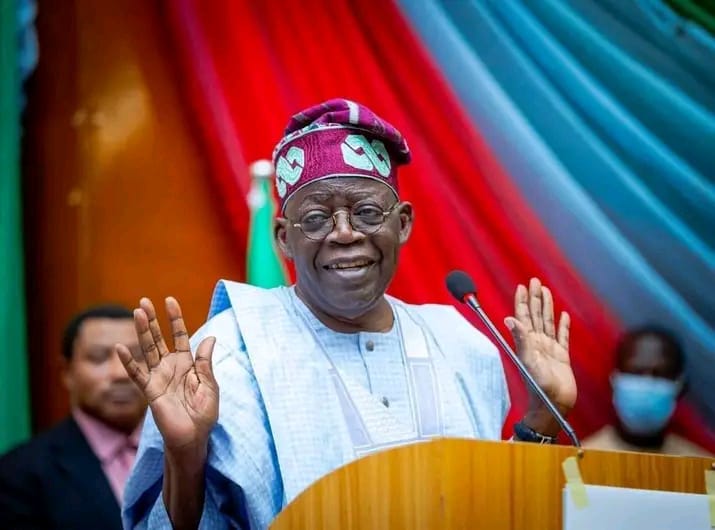
Yuletide: Tinubu reduces road transport fares by 50%

By Sabiu Abdullahi

President Bola Tinubu, in a bid to enhance the festive experience for Nigerians, has given the green light to a substantial reduction in interstate transport fares and complimentary train rides.

The announcement was made by the Minister of Solid Minerals Development, Mr. Dele Alake, during a press briefing at the Aso Rock Villa on Wednesday.

This beneficial directive will be in effect from Thursday, December 21, 2023, to January 4, 2024. 

President Tinubu’s approval entails a noteworthy 50 percent reduction in the price of interstate transport fares for individuals travelling during the yuletide season.

This cost-cutting measure extends to both minibuses and luxury buses, presenting significant financial relief for citizens embarking on holiday journeys. 

Commuters will also enjoy complimentary rides on all train services throughout the specified period.

This initiative aims to facilitate affordable and seamless travel options, fostering a spirit of togetherness and celebration during the festive season. 

Minister Alake conveyed the President’s dedication to ensuring the comfort and well-being of Nigerians during the holiday season.

He articulated, “It is in this wise that the President is announcing through us that beginning from tomorrow, December 21, Nigerians willing to travel can board public transport via mini buses, luxury buses at 50 per cent discount of current cost and all our train services on the route the trains currently serve at zero cost on their travels this holiday season..”

Christmas: FG approves return of Nigerians with expired passports

By Uzair Adam Imam

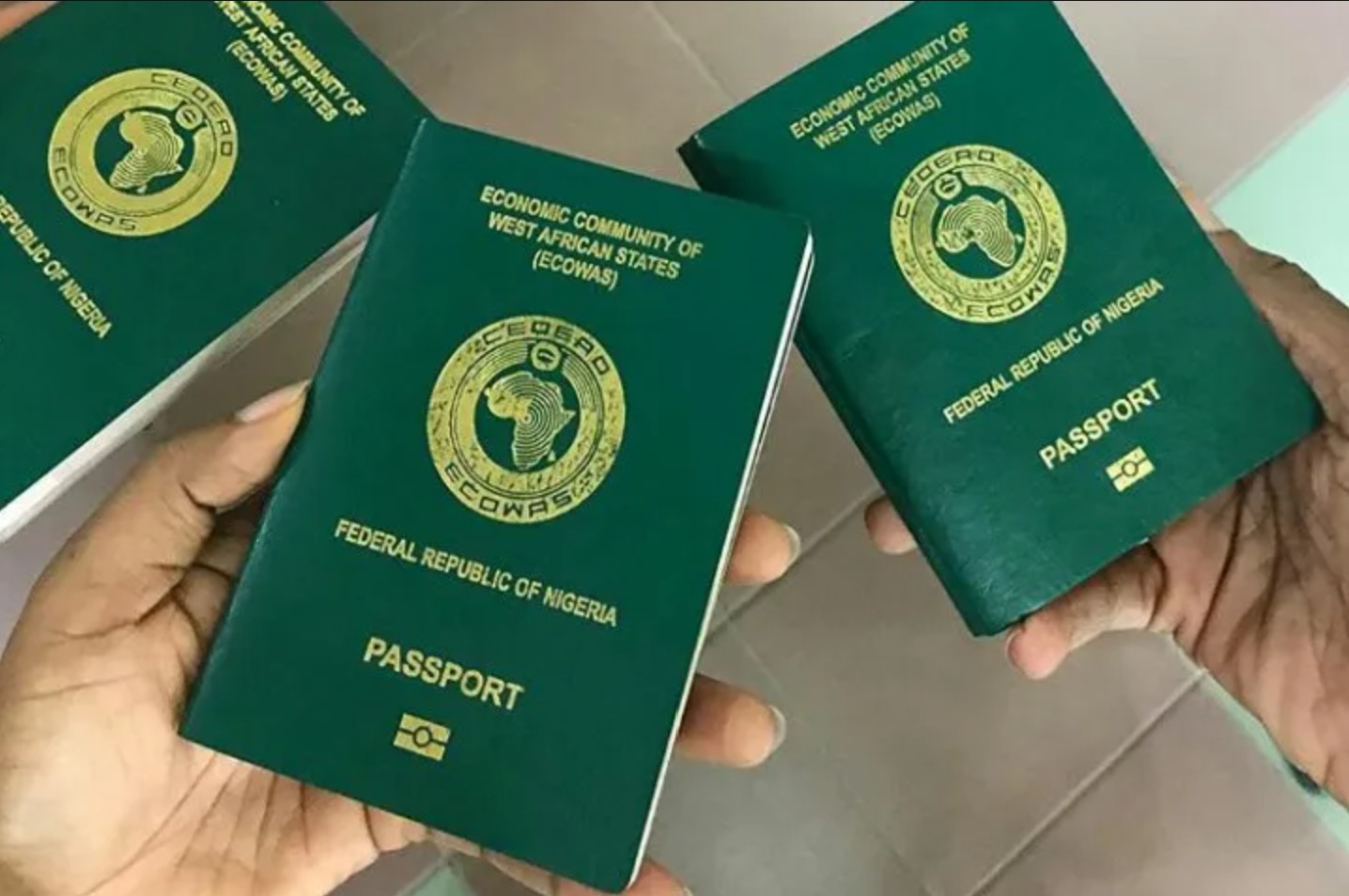
The Federal Government of Nigeria has approved the return of Nigerians into the country with their expired Nigerian passports.

FG requested that all the airlines allow holders of expired Nigerian passports to board without delay.

The approval was in a letter from the Comptroller-General of Immigration Service (CGIS) Isah Jere Idris, addressed to the Minister of Foreign Affairs, Geoffrey Onyeama and dated December 9th 2022.

The reason for the permission is believed to be connected with the forthcoming Yuletide period on December 25th.

The letter said, “Consequently, all Airlines are requested to allow holders of expired Nigerian passports to board without let or hindrance.

“In addition, all Nigerian Diplomatic Missions abroad are kindly requested to circulate this information to airlines operators and border authorities of host countries for their necessary action,” the letter said in part.

FG declares public holidays for Christmas, Boxing Day, New Year

By Uzair Adam Imam

In celebration of Christmas, Boxing Day and New Year, The Federal Government of Nigeria has declared Monday 27th, Tuesday 28th December 2021 and Monday, 3rd January 2022 as public holidays.

The declaration made by Rauf Aregbesola, Minister of Interior, was contained in a release signed Wednesday, 22nd December 2021, by Dr Shuaib Belgore, Permanent Secretary of the ministry.

Aregbesola also stated that peace and security were two critical conditions for economic development and prosperity.

He urged Christians and Nigerians to “make the best use of this festive period” and pray for the total eradication of the lingering issue of insecurity that is bedevilling the country

Speaking about Corona virus pandemic, the minister urged Christians to “moderately celebrate the festival without large groupings and observe all the protocols stipulated by medical authorities.

“Take it as a point of personal responsibility to prevent the spread of the virus,” he added.