CHR

Kano 2023: No govt will succeed without NGO’s and CSO’s – Gawuna

By Aisar Fagge

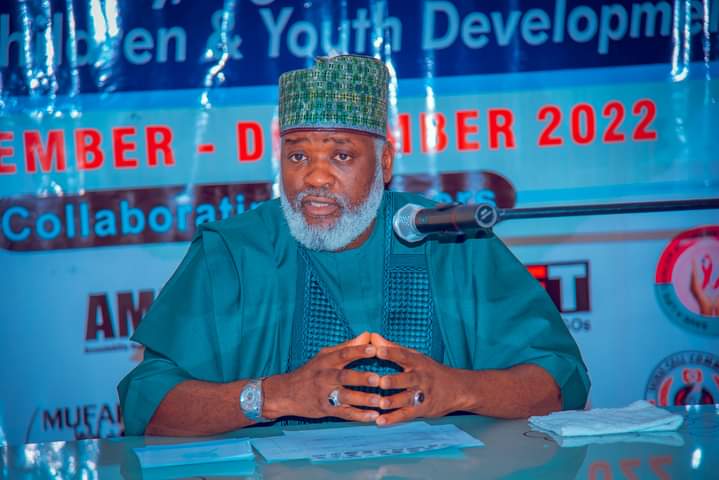
Kano State Deputy Governor and All Progressives Congress (APC) gubernatorial candidate, Dr Nasiru Yusuf Gawuna said no serious government will succeed without the contributions of Civil Society Organizations (CSO’s) and Non-Governmental organizations (NGO’s).

Gawuna made this statement on Monday, 14th November, 2022 during a continuation of interactive session series organised by a coalition of 21 Kano CSO’s and NGO’s aiming to promote peace and development of Kano State.

Gawuna said, “We are not enemies of NGO’s. That’s why we are here. We’ll work together with NGO’s and CSO’S especially on the issues concerning education, youth and women.

“In many places, government alone cannot do all it’s work. They need the intervention of NGO’s. I have seen one person in Kenya teaching the whole school. We too here are going to involve NGO’s in improvising classrooms to cater the needs of our school pupils,” he stressed.

“I urge you journalists, NGO’s and CSO’s to to enlighten people about the activities of government and its programmes,” Gawuna appealed.

Other issues the APC candidate discussed were his development agenda on employment, health, education, agriculture, infrastructure, climate change, etc.

Convened by Dr Aminu Magashi Garba, the sessions allowed the gubernatorial candidates to interact with members of NGO’s, CSO’s, media practitioners and community leaders and share their blueprints on critical areas such health, education, youths, women, environment, commerce, agriculture, technology among others.

The event that commences on 9th November was graced by gubernatorial candidates of People’s Redemption Party (PRP), Salihu Tanko Yakasai; Bala Muhammad Gwagwarwa of Social Democratic Party (SDP), Mal. Ibrahim Khalil of African Democratic Congress (ADC); Engr. Bashir I. Bashir of Labour Party (LP) and Sha’aban Ibrahim Sharada of Action Democratic Party (ADP). Participants were hoping to see Abba Kabir Yusuf of New Nigeria Peoples Party (NNPP) and Sadiq Wali of Peoples Democratic Party (PDP) in the subsequent meetings.

Tricycle ban in Kano an effect of population concentration – Expert

By Aisar Fagge

Population explosion can be a boost or a doom. If resources are not well managed in a country with rapid population growth, illiteracy, divisive politics, unemployment, hunger, crime, insecurity, poor standard of living will be the topics of discussion.

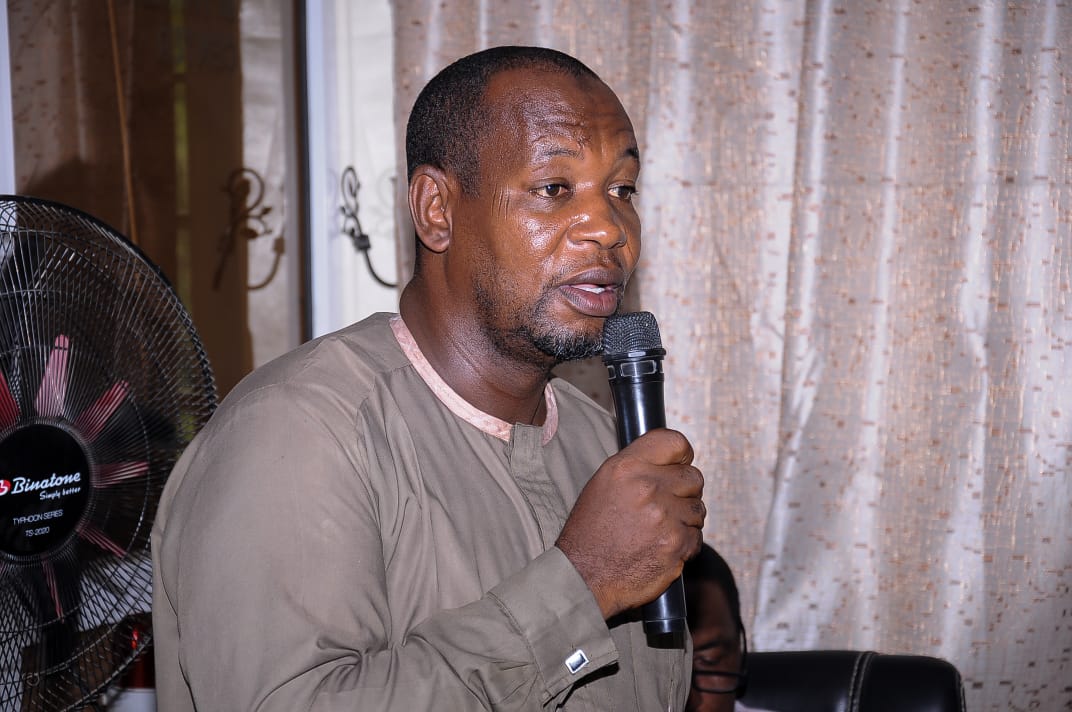
Dr. Musa Muhammad Bello, a community physician consultant and also a lecturer with Bayero University, Kano, mentioned this during a maiden monthly seminar organized by the Community Health Organization (CHR) in collaboration with Youth Society for the Prevention of Infectious Disease and Social Vices (YOSPIS), held on Wednesday, 20th July, 2022 at CHR’s conference room, Kano.

In his paper titled: “Rising Population and Demographic Transition: Effect on Health and Sustainable Development” Dr Bello said “If Nigeria’s population continue growing at this pace, by 2050, it will double to over 400 million. Nigeria will become the 4th largest country on Earth.”

“There is a cause for alarm because, population increase or explosion can be a boom or a doom.”

“If the population is rapidly increasing and resources are not well managed then it will greatly affect the availability of these resources across all sectors – health, water, education, security, etc. It will stretch them to the extent that majority of the population will be suffering in misery – there will be poverty, hunger, starvation, malnutrition, there will be unemployment and poor living standard.”

“All sectors of life will suffer. Take for example Kano State government’s decision to ban tricycle movement from 10 pm to 6 am is an effect of population concentration. The rate of crime has increased. Phone snatchers are everywhere. Some of us here are their victims,” The speaker lamented.

Speaking about the preparation for 2023 census in Nigeria, Dr Bello said, “Census is very important. In fact, according to a United Nations Economic Council, the population census should be done in every country every ten years. But unfortunately in Nigeria, the last census we did was in 2006. So we are far behind.”

“Census gives you the exact number of people and ther demographic structure: gender, age, education, income, location, etc. and that will be a very good tool for planning development in the country. Lack of this statistics will negatively affect the government planning.”

“When it comes to health, you first look at it from disease possession. When there is a population explosion, there is increase risk of disease. People will interact with the environment, their daily activities will pollute the environment; air pollution, water pollution and so many other things. So there is likely going to have increase in disease that are transacted through air because of over crowding,” he concluded.

One of the discussants of the paper, Musa Abdullahi Sufi argued that “Nigeria is not over populated because of its available vast resources.” He urged the academics to do more research to engage policy makers. Another discussant, Zainab Nasir Ahmed countered that “Nigeria is over populated because the resources are in the hands of few people” while majority of the population wallow in squalor.

The seminar received both physical and virtual participants ranging from academics, health workers, journalists and members of Civil Society Organizations (CSO).

Zoonotic diseases kill 2 million people annually – Expert

By Aisar Fagge

Over 2 million people die every year across the globe as a result of zoonotic diseases that people get from food, water and mostly from their contacts with animals such as dogs, cats, cows and the meat they eat.

Dr Muhammad Adamu Abbas, Head of Department, Medical Microbiology and Parasitology, Bayero University, Kano stated this during a monthly seminar organized by the Community Health Organization (CHR) in collaboration with Youth Society for the Prevention of Infectious Disease and Social Vices (YOSPIS), held on Wednesday, 20th July, 2022 at CHR’s conference room, Kano.

The aim of the seminar which was sponsored by Dr Aminu Magashi, the Coordinator of Africa Health Budget Network (AHBN) is bring members of the academia, Civil Society Organizations, Non-governmental organizations and media practitioners to interact and proffer solutions to lingering problems around health, population and youth matters.

In his paper titled: Zoonotic Diseases: What are they & their effect on Health and Socio-economic Development,” Dr Abbas said zoonosis is an infectious disease that jumps from animals to humans in the form of virus, fungus, bacteria, parasite or from human environment. Deadly diseases such as Covid-19, Ebola, SARS, Anthrax, bird flu, Lassa fever are all zoonoses family.

Touching infected animals, mosquito bite, eating contaminated food, eggs or meat, polluted air or kissing sick pets such as dogs and cats are all means of transmission.

“Pregnant women, children of 5 years old or younger, people with weakened immune system and people who have regular contacts with animals have high risk of zoonotic diseases.”

According to the speaker, “Of every 4 emerging and re-emerging diseases, 3 are zoonoses while 60% of zoonoses are from animals – wild and pets. Similarly, 80% of bio-terrorism agents are pathogens of animal origin.”

Dr Abbas affirms that zoonoses force more danger to poor and vulnerable societies in Africa and Asia. But unfortunately poverty, poor health system and facilities worsen the situation.

In Nigeria, majority of the people are farmers. They have regular contacts with their animals. “North [for example] is the major supplier of meat to other parts of the country. In those days, there were people who check the health of an animal before and after it was slaughtered in order to protect people [from zoonotic diseases]. But nowadays because of too many slaughter houses and butchers, many animals are being eaten unchecked,” he lamented.

In order to tackle zoonotic diseases in countries like Nigeria, the speaker said, “educating the people and mass awareness, poverty reduction, collaboration between health workers and early detection of these diseases are of paramount importance”.

Many questions were asked by the participants and some of the ways to go forward is to sensitize people about the importance of hygiene and take the campaign to the slaughter houses, farmers and hunters.