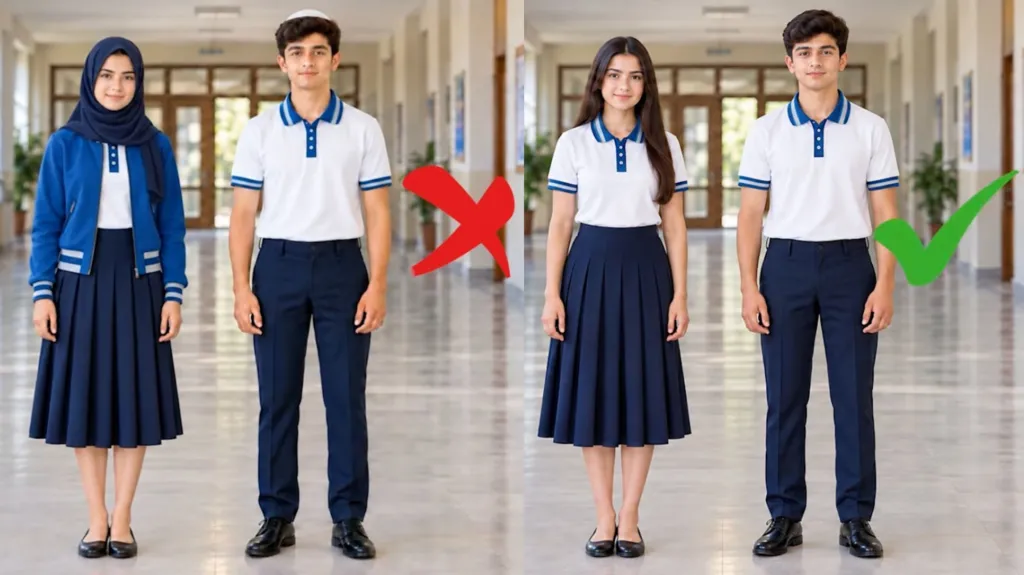
Headscarf Dispute Strains Turkey-Azerbaijan Relations
By Hassana Abdullahi
A dispute over restrictions on Islamic headscarves in Azerbaijan has sparked criticism from Turkish officials and Islamist groups, raising tensions between the two countries known for their close political and military ties.
Turkish President Recep Tayyip Erdoğan’s chief adviser, Oktay Saral, condemned the restrictions as “unacceptable” and urged Azerbaijan to reverse the decision, insisting that wearing a headscarf was a requirement of Islamic faith.
Several lawmakers from Turkey’s ruling Justice and Development Party (AK Party) also criticised the measures, while protests were held outside Azerbaijan’s diplomatic missions in Ankara and Istanbul.
The controversy has drawn a sharp response from Azerbaijan’s ruling New Azerbaijan Party, which accused Turkish officials of spreading defamatory claims and warned against interference in the country’s internal affairs.
Azerbaijani President Ilham Aliyev had earlier cautioned outsiders against interfering in the country’s way of life.
The disagreement is particularly sensitive because Turkey and Azerbaijan describe their relationship as “one nation, two states”. Turkey provided strong support to Azerbaijan during its 2020 war with Armenia over the disputed Nagorno-Karabakh region.
However, the headscarf controversy has also exposed differences over Azerbaijan’s close relationship with Israel. Baku buys Israeli weapons and supplies oil to Israel, while Ankara’s relations with Tel Aviv have deteriorated sharply over the war in Gaza.
The tensions became more visible on Thursday when delegations from Turkey, Iran and other countries reportedly walked out of a regional security summit in Baku during an address by Israeli President Isaac Herzog.
Azerbaijan has sought to maintain relations with both Israel and other regional powers, but the growing dispute highlights the diplomatic challenges facing its efforts to balance competing political and religious interests.