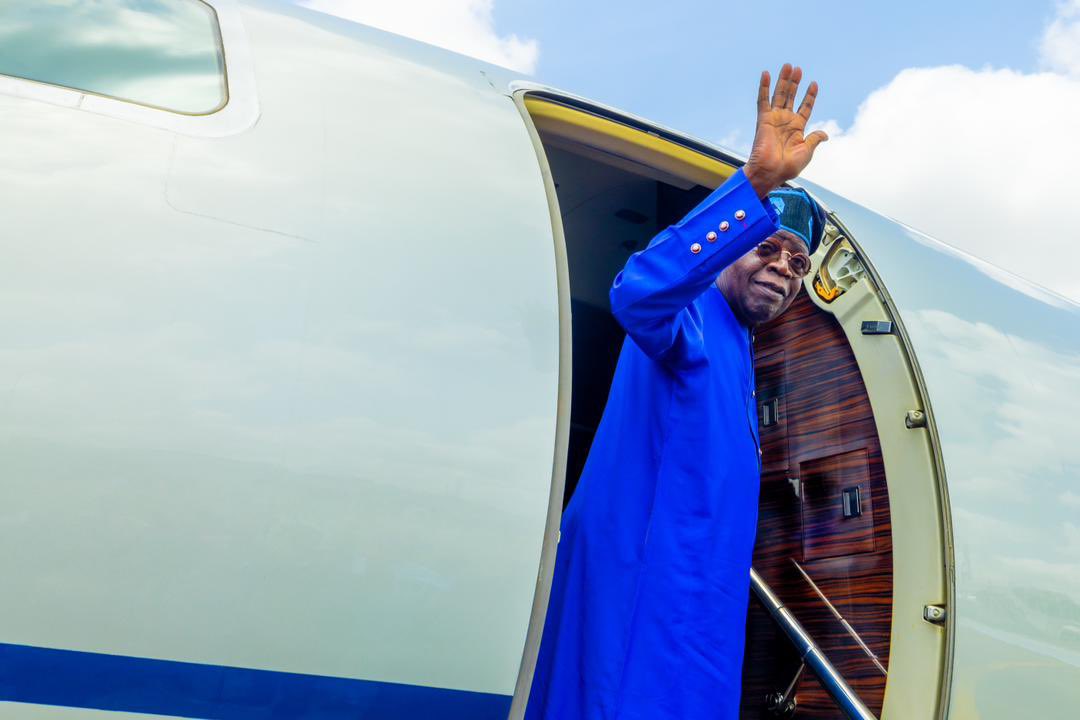
Asiwaju Bola Ahmed Tinubu

Palliatives are not solutions for hardship: The bitter truth

By Rabiu Musa

The removal of fuel subsidy has become increasingly problematic for the masses. The declaration was made by Bola Ahmad Tinubu on 29 May 2023, during the inaugural speech as Nigerian president.

On the occasion, the president said, “We commend the decision of the outgoing administration in phasing out the petrol subsidy regime, which has increasingly favoured the rich more than the poor. Subsidy can no longer justify its ever-increasing costs in the wake of drying resources. We shall instead re-channel the funds into better investment in public infrastructure, education, health care and jobs that will materially improve the lives of millions.”

As a result, several filling stations, not less than 24 hours after the president declared an end to fuel subsidy, saw the pump price of Premium Motor Spirit, commonly known as petrol, soared to N600 per litre from N195/l in many parts of the country.

This also triggered a 100 per cent hike in transport fares, and queues in filling stations worsened because many stations were shut down. The situation has become unbearable for many citizens due to government policies drastically affectingtheir livelihoods. The surge in hardship has been linked to rising insecurity and widespread hunger, leaving millions in dire circumstances.

Poverty in the country is escalating at an alarming rate, and many people can no longer afford necessities like food, healthcare and education. Civil servants, for instance, are forced to sell their cars or abandon them entirely due to skyrocketing and unstable fuel prices.

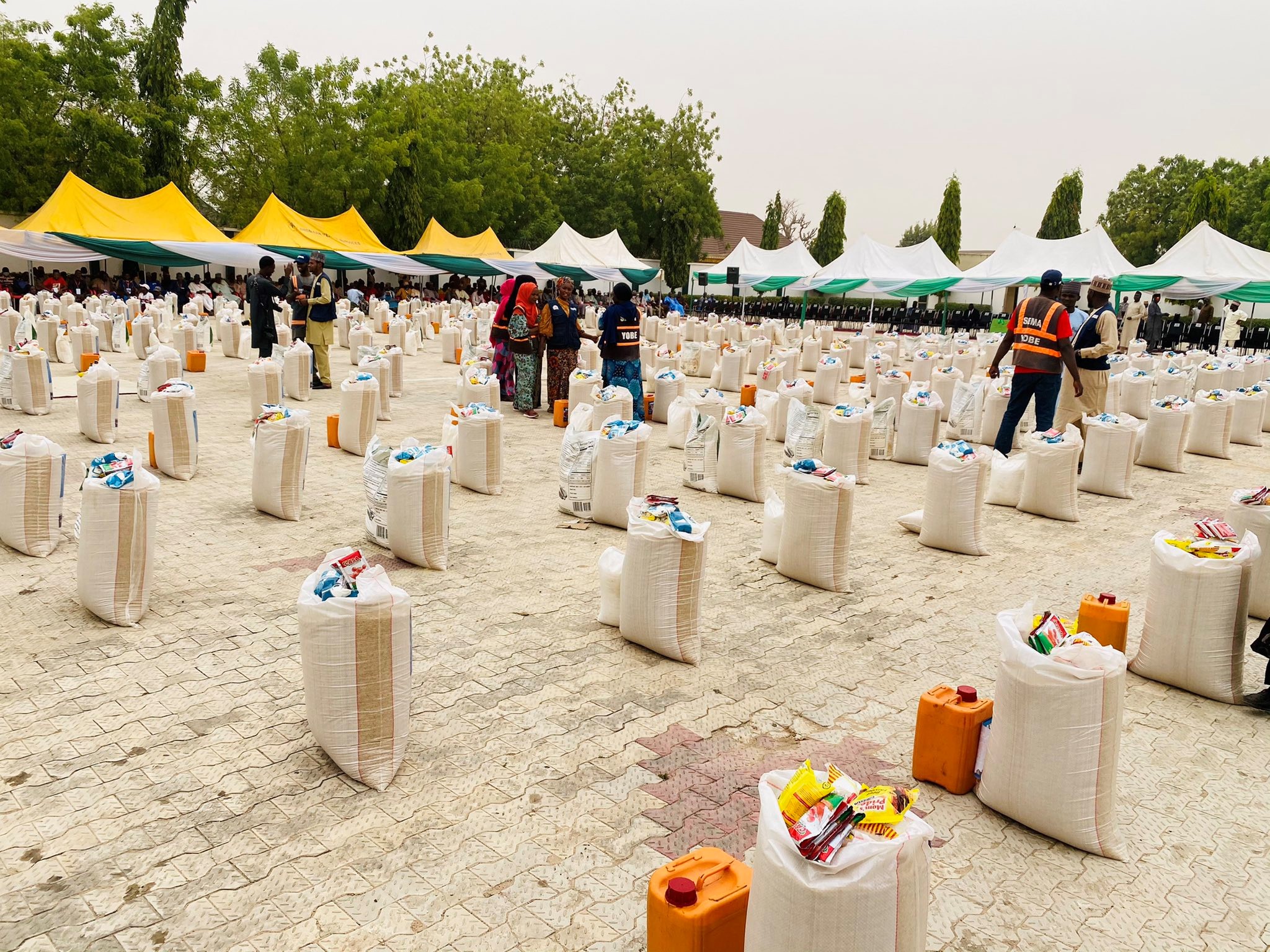
The government has introduced various palliative measures to relieve vulnerable citizens and ease their hardship. However, These poverty alleviation schemes are far from sufficient to address the root causes of economic distress many Nigerians face.

The former head of state, Gen. Abdulsalami Abubakar, recently expressed concern over this approach, stating that palliative measures alone are not the answer to the hardship and will continue to urge the government to address the hardship confronting the people. He said this during a visit from a delegation of Campaign for Democracy (CD), a Civil Society Organization (CSO) hosted in Minna, Niger State. He emphasised the need for the government to find more sustainable ways to alleviate the economic struggles of the people.

In an estimation of  216 million Nigerians population, according to the National Bureau of Statistics (NBS), Nigeria’s palliative distribution efforts are not enough to address the depth of poverty and hunger affecting the masses. The key questions are: Will these palliative measures truly alleviate the hunger people are experiencing? Are the goods and support reaching the most vulnerable citizens? 

Numerous reports of corruption and mismanagement in the distribution of palliatives have been published. For example, a report published by Punch Newspaper on September 5, 2023, highlighted that the Department of State Services arrested some Nasarawa State Emergency Management Agency officials for allegedly diverting palliatives meant for vulnerable citizens.

The government should rethink its policy-making process and prioritise the needs of the poor before implementing any new actions. One crucial step would be to create an enabling environment that attracts investment, which can, in turn,positively impact the lives of citizens. Achieving this requires adopting a flexible and inclusive approach to policy-making

—one that genuinely considers the welfare of the masses.

Rabiu Musa wrote from the Department of Mass Communication, Bayero University, Kano. He can be reached via musarabiu913@gmail.com.

President Tinubu congratulates Dr Zainab Shinkafi-Bagudu on her election as President of UICC

By Abdullahi Mukhtar Algasgaini

President Bola Ahmed Tinubu congratulates Dr Zainab Shinkafi-Bagudu, a renowned paediatrician with a distinguished career in public health and former First Lady of Kebbi State, on her election as President of the Union for International Cancer Control (UICC).

The President underscores the historic significance of Dr. Shinkafi-Bagudu’s election on October 8 as the first African and the fifth woman to lead the global cancer control organisation.

The President notes that her election attests to her competence and character and affirms the enormous talents that abound in Nigeria.

President Tinubu describes Shinkafi-Bagudu’s ascension in the organisation as a landmark achievement and a testament to Nigeria’s growing influence in global health leadership.

President Tinubu recalls Dr Shinkafi-Bagudu’s invaluable services to Kebbi state and the country, for which Nigeria is deeply grateful. He lauds her stewardship as Chairperson of the First Ladies Cancer Initiative and her contributions to establishing the Kebbi State Strategic Plan for Cancer Control during her tenure as the First Lady of Kebbi State.

Zainab Shinkafi-Bagudu founded the Medicaid Cancer Foundation. She is also a Senior Advisor to the Coordinating Minister of Health and Social Welfare and Vice Chair of Nigeria’s National Taskforce on Cervical Cancer Elimination.

Through the Federal Ministry of Health and international partnerships, Nigeria has successfully vaccinated 12 million girls against the Human Papillomavirus (HPV), a leading cause of cervical cancer. The administration has allocated N37.4 billion to the Federal Ministry of Health’s Oncology Initiative.

This initiative will facilitate the establishment of six cancer centres across the country within two years, located in teaching hospitals in Benin, Zaria, Katsina, Enugu, Jos, and Lagos.

President Tinubu expresses confidence in Dr. Shinkafi-Bagudu’s ability to use her new office and leadership to improve cancer control and global health.

The Geneva-based UICC was founded in 1933 and has more than 1100 member organisations in over 170 countries and territories.

Hajj fare rises to ₦10 million as NAHCON withdraws subsidy

By Uzair Adam

The National Hajj Commission of Nigeria (NAHCON) has announced that the federal government will no longer provide subsidies for Hajj pilgrims starting in 2025.

In previous years, pilgrims benefited from a concessionary exchange rate offered by the Central Bank of Nigeria (CBN), allowing them to purchase dollars at a lower rate.

With the naira currently at N1,650 to the dollar, pilgrims are expected to pay nearly N10 million for the Hajj fare, given that the minimum cost is around $6,000.

Although the official fare for the 2025 pilgrimage is yet to be confirmed, some State Pilgrims Welfare Boards have already started asking for an initial deposit of N8.5 million from intending pilgrims.

NAHCON also announced a refund of 64,682 Nigerian pilgrims (equivalent to 150 Saudi Riyals) who participated in the 2023 Hajj.

This was disclosed during a virtual meeting between NAHCON officials and Private Tour Operators (PTOs) on October 7, 2024.

The meeting also highlighted a reduction in the number of approved PTOs for the 2025 Hajj, with Saudi Arabia cutting the figure from 20 to 10, and each operator required to register at least 2,000 pilgrims for visa approval.

NAHCON also addressed a refund of over SR62,000 (N26.9 million) owed to PTOs for substandard feeding arrangements during the 2022 pilgrimage, while clarifying that it received N2.75 billion from 110 PTOs for the 2024 Hajj and still holds a balance of N750 million from undecided operators.

Operators who initially paid a cash deposit of N40 million as a cautionary measure for the 2025 Hajj now have the option to submit a bank guarantee instead.

Managing Nigeria’s petrol prices: The way forward

By Usman Muhammad Salihu,

In Nigeria, fluctuating petrol prices have long been a source of frustration for citizens. It’s not just about the financial strain—it impacts daily life, from commuting to work to powering homes. The government faces immense challenges, balancing affordable fuel prices with foreign exchange rate volatility and maintaining a sustainable oil and gas sector. Add the country’s reliance on imported fuel, infrastructure problems, and unpredictable global oil prices, and you have a perfect storm.

The government’s communication around petrol price changes often lacks clarity and consistency, confusing and mistrusting the public. People ask, “What’s going on?” and “Why should we care?”

The Transparency Issue

A significant problem is the lack of transparency in how fuel prices are determined. The government’s lack of clear communication feeds uncertainty and speculation. This situation can be improved by regularly sharing detailed and transparent information regarding the factors influencing petrol prices. 

Nigerians need access to crucial data such as fuel import reports, pricing mechanisms, and subsidy allocations. Making this information publicly available would help build trust and reduce the growing mistrust surrounding petrol price changes.

Collaborative Stakeholder Engagement

The government must also open lines of communication with industry leaders, labour unions, and civil society organisations. These groups have a direct stake in how petrol pricing impacts the broader economy and everyday life.

Engaging these stakeholders in meaningful dialogue can help align expectations, address concerns, and prevent misunderstandings. This collaboration can reduce the public unrest often triggered by abrupt price hikes. Building consensus among all stakeholders can also create a more stable economic environment regarding petrol prices.

Establishing a Predictable Pricing Framework

One of the most critical steps the government can take is establishing a clear, stable, and predictable framework for setting petrol prices. Currently, changes in fuel prices often come as sudden shocks, leaving citizens and businesses unprepared. A transparent pricing model communicated in advance would help mitigate this uncertainty and reduce panic.

When people know what to expect and when they can make better financial plans and avoid the anxiety associated with sudden price hikes. This predictability would benefit individuals and businesses, as they could better manage their operational costs tied to fuel expenses.

Educating the Public on Petrol Pricing

Many Nigerians are unaware of the factors that influence petrol prices, such as fluctuations in the global oil market and government interventions to manage these costs. This knowledge gap contributes to the public’s frustration and misunderstanding.

Launching public education campaigns to explain the variables behind petrol pricing can help citizens make more informed decisions. Using various media platforms to deliver this information in simple, accessible language will foster better understanding and reduce confusion. It’s not just about explaining why prices fluctuate—it’s about empowering Nigerians with knowledge.

Reducing Reliance on Imported Fuel

Nigeria’s reliance on imported fuel is critical to its petrol price volatility. Exploring alternative energy sources and boosting local refining capacity are essential to reducing this dependence. Investment in local refineries, for instance, would not only lessen the country’s reliance on imports but also create jobs and foster economic growth.

Additionally, encouraging fuel efficiency initiatives can help Nigerians reduce fuel consumption. Simple practices like carpooling or using public transportation more frequently could significantly reduce fuel demand, ease supply pressure, and ultimately stabilise prices.

Investing in Alternative Energy Solutions

Another long-term solution is to explore and invest in alternative energy sources. By diversifying the country’s energy portfolio, Nigeria can reduce its dependence on petrol and mitigate the impact of global oil price fluctuations.

Renewable energy sources such as solar, wind, and hydropower could provide sustainable alternatives to petrol. While transitioning to these energy sources will take time and investment, the long-term benefits include energy security, reduced pollution, and job creation in the renewable energy sector.

Building Trust through Human-Centered Communication

Managing petrol pump prices is no easy task, but the government can ease the burden through a more human-centred approach to communication. By addressing citizens’ concerns in a relatable and transparent way, the government can foster trust and reduce the uncertainty often accompanying price changes.

This communication must be consistent and delivered across multiple channels to reach all Nigerians, from urban centres to rural areas. Regular updates, accessible language, and relatable messaging will go a long way in alleviating public frustration.

The Path Forward: A Collaborative Effort

Managing petrol prices in Nigeria is a complex but surmountable challenge. The process can become more manageable with clear, transparent communication and collaboration between the government, industry leaders, and the public. The government can create a more stable economic environment by taking a holistic approach, including educating the public, establishing a predictable pricing framework, and investing in alternative energy solutions.

The complexities of petrol pump price management require collective action. As Nigerians, we must engage with the process, hold the government accountable, and support initiatives that promote transparency and sustainability. Only by working together can we navigate the complexities of petrol pricing and ensure a better future for all.

Conclusion

Petrol pricing is a critical issue in Nigeria, impacting not just individual livelihoods but the broader economy. The government’s current approach, characterised by a lack of transparency and sudden price shifts, contributes to public mistrust and instability. However, by adopting a more transparent, predictable, and inclusive strategy, the government can build trust and create a more stable environment for all Nigerians. Investing in alternative energy sources and educating the public about the factors influencing petrol prices are essential steps in this process.

Managing petrol prices may be a tough job, but it can be made easier with the right approach. Through collaboration, transparency, and innovation, Nigeria can tackle this issue head-on, fostering economic growth and improving the quality of life for its citizens.

Usman Muhammad Salihu is a PRNigeria Young Communication Fellowship 2024 fellow and wrote via muhammadu5363@gmail.com.

Ajuri Ngelale’s Exit: Tinubu should rejig his media & PR team 

By Zayyad I. Muhammad

Ajuri Ngelale, President Asiwaju Bola Ahmed Tinubu’s special adviser on media and publicity, has announced that he will be taking an indefinite leave of absence to focus on medical issues concerning his immediate family. Ngelale hoped to return to national service when circumstances, recovery, and fate allow.

President Bola Ahmed Tinubu has accepted the decision and wishes Ngalele well.

Ngalele’s leave of absence has sparked numerous reactions from many Nigerians. This comes as no surprise; anyone taking an ‘indefinite’ leave or resigning from President Tinubu’s administration is likely to be viewed negatively due to the country’s current economic challenges and some of the administration’s unpopular decisions and policies. 

Additionally, there is a public perception that those not in the Tinubu administration’s ‘inner circle’ may encounter difficulties or hiccups—though such assumptions have always been Nigerian. However, the Daily Nigerian reported that Ngalele was forced out. The paper said that Mr Ngele was only given a soft landing to quit as presidential spokesman, but he chose to quit all his positions.

Since Mr Ngelale’s appointment, which was influenced by the first family, campaign spokespersons have been under internal pressure to replace him with “someone with better media relations” or “someone the president is more pleased with.”

DAILY NIGERIAN also gathered that Mr Ngelale was also on a collision course with other media aides working for the president for allegedly sidelining them in the running of the affairs of the office. According to sources, Mr Ngelale had also chewed more than he could bite, taking several roles that affected his primary media relations role. The sources said the tasks of being a Special Presidential Envoy on Climate Action and chairman of the Presidential Steering Committee on Project Evergreen have created a role strain and given the cabal a reason to convince the president to replace him.

Given his skills, experience, and expertise, Ngalele has done an outstanding job as a spokesperson. While the Tinubu administration must find a capable replacement for him, they must focus on more than just appointing another Senior Special Adviser on Public Affairs. The administration requires a dynamic and versatile media and PR team that can shift from a reactive to a proactive approach, as Nigerians will not now listen to just standard good English.

President Tinubu needs a PR team that can effectively reinvent Nigerians’ familiar image of Asiwaju Bola Ahmed Tinubu. The focus should not be on finding a replacement for Ngalele but on assembling a dynamic and strategic team capable of rebranding and promoting Tinubu. This team should highlight his accomplishments and present them in a way that can restore public confidence. 

For instance, Tinubu’s PR should focus on the North, where the president’s rating decreases daily. Moreover, it’s essential to showcase the value and contributions of each cabinet member, emphasising what they bring to the administration’s overall agenda. The greatest mistake Tinubu will make is to bring on board politicians; most Nigerians will not listen to them.

President Tinubu should Rejig his media and PR team, and they must communicate in a way that resonates with Nigerians and actively engage with them. They must speak to Nigerians in the ‘language’ they understand, but the bottleneck is that the only language Nigerians understand is what will bring ‘rice and beans’ to their tables.

Zayyad I. Muhammad writes from Abuja via zaymohd@yahoo.com.

Matawalle’s controversies and gains in the defence sector

By Haroon Aremu Abiodun

As they say, “Uneasy lies the head that wears the crown,” but Bello Matawalle, appointed by President Bola Ahmed Tinubu as Minister for State Defence in 2023, has risen to the challenge. His tenure in office so far is marked by a blend of persistent controversies and significant achievements, with the latter shining a bright light on his leadership and the impact of his decisions.

As Governor of Zamfara state, Matawalle was reported to have taken stringent measures against banditry and insurgency, which led to some success in the fight against terrorism in the Northwestern region.

As such, it is not surprising that he and Mohammed Badaru Abubakar, another former governor of Jigawa State, were appointed Ministers to supervise the defence sector.

This feat was accomplished through military precision and a strategic, forward-thinking focus on infrastructure revitalisation. Their joint efforts led to the rehabilitation of military barracks nationwide, improving the living conditions for soldiers and their families—a clear demonstration of their commitment to the military’s welfare and the future of Nigeria’s defence sector.

A recent major highlight of Matawalle’s leadership was his role in revitalising Nigeria’s defence infrastructure. He worked closely with the Defence Industries Corporation of Nigeria (DICON) and the National Agency for Science and Engineering Infrastructure (NASENI) to establish a domestic arms and ammunition production facility.

This initiative is projected to save Nigeria $60 million annually by reducing the need to import military hardware, marking a significant step towards self-reliance in defence production.

Matawalle’s focus on defence sector reforms to improve efficiency has also caught attention. His reforms are designed to build a more resilient military by streamlining procedures and holding the system accountable.

One of Matawalle’s standout initiatives was his hands-on approach to addressing the grievances of military personnel. His open engagement with soldiers about delayed allowances and welfare issues demonstrated a rare willingness to tackle the heart of the defence system’s morale, evoking empathy for the soldiers and their struggles.

Despite these accomplishments, Matawalle’s tenure has not been without its controversies. Allegations of corruption and mismanagement, along with disputes over his qualification to run the defence ministry, continue to cloud his leadership. Critics question whether these shadows will define his legacy or if his achievements will ultimately shine through.

Born on February 12, 1969, in Maradun, Zamfara State, Matawalle’s educational background includes studies at Yaba College of Technology and the University of West London. His journey from a teacher to a politician has been marked by resilience and a steadfast commitment to public service.

After a successful stint in the Zamfara State House of Assembly during the Abacha regime, he served as a state commissioner before being elected to the House of Representatives in 2003. His political career reached new heights in 2019 when he became the Governor of Zamfara State following a Supreme Court ruling that disqualified the supposed winner.

During his tenure as governor, Matawalle made efforts to address the rampant insecurity in Zamfara State, a region plagued by banditry and violence. He initiated dialogue with various armed groups and made efforts to implement infrastructural projects across the state, including constructing governor’s lodges in all 14 Local Government Areas (LGAs) of Zamfara.

Matawalle’s career reflects a blend of determined public service and significant scrutiny, particularly regarding his financial decisions as governor.

A fanatical loyalist of President Bola Ahmed Tinubu, Matawalle’s leadership in various capacities during this period laid the groundwork for his current role in national defence, where he continues to confront external threats and internal controversies.

Matawalle must prioritise transparency and communication to secure his legacy, ensuring the public understands his decisions and reforms. His continued focus on the welfare of soldiers and veterans, alongside his strategic defence initiatives, will be crucial in determining whether his story will be one of triumph or a missed opportunity.

The final chapter of Bello Matawalle’s legacy is still being written. The world watches as he walks the fine line between triumph and turmoil. Will he be remembered as a transformative leader, or will the crown’s weight prove too much?

His legacy teeters on the edge, and only time will reveal whether his story is one of greatness or missed opportunity.

Haroon Aremu Abiodun is a Mass Communication graduate and a corps member with PRNigeria Center, Abuja. He can be reached at exponentumera@gmail.com.

President Tinubu applauds APC victory in Edo governorship election

By Abdullahi Mukhtar Algasgaini

President Bola Tinubu congratulates Senator Monday Okpebholo, the All Progressives Congress (APC) candidate in Saturday’s Edo State governorship election, on his victory at the polls. 

On Sunday, Senator Okpebholo was declared the winner by the Independent National Electoral Commission (INEC), having defeated other contenders for the position.

President Tinubu commends APC national leaders, Edo State leaders, and party governors for working hard to achieve victory. He says the victory testified to the people’s support for the ruling party, its progressive ideals, its economic reengineering programme and its commitment to improving the lives of Nigerians. 

He urges Senator Okpebholo not to gloat over his victory but to see it as a challenging call to service. He encourages him to demonstrate magnanimity by reaching out to his political rivals and uniting the people of Edo State to ensure its development. 

President Tinubu also praises other candidates who participated in the election for their contributions to advancing Nigeria’s democracy, saying peaceful political contests, such as the one on Saturday, portray Nigeria as a stable democracy. 

The President urges all those aggrieved by the election outcome to seek redress through the legal channels.  

In addition, the president commends the people of Edo State for their orderly and peaceful conduct during the election, underscoring the maturing of Nigeria’s democracy after 25 years. 

“I commend the INEC and our security agencies for working round the clock to conduct a successful, peaceful and largely hitch-free exercise. 

“INEC has once again demonstrated that it is committed to organising a free and fair election in our country”, President Tinubu says.

Dangote Refinery, energy security and the monopoly of the oil sector

By Kabir Fagge Ali

Nigeria’s oil industry was recently thrown into chaos following disputes that erupted between Farouk Ahmed, the Chief Executive Officer (CEO) of the Nigerian Midstream and Downstream Petroleum Regulatory Authority (NMDPRA), and Aliko Dangote, President of the Dangote Group when the former accused the Dangote Refinery of producing substandard diesel and operating without proper licensing.

As stated by the NMDPRA, the diesel from Dangote’s refinery contained unsafe levels of sulfur, suggesting it was inferior to imported products. In response, Dangote countered these claims by presenting laboratory tests proving his diesel’s superior quality and compliance with international standards.

Dangote emphasised that the NMDPRA had previously accredited his refinery’s in-house laboratory, which added credibility to his defence—going ahead to criticise the reliability of the NMDPRA’s testing methods and called for an investigation into the standards of fuel testing laboratories in Nigeria.

During a visit by leaders from the House of Representatives, Dangote demonstrated the refinery’s production capacities and dismissed allegations of receiving special incentives. Industry analysts confirmed that although the refinery is in the pre-commissioning stage, it is already producing fuel.

This controversy brings to light critical issues surrounding energy security, monopoly, and the potential benefits to Nigeria’s economy as we understand the importance of energy security to national economic stability and development.

For Nigeria, the most populous country in Africa, ensuring energy security is essential for economic growth, industrialisation, and the overall well-being of its citizens. Recent changes, such as removing fuel subsidies, have underlined the importance of a robust and reliable energy sector.

Energy security can be viewed through both long-term and short-term lenses. Long-term energy security involves investments that support sustainable economic development and environmental needs. Short-term energy security focuses on the immediate availability and affordability of energy.

It is often noted that energy security encompasses availability (geological), accessibility (geopolitical), affordability (economic), and acceptability (environmental and social) considerations. These address concerns related to the depletion of fossil fuel reserves and environmental impacts.

The Dangote Refinery represents a significant step towards improving Nigeria’s energy security. By reducing the country’s reliance on imported refined products, the refinery aims to enhance energy independence and stability. This shift is expected to alleviate some economic burdens, particularly in light of recent subsidy removals, as I mentioned before, that have led to increased fuel prices and higher costs of goods.

However, there are concerns about monopoly and regulatory oversight. Under President Bola Ahmed Tinubu, the Nigerian government deserves a commendation for collaborating with the Dangote Refinery to address these challenges. Nevertheless, the government and the Dangote Group must work together to ensure that the benefits of this refinery extend to Nigerian citizens.

The Government should ensure that this collaboration includes fair pricing agreements and transparent operations, ensuring that the refinery’s products are affordable and accessible to the populace. According to the National Bureau of Statistics, the removal of the subsidy has led to a decline in economic growth, with the country’s GDP contracting by 1.92% in the first quarter of 2023.

The Dangote refinery is a welcome development for Nigeria’s energy security. The refinery, which is expected to be one of the largest in Africa, will have the capacity to produce 650,000 barrels of refined petroleum products per day. This will significantly reduce Nigeria’s dependence on imported petroleum products, thereby reducing the country’s energy costs and increasing its energy security.

Energy security is a critical component of Nigeria’s economy, and the Dangote refinery is a step in the right direction. By reducing the country’s dependence on imported petroleum products, the refinery will help to conserve foreign exchange, reduce the pressure on the naira, and increase the country’s GDP.

Furthermore, the refinery will create jobs, stimulate economic growth, and increase government revenue. However, the Dangote refinery’s dominance in the Nigerian energy market has raised concerns about an energy monopoly.

The NMDPRA has expressed concerns about the refinery’s potential to dominate the market, leading to a lack of competition and high consumer prices. Aliko Dangote has countered that the refinery will increase competition and reduce prices, as it will provide an alternative to imported petroleum products.

Despite the concerns about energy monopoly, the Nigerian government and Aliko Dangote have agreed to collaborate to ensure that the refinery benefits the Nigerian economy. The government has provided incentives and support for the project, while Dangote has committed to ensuring that the refinery operates transparently and competitively.

While the Dangote refinery is a significant development for Nigeria’s energy security, the country still relies heavily on fossil fuels. Nigeria needs to diversify its energy sources to include renewable sources such as solar, wind, and hydropower.

This will reduce the country’s dependence on fossil fuels, reduce its carbon footprint, and mitigate the impact of climate change.

Although concerns about energy monopoly need to be addressed, the collaboration between the government and Dangote is a positive development. However, Nigeria must diversify its energy sources to include renewable ones to ensure a sustainable energy future.

Kabir Fagge Ali, a youth corps member with PRNigeria Centre, wrote via faggekabir29@gmail.com.

Shettima, Ribadu, et al., and Tinubu’s eroding goodwill in Northern Nigeria

By Zayyad I. Muhammad

The aftermath of the ten-day “End Bad Governance” protests has conveyed three clear messages: two to President Asiwaju Bola Ahmed Tinubu, and one to the senior members of his administration from the North—notably Vice President Kashim Shettima, National Security Adviser Mallam Nuhu Ribadu, Secretary to the Government of the Federation George Akume, Deputy Senate President Barau Jibrin, Speaker of the House of Representatives Tajudden Abbas, and others.

Firstly, despite the protests in the North escalating into widespread looting, arson, underage participation, and political exploitation and hijacking, they have sent a clear message to President Tinubu. His two key policies—the removal of fuel subsidies and the floating of the naira—are deeply unpopular and have sent many people into prison poverty.

Secondly, the Tinubu administration has squandered crucial political goodwill in the North. Beyond the economic hardships, this loss of political support in the region is significant, as it could impact Tinubu’s prospects for a second term. The Tinubu/Shettima ticket was built on this very foundation. Furthermore, the protests took place nationwide on three unique political faces: they were a form of revolt in the upper North, and the Southeast remained silent. At the same time, the Southwest found itself in a catch-22 situation.

The third message from the aftermath of the protests is directed at the senior members of the Tinubu administration who hail from the North. They now face the Herculean task of restoring the Tinubu government’s lost goodwill in the North. To do so, they must address two critical issues. A deep and unbiased look at the “End Bad Governance” protests in the North reveals not only a message to Abuja but a kind of internal revolt—an uprising against ‘oneself,’ so to speak. 

Furthermore, Yobe, Bauchi, Borno, Jigawa, Katsina, Kano, and Kaduna states experienced the worst violence during the protests. Interestingly, a 2024 report shows that these states are among the top northern states with the highest rates of out-of-school children: Yobe (62.9%), Bauchi (55.7%), Borno (54.2%), Jigawa (51.1%), Katsina (45.9%), Kano (41.6%), and Kaduna (40.6%).

Northerners who are senior members of the Tinubu government must find a way, before 2027, to not only convince but also help Tinubu implement policies that will lift people out of poverty. A quick approach is to leverage the Dangote Refinery and other private and state-owned refineries. Given that Nigeria’s daily fuel consumption hovers around 45–50 million litres, the government should step up its programme to boost crude production specifically for local refineries, allocating it to them in naira and at a lower cost. This would lead to more affordable fuel prices, eliminate the need for imports, and save foreign exchange. 

Furthermore, to be fair to the Tinubu government, it inherited Nigeria’s finances in the ‘red’. Tinubu has two options to get the books into the blue—the hard and the simple options. Tinubu chose the simple option: remove the fuel subsidy and float the naira. The hard way, which is the more sustainable one, involves fixing all the state-owned refineries, increasing crude production to at least 2 million litres per day, supplying local refineries with cheap crude to translate to affordable pump prices, and boosting food production by helping genuine farmers with farm implements, soft financing, and extension services.

The northern elites, both in government and outside, must read between the lines and comprehend them well. For example, the northern members of Tinubu’s government must understand that the government’s public relations (PR) efforts for Northern consumption are currently communicated in a ‘language’ that the masses do not understand. This approach requires not just a revitalisation of strategies but a complete overhaul of its managers and a redesign of its medium.

Zayyad I. Muhammad writes from Abuja via zaymohd@yahoo.com.

Nigerian predicament: In search for the headway

By Bilyamin Abdulmumin, PhD

Nigerians appeared to have tried several options without a glimmer, so the option to try the youth is now gathering momentum. This call comes at the heels of the ten days of the recent controversial protest. Two other options were weighed during this protest: military takeover and alliance with Russia.

 Nigeria’s (or even African) history didn’t support the clamour for a military takeover. In the 64 years since Nigerian independence, military rule (according to my arithmetic) lasted 31 years, but at best, the military—once seeming the panacea—didn’t proffer any solution.

In another desperation to find the nexus, some protesters fly Russian flags. One interpretation of this antics is that they want Nigeria to cut any ties with the U.S. and most of Europe by proposing a shift of alliance to Russia. According to this argument, Western economic policies haven’t benefited Nigeria, so perhaps a different geopolitical alignment will.

However, aligning with Russia, an equally extreme approach, is not guaranteed to yield better outcomes. Has this group of protesters heard about the Scandinavian Economic Model? This model seeks to strike a balance between the capitalist extremes of the U.S. and the state-centred economies of Russia, offering a suitable middle ground for us. Instead of Russian flags, these protestants might have flown those of Sweden, Finland, or Denmark.

The search for a better headway began in 2015 when Nigerians, for the first time, voted for a leader based on integrity and record antecedent, putting aside money, politics, and tribal loyalties to some extent. However, by the end of President Buhari’s first term, the public began to have second thoughts. After his two terms, something unthinkable happened: many staunch supporters turned critics, and now, a year into Tinubu’s presidency, the failure of seasonal veterans is sealed, hence fueling the growing clamour for young leaders.

This urge for youth takeover is a more realistic option. The youths have become tired of being used and “dumped.” given that most of those who vote are youths, they now want to take a leading role by floating a political party exclusive to the youth.

The youth proponents argue that the youth have energy, time, and health. To boot, youth leadership is characterized by pressing the button; their hands are always close to the button, just waiting for a slight opportunity to press it.

This argument came to the forefront during f-PMB leadership, when he appeared to be going too slow, hence nicknamed Baba go slow; one of my friends opined that Nigeria then was in dear need of young leaders’ vitality, speed, and urge to get us out of the mud. According to my friends, a young leader would have made several decisions faster in tune with the situation and public yearning.

However, there is a crack in the foundation; one problem with youth is unity and cooperation; we always find that we want to help fellow youths whenever the need arises. Several youths aspire to different positions in this country, but the first people to boycott them are fellow youths; it will be their fellow youths who begin to mock them. This is a similar dilemma the women face. Women worldwide decry exclusion, but when a fellow woman tries to compete with men, it would be the fellow women that bring them down. This internal counterproductivity must be addressed for the current movement to get hold.

In addition, those who side with veterans criticize youth leadership with haste, which often leads to regret; this category argues that sound decision-making comes from experience—something older leaders have in abundance. They believe leadership is a process, not an event, and that wisdom is forged through trial and error.

 By and large, if the current movement sees the light of day, to slow down the haste and reduce mistakes, please let the old guards deputize the new crops.